A training certificate can demonstrate what an employee has learned. It reveals much less about whether that person can manage workplace pressure, maintain financial stability or adapt to an economy undergoing technological and environmental change. For KT Academy Sdn Bhd, these concerns belong within the same conversation.
The company brings together workforce development, mental wellbeing, family resilience and sustainable facility management. Its proposition is that employability and productivity depend on more than technical competence: workers also need support systems that help them remain economically secure and personally resilient.

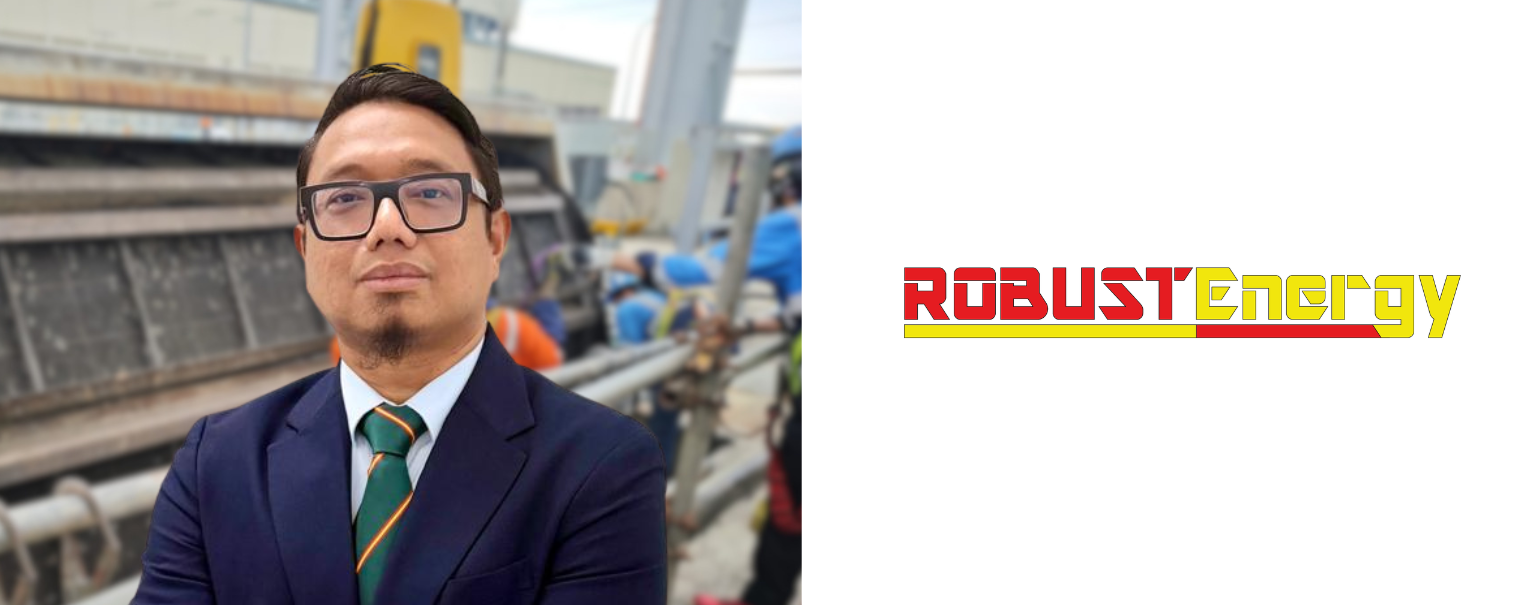
Managing Director and CEO of KT Academy – Encik Ahmad Zaim.
KT Academy describes itself as an accredited social enterprise under KUSKOP/INSKEN, a Malaysia Digital-status company, an HRD Corp-registered training provider and a strategic partner of PERKESO. These affiliations underpin its ambition to connect skills development with digital capabilities, social protection and measurable community outcomes.
Its offerings include high-value technical and vocational education and training, digital learning, sustainability modules and workplace programmes addressing mental wellness and family economic resilience. Through KT Ballroom, it also manages facilities and events with an emphasis on reducing waste and environmental impact.
The breadth of that model reflects a gap the company identified in conventional training provision. Skills programmes, it argues, are frequently delivered separately from mental wellbeing, family stability and social protection. Employers may develop technical capabilities without addressing the pressures that affect whether employees can apply them consistently.
KT Academy seeks to connect those elements through coordinated programmes. Its strategic priorities include workplace mental wellness, digital and green skills, and sustainable event operations. Where applicable, it structures training around HRD Corp claim requirements while incorporating social protection considerations into graduate placements.
This approach also changes how the company defines growth. Alongside commercial performance, KT Academy wants to assess progress through economic mobility among young people and families, employee wellbeing, social return on investment and reductions in facility waste and carbon emissions. These are the outcomes it intends to measure, rather than achievements supported by figures in its interview responses.
Its operating decisions offer a more concrete indication of direction. Over the past 12–18 months, the company says it has enforced protocols to prevent food waste and eliminated single-use plastics at corporate events held at KT Ballroom. It reports declining customers unwilling to follow those sustainability requirements.
KT Academy also says it requires mental health support modules and registration for relevant PERKESO contribution schemes for every placement of its training graduates. The intention is to strengthen the support available as participants move from learning into employment.
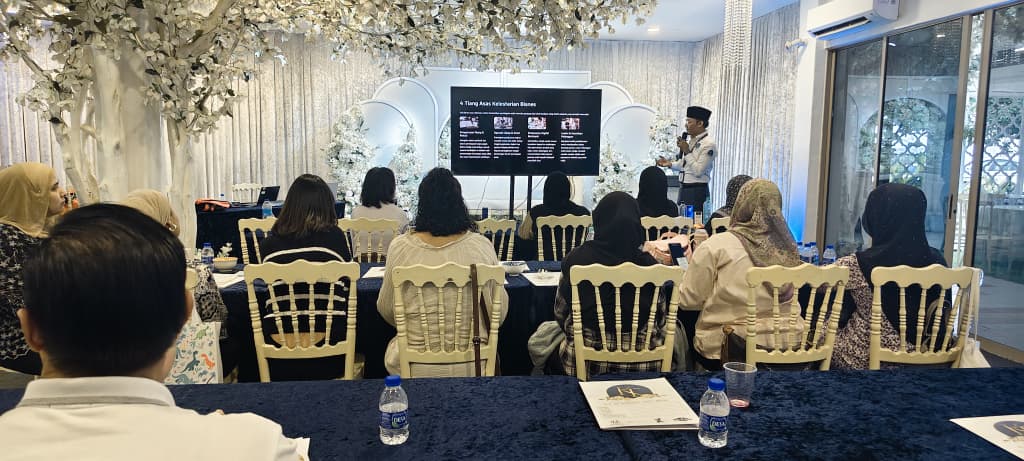
Delivering this model at greater scale brings administrative complexity. The company must coordinate training audits, social enterprise reporting, digital-status requirements and social protection compliance, while developing credible methods for tracking wellbeing and environmental performance.
It has responded by reorganising operations around two functions: statutory compliance and ESG, and impact development and sustainable facilities. Digital collection of impact data is intended to improve consistency and accountability across both.
Its next ambition is to become a national hub connecting social enterprise, green and digital capabilities, and human wellbeing. Central to that plan is a proposed Integrated Social & Carbon Impact Dashboard, designed to track social returns, family psychosocial wellbeing and programme-related emissions savings.
The dashboard would help test whether its integrated approach produces the outcomes it seeks. Its usefulness will depend on clear definitions, reliable data and consistent measurement, particularly where social and environmental benefits are difficult to attribute.
For KT Academy, the opportunity lies in making those connections practical. Training, worker protection, family resilience and responsible operations each address a different pressure on businesses and communities. Bringing them together gives the company a broader role—and a greater responsibility to demonstrate that its model delivers lasting value.