For decades, food manufacturers have been trying to save consumers time. The trade-off was often understood: the faster the meal, the further it moved from the flavours, ingredients and rituals that made it worth eating in the first place.
Asia Food & Beverage Sdn Bhd is betting that this compromise is becoming obsolete.
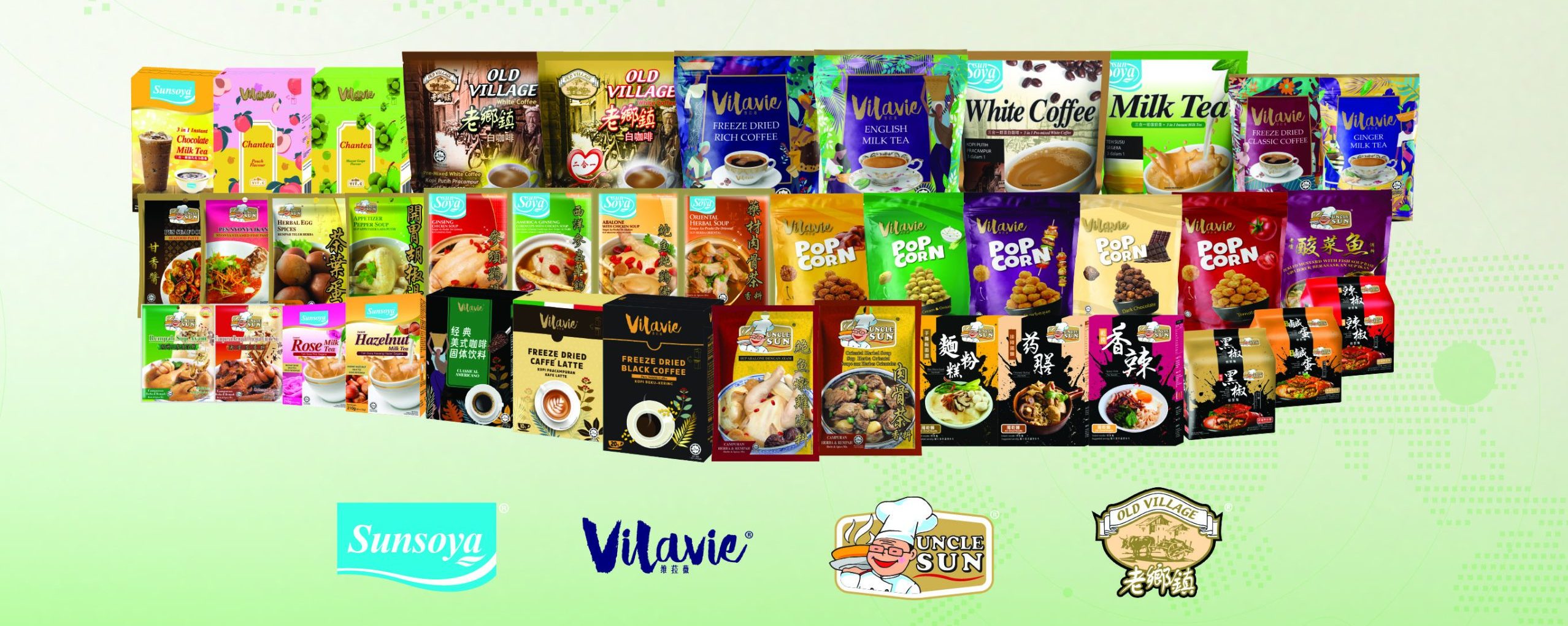
The Malaysian manufacturer and distributor has built a portfolio around translating familiar Asian flavours into products designed for modern life. Traditional herbs, spices and pre-mixed herbal soups sit alongside freeze-dried coffee, instant white coffee, milk tea, instant noodles, cooking pastes and popcorn.
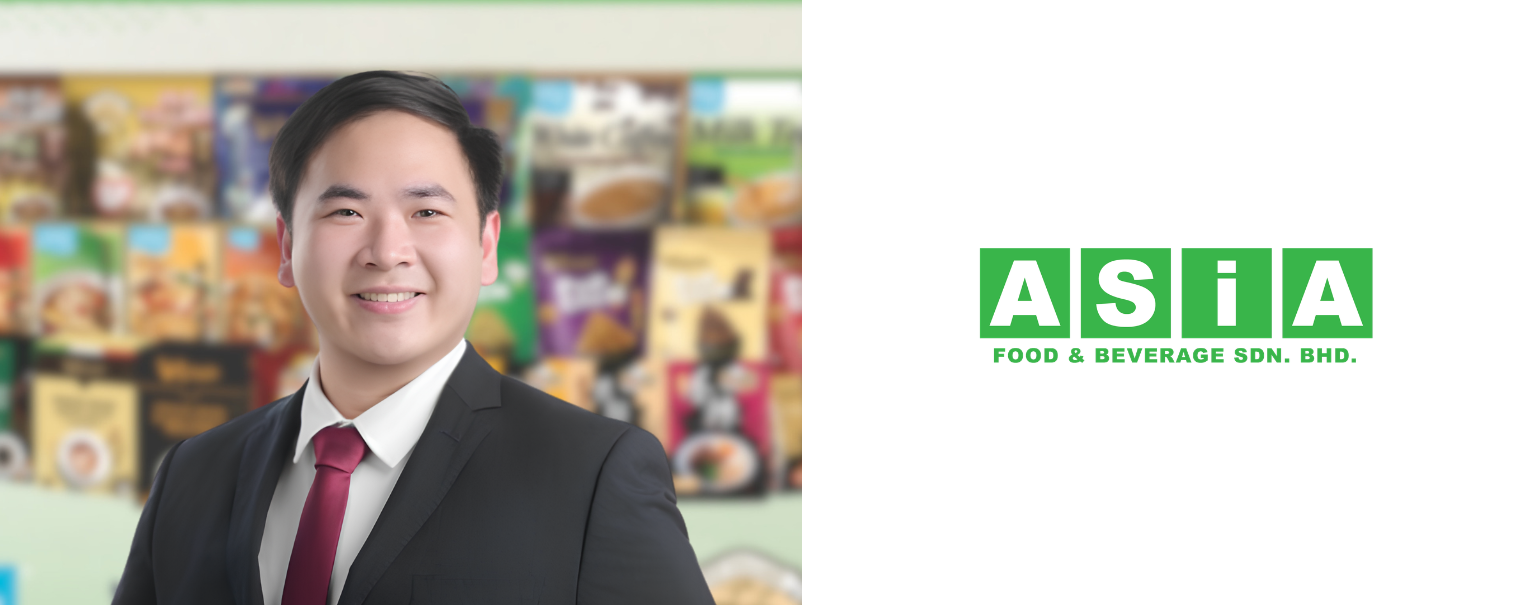
Key Account Manager at Asia Food & Beverage Sdn Bhd – Koh Kai Bin.
Through brands including Uncle Sun, Vilavie, Sunsoya and Old Village, the company serves retailers, supermarkets, wholesalers, importers and distributors while pursuing a wider international market for Malaysian food and beverage products.
But the more interesting proposition is not the size of the portfolio. It is the problem the company is trying to solve: how do you compress hours of preparation into minutes without stripping away what made the food distinctive?
Putting Time Back on the Menu
Consider herbal soup.
Traditionally, creating it can involve sourcing specific ingredients, understanding how they work together and allowing them to simmer over time. The result carries associations that go well beyond convenience—family, culture, wellness and the familiar taste of home.
Asia Food & Beverage has made converting such experiences into accessible formats one of its core strengths, particularly through Uncle Sun’s pre-mixed herbal soups.
The same thinking extends across its portfolio. A cup of coffee or a cooking paste may be an everyday product, but the company sees an opportunity in removing preparation complexity without removing the character consumers expect.
Historically, the market often forced a choice. Instant meant convenient; authentic meant effort.
Asia Food & Beverage positioned itself somewhere in between.
Today, that middle ground is becoming more valuable as expectations rise. Consumers increasingly want convenience accompanied by better quality, consistency and products that fit more health-conscious lifestyles.
The Factory Gets Smarter
Delivering that proposition at scale requires more than recipes.
Asia Food & Beverage is investing in automation, digital integration and real-time inventory and production tracking as it modernises its manufacturing and supply-chain operations.
The challenge is complexity.
Producing across categories as different as herbs, powdered beverages and convenience foods requires quality control and inventory management to remain closely aligned with production. As volumes increase and brands expand internationally, small inefficiencies can quickly become larger operational problems.
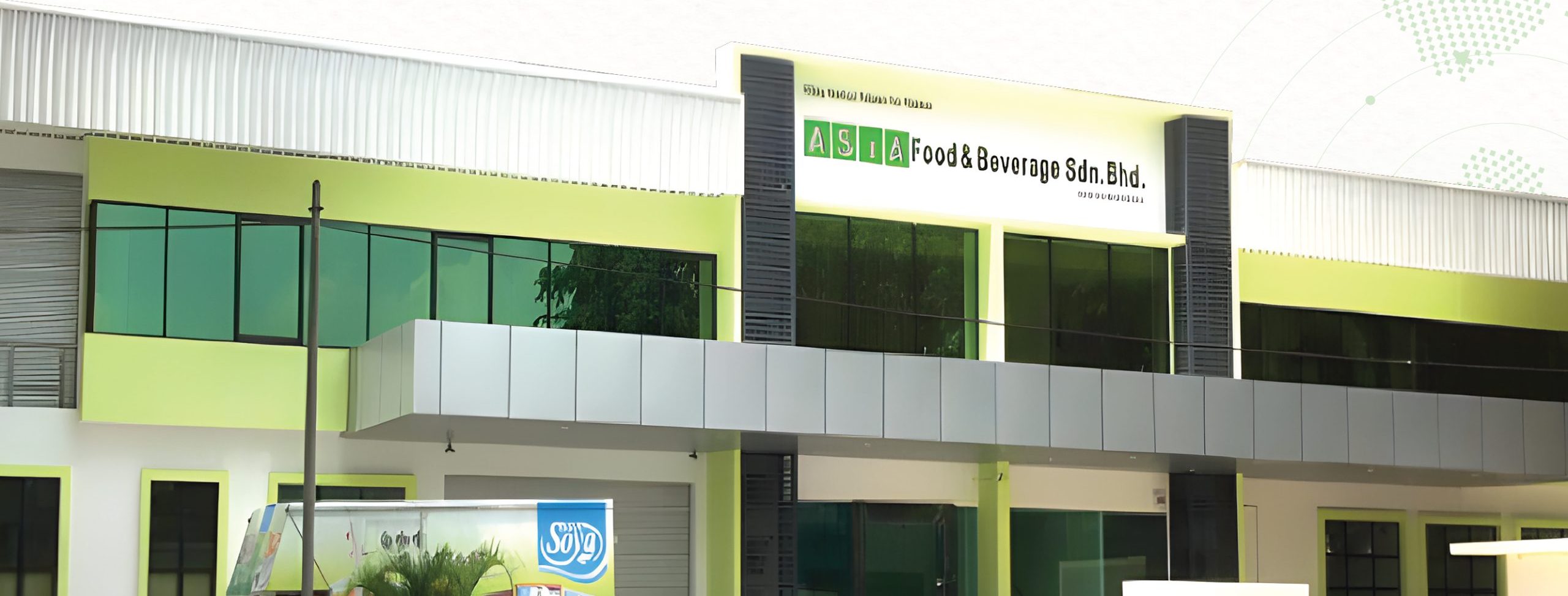
The company has consequently been moving away from siloed management towards a more data-driven model, giving teams greater visibility into what is happening across production and warehousing.
That information is intended to move decision-making closer to the factory floor, allowing problems to be identified and addressed faster.
Saying No to Growth
Asia Food & Beverage’s ambitions are international, but management is selective about how it intends to get there.
Growth, in its view, is not simply a matter of producing more.
The company is deliberately avoiding low-margin volume battles and highly commoditised price competition. It is similarly cautious about pursuing fashionable product categories that may generate attention but offer little connection to its manufacturing strengths.
Instead, capital is being directed towards operational resilience, technology and product categories with repeat-purchase potential and the ability to scale internationally.
That discipline extends to sustainability.
Rather than framing sustainability around a single initiative, Asia Food & Beverage has concentrated on process improvements, quality assurance and operational efficiency intended to reduce waste and improve productivity. It has also remained selective about partnerships and expansion opportunities where short-term revenue could come at the expense of margins, quality or supply-chain reliability.
Taking Malaysian Flavours Further
The next test is whether Asia Food & Beverage can take products rooted in familiar regional tastes and make them increasingly mainstream elsewhere.
Its ambition is to expand its brands across broader international retail markets while moving towards greater digital automation throughout manufacturing and logistics.
That will require more than new machinery.
The company’s workforce must also make the transition from traditional manufacturing practices towards a culture where data moves quickly from warehouse and production floor to management decision-making.
There is an interesting paradox at the centre of that strategy.
Asia Food & Beverage is using increasingly sophisticated technology to sell something fundamentally familiar: the taste of home, without the hours traditionally required to create it.
In the global race to make food faster, the company’s opportunity may lie in ensuring convenience no longer feels like a compromise.