Author name: admin

News

Brazil, China Launch Joint Investment Fund

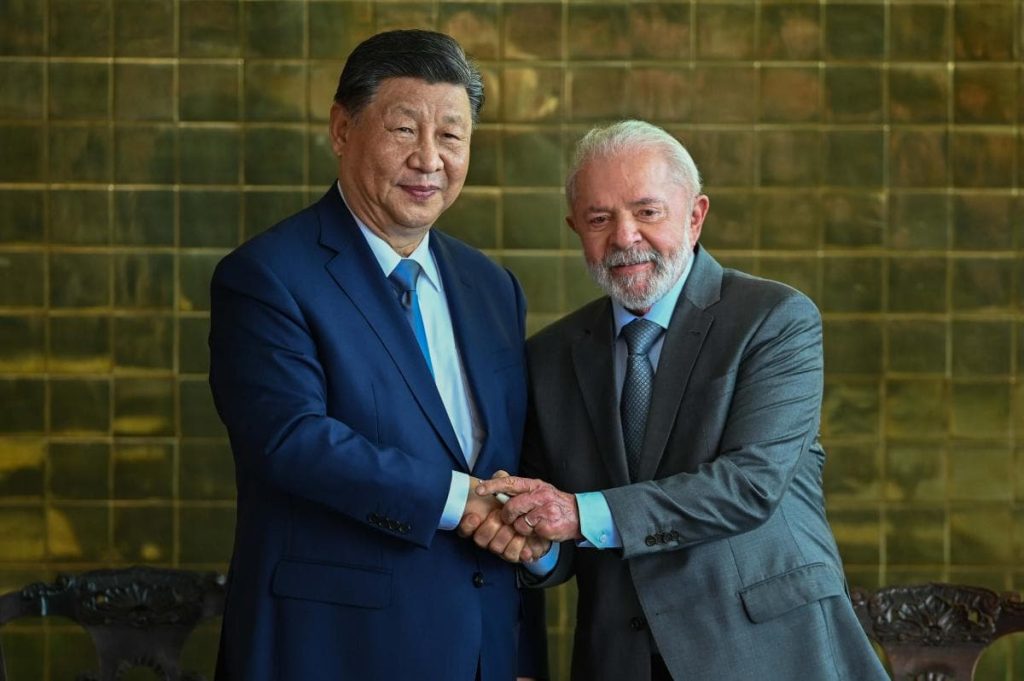
RIO DE JANEIRO, Brazil’s Development Bank (BNDES) and the Export-Import Bank of China (Cexim) have formalized an agreement to establish a landmark US$1 billion (RM4.21 billion) joint investment fund aimed at financing strategic sectors that support economic development and innovation. The fund, set to begin operations in 2026, will target investments across energy transition, infrastructure, mining, agriculture, and artificial intelligence (AI), reflecting both nations’ shared priorities in advancing sustainable growth and technological competitiveness. Chinese President Xi Jinping (left), with Brazilian President Luiz Inácio Lula da Silva (right). Under the arrangement, BNDES will contribute US$400 million, while Cexim will provide US$600 million. Together, the two institutions will deploy capital through a combination of debt securities and equity investments in Brazil, with a focus on projects that can accelerate industrial modernization, boost productivity, and support the low-carbon transition. BNDES and Cexim have already signed a commitment term and a declaration of intent to cooperate in structuring the fund. According to BNDES planning director Nelson Barbosa, the initiative represents the first bilateral investment fund jointly developed by a Brazilian and a Chinese financial institution, marking a significant milestone in the countries’ economic partnership. Notably, the fund will operate primarily in Brazilian reais, underlining its commitment to supporting domestic market financing while reducing reliance on external currency volatility. Speaking at the signing ceremony in Rio de Janeiro, Barbosa emphasized the broader importance of the initiative. “This new partnership between the two institutions will strengthen the commercial and economic relationship between Brazil and China. It will also create new channels of financing for projects that are crucial to Brazil’s long-term development and competitiveness, while deepening integration between our two economies,” he said. The announcement comes at a time when Brazil is actively seeking to diversify its sources of foreign investment and build stronger ties with strategic partners such as China, which remains its largest trading partner and a growing source of capital inflows. The collaboration also complements China’s broader engagement in Latin America, where it has steadily increased investments in energy, infrastructure, and technology projects over the past decade. Analysts say the fund could serve as a template for future bilateral investment platforms, especially those seeking to balance traditional sectors like mining and agriculture with forward-looking industries such as renewable energy and AI. For Brazil, the initiative offers a powerful financing mechanism to accelerate industrial transformation, while for China, it opens an avenue to strengthen its economic footprint in one of Latin America’s largest markets. The new fund is expected to announce its first wave of investments soon after its official launch in 2026, with further details on governance and project selection criteria to be revealed in the coming months.
ESG

LEGO Vietnam Inks First Renewable Power Partnership With VSIP

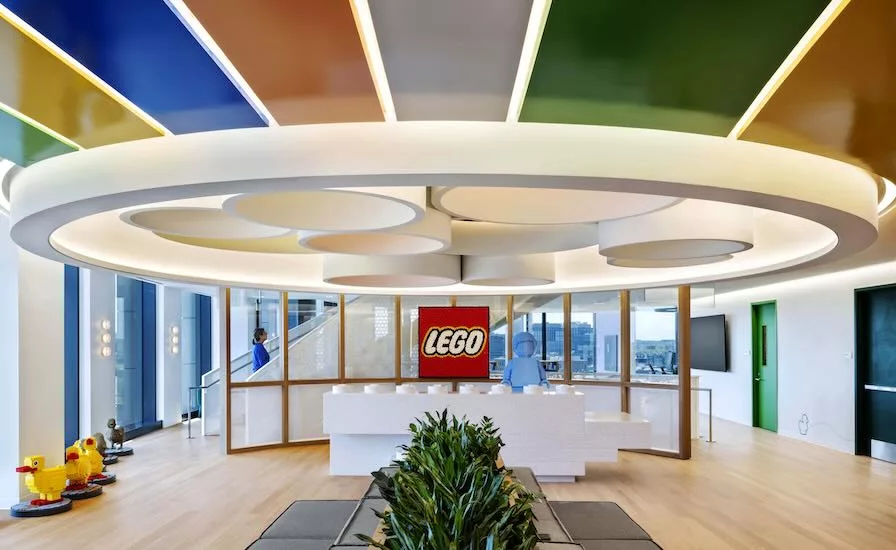
HCMC, Vietnam, LEGO Manufacturing Vietnam has entered into a Direct Power Purchase Agreement (DPPA) with Vietnam–Singapore Industrial Park (VSIP), formalising its plan to run its newly launched factory entirely on renewable energy. The deal, which combines large-scale rooftop solar generation with an industrial battery storage system, is being positioned as a pioneering model for Vietnam’s manufacturing sector. Prototype for Industrial Energy TransitionAs one of the first agreements of its kind in Vietnam, the DPPA is designed to stabilise renewable energy supply for large-scale industrial use. Under the arrangement, solar power generated by VSIP will be supplied directly to LEGO’s operations, with battery storage ensuring a consistent supply despite fluctuations in generation. Supported by Vietnam’s Ministry of Industry and Trade and local authorities, the framework is seen as a key step towards scaling clean energy adoption across the country’s fast-growing industrial parks. The signing ceremony was attended by Ho Chi Minh City officials, Denmark’s Ambassador Nicolai Prytz, and senior executives from VSIP. “This marks an important milestone in our ambition to operate the factory entirely on renewable energy,” said Jesper Hassellund Mikkelsen, Senior Vice President of Asia Operations and General Manager of LEGO Manufacturing Vietnam. “We are proud to be among the first companies to sign a DPPA and grateful for the strong support from national and provincial authorities in enabling this initiative.” Nguyen Phu Thinh, General Director of VSIP J.V. Co., added that the project highlights the role of industrial parks in accelerating Vietnam’s low-carbon transition. “By combining rooftop solar with battery storage, we are establishing a new benchmark for reliable renewable power in the manufacturing sector,” he said. Scale and Climate ImpactThe project is expected to reduce approximately 15,000 tonnes of CO2e annually once operations begin in early 2026. It builds on the 12,400 solar panels already installed at LEGO’s Vietnam site, which are projected to cover around 75% of the facility’s energy demand for its first five years. Additional off-site renewable energy agreements are also under discussion to secure the remainder of its supply. LEGO’s Vietnam factory, which opened in April 2025, is the company’s sixth globally and its second in Asia. Designed as LEGO’s most sustainable production site to date, the facility plays a key role in the group’s regional growth strategy. Broader SignificanceVietnam has emerged as a critical hub for global manufacturing, but challenges around energy security and emissions reduction persist. LEGO’s adoption of one of the country’s first DPPAs sets an example for other multinationals aiming to meet ESG goals while navigating Vietnam’s regulatory frameworks. For investors, the agreement demonstrates how foreign corporations are integrating renewable infrastructure into emerging markets. For policymakers, it underscores the potential for industrial parks to serve as catalysts for Vietnam’s energy transition, linking commercial investment with national climate objectives.

News

MAS Names Abigail Ng As Chief Sustainability Officer

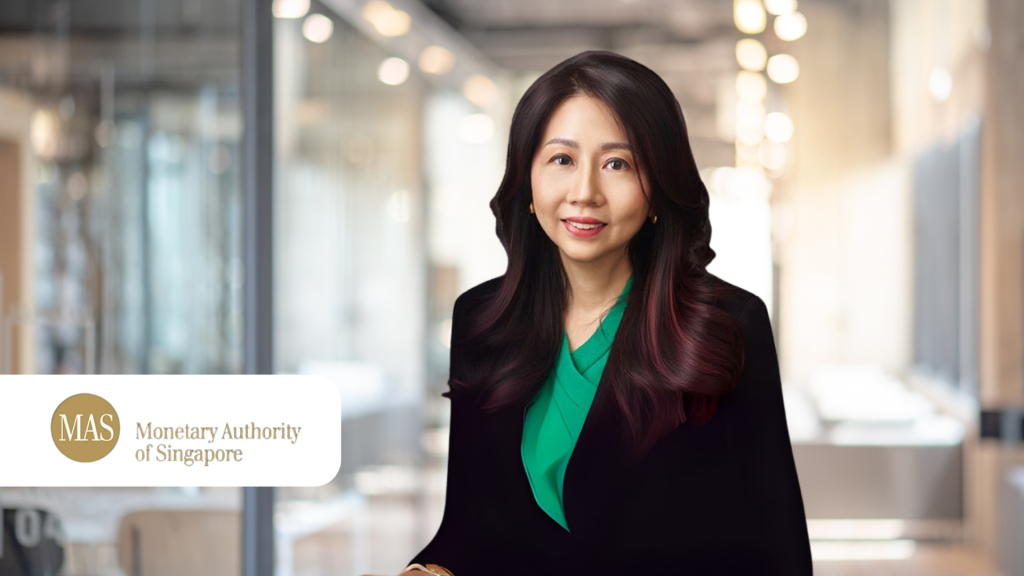
The Monetary Authority of Singapore (MAS) has named Abigail Ng as its new Chief Sustainability Officer (CSO), effective 6 October 2025, underscoring the city-state’s next phase in embedding climate and sustainability goals into financial regulation. Ng succeeds Gillian Tan, who had carried the dual portfolio of Assistant Managing Director (Development & International) and CSO since 2022. Monetary Authority of Singapore (MAS) has named Abigail Ng as its new Chief Sustainability Officer (CSO). This appointment marks a structural shift for MAS, which has chosen to carve out the CSO role as a dedicated leadership position, distinct from its broader developmental and international mandates. Officials said the move comes as Singapore transitions from designing sustainability frameworks to scaling and executing them across financial markets. Building Asia’s sustainable finance architecture Over the last three years, MAS’ Sustainability Group has spearheaded multiple high-impact initiatives. Under Tan’s leadership, MAS launched the Finance for Net Zero Action Plan to mobilise capital for Asia’s decarbonisation. Other landmark programs included: The Singapore-Asia Taxonomy, setting consistent standards for green finance. The Transition Credits Coalition (TRACTION), to support credible transition credits. The Financing Asia’s Transition Partnership (FAST-P), a blended finance platform to crowd in private capital. A Sustainable Finance Jobs Transformation Map, aligning workforce skills with the sector’s growing demand. Tan will continue with MAS as Group Head of the Development & International Group, focusing on global engagement and policy development. Ng’s regulatory focus Ng, currently Head of the Markets Policy & Consumer Department, has played a key role in shaping sustainability disclosure requirements and coordinating with global regulators on financial standards. Her promotion signals MAS’ intention to reinforce policy clarity, regulatory credibility, and international alignment in sustainable finance. In her new role, Ng is expected to prioritise: Strengthening disclosure frameworks and taxonomy-based standards. Guiding financial institutions in transition financing. Enhancing Singapore’s credibility as a hub for green and sustainable capital flows. Broader implications for global finance For international banks, investors, and corporates operating through Singapore, the change reflects three clear messages: Sustainability is now institutionalised at the highest level of MAS’ governance. The regulator is shifting from framework design to practical enforcement and execution. Singapore aims to maintain leadership in the global dialogue on transition finance, particularly in Asia’s distinct energy and industrial pathways. Market participants should expect closer scrutiny of ESG claims, stricter alignment with disclosure rules, and deeper integration of taxonomy-based financing into market practices. A structural pivot for Singapore MAS’ decision to establish a dedicated CSO role highlights Singapore’s long-term calculation: sustainable finance is no longer a temporary agenda but a core pillar of financial regulation and competitiveness. Ng’s leadership will be closely watched as Singapore continues to position itself as a bridge between Asia and global capital markets. Her role is expected to shape not only domestic frameworks but also influence regional and international standards, particularly in areas like blended finance, transition pathways, and credible ESG reporting. For investors and corporates, the message is clear: sustainability is now fully embedded in the DNA of Singapore’s financial system, setting a precedent for regulators across Asia.

Investment & Market Trends

Empire Sushi Owner Targets Main Market Listing

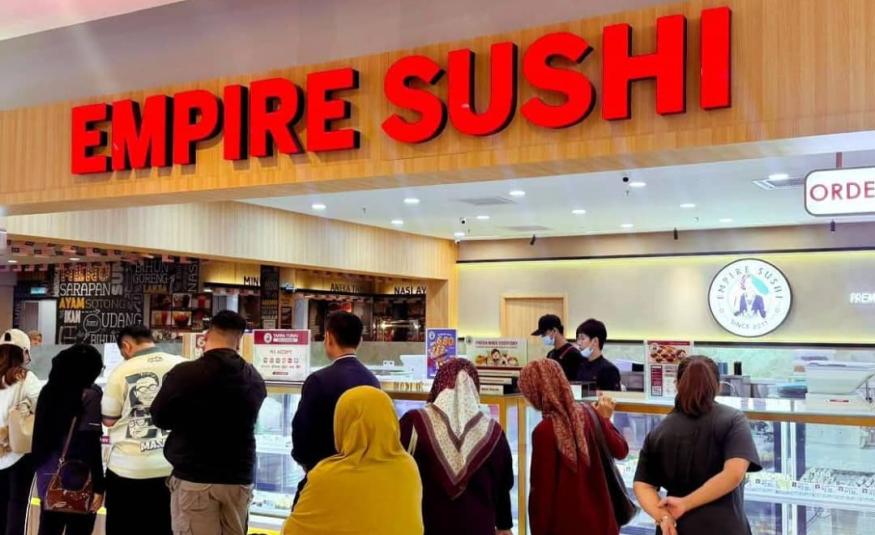
KUALA LUMPUR, Empire Premium Food Bhd, the operator of the popular Empire Sushi chain, has unveiled plans to list on the Main Market of Bursa Malaysia as part of its strategy to accelerate nationwide expansion and strengthen its market position. According to its draft prospectus lodged with the Securities Commission Malaysia, the proposed initial public offering (IPO) will comprise the issuance of 218 million new shares alongside an offer for sale of 145 million existing shares by its current shareholder, Empire 11 Group Sdn Bhd. In total, the IPO will represent a 33% stake in the group. Empire Premium Food Bhd is planning an initial public offering of 218 million new shares and an offer for sale of 145 million existing shares by its selling shareholder, Empire 11 Group Sdn Bhd, en route to a listing on the Main Market of Bursa Malaysia. Of this, 293 million shares, or 26.6%, will be allocated to institutional and selected Bumiputera investors, while the retail tranche will consist of 70 million shares, representing 6.4% of the enlarged share capital. The retail offering includes 55 million shares available to the Malaysian public and 15 million shares reserved for eligible employees and persons connected with the group. Upon completion of the listing, Empire 11 Group — jointly owned by co-founders Nicole Lim and Jordan Tan — will see its stake reduced from 100% to 67%. From Grab-and-Go to a Growing Nationwide NetworkEmpire Sushi began operations in 2010 with a simple grab-and-go concept and has since evolved into a leading multi-format sushi brand in Malaysia. As of now, the group operates 132 outlets nationwide, spanning both its flagship grab-and-go format and a growing number of quick dine-in outlets. The company has enjoyed robust financial growth in recent years. Profit after tax has more than doubled over the last three financial years, rising from RM14.59 million in FY2023 to RM26.23 million in FY2024 and further to RM37.92 million in FY2025. Revenue has also climbed steadily, from RM137.1 million in FY2023 to RM184.8 million in FY2024, and RM235.6 million in FY2025. Notably, more than 80% of the group’s revenue is derived from its grab-and-go segment, underscoring the strong consumer demand for convenience-driven dining. IPO Proceeds to Fund Expansion and UpgradesThe group has earmarked proceeds from the IPO to finance the rollout of 56 new outlets across Malaysia between FY2027 and FY2029. These will include both grab-and-go and quick dine-in concepts to capture a wider range of customers. Additionally, funds will be used to recruit more service staff, upgrade and refurbish existing outlets, bolster working capital, and cover listing-related expenses. Maybank Investment Bank Bhd has been appointed as the principal adviser, sole bookrunner, underwriter, and placement agent for the IPO. Empire Premium Food said the listing will not only strengthen its capital base but also enhance visibility and brand recognition, positioning the company to pursue long-term growth in Malaysia’s fast-growing quick-service restaurant sector.

News

Khazanah Eyes Partnerships In US And China, Says CIO

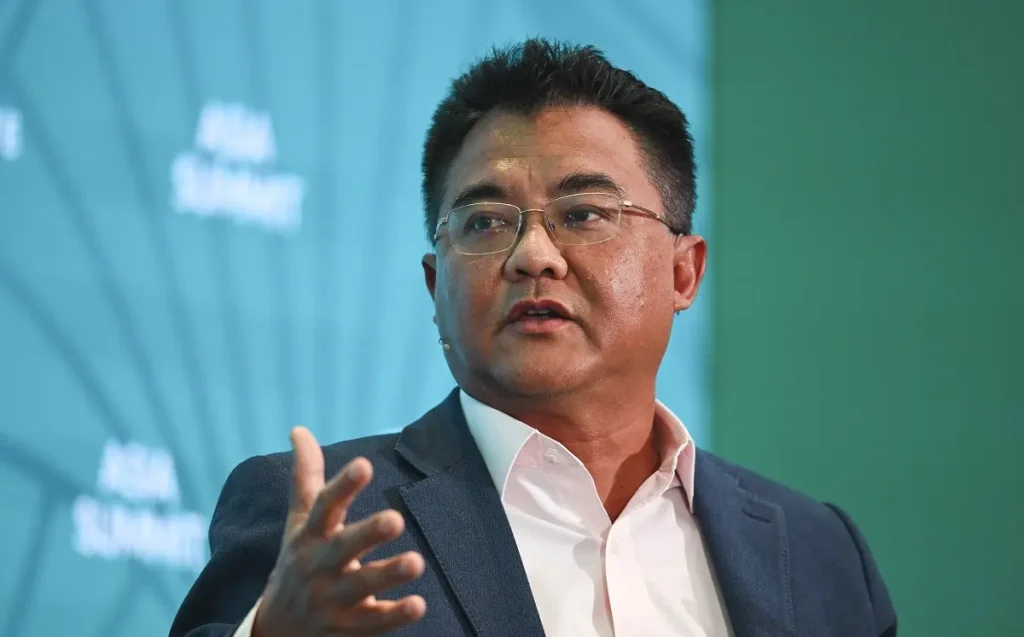
SINGAPORE, Malaysia’s sovereign wealth fund, Khazanah Nasional Bhd, is looking to strengthen its partnerships with both the United States and China, recognising their pivotal roles in shaping global capital flows, supply chains, and technological advancement, according to its Chief Investment Officer, Datuk Hisham Hamdan. Speaking on the sidelines of the Milken Institute Asia Summit 2025 in Singapore, Hisham said Khazanah’s mandate extends beyond investing in foreign companies. A key focus, he noted, is to identify businesses in the US and China that can collaborate with Malaysian entrepreneurs and contribute expertise in research and development (R&D). “You have to pay attention to these countries,” Hisham told Reuters in an interview, highlighting China’s R&D expenditure of 2.7% of GDP as a benchmark that underscores the importance of knowledge partnerships. Malaysia has in recent years attracted growing inflows of investment from both the US and China, particularly in data centre infrastructure, with major commitments from global technology giants including Microsoft, Alphabet, and Amazon, as well as Chinese leaders such as Tencent, Alibaba, and Huawei. The nation is also positioning itself as a regional hub for semiconductors, automotive manufacturing, and critical minerals such as rare earths. On macroeconomic conditions, Hisham said he was encouraged by the potential convergence of US interest rate cuts and China’s supply chain realignments. “That reminds me of the roaring 90s,” he said, recalling the period when Malaysia’s economy surged on the back of US monetary easing and Japan’s supply chain relocations to Southeast Asia. “We want to take advantage of this shift — China’s supply chain diversification into ASEAN and Malaysia,” he added. Khazanah currently holds investments across more than 8,000 companies worldwide. Hisham stressed that the fund’s strategy is not just about targeting individual firms, but rather ensuring the right balance between geographic exposure and sectoral positioning. Founded in 1994 and wholly owned by the Malaysian government, Khazanah has in recent years pivoted toward a more diversified and global portfolio, with rising allocations to technology, renewable energy, and private equity. When asked about Reuters’ exclusive report on Khazanah’s potential partnership with a Chinese state-owned enterprise to develop a rare earth refinery in Malaysia, Hisham declined to confirm the discussions, saying it was “way too early.” However, he acknowledged that rare earths remain one of the industries under review by the fund.

Investment & Market Trends

SCIB Considers RM113m Sale Of Concrete Unit To YTL Cement Sarawak

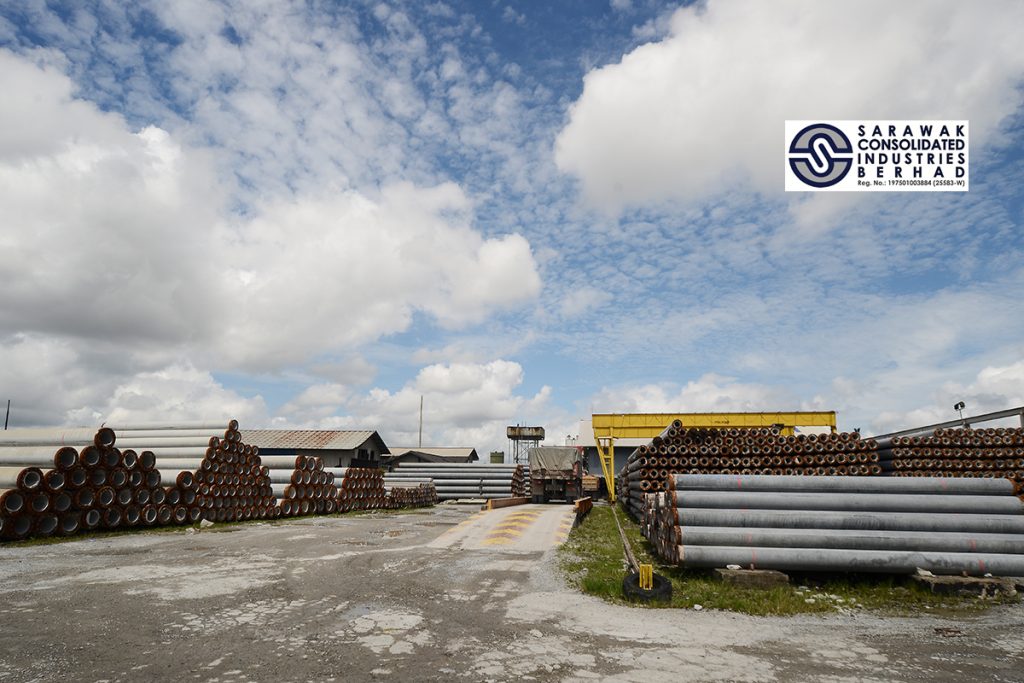
KUALA LUMPUR, Sarawak Consolidated Industries Bhd has confirmed that it has received an offer of RM113 million from YTL Cement (Sarawak) Sdn Bhd to acquire its wholly-owned subsidiary, SCIB Concrete Manufacturing Sdn Bhd. The proposed deal is notable as the offer value is nearly on par with SCIB’s current market capitalisation of RM115.4 million. SCIB Concrete Manufacturing operates in the construction supply chain, focusing on the trading of building materials as well as the production and sale of concrete products including precast pipes and spun piles. In a statement, SCIB said its board has resolved to accept the proposal in principle, subject to the successful conclusion of negotiations and the signing of a definitive share sale and purchase agreement. Executive chairman Datuk Chong Loong Men said the move could unlock significant value from one of the group’s core business units. “This proposal provides a strategic opportunity for the group. While we have agreed in principle, we remain in the preliminary stages and will move cautiously, working closely with our appointed advisers to review every aspect before reaching a final decision,” he noted. Chong further emphasised that SCIB will continue to evaluate strategic opportunities that support long-term growth and serve the interests of shareholders and stakeholders. YTL Cement (Sarawak) is a wholly-owned subsidiary of YTL Cement Bhd, which itself is 98.03%-owned by YTL Corporation Bhd. At the time of writing, YTL Corporation has not issued any official statement to Bursa Malaysia regarding the planned acquisition. SCIB said it intends to appoint financial, legal and strategic advisers to conduct a comprehensive review of the offer and ensure the process aligns with governance and compliance standards. The proposed transaction will also be subject to shareholder approval. The group added that it will keep the market informed of any material developments, including the signing of the final agreement or changes to the proposed deal, while reiterating its commitment to transparency and protecting the interests of its employees, customers, partners and investors. On Thursday, SCIB’s share price rose 13.8% or two sen to close at 16.5 sen, giving the group a market value of RM115.4 million. Despite the rebound, the counter remains down about 30% year to date.

ESG

Standard Chartered Provides $700 Million Sustainability-Linked Trade Finance To L&T

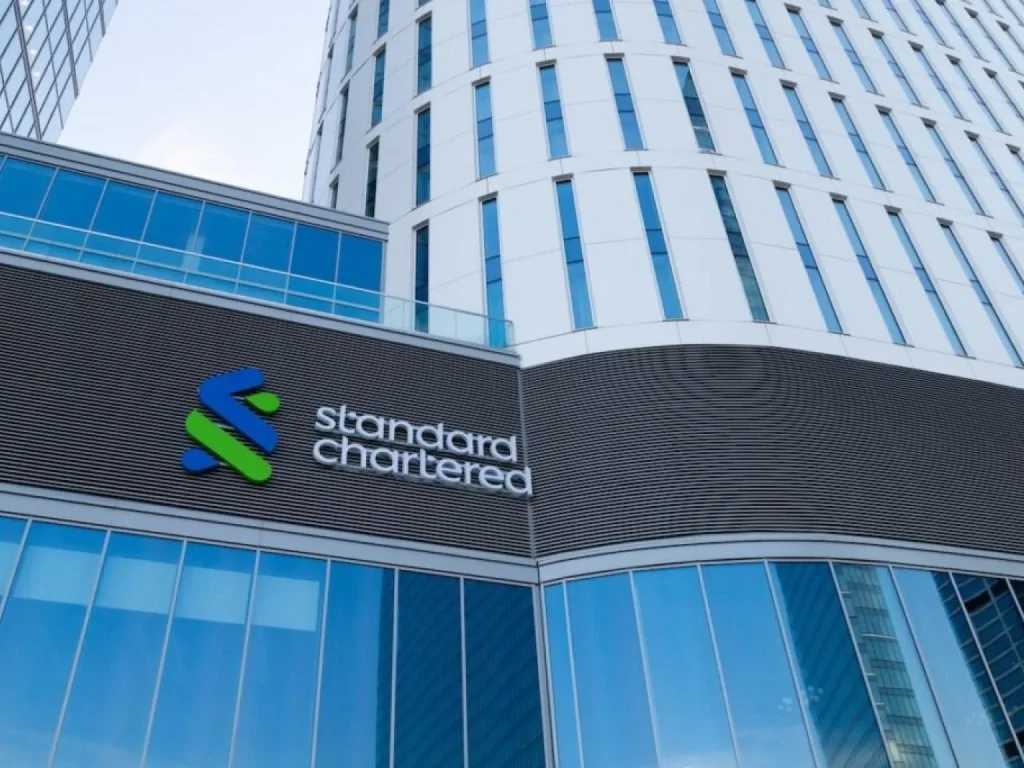
L&T Strengthens Sustainable Finance Portfolio with $700M Trade Facility Indian multinational Larsen & Toubro (L&T) has secured a $700 million Sustainability-Linked Trade Facility (SLTF) from Standard Chartered, further enhancing its access to capital linked directly to environmental performance metrics. The transaction follows L&T’s issuance of India’s first listed sustainability-linked bond under the Securities and Exchange Board of India’s ESG Bond Framework in June, reflecting the company’s continued commitment to sustainable financing. Tying finance to environmental outcomesThe SLTF links financing terms to measurable reductions in greenhouse gas (GHG) intensity and freshwater consumption—two key environmental risks for L&T’s heavy industry and infrastructure operations. By embedding these indicators into trade finance, the company aligns with the sustainability-linked loan principles established by the Loan Market Association. Under the SLTF framework, L&T will report annual progress on agreed key performance indicators, with independent third-party verification. Global assurance firm DNV has provided a second-party opinion, validating both the targets and the methodology. This structure mirrors a growing global trend, where corporates are increasingly held accountable for their environmental impact. For investors, third-party verification mitigates reputational risk while transparent reporting strengthens market confidence and addresses concerns over greenwashing. Corporate strategy and ESG goalsL&T has set ambitious targets of achieving carbon neutrality by 2040 and water neutrality by 2035. As a conglomerate with significant energy, construction, and manufacturing exposure, these goals are intended to improve operational efficiency and address regulatory pressures. A spokesperson for L&T stated, “This SLTF underscores our commitment to sustainable business practices. ESG principles are integral to our corporate strategy, guiding investments in low-carbon technologies, resource optimisation, and biodiversity conservation. By demonstrating progress on these metrics, we strengthen investor confidence and ensure long-term value creation.” The company is increasingly linking its financial strategy to ESG performance, recognizing that sustainable finance provides access to lower-cost capital while reinforcing its market reputation. Banking perspective and India’s sustainability agendaFor Standard Chartered, this transaction reflects the expanding role of international banks in supporting India’s corporate sustainability efforts. Shobana Chawla, Head of Sustainable Finance Origination at Standard Chartered India, said, “Through this facility, we are supporting L&T’s decarbonisation journey. Sustainability remains a strategic priority for Standard Chartered, and we aim to facilitate the development of a more sustainable economy in India.” The deal comes amid India’s push for stronger ESG reporting and energy transition policies. With domestic regulators demanding enhanced disclosure and international investors seeking credible sustainability strategies, instruments like the SLTF are becoming increasingly important for bridging capital needs. Implications for investors and corporatesThe $700 million facility positions L&T among the largest issuers of sustainability-linked finance in emerging markets. It demonstrates how corporates can integrate ESG criteria into everyday business operations rather than relying solely on green bonds. For executives and boards, the L&T case highlights that ESG performance is now inseparable from financial strategy. Strong target-setting, independent verification, and transparent reporting can unlock large-scale, lower-cost financing and provide competitive advantages. Global relevanceWhile this is an India-based transaction, its structure aligns with global trends in sustainable finance. Emerging market corporates like L&T play a critical role in global emissions reduction, and access to international capital via sustainability-linked instruments will be crucial for financing large-scale transitions. For policymakers, the deal underscores the importance of robust verification frameworks and consistent disclosure standards. For investors, it provides a concrete example of embedding environmental metrics into financial instruments in high-emissions sectors. As global finance increasingly prioritizes climate-aligned portfolios, L&T’s approach illustrates how ESG credibility is becoming a key determinant of capital access.

News

Eurospan MGO Completes Listing With Ng Holding 84% Stake

KUALA LUMPUR, The mandatory general offer (MGO) for Eurospan Holdings Bhd has officially closed, with the company’s new controlling shareholder, Samuel Ng Heng Hong, now holding a commanding 84.11% stake in the Malaysian furniture manufacturer. According to a statement by AmInvestment Bank Bhd, which acted on behalf of Ng’s private investment vehicle, EC Synergy (M) Sdn Bhd, the MGO concluded yesterday with valid acceptances totaling 4.43 million shares. This represents approximately 9.97% of Eurospan’s issued share capital. Prior to the MGO, Ng had already acquired a 74.14% block of shares from Eurospan’s chairman Tan Han Chuan and non-executive director Tan Ching Ching. With the additional shares obtained through the MGO, Ng now controls a total of 37.36 million shares. The initial acquisition of the Tan siblings’ majority stake was valued at RM75.75 million, or RM2.30 per share, and triggered the mandatory offer under Malaysian takeover rules. Independent adviser MainStreet Adviser had recommended that shareholders reject the MGO, citing the offer price. Although the RM2.30 per share price represented a 132% premium over Eurospan’s net asset value, it was still priced at discounts ranging from 4.1% to 21.4% compared with recent market trading levels. This MGO is Eurospan’s second in just over a year, following a previous takeover bid by the Tan siblings at RM1.70 per share in May 2024. In reaction to the news, Eurospan’s shares jumped 21.25% yesterday to close at RM2.91, giving the group a market capitalisation of RM129.3 million. The stock has seen substantial gains over the past year, rising more than 71%, while year-to-date, the share price has increased by over 27%. The latest developments cement Samuel Ng’s control over Eurospan, giving him the ability to influence strategic decisions and future growth plans for the company, while also highlighting the active movements in Malaysia’s small-cap furniture manufacturing sector.

Investment & Market Trends

Custom Food Plans IPO On Bursa Malaysia’s Main Market

PETALING JAYA, Custom Food Holding Bhd is targeting a listing on the Main Market of Bursa Malaysia as part of its strategy to expand its operations and strengthen its market presence in the food ingredients sector. The company specializes in the production of specialty food ingredients and products, including non-dairy creamers, functional lipid powders, malt, and cereal products. In addition, it sources and supplies a range of other food ingredients and products from third-party suppliers, catering to both domestic and international markets. According to its prospectus exposure released yesterday, Custom Food’s initial public offering (IPO) will involve a public issue of 113.31 million new shares, alongside an offer for sale of up to 186.81 million existing shares. The IPO aims to raise capital to fund a range of strategic initiatives designed to support the company’s growth and operational efficiency. Proceeds from the IPO will be directed towards the construction of a new factory, acquisition of new machinery and equipment, investment in information technology and automation systems, repayment of existing bank borrowings, working capital requirements, and expenses related to the listing process. “The proposed factory will focus on the production of flavour and bakery enhancement products and will include a warehouse to support the expansion of our manufacturing capabilities. This initiative is expected to improve production capacity, enhance operational efficiency, and allow the group to better meet growing market demand,” the company said in the prospectus. The planned IPO marks a significant milestone for Custom Food, reflecting its ambition to scale its operations, modernize facilities, and strengthen its position in the competitive food ingredients industry. By listing on the Main Market, the company aims to attract a broader base of investors while generating the necessary funds to drive its expansion plans and technological upgrades. This move also aligns with Custom Food’s long-term vision of becoming a leading player in the specialty food ingredients sector, leveraging both its manufacturing expertise and strategic investments in innovation and automation to meet evolving consumer and industry demands. Shares from the IPO are expected to offer investors an opportunity to participate in the company’s growth trajectory while contributing to the modernization and expansion of Malaysia’s food manufacturing capabilities.

ESG

Sarawak To Host $2.76B Hybrid Solar And Storage Hub

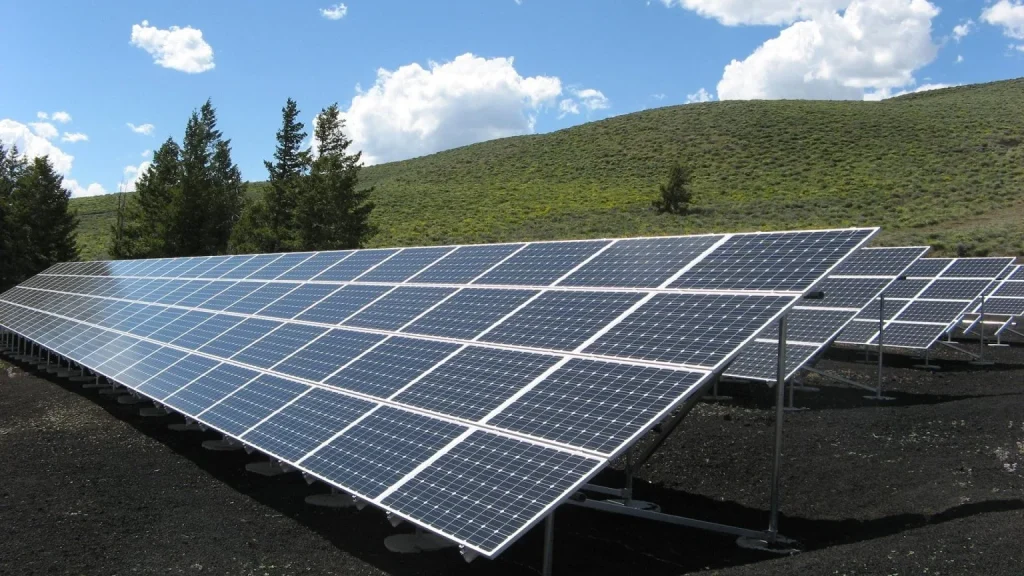
A major clean energy pushMalaysia’s Sarawak state has secured one of its largest private renewable energy investments to date, with Founder Group Limited and Planet QEOS Sdn. Bhd. committing MYR1.16 billion (US$2.76 billion) to develop a hybrid solar and energy storage complex in Baram. The project combines a 310-megawatt-peak (MWp) ground-mounted solar farm with 620 megawatt-hours (MWh) of battery storage, designed to deliver continuous, dispatchable electricity. It will be Malaysia’s first project aimed at providing “stable output” solar—power reliable enough to function like conventional baseload generation from gas or hydro. The initiative forms a central part of the state-backed Baram DeepTech Energy Programme, which seeks to transform Sarawak’s interior through advanced energy infrastructure. Powering digital infrastructureThe development will also host a 200 MW Tier-4 data centre park, co-located with the solar and storage facilities. By directly powering energy-intensive digital operations with locally generated renewable electricity, the consortium aims to reduce dependence on fossil-fuel-heavy grids. Authorities anticipate over MYR1 billion in foreign direct investment linked to the data centre campus, positioning clean power as a driver for Sarawak’s digital economy and industrial diversification. Aligning with policy and regional targetsThe project supports Sarawak’s ambition to expand installed generation capacity to 10 gigawatts by 2030. Plans for a Special Energy Zone in Baram are intended to attract green industrial activity while promoting rural economic growth. “The integration of dispatchable solar with storage strengthens Sarawak’s credibility as a regional player in clean energy and the digital economy,” said a government official. Final permitting and a Power Purchase Agreement (PPA) are pending, but the project is seen as a model for future large-scale renewable energy initiatives. Financing and executionNASDAQ-listed Founder Group, active in energy and IT sectors, will lead the consortium alongside Planet QEOS, structuring financing and phasing construction once regulatory approvals are secured. Analysts note that Sarawak’s ability to guarantee reliable clean power at scale could determine its success in attracting the next wave of digital foreign investment, amid regional competition from Singapore and Indonesia. Implications for businesses and investorsFor corporate leaders, the Baram project underscores a broader trend: renewable energy infrastructure is increasingly viewed as the foundation for industrial and digital clusters. Investors will recognize that pairing renewable generation with storage is now critical to secure long-term, high-demand digital projects. The project also illustrates a close alignment of public policy with private capital: linking renewable deployment to a Special Energy Zone and digital infrastructure connects climate targets directly to industrial strategy, appealing to sovereign investors and multinational tech firms seeking resilient, low-carbon supply chains. Regional significanceBeyond Malaysia, the hybrid complex offers lessons for Southeast Asia, where rising electricity demand and competition for data centres and advanced industries are intensifying. A successful implementation could serve as a regional blueprint—combining large-scale renewables with storage to provide reliable, bankable electricity for energy-intensive digital operations. For global companies focused on ESG compliance and decarbonization, such projects may become essential investment considerations in emerging markets.

Scroll to Top

Subscribe
FREE Newsletter