Author name: admin

Investment & Market Trends

Cheeding Wins RM33.9 Mil TNB Power Link Project Ahead Of ACE Market Listing

KUALA LUMPUR, Cheeding Holdings Bhd, a utilities engineering firm set to debut on Bursa Malaysia’s ACE Market on Tuesday, has secured a RM33.94 million contract from Tenaga Nasional Bhd to build a power supply link for a data centre in Johor. The project, located in Tropicana Development, Gelang Patah, will support a data centre developed by Computility Technology Sdn Bhd, an indirect subsidiary of Beijing-based ZData Technologies Co Ltd. The contract began on Oct 2 and is expected to be completed within 240 days. Cheeding said the deal will positively impact its future earnings. Cheeding’s initial public offering (IPO) — involving 143 million new shares and 65 million offer-for-sale shares at 36 sen each — received strong demand, with public applications oversubscribed by 40.87 times and full subscription from private placements. The IPO will raise RM75 million, with RM51 million going to the company for working capital, loan repayments, and performance bonds. The remainder will go to managing director Ng Kian Chai and his spouse, Tan Sook Hoi, through the sale of their shares. At the issue price of 36 sen per share, Cheeding will debut with a market value of RM287.01 million. Based on its FY2025 net profit of RM26.35 million, the stock is valued at about 10.9 times earnings.

News

Mega Fortris Faces Lawsuit Over Alleged Breach Of Consulting Agreement

KUALA LUMPUR, Security seal manufacturer Mega Fortris Bhd (KL:MEGAFB) has been taken to court by a Singapore-based consultancy firm over an alleged breach of contract related to its listing on Bursa Malaysia. In a filing, the company said Whatman Capital Pte Ltd filed the lawsuit concerning a March 2023 consultancy agreement. The contract covered advisory services for Mega Fortris’ transition from a private to a public company and its eventual Main Market listing in November 2023. Also named in the suit are non-independent non-executive chairman Datuk Ng Meng Kee and his brother, group managing director and CEO Datuk Ng Meng Poh. Whatman Capital is seeking payments of RM3.03 million and RM1.93 million, plus interest. Mega Fortris said it has obtained legal advice and believes the claim “lacks merit and legal basis,” adding that it is confident in its ability to successfully defend the case. “The board is of the view that the claim will not have any material financial or operational impact on the company at this stage,” it said. Mega Fortris’ majority shareholder, Mega Fortris Global Pte Ltd, holds a 65% stake and is linked to the Ng family. On Monday, Mega Fortris shares rose 2.5 sen or 3.85% to close at 67.5 sen, giving the company a market capitalisation of RM570.36 million.

News

Verizon Appoints Former PayPal CEO Dan Schulman As Its New Chief Executive

Verizon Communications has appointed former PayPal chief executive Dan Schulman as its new CEO, succeeding Hans Vestberg in a leadership change designed to navigate slowing growth in the wireless sector. The transition comes as Verizon faces intensifying competition and weaker subscriber growth, with many consumers holding back on premium mobile plans. Vestberg, who has led the company since 2018, will stay on as a special adviser until Oct 4, 2026, the company said. Schulman, 67, brings nearly a decade of leadership experience from PayPal, where he oversaw its separation from eBay and guided the company through a boom in digital payments during the Covid-19 pandemic. During Vestberg’s tenure, Verizon invested heavily in building out its 5G infrastructure and expanding into media and enterprise services — ventures that were later scaled back as the company refocused on core connectivity. Despite these efforts, Verizon’s stock has trailed behind competitors AT&T and T-Mobile in recent years. Schulman’s appointment follows a similar leadership shake-up at T-Mobile, underscoring broader changes in the US telecommunications industry as major players reposition themselves to capture growth in an increasingly saturated market.

News

Adani Green Secures US$250 Million In First Overseas Loan Since Investigation

Adani Green Energy Ltd, led by Indian billionaire Gautam Adani, has secured about US$250 million (RM1.05 billion) in funding from a consortium of global lenders — marking its first foreign loan since the US Department of Justice launched an investigation into the Adani Group. According to sources familiar with the deal, the financing will be provided by DBS Bank Ltd, DZ Bank, Rabobank, and Bank SinoPac Co Ltd. The proceeds are expected to be used to refinance existing debt. The loan reportedly carries a tenor of over five years with an interest rate of around 8.2%. While Adani Group, Bank SinoPac, and Rabobank did not immediately respond to requests for comment, a spokesperson from DZ Bank confirmed the bank’s participation in the lending syndicate. This offshore financing underscores renewed lender confidence in the Adani Group as it works to reduce its overall debt over the next five years. The conglomerate has indicated that it does not plan to issue any new bonds in international markets until at least 2027. Earlier this year, Adani Green refinanced a 92.61 billion-rupee (RM4.4 billion) construction-linked loan with India’s Power Finance Corporation Ltd. Across its various subsidiaries — including Adani Green Energy, Adani Enterprises Ltd, Adani Energy Solutions Ltd, and its ports division — the group has secured more than US$10 billion in new credit facilities during the first half of the year, according to an August report by S&P Global Ratings. S&P also noted that the Adani family injected about US$1.1 billion of equity into Adani Green in July, and stated that there is “no significant increase in funding costs” for the group despite recent scrutiny.

Investment & Market Trends

Citaglobal Partners To Develop Bio-CNG Projects On The East Coast

KUALA LUMPUR, Citaglobal Bhd has signed a joint development agreement with Keppel Decarb (Malaysia) Sdn Bhd to develop bio-compressed natural gas (bio-CNG) projects across Pahang, Kelantan, and Terengganu. In a filing with Bursa Malaysia, Citaglobal said the collaboration aims to convert biomethane, palm oil mill effluent, and agricultural waste into bio-CNG, which will serve as a clean energy source. Part of the output will be supplied to the upcoming Citaglobal Bioenergy & Green Eco Park — a key feature of the company’s planned 247-acre industrial park in Gebeng, Pahang. The two-year agreement will see Citaglobal’s subsidiary, Citaglobal Bioenergy Sdn Bhd, oversee the supply of scrubbed biogas, the development of a biogas capture facility, and the necessary regulatory and land approvals. Keppel will focus on sustainability compliance, traceability, and technical support. Both companies may also establish a special purpose vehicle, in which Citaglobal Bioenergy will hold a majority stake, to manage the project’s financing, construction, and operations once feasibility assessments are completed. Citaglobal executive chairman and president Tan Sri Dr Mohamad Norza Zakaria said the partnership marks a significant step in expanding Citaglobal’s leadership in Malaysia’s renewable energy sector. The project remains subject to relevant regulatory and land approvals. Citaglobal’s shares closed one sen higher at 81 sen, valuing the company at RM345 million.

News

BOLT Malaysia Bets On Localisation: Inside Its Fast Start, Product Tweaks, And Next Moves

When BOLT Malaysia switched on its app in November 2024, the launch capped months of groundwork: market studies, regulator briefings and dozens of on-the-ground conversations with drivers and riders. The result, says the team, was an unusually smooth entry—and a clear thesis: in a crowded e-hailing market, you win by solving local frictions quickly and transparently. Why Malaysia—and why now BOLT already operates across Europe, Africa and parts of Asia. For Malaysia, the company built a full business case—sizing demand, mapping risks, and meeting the Ministry of Transport and related agencies. Officials were welcoming and supportive of healthy competition, and once licensing was in place BOLT set up in the Klang Valley with the aim of giving passengers more choice and drivers a more predictable earnings model. The localisation playbook BOLT’s early moves were guided by what local drivers and riders said most often. Instead of auto-assigning trips, the app allows drivers to accept or decline each request; the company argues that when a driver opts in, that driver is more likely to arrive promptly rather than ask a rider to cancel. On earnings, BOLT launched with a 15% flat commission—below the 20% legal ceiling—eschewing dynamic service fees so drivers can estimate take-home pay without surprises. To remove a frequent source of friction, toll charges are calculated and included in the fare automatically, which avoids end-of-trip disputes and lets drivers focus on the road. The app also adds small quality-of-life touches such as a preferred-destination setting that nudges end-of-day trips toward a driver’s home and clearer earnings views that show both per-trip and per-hour performance. Together, these changes aim to lift both sides of the marketplace: steadier income and fewer cancellations for drivers, tighter pick-up times and fewer annoyances for riders. Safety as a system, not a button Safety begins at onboarding. Drivers must meet Malaysia’s baseline rules—citizenship, vehicle age limits, PSV licence and an e-hailing vehicle permit—and pass background checks. In ride, BOLT layers active and passive protections. Drivers can switch on audio trip recording if a situation feels uncomfortable, share live trip details, or access emergency services and outbound support with a tap. In the background, the app periodically asks for selfie verification to prevent account misuse, while a trip-anomaly engine flags routes that stall or deviate for too long and triggers proactive support outreach. For people who make their living on the road, the combination is designed to provide genuine peace of mind. Corporate travel: Bolt Business lands in Malaysia Within months of launch, BOLT introduced Bolt Business, a corporate travel layer that sits inside the consumer app. Companies can bulk-create accounts, assign monthly ride allowances—think prepaid limits per employee—and consolidate receipts without chasing paper. For riders, checkout simply includes a choice to pay personally or via the company profile; for finance teams, the attraction is budget control and clean reconciliation. The platform borrows from deployments in other regions but has been tuned for Malaysian workflows and price points. Growth, constraints and the “people problem” Internally, BOLT points to faster-than-budget traction across driver supply and completed trips. The bigger constraint was staffing: the local team had to scale quickly, prompting three office moves and, after feedback that many drivers prefer face-to-face help, the launch of a driver centre to complement in-app support. Walk-ins have nearly doubled month on month since opening, providing both a steady stream of new registrations and hands-on activation for existing drivers who need guidance. Pricing philosophy: stable beats spiky Surge sticker shock is the fastest way to push riders back to alternatives. BOLT says it is working to stabilise base pricing and reduce heavy surges, while stimulating demand with discounts funded on its side rather than shaving driver pay. On the supply side, it tweaks base fares and incentives and keeps its commission take lower so that daily and monthly earnings are more predictable. The company’s view is simple: a marketplace is healthy only when both sides feel the model is fair. Where next—and how they choose For now, operations remain focused on the Klang Valley, although pre-registrations and requests from other states are piling up. Expansion decisions hinge on the size of local demand, the available driver supply pool and the ability to maintain service quality—measured in pick-up times, cancellation rates and safety metrics—from day one. BOLT is not committing to dates; the near-term focus is to deepen product-market fit in its core market before widening the footprint. AI, autonomy and the road ahead In the short term, BOLT is applying AI to improve routing, matching and support triage—quiet optimisations that shave minutes off pick-ups and clear tickets faster. Looking further out, the company sees a role in autonomous ecosystems not as a vehicle maker but as the marketplace layer that matches fleets to demand. That future depends on regulation and infrastructure, and BOLT says discussions with ministries are ongoing. What to watch BOLT hints at two driver-requested features slated for release in the next one to two months, alongside continued work on earnings mechanics and safety tooling. If the company sustains its localisation cadence—small but meaningful fixes shipped fast—it will keep pressure on incumbents to improve and give riders and drivers a credible second option.

News

EHH Food Industry Unveils New Product, Subsidiary, And Refreshed Cap Kunci Logo

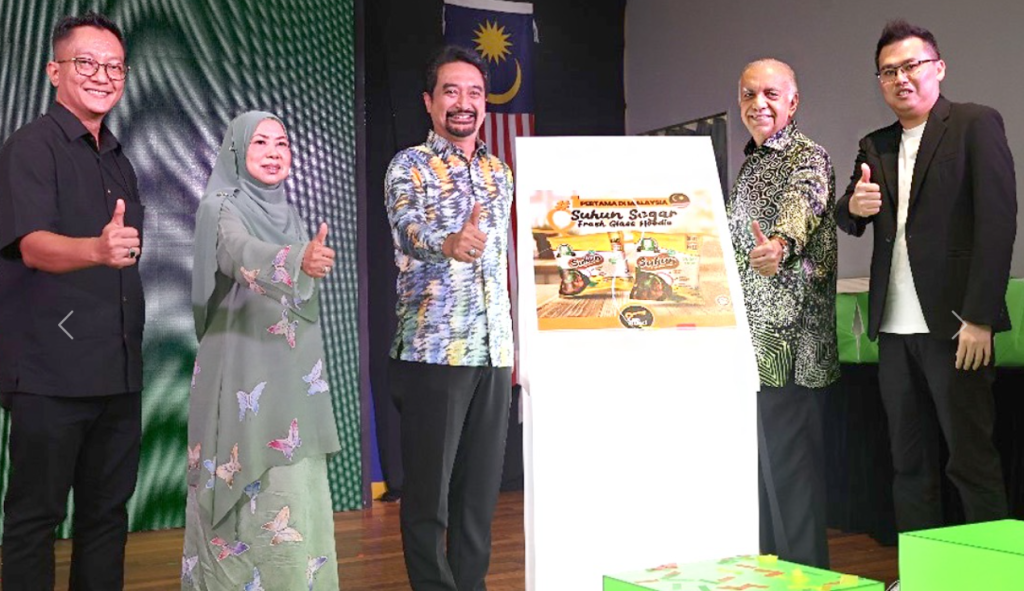
KUALA LUMPUR, EHH Food Industry Sdn Bhd has marked a new milestone in Malaysia’s food sector with the unveiling of its new corporate logo and a refreshed logo for its well-known brand, Cap Kunci. The initiative is part of the company’s strategy to strengthen its presence in both local and international markets. Held at Mydin Subang Jaya USJ from Sept 29 to Oct 5, the event — themed “Cap Kunci Bersama Keluarga MADANI @ Mydin USJ” — also featured the introduction of EHH’s latest product, Suhun Segar (Fresh Glass Noodles). According to EHH Food Industry, the campaign “Bringing Malaysians Together Through Food” celebrates the nation’s spirit of unity and the shared bond created through meals enjoyed together. “Food is more than just nourishment — it represents togetherness and unity that transcend backgrounds, cultures, and generations,” the company said in a statement. Corporate communications executive Nismawaty Nurdin said the launch highlights EHH’s dedication to producing halal, healthy, safe, and affordable food accessible to all Malaysians.“In line with our tagline, ‘Sentiasa Segar, Sentiasa Sedap’ (Always Fresh, Always Delicious), this reflects our belief that food connects communities and strengthens social harmony,” she added. As part of its corporate social responsibility (CSR) initiative, EHH Food Industry also launched the ‘Kotak SARA Rahmah’ programme — a collaboration with halal wholesaler and retailer Mydin Mohamed Holdings Bhd. Through this effort, 20 asnaf families received boxes of groceries worth RM100 each, personally sponsored by EHH staff. “This initiative supports Mydin’s ongoing efforts to assist underprivileged communities in line with the government’s aid programmes,” said Nismawaty. Officiating the event, Port Klang assemblyman Azmizam Zaman Huri commended EHH’s initiative for aligning with the state’s efforts to boost the halal economy and promote local brands.“Such events create opportunities for Malaysian SMEs to expand and collaborate with major platforms like Mydin. Cap Kunci continues to set a benchmark by maintaining high product standards and full compliance with the Food Act,” he said. He added that EHH’s new product demonstrates how local brands can rival international ones while promoting innovation within the food sector. The event also recognised 10 loyal SME partners for their continued support and featured a community cooking competition, which was won by Syarifah Norsyuhadah Syed Mohamed Rashid, 39, with her fried Vietnamese spring roll dish. EHH Food Industry will next showcase its Suhun Segar in 200g and 500g packs at the upcoming Selangor International Food & Beverage Expo (SIE) 2025 at the Kuala Lumpur Convention Centre (KLCC) on Oct 9, focusing on the business-to-business (B2B) segment.

Investment & Market Trends

Goldman Sachs Joins Tata Capital’s Upcoming IPO

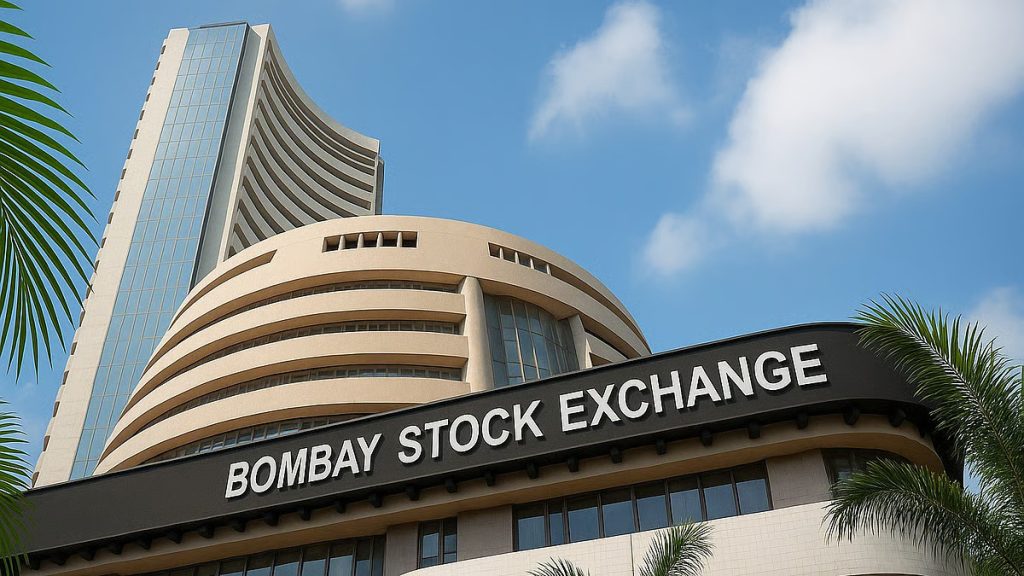
MUMBAI, Tata Capital Ltd’s highly anticipated US$1.7 billion initial public offering (IPO) has drawn strong interest from major global investors, including Goldman Sachs Group Inc, Morgan Stanley, and Nomura Holdings Inc, alongside leading Indian mutual funds and insurers. According to an exchange filing, the company has allocated shares worth 46.4 billion rupees (US$523 million) to anchor investors ahead of its public offering, which opens for subscription today. Bombay Stock Exchange (BSE) in Mumbai, India, April 7, 2025. Among the largest participants was Life Insurance Corp of India (LIC), which secured 15% of the total anchor shares. Other prominent domestic investors include ICICI Prudential Asset Management Co, HDFC Asset Management Co, Aditya Birla Sun Life Asset Management Co, DSP Asset Managers Pvt, and Whiteoak Capital. Tata Capital allotted 142.4 million shares to the anchor investors at 326 rupees per share, with strong demand from domestic institutional investors reflecting high confidence in the lender’s growth prospects. The listing, which could value Tata Capital at up to 1.4 trillion rupees, is poised to be India’s largest IPO since Hyundai Motor India Ltd’s US$3.3 billion debut last year. The offering will comprise up to 475.8 million new and existing shares from Tata Capital, its parent company, and the International Finance Corp. The IPO is open to the public from today through Wednesday, with shares priced between 310 and 326 rupees apiece. The robust anchor participation and scale of the listing highlight investor optimism about India’s expanding financial services sector — and position Tata Capital as one of the most closely watched listings in what could be a record month for IPO activity in the country.

News

Brewers Urge Freeze On Excise Duty To Safeguard RM7b GDP Contribution

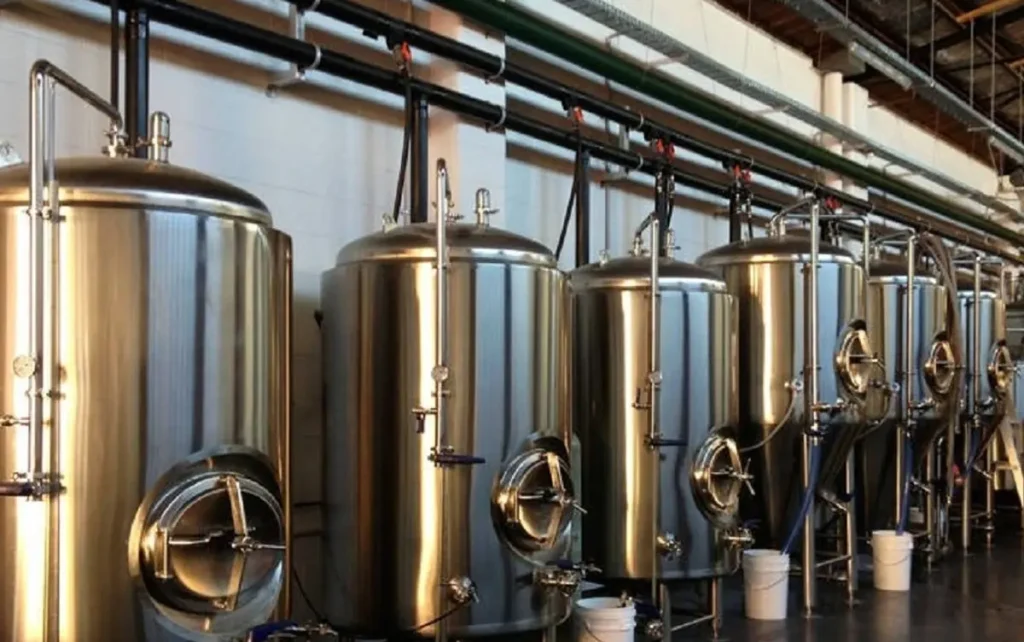
KUALA LUMPUR, Malaysia’s brewing industry has urged the government to keep excise duty rates on beer unchanged, warning that any increase could fuel illicit trade, cut into tax revenues, and threaten jobs across the sector. The Confederation of Malaysian Brewers Bhd (CMBB), representing Carlsberg Brewery Malaysia Bhd and Heineken Malaysia Bhd, released findings of an independent study showing the industry contributed an average of RM7.1 billion to the economy in 2022–2023, equal to 0.4% of Malaysia’s GDP. The brewing industry has called on the government to maintain the current excise duty rates on beer, saying the freeze can help curb illicit trade in beer, prevent revenue leakages as well as provide employment. The study, conducted by the Southeast Asia Public Policy Institute and the University of Nottingham Malaysia, also found that the sector generates RM3.3 billion in annual tax revenue — around 1.5% of the government’s total tax collection — while supporting more than 52,000 jobs across brewing, logistics, retail, and hospitality. CMBB noted that Malaysia already ranks among the countries with the highest beer tax rates globally. Raising duties further, it said, would widen the price gap between legal and illicit products, undermining both government revenue and industry stability. In a joint statement, Carlsberg Malaysia managing director Stefano Clini and Heineken Malaysia managing director Martijn van Keulen highlighted the sector’s role in driving employment and industrial growth. They also commended the Multi-Agency Task Force, led by the Finance Ministry together with Customs and the police, for ramping up enforcement against smuggling and illegal beer sales. “We look forward to further collaboration with the government to safeguard the brewers’ economic contribution, strengthen enforcement, and support Malaysia’s long-term policy goals,” they said. The brewers also reaffirmed their commitment to Malaysia’s broader development and sustainability priorities, including the 13th Malaysia Plan, the New Industrial Master Plan 2030, and the Circular Economy Blueprint, pledging to work with stakeholders to advance sustainable growth and industrial competitiveness.

Property

YNH Property Inks New Bangsar South Project Deal, Just Months After Ending Chin Hin JV

KUALA LUMPUR, YNH Property Bhd has signed a joint venture agreement to develop a mixed high-rise project in Bangsar South, less than four months after scrapping a partnership with Chin Hin Group Property Bhd. According to its Bursa Malaysia filing, YNH will develop the project on a 7,235 sq m parcel owned by Genland Sdn Bhd (GSB), a privately held developer. Under the deal, GSB is entitled to a minimum of RM60 million or 18% of the project’s gross development value (GDV) — whichever is higher. This translates to a GDV of about RM333 million. The loss-making developer said it is evaluating several financing options, including internal funds and bank borrowings. As of end-June, YNH held RM31.44 million in cash and short-term deposits against RM571.11 million in borrowings and lease liabilities, leaving it with net debt of RM539.7 million and a gearing ratio of 0.83 times. The move comes shortly after YNH called off a JV with Chin Hin for a large residential development on a 6.49-acre Segambut land, which was subsequently sold to Chin Hin for RM52 million. YNH has faced investor scrutiny since October 2023, when its former auditor Baker Tilly raised concerns over RM1.1 billion worth of joint ventures and turnkey projects recorded as inventories. A special independent review by UHY Advisory (KL) Sdn Bhd, completed in April this year, was commissioned to address the matter. The company also underwent a board restructuring in December 2023. Datuk Yu Kuan Huat, who owns 4.48% of YNH, assumed the executive chairman post from his brother Datuk Dr Yu Kuan Chon, the largest shareholder with a 24.41% stake. Dr Yu now serves as an executive director alongside his son Yu Jian Loong, while Kuan Huat’s son Yu Kai Leun also joined the board. On Thursday, YNH shares rose one sen or 3.39% to close at 30.5 sen, giving the group a market value of RM158.66 million. Despite the slight rebound, the counter has fallen more than 42% year-to-date.

Scroll to Top

Subscribe
FREE Newsletter