Author name: admin

News

Selangor Export Day: MATRADE, State Govt Team Up To Boost Local Exports

KUALA LUMPUR, The third edition of Selangor Export Day, happening on Aug 25–26, is set to gather over 200 entrepreneurs and businesses, particularly micro, small and medium enterprises (MSMEs), from diverse industries across the state. In a statement, the Malaysia External Trade Development Corporation (MATRADE) said the event will help entrepreneurs expand into export markets, further strengthening Selangor’s role as one of Malaysia’s top exporting states. MATRADE chairman Datuk Seri Reezal Merican Naina Merican. MATRADE chairman Datuk Seri Reezal Merican Naina Merican noted that Selangor recorded RM357.06 billion in export value in 2024, a 7.3% increase from the previous year. “Selangor Export Day is more than just an entrepreneur programme — it is a platform for entrepreneurs to connect, exchange ideas, innovate and gain inspiration. I encourage all entrepreneurs, especially in Selangor, to take advantage of this opportunity to access the latest export-related insights and prepare for the global market,” he said. The 2025 edition, held at Dewan Raja Muda Musa in Section 7, Shah Alam, is organised by the Selangor government through the State Economic Planning Unit (UPEN) and Selangor State Development Corporation (PKNS), in partnership with MATRADE. The event will be officiated by state Youth, Sports and Entrepreneurship Committee chairman Mohd Najwan Halimi and PKNS Group deputy chief executive officer (corporate) Suhaimi Kasdon, with MATRADE CEO Datuk Seri Mohd Mustafa Abdul Aziz also in attendance. Over the two days, participants can look forward to exporter advisory clinics, market opportunity briefings, success story sharing, as well as information on financial facilities and grants for exporters. Mohd Najwan highlighted that MSMEs are the backbone of Selangor’s economy. With the right support and global exposure, he said, they can strengthen their export potential sustainably. “In the digital economy era, entrepreneurs’ ability to adopt new technologies, leverage e-commerce and use market insights will define their resilience. That’s why collaboration between MATRADE and the state government through Selangor Export Day is crucial to ensure MSMEs remain resilient and grow into competitive global exporters,” he added.
Property

AoT Greenlights B5.7bn Expansion For New Chiang Rai Airport Terminal

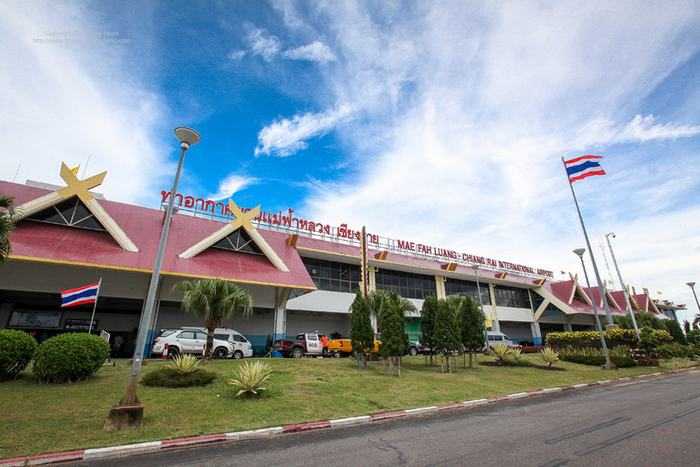
Airports of Thailand Plc (AoT) has approved a 5.7-billion-baht project to build a new passenger terminal at Mae Fah Luang Chiang Rai International Airport, aiming to handle up to 7 million passengers annually. Airport general manager Sqn Ldr Somchanok Thiemthiabrat said the terminal is set to be completed by 2032, boosting the airport’s current capacity from 1.9 million to 6 million passengers per year. Consultants have already been appointed to prepare the terminal’s conceptual design. He emphasized that the new terminal is a crucial investment for Chiang Rai and will require strong cooperation among stakeholders to meet the seven-year target. Located on a 753-rai site, the airport has set aside around 50 rai for a maintenance, repair and overhaul (MRO) centre to support future demand. With China projected to become the world’s largest air transport market, Thailand is seen as a competitive MRO hub due to its location and cost advantages. The MRO project, which has passed its environmental impact assessment, is expected to begin construction soon. Somchanok said it will serve as a foundation for Thailand’s wider aerospace industry — similar to Singapore’s role in aircraft assembly and full-service repairs — and help transform Chiang Rai into an “Air Metropolis” for the region.

News

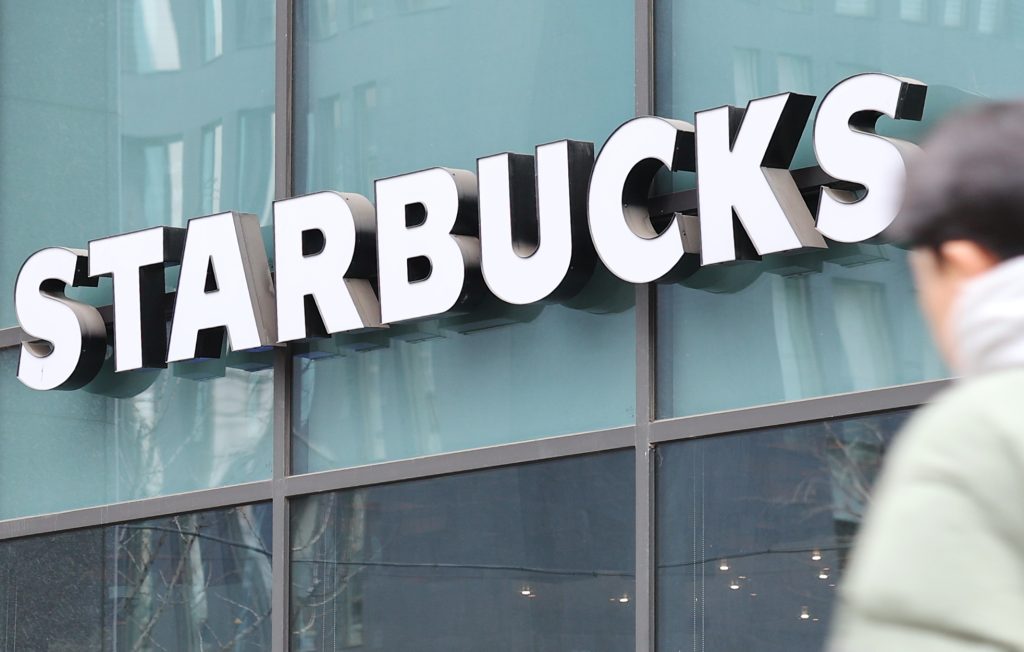
Starbucks To Surpass 2,100 Outlets In Korea This Year

In January, Starbucks announced plans to add at least 100 new outlets in Korea this year, after opening its 2,003rd store. From January to June, Starbucks Korea recorded an operating profit of 75.4 billion won (US$54 million), a slight dip of 4% from 75.8 billion won last year. However, sales rose 4.2% to 1.56 trillion won from 1.49 trillion won. The company has also ramped up marketing initiatives. In early 2023, it started replacing its name-calling pickup system with vibrating pagers at select stores, and since April 2024, Starbucks drinks have been available on food delivery app Baedal Minjok (Baemin). Starbucks Korea is jointly owned by Shinsegae’s Emart, which holds a 67.5% stake, and the Government of Singapore Investment Corporation (GIC), which owns 32.5%.

Energy & Technology

Singapore GasCo CEO: Balance Investments In Renewable Energy And Oil & Gas

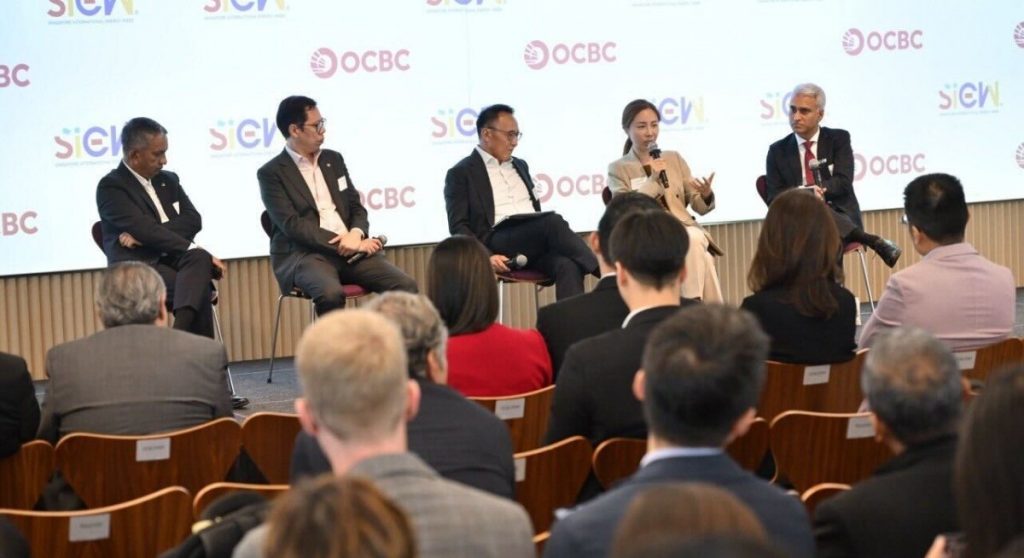
KUALA LUMPUR, Clean energy has made little headway in the global energy mix despite rapid growth in solar, said Singapore GasCo CEO Alan Heng, stressing the need for a pragmatic balance between renewable energy and fossil fuels. Alan Heng, CEO of Singapore GasCo (middle), says: “At some point, whatever fields you have today [will] decline, and unless more investments are put into it, there will not be a replacement for the current supply.” Speaking at SIEWConnects@OCBC on Aug 22, Heng noted that clean energy has held steady at around 12.5% of global supply over the past 15 years. Demand for energy continues to rise with the growth of Asia’s middle class, artificial intelligence, robotics, and autonomous vehicles, he added. “Humanity has always been better at finding ways to use energy than to produce more of it. That’s not going to change,” said Heng, who previously led Pavilion Energy. He pointed out that in 2000 only 60% of Asia had electricity, but today nearly 96% does. Meeting this demand — and doing so sustainably — remains a challenge. While Singapore has achieved strong economic growth thanks to affordable and reliable energy, Heng said countries like Indonesia and Vietnam also aspire to similar progress. “We must balance net-zero targets with realities on the ground,” he said. Heng, a veteran in the LNG sector, believes the world will still need natural gas for the next 20 years. He was cautious about hydrogen and ammonia, saying they remain viable only in limited clusters for now. He also highlighted hurdles such as Indonesia’s reliance on coal and Malaysia’s fossil fuel subsidies, which make it harder to shift toward clean energy. For alternative fuels to succeed, Heng said, they must be cost-competitive and commercially bankable. Heng warned that neglecting oil and gas investment would create supply shortages and price volatility. Oil and gas reserves decline by about 4%–5% annually, he said, and without reinvestment, supply will not keep up with demand. “If we accept the price shocks, then fine. But if not, we must find a pragmatic balance,” Heng said. Singapore GasCo, set up in May 2024, consolidates natural gas procurement and supply for Singapore’s power sector, allowing the country to secure better long-term contracts and more stable energy prices, according to the Energy Market Authority (EMA). The forum was part of the global lead-up to the Singapore International Energy Week 2024, happening from Oct 27 to 31.

News

Sabana REIT Names Ex-ARA Logos Chief As New Head Of Internal Manager

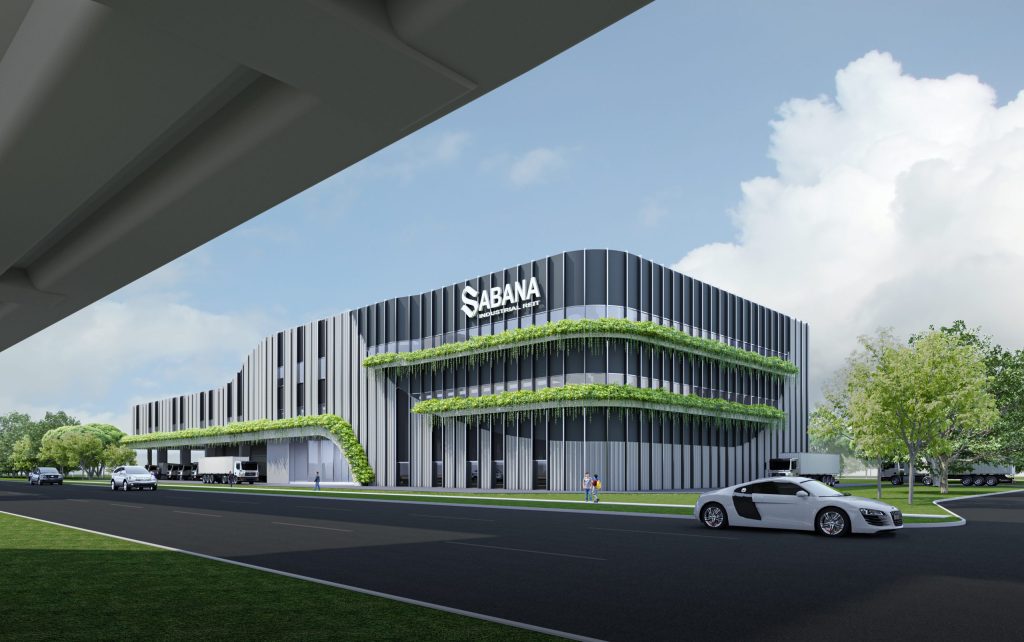
Sabana REIT has named Karen Lee as the chief executive officer (CEO) of its newly internalised manager, marking a key milestone in the trust’s transition. Lee brings more than two decades of experience in the real estate investment trust (REIT) industry. She previously served as deputy CEO of the merged ESR REIT and was CEO of ARA LOGOS Logistics Trust prior to its merger with ESR. Alongside her appointment, Sabana REIT has also announced Goo Li Ling as the chief financial officer (CFO) of the internal manager. Goo, who most recently held the role of managing director, finance for real estate funds at Keppel Fund Management until June this year, also brings 20 years of experience. Her past roles include a stint at Suntec REIT between 2004 and 2006. The trust further strengthened its governance structure with the appointment of two new board directors: Havard Chi from Quartz and Bhavik Umesh Doshi from One Hill Capital, effective August 22. These leadership changes follow Sabana REIT’s landmark move last year to internalise its management. On July 21, 2023, the REIT called for an extraordinary general meeting (EGM) to remove its external manager, and by August 7, unitholders voted in favour of the resolution to terminate Sabana Real Estate Investment Management (SREIM). On August 5, 2024, the REIT confirmed that it had identified candidates for senior leadership positions and executed letters of intent ahead of the official appointments. The latest leadership announcement underscores Sabana REIT’s commitment to establishing a fully internalised management structure to better align with unitholders’ interests.

Lifestyle

Momoyo Aims Big — 200 Stores In 2025, 600 By 2026

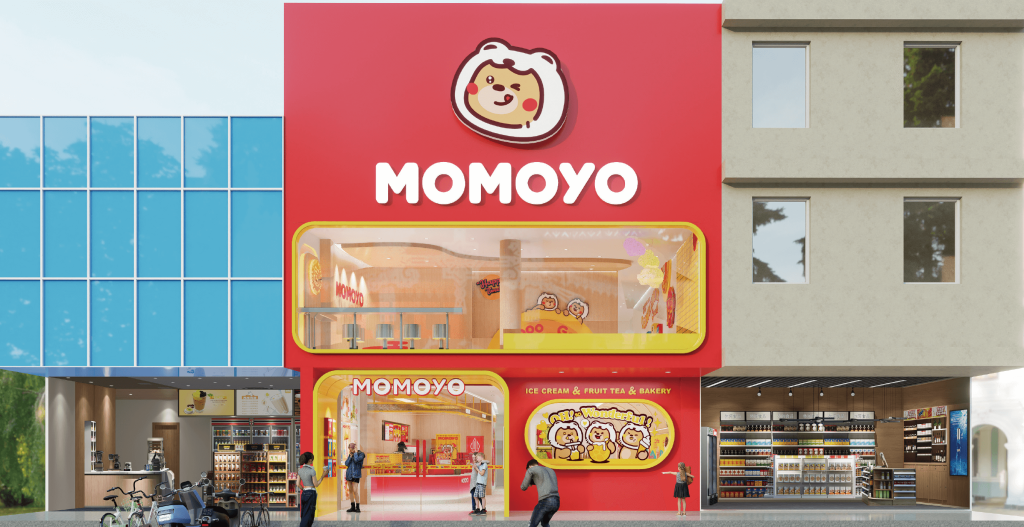
KUALA LUMPUR, Momoyo, the innovative dessert and beverage brand behind Malaysia’s first-ever flappable ice cream, is setting its sights on aggressive growth in the local market with plans to scale rapidly over the next two years. Since entering Malaysia in April 2024, Momoyo has expanded to 120 outlets nationwide. The company now aims to grow to 200 outlets by 2025, followed by 300–400 in 2026, with the ultimate target of 600 outlets across major cities and tier-2/3 markets. Momoyo’s expansion strategy is anchored in affordability, with its popular fruit teas and ice creams priced between RM5 and RM10, making it accessible to a wide consumer base. “We believe Malaysia is a vibrant market for fun, affordable indulgences, and we’re confident in our ability to scale quickly while maintaining quality and creativity,” said Momoyo Malaysia general manager Alex Tan. In addition to expanding its outlet network, Momoyo is planning to roll out six to eight new products annually. Upcoming launches will include a “Malaysian Favourites” range featuring white coffee, durian fruit tea, Milo ice cream, and lime ice beverages — all designed to capture local tastes while complementing its existing line of fruit teas and desserts. The brand’s unique product concepts, coupled with rapid market expansion, position Momoyo as one of the fastest-growing players in Malaysia’s dessert and beverage sector.

News

JPMorgan To Pay Malaysia US$330mil In 1MDB Settlement

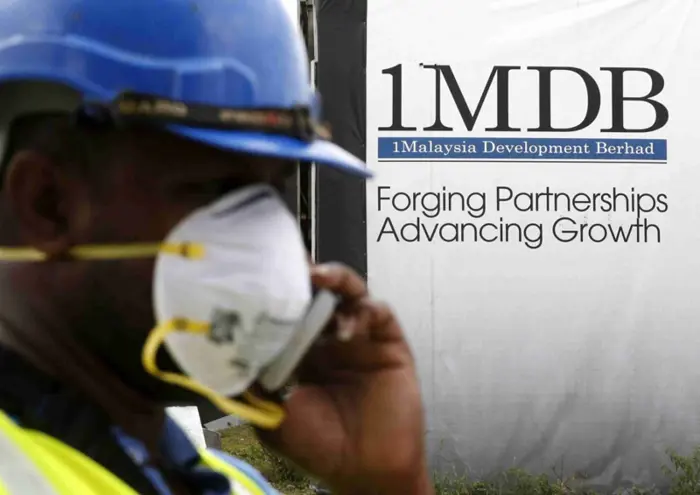
KUALA LUMPUR, JPMorgan Chase has agreed to pay the Malaysian government US$330 million to settle all matters linked to its involvement in the multibillion-dollar 1MDB scandal, both parties confirmed on Friday. Investigators in Malaysia and the United States previously revealed that at least US$4.5 billion was misappropriated from 1Malaysia Development Berhad (1MDB) between 2009 and 2014. In 2021, 1MDB filed lawsuits against units of JPMorgan, Deutsche Bank, and Coutts & Co, accusing them of negligence, breach of contract, conspiracy to defraud, and dishonest assistance. Court filings showed that 1MDB had sought US$800 million in damages from JPMorgan (Switzerland) Ltd. Under the settlement, JPMorgan’s payment will be channelled into the government’s 1MDB Asset Recovery Trust Account. “The settlement resolves all current and future claims between the parties and prevents any further litigation related to 1MDB,” both sides said in a joint statement. They also confirmed that all outstanding appeals related to the lawsuit against JPMorgan’s Swiss unit at the Malaysian High Court will be withdrawn.

Property

BYD To Set Up First Malaysian EV Assembly Plant In Perak’s KLK TechPark

KUALA LUMPUR, Chinese electric vehicle (EV) giant BYD Co Ltd will set up its first automotive assembly plant in Malaysia at KLK TechPark in Tanjung Malim, Perak, marking a major step in the state’s push to position itself as a leading automotive hub. The investment, secured in just three months, was facilitated through the Muallim Speed-Lane (M-SL) fast-track construction initiative launched in 2023 to accelerate the district’s role in the global automotive industry. Global electric vehicle leader BYD Co Ltd will establish its first automotive assembling plant in Malaysia at KLK TechPark in Tanjung Malim, Perak. KLK Land Sdn Bhd said BYD’s presence is expected to be a catalyst for Malaysia’s EV sector, creating jobs, boosting technology transfer, and strengthening expertise in EV manufacturing while also driving the growth of supporting industries. This will allow local businesses to integrate into the global EV supply chain and reinforce Malaysia’s position in the regional automotive landscape. As an anchor tenant of KLK TechPark’s first phase, BYD will occupy 60.7 hectares of the 607-hectare integrated industrial hub, with future phases designed to attract vendors and complementary businesses to build a competitive automotive ecosystem. The hub is envisioned as a centre for advanced manufacturing and green technology, offering world-class infrastructure to attract high-value investments. KLK Land’s parent company, Kuala Lumpur Kepong Bhd, highlighted the collaboration with the Perak state government as pivotal to making the development possible. Executive chairman Tan Sri Lee Oi Hian said: “KLK’s roots are in Perak, where we first built our foundation, and we remain committed to creating a positive and sustainable impact for future generations. We are grateful for the support of Datuk Seri Saarani Mohamad and Yang Berhormat Loh Sze Yee, who played key roles in bringing all parties together.” The project aligns with the Perak Sejahtera 2030 Plan and the Perak Structural Plan 2040, both of which prioritise industrial and manufacturing growth as drivers of socio-economic progress.

ESG

Air Liquide Secures $3.3 Billion Deal For DIG Airgas, Boosting Its Expansion In Asia

French industrial gases giant Air Liquide has entered into a binding agreement to acquire South Korea’s DIG Airgas from Macquarie Asia-Pacific Infrastructure Fund 2 in a deal valued at €2.85 billion ($3.3 billion). The acquisition, which marks Air Liquide’s biggest deal in ten years, is aimed at strengthening its footprint in South Korea — the world’s fourth-largest industrial gas market and a global hub for advanced manufacturing. Air Liquide, which provides gases, technologies, and home healthcare solutions, said the transaction would deliver a positive impact on net profit within the first year of integration. “This opportunity … will contribute to the net profit growth of the Group as soon as one year after integration,” said CEO François Jackow in a statement. According to Macquarie, DIG Airgas currently holds an enterprise value of 4.85 trillion won ($3.5 billion), while the deal valuation is based on accounts as of December 2024. Despite the announcement, Air Liquide’s shares remained largely unchanged. Analysts at Jefferies noted that while the transaction multiple appeared high compared to sector valuations, the deal still represented a “minor strategic positive” given the limited M&A opportunities in the industrial gases industry. The acquisition is expected to be completed in the first half of 2026, subject to regulatory approvals in South Korea. Air Liquide, which has been present in the country for over 30 years, highlighted that DIG Airgas had expanded under Macquarie’s ownership into the semiconductor and secondary battery sectors, positioning it well for upcoming mega projects in high-growth industries. DIG Airgas generated €510 million in revenue in 2024, employs around 550 staff, and operates approximately 60 plants alongside 220 km (140 miles) of pipelines. ($1 = 0.8633 euros)($1 = 1,391.22 won)

News

UOB Malaysia Backs Launch Of FMM House’s RM3 Billion ASEAN Green MTN Programme

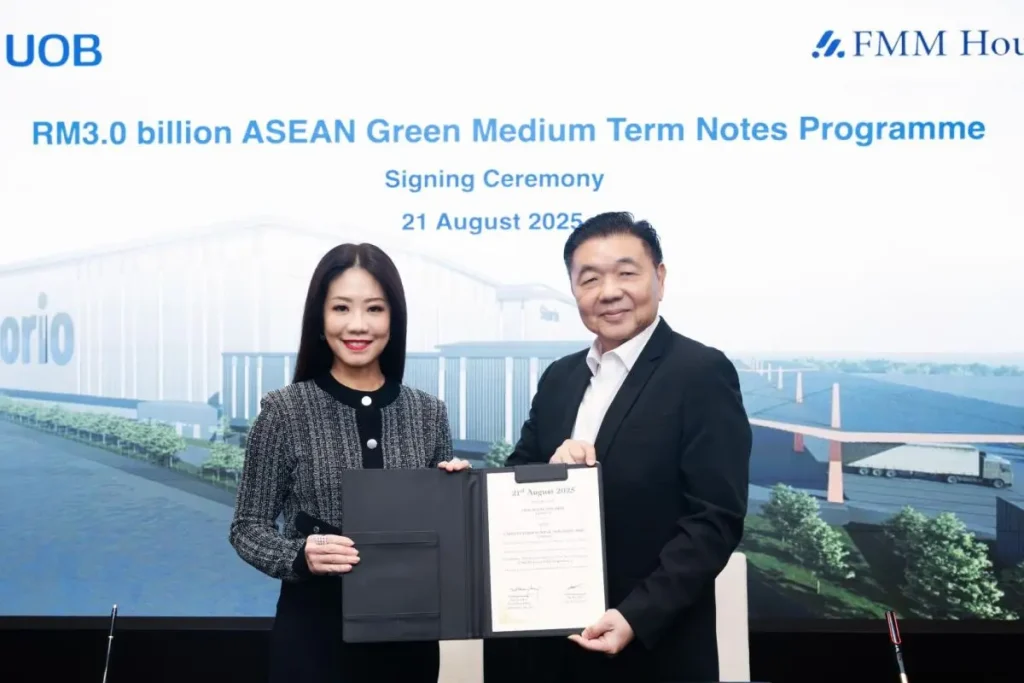
KUALA LUMPUR, United Overseas Bank (Malaysia) Bhd (UOB Malaysia) is partnering with FMM House Sdn Bhd to launch its RM3 billion ASEAN Green Medium Term Notes (MTN) Programme, aimed at driving sustainable growth in Malaysia’s logistics infrastructure. UOB Malaysia is acting as the principal adviser, lead arranger, lead manager, and facility agent for the programme, underscoring the bank’s commitment to advancing green financing and innovation in the capital markets. Chief executive officer Ng Wei Wei said this represents UOB Malaysia’s second green logistics hub project in Selangor, following its earlier support for Global Vision Logistics, which was Malaysia’s first green-certified logistics development and one of the largest in ASEAN. “These initiatives reflect our continued efforts to deliver innovative solutions that support clients in decarbonising and transitioning to low-carbon, future-ready infrastructure,” Ng said in a statement. Proceeds from Tranche 1, valued at up to RM630 million with a 15-year tenor, will go toward developing three green logistics hubs in Pulau Indah, Klang, Selangor. The programme, structured for multi-tranche issuances, will provide financing for FMM House’s future logistics infrastructure projects. “This programme is a key milestone in redefining logistics infrastructure through automation and sustainability. With UOB Malaysia’s backing, we are confident in delivering world-class, green-certified developments that create long-term value,” said FMM House director Tan Sri Teo Chiang Hong. The Pulau Indah development will feature automated warehouse storage systems with a gross floor area of 1.67 million square feet, a storage capacity of 218,000 pallets, and both ambient and cold room facilities. The project has also secured pre-certified Gold Status under the Leadership in Energy and Environmental Design (LEED) framework, a globally recognised green building standard.

Scroll to Top

Subscribe
FREE Newsletter