Author name: admin

The Executives

K Seng Seng Appoints Wong Pak Yii As CEO

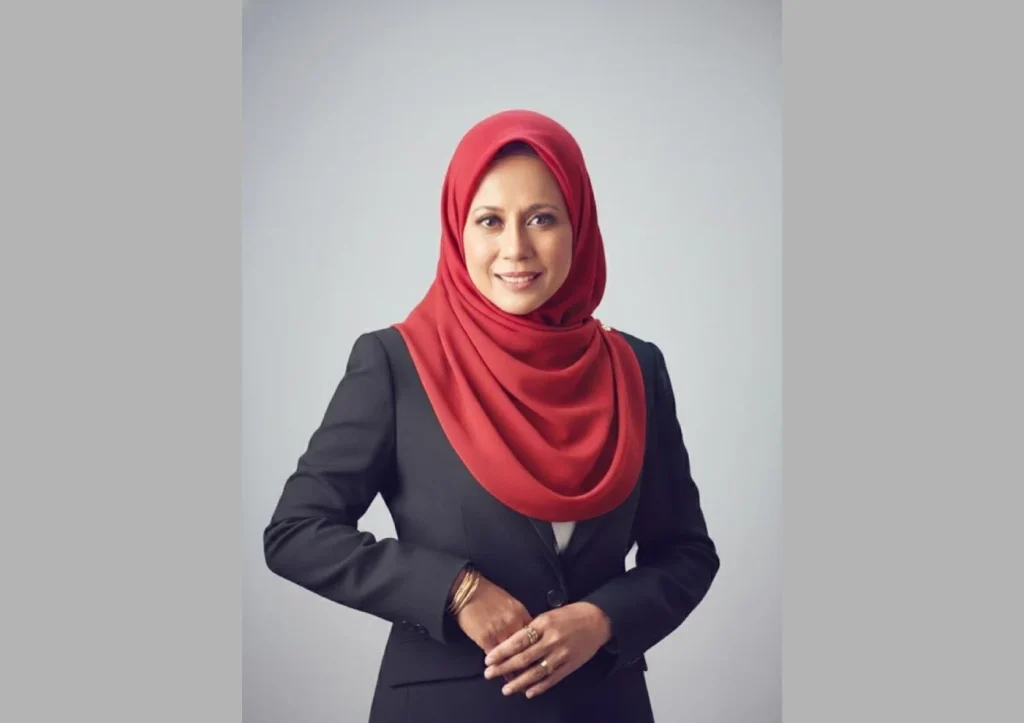
K Seng Seng Corp Bhd has appointed Wong Pak Yii as its new chief executive officer, effective immediately, the company said in a bourse filing. The appointment brings nearly four decades of industry experience to the stainless steel products manufacturer and industrial hardware trader. Wong has 39 years of experience in the steel and mining sectors, with extensive exposure to operational management, corporate governance, and industry development. In addition to his new role, he currently serves as a board member of the Malaysia Steel Institute for the 2025–2026 term and Steel Industry Sabah for the 2023–2026 term, where he provides oversight on governance, risk management, and board committee functions. He is also the honorary treasurer of the Malaysia Steel Association, a position he has held since 2018 and is expected to continue through 2026. Wong further brings board-level experience as the non-executive chairman of Agricore CS Holdings Bhd. K Seng Seng is principally involved in the manufacturing and processing of secondary stainless steel products. Its offerings include welded stainless steel tubes and pipes, industrial fasteners, rigging accessories and components, stainless steel sheets, round bars, flat bars, and angle bars. The group also participates in the trading of industrial hardware, including marine hardware and related consumables, serving a wide range of industrial customers. According to AskEdge data, K Seng Seng currently trades at a trailing price-earnings (P/E) ratio of 31.3 times. This compares with peers such as Chin Well Holdings Bhd at 55.5 times and Tong Herr Resources Bhd at 32.5 times, while remaining higher than Engtex Group Bhd and Leon Fuat Bhd, which trade at 10.9 times. Shares in K Seng Seng closed unchanged at 93.5 sen, giving the group a market capitalisation of approximately RM191 million.

Energy & Technology

Japan Eyes More Investment In Malaysia’s Digital, High-Tech Sectors

Japan is seeking to expand its investments in Malaysia’s digital industry, including niche areas such as high-tech semiconductor products and data centres. The move reflects growing interest in leveraging Japanese technology to support advanced applications and strengthen Malaysia’s role in regional supply chains. Masuo Kuremura, special advisor to the minister for regional head, Asia-Pacific at Japan’s Ministry of Economy, Trade and Industry (Meti), said Japan plans to boost investments in Malaysia by introducing advanced applications powered by Japanese technology. These collaborations are expected to focus on sectors such as artificial intelligence (AI), biotechnology, and food innovation. “We will promote collaboration between Japanese and Malaysian companies, utilising Japanese technology in the digital industry for applications in AI, biotechnology and food sectors to enhance investment,” he told Bernama during the Malaysia-Japan Fast Track Pitch held recently. Kuremura added that Japanese investment in Malaysia’s retail sector is also expected to rise in 2026. He noted that Malaysia plays a pivotal role in Japan’s supply chain, supported by its strong manufacturing capabilities in semiconductors, chip products, and the automotive industry. He cited the long-standing collaboration between Perodua and Daihatsu as an example of successful industrial cooperation, which has helped position Malaysia as a reliable supplier within the automotive ecosystem. Japanese companies, he said, are keen to continue providing innovative solutions to enhance Malaysia’s manufacturing capacity and strengthen its position in global supply chains. Several major Japanese semiconductor companies already operating in Malaysia — including Renesas Electronics, ROHM Co Ltd, Murata Manufacturing, Toshiba Corporation, Shin-Etsu Chemical and Sumitomo Electric Industries — play key roles in supporting the chip ecosystem, particularly in specialised semiconductor components. Kuremura noted that Malaysia is Japan’s fourth-largest investment destination within Asean and serves as an important base for semiconductor-related investments. Singapore remains Japan’s top investment destination in the region, largely driven by financial services, while Thailand and Indonesia rank second and third, with investments mainly focused on the automotive sector. Japan is also introducing a matching platform to encourage investment collaboration between start-ups in Japan and Asean. Within the region, Japan is focusing on four key pillars — strengthening supply chain resilience, driving innovation, advancing digitalisation, and supporting energy transition. He added that Japan continues to play a significant role in the region through initiatives such as the Asia Zero Emission Community (Azec), which promotes energy transition and decarbonisation efforts across Asia. Azec partner countries include Australia, Brunei, Cambodia, Indonesia, Laos, Malaysia, the Philippines, Singapore and Thailand. Beyond digital investments, Japan is also exploring opportunities in critical rare earth supply chains, which are essential for advanced materials used in automotive and aerospace industries. In computing resources, Kuremura said Japan is looking to share technology developed in Kyushu — known as Japan’s “Silicon Island” — with Asean companies to support AI and advanced computing development. He noted that major chip manufacturers such as Japan Advanced Semiconductor Manufacturing (JASM) and Taiwan Semiconductor Manufacturing Company (TSMC), which has anchored a semiconductor hub in Kyushu, could help provide infrastructure to promote AI and high-performance computing in the region. According to the Department of Statistics Malaysia, Japan ranked among the top three sources of foreign direct investment (FDI) in Malaysia in the fourth quarter of 2025, with RM103.8 billion recorded.

Investment & Market Trends

SinoPac, King’s Town To Merge, Form US$100bil Bank

Taiwan’s SinoPac Bank has approved a merger with King’s Town Bank, according to an exchange filing released late Friday by their parent company, SinoPac Financial Holdings. The proposed transaction is part of the group’s broader strategy to consolidate operations, expand market share, and strengthen its position in Taiwan’s competitive banking sector. Under the plan, SinoPac Bank will issue 1.865 billion new common shares priced at NT$24 each, alongside a cash component, to acquire all shares of King’s Town Bank. Both lenders are wholly owned by SinoPac Financial Holdings, and the move is intended to streamline the group’s banking structure while enhancing operational efficiency. The filing noted that the share issuance, combined with cash consideration, will facilitate the full integration of King’s Town Bank into SinoPac Bank. Following the merger, SinoPac Bank is expected to become the fifth-largest privately owned lender in Taiwan, with assets under management reaching approximately NT$3.2 trillion (US$100 billion), according to local media reports. The enlarged entity is also projected to benefit from a broader geographic footprint, improved capital strength, and a more diversified loan portfolio. The deal aims to integrate both banks’ branch networks and customer bases, allowing the combined institution to leverage King’s Town Bank’s strengths in corporate banking and financial market businesses, while complementing SinoPac Bank’s existing retail and wealth management capabilities. The consolidation is expected to create synergies across product offerings, risk management, and operational infrastructure. SinoPac Financial Holdings had earlier approved a share-swap arrangement in 2024 to acquire King’s Town Bank as part of its long-term plan to scale up assets and improve competitiveness. The merger represents a continuation of that strategy, positioning the group to better capture growth opportunities in corporate lending, capital markets, and cross-border financial services. The move also comes amid broader efforts by Taiwanese regulators to strengthen the domestic financial industry and diversify the economy beyond its heavy reliance on the technology sector. Industry consolidation has been encouraged as a means to build larger, more resilient financial institutions capable of competing regionally while supporting domestic economic development.

Investment & Market Trends

Bursa, HKEX Strengthen Partnership

Bursa Malaysia and Hong Kong Exchanges and Clearing Ltd (HKEX) have signed a memorandum of understanding (MoU) aimed at deepening collaboration, enhancing regional market connectivity, and unlocking cross-border investment opportunities. The MoU paves the way for more cross-border corporate activities between Malaysia and Hong Kong, including potential dual listings. “One key benefit of dual listings is to make the process seamless and cost-efficient. Malaysian companies can use HKEX as a secondary market, which we hope will soon become a reality,” said Datuk Fad’l Mohamed, CEO of Bursa Malaysia, at the signing press conference. As the first initiative under this partnership, Bursa Malaysia and HKEX unveiled the HKEX Bursa Malaysia Large Cap Index, a co-branded benchmark designed to strengthen capital market integration and support future cross-market investment opportunities, such as exchange-traded funds (ETFs). “The launch of this index is an important milestone, boosting the visibility of Malaysian public-listed companies among regional investors and showcasing the diversity of our sectors,” Fad’l added. The index features 30 Malaysian blue-chip companies and 30 Hong Kong Southbound-eligible large-cap firms. Malaysian constituents span key sectors, including consumer products and services (23%), financial services (20%), utilities (13%), and telecommunications and media (13%). The MoU outlines five strategic areas of cooperation, including streamlining dual listing pathways, co-developing market-driven indexes, promoting ETFs, supporting syariah-compliant securities, and exploring carbon market initiatives. Fad’l emphasized Malaysia’s strong domestic institutional investor base and leadership in the Islamic capital market, positioning Bursa Malaysia as a gateway for corporates and syariah-compliant investments to access regional and global capital, particularly within ASEAN. HKEX CEO Bonnie Chan said, “Partnering with Bursa Malaysia strengthens connectivity between our capital markets. Expanding engagement with the region is a key strategic priority as we aim to build a multi-asset product ecosystem and attract global liquidity to Asia amid heightened macroeconomic uncertainties.”

Investment & Market Trends

Malaysia, China Most Resilient To Energy Shocks

JP Morgan has highlighted Malaysia and China as two of the most resilient Asian economies amid the current global energy crisis. Rajiv Batra, JP Morgan’s head of Asia and co-head of global emerging markets equity strategy, noted that other Asian countries appear more vulnerable. “Malaysia benefits from net energy exports, a well-managed fiscal deficit, and moderate inflation, giving it buffers that support both equity markets and the currency,” he said. China, he added, is similarly well-positioned, with only 5% of its electricity dependent on imported energy. The majority comes from domestic production, supported by a strategic reserve of about 1.7 billion barrels and alternative energy sources such as renewables and coal. “These factors make Malaysia and China the safest bets in Asia compared with their peers,” Batra said. Regarding regional equity markets, Batra said Asia’s earnings growth forecast for 2026 has been revised from 31% to around 26% due to direct impacts on consumer staples, discretionary, utilities, and downstream sectors. He also warned of potential second- and third-order effects on sectors like tech, media, telecoms, and healthcare if the energy crisis persists. Oil prices remain elevated, with US crude settling at US$99.64 per barrel and Brent crude at US$112.57, marking the highest levels since July 2022 amid ongoing geopolitical concerns in the Middle East.

The Executives

Ishak Appointed NexG Chairman, Hanifah Named CEO

NexG Bhd, the company behind Malaysia’s secure passports and MyKad, has restructured its leadership following a recent boardroom dispute. Under the new structure, Ishak Ismail has been appointed executive chairman, while Abu Hanifah Noordin has been named deputy executive chairman and group CEO. Ishak Ismail is now executive chairman while NexG Bhd founder Abu Hanifah Noordin is group chief executive officer. Ishak, a substantial shareholder through a family trust, said his involvement reflects a long-term commitment. He is reported to hold a 20.4% stake via an air cargo company controlled by his sons, while Hanifah holds 9.579%. “Our role ensures that NexG, which operates sensitive national identification systems including MyKad, passports, biometric technologies, and broader data platforms, remains stable, well-governed, and secure,” Ishak said. He emphasized that NexG provides the technology, while personalisation and issuance remain fully under government control, maintaining the integrity of the systems. Ishak added that Hanifah, the company’s founder, “understands the business, its technology, and operations better than anyone” and is the right person to lead NexG, strengthen its capabilities, and expand beyond Malaysia. The leadership changes come after a recent tussle between competing shareholder groups, which resulted in several directors resigning and raised governance concerns. The new structure is aimed at stabilizing the company and safeguarding its operations.

The Executives

Gula Cakery Founder Arieni Ritzal On Growing To 18 Outlets

Nor Arieni Adriena Mohd Ritzal, founder of Gula Cakery Group Sdn Bhd, shares her journey from baking at home to building a multi-outlet café brand, along with insights on scaling operations, managing rising costs, and expanding beyond the Klang Valley. Nor Arieni Adriena Mohd Ritzal, founder of Gula Cakery Group Sdn Bhd. 1. Could you share about your own background and what led you to enter the baking and F&B world to start your own business?   My journey into the F&B industry was not a straight line. I began my academic path in Early Childhood Education and worked as a teacher, a role that shaped my patience, discipline, and appreciation for nurturing people. Teaching instilled in me the importance of structure, consistency, and creating meaningful experiences — values that later became the foundation of how I built and continue to run Gula Cakery today. Alongside teaching, food had always been a significant part of my life. I started baking as a teenager, learning from my grandmother’s recipe book, and quickly realised that baking offered the same fulfilment as teaching. It was hands-on, creative, and allowed me to bring joy to others. As this passion grew, I pursued formal culinary and baking courses to strengthen my technical skills and deepen my understanding of food. In 2009, I began baking from home, selling to friends and family, conducting baking classes, and participating in local bazaars. With strong support from my mother, especially in the early days of running classes from home, I gradually built the confidence to turn this passion into a business. By 2015, I made the decision to fully transition into the F&B industry and opened the first Gula Cakery outlet in Kota Kemuning. What started as a small café offering homemade cakes and comforting meals has since grown into 18 outlets across Malaysia. Despite this growth, the heart of Gula Cakery remains unchanged — a brand rooted in care, consistency, and community, with the aim of bringing people together through food made with intention and love. 2. What was the experience like developing and launching the first Gula Cakery outlet in 2015?   When I first started Gula Cakery, there were no established suppliers or systems in place. We were truly building everything from the ground up. I was in the kitchen baking, personally sourcing ingredients, and managing orders with the support of my family. It was chaotic at times, but immensely rewarding. The positive response from customers and their love for our cakes made every challenge worthwhile. The brand was built on passion and perseverance, growing one cake at a time. 3. What were the biggest operational challenges you faced when expanding from a few outlets to double-digit branches?   Scaling from a handful of outlets to double figures required a fundamental rethink of our operations. Our primary challenge was maintaining consistency in taste, service, and overall customer experience across every location. To address this, we made deliberate investments in training, robust standard operating procedures, and scalable systems, while maintaining disciplined cash-flow management throughout the expansion phase. 4. How do you decide on new locations, and what metrics matter most when evaluating expansion opportunities?   Our expansion decisions are driven by a disciplined, data-led approach centred on customer demand, accessibility, and long-term community alignment. We assess each location based on footfall patterns, demographic profiles, purchasing power, and strategic fit with our brand values. Gula Cakery performs strongest in environments where customers actively seek comfort food, connection, and a consistently welcoming experience. 5. What lessons have you learned from opening new branches that you wish you had known earlier?   Growth must be paced with readiness. Expanding too quickly without the right systems and leadership depth can dilute performance and strain resources. As we scale, localising menus and strengthening leadership capability have proven critical to maintaining quality and consistency. 6. What advice would you give aspiring F&B founders who are starting today in a more crowded market?   Focus on authenticity and clear differentiation. Build a strong operational foundation, exercise disciplined financial management, and be prepared to remain hands-on across all aspects of the business, particularly during the growth phase. 7. Rising costs have impacted many F&B operators. How are you managing this?   We mitigate cost pressures by diversifying our supplier base, strengthening local sourcing, optimising recipes, and reducing wastage. While selective price adjustments are sometimes necessary, we remain focused on delivering value, consistent quality, and a strong overall customer experience. 8. How are you addressing labour shortages and retention?   To address this, we’ve invested in structured training programmes that allow us to develop talent internally rather than relying solely on experienced hires. Retention is equally important, so we emphasise career progression, fair remuneration, and a supportive work culture. We also provide opportunities for staff to learn beyond their roles — for example, exposure to baking classes or management training — which keeps them motivated and engaged. 9. How is Gula Cakery redefining customer loyalty today?   Customer loyalty is built on emotional connection rather than transactional incentives alone. We prioritise meaningful experiences, active community engagement, and consistent delivery to foster long-term brand affinity. 10. Why do many F&B businesses fail today?   One major factor is underestimating the importance of financial discipline. Many businesses expand too quickly without a solid foundation, leading to cash flow issues. Another is failing to adapt to changing customer preferences — what worked five years ago may not resonate today. Lastly, some founders underestimate the operational demands of F&B, from staffing to supply chains, and burn out quickly. Success in this industry requires patience, adaptability, and a willingness to continuously innovate while staying true to your brand identity. 11. What has driven Gula Cakery’s growth to RM70 million in 2025 sales?   I personally oversee all our recipes to ensure every product carries a distinct personal touch, maintaining high standards while introducing new flavours. This hands-on approach has led to collaborations with brands such as Unifi, Nestum and Sunlight,

ESG

Wah Seng Centre First Malaysian Warehouse To Get GreenRE Platinum

Wah Seng (1986) Distribution Centre in Taman Maju Rapat has become the first warehouse in Malaysia to earn the prestigious GreenRE Platinum certification. Wah Seng (1986) Sdn Bhd, an Ipoh-based wholesale grocery and food supplier operating since the 1950s, serves over 800 hotels, restaurants, and cafés across Perak and the Cameron Highlands, providing dairy products, frozen meats, and bakery ingredients. Shaun Lai, the company’s business development director, said Wah Seng invested around RM9 million over three years to renovate and upgrade the warehouse in phases, focusing on sustainable design and operations. “The refurbishment integrates advanced strategies for energy, water, and carbon management, reducing environmental impact while boosting operational efficiency,” he said. Key sustainability measures include: 15% overall energy savings via high-performance building design and solar PV installation 57.53% reduction in water usage through efficient fittings and rainwater harvesting Reduced carbon emissions through tree planting around the warehouse “As a third-generation business, we understand that efficiency, sustainability, and responsibility must go hand in hand to secure Wah Seng’s future,” Lai added. GreenRE executive director Ir Ashwin Thurairajah said the evaluation took several months, reviewing over 100 criteria across energy efficiency and industrial decarbonization. “The Wah Seng Distribution Centre meets the highest standards, earning the GreenRE Platinum rating,” he noted. The GreenRE Platinum is Malaysia’s top recognition for sustainable building design, awarded by the Real Estate and Housing Developers’ Association (REHDA) to buildings scoring over 90 points in energy efficiency, water usage, and indoor environmental quality.

Property

YTL REIT Leases Puchong Hotel To YTL Corp Unit

YTL Hospitality REIT (YTL-REIT) has entered into a long-term lease agreement for its hotel property in Puchong, Selangor — now operating as AC Hotel Puchong — with Prisma Tulin Sdn Bhd, a wholly-owned subsidiary of YTL Corp Bhd. In a filing with Bursa Malaysia, YTL-REIT said the lease will commence on April 1, 2026 and run for an initial period of 15 years, with an option to renew for an additional 15 years upon expiry. The arrangement provides the REIT with a stable and recurring income stream over the long term. Under the agreement, the annual rental is fixed at RM3.64 million for the first five years. The rental will then increase to RM3.822 million for years six to 10, and further rise to RM4.013 million for years 11 to 15. The lease also includes a 5% step-up in rental every five years throughout the tenure. The transaction is considered a related-party arrangement as Prisma Tulin is part of the YTL Corp group. However, the structured rental escalation and long-term tenure are expected to provide earnings visibility and support YTL-REIT’s income stability. Separately, YTL-REIT reported improved financial performance for the second quarter ended Dec 31, 2025. Net profit increased to RM47.77 million from RM32.42 million in the corresponding quarter a year earlier, while revenue rose to RM154.47 million compared with RM147.49 million previously.

Investment & Market Trends

GuocoLand To Table Privatisation Plan At EGM

GuocoLand (Malaysia) Bhd said a proposal by its controlling shareholder to privatise the company will be presented to shareholders at an extraordinary general meeting (EGM), with the date to be announced later. In a filing with Bursa Malaysia, the board — excluding interested directors — said it had reviewed the proposal together with advice from the independent adviser, and resolved to table the matter for approval by disinterested shareholders at the upcoming EGM. The privatisation plan was first announced on Feb 3, when controlling shareholder GLL (Malaysia) Pte Ltd (GLLM) proposed to take the company private via a selective capital reduction and capital repayment at RM1.10 per share. Under the proposal, entitled shareholders holding 244.95 million shares, representing 34.97% of the company, would receive a total capital repayment of about RM269.45 million. GuocoLand Malaysia is the property arm of Hong Leong Group, controlled by Tan Sri Quek Leng Chan. Quek, who directly holds a 2.78% stake or 19.51 million shares, is expected to receive approximately RM21.46 million under the exercise. GLLM, a wholly-owned subsidiary of Singapore-listed GuocoLand Ltd, said the privatisation will be funded using GuocoLand Malaysia’s excess cash, with the balance financed through advances or equity injections from GLLM or its parent company. Upon completion, the 244.95 million shares will be cancelled, reducing the company’s total issued shares to 455.51 million. The remaining shares will be fully owned by GLLM, making GuocoLand Malaysia an indirect wholly-owned subsidiary of GuocoLand Ltd. GLLM currently holds a 65.03% stake in the company. The controlling shareholder does not intend to maintain GuocoLand Malaysia’s listing status and plans to apply for delisting from Bursa Malaysia once the exercise is completed. GuocoLand Malaysia shares closed unchanged at RM1.06, giving the company a market capitalisation of about RM742 million.

Scroll to Top

Subscribe
FREE Newsletter