The Executives

The Executives

SCIB’s Ku Chong Hong Becomes Major Shareholder Of Axteria, Named Executive Director

Sarawak Consolidated Industries Bhd (SCIB) group managing director and chief executive officer Ku Chong Hong has emerged as a substantial shareholder of property developer Axteria Group Bhd after acquiring an indirect 27.13% stake in the company. Ku, 37, was also appointed as an executive director of Axteria, according to filings announced on Monday. Besides leading SCIB, he also serves as executive director and chief financial officer of Globetronics Technology Bhd. The stake is held through Atlantis Corporate Sdn Bhd, which acquired 200.27 million Axteria shares via a direct business transaction. Following the deal, Atlantis now owns 213.93 million shares, equivalent to a 27.13% interest. The transaction value was not disclosed. At the same time, Axteria’s group managing director and substantial shareholder Woo Wai Onn @ Foo Wai Onn exited the company after selling his entire 186.27 million shares, representing a 23.62% stake, at 36.9 sen per share. It was not disclosed whether he had resigned from his management role. Separately, deputy chairman Datuk Abdullah Abdul Mannan sold 14 million shares, or a 1.78% stake, at 20 sen per share, reducing his direct shareholding to zero. He also resigned from his position, citing personal commitments. Independent non-executive chairman Mok Juan Chek also stepped down for personal reasons. In another filing, Axteria announced the appointment of Oh Bang Han, 40, as executive director, effective Monday. Axteria shares closed half a sen lower at 15.5 sen on Monday, giving the company a market capitalisation of RM122.23 million. The stock has gained more than 70% so far this year.

The Executives

Vale Appoints Edwin Gerard As CEO Of Malaysia Unit

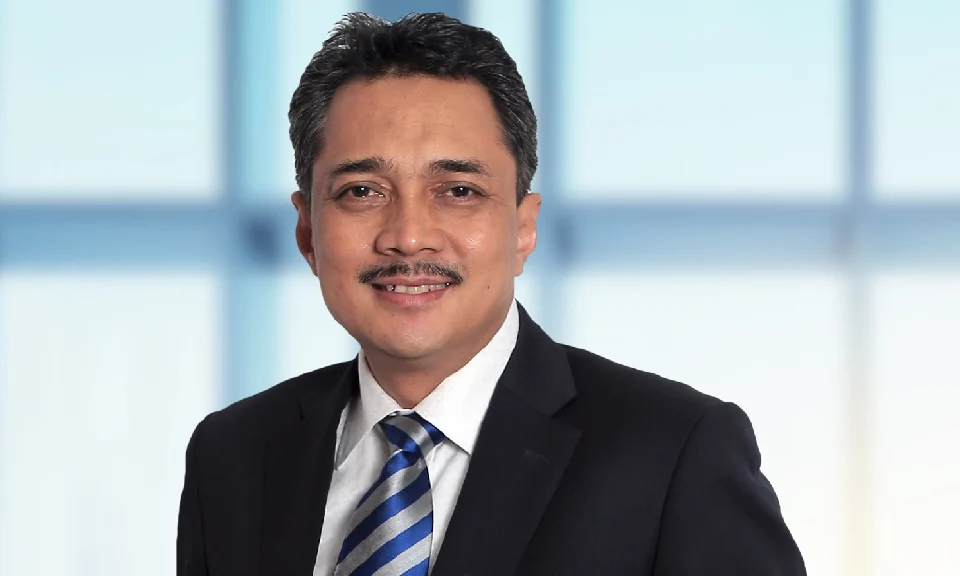
Brazilian mining giant Vale SA has appointed Edwin Gerard as chief executive officer (CEO) of its Malaysian subsidiary, Vale Malaysia Minerals Sdn Bhd. In a statement, Vale said Gerard brings more than 25 years of international experience in large-scale port operations, logistics and infrastructure management. Throughout his career, he has held senior leadership positions in Oman, Nigeria, Egypt, Türkiye and Malaysia. His most recent role was chief operating officer of Johor Port Bhd. Vale noted that Gerard is the first Malaysian to be appointed to lead its Malaysian operations, reflecting the company’s continued commitment to developing local talent in the countries where it operates. As CEO, Gerard will oversee one of Vale’s most important hubs in Asia, which distributes around 20 million tonnes of iron ore annually. He will also lead efforts to strengthen the company’s focus on safe, reliable and sustainable operations. Vale’s Malaysian presence includes the Teluk Rubiah Maritime Terminal in Perak, one of the state’s largest foreign direct investments, as well as its Asia Pacific corporate office in Kuala Lumpur. More than 95% of the company’s workforce in Malaysia consists of local employees. Gerard succeeds Leonardo Paiva, who played a key role in reinforcing Vale’s long-term and sustainable presence in Malaysia. Under Paiva’s leadership, Vale launched several community-focused social investment programmes in Perak, including urban rejuvenation projects in Manjung, revitalisation efforts in Beruas and Manjung Lama, and the Teluk Rubiah Scholarship Programme aimed at nurturing local talent. Since beginning operations in Teluk Rubiah in 2014, Vale said it has invested about RM80 million in social initiatives covering education, women empowerment and environmental conservation.

The Executives

TalentCorp Appoints Biruntha Mooruthi As New Group CEO

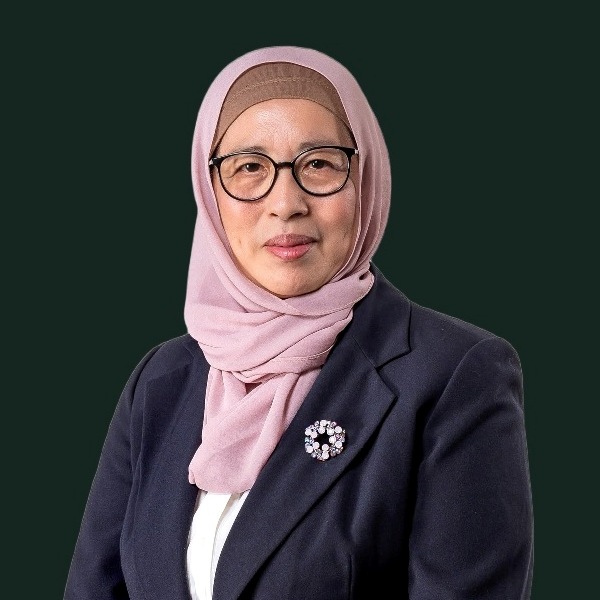
Talent Corporation Malaysia Berhad (TalentCorp) has appointed Biruntha Mooruthi as its group chief executive officer, effective immediately, the agency said on Wednesday. She replaces Edward Ling, who is stepping down less than six months after taking on the role on Nov 4 last year. TalentCorp, an agency under the Ministry of Human Resources (Kesuma), said the leadership change is part of its efforts to strengthen the execution of a more focused national talent strategy aligned with industry needs and measurable outcomes. The agency plays a key role in implementing Malaysia’s national talent policies and acting as a strategic think tank for the ministry. It added that the appointment supports its continued focus on delivering talent solutions aligned with industry demand, improving workforce readiness, and ensuring policies translate into long-term economic impact. TalentCorp also expressed appreciation to Ling for his contributions during his tenure. Biruntha holds a Master of Business Administration from Victoria University and a Bachelor of Science (Hons) in Computer Science from Coventry University. She brings more than 20 years of experience across the public sector, academia, and industry, with a background in national programme delivery, innovation initiatives, and institutional development. Before this appointment, she held senior roles at PlaTCOM Ventures under MaGIC, Universiti Tenaga Nasional, and British Telecom, where she led initiatives in technology commercialisation, industry-academia collaboration, and innovation across energy, technology, and sustainability sectors. Her track record includes leading national innovation funding programmes and supporting technology commercialisation efforts benefiting hundreds of Malaysian companies, as well as mentoring more than 5,000 entrepreneurs and innovators nationwide.

The Executives

Sunway Appoints Abdul Wahid Omar To Board

Sunway Bhd has appointed Tan Sri Abdul Wahid Omar as an independent and non-executive director, effective immediately, the company said in a Bursa Malaysia filing on Wednesday. The 62-year-old currently serves as chairman of Cypark Resources Bhd and IOI Corp Bhd. He previously held several key positions, including Minister in the Prime Minister’s Department overseeing the Economic Planning Unit (2013–2016), as well as chairman roles at Bursa Malaysia Bhd and Permodalan Nasional Bhd. The appointment comes shortly after Sunway’s unsuccessful takeover bid for IJM Corp Bhd, where its cash-and-share offer closed on April 6 with a 33.43% acceptance rate, below the required majority threshold. Sunway shares ended eight sen or 1.53% higher at RM5.30, valuing the group at RM36.07 billion.

The Executives

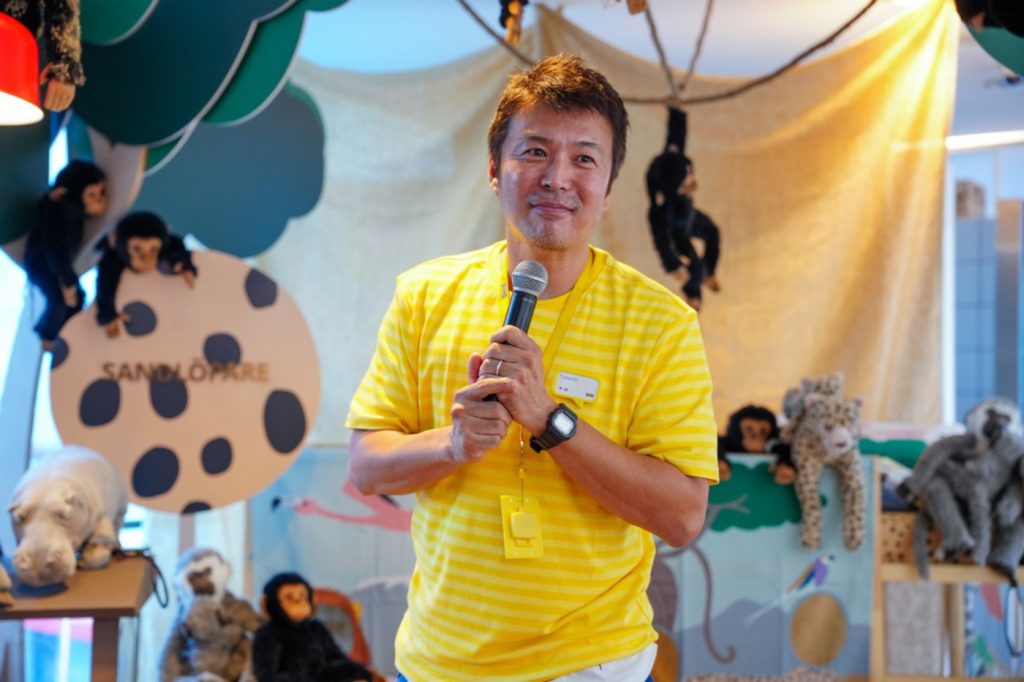
Rizal Kamal: Building LOL Asia At The Intersection Of Creativity, Commerce And Culture

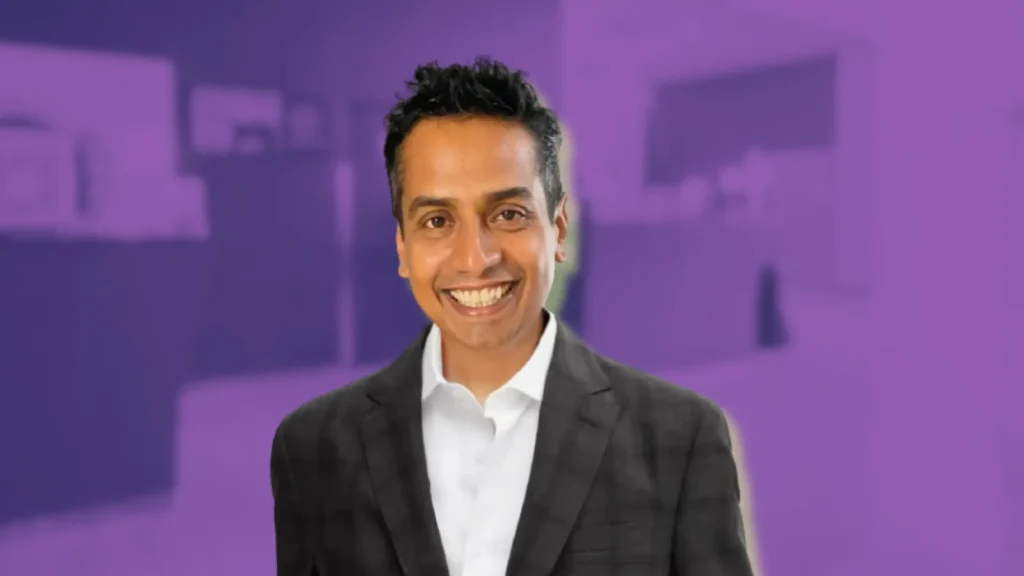
1. Looking back, what was the defining decision or moment that set you on this path — and what gave you the conviction to pursue it despite the uncertainties? A sense of adventure—that entrepreneurial itch to bring something new to people. I’ve always been drawn to creating experiences that make people feel something, whether it’s heart-melting or mind-blowing or just plain good. In my younger days, it was a lot of trial and tribulations. Our mindset was simple: do incredible things first and figure things out later, badaboom. Not always the smartest approach, but that’s where a lot of magic came from—and some of those wild ideas became real businesses. We still carry that spirit today, but with more balance. A big part of what we do now is grounded in solid fundamentals and proven models. It’s less about chasing every crazy idea, and more about knowing which ones are worth building. 2. What was the gap or opportunity you identified early on that others may have overlooked — and how did you translate that into a viable business model? Stand-up comedy was huge in the West, but almost non-existent in Asia at the time. So we essentially brought in the “contraband”—starting with small club shows and giving comedians the freedom to say whatever made people laugh. We already knew the potential because we’d seen how big it was in places like the US, UK, and Australia. From there, we built the business step by step—clubs to theatres, and eventually to arenas. 3. In the early stages, what were the toughest realities of building the business that people don’t often see — particularly from an operational or financial standpoint? Working with people was one of the toughest parts—different expectations, temperamental artists, and everyone fighting over a very small pie. At one point, we took the “Jerry Maguire” approach. Instead of trying to work with everyone, we focused on a small group of talents—the ones with the biggest potential and who genuinely believed in what we were building. Financially, it was also a real challenge. The creative industry is seen as high risk, and we didn’t have deep pockets. We were fortunate to have support from MyCreative Ventures, which played a big role in helping us get to where we are today. 4. Your space sits at the intersection of creativity and commerce. How do you balance creative integrity with the need to deliver consistent business performance and profitability? It took us some time to realise this, but the best creative projects are the profitable ones. At the end of the day, we have to produce things that people actually want and will pay for. Projects that only serve the artist tend to become vanity projects. If there’s no real audience demand, it’s very hard to sustain. Profit is the lifeblood of creativity. It gives us the ability to keep going—and more importantly, to fund new ideas. So we focus on projects that can do both: create something that truly move people, and still make strong business sense. 5. You operate in an industry where perception, reputation, and personal branding are closely intertwined. From your perspective, what are the key imperatives of building and managing a strong personal brand today — particularly as a business leader? The biggest shift today is that you can’t get ahead by withholding information anymore. There was a time when people relied on ‘trade secrets’, but that advantage is gone. Knowledge is everywhere now—and people can quickly tell if you’re the real deal or not. We’re also in an era where knowledge and intelligence are commodities. What really makes the difference now is experience and genuine passion. So for me, it starts with being authentic and being willing to share what you know. There’s no real advantage in keeping things to yourself anymore. The advantage now comes from how fast you can learn, apply, and evolve. It becomes a cycle—share what you know, learn from the response, improve, and then share again. Over time, that builds trust, and that trust becomes your brand. 6. Can you share a period where the business faced significant pressure — whether market-driven or internal — and how you navigated that as a leader? Honestly, all the time. There have been multiple moments where the pressure was real. Check this – when the USD jumped from 3.2 to 3.8 in a short span, and later close to 4.8 against the ringgit; when we had to shut down our live performance venue because it simply wasn’t sustainable; during the pandemic, when we had zero shows for almost two years; and more recently, when we took huge hits from K-pop concerts. Those moments test you. But the approach has always been the same—keep moving forward. Learn fast, adapt, and pivot when needed. And most importantly, remind ourselves why we do this – we want to bring joy, make life feel worth living, and create moments that last.. sometimes a lifetime. 7. As a CEO, you’re constantly making decisions with incomplete information. What principles or frameworks guide your decision-making, especially in high-stakes situations? In the early days, it was mostly gut feel—talking to people on the ground and getting advice from those who had already made it. Today, it’s much more data-driven. We look at the numbers, trends, and signals, and then combine that with experience to make informed decisions. Next, we’re moving into a new phase where intelligence—AI and deeper analytics—can tell us what’s likely to work. Our role is deciding whether to act. It’s less about guessing and more about choosing the right bets—but even with all the data, it still comes down to human instinct. The numbers guide; emotion and experience decide. 8. Have there been moments where you questioned the path you chose or considered pivoting entirely? What ultimately anchored your decision to stay the course? Yes, there were multiple moments where it was tough—when business was bad, when we didn’t have the right people, or the right systems

The Executives

Shangri-La Hotels Appoints Lin Diaan Yi As Managing Director

Shangri-La Hotels (M) Bhd has announced the appointment of Lin Diaan Yi as its new managing director, succeeding Christopher Phong Siew San, whose last day will now be Monday, earlier than the previously scheduled May 31 departure. Lin brings extensive experience in strategy and transformation within the hospitality, real estate and retail sectors across Asia, including prior consultancy work with the Shangri-La Group. Her expertise spans portfolio strategy, asset repositioning, capital allocation, financial and operational management, governance, sustainability and organisational transformation. Lin previously spent 22 years at McKinsey & Company (2002–2024), where she rose to senior partner and led the social, public and healthcare sectors across Asia during her final four years. Between 2015 and 2020, Lin served as managing partner for McKinsey Singapore. Throughout her tenure, she worked closely with governments, government-linked companies and sovereign wealth funds to design and implement large-scale transformation programmes, accelerate digitisation and foster economic development. Lin’s portfolio also included advising clients in financial services, telecommunications, infrastructure, logistics, energy and sustainability on strategy, corporate finance and governance. Before McKinsey, Lin began her career in investment banking at Credit Suisse First Boston in New York and London. She currently serves on the boards of the Viva Foundation, The Esplanade, The Straits Trading Company Limited and the Communicable Diseases Agency of Singapore. At Monday’s midday break, shares in Shangri-La were down two sen or 1.2% at RM1.71, valuing the company at RM752.4 million. Over the past one year, the stock has gained 7.5%.

The Executives

Rozali Ismail To Step Down As Puncak Niaga Chairman

Puncak Niaga Holdings Bhd announced that its executive chairman, Tan Sri Rozali Ismail, will step down effective June 30, following the completion of a three-month notice period that began on April 1. Rozali, 68, will continue in his current role during the transition period and will also resign as a director of the group’s subsidiary companies. The board said the decision took into account his health condition, personal commitments, and the need to ensure leadership continuity and strong corporate governance. A founder of the group, Rozali established Puncak Niaga Sdn Bhd in 1989, which later managed water treatment operations in Selangor and Kuala Lumpur. The company was listed in 1997. In 2014, as part of Selangor’s water industry restructuring, Puncak Niaga sold its water assets — including Puncak Niaga Sdn Bhd and a 70% stake in Syarikat Bekalan Air Selangor (Syabas) — to the state government for RM1.55 billion. Since then, the group has shifted its focus to water and sewerage infrastructure construction, oil palm plantations in Bintulu, and facilities management, including a concession at UiTM Puncak Alam following its acquisition of TRIplc Bhd. The company has largely been loss-making in recent years. The board expressed its appreciation for Rozali’s leadership and contributions, noting that his vision played a key role in shaping the company’s growth. It added that operations will continue as usual during the transition, with a focus on maintaining governance standards and long-term sustainability. Puncak Niaga shares last traded at 16.5 sen on April 8, giving the group a market capitalisation of RM74.1 million.

The Executives

Foodpanda Malaysia Names Kenneth Soh As Managing Director

Foodpanda Malaysia has appointed Kenneth Soh as its new managing director. He will oversee the company’s strategy and day-to-day operations in Malaysia, with a focus on expanding its food delivery, grocery and quick commerce services, growing its merchant network, strengthening partnerships and enhancing customer experience. Soh brings extensive experience in Southeast Asia’s digital sector. He previously served as Malaysia country manager at PropertyGuru Group, where he led the growth of the PropertyGuru and iProperty platforms. Prior to that, he held senior roles at Shopee Malaysia, focusing on platform growth, marketing and business development. The appointment comes as foodpanda expands beyond food delivery into groceries and everyday essentials, catering to rising demand for fast, on-demand services. Soh said the company will continue to improve operational efficiency, enhance user experience, and support its merchants and delivery partners as it grows its presence in Malaysia.

The Executives

DXN Names CEO Prajith Pavithran To Board

DXN Holdings Bhd  has appointed its chief executive officer Prajith Pavithran to its board as an executive director. In a filing with Bursa Malaysia, the group said Prajith, 47, began his career with DXN in 2001 as a sales and training executive in North India. He has since held leadership roles across India, the Philippines, Mexico and Latin America, a region that contributes about 60% of the company’s annual revenue. Executive chairman and founder Lim Siow Jin said Prajith’s dual role will bring operational insights directly to the board, enabling more informed and timely decision-making while strengthening execution of the group’s strategy. He added that the appointment will enhance communication between management and the board, improve accountability, and support leadership continuity as DXN pursues its long-term growth plans. DXN shares closed 1.5 sen, or 3.1%, lower at 46.5 sen on Monday, valuing the company at RM2.32 billion.

The Executives

Glomac Appoints Tan Soon Meng As Acting CFO

Glomac Berhad today announced a planned leadership transition within its finance function, with Tan Soon Meng appointed as Acting Chief Financial Officer (CFO). Meng assumes the role from his previous position as General Manager, Group Treasury and Corporate Finance, underscoring Glomac’s commitment to nurturing internal talent and executing disciplined succession planning. Since joining Glomac in March 2022, he has been instrumental in strengthening the Group’s financial strategy, managing key corporate finance initiatives, and supporting the company’s core business operations. With more than 18 years of experience in corporate finance, strategic transactions, and financial leadership across publicly listed companies and property development groups, Meng brings extensive expertise to the role. His appointment reflects Glomac’s focus on maintaining strong financial discipline and positioning the Group for long-term growth. Meng is a Fellow of the Association of Chartered Certified Accountants (ACCA), a member of the Malaysian Institute of Accountants (MIA), and holds a Master in Real Estate Development from Universiti Tunku Abdul Rahman, in collaboration with the REHDA Institute. Under his leadership, the finance team will continue to drive robust financial planning, risk management, and value creation strategies, ensuring Glomac remains well-positioned in a competitive property development landscape. The company expressed confidence that Meng’s experience and strategic insight will play a key role in delivering sustainable financial performance while supporting ongoing business expansion.

Scroll to Top

Subscribe
FREE Newsletter