Author name: admin

Investment & Market Trends

Zafrul: YCH Fusionaris’ RM500m Investment Turns Potential Into Reality

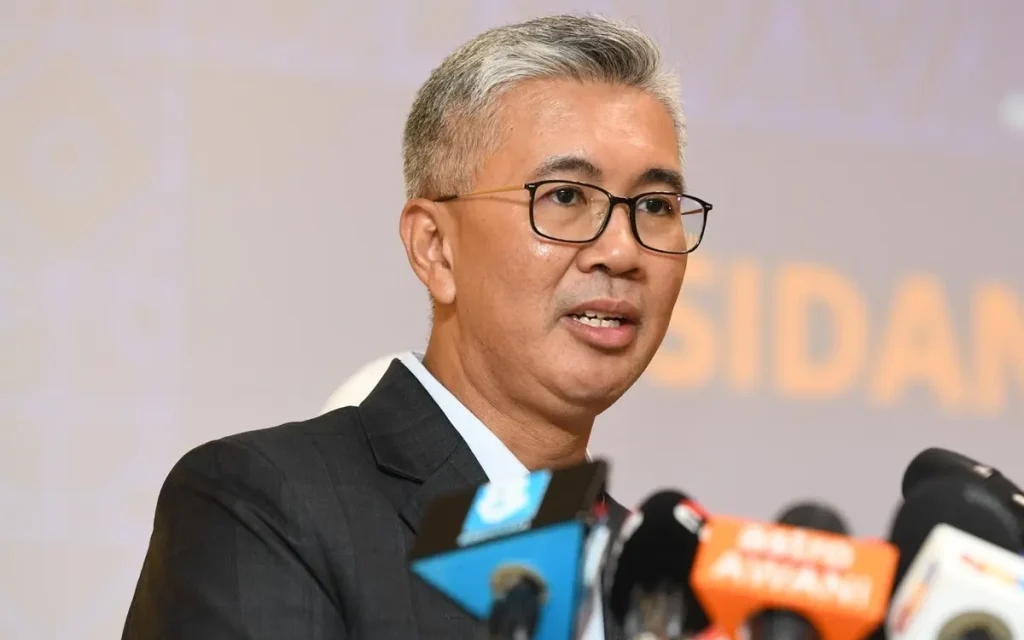
KUALA LUMPUR, The RM500 million strategic investment by YCH Fusionaris Sdn Bhd demonstrates that Malaysia’s earlier investment potential is now being translated into tangible results, said Investment, Trade and Industry Minister Tengku Datuk Seri Zafrul Abdul Aziz. He explained that the project, located in Bandar Bukit Raja, Klang, Selangor, was the outcome of opportunities explored during a trade mission to Singapore. “This investment not only strengthens Malaysia’s position as a key regional supply chain hub but also creates 100 new job opportunities for Malaysians,” he shared in a posting on X (formerly Twitter). Zafrul noted that beyond the direct investment, YCH Fusionaris is also working closely with local logistics partners, which will further boost the resilience and competitiveness of the domestic business ecosystem. “This serves as solid proof that the initiatives under the Madani Government are bearing fruit — paving the way for high-impact investments that will advance our economy, enhance technological capabilities, and create long-term value. What was once potential is now becoming reality,” he said.

Property

Amata VN Seeks Approval For New Industrial Land Development

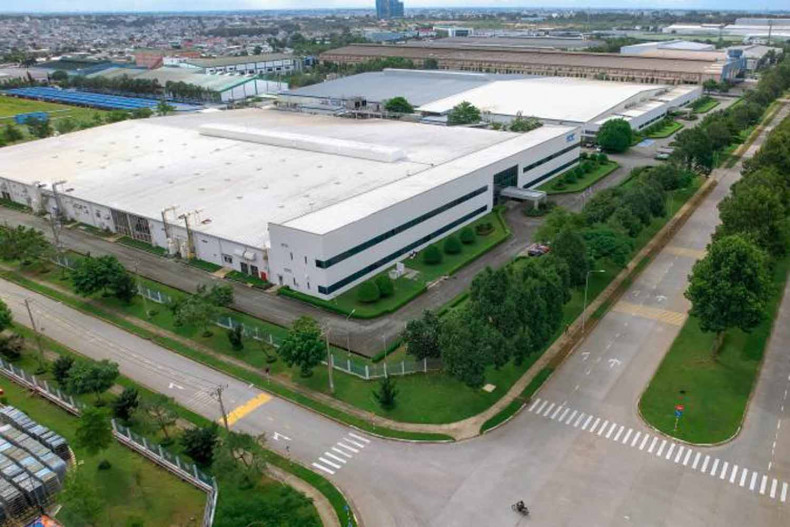
SET-listed industrial estate developer Amata VN is awaiting approval from the Vietnamese government for the development of 3,100 rai of new industrial land, expected as early as October, paving the way for the company’s next phase of growth in the country. The new estate, to be located in Phu Tho province in northern Vietnam, is designed to cater to high-tech investors, particularly in the semiconductor sector. An industrial estate developed by Amata VN in Vietnam. “Vietnam’s GDP growth, averaging 8–9% annually, has been a key driver attracting investors looking to expand or establish new ventures,” said Somhatai Panichewa, Amata VN’s chief executive. She added that recent discussions with Phu Tho authorities showed promising progress, with officials pledging to accelerate approval for the project. The land development approval is anticipated by October or by the end of 2025. In May, Amata VN signed a memorandum of understanding with the Phu Tho Provincial People’s Committee to move the project forward. The new estate will be developed under a sustainability model, focusing on environmentally friendly practices. “Amata VN is committed to supporting Phu Tho in boosting its investment appeal and attracting quality investors from Thailand and across the globe,” said Mrs Somhatai. Vietnam remains a strong draw for international investors thanks to its network of free trade agreements with China, South Korea, and ASEAN nations, as well as its membership in the Comprehensive and Progressive Agreement for Trans-Pacific Partnership (CPTPP), which includes Japan, Australia, New Zealand, and Canada. The company plans to invest 4.5 billion baht in the development of the Phu Tho industrial estate, which is scheduled to begin commercial operations in 2027, according to chief financial officer Sukhum Pitayapiboonpong. Currently, Amata VN operates four industrial estates in Vietnam: Amata City Bien Hoa, Amata City Long Thanh, Amata City Halong, and Quang Tri Industrial Estate. For 2025, the company has targeted 6 billion baht in revenue, with 500 rai in total land sales.

ESG

Plans Underway For Commercial Bamboo Farming

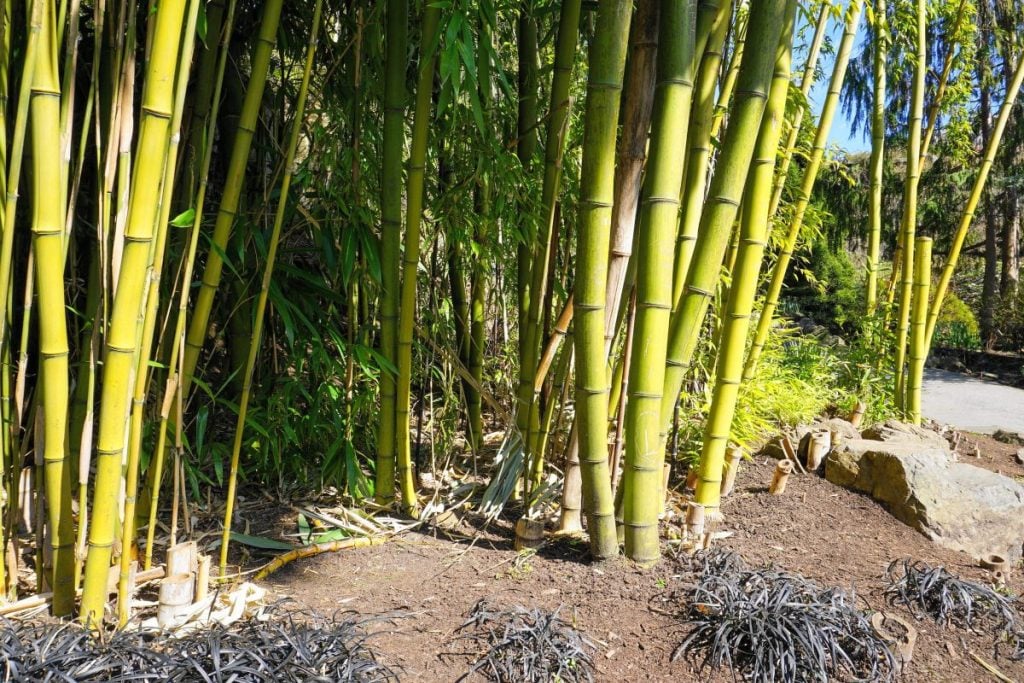
KUCHING, Pertama Ferroalloys Sdn Bhd is set to invest RM200 million to establish large-scale commercial bamboo plantations within licensed planted forest (LPF) areas across Sarawak. The initiative will be rolled out in phases. The company formalised the plan through a memorandum of understanding (MoU) with the Sarawak Timber Industry Development Corporation (STIDC) during Sarawak Week 2025 at the Expo Osaka 2025 in Japan last week. The MoU was signed by Pertama Ferroalloys deputy president Yuki Nakamura and STIDC general manager Zainal Abidin Abdullah, witnessed by Sarawak Deputy Premier and Minister for International Trade, Industry and Investment Datuk Amar Awang Tengah Ali Hasan. Under the agreement, STIDC will support Pertama Ferroalloys by identifying suitable LPF areas for bamboo cultivation, providing high-quality seedlings, and offering technical expertise in bamboo resource management. Currently, Sarawak has approved 43 LPF licences covering 2.3 million hectares of land for forest plantation projects. The partnership is expected to ensure a steady supply of raw materials for Pertama Ferroalloys, reducing reliance on imports such as wood charcoal and cork, while also creating opportunities for value-added bamboo-based industries in collaboration with local communities. Pertama Ferroalloys – formerly known as AML Manganese (M) Sdn Bhd – operates a manganese and ferroalloys smelting facility in Samalaju Industrial Park, Bintulu. This initiative also aligns with STIDC’s Sarawak Bamboo Industry Development Masterplan 2020–2030, launched five years ago to transform bamboo into a new growth industry. The masterplan targets the cultivation of at least 20,000 hectares of bamboo plantations for industrial purposes, projected to generate RM200 million in export earnings by 2030. Of this, at least 10,000 hectares will be developed in partnership with LPF holders and native customary rights landowners. LPF holders currently grow fast-maturing species such as acacia mangium and oil palm. STIDC also aims to spearhead 200 bamboo community projects involving smallholders, fostering inclusive growth. By 2030, Sarawak envisions the establishment of diverse bamboo-based industries, ranging from charcoal, pharmaceuticals, cosmetics, textiles, pulp and paper, food, and handicrafts, to engineered bamboo products like bamboo ply, strand-woven bamboo, and glued-laminated bamboo. Bamboo, with a life cycle of 50 to 80 years, is recognised as a renewable and sustainable raw material, making it a cornerstone of Sarawak’s long-term green industrial strategy.

Energy & Technology

OSCO, JSW Sign Early-Stage Deal For New Steel Plant In India

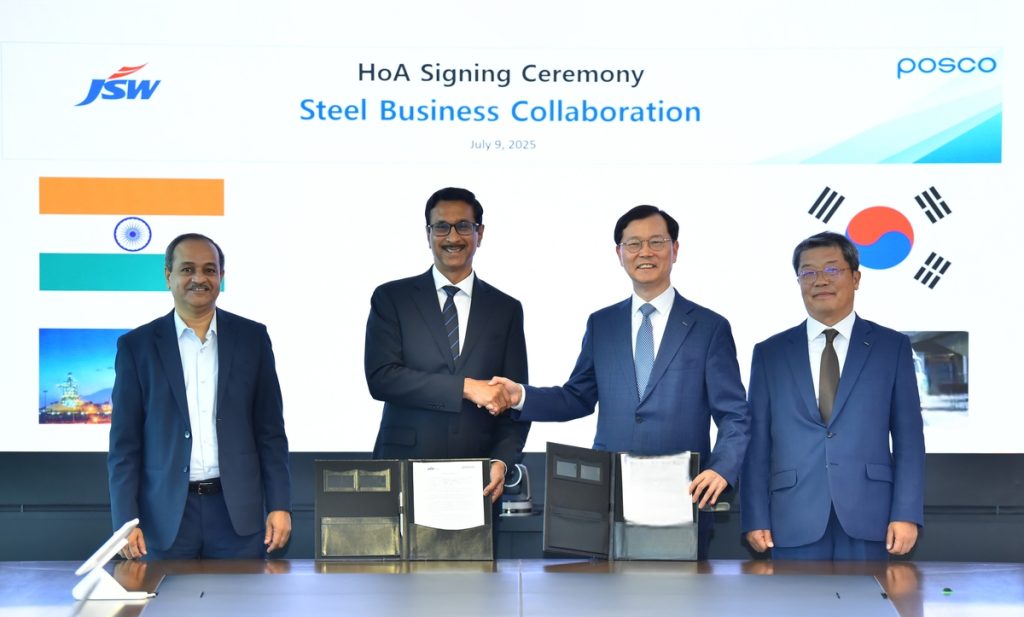
SEOUL, South Korean steelmaker POSCO Group announced Monday that it has signed an initial agreement with India’s JSW Group to jointly develop a large-scale steel plant in India. According to POSCO, the two companies entered into a non-binding heads of agreement (HOA) to build an integrated steel mill with an annual production capacity of 6 million tons in the world’s most populous nation. This file photo, taken in Mumbai on July 9, 2025, and provided by POSCO Group, shows JSW Group President Jayant Acharya (2nd from L), POSCO Holdings President Lee Ju-tae (3rd from L) and other officials posing after signing a non-binding heads of agreement (HOA) for a 50:50 steel plant project in India.  “India is one of the key growth engines in the global steel market. Through this partnership, the leading steelmakers of both countries will create new value and contribute to industrial development in Korea and India,” said Lee Ju-tae, President of POSCO Holdings. The proposed site under consideration is Odisha, in eastern India, due to its rich reserves of coal and iron ore. POSCO said the exact location will be finalized following a feasibility study. The joint venture is designed to meet India’s surging demand for steel, which has been growing at an annual rate of 9–10 percent over the past three years. Once project details are finalized and regulatory approvals are secured, POSCO and JSW plan to sign a definitive agreement, with both parties contributing on a 50:50 investment basis. Details such as the total investment cost and construction timeline were not disclosed. This HOA builds on a memorandum of understanding (MOU) signed in October, where the two companies agreed to explore cooperation in steelmaking and rechargeable battery materials. Separately, POSCO earlier this year announced plans to invest in Hyundai Steel Co.’s US$5.8 billion steel mill project in the United States, part of its strategy to navigate the impact of U.S. tariffs on steel imports.

ESG

MD2 Pineapple Farming Gets A Lift Under Agrobank’s iTEKAD Scheme

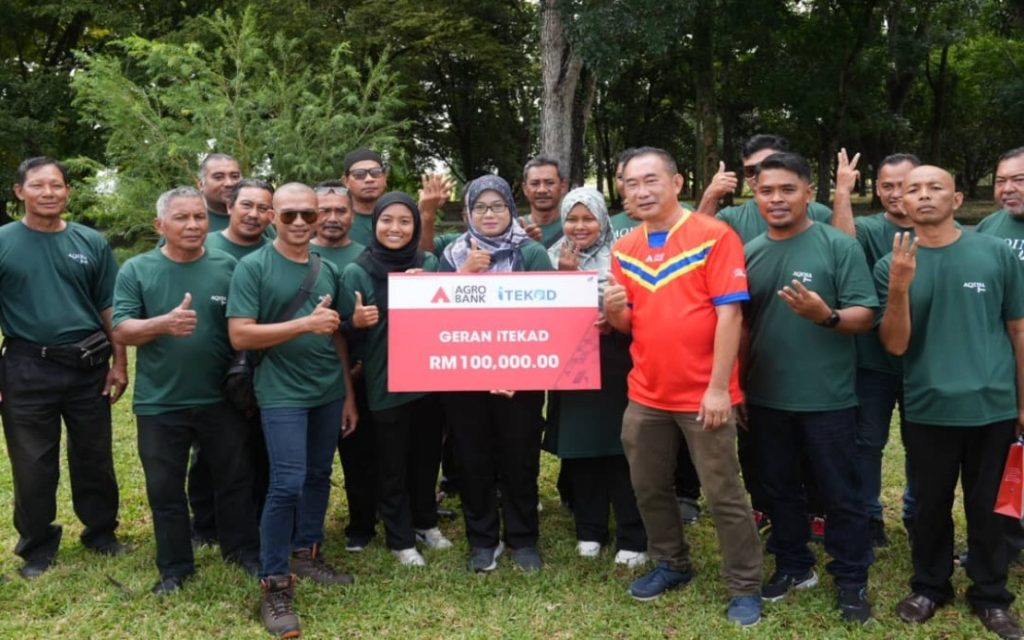
KANGAR, Agrobank has reinforced its commitment to uplifting the asnaf (tithe recipients) and B40 communities by distributing iTEKAD grants worth RM100,000 to 20 agropreneurs for an MD2 pineapple cultivation project in Chuping, near Padang Besar. According to Agrobank President and Group Chief Executive Officer Datuk Tengku Ahmad Badli Shah Raja Hussin, each participant — comprising B40 individuals and military veterans — received RM5,000 to purchase additional equipment for cultivating a five-acre plot rented from Felda Global Ventures (FGV). “This initiative is part of Agrobank’s collaboration with Aqina Fruits Sdn Bhd, which also covers pineapple farming projects in Beaufort and Pekoti. For Chuping and Beaufort, each project has an allocation of RM6 million, while Pekoti received the highest funding of RM12 million,” he said in a statement. In total, Agrobank and Aqina Fruits’ contract farming collaboration under the B40 model has secured RM24 million in funding. As a development financial institution, Agrobank also provides financing facilities of up to RM280,000 for each participant to cover initial project capital. Tengku Ahmad Badli Shah noted that the MD2 pineapple cultivation programme forms part of Agrobank’s broader efforts to strengthen socio-economic development, particularly for low-income groups. “Beyond improving livelihoods, this initiative also supports the growth of the agricultural sector and boosts pineapple production to meet both local demand and export opportunities,” he said. Through the iTEKAD initiative, Agrobank has also rolled out several programmes, including the MAINJ Micro-Entrepreneur Financing Programme, the BERNAS Farm Partner Programme, the Oil Palm Replanting Scheme, and the Vessel Modernisation and Catch Mechanisation Programme. These programmes are designed to empower asnaf and B40 entrepreneurs by combining three essential components: seed capital, micro-financing, and financial training.

Investment & Market Trends

SoftBank’s PayPay Files For U.S. IPO

TOKYO, Japanese conglomerate SoftBank Group Corp announced that its payments arm, PayPay Corp, has officially submitted an application to list American depositary shares in the United States. While the timeline, valuation, and size of the offering are still being finalized, SoftBank confirmed that it has already appointed banks to manage the potential initial public offering (IPO). According to sources cited by Reuters, the deal could raise over $2 billion from investors and may take place as early as the fourth quarter of this year. Despite the listing, PayPay will remain a subsidiary of SoftBank, underscoring the conglomerate’s commitment to maintaining control of the rapidly growing fintech business. SoftBank first signaled its intention to explore a U.S. listing for PayPay back in 2023. Since then, the payments platform has established itself as a major driver of Japan’s digital payments adoption, offering services that go beyond simple mobile transactions to include banking, credit cards, and financial solutions for both consumers and merchants. PayPay’s strong growth comes as Japan continues to shift away from a cash-heavy culture toward digital financial ecosystems, accelerated by government incentives and consumer demand for more convenient payment options. If successful, the IPO could mark one of SoftBank’s largest recent fundraising moves, bolstering its financial position and highlighting the company’s strategy of unlocking value from its portfolio of tech-driven businesses.

Property

SIC Outlines Long-Term Growth Strategy, Says CEO

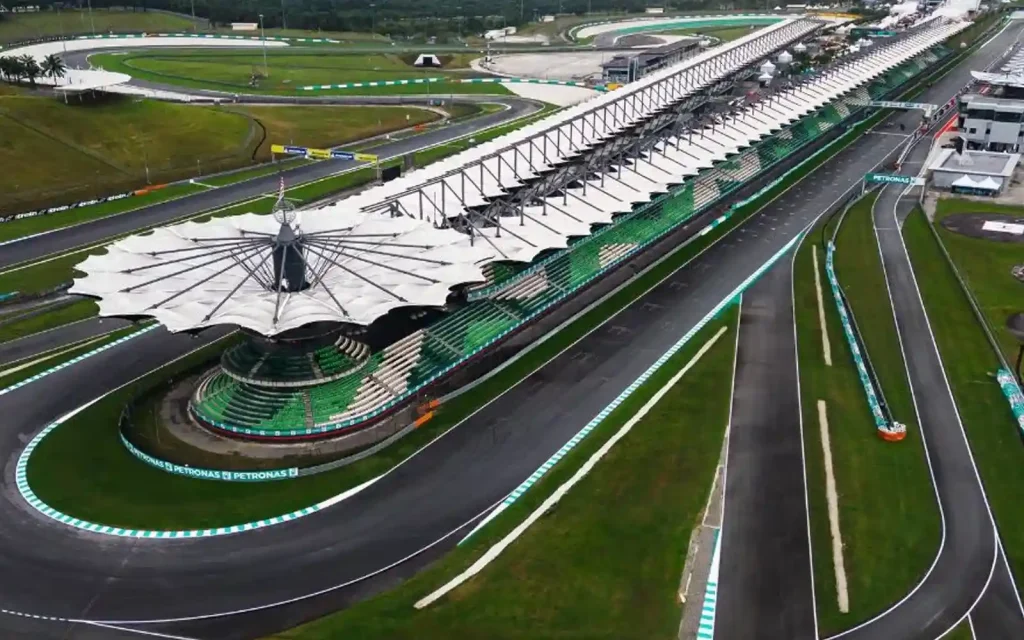
KUALA LUMPUR, After enduring the financial strain of the Covid-19 pandemic, Sepang International Circuit (SIC) is setting its sights on long-term growth with plans centred on land monetisation, new investments, and broader commercial offerings. SIC CEO Azhan Shafriman Hanif said the circuit is finalising a 10-year business plan aimed at unlocking the commercial value of its 303-hectare landbank. “Currently, we only use about half of the land during major international events. The rest remains underutilised. Our goal is to change that by bringing in investors to develop hotels, motorsport facilities, vehicle storage, attractions, and F&B outlets,” he explained. One of the main hurdles had been unresolved land tenure. While the Finance Ministry took over SIC’s facilities from Malaysia Airports Holdings Bhd (MAHB) in 2009, ownership of the land remained with MAHB, complicating lease agreements. “Investors often asked, ‘Who do we sign the lease with?’ and we couldn’t give a clear answer. With the sub-lease agreement now moving forward, we’ll finally be able to offer long-term leases and open the door to investment opportunities,” Azhan said. Appointed CEO in April 2020, Azhan’s early leadership was marked by crisis management as Covid-19 halted large-scale events, SIC’s main source of revenue. “It was extremely challenging. We couldn’t cut jobs or salaries since we’re under the Finance Ministry and Youth and Sports Ministry. Instead, we had to trim allowances and pause overtime,” he recalled. Recovery and growth The turning point came in 2023 when SIC returned to profitability, driven by the comeback of international events such as MotoGP. “That year was a milestone. In 2022, we had just six months to prepare for MotoGP after borders reopened in April, but we managed to pull it off. 2023 was when things really started to change,” he said. Looking beyond motorsports, Azhan aims to transform SIC into a lifestyle destination with better amenities for visitors and staff. A small but meaningful step was the launch of a lakeside café, currently the only F&B outlet within the compound. “It may seem minor, but before this, staff and visitors had to leave the circuit just to get lunch. We need more eateries, convenience stores, and family-friendly facilities so people can come here to relax, not just watch races,” he said. Plans are also underway to develop commercial plots for local F&B brands and convenience outlets to serve event-goers, employees, and nearby residents. While SIC no longer hosts Formula 1, it has established itself as a thriving motorsports and entertainment hub, with bookings for events extending well into next year. The recent Super GT drew over 78,000 spectators, boosted by a tie-up with the Nihon Matsuri festival. Azhan said SIC’s strategic location near Port Klang and KLIA positions it uniquely as a regional hub for motorsports, lifestyle, and automotive events. “Take an auto show, for instance — not only can people view the cars here, but they can also test-drive them on the track. That’s something you can’t replicate on normal roads,” he said. Looking ahead, SIC has lined up concerts, exhibitions, and conventions for the year and is in talks with organisers for new events in 2026. Among the highlights is the Malaysian Festival of Speed in September, featuring drift competitions and a karting slalom.

Media OutReach

AI Agent Drives New Growth︱SY Holdings Reports 2025 Interim Results: Net Profit Up 23%; E-commerce Business Volume Surges Eightfold

SHENZHEN, CHINA – EQS Newswire – 18 August 2025 – SY Holdings Group Limited (“SY Holdings” or the “Company”; Stock Code: 6069.HK), a digital intelligence technology company specialising in “AI + industrial supply chain” solutions, announced its interim results for the six months ended 30 June 2025. According to the announcement, SY Holdings has been deeply implementing its “AI+” strategy, continuously advancing the commercialisation of AI Agent applications to support the growth of SMEs. As of 30 June 2025, the Company recorded a net profit of over RMB 2.03 billion, marking a year-on-year increase of 23%. Leveraging AI Agent and other advanced technologies, based on comprehensive integration of industry ecosystems and data, SY Holdings fully exploits the benefits of its distinctive risk control model characterised by a “transaction-focused, asset-light” approach. The Company helps SMEs in the supply chain to “secure orders and access funding,” while offering efficient, cost-effective, and high-quality financing facilitation services. For the six months ended 30 June 2025, the Company reported revenue and income from core business activities of approximately RMB 0.4 billion. The platform facilitated cumulative funding turnover of more than RMB 278.0 billion, a rise of over 29% compared to the same period last year, and served more than 19,100 customers in total, an increase of over 14% year-on-year. SMEs customers accounted for over 97% of the total customer base, with first-time borrowers making up more than 30%. The Company’s platform has helped customers reduce financing costs by at least 30%. SY Holdings continued to develop its platform-based strategy, with its self-developed AI Agent—”SY Cloud Platform”—as the central hub to establish an efficient and intelligent matching mechanism between the industry and funding partners, supporting the rapid growth of its “asset-light” operating model. As of 30 June 2025, the platform had established strategic partnerships with over 10 Fortune Global 500 companies and developed relationships with more than 180 funding partners, representing an increase of 31% year-on-year, positioning itself as a key partner for financial institutions in promoting inclusive finance. Based on this foundation, platform-based facilitation business accounted for approximately 88% of the total business volume, up 28 percentage points from the same period last year. Platform technology service revenue reached approximately RMB 0.21 billion, showing a year-on-year increase of 37% and constituting 52% of total revenue—outpacing its growth target six months early and poised to significantly boost future earnings. 2025 is seen as the inaugural year for widespread commercial use of AI Agents. SY Cloud Platform has thoroughly integrated with popular open-source large language models like DeepSeek, Qwen, and Doubao, leading the way in offering diverse value-add services to its ecosystem partners. For example, in the infrastructure sector, the platform can automatically gather tender and procurement information through multiple channels, perform data cleaning and data organization, and convert it into a standard format that is easy to analyse, covering key details such as project type, scale, budget, and technical requirements. By leveraging information on suppliers’ business scope, production capacity, qualification level, and historical bidding records, the platform delivers highly relevant tender opportunities directly to suitable suppliers. Furthermore, the platform offers suppliers assistance with bidding document preparation, analysis of the competitive landscape, and pricing strategy advice, enabling them to enhance both bidding efficiency and success rates. By 30 June 2025, SY Holdings reported its initial revenue from AI-driven order acquisition, with income from AI “order-matching” services surpassing RMB 400,000. In an era of rapid advances in AI technology, SY Holdings has continued to increase its investment in research and development. As of 30 June 2025, the Company’s cumulative R&D investment was close to RMB 270 million, with R&D personnel accounting for approximately 30% of the total staff. The Company holds 88 national invention patents and computer software copyrights, covering multiple fields including AI, big data, and cloud computing. Building on this foundation, SY Holdings has developed and deployed a range of innovative applications, such as intelligent document sorting, intelligent contract review, and AI-powered customer service, collaborating closely with ecosystem partners to achieve cost reduction and efficiency improvements. During the reporting period, the average asset service volume per capital increased by approximately 27%, while our customers’ sales volume grew by over 60% year-on-year. Demonstrating strong confidence in its long-term value and high regard for its future growth prospects, SY Holdings has announced a special dividend of RMB 600 million for 2025 and committed to maintaining a dividend payout ratio of no less than 90% for the financial years 2025 and 2026, thus continuing to share the company’s growth outcomes with its shareholders. Based on this pledge, the total dividend payout for 2025 will be approximately RMB 950 million. As of the closing price on the date of this results announcement, the dividend yield is estimated at around 8%. SY Holdings has received unanimous backing from prominent institutions—including CICC; Tianfeng Securities, CSC(China Securities); SDIC Securities; Soochow Securities; Sinolink Securities; GF Securities; Guolian Securities; Phillip Securities; and Zheshang Securities—each assigning the Company a ‘Buy’ or ‘Outperform’ rating, with the highest target price of HK$21.65. Expanding into New Sectors, Building New Growth Engines While deepening its presence in key national industries such as infrastructure, healthcare, pharmaceuticals, and commodities, SY Holdings is also actively expanding into strategic emerging sectors including e-commerce and robotics. These emerging sectors together represent a potential market size of more than RMB 70 trillion and a customer base of over 26,000 thousand enterprises. In the e-commerce sector, SY Holdings has expanded its coverage to six leading platforms, including Douyin, SHEIN, Shopee, Kuaishou, WeChat Channels, Poizon. As of 30 June 2025, the company’s cumulative e-commerce financing facilitation volume surpassed RMB 2.8 billion, reflecting an almost eightfold increase year-on-year. Recently, SY Holdings completed system integration with a leading global fashion e-commerce platform and successfully embedded end-to-end online services within the platform. Through this integration, e-commerce merchants can utilise their “shipped but pending settlement orders” to create a virtuous cycle of “sales – early payment collection – repurchase – further sales,” thereby further expanding the growth potential of SY Holdings’

Media OutReach

China Unicom Beijing Powers World’s First Humanoid Robot Games with Smart 5G-A Network

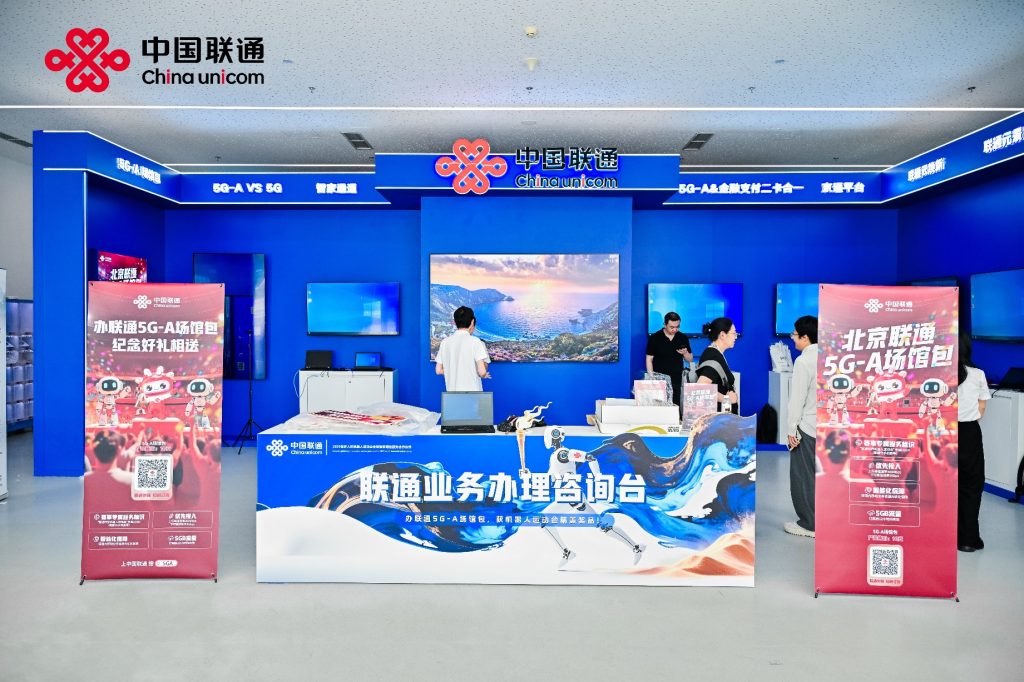
BEIJING, CHINA – Media OutReach Newswire – 18 August 2025 – At the 2025 World Humanoid Robot Games which just kicked off, China Unicom Beijing provides full 5G-A network coverage outside and inside the event venue — Beijing National Speed Skating Oval. This cutting-edge network, characterized by its high uplink capacity, reliability, and security, is enabling over 500 robots from nearly 280 teams worldwide to compete at their best across athletic, performance, industrial, and healthcare contests. It is also significantly enhancing the experience for tens of thousands of spectators. Such robust 5G-A networks will transform society by propelling humanoid robots beyond competitions and into full-scale commercialization. China Unicom at the World’s First Humanoid Robot Games The AI industry is developing rapidly. Multimodal and cross-device interactions are reshaping personal experiences, IoT connections are growing exponentially, and AI is now woven into the fabric of core production processes, completely redefining workflows. These embodied AI robots are a demanding AI application, requiring a specialized network that allows them to perceive their surroundings, make instant decisions, pinpoint their location precisely, and coordinate with other robots. With the games already in play, China Unicom Beijing is delivering reliable, extensive, and high-uplink connectivity for both robots and spectators outside and inside the arena. Outside, a 5G-A 3D network coordinating 1:1 high and mid bands boosts peak uplink and downlink user-perceived rates to 4 Gbps and 11.2 Gbps, respectively. Inside, LampSite offers 300 MHz bandwidth, achieving a peak network speed of 2.4 Gbps. “Our 5G-A networks currently serve users, and we’re upgrading them to support embodied AI as well,” said Qin Yang, Deputy General Manager of China Unicom Beijing. “Our 5G-A network for this event reflects this progress. It dedicates a channel for spectators and a dynamically scalable one for robots, realizing seamless connectivity for both spectators and robots even during peak usage. In the robot sector, 5G-A will also be key to enabling low-latency remote control.” Samuel Chen, Vice President of Marketing for Huawei’s Wireless Network Product Line, said, “At the humanoid robot games, the network must support many robots, spectators, and live media streams. It needs to provide high uplink capacity, low latency, high reliability, and wide coverage.” Inside the venue, a 5G-A digital indoor system has been developed utilizing 300 MHz ultra-high-bandwidth spectrum. It delivers an uplink speed above 100 Mbps, allowing multiple 4K machine vision streams to be uploaded without frame loss. It also ensures air interface latency remains below 20 ms, so robots can respond to commands instantly. Outside the venue, a 5G-A 3D network coordinates 1:1 high and low bands to achieve downlink and uplink speeds of 10 Gbps and 4 Gbps, respectively. With this fast connectivity, 8K panoramic cameras merge footage live, media like CCTV upload UHD shallow-compressed signals in seconds, and crowds live stream and share videos without lag. As the world’s first international sports event for humanoid robots, the games set the stage for a groundbreaking fusion of technology and athletics, signaling AI’s expansion into sports at scale. As the event’s exclusive global communications partner, China Unicom is dedicated to ensuring millisecond-level network response and zero downtime with its 5G-A, AI, and all-optical network expertise through collaboration with partners. Beyond the event, China Unicom aims to inject strong momentum into the robotics industry. Hashtag: #Huawei The issuer is solely responsible for the content of this announcement.

Media OutReach

Baidui Cup grows into global stage for youth football in Beijing

BEIJING, CHINA – Media OutReach Newswire – 18 August 2025 – The 42nd “Baidui Cup” Football Tournament kicked off in the rain on the August 8th. It brought a refreshing coolness of summer to the young players and once again ignited a football fever in Beijing, the “Dual Olympic City”. A player goes for goal during a Baidui Cup match, August 2025. As 51-year-old Chinese football legend Yang Chen watched children playing joyfully at the ongoing Beijing youth football tournament, vivid memories of his own participation over four decades ago came flooding back. “I really enjoy those exciting and delightful moments, running side by side with my young teammates, trying to perform our best, and pursuing victories. This is where my dream began,” noted the Beijing native, who participated in the first two editions of the tournament. The Beijing youth football tournament is also known as the Baidui Cup. In 1984, 112 teams signed up for the inaugural event, while the number has expanded to over 1,000 in recent years. Players vie for the ball during a Baidu Cup match, August 2025. This year, the 42nd edition of the Baidui Cup runs through August 8 to 17. “More kids are getting involved in this traditional tournament. They learn from each other and improve their skills through matches. Their passion shows the great football atmosphere here,” Yang said. In the current tournament, young players competed on football fields across six districts in Beijing, while their parents and other family members cheered for them throughout, no matter whether it was rainy or sunny in the hot summer. “The Baidui Cup is my most anticipated event in summer vacation. It is like a football party,” said the 10-year-old Li Jinglin during his fifth appearance at the tournament. “I started playing football as a left wing midfielder at the age of five. Two years ago, our goalkeeper got injured, and I replaced him and have stayed in that position since. I want to defend the victory for our team.” Nine-year-old forward Wang Yibo, whose parents, grandmother and younger sister are his loyal fans, made his debut in the Baidui Cup after playing football for over two years. “At first, I just hoped that he [Wang] could have better physical strength by attending football training sessions every week. Gradually, I found he was self-motivated to make progress step by step. I believe football will always accompany him as he grows up,” said Wang’s mother Guo Lele. As the tournament has further expanded its influence in recent years, more talents from other cities and even the rest of the world have joined this youth football festival. Coach Ma Zhiqiang brought his players from Rongjiang County, southwest China’s Guizhou Province to experience the Baidui Cup in Beijing for the first time this year. Rongjiang is the birthplace of China’s renowned Village Super League, also known as Cun Chao. “My kids are all from the Chemin Primary School in Rongjiang. I have only been there for 10 months, but I already feel their tenacity and strong will to play. With no doubt, Cun Chao inspired them a lot, and they wish to play in front of their home audience in the future,” Ma said. Children in mountainous areas generally have good leg strength but still need to polish their skills, particularly compared with young players from professional football clubs in Beijing. However, the performance of Rongjiang players at the Baidui Cup amazed everyone. Ma remarked, “My team strictly implemented the game plan. In the first half, they concentrated on defense, while in the second half, they took advantage of their physical strength to make counter-attack. We are all excited to secure several victories here.” Nine-year-old Lin Qihang, captain of the Rongjiang youth team, practices for more than three hours every day after school. He said, “Playing football made me more self-disciplined. Our trip to Beijing is an opportunity to learn from other teams and see a bigger world.” Travelling from thousands of miles away, Zimbabwe’s 11-year-old Christiano Konono competed in the Baidui Cup with his teammates, who are all from Jadel Football Academy, a youth football club in Beijing founded by former professional player Walter Musanhu in 2019. Jadel Football Academy dispatched five age-group teams to this summer’s Baidui Cup, with about 150 players from China, Zimbabwe, Japan and other countries and regions. This winter, Musanhu will lead his Chinese players to Zimbabwe to experience African football culture. “I have so much love for the kids, and they need to be encouraged. I want these kids to achieve more than what I achieved as a football player. I want these kids to have the best memories in their lives,” remarked Musanhu. Reflecting on the development of the Baidui Cup, Gao Jun, secretary of Beijing Football Association, said, “As the tournament grows in popularity, we organize it annually. There is simply no reason to stop.” Indeed, the Baidui Cup has become an iconic youth football tournament pillared by the enthusiasm of young generations and the support from their families. Almost all elite Beijing native football players have showed their potential in the Baidui Cup, including former Chinese national team players Shao Jiayi and Liu Ying. “A journey of more than 40 years is never easy. I hope more young players can stand out in the Baidui Cup and contribute to Chinese football and its related industries,” said Shao, currently the head coach of Qingdao West Coast in Chinese Super League. Hashtag: #BaiduiCup The issuer is solely responsible for the content of this announcement.

Scroll to Top

Subscribe
FREE Newsletter