Author name: admin

Energy & Technology

Govt To Set Aside RM1.4 Billion For Oil Palm Replanting Under 13MP – Johari

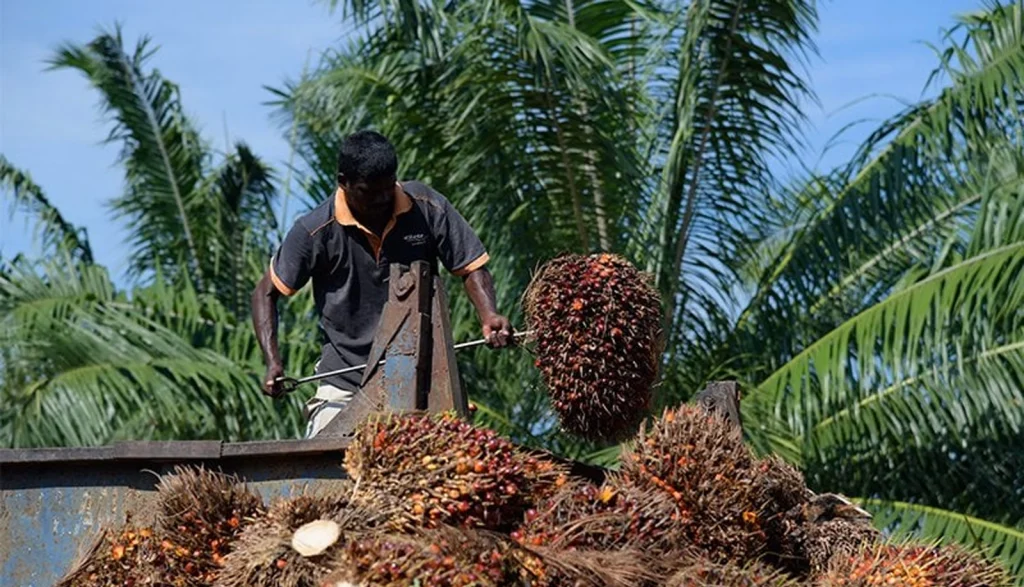
JOHOR BAHRU, The government plans to allocate RM1.4 billion in stages over five years to support oil palm smallholders in replanting old and less productive trees under the 13th Malaysia Plan (13MP), said Plantation and Commodities Minister Datuk Seri Johari Abdul Ghani. He said this is part of a broader strategy to sustain the palm oil industry and boost productivity. “With replanting, we can maintain Malaysia’s position as the world’s second-largest palm oil producer and increase exports, which currently total RM115 billion,” Johari said after attending the UMNO Johor Bahru Division meeting. He added that the 13MP debate in Parliament will start Monday, allowing MPs to provide input, including on agro-commodity strategies. Earlier, Prime Minister Datuk Seri Anwar Ibrahim said the government is committed to strengthening key sectors like palm oil, rubber, and cocoa through modern technology, automation, and R&D as part of 13MP.

Media OutReach

Government-Private Sector-Civil Society Unite with Global Experts to Accelerate Green Transition Propelling Thailand Toward Low-Carbon Society

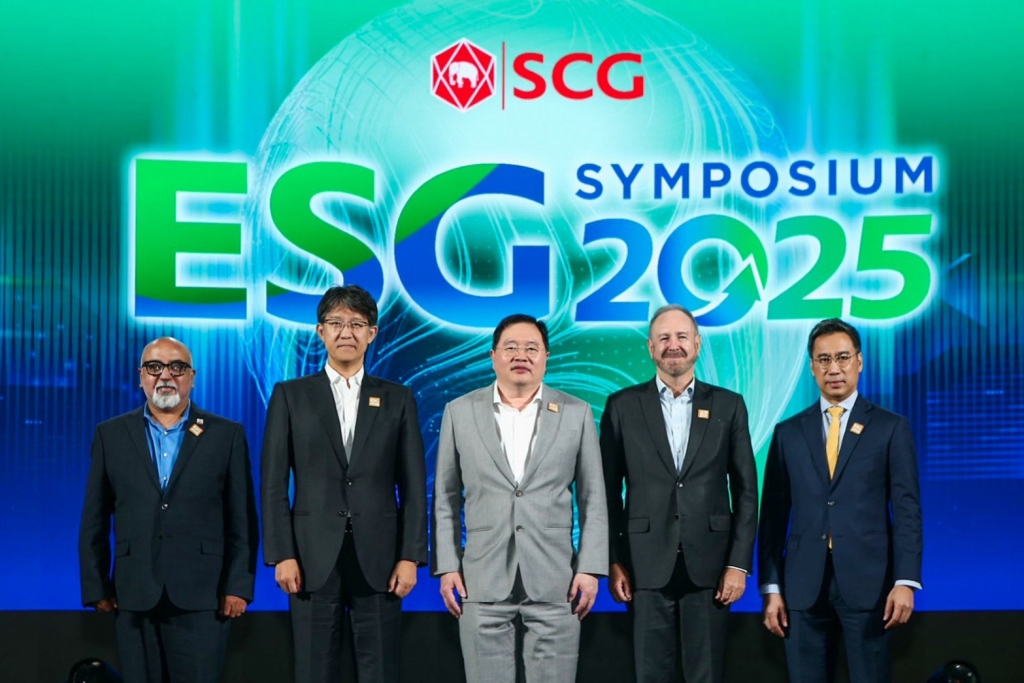
Driving Two Key Agendas to Strengthen Global Competitiveness BANGKOK, THAILAND – Media OutReach Newswire – 4 August 2025 – SCG organized the ESG Symposium 2025 under the concept “GREEN BREAKTHROUGH AMID THE PERFECT STORM” at SCG Headquarters, Bangkok. The event drew over 300 participants comprising key stakeholders driving Green Transition from government, private sector, civil society, and world-class experts who gathered to brainstorm and advance crucial collaboration for transitioning Thailand and the ASEAN region toward a fair and sustainable low-carbon society. Leading international speakers sharing perspectives and approaches for transitioning to sustainability at the ESG Symposium 2025 at SCG Headquarters, Bangkok, Thailand The symposium facilitated policy and practical exchanges on two fundamental agendas that serve as critical keys to the transition, working together to reach conclusions for driving the low-carbon society forward: 1) Energy Transition aimed at elevating energy systems to align with Net Zero targets, and 2) Just Transition for SMEs creating opportunities for small and medium enterprises to genuinely access ESG mechanisms. The forum was honored by global leaders including Mr. Koji Sato – President and CEO, Toyota Motor Corporation, Mr. David McLachlan-Karr – Regional Director, UN Development Coordination Office (DCO), Asia-Pacific, and researchers from MIT including Dr. Sai Ravela – Principal Research Scientist, Earth, Atmospheric and Planetary Sciences (EAPS), MIT and Prof. Miho Mazereeuw – Director of MIT Climate Mission and Director of Urban Risk Lab, MIT, alongside Dr. ​Sethaput Suthiwartnarueput, Governor of the Bank of Thailand, who presented approaches for adaptation, building resilience, and enhancing Thailand’s long-term competitiveness. ESG Symposium 2025 represents a collaborative platform where all sectors join forces to accelerate the creation of a sustainable regional future, connecting environmental objectives with economic opportunities and preparing ASEAN to address a rapidly changing world. Hashtag: #esgsymposium2025 #GreenBreakthroughAmidThePerfectStorm The issuer is solely responsible for the content of this announcement.

Events

Malaysia To Host MIHAS 2025 In September, With French Buyers Joining

KUALA LUMPUR, Malaysia will host the 21st edition of the Malaysia International Halal Showcase (MIHAS 2025) from Sept 17 to 20 at the Malaysia International Trade and Exhibition Centre (MITEC) in Kuala Lumpur. In a statement today, the Malaysia External Trade Development Corporation (MATRADE) announced that five French buyers from the food & beverage and fashion sectors will be participating through its International Sourcing Programme (INSP). “Their participation highlights the growing global recognition of halal certification as a symbol of quality, traceability, and ethical assurance for consumers of all backgrounds,” MATRADE said. Malaysia’s Ambassador to France, Eldeen Husaini Mohd Hashim, described MIHAS as more than just a trade exhibition, calling it a global platform for innovation, sustainability, and high-quality standards. “Halal is now seen internationally as a value-based certification system ensuring safety, cleanliness, and integrity—not only for Muslims but for all consumers. I’m pleased to see strong French participation as we continue to strengthen global halal partnerships,” he said. Sebastien Chan Yik Sing, Economic Counsellor at the Malaysian Embassy in Paris, said MIHAS acts as a strategic gateway to the wider ASEAN region, which has a market of over 680 million people. “French buyers can use MIHAS not only to find quality halal products but also to connect with ASEAN through Malaysia’s trusted and mature halal ecosystem,” he added. MATRADE noted that MIHAS 2024 attracted over 43,000 visitors and generated RM4.3 billion in sales. For 2025, the target is RM4.5 billion. Organised by MATRADE under the Ministry of Investment, Trade and Industry (MITI), MIHAS is one of the world’s largest halal trade events, bringing together participants from over 90 countries. Themed “Pinnacle of Halal Excellence,” the 2025 edition will also feature cutting-edge AI tools through the MADANI Digital Trade (MDT) platform to boost real-time product sourcing, matchmaking, and trade connectivity.

News

Construction Demand Could Hit $53 Billion In 2025, Boosted By Housing, Changi T5, And MBS Expansion

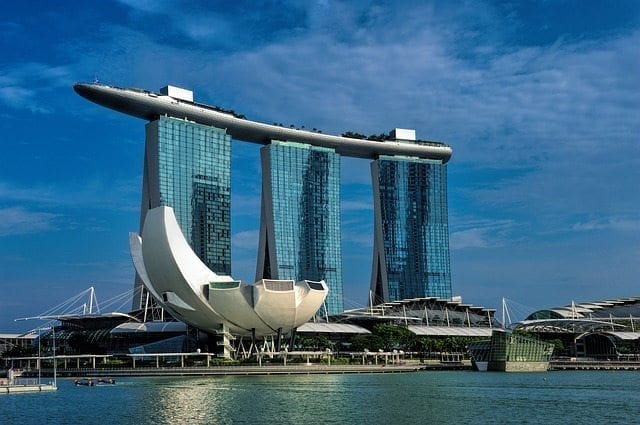
SINGAPORE, Singapore’s construction sector is poised for a strong performance in 2025, with total demand projected to hit between S$32 billion and S$53 billion, fuelled by a surge in public housing developments and major infrastructure projects such as Changi Airport Terminal 5 and the Marina Bay Sands (MBS) expansion. The Building and Construction Authority (BCA) shared the forecast in its latest industry outlook, citing resilient public sector demand and a steady pipeline of private residential and commercial developments. According to the BCA, the public sector will remain a key driver, expected to contribute between S$18 billion and S$23 billion, or roughly 45% of total demand. Key government-led projects include new Build-To-Order (BTO) flats, public healthcare facilities, and transport infrastructure such as rail upgrades and road works. Meanwhile, the private sector is forecast to generate between S$14 billion and S$30 billion in demand, with major contributions from the planned expansion of Marina Bay Sands, the resumption of delayed commercial and hospitality developments, and upcoming data centre projects. The private residential segment is also expected to remain active, buoyed by steady homebuyer demand and land sales. One of the most anticipated catalysts is Changi Airport Terminal 5, which recently resumed construction after a pandemic-induced pause. The multi-billion-dollar project is expected to significantly boost construction activity and create thousands of jobs over the next few years. The Marina Bay Sands expansion, including a new hotel tower and state-of-the-art entertainment facilities, is also set to inject fresh momentum into the construction landscape, with works targeted to commence in 2025. Despite global economic uncertainties, Singapore’s construction industry has shown resilience. Total construction demand for 2024 is on track to hit the S$35 billion to S$38 billion range, supported by strong public housing numbers and continued investment in critical infrastructure. The BCA noted that while inflationary pressures and manpower constraints remain challenges, ongoing efforts to digitalise the sector, improve productivity, and attract local talent will help ensure sustainable growth. Industry players welcomed the positive outlook, calling it a sign of recovery and confidence in Singapore’s long-term development plans. “The upcoming pipeline offers opportunities not just for builders, but also for engineers, architects, and technology providers,” said a spokesperson from the Singapore Contractors Association. “The focus on innovation and green construction will further enhance the sector’s competitiveness.” The BCA will continue to monitor market conditions and work closely with stakeholders to manage costs, manpower needs, and environmental sustainability as the sector moves toward a more robust and digital future.

News

Penang Unveils RM296 Million ‘GBS By The Sea’ Project At Technoplex, Bayan Lepas

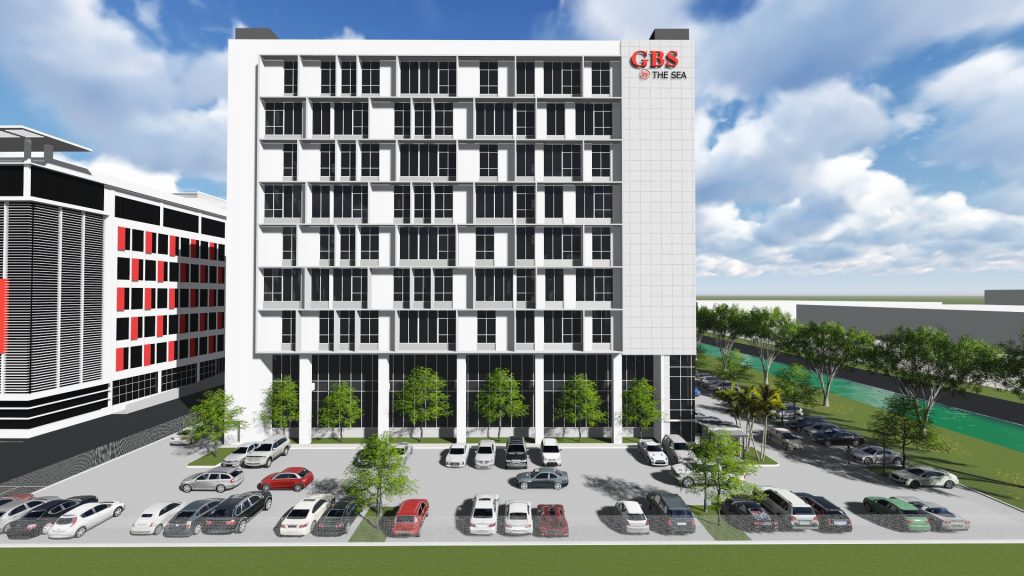
GEORGE TOWN, Penang has strengthened its position as a global hub for business and technology with the official launch of “GBS By The Sea,” a landmark RM296 million development located at Technoplex in Bayan Lepas. Penang Chief Minister Chow Kon Yeow described the project as a bold move that underscores the state’s shift toward a knowledge-based and innovation-driven economy. Spanning 290,000 square feet, GBS By The Sea is the fourth initiative under Penang’s Global Business Services (GBS) programme. “The facility is already fully occupied by three global industry players—Advanced Micro Devices Global Services (AMD), Celestica Platform and Cloud Solutions Malaysia, and the Microsoft Knowledge Capital Centre,” Chow said during the launch ceremony today. “These companies are not only investing in Penang but also creating over 1,000 high-value jobs in R&D, engineering, digital services, and other future-focused sectors. These are the types of careers we aim to offer to Penangites,” he added. Also present at the event were State Infrastructure, Transport and Digital Committee chairman Zairil Khir Johari, Penang Island City Council (MBPP) Mayor Datuk A Rajendran, and Penang Development Corporation (PDC) CEO Datuk Aziz Bakar. Chow highlighted that the facility includes more than just office space—it also features a gym, cafeteria, and a six-storey car park with 800 bays. He emphasised that the GBS sector would be central to Penang’s continued transformation from a manufacturing stronghold into a modern, tech-driven economy. “Projects like GBS By The Sea aren’t just symbolic—they deliver real value for both businesses and workers,” he said. Chow noted that the development aligns with the 13th Malaysia Plan (13MP), which prioritises the shift to ‘Made by Malaysia’ and aims for higher growth through value-added industries. Looking ahead, Chow announced that PDC is already planning a fifth GBS project—“GBS at Technoplex”—a RM500 million development offering over 400,000 square feet of space. Although still under construction, 16% of the space has already been pre-booked, signaling strong investor confidence in Penang’s growing appeal.

News

French Backing Secured For Greater Bandung LRT Project

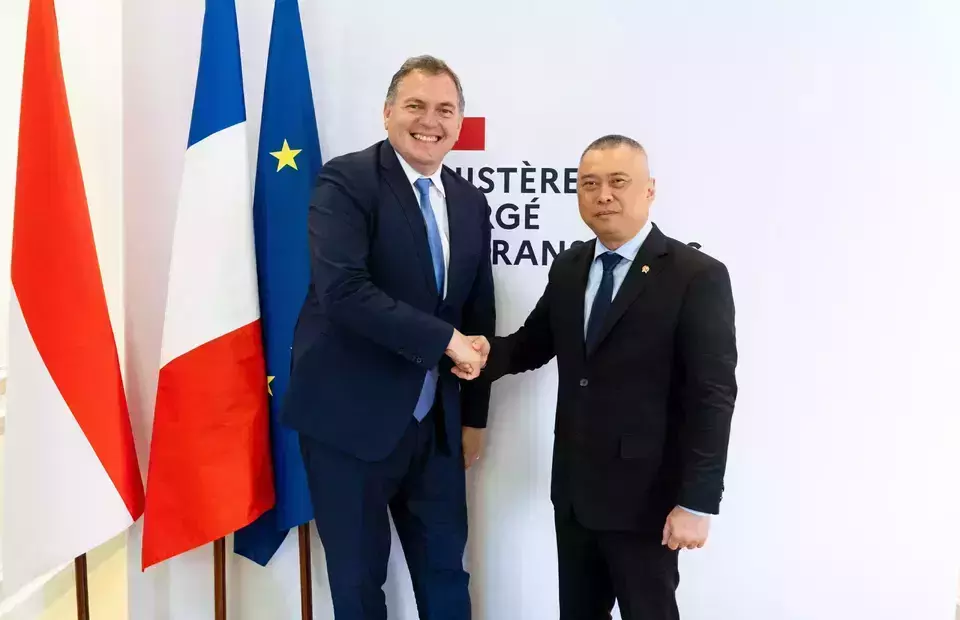
JAKARTA, Indonesia and France have agreed to jointly develop a light rail transit (LRT) system in Greater Bandung, West Java, as part of a wider effort to deepen bilateral cooperation in the transportation sector. The agreement was announced by Indonesia’s Transportation Minister Dudy Purwagandhi following a meeting with his French counterpart, Philippe Tabarot, in Paris. The meeting coincided with the 75th anniversary of diplomatic relations between the two countries. “This collaboration includes knowledge sharing, technology transfer, and direct involvement of companies from both nations,” Dudy said in a statement on Friday. Transportation Minister Dudy Purwagandhi (right) and French Transport Minister Philippe Tabarot (left) agree to strengthen transport cooperation, including the development of an LRT project in Bandung, West Java. The agreement was announced on Friday, Aug. 1, 2025.  The partnership follows recent high-level visits, including French President Emmanuel Macron’s trip to Jakarta in May and Indonesian President Prabowo Subianto’s attendance at Bastille Day celebrations in Paris on July 14. The Greater Bandung LRT project aims to connect key areas in Bandung with the Whoosh high-speed rail station in Tegalluar. It is expected to ease traffic congestion and improve intermodal connectivity. According to the West Java Transportation Agency, the initial phase will focus on two key corridors: Tegalluar–Leuwipanjang and Leuwipanjang–Babakan Siliwangi. The estimated development cost stands at Rp 26 trillion (around $1.6 billion), which includes supporting infrastructure. Construction is slated to begin in 2027. “This project represents a concrete step towards building a modern and sustainable public transport network. The LRT will greatly improve urban mobility in Bandung,” said Dudy. In addition to the LRT initiative, both countries have also committed to expanding cooperation in maritime and aviation sectors—covering areas such as port operations, shipping safety, and aviation technology. A joint working group will be established to develop an action plan and identify priority projects across the agreed areas. French Transport Minister Philippe Tabarot welcomed the collaboration, calling Indonesia a strategic partner and describing the Bandung LRT as a foundation for broader, long-term cooperation.

Investment & Market Trends

Sapura Energy Rebrands To Vantris Energy As Part Of PN17 Recovery Effort

KUALA LUMPUR, Sapura Energy Bhd has officially rebranded as Vantris Energy Bhd, marking a significant step in its turnaround journey. The name change took effect on Friday (Aug 1), following shareholder approval at an extraordinary general meeting (EGM) held on Wednesday. The rebranding comes as the financially distressed oil and gas services provider begins implementing its long-awaited regularisation plan aimed at exiting Practice Note 17 (PN17) status. Bursa Malaysia approved the plan in June, and it was endorsed by shareholders in a separate EGM on the same day. Vantris Energy confirmed that the Companies Commission of Malaysia issued a Certificate of Incorporation for the name change on Friday, formalising its new corporate identity. Group CEO Muhammad Zamri Jusoh said the rebrand marks a fresh start for the company. “It symbolises a new chapter, honours our journey, and reflects the trust we seek to rebuild with our stakeholders,” he said in a statement. As part of its restructuring, Vantris Energy will carry out a 99.99% capital reduction to offset accumulated losses and a 20-to-1 share consolidation. The group’s debt will be slashed from RM10.8 billion to approximately RM5.6 billion, reducing annual interest costs by over RM500 million, or around 60%. “This significant deleveraging positions the company for a return to profitability and helps restore confidence among clients and financiers,” the group stated. To support the restructuring, the Ministry of Finance—via Malaysia Development Holding Sdn Bhd (MDH)—will subscribe up to RM1.1 billion in redeemable convertible loan stocks (RCLS), with proceeds earmarked to settle outstanding dues to Malaysian oil and gas vendors. Shareholders also approved a waiver that allows MDH and its concert parties to avoid triggering a mandatory general offer if their RCLS conversion leads to a stake above 33%. If fully converted, MDH would become the largest shareholder, overtaking Permodalan Nasional Bhd (PNB), whose stake could fall from 40.43% to just over 5%. The company plans to phase in its regularisation measures, aiming to exit PN17 status after achieving two consecutive quarters of profitability. “We’re grateful for the strong support from shareholders. Their active participation reflects a shared commitment to shaping Vantris Energy’s future. With these approvals, we are now better positioned to move forward with renewed focus, stronger finances, and clear purpose,” said Zamri. Once one of the region’s top oil and gas service providers, Sapura Energy was classified as a PN17 company in 2022 due to financial distress. Its recovery plan, led by MIDF Amanah Investment Bank Bhd as principal adviser, has been closely monitored by the market. Meanwhile, the company’s transformation continues amid a family feud involving Sapura Holdings shareholders Datuk Shahriman Shamsuddin and Tan Sri Shahril Shamsuddin, who together hold a 9.18% stake. Shahriman resigned as a non-independent, non-executive director on June 25, citing other commitments. Vantris Energy’s shares closed unchanged at four sen on Friday, giving it a market capitalisation of RM735.04 million.

News

RM1 Billion Money Laundering Case: 4 Law Firms Linked To Seized Properties, 2 Warned

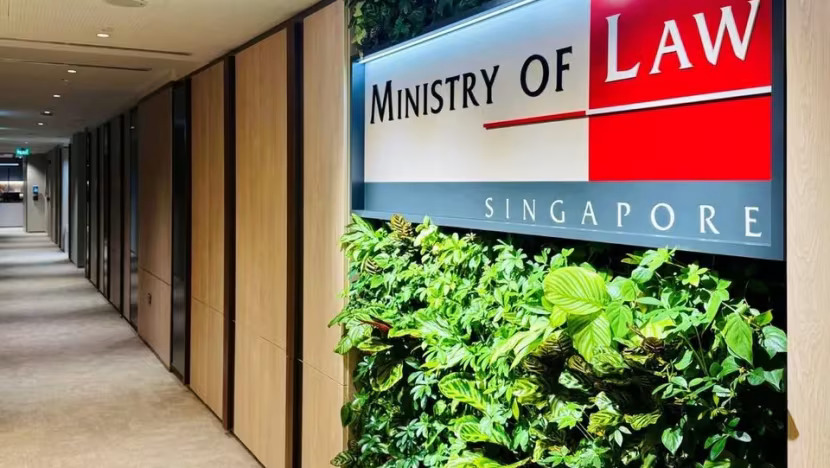
SINGAPORE, The Ministry of Law (MinLaw) has named four law firms found to have breached anti-money laundering rules in connection with the purchase of properties tied to the S$3 billion (US$2.3 billion) money laundering case. In a statement on Friday (Aug 1), MinLaw said it had completed regulatory actions against Anthony Law Corporation, Fortis Law Corporation, Legal Solutions LLC, and Malkin & Maxwell LLP. These firms were involved in the conveyancing—the legal process of transferring property ownership—of real estate seized during the major anti-money laundering operation in August 2023. Although penalties were announced on July 15, the names of the firms were only revealed now, following the conclusion of investigations. Out of 24 law firms originally investigated by the Director of Legal Services (DLS) Sarala Kumari Subramaniam, with support from MinLaw, 13 have now been dealt with. Two additional law firms—William Poh & Louis Lim (now Louis Lim & Partners) and Templars Law LLC—were also named after regulatory action against them concluded. MinLaw further identified five lawyers involved in property transactions linked to the seized assets: Tan Chau Chuang, Andrew Wong Wei Kiat, Tan Tse Chia Patrick, Ee Tian Huat Patrick, and Poh Tian Hock William. All five have been referred to the Law Society for possible disciplinary action. While the Law Society previously confirmed one referral without disclosing names, it reiterated in response to Friday’s update that all disciplinary matters remain confidential.

News

TSA Group Enters Granite Quarrying Sector Via ABR Tie-Up

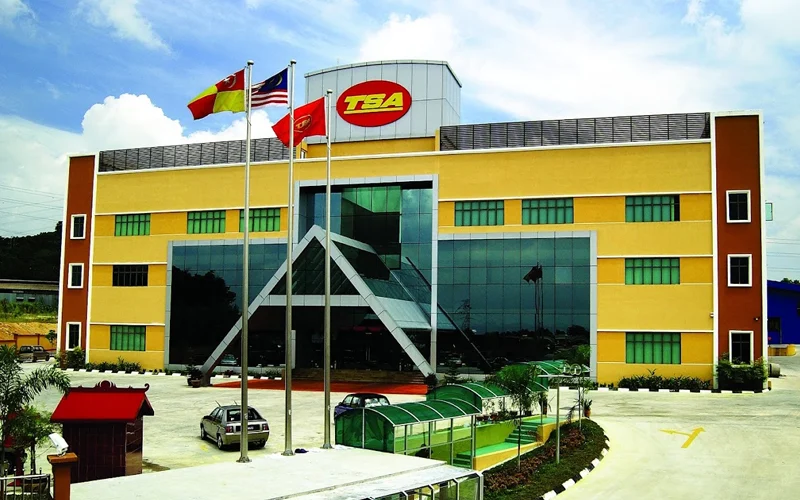
KUALA LUMPUR,  TSA Group Bhd is making its foray into the granite quarrying industry through a strategic partnership with ABR Group Sdn Bhd, marking a significant diversification move for the company. In a filing with Bursa Malaysia today, TSA Group said it had entered into a joint venture agreement with ABR Group to develop and operate a granite quarry located in Johor. The project, covering an area of approximately 150 acres, is expected to begin operations by the first quarter of 2026, subject to regulatory approvals. The tie-up will see TSA holding a 60% stake in the joint venture company, with ABR Group retaining the remaining 40%. ABR, which owns the quarry land and possesses the necessary mining licenses, will contribute its operational expertise and local market network. TSA will provide capital investment and strategic oversight. “The venture aligns with our long-term diversification strategy and allows us to tap into the construction materials segment, which continues to show robust demand driven by infrastructure and property development,” TSA Group said in a statement. The initial capital expenditure for the project is estimated at RM35 million, which includes quarry development, equipment procurement, and environmental compliance measures. TSA Group expects the quarry to produce an annual output of 1.2 million metric tonnes of granite aggregates once fully operational. The materials will primarily serve the southern Peninsular Malaysia market, with potential for exports to Singapore and other neighbouring countries. Analysts view the move as a positive step in strengthening TSA’s earnings base. “The partnership with ABR gives TSA immediate access to a new revenue stream with relatively quick ramp-up potential. With infrastructure projects such as the Johor-Singapore Rapid Transit System (RTS Link) and domestic housing demand driving aggregate consumption, this venture is timely,” said a construction sector analyst at MIDF Research. TSA Group, previously focused on logistics and engineering solutions, has in recent years taken steps to broaden its business portfolio. This latest move into quarrying marks its first entry into the upstream construction supply chain. The group said further details of the project timeline, financial projections, and operational plans would be announced in due course.

News

Microsoft Joins The $4 Trillion Club

Microsoft has officially joined the $4 trillion valuation club, becoming the second company in history to reach the milestone. Its shares surged nearly 4.5% on Thursday following a strong quarterly earnings report the night before, pushing its intraday market cap to $4.01 trillion. The tech giant’s stock has climbed about 28% since the beginning of the year. The milestone comes just 18 months after Microsoft hit a $3 trillion valuation, and just over five years since crossing the $1 trillion mark in April 2019. Microsoft now follows chipmaker Nvidia, which became the first company to reach a $4 trillion market cap earlier in July. Apple, another major tech rival, currently holds a valuation of $3.12 trillion. Microsoft hit a $4 trillion valuation Thursday. Microsoft’s rally was fueled by strong performance in its Azure cloud computing segment and robust growth in its enterprise software business, driven in part by demand for its Copilot AI tools embedded in Microsoft 365. The company also announced a record $30 billion in capital expenditures for the current fiscal first quarter, highlighting its aggressive investment in AI. Unlike Nvidia’s rapid rise—tripling its valuation in about a year—Microsoft’s climb to the $4 trillion mark has been more gradual. However, its strategic AI push, particularly its multibillion-dollar partnership with OpenAI, has been transformative. By integrating OpenAI’s models into Azure and the Microsoft Office Suite, the company has strengthened its competitive edge against Amazon Web Services and Google Cloud. Investor confidence has soared as Microsoft posted record revenues quarter after quarter since September 2022. Its stock has also rebounded sharply—rising nearly 50% from its April 2025 low when markets were shaken by former President Donald Trump’s tariff threats. Despite global economic uncertainties, including new US tariffs, Microsoft’s financials remain strong. The company has continued to streamline operations, most recently announcing layoffs of around 9,000 employees in July—roughly 4% of its workforce—following a 6,000-worker reduction in May. A spokesperson attributed the cuts in part to productivity gains from new technologies, including AI. CEO Satya Nadella has stated that AI is now responsible for generating up to 30% of Microsoft’s code, underlining the company’s commitment to embedding AI across all facets of its business. With billions flowing into AI infrastructure and increasing reliance on automation, Microsoft is reinforcing its position at the forefront of the tech industry’s next major evolution.

Scroll to Top

Subscribe
FREE Newsletter