Author name: admin

News

Selangor Achieves Record GDP of RM432.1 Billion in 2024

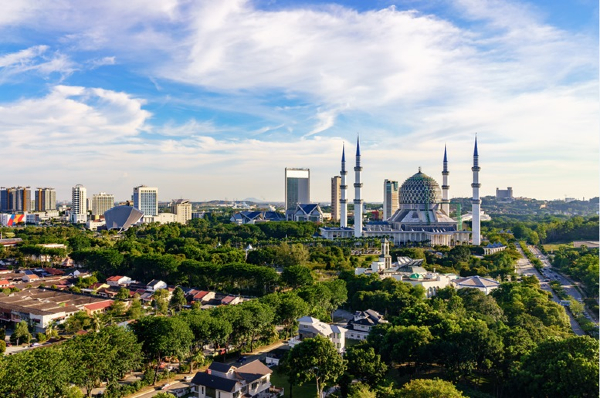
Selangor recorded its highest-ever gross domestic product (GDP) of RM432.1 billion in 2024, solidifying its position as the top-performing state economy in Malaysia. This marks a notable increase from the RM406.1 billion registered in 2023, with the state remaining the only one to surpass the RM400 billion threshold for two consecutive years. According to Invest Selangor, the state’s contribution to Malaysia’s overall GDP rose to 26.2% last year, compared to 25.9% in 2023, reflecting its growing role as a key economic engine within the nation. Selangor’s GDP growth outpaced the national average, posting a year-on-year expansion of 6.3%, ahead of Malaysia’s overall growth rate of 5.1%. The services sector emerged as the primary driver of this performance, contributing RM263.9 billion, or 61.1% of the state’s total GDP. This sector also registered a 6.3% increase compared to the previous year. The manufacturing sector ranked as the second-largest contributor, accounting for 29.1% of the state’s GDP. Key subsectors fuelling this growth included electrical and electronics, vegetable and animal oils and fats, food processing, beverages, and transport equipment. Invest Selangor Chief Executive Officer Hasan Azhari Idris attributed the state’s economic success to strategic, long-term planning and targeted efforts to attract high-quality investments across growth-oriented industries. “At Invest Selangor, we are focussed on facilitating sustainable, innovation-driven investment while enhancing Selangor’s global competitiveness,” Hasan said. -FMT

News

Great Eastern to Resume Trading After Delisting Bid Falls Short

Great Eastern Holdings Ltd is set to resume trading on the Singapore Exchange following the failure of its delisting proposal, which lacked sufficient support from minority shareholders despite backing from majority owner Oversea-Chinese Banking Corporation (OCBC). According to a company filing issued after its Extraordinary General Meeting, approximately 63.5% of minority shareholders voted in favour of the proposal. However, this fell short of the required threshold to proceed with taking the insurer private. As a result, OCBC’s S$900 million (US$704 million) offer has lapsed, the lender confirmed in a separate statement. The outcome marks a significant setback for OCBC, Singapore’s second-largest bank, which has owned a majority stake in Great Eastern since 2004 and has made repeated attempts to acquire full ownership of the 117-year-old insurer. The bank had positioned full ownership as a strategic move to deepen the integration of its banking, wealth management, and insurance operations in order to enhance shareholder returns. OCBC’s most recent offer of S$30.15 per share—an increase of 17.8% from its previous bid—targeted the remaining 6.28% of Great Eastern shares not already held by the bank. Despite the improved terms, the bid still fell short of Great Eastern’s 2024 embedded value of S$38.08 per share, a figure cited by dissenting minority shareholders who had been advocating for a higher valuation. Great Eastern is among the largest insurers in both Singapore and Malaysia, managing more than S$100 billion in assets and serving over 16 million policyholders. Its shares had been suspended from trading since July 2024, following the failure of OCBC’s earlier attempt to reach the compulsory acquisition threshold. To comply with listing requirements, Great Eastern will now proceed with issuing new shares, which will reduce OCBC’s ownership from approximately 94% to around 88%. No timeline has been provided for the resumption of trading. Despite the failed delisting, analysts suggest that the impact on OCBC’s strategic position remains limited. “Whether OCBC owns 94% or 100%, it has a minimal impact on earnings or strategy as they are already in control,” said Jayden Vantarakis, Head of Equity Research for South-East Asia at Macquarie Capital. Over the past decade, Great Eastern has contributed an average of S$700 million annually to OCBC’s net profit, accounting for roughly 15% of the bank’s yearly earnings. Following the announcement, OCBC shares closed 0.8% higher, outperforming the Straits Times Index, which rose 0.4%. -Bloomberg

News

MRT Jakarta to Launch International Tender for US$3.1 Billion East-West Line

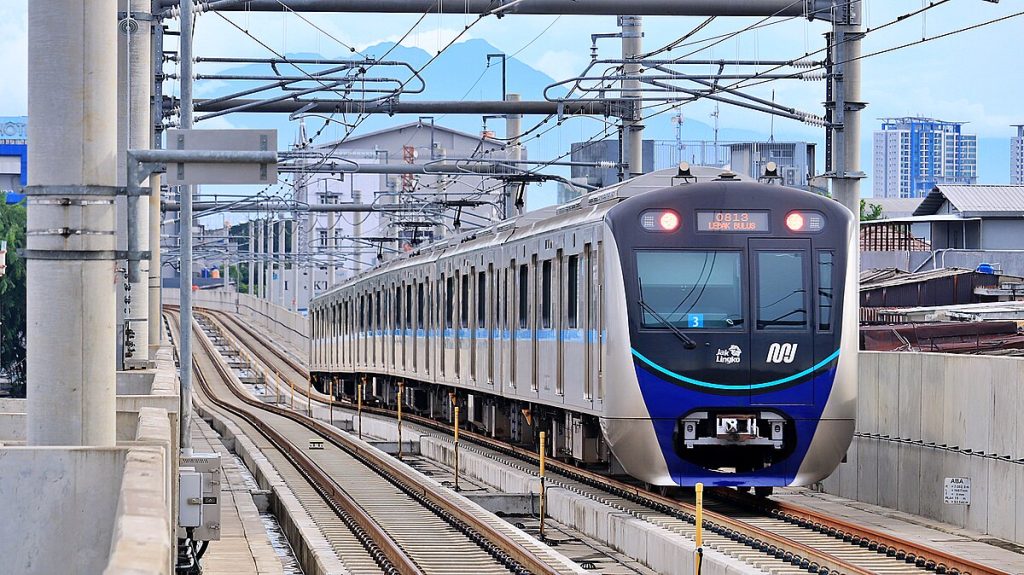
PT MRT Jakarta, the city-owned mass rapid transit operator, is set to open an international tender for the first stage of the East-West Line’s initial phase in the fourth quarter of 2025. The move marks a significant step forward in Jakarta’s long-term infrastructure development agenda. The 24.5-kilometre section, stretching from Tomang in West Jakarta to the Medan Satria district in Bekasi, West Java, represents over a quarter of the planned East-West corridor and is expected to require an investment of approximately 50 trillion rupiah (US$3.1 billion). Construction Director Weni Maulina confirmed that MRT Jakarta had entered into a consultancy agreement with the Japan Management Consultant Association (JMCA), which will oversee the tendering process. “God willing, by the fourth quarter, possibly October or November, we’ll announce the tender, and it will be international,” she said during a press forum, as reported by Kumparan. The tender will prioritise Japanese contractors, in line with the project’s financing structure, which includes support from the Japan International Cooperation Agency (JICA) and co-financing from the Asian Development Bank (ADB). Nonetheless, Indonesian companies will have the opportunity to participate via joint operations with selected Japanese firms. “Japan will take the lead but Indonesian firms can enter through joint operations,” Weni added. The signing of contracts is projected for 2026, with construction slated to commence shortly thereafter. Commercial operations are targeted for launch in 2032. Preliminary development activities have already commenced in 2025, including land acquisition and utility relocation. Weni emphasised the importance of completing these preparatory stages ahead of the start of physical works. Subsequent stages of phase one will include a 9.2-kilometre westward extension from Tomang to Kembangan. Phase two will consist of two key sections: a 29.9-kilometre segment from Balaraja in Banten to Kembangan, and a 20-kilometre stretch from Medan Satria to Cikarang in West Java. The complete East-West Line is planned to span 87 kilometres, connecting Balaraja in the west to Cikarang in the east. The route will feature 21 stations, a mix of elevated and underground, supported by a depot facility in Rorotan. Upon completion, the East-West Line is expected to complement the North-South Line, currently running 16 kilometres from Lebak Bulus to Hotel Indonesia and operational since 2019. The North-South corridor is undergoing a northward extension to Kota Tua, North Jakarta, which will expand the total line to 28 kilometres. Japan has reiterated its commitment to supporting the East-West Line’s development, although Tokyo has clarified there are no immediate plans to participate in further MRT expansion across Greater Jakarta. Japanese Ambassador to Indonesia Yasushi Masaki stated in June that the country’s current focus remains on the East-West corridor and completing the North-South extension. Additional funding is anticipated to support urban development around newly built stations. PT MRT Jakarta has also highlighted the necessity of expanding the MRT network to South Tangerang, emphasising its strategic value for enhancing regional connectivity. According to official reports, Jakarta’s MRT system has already prevented an estimated 2.2 trillion rupiah in environmental damage and delivered travel time savings valued at approximately 1.9 trillion rupiah, underscoring the network’s growing role in improving urban mobility across one of Southeast Asia’s most congested cities. -The Jakarta Post

Media OutReach

DHL Global Forwarding announces strategic leadership appointments in Asia Pacific

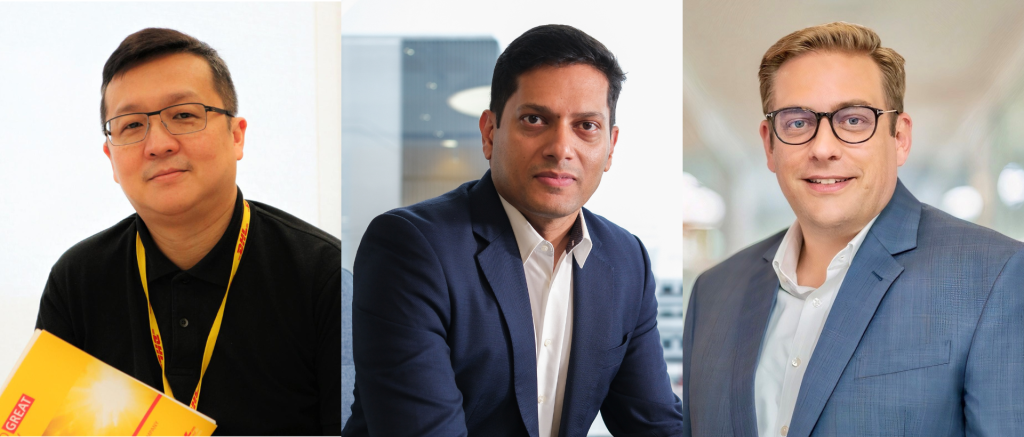
Christopher Lim, previously Managing Director, Singapore, Malaysia, and Brunei, will be appointed Vice President and Head of Road Freight and Multimodal, Asia Pacific, effective 1 August 2025. Praveen Gregory, currently Senior Vice President, Ocean Freight, Asia Pacific, will succeed Christopher as Managing Director, Singapore, Malaysia, and Brunei, effective 1 August 2025 Bjoern Schoon, currently Vice President, Global Business Development, OMS and OCM, will succeed Praveen as Senior Vice President, Ocean Freight, Asia Pacific, effective 1 August 2025 SINGAPORE – Media OutReach Newswire – 14 July 2025 – DHL Global Forwarding, the freight specialist arm of DHL Group, has announced three strategic leadership appointments in Asia Pacific with the upcoming retirement of Bruno Selmoni, Vice President and Head of Road Freight and Multimodal, DHL Global Forwarding. All three appointments will be effective 1 August 2025. From L to R: Christopher Lim, Praveen Gregory, and Bjoern Schoon will assume their new appointments effective 1 August 2025 “Bruno’s retirement after almost 50 years of exceptional service marks both the end of an era and the beginning of an exciting new chapter for our region. There are new openings with his retirement, and I’m proud that we have filled them with outstanding internal leaders, which clearly indicates our colleagues’ drive and desire to grow within our network. Christopher, Praveen, and Bjoern each bring a powerful combination of expertise, experience, market insight, and fresh energy to their roles. These new appointments are a strategic step aligned with Strategy 2030 to accelerate sustainable growth, innovate our services, and empower our teams. I’m confident this team will drive our ambitions forward, delivering value for our customers and inspiring our colleagues to reach new heights,” said Niki Frank, CEO, DHL Global Forwarding Asia Pacific. Christopher Lim appointed as Vice President and Head of Road Freight and Multimodal, DHL Global Forwarding Asia Pacific. Christopher Lim, currently Managing Director, DHL Global Forwarding Singapore, Malaysia, and Brunei, will succeed Bruno Selmoni as Vice President and Head of Road Freight and Multimodal, DHL Global Forwarding Asia Pacific. He will continue to be based in Singapore and report to Niki Frank, CEO, DHL Global Forwarding Asia Pacific. Christopher joined the DHL Group in 2004 as a Regional Account Development Manager, and has since assumed several management roles across DHL Global Forwarding. Serving clients in the telecommunications and network sector, he gained experience across various teams until he was announced as Head of Sales and Marketing of DHL Global Forwarding Hong Kong and South China in early 2013. He was promoted to Managing Director, DHL Global Forwarding Malaysia in the same year before his portfolio expanded to his current role in 2020. Praveen Gregory takes over from Christopher Lim as Managing Director of DHL Global Forwarding Singapore, Malaysia, and Brunei. With Christopher’s move, Praveen Gregory, currently Senior Vice President, Ocean Freight, DHL Global Forwarding Asia Pacific, will succeed Christopher as Managing Director of DHL Global Forwarding Singapore, Malaysia, and Brunei. Praveen will continue to report directly to Niki Frank and will be based in Singapore. Praveen has extensive experience in the logistics sector. Before joining the DHL Group in Dubai Ocean Freight Operations in 2008, Praveen worked for Maersk. In 2010, he relocated to Germany and held several roles in Market Intelligence & Strategy and Product Development. He moved to Hong Kong in 2018 to take on regional management roles in Ocean Commercial Center and Account Management for Industrial Supply Chain (ISC). In 2022, he assumed the position of Vice President, Order Management Solutions Asia Pacific, before he took on his current role in 2023. Bjoern Schoon takes over from Praveen Gregory as Senior Vice President, Ocean Freight, DHL Global Forwarding Asia Pacific. Bjoern Schoon, currently Vice President, Global Business Development, Order Management Solutions (OMS) and Ocean Contract Management (OCM), DHL Global Forwarding, will succeed Praveen as Senior Vice President, Ocean Freight, DHL Global Forwarding Asia Pacific. Bjoern will relocate to Singapore and report directly to Niki Frank, with a dotted reporting line to Casper Ellerbaek, Executive Vice President and Global Head of Ocean Freight, DHL Global Forwarding. Bjoern is a seasoned logistics expert with nearly 30 years of experience in ocean freight and supply chain across key global markets. Before joining DHL, Bjoern has accumulated invaluable leadership experience in his previous roles at Kuehne+Nagel, having assumed key positions including Managing Director for Belgium and Luxembourg in 2023. for Thailand, Cambodia & Myanmar between 2016 and 2022. Before these, he held senior roles in Singapore, Malaysia, Hong Kong, and South China, with experience in sea logistics, account management and customer service. Hashtag: #DHLGroup #LogisticsLeadership #SupplyChain #OceanFreight The issuer is solely responsible for the content of this announcement. DHL – The logistics company for the world DHL is the leading global brand in the logistics industry. Our DHL divisions offer an unrivalled portfolio of logistics services ranging from national and international parcel delivery, e-commerce shipping and fulfillment solutions, international express, road, air and ocean transport to industrial supply chain management. With approximately 400,000 employees in more than 220 countries and territories worldwide, DHL connects people and businesses securely and reliably, enabling global sustainable trade flows. With specialized solutions for growth markets and industries including technology, life sciences and healthcare, engineering, manufacturing & energy, auto-mobility and retail, DHL is decisively positioned as “The logistics company for the world”. DHL is part of DHL Group. The Group generated revenues of approximately 84.2 billion euros in 2024. With sustainable business practices and a commitment to society and the environment, the Group makes a positive contribution to the world. DHL Group aims to achieve net-zero emissions logistics by 2050.

Media OutReach

Julius Baer Global Wealth and Lifestyle Report 2025 APAC Key Highlights

Overview – Asia Pacific’s Wealth Boom Accelerates HONG KONG SAR – Media OutReach Newswire – 14 July 2025 – The sixth edition of the Julius Baer Global Wealth and Lifestyle Report confirms the ongoing shift from material consumption towards experiences. Jen-Ai Chua, Research Analyst, Asia, Julius Baer, commented: “Asia Pacific remains one of the fastest-growing regions globally. Real GDP grew 4.5 per cent year on year in 2024 – moderating slightly from 5.1 per cent in 2023 but still outpacing the global average of 3.3 per cent. Firm fundamentals have set the stage for the rapid ascent of wealth in the region. The number of high-net-worth individuals in Asia is projected to have grown 5 per cent year on year to 855,000 in 2024. Growth in China and India is expected to help bring Asia’s share of new HNWIs globally to an estimated 47.5 per cent between 2025 and 2028.” Global city rankings: Three APAC cities in the top six globally Asia Pacific (APAC) continues to be an expensive place to live well in general, as its developing cities continue their upward economic trajectory. The region saw only slight price decreases of 1 per cent on average across the region, making it the most stable of all the surveyed regions this year. Once again, two of the world’s three most expensive cities can be found in the Asia Pacific region, where Singapore ranks 1st (unchanged) and Hong Kong ranks 3rd (from 2nd). Bangkok and Tokyo made the largest leaps, each climbing six places to 11th and 17th respectively. Conversely, Shanghai dropped from fourth to sixth, and Manila fell to 23rd despite a 7.5 per cent rise in average local currency prices. Singapore (ranked #1 globally): Singapore continues to top the index as the costliest city for living well for the third consecutive year. Despite this, the city remains highly liveable, appealing to high-net-worth individuals and businesses due to its stable political climate, safety, and quality services, including education and healthcare. Overall, Singapore’s stability and connectivity continue to make it a leading choice for relocation and residency. Lifestyle index[1]: Singapore is ranked the most expensive for categories of car and women’s handbag, second for women’s shoes and third for residential property and healthcare. It is amongst the least expensive for a treadmill (ranked 21st). Hong Kong (ranked #3 globally): Hong Kong remains one of the most expensive cities to live well. Its low taxes and cosmopolitan appeal continue to attract wealthy individuals, bolstered by a residency-by-investment programme that has drawn significant interest from both mainland Chinese and global HNWIs. Lifestyle index: Hong Kong is ranked the most expensive for a lawyer, and second most expensive for car and residential property, and third for degustation dinner. While Singapore saw hotel suites rise 10 per cent this year, Hong Kong saw a 26 per cent fall in prices. Shanghai (ranked #6 globally): Lifestyle index: Shanghai remains the second most expensive city for watches, the third most expensive city for women’s shoes, and while it is the most expensive city to have a degustation dinner, it is interestingly the second cheapest for Champagne, after Hong Kong. Bangkok (ranked #11 globally): Bangkok made one of the biggest jumps this year, going up 6 places. While relatively affordable for many services in the index, Bangkok is one of the priciest global cities for luxury goods such as ladies’ and men’s fashions, as well as cars and watches. Lifestyle index: Bangkok is ranked most expensive for women’s shoes, and third for cars. Mumbai (ranked #20 globally): Despite India’s position as a rising economic powerhouse, Mumbai is relatively affordable for most services, particularly hospitality and travel. Lifestyle index: Interestingly, it is jointly ranked most expensive for treadmill, but cheapest across the board for LASIK. Shifting spending patterns among APAC’s wealthy In APAC, spending on goods remains high, though consumer preferences continue to evolve. The growing wealth of APAC’s HNW population, combined with increased interest in health, wellness, and experiences, continues to shape spending patterns across the region. APAC HNWIs boost investment and risk appetite HNWIs in APAC have tended to increase both spending and investing (39 per cent), with the highest overall total increase in those investing at 68 per cent. Most HNWIs from APAC have increased the diversity of assets in their portfolio and a consistent proportion has increased the level of risk. Investors in these regions also tend to be more interested in investing in future trends or in line with their values. Equities remain the preferred asset class in APAC, followed by real estate and cash. Despite notable ‘ESG fatigue’ in other regions, there has been a growing commitment to sustainable investing in APAC. Products and services APAC HNWIs spent more money on in the past 12 months HNWIs in APAC have seen some of the biggest jumps in cost for lifestyle spending habits, outpacing all regions in high-end women’s clothes, hotels, fine dining, as 80 per cent of them have reported increased assets over the past year. There was one category this year where prices increased more sharply than any other – across almost all cities and in APAC, business class flights rose 12.6 per cent and the region also saw a marked increase in leisure travel compared to business travel. In line with global trends, longevity is now top of mind for many HNWIs in APAC. In the region, 100 per cent said they are taking measures to increase their lifespans, ranging from lifestyle changes such as regular exercise and a good diet to more extreme measures such as gene therapy and cryogenic chambers being used by 21 per cent of respondents in APAC. Unlike other regions, those in APAC said that their attitudes are overwhelmingly concerned with health, even as other regions reported more interest in dining experiences and human interaction. The Next Generation When it comes to financial longevity, the majority of HNWIs say the will adjust their wealth strategy to cover an increase in lifespan, with measures ranging from

News

MRCB Subsidiary in RM6.25 Billion Joint Venture to Develop Ipoh Sentral

Malaysian Resources Corporation Berhad (MRCB), through its wholly owned subsidiary Country Annexe Sdn Bhd (CASB), has entered into a joint venture with Ipoh Sentral Sdn Bhd (ISSB) for the development of Ipoh Sentral, a mixed-use project in Perak with an estimated gross development value (GDV) of RM6.25 billion. The formal joint-venture development agreement, signed on Friday, follows the earlier execution of a memorandum of agreement on 23 January 2025. The collaboration aligns with MRCB’s corporate strategy, which emphasises sustainable growth, diversification of its property portfolio and the delivery of developments centred around community needs. In a filing with Bursa Malaysia, MRCB stated that the partnership capitalises on the company’s core competencies and industry experience to strengthen financial performance and deliver long-term value for shareholders, stakeholders and local communities. MRCB highlighted the strategic value of the project, citing the rising demand for transit-oriented development (TOD) as a key driver of sustainable revenue growth and investment attractiveness. The proposed TOD will serve as a modern transportation hub designed to integrate various transport modes, reinforcing the group’s position as a leader in mixed-use, infrastructure-led developments. The company added that the Ipoh Sentral project is expected to generate recurring income throughout its development cycle and act as a platform to showcase MRCB’s capabilities in property development, engineering and construction. In addition to expanding its TOD portfolio, the collaboration will also substantially increase MRCB’s landbank, granting access to valuable land parcels and reinforcing its long-term development pipeline. -Bernama

Media OutReach

HKSTP Joins Hands with Mainland and Overseas Institutions to Launch Global University Innovation Network

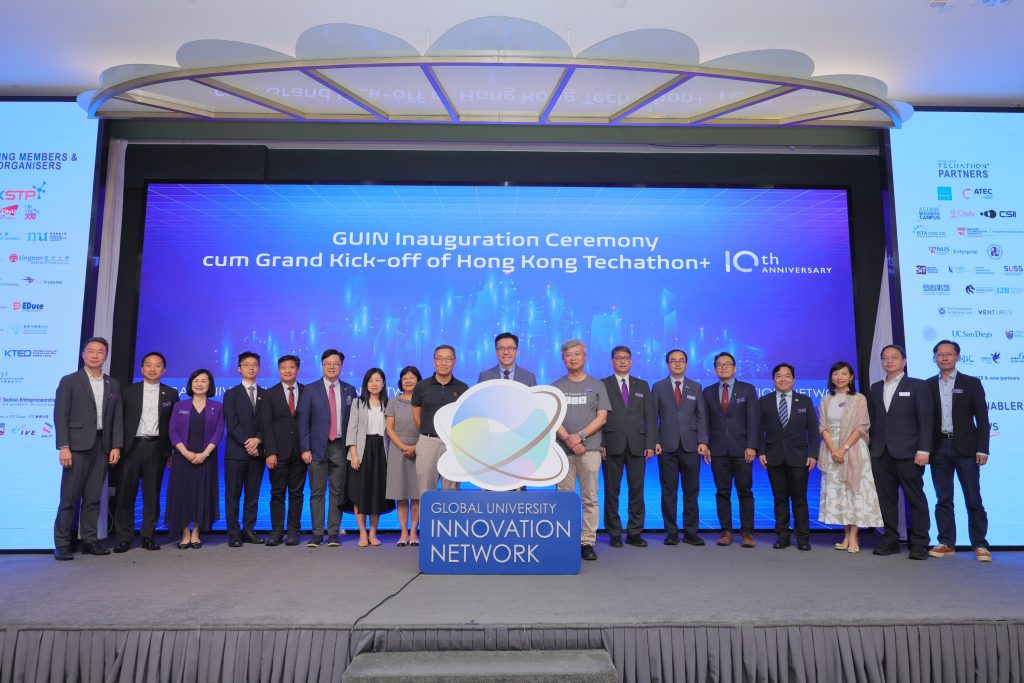
Hong Kong Techathon+ Marks its 10th Anniversary Reinforcing Hong Kong’s Position as an International Talent and I&T Hub HONG KONG SAR – Media OutReach Newswire – 14 July 2025 – The Hong Kong Science and Technology Parks Corporation (HKSTP), in collaboration with 15 local tertiary institutions and supported by leading global tertiary institutions and organisations, today celebrated the 10th anniversary of its flagship international intercollegiate innovation and technology (I&T) event, Hong Kong Techathon+ (HK Techathon+) at Hong Kong Science Park. The occasion also marked the launch of the “Global University Innovation Network” (GUIN), a new initiative designed to deepen international collaboration among tertiary institutions, and further bolster Hong Kong’s position as an international talent and I&T hub. HKSTP, joined by representatives from 15 local tertiary institutions, officially announced the establishment of GUIN. The ceremony is officiated by Professor Sun Dong, Secretary for Innovation, Technology and Industry (front row, centre), Mr Albert Wong, CEO of HKSTP (front row, left), Mr Derek Chim, Head of Startup Ecosystem and Development (front row, right) as well as senior management from participating institutions. Establishment of GUIN to Foster Global Innovation and Talent Exchange The newly established GUIN is a collaborative effort between HKSTP and 15 local institutions: The University of Hong Kong, The Chinese University of Hong Kong, The Hong Kong University of Science and Technology, The Hong Kong Polytechnic University, City University of Hong Kong, Hong Kong Baptist University, The Education University of Hong Kong, Lingnan University, Hong Kong Metropolitan University, The Hang Seng University of Hong Kong, Hong Kong Shue Yan University, Technological and Higher Education Institute of Hong Kong, Hong Kong Institute of Information Technology, Hong Kong Institute of Vocational Education, and Tung Wah College. GUIN is further supported by renowned universities, in the overseas including Nanyang Technological University (Singapore), Singapore Management University, Singapore University of Social Sciences, The University of Queensland (Australia), The University of Newcastle (Australia), Xi’an Jiaotong-Liverpool University (mainland China), Chulalongkorn University (Thailand), Universiti Malaya (Malaysia), and Astana Business Campus of Nazarbayev University (Kazakhstan). The initiative aims to enhance innovation collaboration between Hong Kong and esteemed global institutions, facilitating cross-regional resource sharing, talent exchanges, and the commercialisation of R&D outcomes. GUIN will attract top-tier international I&T teams and startups to Hong Kong, further elevating the city’s position as the international talent and I&T hub. Profess Sun Dong, Secretary for Innovation, Technology and Industry, remarked, “Hong Kong enjoys a unique advantage of having strong support from the motherland and close connection with the world, converging global innovation resources, including high-calibre talents. The Government is committed to developing Hong Kong into an international I&T centre. Over the past two years, we have attracted over 200 I&T enterprises with high potential and representativeness to set up or expand their businesses here. I encourage all the young talents to seize this opportunity to collaborate, innovate and push the boundaries of what is possible.” Mr Albert Wong, CEO of HKSTP, said: “From a bold vision a decade ago, HK Techathon+ has evolved into a flagship Hong Kong and international intercollegiate I&T event, symbolising the collective commitment of HKSTP, our partnering institutions, and supporters in nurturing innovative talent. HKSTP has been committed to cultivate a vibrant I&T ecosystem, offering comprehensive support to young innovators – from ideation and R&D to business expansion. We look forward to seeing these young talents unleash their creativity and potential, becoming key drivers of Hong Kong’s I&T development and co-creating an exciting new chapter in our city’s innovation journey.” Key initiatives Under GUIN: 1. Theme-based Global Incubation Programme Leveraging the research strengths of Hong Kong’s tertiary institutions, this Programme attracts global innovation teams to conduct R&D and commercialisation activities locally. The Programme will develop in various academic sectors. The initial phase includes partnerships with the University of Hong Kong’s Faculty of Dentistry to establish the “Global Hub for Future Dentistry” programme, and with The Hong Kong Polytechnic University’s School of Optometry and InnoHK Centre for Eye and Vision Research to launch the “Global Vision Tech Incubation” programme. 2. Talent Exchange Initiatives Through HKSTP’s Global Internship Programme and industry academia research frameworks, overseas talents gain valuable practical experience and industry engagement opportunities. This summer alone, HKSTP welcomed over 200 interns from world-leading institutions – including 32 students from The University of Newcastle, Australia, partner of GUIN – to work with five startups in the Science Park on credit-bearing projects. HK Techathon+ Celebrates a Decade of Promoting Intercollegiate I&T Collaboration Since its inception in July 2015, HK Techathon+ has grown significantly, attracting over 7,000 young innovators, generating more than 2,400 innovative projects, and nurturing hundreds of entrepreneurs and startups. Many alumni have gained global recognition, with several featured on the “Forbes 30 Under 30 Asia” list. Since expanding into a global event in 2024, HK Techathon+ has welcomed participation from over 30 leading international institutions from mainland China, Taiwan, Macao, Singapore, Malaysia, Thailand, Australia, and the United States, including world renowned institutions such as the Massachusetts Institute of Technology (MIT), Stanford University, and The University of Queensland. This international platform enables local and overseas academic innovators and startups to exchange ideas, deepen their understanding of Hong Kong’s vibrant I&T ecosystem, and integrate seamlessly into the city’s innovation landscape. Hashtag: #HKSTP The issuer is solely responsible for the content of this announcement. About Hong Kong Science and Technology Parks Corporation Hong Kong Science and Technology Parks Corporation (HKSTP) was established in 2001 to create a thriving I&T ecosystem grooming 13 unicorns, more than 15,000 research professionals and over 2,300 technology companies from 25 countries and regions focused on developing healthtech, AI and robotics, fintech and smart city technologies, etc. Our growing innovation ecosystem offers comprehensive support to attract and nurture talent, accelerate and commercialise innovation for technology ventures, with the I&T journey built around our key locations of Hong Kong Science Park in Pak Shek Kok, InnoCentre in Kowloon Tong and three modern InnoParks in Tai Po, Tseung Kwan O and Yuen Long realising a vision of new industrialisation for Hong Kong,

News

BreathDx Targets RM21 Million Capital Raise for Southeast Asia Expansion

BreathDx (M) Sdn Bhd, the Malaysian arm of US-based BreathDx Inc, is seeking to raise RM21 million via the issuance of Islamic redeemable cumulative convertible preference shares (RCCPS-i) to fuel its expansion across Malaysia and the broader Southeast Asian region. The capital raising exercise is being conducted through equity crowdfunding platform AMB Connect. Proceeds will be directed toward scaling the company’s proprietary breath-based diagnostics platform, which integrates artificial intelligence with micro gas chromatography to detect diseases — including cancer — through a patient’s exhaled breath. “Operating out of Malaysia enables us to explore diseases typically under-researched, such as dengue, Zika, and malaria,” said Chief Executive Officer Datuk Rajen Manicka. “It also positions us to tailor diagnostics to regional needs.” According to the company, 57% of the funds raised will be allocated to equipment acquisition, research and development, regulatory compliance, staffing and reimbursements. The remaining proceeds are designated for working capital. RCCPS-i shares are priced at RM1 each, with full utilisation of funds expected within 18 months. To underpin its long-term growth, BreathDx is implementing a three-tiered revenue model: leasing diagnostic machines to point-of-care providers including hospitals and clinics, charging per test, and monetising anonymised clinical data for third-party applications. “Our model is designed to eliminate upfront costs for healthcare providers while generating recurring income from both diagnostics and data commercialisation,” Rajen added. As part of its expansion roadmap, BreathDx is evaluating plans to establish a manufacturing facility in Sama Jaya, Sarawak. This initiative is intended to localise production, reduce dependency on manufacturing in China, and shield the company from tariffs imposed in key export markets such as the United States. Valued at US$332 million by Valuing IP Sdn Bhd, BreathDx is also considering a Nasdaq listing within the next two to three years. The company believes its valuation could increase further upon completion of clinical studies currently underway with Harvard University and the US Veterans Administration, in addition to obtaining approvals from the US Food and Drug Administration and Malaysian regulatory bodies. Market expansion into Europe, India and North Asia, as well as domestic manufacturing, are also expected to contribute to future growth. To date, BreathDx has invested over US$25 million in the research and development of its micro gas chromatography technology and holds 25 international patents. -The Star

News

OCI Tokuyama to Invest RM2 Billion in Sarawak Semiconductor Manufacturing Hub

OCI Tokuyama Semiconductor Materials Sdn Bhd (OTSM), a joint venture equally held by South Korea’s OCI TerraSus and Japan’s Tokuyama Corporation, is set to invest RM2 billion in a state-of-the-art manufacturing facility in Samalaju Industrial Park, Bintulu. The new plant will focus on the production of high-purity semiconductor-grade polysilicon, a key material in advanced chip manufacturing. The project marks a significant milestone in Sarawak’s industrial development, with the groundbreaking ceremony scheduled for this Wednesday, officiated by Sarawak Premier Tan Sri Abang Johari Tun Openg. OTSM’s facility is expected to create 200 skilled employment opportunities for Sarawakians and will operate continuously to meet rising global demand. Chief Executive Officer Steve Choi confirmed that the plant will be developed in a single phase and is targeted for completion in the first quarter of 2027, with full production anticipated by January 2029. Once fully operational, the plant will produce up to 8,000 tonnes of semiconductor-grade polysilicon annually. OTSM has secured a 10-year power purchase agreement with Sarawak Energy Bhd, under which 70 percent of the plant’s electricity needs will be supplied by renewable hydropower, with the balance drawn from gas and coal-based sources. This arrangement underscores OCI and Tokuyama’s commitment to low-carbon industrial development and sustainable manufacturing practices. According to Choi, the semiconductor-grade polysilicon produced at the facility is foundational to modern technologies, ranging from smartphones and electric vehicles to solar energy systems and artificial intelligence applications. He noted that the material will play a critical role in enabling the AI-driven economy, supporting data centres, smart factories and EV technologies. The OTSM plant is strategically positioned to supply major technology players in South Korea, Japan and Taiwan, enhancing regional supply chain resilience. With global demand for semiconductor-grade polysilicon currently at approximately 50,000 tonnes annually, OTSM is set to supply close to one-sixth of that volume, firmly establishing itself as a key player in the global market. The high value of the material is reflected in its pricing, which stands at US$40 per kilogram—double that of solar-grade polysilicon. This investment marks OCI’s third major initiative in Sarawak. The company’s entry into the state began in 2017 with the acquisition of Tokuyama Malaysia’s polysilicon plant, now operated under OCI TerraSus. With an annual capacity of 35,000 tonnes, the facility produces high-purity solar-grade polysilicon used in photovoltaic solar cells. OCI TerraSus has since invested over RM8 billion to expand its operations. OCI’s second major undertaking involves a joint venture with South Korea’s Kumho Petro Chemical Group—OCIKumho—establishing a RM1.7 billion plant to produce epichlorohydrin (ECH), a critical input for epoxy, synthetic glycerin and special rubber. Production at this facility is expected to commence by the end of 2025. The ECH plant will also harness hydropower and utilise bio-glycerin and natural salts in its manufacturing process. Choi emphasised Sarawak’s strategic advantages, citing its proximity to key Asian markets, reliable renewable energy infrastructure, political stability and investor-friendly policies under the Post-Covid Development Strategy 2030. He also praised initiatives such as the Centre for Technology Excellence Sarawak (CENTEXS) and government support in advancing technical capabilities. He noted that OCI TerraSus is actively building an ESG-centric, circular industrial ecosystem in Sarawak that integrates chlor-alkali production with ECH and semiconductor-grade polysilicon manufacturing. This cohesive value chain supports Sarawak’s sustainability goals and positions the state as a model for green industrialisation in the region. Looking ahead, Choi said the OTSM facility would enable further research and development collaboration, promote upstream and downstream investments, and integrate Sarawak more deeply into the regional semiconductor ecosystem. The initiative also aligns with Malaysia’s National Semiconductor Strategy by anchoring high-value materials manufacturing locally and advancing the nation’s position in the global chip supply chain. -The Star

News

Nvidia CEO to Hold Beijing Media Briefing as Tensions Surround China Market Strategy

Nvidia Chief Executive Officer Jensen Huang is scheduled to host a media briefing in Beijing on 16 July, according to a company official. This marks his second visit to China this year following an April trip in which he reaffirmed the strategic importance of the Chinese market to the company. The visit comes amid ongoing geopolitical tensions and regulatory pressure from the United States government, which since 2022 has placed restrictions on the export of Nvidia’s most advanced semiconductor technology to China, citing national security concerns related to potential military applications. Earlier this year, the US further tightened its controls by banning the sale of Nvidia’s H20 artificial intelligence chips to China. The H20 had been the most powerful AI chip that Nvidia was still authorised to sell in the Chinese market. Huang’s upcoming visit has attracted close scrutiny from policymakers in both the United States and China. On Friday, a bipartisan pair of US senators issued a letter to Huang urging him to avoid meetings with organisations linked to military or intelligence operations in the People’s Republic of China. The senators also advised against engaging with any entities listed on the US government’s restricted export list. Despite intensifying competition from domestic rivals such as Huawei and other local graphics processing unit (GPU) manufacturers, Chinese technology firms continue to express strong demand for Nvidia hardware. This is largely due to the company’s proprietary CUDA computing platform, which remains foundational for many AI development frameworks. According to Nvidia’s latest annual report, China contributed US$17 billion in revenue in the fiscal year ending 26 January, representing 13% of total company sales. Huang has repeatedly underscored the significance of the Chinese market in Nvidia’s long-term growth strategy. Nvidia’s position in the global semiconductor landscape has continued to strengthen. Last week, the company’s market capitalisation surpassed US$4 trillion for the first time, reaffirming its role as a leading force in the race to dominate artificial intelligence technology on Wall Street. -Reuters

Scroll to Top

Subscribe
FREE Newsletter