Author name: admin

Media OutReach

SleekFlow Unveils AgentFlow: Building Teams of AI Agents To Increase Revenue For Businesses

HONG KONG SAR – Media OutReach Newswire – 14 July 2025 – SleekFlow, an Agentic AI platform for conversions, announces the launch of AgentFlow, a transformative AI solution designed to build teams of AI agents and redefine how businesses do sales. By leveraging cutting-edge conversational AI, AgentFlow empowers enterprises of different sizes to turn every interaction into a conversion opportunity, accelerating lead generation, sales, and customer retention across multiple channels. SleekFlow, launched in 2019, operates in 6 regions and helps more than 2000 businesses globally handle 600k conversations every day With its engineering team led by former Silicon Valley based LinkedIn China CTO Gao Lei, SleekFlow presents one of Hong Kong’s first AI agent platforms specifically designed to increase sales and human collaborations Last week, the AgentFlow launch event, “Connecting at Scale with AgentFlow,” in Hong Kong brought together tech innovators from Microsoft, McKinsey, and HSBC to inspire AI transformation to a crowd of 100. AgentFlow: A New Era of Secured Intelligent Customer Interactions curated by AI AgentFlow is built on SleekFlow’s advanced AI engine, utilizing a multi-agent architecture and graph database technology to deliver scalable, context-aware conversations. Unlike traditional AI systems that struggle with complex queries, AgentFlow deploys specialized AI agents to handle distinct tasks—such as data retrieval, inquiry resolution, and lead scoring—with unparalleled precision. Key capabilities include: Multilingual Mastery: Supports seamless conversations in English, Traditional Chinese, Simplified Chinese, and Cantonese, enabling businesses to engage diverse audiences effortlessly. Advanced Data Processing: Extracts structured information from complex file formats like spreadsheets, PDFs, and visual-heavy documents, ensuring accurate and context-rich responses. Model-Optimized Performance: Integrates models like GPT-4o, 4o-mini, and Gemini, dynamically selecting the best model for each task to enhance natural language understanding and data retrieval. Vector Database Efficiency: Leverages vector databases for rapid, scalable retrieval-augmented generation (RAG), minimizing response times and reducing AI hallucinations. Seamless and No-code Integration: Trains AI agents using existing knowledge bases and integrates with Flow Builder to embed intelligent automation into workflows. Enterprise-level Security: AgentFlow is developed with security and compliance at its core ISO/IEC 27001 & SOC 2 Type II Certified and GDPR Compliant. AgentFlow is built on Azure OpenAI, the customer data is never used to train public models. “With SleekFlow’s AgentFlow, we’re making it radically easy for businesses to deploy AI at scale in a flexible and effective solution.” said Henson Tsai, CEO of SleekFlow. “We want to empower companies to deliver human-like interactions that drive revenue and build lasting relationships, and this is just the beginning.” Launch Event Highlights: A Vision for the Future of AI conversions On July 10, 2025, SleekFlow celebrated the launch of AgentFlow with an exclusive event at The Executive Center, Central, together with their AI launch partners Beame, EGL and HKBN. Over 100 industry leaders, technology innovators, and business executives from sectors such as Financial Services, Healthcare, Wellness, and Retail gathered to explore the transformative impact of AI-native customer engagement. Featuring insights from enterprises like Microsoft, McKinsey, and HSBC, the discussions underscored one key takeaway: mastering AI is no longer optional—it’s essential for businesses and employees to thrive in the future. Alfred Kam, Chief Information Officer of EGL Tours, Hong Kong’s leading travel agency, shared, “Adopting AI isn’t just about staying competitive today—it’s a skill that will help employees remain relevant for the next 20 to 30 years.” Kenneth She, Chief Transformation Officer of HKBN—one of Hong Kong’s top broadband providers now expanding into insurance and other products—added, “Let the team stay what they do, do what they are good at, and transform them to do better [with AI].” Samson Fong, Regional Head of Marketing at Beame, a provider of advanced orthodontic solutions: “To keep the brand voice and protect the brand at scale across regions, human involvement remains essential. AI-human collaboration is key to achieving this balance.” Henson Tsai, Founder & CEO of SleekFlow: “The best time to start AI was yesterday. The second best time to start AI is today.” AgentFlow simplifies AI adoption, empowering businesses to integrate this critical skill with ease. As the AI era accelerates, understanding and leveraging its potential is a skill every professional must embrace to stay ahead. The Unstoppable Rise of AI in Commerce, revealed by SleekFlow’s exclusive survey SleekFlow’s 2025 Whitepaper on AI in Commerce underscores the critical role of AI in today’s business landscape. Based on a survey of 200 Hong Kong consumers and businesses, the findings reveal: 65% of consumers are familiar with conversational AI, using it for product discovery, order tracking, and reservations. 66% of businesses have adopted AI to enhance efficiency and streamline workflows. 45% of businesses plan to increase AI investment by 2027, signaling strong momentum for AI-driven solutions. These insights highlight the growing demand for intelligent, scalable platforms like AgentFlow, which empower businesses to meet evolving consumer expectations while optimizing operations. “AgentFlow represents a leap forward in conversational AI, blending cutting-edge multi-agent systems with no-code integration. At SleekFlow, we’ve engineered an agentic solution that not only understands complex customer needs but is also capable of taking actions on behalf of you—truly empowering businesses to thrive in the AI-native era.” Lei Gao, CTO of SleekFlow. Hashtag: #SleekFlow The issuer is solely responsible for the content of this announcement. About SleekFlow Trusted by over 2000 enterprises across 70 countries, SleekFlow unifies WhatsApp, Instagram, Messenger, SMS, Website Live Chat, and more into a single, clutter-free workspace—so your team can focus on building relationships that convert. Seamlessly integrated with your e-commerce, payments, calendar, and CRM systems, our AI Revenue Agent understands customer history, recommends products, collects payments, and schedules appointments—handling the entire journey from inquiry to sale. Designed for AI-human collaboration, SleekFlow’s Inbox Copilot centralizes communication, automates repetitive tasks, and highlights next steps and upsell opportunities. This empowers your team to close more deals with less effort. SleekFlow is located in Singapore, Hong Kong, Malaysia, Indonesia, Brazil, and the UAE. In Jun 2025, the Series A+ startup secured an additional funding round, bringing its total capital raised to USD $23.5 million. Investors include Atinum Investment,

Media OutReach

Gother transforms travel experience for next-gen travelers, aiming for Top 3 in Thailand’s tourism market by 2027

BANGKOK, THAILAND – Media OutReach Newswire – 14 July 2025 – Gother, a tourism service platform, operated by Search Engine Optimization, a joint venture between Beacon Venture Capital (venture arm of Kasikornbank) and Krungthai Ventures (venture arm of Krungthai Bank) is showing strong upward momentum following a 300% business growth in just seven months since launch in the past year. Aimed at upgrading its platform, Gother is targeting the new generation of travelers by offering a comprehensive travel booking experience. This includes accommodations, flights, car rentals, tour packages, and exciting activities that align with modern travel lifestyles. The platform offers seamless digital integration with mobile banking apps such as K PLUS, Krungthai NEXT, and Paotang, for easy payments and other services. This is expected to help solidify its ambition to become one of Thailand’s top 3 travel platforms by 2027. Mr. Anupong Kriangkrailipikorn, CEO of Search Engine Optimization and founder of Gother, stated that Gother is not just a platform for booking travel, but part of the travel lifestyle, designed to complement every journey, turning it into a special experience. The platform’s mission is emphasized to be a truly Thai-centric service, tailored to the cultural nuances and preferences of local travelers. Since its official launch in 2024, Gother has attracted strong interest from next-gen tourists, achieving 4-time growth within a single year, and expecting to continue rising. To sustain this momentum, Gother will implement three core strategies in 2025: 1. Diversifying access channels: Gother services are available through www.gother.com, the Gother application on iOS and Android, and integrated on leading mobile banking platforms including K PLUS, Krungthai NEXT, and Paotang. These platforms feature secure and convenient payment systems that allow users to complete bookings and payments in one place. 2. Using AI and technology: Gother is leveraging data analytics capabilities to better understand user behavior and provide more targeted services. A new version of the application with intelligent AI features that recommend travel experiences based on individual preferences will launch later this year. 3. Expanding partnerships: Gother is growing its network of partners to include top-tier hotels, airlines, and tour operators domestically and globally. The goal is to offer a wider range of travel services, from flights and accommodations to tour programs, car rentals, and customized experiences for all travelers at competitive prices with attractive promotions and exclusive discounts. With this strategy, Gother is targeting 10 billion baht in booking value by 2027 and eyeing a top-three position as Thailand’s premier homegrown travel platform that truly understands the needs of modern Thai travelers. Backed by the support and capital of Beacon Venture Capital and Krungthai Ventures, Gother is confident in its ability to scale and achieve its ambition as a travel platform for Thais. Hashtag: #Gother The issuer is solely responsible for the content of this announcement. About Gother Gother is a comprehensive travel and lifestyle service platform developed in 2024 by Search Engine Optimization Co., Ltd., as a rebrand of the former TraveliGo platform (founded in 2015). Gother offers a full suite of travel services, including flight bookings, hotel reservations, car rentals, activities, and tour packages, available through www.gother.com and the Gother application. The platform is committed to redefining the travel experience by collaborating with various partners and adopting innovations to meet the evolving preferences of Thai travelers across all lifestyles.

Media OutReach

HMG Partners with MediConCen to spearhead Medical Claims Digitalization in Hong Kong

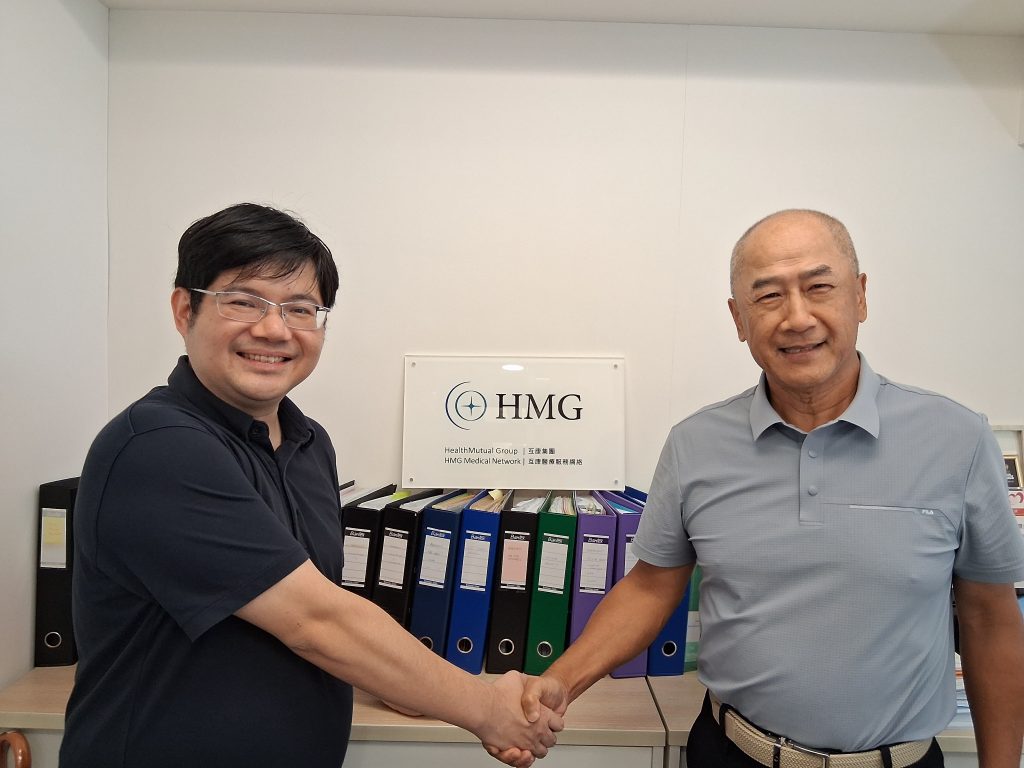
HONG KONG SAR – Media OutReach Newswire – 14 July 2025 – HealthMutual Group (HMG), a pioneer in medical concierge and insurance management, and MediConCen Limited, an InsurTech innovator, today announced a strategic partnership to develop an advanced AI-driven claims solution tailored for the Hong Kong market. Mr. KC Chan, Founder of HMG (right) and Mr. William Yeung, CEO and Co-Founder of MediConCe (left) are delighted with the strategic partnership which serves to foster the sustainability of Hong Kong’s medical insurance sector. By combining MediConCen’s expertise in AI, blockchain, and automation with HMG’s solid experience in medical claims management, the collaboration aims to streamline claims processing, enhance efficiency, and establish a localized Fraud, Waste, and Abuse (FWA) detection framework. Mr. KC Chan, Founder of HMG, said, “with over 11 years of experience in medical concierge services, HMG has developed an in-depth understanding of claims management. Our proprietary OCR-based medical invoice platform aligns perfectly with the digital transformation of claims processing, while facilitating the set-up of a FWA framework to ensure robust risk management. Partnering with MediConCen, a leader in cutting-edge InsurTech, allows us to further our mission of supporting the sustainability of Hong Kong’s medical insurance sector.” Mr. William Yeung, CEO and Co-Founder of MediConCen, said “this collaboration merges MediConCen’s AI-powered technological expertise with HMG’s unparalleled domain knowledge in insurance and healthcare. Together, we are creating a solution that empowers claims assessors to make faster, and consistent decisions—setting a new gold standard for the industry.” The partnership underscores the importance of combining insurance practicality with technology to deliver digitalisation for insurance process. Hashtag: #HMG #MedConCen #Mr.KCChan #Mr.WilliamYeung #MedicalClaims #Digitalization #AI #MedicalInsuranceSector #OCR The issuer is solely responsible for the content of this announcement. About HMG Established in 2014, HealthMutual Group has swiftly emerged as a premier leader in healthcare management across Hong Kong and the Greater China Region. Passionately dedicated to transforming healthcare management and its funding mechanism through provision of medical concierge and other essential value-added service, it benefits all stakeholders: the insured, insurance companies, and the medical sector, fostering their sustainable growth and development. About MedConCen MediConCen is a leading insurTech founded in 2018. Awarded in numerous local and international competitions, MediConCen is the first Hong Kong company utilizing blockchain and cutting-edge technology to automate insurance claim and evolve the insurance claim experience.

News

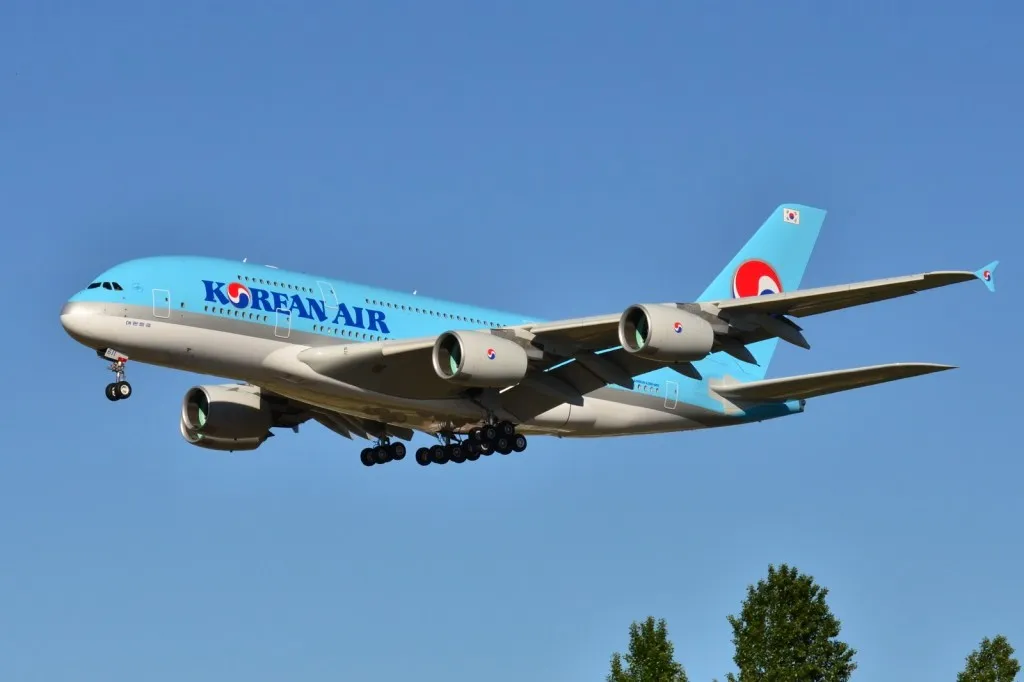
Korean Air Reports 4% Decline in Q2 Cargo Revenue Amid US Tariff Disruption

Korean Air has reported a 4 per cent decline in cargo revenue for the second quarter of its financial year, attributing the decrease to continued market volatility, largely influenced by changes in United States tariff policies. The South Korean flag carrier, also one of Asia’s leading air freight operators, noted that its cargo segment had previously enjoyed consistent annual growth driven by a surge in e-commerce shipments from China. In the same quarter last year, cargo revenues had increased by 14 per cent year-on-year, marking a sustained upward trend until this latest reversal. Recent disruptions stem largely from a shift in US trade policy. According to data cited by Reuters, air cargo volumes from Asia to the United States dropped sharply in May following the removal of a tax-free exemption for low-value packages from China. The move significantly impacted cross-border e-commerce shipments, a key revenue stream for Korean Air’s cargo division. In a statement, Korean Air said it responded to the challenging environment by broadening its cargo portfolio and prioritising high-yield shipments. The airline highlighted increased focus on sectors such as semiconductors, batteries, solar cells, and seasonal perishables to cushion the effects of declining e-commerce volumes. Despite the contraction in cargo performance, the company’s total revenue remained steady compared to the same quarter a year earlier, standing at 4 trillion won (approximately US$2.90 billion). However, operating profit declined by 3.5 per cent, with the airline citing rising personnel and depreciation costs as offsetting the benefit of lower fuel prices. Korean Air completed its acquisition of Asiana Airlines last year in a US$1.30 billion deal, positioning it among the largest carriers in Asia by capacity and market share. -Reuters

News

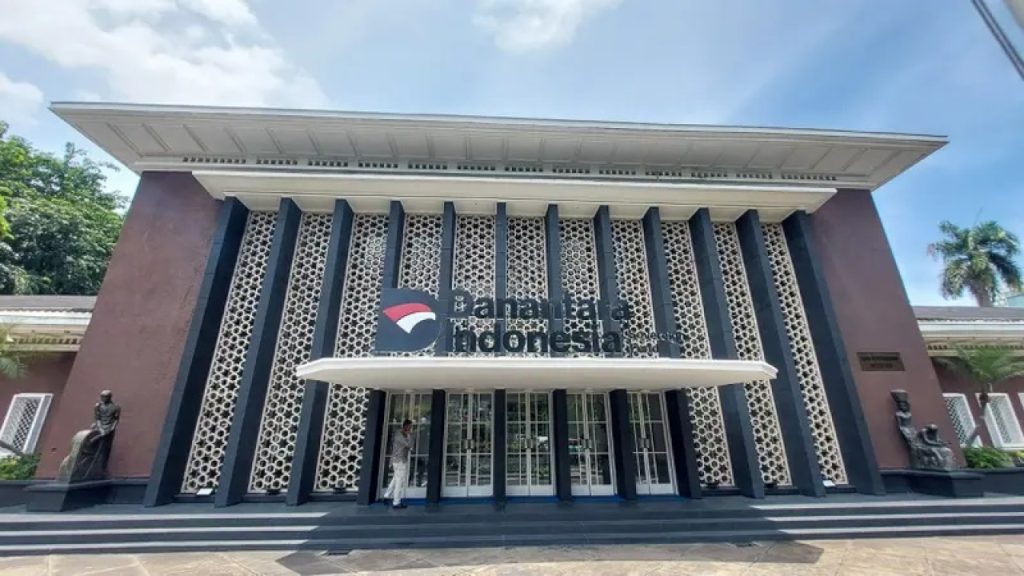
Danantara to Tap US$3 Billion from Landmark US$10 Billion Credit Line for Strategic Projects

Danantara, Indonesia’s newly established sovereign wealth fund, is expected to draw down an initial US$3 billion from a US$10 billion credit line secured through a consortium of international banks, according to sources with direct knowledge of the matter. The financing arrangement, sourced from five foreign banks, marks the first instance of private sector funding for Danantara and is set to become the largest facility of its kind disbursed in Southeast Asia by private banks, should it be fully utilised. Danantara, formally known as Daya Anagata Nusantara, was launched in February and oversees assets exceeding US$900 billion. This development aligns with President Prabowo Subianto’s ambitious economic strategy to accelerate Indonesia’s GDP growth to 8 percent—up from the current rate of 5 percent. The fund is envisioned as a key vehicle for driving large-scale investments and catalysing economic transformation across the archipelago. Among the first investment initiatives supported by the facility is a US$800 million chlor-alkali and ethylene dichloride plant, developed by petrochemical group Chandra Asri Pacific. The facility is expected to contribute to key downstream sectors, including water treatment, soap, alumina, and nickel production. Danantara and the Indonesia Investment Authority previously signalled potential participation in the project in a joint statement issued in June. Additionally, Danantara has signed separate co-investment agreements with the Qatar Investment Authority and China Investment Corporation earlier this year. However, the specific projects earmarked under these partnerships for funding through the initial drawdown have yet to be confirmed. DBS, HSBC, Natixis SA, Standard Chartered, and United Overseas Bank were named lead arrangers for the US$10 billion facility. These institutions were selected from a competitive pool of 11 international banks that submitted proposals, one source noted. While DBS, Natixis, and HSBC declined to comment, the remaining banks had not responded to inquiries at the time of publication. The credit facility will remain available to Danantara over a three-year term. The interest rate is understood to be on par with yields on Indonesian sovereign bonds. Each participating bank has committed US$1 billion on an unsecured basis, with no requirement for a government guarantee—an unusual feature for transactions of this scale. A source remarked, “Danantara is a sovereign.” In January, Indonesia issued five-year US dollar-denominated sovereign bonds with a 5.30 percent yield, offering a reference point for the pricing of the current facility. While proposals from other foreign lenders were considered, they were ultimately rejected due to their requirement for government backing. As is standard in such syndications, the lead arrangers are expected to engage additional banks to contribute towards the full value of the facility. At present, Danantara has no immediate plans to issue bonds. Danantara did not respond to a request for comment. -Reuters

News

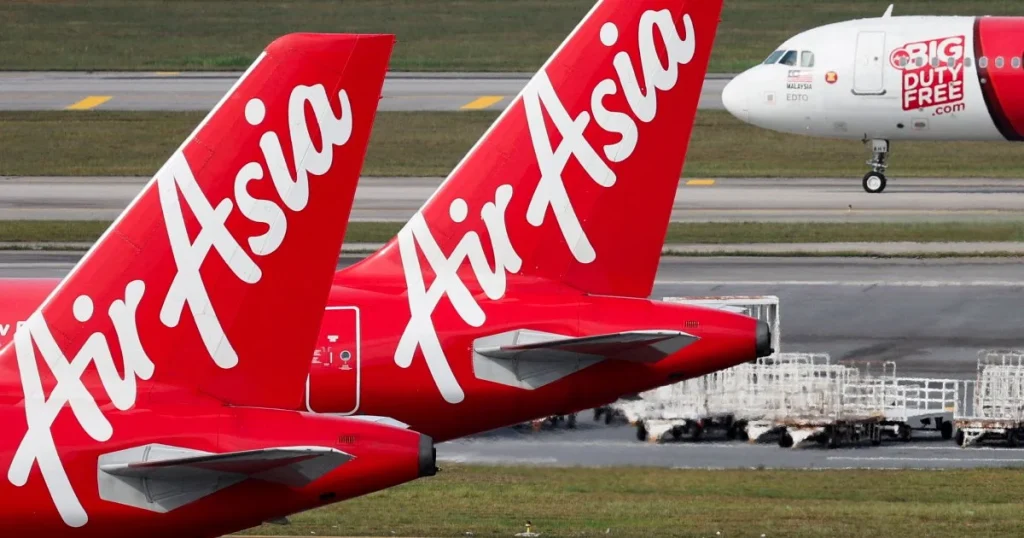
AirAsia Nears Conclusion of Investor Talks as Restructuring Reaches Final Stages

AirAsia is close to finalising discussions with strategic investors as it nears the completion of a major restructuring initiative, according to Deputy Group Chief Executive Officer Farouk Kamal. Speaking at the Reuters NEXT Asia summit on Wednesday, Kamal confirmed the Malaysia-based low-cost airline is advancing towards a pivotal stage in securing new funding and operational consolidation. The carrier, a unit of Capital A Berhad, was designated as financially distressed by Bursa Malaysia in 2022. In response, the group is currently coordinating a RM1 billion (approximately $235 million) equity injection, alongside efforts to finance its substantial aircraft order book. In March, Capital A Group Chief Executive Officer Tony Fernandes stated that the RM1 billion private placement was “done”, although no further details regarding investor identities have been disclosed. He declined to comment on a Bloomberg report that named Saudi Arabia’s sovereign wealth fund as a potential contributor of $100 million. Kamal highlighted that the investment discussions are reaching a comprehensive conclusion, encompassing more than equity alone. “It’s not just from an equity injection perspective, but from an overall transactions perspective,” he said, adding that an official announcement is expected in due course. AirAsia remains one of Asia’s largest low-cost carriers and a major client of Airbus, with approximately 360 aircraft currently on order. The airline further expanded its commitment to the European aircraft manufacturer last Friday by signing a memorandum of understanding to acquire 50 long-range A321XLR aircraft, with conversion rights for an additional 20 units of the same model. As part of the restructuring efforts, Capital A is in the process of divesting its aviation business to long-haul affiliate AirAsia X. The consolidation is intended to unify both long-haul and short-haul services under the AirAsia brand. Fernandes recently reiterated his ambition to remove the group from its financially distressed classification once restructuring measures are finalised. -Reuters

Energy & Technology, Investment & Market Trends

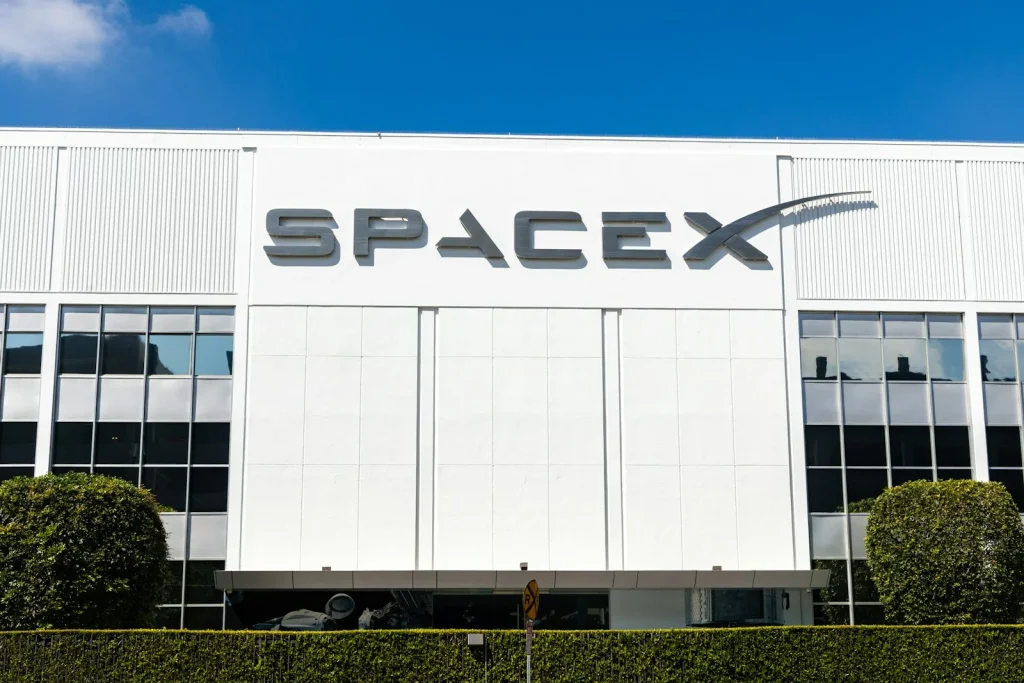
SpaceX Commits $2 Billion to Elon Musk’s xAI in Strategic Investment Push

SpaceX has pledged a significant $2 billion investment in xAI, Elon Musk’s artificial intelligence venture, according to a report published by the Wall Street Journal. The funding forms part of a larger $5 billion equity round and signals a deepening alignment between Musk’s various business interests as xAI scales up to rival OpenAI. The development comes shortly after xAI merged with X, the social media platform also owned by Musk. This consolidation places the valuation of the combined entity at $113 billion. The move underscores Musk’s ambition to integrate AI across his portfolio of companies, with the Grok chatbot—developed by xAI—already deployed to support customer services within Starlink, SpaceX’s satellite internet business. Further applications are under consideration, with Grok expected to play a role in Tesla’s Optimus robot project. Despite attracting criticism over some of Grok’s recent responses, Musk has maintained that it is “the smartest AI in the world.” xAI is continuing to invest heavily in the development of its models and supporting infrastructure in pursuit of that claim. Requests for comment sent to both SpaceX and xAI by Reuters have not yet received a response.

Investment & Market Trends, News

AgiBot Targets Swancor Stake in $279 Million Deal, Signalling Possible Market Entry

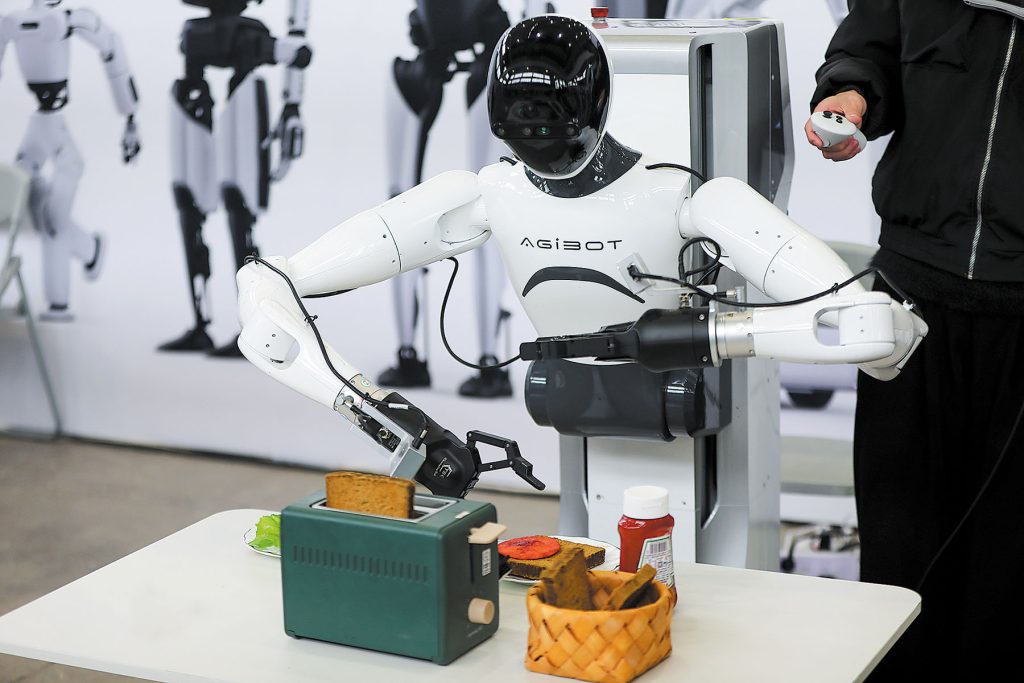
Tencent-backed humanoid robot maker AgiBot is seeking to acquire a controlling stake in Swancor Advanced Materials, a Shanghai-listed manufacturer, in a move widely seen as a potential precursor to a back-door listing. The start-up, also known as Zhiyuan Robotics, intends to acquire at least 63.62 per cent of Swancor through its affiliates Shanghai Zhiyuan Hengyue Technology Partnership and Shanghai Zhiyuan Xinchuang Technology Equipment Partnership, according to a regulatory disclosure made by Swancor to the Shanghai Stock Exchange on Tuesday. The proposed transaction, valued at approximately 2 billion yuan (US$279 million), would position AgiBot chairman and CEO Deng Taihua as the de facto controller of Swancor. The current controlling shareholders have agreed to relinquish their voting rights, the filing confirmed. Pending approval from Swancor shareholders and the relevant regulatory bodies including the Shanghai Stock Exchange, the deal has triggered considerable market interest. Swancor’s share price surged by the daily limit of 20 per cent to close at 11.21 yuan on Thursday. While AgiBot did not respond to requests for comment, reports from China Securities Journal and Yicai cited the company as denying any intention to pursue a back-door listing through the Swancor deal. Nonetheless, the acquisition underscores the intensifying capital requirements of China’s burgeoning humanoid robotics industry. According to a TrendForce report published in April, six out of 11 domestic humanoid robot firms, including AgiBot, Unitree Robotics, Galbot, Engine AI and Leju Robotics, plan to manufacture over 1,000 units each this year. Following a successful acquisition, AgiBot could raise additional capital and potentially operate under Swancor’s listed ticker. However, AgiBot has pledged not to alter Swancor’s principal business operations or implement major structural reorganisations for at least 12 months, as stated in a separate filing from Swancor on Tuesday. If completed, the deal could enable AgiBot to become the first Chinese humanoid robotics firm to list on the Shanghai market. By comparison, Unitree Robotics is reportedly preparing dual listings in both Shanghai and Hong Kong, while Shenzhen-based UBTech Robotics listed in Hong Kong in 2023. Despite the strategic significance of the Swancor transaction, regulatory challenges remain. AgiBot, established in February 2023, does not currently meet the three-year operational requirement for a reverse initial public offering under Chinese listing rules. The start-up has attracted substantial investment, having completed multiple financing rounds backed by Hillhouse Investment, Tencent, and JD.com. During a funding round in March, AgiBot was valued at over 10 billion yuan. At the time, Yao Maoqing, head of AgiBot’s embodied intelligence division, stated that the company aims to deliver between 3,000 and 5,000 robots in 2025, up from fewer than 1,000 units the previous year. -SCMP

Energy & Technology

Chinese AI Firm Moonshot Launches Open-Source Model Kimi K2

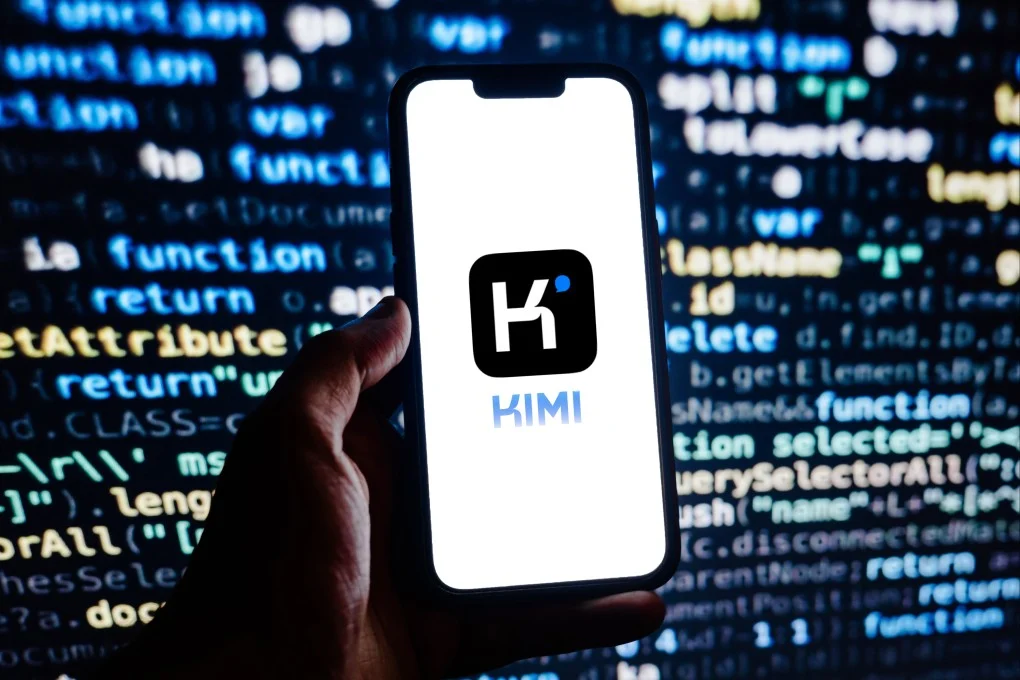
Beijing-based artificial intelligence start-up Moonshot AI has unveiled Kimi K2, its latest open-source AI model, as part of a strategic push to strengthen its position in the increasingly competitive AI development landscape. The launch is aimed at reinforcing Moonshot’s edge over domestic competitors such as DeepSeek and aligning with the growing industry shift toward open-source AI innovation. Kimi K2, built on a mixture-of-experts (MoE) architecture, incorporates a staggering 1 trillion total parameters, with 32 billion activated parameters deployed dynamically based on the task at hand. The MoE framework allows for individual subnetworks – or “experts” – to focus on specific data subsets, a technique that reduces pre-training computation costs while accelerating inference performance. Moonshot has released two distinct open-source versions of Kimi K2. The foundation model, Kimi-K2-Base, is tailored for researchers and developers requiring full control for fine-tuning and bespoke AI applications. Kimi-K2-Instruct, by contrast, has been post-trained for seamless integration into general-purpose chat and autonomous agentic AI systems. Both versions are now available via Moonshot’s web and mobile platforms. The model’s release underscores a broader move within the Chinese AI sector to embrace open-source development. This approach has been rapidly adopted by peers including Zhipu AI, MiniMax, and Stepfun, as well as tech giants such as Alibaba Cloud and Baidu. Open-sourcing AI models not only enhances development efficiency but also broadens access and encourages adoption within both commercial and academic circles. Alibaba Cloud’s Qwen family of AI models has emerged as a global leader in the open-source space. According to a February report from Hugging Face, Qwen powers more of the top 10 open-source large language models (LLMs) worldwide than any other group, surpassing Meta Platforms’ Llama in terms of ecosystem scale. Moonshot’s Kimi K2 arrives in the wake of DeepSeek’s widely noted release of its open-source V3 and R1 models, which demonstrated high performance at significantly lower costs and hardware requirements compared to traditional LLM projects. With Alibaba among its major backers, Moonshot is now positioned to attract increased global attention. According to Moonshot, Kimi K2 demonstrates “advanced agentic intelligence”, enabling it to execute complex, tool-based workflows autonomously. Examples include producing detailed, interactive salary analyses complete with statistical visualisations and web interface generation. The model can also perform dynamic planning tasks, such as organising a travel itinerary to a London Coldplay concert, by interacting across multiple platforms including Gmail, Airbnb, search engines, and online booking systems. Moonshot is also planning to introduce advanced model context protocol capabilities, an open standard that allows AI systems to access and utilise external tools and services more effectively. The company’s API – which is compatible with OpenAI and Anthropic interfaces – is currently priced at 4 yuan (approximately USD 0.56) per million input tokens and 16 yuan per million output tokens. Shortly after Kimi K2’s launch, OpenAI CEO Sam Altman announced a delay in the release of OpenAI’s own forthcoming open-source model, originally expected the following week, citing the need for additional safety testing. -SCMP

Investment & Market Trends

UK-Malaysia Trade Pact Set to Open Doors for Malaysian SMEs in UK Market

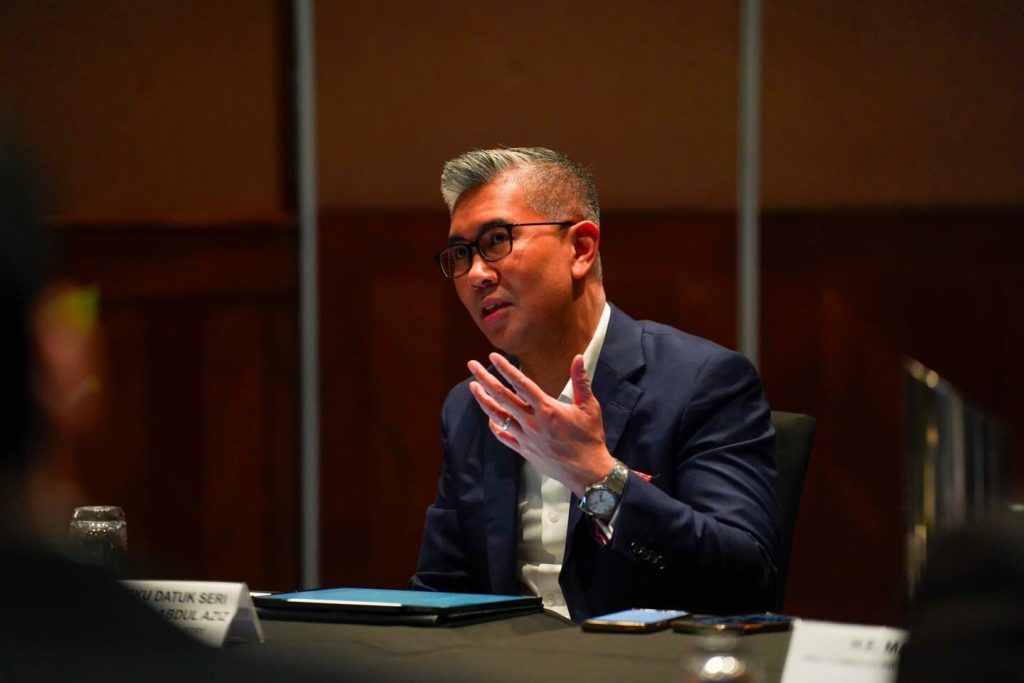
The inaugural implementation of the Comprehensive and Progressive Agreement for Trans-Pacific Partnership (CPTPP) between the United Kingdom and Malaysia is poised to open significant avenues for Malaysian exporters, particularly small and medium-sized enterprises (SMEs), to enter and compete in the UK market. Malaysia’s Minister of Investment, Trade and Industry, Tengku Datuk Seri Zafrul Abdul Aziz, confirmed that the potential economic impact of the agreement was a central topic during recent discussions with UK Secretary of State for Foreign, Commonwealth and Development Affairs, David Lammy. “Together, we could drive economic growth, which is resilient and innovative,” Zafrul stated on the social media platform X on Saturday. The announcement follows a courtesy call on Friday by David Lammy to Prime Minister Datuk Seri Anwar Ibrahim. The visit comes as part of broader efforts to deepen bilateral cooperation, following the elevation of UK-Malaysia ties to a strategic partnership after Anwar’s meeting with UK Prime Minister Keir Starmer in January. In a separate post on X, Prime Minister Anwar welcomed enhanced collaboration between the two nations across multiple sectors, including investment, energy transition, education, climate change, defence, digitalisation and artificial intelligence. -Bernama

Scroll to Top

Subscribe
FREE Newsletter