Author name: admin

News

Bank Islam and FAM Extend Strategic Partnership to Strengthen National Football Development

Bank Islam Malaysia Berhad has renewed its strategic collaboration with the Football Association of Malaysia (FAM) for the fifth consecutive term, reinforcing its continued commitment to the advancement of national football. The extended partnership encompasses a range of joint marketing efforts, including the continuation of the Team Harimau co-branded Debit Card-i initiative. This collaboration not only seeks to bolster support for the national football squad, Harimau Malaya, but also encourages wider adoption of digital banking and cashless payments across the country. Mizan Masram, Group Chief Business Officer (Retail Banking) at Bank Islam, expressed appreciation for FAM’s enduring confidence in the bank’s role as a strategic partner. “Bank Islam is truly grateful to FAM for the trust placed in us and agreeing to extend this strategic collaboration. This partnership reflects our commitment to fostering the spirit of sportsmanship and strengthening support for a team that carries the nation’s hopes,” he said. Under the terms of the agreement, Bank Islam will continue to drive fan engagement through both digital and on-ground activation initiatives at FAM-affiliated events. These efforts include the deployment of promotional booths on match days, co-branded campaigns, social media content, and fan-centric contests aimed at strengthening the emotional connection between supporters and the national team. The specially designed Team Harimau Debit Card-i offers fans a tangible means of expressing their loyalty, while benefiting from ATM withdrawal capabilities and seamless electronic payments for local and international transactions. In support of grassroots football development, Bank Islam will contribute RM2 to FAM for every issuance, annual renewal, and replacement of the debit card. The funds are designated to aid talent cultivation and enhance football programmes nationwide. Since its inception, the Team Harimau Debit Card-i has garnered over two million users, underscoring its resonance with Malaysian football supporters and its role in promoting financial inclusion. -New Strait Times

News

AIA Malaysia Tops MDRT Rankings for Ninth Time

AIA Malaysia has once again affirmed its dominance in the life insurance and financial services industry by being recognised as the top Million Dollar Round Table (MDRT) company in Malaysia for the ninth time. The MDRT is a globally recognised association for financial professionals, widely regarded as the benchmark for excellence in the life insurance and financial services sectors. Membership requires stringent performance criteria and adherence to the highest ethical standards and professional conduct. In a statement issued today, AIA Malaysia confirmed it had achieved a total of 870 MDRT qualifiers in 2025. This figure includes 14 Top of the Table (TOT) members, 74 Court of the Table (COT) members, and 782 MDRT members, further solidifying its standing as a leader in the field. At the regional level, the AIA Group reported an impressive 19,358 MDRT qualifiers across its markets as of July 2025. This marks the eleventh consecutive year AIA has held the title of the world’s leading MDRT multinational, underlining the group’s continued investment in developing a high-calibre, professional agency force across Asia. Commenting on the achievement, AIA Malaysia Chief Executive Officer Ben Ng said the recognition is a reflection of the company’s unwavering focus on professionalism and customer service. “This accomplishment reinforces our commitment to building the most professional agency force—one that consistently supports our customers in living healthier, longer and better lives. With a commanding lead in the number of MDRT qualifiers, we have once again set the benchmark for excellence in Malaysia,” he said. In addition to its national success, AIA Malaysia has also achieved notable rankings in the 2025 MDRT listings, including a Top 20 Global Ranking, a position among the Top 15 Companies by Retention Rate, and a Top 20 placement for the Number of Female Members. These milestones are a testament to the company’s sustained focus on nurturing purpose-driven, highly trained advisors, supported by advanced digital tools and a culture rooted in service excellence. AIA Malaysia is part of AIA Group, the largest independent publicly listed pan-Asian life insurance group. With over 75 years of presence in the country, the group’s operations in Malaysia comprise AIA Bhd, AIA PUBLIC Takaful Bhd, AIA General Bhd, and AIA Pension and Asset Management Sdn Bhd. The group continues to provide comprehensive insurance and takaful solutions to Malaysians, offering both conventional and Shariah-compliant products across life and health protection, family takaful, employee benefits, motor, personal accident, mortgage, commercial insurance and retirement planning. -Bernama

News

SkyGate to Boost Stake in SkyGate Integration to 95% via RM9.8 Million Share Issuance

SkyGate Solutions Bhd has announced a strategic move to increase its stake in SkyGate Integration Sdn Bhd to 95%, following a RM9.8 million share-based acquisition agreement. In a filing with Bursa Malaysia, the telecommunications and technology company confirmed it has entered into a share sale agreement with Ong Chee Fui to acquire a further 44% equity interest in SkyGate Integration. The purchase will be entirely satisfied through the issuance of approximately 14.63 million new SkyGate shares at 67 sen per share. This latest development builds upon SkyGate’s earlier acquisition disclosed on 15 April 2025, in which the group acquired a 51% interest in SkyGate Integration for RM10.71 million in cash. As part of that transaction, SkyGate Integration had an outstanding debt of RM1.08 million to Ong Chee Fui, stemming from a loan provided by Kumpulan Modal Perdana Sdn Bhd. Under the terms of the current proposal, the RM1.08 million debt will be settled via the issuance of 1.61 million new SkyGate shares, also priced at 67 sen per share. Following the completion of this transaction, SkyGate Integration will become a 95%-owned subsidiary of SkyGate Solutions. The group stated that the proposed acquisition aligns with its long-term strategic objective of expanding operations and enhancing shareholder value. SkyGate highlighted that this consolidation will not only strengthen its market positioning but also bolster its presence in the electrical and electronics (E&E) sector. The integration of SkyGate Integration’s capabilities in software development, system integration and technology solutions is expected to complement the group’s existing services, enabling a broader offering to a wider client base. -The Star

Energy & Technology

Meta Bright and ChargeHere Launch Nationwide EV Charging Venture in Malaysia

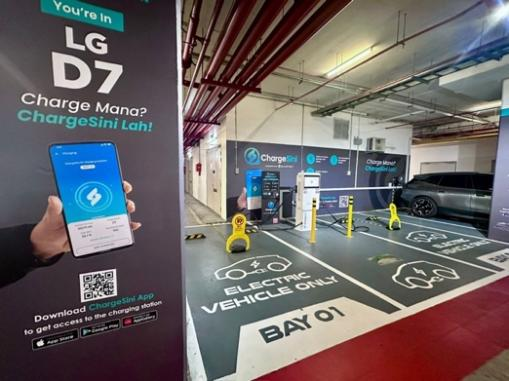
Meta Bright Group Bhd, through its wholly owned subsidiary Meta Bright Energy Sdn Bhd (MBE), has entered into a strategic joint venture with ChargeHere EV Solution Sdn Bhd, signalling a major step forward in its expansion into Malaysia’s electric vehicle (EV) charging infrastructure sector. In an official statement, the diversified energy group confirmed the formation of a new joint venture company, Meta Bright Chargesini Sdn Bhd, dedicated to the development, installation, and operation of EV charging stations nationwide. Meta Bright Energy will retain a controlling 51 per cent stake in the venture, while ChargeHere will hold the remaining 49 per cent. The collaboration combines MBE’s expertise in renewable energy with ChargeHere’s operational leadership as Malaysia’s largest EV charging point operator. Operating under the “ChargeSini” brand, ChargeHere currently manages an extensive network comprising 935 charging stations across 300 locations, catering to over 32,000 active users. “This strategic joint venture with ChargeHere significantly expands our capabilities within the renewable energy sector, particularly in EV infrastructure. It represents an essential milestone for Meta Bright, aligning closely with our ESG goals and strategic focus on creating sustainable, recurring revenue streams,” said Derek Phang Kiew Lim, Executive Director of Corporate and Strategic Planning at Meta Bright. Initial deployment under the joint venture will prioritise key locations in Johor, Penang, and Selangor. Further expansion is already in planning stages, with an extensive pipeline of approved projects set to include additional sites across Kuala Lumpur, Pahang, and Melaka. The partnership allows Meta Bright to leverage ChargeHere’s deep technical capabilities and operational know-how, supporting its broader ambition to drive sustainable growth within the clean energy ecosystem. In a related development, Meta Bright has also announced the divestment of its wholly owned Australian subsidiary, Meta Bright Australia Pty Ltd (MBA), for RM25.37 million. The disposal is part of a strategic initiative to reduce the group’s exposure to cross-border operational risks, including geopolitical uncertainties, foreign exchange fluctuations, and volatile global economic conditions. -The Star

News

Jasa Kita’s Major Shareholders Divest 40% Stake for RM68.9 Million

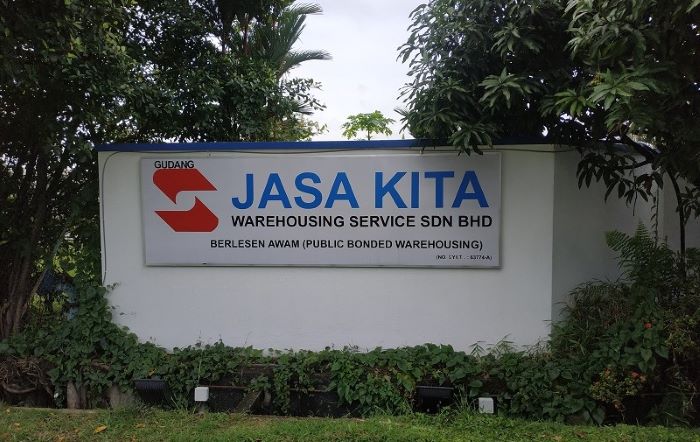
Jasa Kita Bhd has announced that two of its major shareholders, Tan Sri Tan Hua Choon and Datuk Seri Tan Han Chuan, have signed a conditional share sale agreement to dispose of their collective 40.33% equity stake to Kintan Prima Sdn Bhd for RM68.9 million in cash. The transaction, valued at 38 sen per share, involves 181.31 million shares in total. According to a Bursa Malaysia filing, the acquisition will significantly increase the collective shareholding of Kintan Prima, its director and controlling shareholder Abd Azis Mohamad, and persons acting in concert, Datuk Seri Iskandar Mizal Mahmood and Datuk Dr Yasmin Mahmood. This group currently holds 44 million shares in Jasa Kita, representing a 9.79% equity interest. Following completion of the proposed acquisition, their combined stake will rise to 225.32 million shares, equivalent to a controlling 50.12% of the company. In accordance with regulatory requirements, the acquirers will be obligated to extend a mandatory general offer to remaining shareholders, also priced at 38 sen per share. This represents a modest premium to Jasa Kita’s last traded price of 36.5 sen. Jasa Kita Bhd, a company engaged in the trading and distribution of industrial tools, mechanical air tools, and bathroom products, is simultaneously undertaking a strategic divestment of assets. Its wholly owned subsidiary, JKB Development Sdn Bhd, has entered into a conditional sale and purchase agreement with Logik Damai Sdn Bhd to dispose of four parcels of freehold industrial land in Gombak, Selangor, for RM38 million in cash. The four parcels collectively span 14,086 square metres. The group expects to realise a net gain of RM29.5 million from the land disposal. Of the total proceeds, RM19 million has been earmarked for working capital purposes. These developments underscore a significant shift in Jasa Kita’s ownership structure and asset base as it realigns for future growth and operational optimisation. -The Star

Media OutReach

Shopee Launches First-Ever MSME Co-Lab in Malaysia to Strengthen Support for Local Entrepreneurs

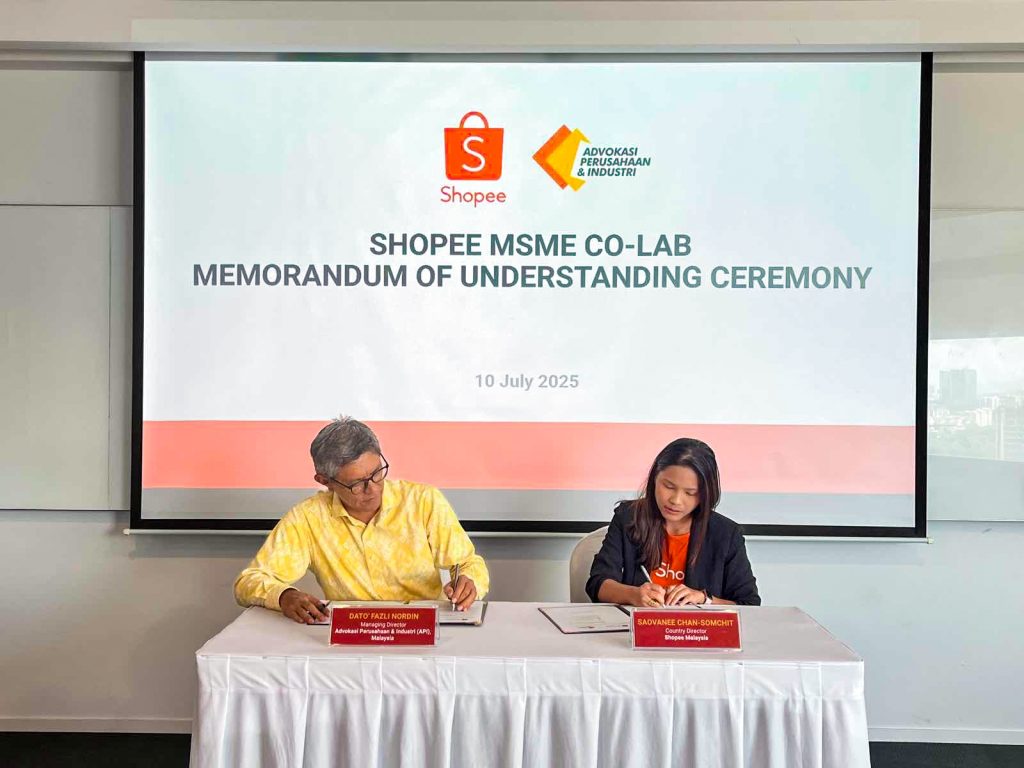
Inaugural programme launched first in Malaysia in conjunction with Shopee’s annual Seller Summit; Signs MOU with Advokasi Perusahaan dan Industri (API) KUALA LUMPUR, MALAYSIA – Media OutReach Newswire – 12 July 2025 – On 10 July, Shopee Malaysia announced the launch of the Shopee MSME Co-Lab, a new programme designed to strengthen collaboration with local stakeholders and better support micro, small, and medium enterprises (MSMEs) in navigating and succeeding in the digital economy. The Shopee MSME Co-Lab brings together MSME associations, ecosystem partners and other industry stakeholders to share insights, explore emerging opportunities, and co-develop practical solutions that empower small businesses to start and scale online. [Left] Dato’ Fazli Nordin, Managing Director, Advokasi Perusahaan dan Industri at the MoU signing ceremony with [right] Saovanee Chan-Somchit, Country Director, Shopee Malaysia. Launched in conjunction with this year’s Shopee Seller Summit, the programme marks a milestone in Shopee’s ongoing efforts to support MSME digitalisation in alignment with national priorities such as the MADANI Economy Framework and Budget 2025. As part of the programme’s launch, Shopee formalised a collaboration with Advokasi Perusahaan dan Industri (API) through a Memorandum of Understanding (MoU) — marking the beginning of ongoing engagement with industry partners to support local entrepreneurs more effectively. Malaysia is the first Shopee market to activate the Co-Lab, recognising the strength and diversity of its MSME community, while also serving as a foundation for future learning and potential expansion across the region. “The Shopee MSME Co-Lab is part of our ongoing commitment to listen, learn, and work more closely with MSMEs to build a more inclusive and supportive digital ecosystem,” said Saovanee Chan-Somchit, Country Director, Shopee Malaysia. “Through this platform, we hope to strengthen partnerships and develop solutions that help more Malaysian businesses grow and succeed online.” Key components of the Shopee MSME Co-Lab programme include: Strategic Dialogues and Insights Convening MSME leaders and other industry stakeholders to discuss experiences, insights, and changing priorities as well as exchange views on digital commerce trends and challenges faced by MSMEs. These engagements aim to surface actionable insights that may inform future initiatives or be shared in broader industry discussions. Innovation Previews and Feedback Loops Selected MSME partners will receive early access to new features, tools, or strategic initiatives and provide feedback. Collaborative Partnerships The Co-Lab may serve as a platform for engaging with partners on potential joint initiatives that benefit the broader Malaysian MSME community. “This collaboration with Shopee allows us to bring the voices and needs of MSMEs directly into the room with decision-makers and platform innovators. It’s not just about selling more, it’s about building a more inclusive digital future together,” said Dato’ Fazli Nordin, Managing Director, Advokasi Perusahaan dan Industri. Commitment to Malaysia and Beyond The Shopee MSME Co-Lab builds on Shopee’s ongoing efforts to support small business communities through capacity building, platform enhancements, and deeper engagement with ecosystem partners. Launching the initiative in Malaysia marks an exciting opportunity to deepen local collaboration and explore new ways to support MSMEs with learnings that may help shape future efforts across the region. “Our vision is to be more than a platform–we want to be an active partner in shaping what’s next for MSMEs,” added Saovanee. “The Co-Lab gives MSMEs a voice in shaping the tools and experiences they need, while fostering stronger ecosystems built on mutual trust and shared progress.” Shopee will onboard more partners under the MSME Co-Lab in the coming months, with ongoing engagements guiding future developments. Hashtag: #Shopee The issuer is solely responsible for the content of this announcement. Shopee Shopee is the leading e-commerce platform in Southeast Asia & Taiwan. Shopee promotes an inclusive and sustainable digital ecosystem by enabling businesses to digitalise and grow their online presence, helping more people access and benefit from digital services, and uplifting local communities. Shopee offers an easy, secure, and engaging experience that is enjoyed by millions of people daily. Shopee is also a key contributor to the region’s digital economy with a firm commitment to helping homegrown brands and entrepreneurs succeed in e-commerce. Shopee is part of Sea Limited (NYSE: SE), a leading global consumer internet company. Sea’s mission is to better the lives of consumers and small businesses with technology through its three core businesses: Shopee, Garena and Monee.

News

PM Anwar Unveils Digital Asset Innovation Hub to Bolster Fintech and Stablecoin Development

Malaysia has taken a strategic step toward strengthening its digital finance landscape with the official launch of the Digital Asset Innovation Hub, inaugurated by Prime Minister Dato’ Seri Anwar Ibrahim at the Sasana Symposium 2025. Spearheaded by Bank Negara Malaysia (BNM), the initiative is designed to catalyse financial innovation within a regulated framework. The launch forms part of a broader agenda during the two-day symposium, held on 17 and 18 June at Sasana Kijang, which gathers key stakeholders from government, industry, academia, and civil society to examine policy reforms aimed at building a more resilient and inclusive national economy. Positioned as a sandbox for emerging digital finance technologies, the hub offers a safe and structured environment for innovators to test new solutions, particularly in areas such as programmable money and a potential ringgit-backed stablecoin. While further technical specifics have yet to be disclosed, Prime Minister Anwar’s announcement signals a growing commitment to exploring advanced financial technologies under Malaysia’s regulatory oversight. In parallel, the Climate Finance Innovation Lab was also introduced during the event. Led by the Joint Committee on Climate Change (JC3), the lab seeks to align financial innovation with climate resilience goals, marking another milestone in the country’s integrated approach to structural reform. Under the theme “Structural Reforms: Building a Resilient Malaysia,” the Sasana Symposium 2025 comprises 23 sessions, featuring panel discussions, fireside chats, and workshops that address a spectrum of pressing national issues. Topics include inflation management, cost of living, healthcare financing, social protection mechanisms, digital assets, and climate-related financial strategies. Adding a social finance dimension to the symposium, Bazar iTEKAD showcases 14 microentrepreneurs out of more than 10,000 beneficiaries of the iTEKAD programme. This initiative combines blended financing with structured capacity-building support, enabling small business owners to enhance operational scalability and sustainability. In line with Malaysia’s upcoming ASEAN Chairmanship in 2026, the event also features the immersive ASEAN Tunnel exhibition. Designed to engage visitors through visual and auditory storytelling, the exhibit highlights BNM’s regional leadership in promoting instant payment connectivity, strengthening local currency settlement frameworks, and supporting ASEAN’s climate ambitions. BNM Governor Dato’ Seri Abdul Rasheed Ghaffour underscored the collaborative nature of structural reforms in his opening remarks. “Structural reforms are not something one institution or individual can tackle alone. It requires a whole-of-nation approach,” he said. “Reforms and policies are not mere ideas on paper. They can make a real difference in the everyday lives of Malaysians. Through panel sessions, fireside chats and workshops, we share not only what we do, but why we do it. From topics like financial literacy and digital assets, to climate finance and even healthcare reforms, these are the building blocks of a stronger, more resilient Malaysia.” BNM is expected to provide further clarification on the Digital Asset Innovation Hub in due course. -Fintech News

Investment & Market Trends

Malaysia Leads Southeast Asia in IPO Market for First Half of 2025, Says Deloitte

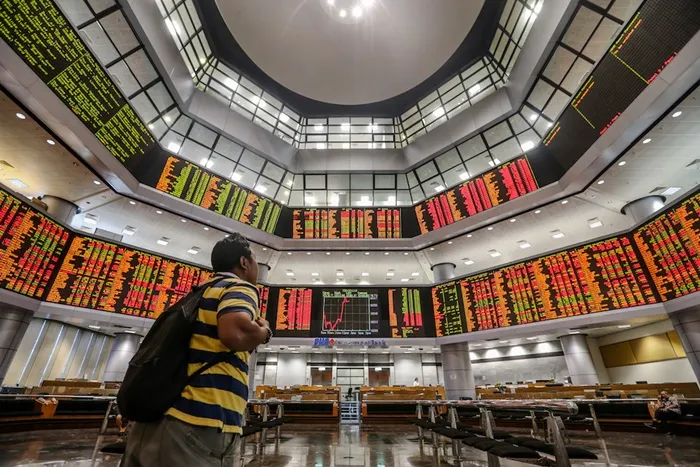
Malaysia has secured its position as the top performer in Southeast Asia’s initial public offering (IPO) capital market for the first half of 2025, accounting for 66 per cent of total IPO proceeds raised across the region. According to Deloitte’s Mid-Year IPO Snapshot 2025 report, the country raised US$940 million out of a regional total exceeding US$1.4 billion. Deloitte noted that Malaysia continued its strong IPO momentum from the previous year, outperforming its regional peers in three critical metrics: total funds raised, market capitalisation, and number of IPOs. Among the standout listings was Eco-Shop Marketing Bhd, a household name that debuted on the Main Market of Bursa Malaysia. The discount retail chain led Malaysian IPO fundraising with US$230 million and saw its share price climb six per cent on the first day of trading. This marks the largest IPO in Southeast Asia so far this year. Malaysia recorded 32 IPOs in the first half of 2025, placing six of them among the region’s top 10 listings. Compared to the same period in 2024, the number of listings increased by approximately 48 per cent, while IPO proceeds rose by around 109 per cent. Notably, total IPO market capitalisation surged by roughly 165 per cent. Across Southeast Asia, there were 53 IPOs in the first half of 2025, raising over US$1.4 billion with a combined market capitalisation of US$7.7 billion. This is slightly lower than the 67 IPOs recorded during the same period in 2024, which raised just under US$1.4 billion with total market capitalisation exceeding US$5.8 billion. Commenting on the outlook, Deloitte Malaysia Transactions Accounting Support partner Wong Kar Choon said the IPO market in Malaysia remains positive for the remainder of 2025. As of 30 June 2025, the country has recorded 32 listings, putting Bursa Malaysia on track to meet its full-year target of 60 listings. However, Wong cautioned that external factors could influence the market trajectory. “The recent US trade tariffs and geopolitical tensions have introduced uncertainty, and we foresee there could be an impact on the IPO market,” he said. “This situation may lead to cautious investor sentiment, with investors possibly favouring lower-risk assets in the near term.” Wong also noted that companies, particularly those reliant on exports and vulnerable to supply chain disruptions and rising costs, may opt to delay their IPO plans amid ongoing market uncertainties. -Bernama

ESG

Building Asia’s Low-Carbon Industrial Future

Asia’s rapid industrialisation has long served as an engine of global economic growth. However, with industry now accounting for nearly one-third of global carbon emissions — and Asia’s share more than doubling over the past two decades — the region must lead the next wave: sustainable industrialisation. As global markets shift towards decarbonisation, the industrial sector must adapt to maintain competitiveness. Governments and enterprises are increasingly investing in low-carbon industrial parks — comprehensive, scalable platforms designed to decarbonise operations and position businesses for sustainable, long-term growth. Sembcorp Industries, a recognised leader in renewables and integrated urban solutions, is at the forefront of this transition. Through its development of next-generation industrial parks, Sembcorp embeds sustainability into each phase — from green master planning and low-carbon construction to clean energy provision and circular utility design. These parks are purpose-built to meet the demands of tomorrow’s low-carbon economy, providing critical infrastructure for industries looking to future-proof their operations. Why Low-Carbon Industrial Parks Are Crucial Decarbonising industry is now a strategic imperative for governments, manufacturers, and investors alike. Across Asia, net-zero commitments are intensifying the need to reduce emissions across both operations and supply chains. Meanwhile, consumer demand for sustainably produced goods is growing, and industrial activity is expanding in emerging markets such as Vietnam and Indonesia, propelled by reshoring, digitalisation, and rising domestic consumption. Low-carbon industrial parks offer a turnkey platform to address these converging trends. By delivering reliable clean energy and shared infrastructure, they help tenants reduce carbon intensity, increase supply chain resilience, and sharpen competitive advantage. These ecosystems also support rigorous environmental, social, and governance (ESG) compliance — a key requirement for global trade and capital access. Moreover, they promote responsible land use, inclusive employment, and long-term resource resilience, reducing pressure on local grids and water systems. Upgrading the Old, Building for the New Many existing industrial zones across Asia were designed with speed, not sustainability, in mind. These legacy sites often rely on fossil fuels and lack the infrastructure needed to support decarbonised operations. Retrofitting these facilities demands targeted investment in renewables, energy storage, and digital utilities. While the long-term benefits are clear, high upfront capital expenditure remains a hurdle, particularly for small- and medium-sized enterprises. Innovative financing models and public-private partnerships will be essential to unlocking this transformation. Equally critical is regulatory clarity. Harmonised emissions standards, stable incentive frameworks, and cross-border policy alignment are necessary to mobilise investment and accelerate action. Without such enablers, progress on industrial decarbonisation could stagnate. Delivering low-carbon industrial ecosystems at scale requires deep collaboration. Developers, tenants, energy providers, and governments must align on shared objectives. Integrated players such as Sembcorp are well positioned to deliver the end-to-end infrastructure and solutions needed to enable this shift efficiently and cost-effectively. Scaling Across Asia With more than 35 years of experience, Sembcorp has established a strong track record across Asia’s high-growth markets, including Vietnam, Indonesia, and China. To date, the company has developed 24 industrial parks covering 14,800 hectares, home to over 1,000 tenants and attracting nearly US$58 billion in cumulative investment. By 2028, Sembcorp aims to expand its footprint to 18,000 hectares and increase leasable industrial space to 1.5 million square metres — positioning itself at the forefront of sustainable industrial growth in the region. Designing for Sustainability and Performance Sembcorp’s low-carbon industrial parks integrate renewable energy, circular utilities, and advanced ESG-enabling technologies to deliver both environmental and commercial value. Renewable energy infrastructure is already in place, including large-scale solar deployment. The company is actively exploring wind energy to further diversify its clean energy mix and is investing in energy storage systems to enhance grid stability. Power purchase agreements offer tenants direct access to renewables. Digital platforms also play a pivotal role. Tenants use Sembcorp’s proprietary GoNetZero™ system to manage renewable energy certificates, track carbon credits, and monitor emissions. This supports transparent reporting and data-driven ESG performance. Water and waste management systems are equally advanced, with capabilities for industrial wastewater treatment, water reuse, and the use of low-carbon construction materials. Sembcorp’s ready-built facilities meet green building standards, helping tenants reduce operating costs, enhance ESG credentials, and create healthier, more productive workspaces. Circular industrial design further enables the closed-loop use of materials — from transforming plastic waste into building components to facilitating by-product exchanges between tenants. Accelerating the Transition In Vietnam, Sembcorp has built 20 Vietnam Singapore Industrial Parks (VSIPs), which integrate industrial facilities with renewable energy, water management, and waste solutions. The Sembcorp Logistics Park Hai Phong, for instance, supports Vietnam’s industrial and urban development goals with rooftop solar installations that lower emissions. In Indonesia, Sembcorp is developing Kendal Industrial Park — the largest township of its kind in Central Java and a designated Special Economic Zone. It offers investment incentives and is emerging as a regional hub for clean technology supply chains. The company is also launching the Tembesi Innovation District in Batam — a new low-carbon industrial park. In China, Sembcorp supports the country’s dual carbon goals through high-tech industrial zones that integrate clean energy, water reuse, and sustainable urban planning. The Sino-Singapore Nanjing Eco Hi-Tech Island, in particular, exemplifies innovation in climate resilience and smart city design. Looking Ahead Asia’s low-carbon industrial transformation is gaining momentum. However, scaling these ecosystems will require bold collaboration across sectors, long-term capital deployment, and harmonised regulatory frameworks. Sembcorp remains committed to leading this transformation, integrating planning, utilities, and digital innovation to build resilient, low-carbon industrial parks across Asia — enabling sustainable growth for decades to come. -The Edge

News

Zhipu May Shift US$300 Million IPO to Hong Kong

Chinese artificial intelligence start-up Zhipu is reportedly weighing a move to list in Hong Kong, shifting away from its original plans for a domestic IPO in mainland China. According to sources familiar with the matter, the potential listing could raise approximately US$300 million (RM1.28 billion), positioning the company to benefit from a renewed surge in equity capital markets activity in the city. Backed by Chinese tech giants Alibaba Group Holding Ltd and Tencent Holdings Ltd, Zhipu is said to be working closely with financial advisers to prepare for a first-time share sale. While deliberations remain ongoing and a final decision has yet to be reached, the start-up has not ruled out returning to its initial plan for a domestic listing, sources noted. Zhipu has not commented on the matter. Founded in 2019 and based in Beijing, Zhipu is one of China’s emerging AI firms vying for global competitiveness against players like OpenAI. The company is known for its proprietary AI agent, AutoGLM, and open-source GLM-series models, designed for deep research and advanced natural language processing. The company recently secured one billion yuan (US$139 million or RM593.0 million) in funding from a state-backed venture capital firm affiliated with the Zhangjiang Group in Shanghai, bolstering its capital base ahead of a potential public offering. Zhipu is part of a new wave of fast-scaling AI companies in China, including DeepSeek, Moonshot, and MiniMax, which are accelerating the rollout of low-cost, high-performance AI solutions. These firms are positioning themselves at the forefront of the country’s ambitions to set benchmarks for the future of artificial intelligence. Hong Kong’s equity markets are witnessing a marked revival, with IPOs and follow-on offerings raising around US$40 billion so far in 2025, according to Bloomberg data. This figure represents a significant rebound from the US$5.7 billion raised during the same period in 2024 and is the highest since the record-setting year of 2021. MiniMax, another prominent AI start-up and one of China’s so-called AI “Dragons” or “Tigers”, is also reportedly aiming to go public as early as this year. As investor appetite for high-growth technology firms regains momentum in the region, Zhipu’s potential IPO could serve as a bellwether for China’s next generation of AI innovators seeking access to international capital. -Bloomberg

Scroll to Top

Subscribe
FREE Newsletter