Author name: admin

Investment & Market Trends

Inside Malaysia’s Plan To Build A Regional Space Ecosystem At Pahang Aerospace City

As global investment in the space economy accelerates, countries across Asia are exploring how they can position themselves within this rapidly evolving sector. In Malaysia, one of the most ambitious initiatives is emerging in the state of Pahang through the development of Pahang Aerospace City (PAC) — an integrated aerospace and advanced technology ecosystem spanning approximately 11,328 acres. Within this broader development, a dedicated space-sector initiative known as Space City Asia is being designed to support industrial, operational, and commercial activities related to the global space economy. At the center of this initiative is Rajeeshwaran Moorthy, who serves as Board Advisor to Pahang Aerospace City and Precinct Developer for Space City Asia. In a recent conversation with The Exchange Asia, Rajeeshwaran discussed the vision behind the project and how Malaysia could position itself within the global space ecosystem. “The Space Economy Is Expanding Far Beyond Launch Infrastructure”   According to Rajeeshwaran, the modern space economy is no longer defined solely by launch vehicles or satellite development. “The space economy today includes everything from advanced manufacturing and satellite operations to data infrastructure and downstream applications,” he explained. “Countries that want to participate meaningfully need to build ecosystems that support the entire value chain.” An Interview with Rajeeshwaran Moorthy, Precinct Developer for Space City Asia – Vision Presented During Royal Audience with the Sultan of Pahang and Engagement with Malaysia’s Deputy Prime Minister. Space City Asia, he said, was conceived to support precisely that type of integrated development. The initiative is planned as a 1,000-acre dedicated space sector precinct within the larger Pahang Aerospace City development. Rather than focusing on a single activity, the precinct is structured around three interconnected pillars designed to support different aspects of the industry. The industrial pillar will support advanced aerospace manufacturing, satellite component production, and supply chains associated with space technologies. The operational pillar focuses on infrastructure such as satellite operations facilities, mission support capabilities, and the systems required to manage space-enabled services. The commercial pillar will support research institutions, innovation hubs, and companies developing downstream applications using satellite data and other space-enabled technologies. “The idea is to create an environment where the entire space value chain can operate and collaborate,” Rajeeshwaran said. Building an Ecosystem Within a Larger Aerospace Development Space City Asia is not designed as a standalone project, but as a specialized cluster within the broader Pahang Aerospace City masterplan. PAC itself is envisioned as a large-scale aerospace and technology ecosystem that will integrate aviation infrastructure, aerospace manufacturing, advanced mobility technologies, and digital infrastructure. The development is expected to include: A new Kuantan international airport development Aerospace manufacturing zones Advanced mobility infrastructure Digital infrastructure including data center capabilities Research and education facilities Within this framework, Space City Asia functions as the dedicated precinct for space-sector activities. “We are not trying to build a single facility,” Rajeeshwaran explained. “The intention is to build an ecosystem where international companies, research institutions, and emerging technology firms can collaborate.” Origins of the PAC Aerospace Vision   During broader strategic briefings on the PAC masterplan, Rajeeshwaran emphasized that the concept of Space City Asia builds upon the larger aerospace vision originally articulated by the Managing Director of PAC Development Berhad (PACDB), Adj. Prof. Muhamad Nurazmi Abas. Nurazmi has been leading the development of Pahang’s aerospace ecosystem and the long-term strategy behind Pahang Aerospace City. Beyond his leadership role within PACDB, he also serves as Secretary of the Malaysia Space Industry Consortium (MASIC), where he contributes to national-level discussions on the development of Malaysia’s space industry. In addition, he holds an Adjunct Professorship at Universiti Malaysia Pahang Al-Sultan Abdullah (UMPSA), reflecting the project’s close integration with Malaysia’s academic and research ecosystem. According to Rajeeshwaran, Space City Asia represents a strategic extension of this broader development vision. “The PAC masterplan already establishes the foundation for a comprehensive aerospace ecosystem,” he said. “Space City Asia builds on that framework by focusing specifically on how Malaysia can participate in the global space economy.” International Collaboration as a Core Strategy Rajeeshwaran emphasized that international collaboration will be central to the success of the initiative. The PAC leadership team recently engaged with global stakeholders and institutions connected to the international space sector, including discussions involving representatives associated with the United Nations Office for Outer Space Affairs (UNOOSA) and The Karman Project, a global leadership platform focused on space policy and collaboration. “These conversations are important because the space sector is inherently international,” Rajeeshwaran said. “Governance frameworks, standards, and partnerships are essential for building a credible ecosystem.” Such engagement, he noted, also helps ensure that emerging space initiatives are aligned with international norms and responsible development practices. Engagement with National Leadership The initiative has also been presented to Malaysia’s national leadership. During a formal audience with His Royal Highness Al-Sultan Abdullah Ri’ayatuddin Al-Mustafa Billah Shah, Sultan of Pahang and the 16th Yang di-Pertuan Agong of Malaysia (2019–2024), PAC representatives outlined the strategic blueprint for the development. The delegation included Adj. Prof. Muhamad Nurazmi Abas, Managing Director and Chief Executive Officer of PAC Development Berhad; Asyraf Niza, Chief Operating Officer of PAC; Harpreet Kaur, Chief Marketing and Communication Officer of KASDR Legacy; and Dato’ Gs. Azlikamil Napiah, Director General of the Malaysian Space Agency (MYSA). According to Rajeeshwaran, such engagements are important in aligning large-scale infrastructure initiatives with national policy priorities. “Developing a space ecosystem requires coordination between government agencies, industry players, and academic institutions,” he said. Developing Malaysia’s Technical Capabilities Infrastructure alone, Rajeeshwaran noted, will not determine the success of a space ecosystem. A key focus of recent discussions with Malaysian policymakers, including Deputy Prime Minister Dato’ Seri Dr. Ahmad Zahid Hamidi, has been the development of Centers of Excellence (COE) connecting universities, technical institutes, and industry partners. These centers would support the development of talent in areas such as: Satellite engineering Advanced aerospace manufacturing Space-enabled data services Systems engineering and mission operations “The long-term competitiveness of any space ecosystem depends on talent,” Rajeeshwaran said. “Human capital development is just as important as infrastructure.”

Investment & Market Trends

Lotus’s Malaysia To Buy Village Grocer And Four Other Brands For RM1.66 Billion

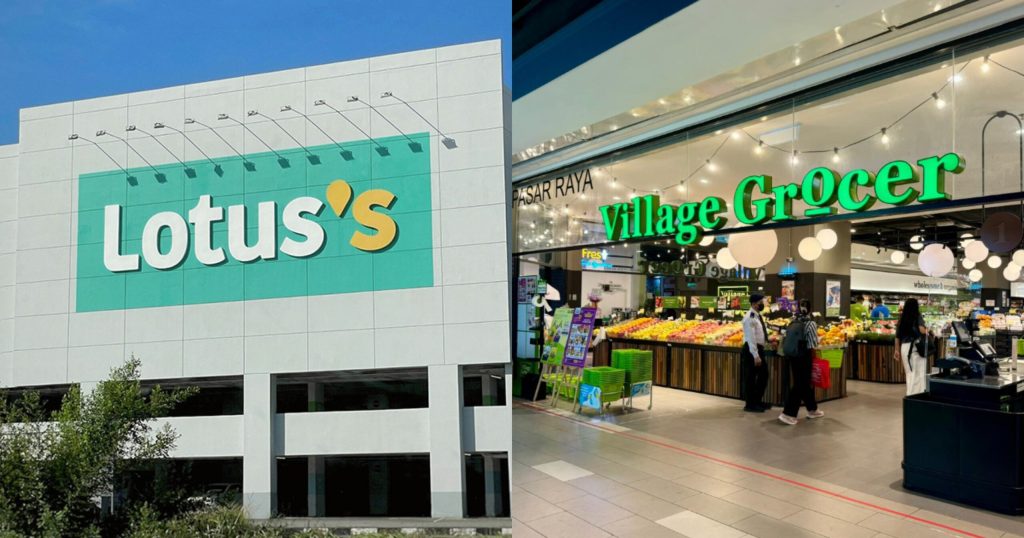
Lotus’s Malaysia, the Malaysian subsidiary of Thailand’s Charoen Pokphand Group retail business, is set to acquire Village Grocer along with four other retail brands in a deal valued at RM1.66 billion, according to reports by Says.com. The acquisition marks a major expansion for Lotus’s in Malaysia, strengthening its footprint in the country’s growing retail sector. Village Grocer, known for its premium supermarket offerings, has built a loyal customer base, while the additional four brands further diversify Lotus’s portfolio, spanning mid-market and convenience store segments. Industry analysts say the move positions Lotus’s Malaysia to better compete with both local and international supermarket chains, as consumer spending and modern retail demand continue to grow. The acquisition also reflects a broader strategy by the Charoen Pokphand Group to consolidate its retail operations in Southeast Asia and capture synergies across multiple store formats. Lotus’s Malaysia has not yet disclosed details regarding the integration plan for the acquired brands, but reports suggest the company will maintain existing management teams to ensure operational continuity while aligning corporate strategy across the group. The RM1.66 billion deal is expected to significantly boost Lotus’s market share in Malaysia and provide access to new customer segments. It also underscores the growing appetite for consolidation in the Malaysian retail sector, where competition is intensifying and scale is increasingly crucial for profitability. Regulatory approvals for the acquisition are expected to be sought in the coming months, with completion anticipated later in the year, subject to compliance with Malaysian competition and corporate regulations.

ESG

Vietnam Signs $974 Million LNG Deal To Boost Energy Security

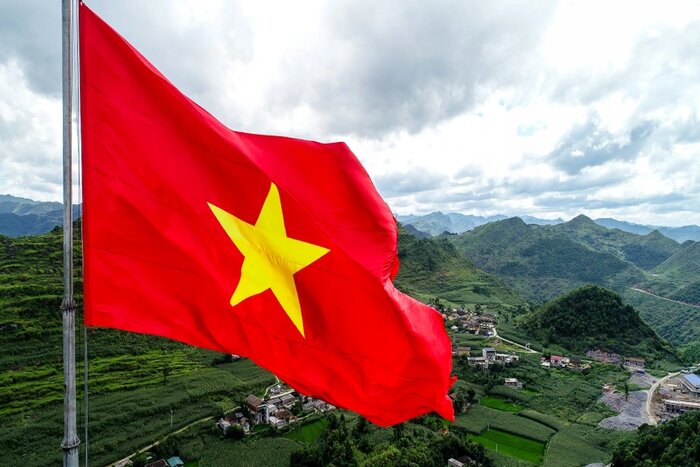
Vietnam is accelerating its liquefied natural gas (LNG) development to meet surging electricity demand amid strong economic growth. State utility Electricity of Vietnam (EVN) has awarded a $974 million construction contract to a consortium led by PowerChina and Lilama to build the Quang Trach II LNG power plant in central Quang Tri province. Once completed, the facility will provide 1,612 megawatts of capacity, making it one of the country’s largest new power generation assets. The move comes as Vietnam’s economy expanded 8% last year, driving industrial growth and putting pressure on the national grid. EVN described Quang Trach II as both an energy security measure and a transitional climate investment, noting that it will enhance grid reliability while supporting the country’s greenhouse gas reduction commitments. Vietnam’s energy mix remains heavily coal-dependent, with coal generating over 40% of electricity. The new LNG plant reflects a pragmatic shift toward lower-carbon fuels as the country ramps up renewable energy deployment. LNG offers faster deployment compared with large-scale renewables and adds flexibility to the grid during the transition. The project will use General Electric Vernova turbines, highlighting the growing involvement of international technology providers in Southeast Asia’s energy buildout. Analysts see Quang Trach II as part of a broader strategy to diversify the energy mix, reduce reliance on coal imports, and balance investor expectations on emissions and governance. The partnership between PowerChina and Lilama underscores Vietnam’s reliance on foreign engineering expertise for major energy projects, even amid geopolitical competition and increasing scrutiny of environmental, social, and governance (ESG) factors. Set to be fully operational by 2030, the plant aligns with Vietnam’s medium-term power development roadmap. As electrification expands across manufacturing hubs and urban centres, reliable supply will be critical to sustaining economic momentum and attracting foreign investment. For executives and investors, Quang Trach II highlights the challenge for emerging markets to balance energy security, economic growth, and climate commitments. While LNG reduces emissions compared with coal, it still extends fossil fuel reliance, raising questions about long-term sustainability. Policy updates and financing structures for similar projects will be closely watched by ESG investors and multinational stakeholders. Quang Trach II reflects a wider regional trend: governments are increasingly investing in transitional fuels to maintain economic stability while building the infrastructure needed for a low-carbon future.

Investment & Market Trends

Oil Market Volatility May Drive Wider Gold Price Swings

Gold futures contracts on Bursa Malaysia Derivatives are anticipated to trade within a broader range next week, as heightened volatility in the oil market begins to shape the wider macroeconomic outlook. Stephen Innes, managing partner at SPI Asset Management, noted that persistent tensions in West Asia and a surge in crude oil prices could place additional pressure on gold prices. “If the West Asia crisis continues without signs of easing and crude oil approaches a worst-case scenario near US$120 per barrel, the correlation we have observed between oil, yields, and the dollar suggests that gold could face further downward pressure from higher interest rates and a firmer US dollar,” he said. Under typical conditions, gold is expected to trade within roughly US$50 per troy ounce week-to-week. However, Innes added that current energy market volatility makes such predictions less reliable. “For now, I am expecting a broader trading range of around US$5,025 to US$5,125 per troy ounce,” he said. On a week-on-week basis, Bursa Malaysia gold futures contracts saw modest declines. The March 2026 contract fell to US$5,103.8 per troy ounce from US$5,128.50 previously, while April 2026 decreased to US$5,122.6 per troy ounce from US$5,147.0. The May 2026 contract dropped to US$5,141.8 per troy ounce from US$5,166.10, and June and August 2026 contracts settled lower at US$5,175.7 per troy ounce, down from US$5,200.0 per troy ounce. Weekly trading activity also showed a decline. Trading volume narrowed to 48 lots, down from 73 lots a week earlier, while open interest eased to 78 contracts, compared with 100 contracts previously. In the physical market, gold was fixed at US$5,130.1 per troy ounce during the London Bullion Market Association (LBMA) afternoon fix on March 12, 2026. Market analysts noted that while gold is traditionally seen as a safe-haven asset during periods of geopolitical uncertainty, its performance is increasingly linked to energy prices, interest rates, and the strength of the US dollar. Investors are expected to closely monitor developments in the Middle East and the oil market, as these factors are likely to influence gold’s short-term direction and trading range in the coming week.

ESG

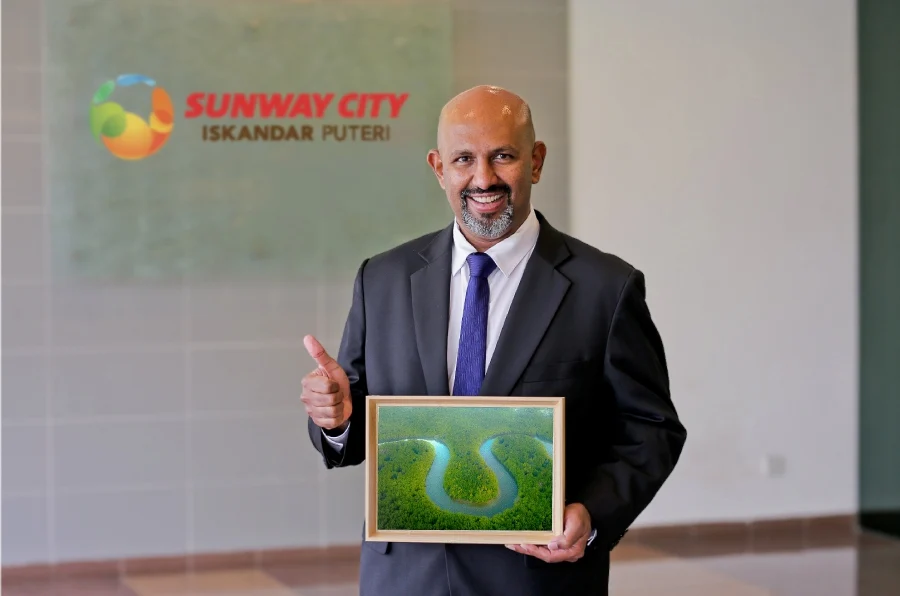
Sunway Invests RM23m To Expand SJK(C) Cheah Fah In Johor

SJK (C) Cheah Fah has begun the second phase of its expansion, backed by a RM23 million investment from Sunway Group, to accommodate rising student enrolment as Johor’s southern corridor continues to grow. The primary school, which opened in 2022 with RM18 million in funding from Sunway Group and the Jeffrey Cheah Foundation, was the first of 10 Chinese national-type schools approved under the Johor state government’s allocation. Sunway City Iskandar Puteri chief executive officer Gerard Soosay said the expansion reflects the increasing demand for quality education as the township evolves into a family-oriented community. “Education remains one of the most powerful pathways out of poverty and a key driver of social mobility. This expansion ensures that public schooling capacity grows alongside the increasing population in the area,” he said in a statement. Currently, the school has more than 820 students and is approaching its existing capacity of 1,000 pupils. The new expansion will add 12 classrooms, increasing the school’s capacity to about 1,500 students. The canteen will also be upgraded to accommodate all students at the same time. The design of the new facilities also takes into account possible future policy changes, including the government’s proposal to allow six-year-olds to enrol directly into Standard One. To date, Sunway has contributed RM23 million to the school, including an additional RM5 million pledged following a fundraising dinner held in 2025, which raised RM1 million from more than 900 donors. According to Sunway, construction will proceed without disrupting ongoing classes and is expected to be completed by the end of the year. The expansion comes amid renewed economic momentum in Johor, driven by rising industrial investments, increased cross-border activity and growing residential demand. Once completed, the expanded campus is expected to further strengthen Sunway City Iskandar Puteri’s position as a family-focused township centred on education, while reflecting Sunway’s continued support for national-type schools. SJK (C) Cheah Fah is one of eight schools nationwide adopted by Sunway Group and the Jeffrey Cheah Foundation, Malaysia’s largest education-focused social enterprise. To date, the foundation and Sunway have contributed more than RM62 million to these schools and awarded over RM967 million in scholarships and grants to thousands of students across the country.

Investment & Market Trends

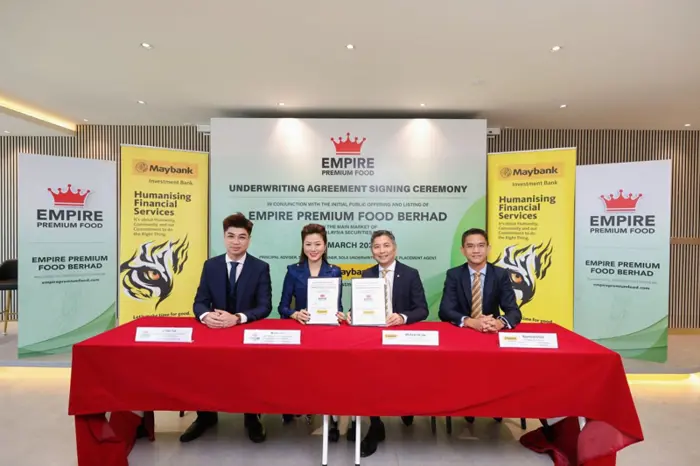
Empire Sushi Owner Partners With Maybank IB For IPO

Empire Premium Food Bhd, the owner of the popular Empire Sushi brand, has signed a retail underwriting agreement with Maybank Investment Bank Bhd (Maybank IB) for its upcoming initial public offering (IPO) and proposed listing on the Main Market of Bursa Malaysia. From left: Empire Premium Food Bhd non-independent executive director and COO Jordan Tan, Empire Premium non-independent executive director and CEO Nicole Lim, Maybank Investment Bank Bhd chief executive officer Micheal Oh-Lau and Maybank Investment Bank managing director and regional head of equity capital market Raymond Chooi. The agreement marks a key step in Empire Premium Food’s plans to raise capital from public investors, enabling the company to fund expansion initiatives and strengthen its presence in Malaysia’s growing food and beverage sector. Under the underwriting arrangement, Maybank IB will manage the retail portion of the IPO, ensuring smooth subscription and allocation for investors. This also provides confidence to the market that the IPO process will be well-structured and professionally managed. Empire Premium Food, known for its premium sushi and Japanese cuisine outlets, has seen strong growth in recent years, driven by increasing consumer demand for high-quality dining experiences. The capital raised from the IPO is expected to support the company’s strategic growth plans, including new outlet openings, technology upgrades, and potential regional expansion. Management said the IPO is part of its broader strategy to create long-term shareholder value while enhancing brand visibility in Malaysia’s competitive food and beverage market. The listing on Bursa Malaysia’s Main Market will also allow public investors to participate in the growth of Empire Premium Food as it scales operations and strengthens its position in the F&B industry.

Property

Chin Hin Purchases Industrial Property In Kota Damansara

Chin Hin Group Property Bhd has announced plans to acquire an industrial property in Kota Damansara, Selangor, from Signature Cabinet Sdn Bhd, a wholly-owned subsidiary of Signature International Bhd, for RM66 million. In a filing with Bursa Malaysia, Chin Hin said the acquisition forms part of its strategy to expand its property and industrial portfolio, enabling the group to diversify its income streams and strengthen its presence in key growth areas. The property, located in the well-established industrial hub of Kota Damansara, is expected to support Chin Hin’s ongoing operations and investment objectives, providing potential for rental income or future development. Chin Hin added that the acquisition is subject to the completion of due diligence and any regulatory approvals required under Malaysian corporate and property laws. Management noted that the transaction aligns with the company’s long-term strategy to grow its asset base while maximising shareholder value. The deal also reflects a growing trend among Malaysian property developers to strategically acquire industrial and commercial assets in high-demand areas to capitalise on steady industrial growth and demand for modern facilities.

Property

Exsim Unit Secures RM73.7m Job From Binastra

Exsim Hospitality Bhd’s wholly-owned subsidiary, Exsim Concepto Sdn Bhd (ECSB), has secured a subcontract to supply and install building services and undertake general building works from Binastra Builders Sdn Bhd, marking a strategic step for the company’s planned business expansion. In a filing with Bursa Malaysia, Exsim said the subcontract is valued at RM73.66 million. ECSB, which specialises in providing fit-out services for hospitality property assets, will be responsible for executing the subcontract in line with the master work programme prepared by Binastra. The main contract, under which ECSB’s work falls, commenced on April 29, 2025, and is scheduled for completion on September 28, 2028. The scope of work for ECSB includes both building services and general building construction activities, reflecting the company’s growing capabilities in handling larger-scale projects beyond its traditional fit-out services. Exsim noted that the implementation of the subcontract is subject to approval by shareholders for its proposed diversification into general contracting. This will be discussed at an upcoming extraordinary general meeting (EGM). The move into general contracting aligns with the group’s strategy to expand its revenue streams and leverage ECSB’s existing expertise in hospitality property development to enter new markets. According to the filing, ECSB will carry out its work in close coordination with Binastra, adhering to the project’s master schedule and quality standards. Management said the collaboration with Binastra provides an opportunity for ECSB to enhance its portfolio and strengthen its presence in the construction and property development sector. The subcontract win is also seen as part of Exsim Hospitality’s broader growth strategy, which seeks to diversify its business operations and capitalise on emerging opportunities in Malaysia’s construction and property market.

Property

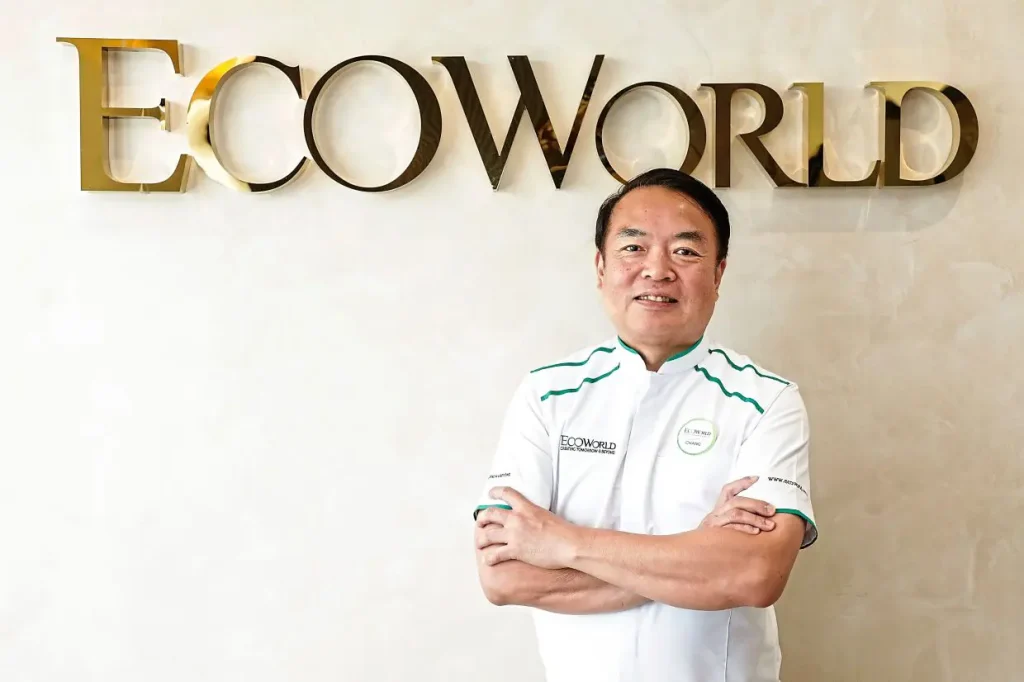
EcoWorld, JLand To Co-Develop RM2.5bn Projects

Eco World Development Group Bhd (EcoWorld Malaysia) has partnered with Johor Corp’s JLand Group through its subsidiary, JLG Investment Holdings Sdn Bhd (JLGIH), to jointly develop three major projects in Malaysia and Australia with a combined estimated gross development value (GDV) of nearly RM2.5 billion. Eco World Development Group Bhd president and CEO Datuk Chang Khim Wah. The partnership is structured through three separate subscription and shareholders’ agreements (SSAs), covering what the companies describe as “three distinct but complementary developments.” Macquarie Development, SydneyEcoWorld’s first direct residential project in Australia, Macquarie Development, will feature a 16-storey tower with 123 units on a 2,751 sq m site. The project, with an estimated GDV of AU$153 million, is slated for launch in the fourth quarter of 2026 (4Q26) and will be held under Versione NODE Sdn Bhd, a 50:50 joint venture between EcoWorld’s wholly-owned subsidiary Ascension Synergy Sdn Bhd (ASSB) and JLG Land Macquarie Park Sdn Bhd. Versione NODE recently acquired the land for RM89.66 million from EWI Capital Bhd, in which EcoWorld holds a 30% stake. Larkin Development, Johor BahruThe second project, Larkin Development, will be managed under Versione WKND Sdn Bhd, a 50:50 joint venture between ASSB and JLG Land Bhd. Located on 34,156.5 sq m (8.44 acres) of freehold land, it will feature a mixed-use development with serviced apartments, retail spaces, and a hotel. The project carries an estimated GDV of RM1.02 billion and is expected to launch in 4Q26. IBTEC Industrial Development, Kulai, JohorThe third project is an industrial development in Kulai, Johor, managed by Eco Business Park 9 Sdn Bhd, a 50:50 joint venture between ASSB and JLG Technopark Sdn Bhd. Spanning 316.15 acres of leasehold land within IBTEC South, infrastructure works are set to begin in 2Q26, with a full launch expected in 1Q28. The project carries an estimated GDV of RM1.01 billion and is intended to support industrial growth in Iskandar Malaysia. In a joint statement, EcoWorld Malaysia and JLand Group said the partnership aims to combine their complementary strengths, capabilities, and resources to deliver developments tailored to the needs of each market. Funding for the projects will be managed by the jointly-owned entities — Versione NODE, Versione WKND, and Eco Business Park 9. As a 50% shareholder, EcoWorld Malaysia will provide its share of the financing for acquisitions and development costs. Datuk Chang Khim Wah, president and CEO of EcoWorld Malaysia, said the partnership creates a platform for long-term, diversified growth beyond individual projects. “Together, these three developments represent a strategic partnership built on collaboration, scale, and long-term value creation,” he said. EcoWorld Malaysia holds a landbank of 11,956 acres across the Klang Valley, Iskandar Malaysia, Penang, and Negeri Sembilan, with a total estimated GDV of RM98 billion.

Investment & Market Trends

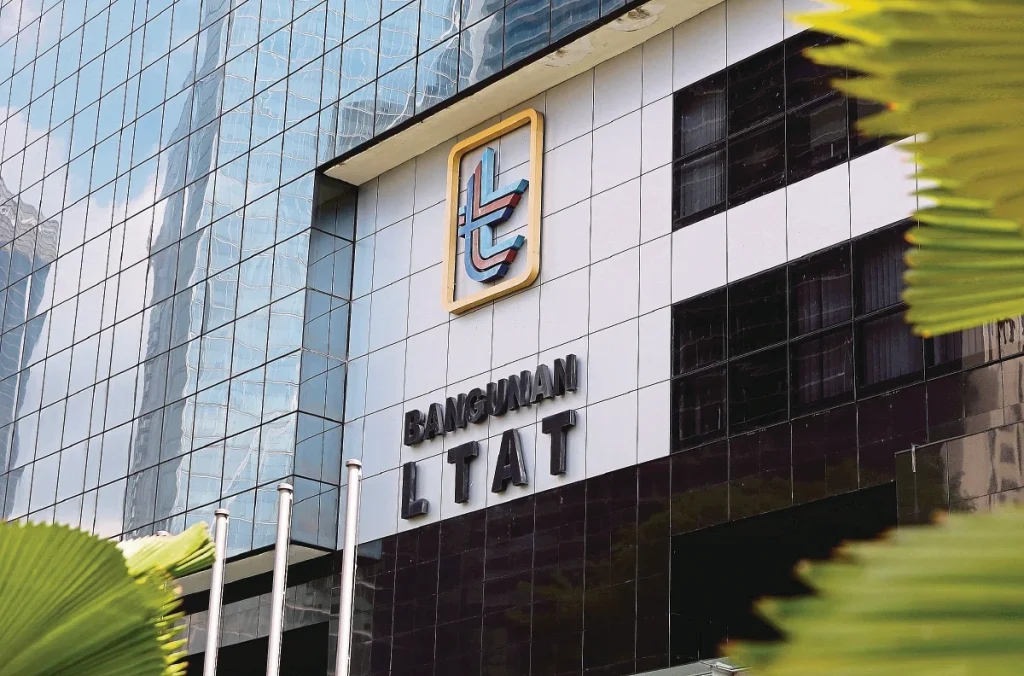
LTAT Looks To Technology Sector For Growth

The Armed Forces Fund Board (LTAT), Malaysia’s pension fund for armed forces personnel, is exploring opportunities to expand its investment portfolio into the technology sector, including the United States, as part of efforts to enhance long-term returns. According to sources familiar with the matter, LTAT is currently in discussions with relevant authorities to obtain approval for the proposed move. The plan, if greenlit, would see the fund diversify beyond traditional sectors such as property, infrastructure, and fixed income, tapping into high-growth industries that could generate stronger returns over time. The US technology sector, once a “hot” market for investors, has recently seen more cautious sentiment amid market volatility and geopolitical concerns. Despite this, LTAT believes selective exposure could provide attractive opportunities, particularly in companies with strong fundamentals and long-term growth potential. A spokesperson for LTAT said the fund is committed to ensuring that any new investment strategy aligns with its mandate to safeguard and grow the retirement savings of Malaysia’s armed forces personnel. “Our goal is to optimise returns for our members while managing risk prudently. Expanding into high-potential sectors such as technology is part of this strategy,” the spokesperson said. Industry analysts noted that Malaysian pension funds, including LTAT, are increasingly looking overseas and into growth sectors as domestic opportunities become limited or overvalued. By targeting areas such as US tech, LTAT aims to diversify currency exposure, tap into innovation-driven growth, and position the fund for long-term resilience. While details of the fund’s potential investment plan remain under review, market watchers will be closely monitoring LTAT’s moves, as any approval could signal a broader trend of Malaysian institutional investors seeking higher returns through selective exposure to global technology companies.

Scroll to Top

Subscribe
FREE Newsletter