Author name: admin

YB Chang Lih Kang, The Ministry of Science, Technology, and Innovation (MOSTI)
The Executives

Malaysia to be Biggest Hydrogen Exporter in SEA Region

In recent years, the world has been jumping on the renewable energy (RE) bandwagon, with more people adopting sustainable practices in multiple aspects of their businesses and lives. So far, the most common type of renewable green energy (RE) has been solar energy, as it is known to be the cleanest and most abundant RE source.  However, certain countries are already taking the next step in developing a more sustainable, cleaner energy that could also be easily accessible and affordable: hydrogen.  Back in October 2023, the Malaysian government launched its Hydrogen Energy and Technology Roadmap (HETR) which outlines initiatives to strategically position the country in the centre of the global hydrogen ecosystem.  As highlighted in the HETR, Prime Minister Datuk Seri Anwar Ibrahim said that hydrogen has a huge potential to be the cornerstone for new energy and economic driver for Malaysia and that developing this potential requires investment in hydrogen technologies to promote domestic consumption, ensure generation stability, provide security of affordable energy, sustain international energy trading, and decarbonise emissions.  “I am delighted that the Ministry of Science, Technology and Innovation (MOSTI) created the HETR to guide the development of Malaysia’s hydrogen economy (and) pave the way to achieving environmentally sustainable, long-term energy security for Malaysia, driven by technological innovation,” he said.  Anwar added that the roadmap provides a clear deployment pathway to scale up hydrogen economy and technology to drive both supply and demand, simultaneously.  “We need to invest in new infrastructure to develop and distribute hydrogen to expand its economy of scale, as well as in new technologies and cultivating talents,” he continued.  Echoing this sentiment, MOSTI Minister Chang Lih Kang expressed the government’s intention to position Malaysia as a global leader in the emerging hydrogen economy by 2050, leading the ASEAN region and establishing a robust presence in the hydrogen to the Asia Pacific region, thereby promoting energy security, affordability and sustainability to the country.  “I believe that hydro is the way forward. Even now, globally, there are quite a number of countries that have already started in developing their hydrogen economy. Given our advantage in green hydrogen production, we’re also looking to become the regional leader in this very attractive and lucrative hydrogen economy.  “Other countries such as Japan in 2017, Australia in 2019 and Singapore in 2022, have launched their national hydrogen strategies in recent years, so it was timely for Malaysia to do the same,” Chang said in an exclusive interview with The Exchange Asia.  According to Chang, the global green hydrogen market is projected to reach a staggering US$189.19 billion by 2050, with Asia Pacific accounting for 43% of this market, followed by ASEAN with 13%, and Malaysia at 2%.  By tapping into this market, Malaysia has the potential to generate revenues estimated to be worth at least RM905 billion by 2050, under what is known as the Emission Driven Scenario (EDS) that comes with interventions through the introduction of hydrogen in the economy and has decarbonisation targets of 5%-10% greenhouse gas emission (GHG) reduction.  Chang also revealed that Sarawak has been taking the lead in driving Malaysia’s hydrogen economy forward through smart joint ventures and project investments, as the state already has access to low-cost renewable electricity from hydropower.  “Similar to other types of technology, during the initial stages, everything is about costs, and it can get a bit expensive to develop and implement. However, looking at the progress of (hydrogen) technology, eventually, we will come to a point where we can reach the level of feasibility in the ecosystem.  “If we look at other countries’ experiences, we can already witness successful case studies and examples to show that hydro tech really works wonders as an alternative clean fuel. Not only in mobility but also in other heavy industries that would utilise large amounts of energy,” Chang elaborated.  Achieving HETR’s ‘Ambitious Target’  By implementing the initiatives outlined in the HETR, the government is expecting to generate about RM12.1 billion in national revenue by 2030 through a ‘Build Some, Buy Some’ concept where certain available technologies are demonstrated, scaled-up and deployed first (Build Some) and complementary external technologies are to be procured (Buy Some).  This concept is also crucial in achieving low hydrogen generation costs in the global market for the development of a complete economic ecosystem.  “Under EDS, the HETR projects that RM12.1 billion in revenue will be generated from using hydrogen in industrial sectors, specifically non-energy and heat applications.  “By 2030, the use of hydrogen is expected to be up to 32.297 TWh (Tera Natt-hours) in non-energy applications, followed by up to 1.068 TWh for industrial heat boilers. This will also result in a projected 1.3% GHG reduction by 2030. Additionally, the cost of green hydrogen, from water through RE (solar, hydropower, etc) or bio-based feedstocks, will be between US$1.35-4.82 per kg by 2030,” Chang explained.  He continued by saying that Sarawak has already established 2 hydrogen production plants, with expectations of exporting 240,000 tonnes of hydrogen to Japan and Korea by 2028.  According to Chang, there are various other initiatives that the government is currently discussing with industry players in Borneo and the Peninsular in terms of production, storage and tech adoption.  “Because we already started on the hydrogen initiative before the roadmap was even launched, selected industry players are already in the market, but we are looking at how to further reduce the cost of production and distribution,” he said, adding that the level of adoption is crucial in making these initiatives a success.  Chang stated that the government plays an important role in educating and enlightening the public on the feasibility of hydrogen utilisation, which is the first phase of the HETR.  For this, the National Nanotechnology Centre (NNC), a division under MOSTI, is the ministry’s focal point for leading and implementing hydrogen initiatives.  Recently, the NNC hosted the National HETR Steering Committee Meeting on 25 July 2024, to which the committee is responsible for ensuring the planning and implementation of the HETR to ensure that
News

Sapura Industrial Berhad and Mili Tech Sdn Bhd Form Strategic Joint Venture to Accelerate Malaysia’s Electrified Vehicle Growth and Sustainability Goals

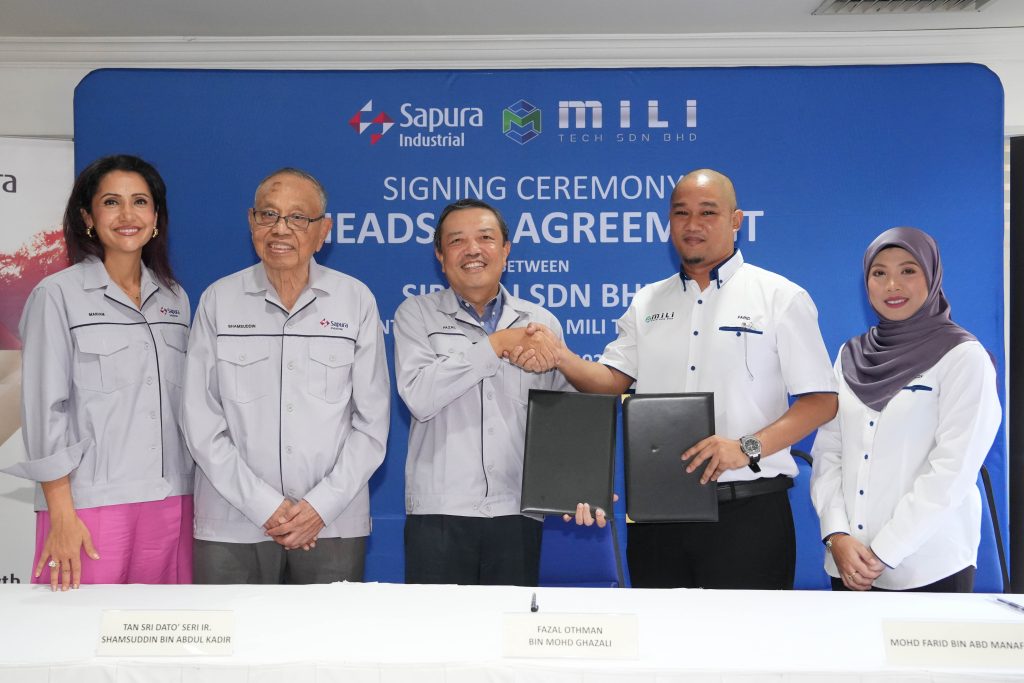
BANGI: As Malaysia accelerates its transition towards a sustainable, electrified future, Sapura Industrial Berhad (SIB), through its wholly owned subsidiary SIB Ventures Sdn Bhd, has signed a binding heads of agreement with Mili Tech Sdn Bhd to form a joint venture (JV) under the entity SIB Mili Sdn Bhd. This collaboration follows the successful completion of feasibility studies initiated after the Memorandum of Understanding (MOU) signed on 24 April 2024. The JV is set to become a key player in the electrified vehicle (xEV) sector, focusing on delivering a range of products and services that support the growing demand for sustainable mobility solutions in Malaysia. Key Areas of Focus for SIB Mili Sdn Bhd: After-sales service and maintenance for xEVs. Refurbishment, repurposing, and recycling (3R) of xEV batteries to minimize environmental impact. Training and certification programs aimed at upskilling local talent to meet the increasing demand for xEV expertise. The operations of SIB Mili Sdn Bhd will be based in Kajang, with plans to launch three flagship service centres over the next three years. Supporting Malaysia’s Green Vision This joint venture aligns with Malaysia’s national vision for enhancing electric vehicle (EV) adoption, as outlined in the Low Carbon Mobility Blueprint (2021-2030) and the National Automotive Policy (NAP 2020). These strategic frameworks aim to position Malaysia as a regional hub for next-generation vehicles while promoting sustainability and resource efficiency. Currently, Mili Tech Sdn Bhd operates two EV/Hybrid Service Centres in Kajang, enhancing the JV’s regional presence. Leadership Comments: Fazal Othman Mohd Ghazali, President of Industrial Business at SIB Group, commented: “This joint venture strengthens our commitment to innovation and sustainability, while also building a robust ecosystem for xEVs in Malaysia. Our focus on battery recycling and talent development is crucial for ensuring long-term success in the country’s electrification journey.” Mohd Farid bin Abd Manaf, Chief Executive Director & Founder of Mili Tech, added: “Malaysia is on the brink of a transformative shift in mobility. This partnership comes at a critical moment as the country accelerates the adoption of green technologies. By working together, we will provide innovative services that enhance the xEV landscape and contribute to a circular economy, ensuring that the transition to electric vehicles is both efficient and environmentally responsible.” Fazal Othman Mohd Ghazali further emphasized: “This partnership perfectly complements Malaysia’s growing EV sector. With our comprehensive services—from maintenance to battery recycling—we are well-positioned to support the country’s shift towards greener mobility. Our immediate expansion plans will help lead the way in building a more sustainable future for Malaysia.” Aiding Malaysia’s National EV Goals The partnership between SIB and Mili Tech comes as Malaysia is ramping up efforts to meet the government’s goal of 15% electric vehicle adoption by 2030. This goal is supported by several national initiatives, including: The Low Carbon Mobility Blueprint (2021-2030), aimed at reducing carbon emissions in the transport sector. The National Automotive Policy (NAP 2020), which promotes the development of next-generation vehicles and green technologies. Incentives for EV ownership, such as tax exemptions and subsidies for EV charging infrastructure. Through its services, SIB Mili Sdn Bhd will play a vital role in driving Malaysia’s xEV ecosystem forward, contributing to the nation’s sustainability and efficiency objectives.

News

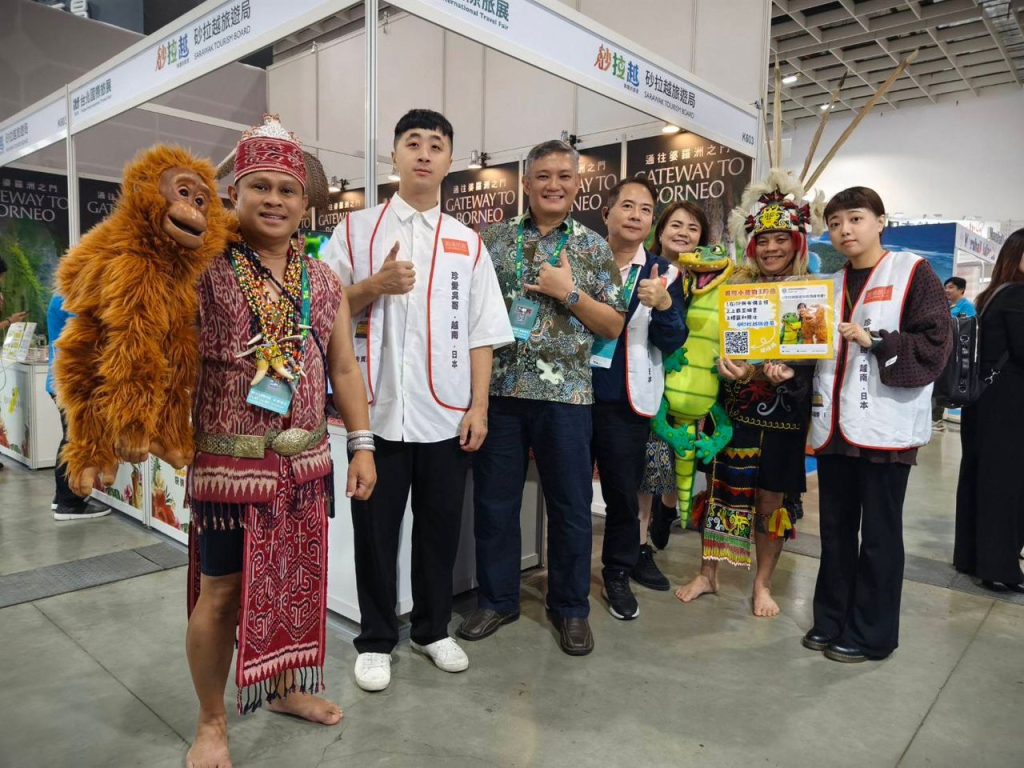
Sarawak Tourism Board Highlights Unique Travel Experiences at Taipei International Travel Fair 2024

KUCHING: The Sarawak Tourism Board (STB), in collaboration with Royal Brunei Taiwan, presented Sarawak’s distinct travel attractions to Taiwanese audiences at the Taipei International Travel Fair (ITF) 2024, held from November 1-4 at Nangang Exhibition Hall 1. With nearly 350,000 attendees, the event highlighted Sarawak’s diverse tourism pillars, aligning with the Taiwanese preference for authentic cultural experiences and nature-focused holidays. Sarawak’s UNESCO World Heritage sites—Mulu and Niah National Parks—stood out as primary attractions, alongside popular wildlife tours and cultural heritage sites, such as the Sarawak Cultural Village and longhouse stays. Taiwanese visitors also showed keen interest in Sarawak’s culinary offerings, including the Sarawak Laksa and Kolo Mee. STB’s booth emphasized Sarawak’s CANFF pillars (Culture, Adventure, Nature, Festivals, and Food), offering a well-rounded representation of its natural and cultural riches. These experiences continue to draw Taiwanese tourists who seek immersive travel options, providing a vibrant introduction to Sarawak’s heritage and landscapes. Three Taiwanese travel companies introduced exclusive Sarawak travel packages, garnering significant interest. Royal Brunei Taiwan further enhanced Sarawak’s appeal by promoting a dual-destination package, allowing Taiwanese tourists to explore both Kuching and Brunei, offering them an enriched travel experience. “We are thrilled with the positive response from Taiwanese travellers at ITF 2024,” remarked Dylan Redas Noel, STB’s Director of Marketing for North Asia and New Markets. “Sarawak’s offerings align seamlessly with Taiwan’s market preferences, and we are confident that the enthusiasm generated will increase Taiwanese visitor arrivals.” Earlier in 2024, a successful B2B session in Taipei and Taichung increased Taiwanese visitor interest, positioning Taiwan as one of Sarawak’s top 10 markets. With Taiwan’s outbound travel rising, STB is committed to enhancing its regional presence and providing Taiwanese travellers unforgettable Sarawak experiences. The Taipei International Travel Fair, showcasing 1,500 booths from 111 countries alongside prominent Taiwanese travel agencies, hotels, airlines, and attractions, remains a premier platform for global travel. STB’s participation highlights its commitment to engaging this growing market and positioning Sarawak as a top holiday destination.

Energy & Technology

New Research Highlights AI and Low-Code Synergy Accelerating Application Development in Asia-Pacific

SINGAPORE: As businesses across the Asia-Pacific (APAC) region demand faster application development to keep pace with digitalization, AI-powered low-code solutions are enabling organizations to drive innovation and greater productivity. This is highlighted in a new IDC InfoBrief titled Mission-Critical Software, Delivered: Harnessing the Synergy of Low Code and GenAI, sponsored by OutSystems, a global leader transforming how companies innovate through software. The research shows that over 60% of applications in APAC are legacy systems, posing hurdles like rigid architectures and high maintenance costs. The skills shortage exacerbates these issues, and modernizing these systems remains a priority for enterprises. However, outdated frameworks and low developer productivity often hinder progress. To overcome these obstacles, 68% of APAC enterprises are turning to modern development tools—including low code, integrated development environments (IDEs), and DevOps. While low-code platforms can streamline software development by enabling faster application creation with minimal coding, AI-powered low-code solutions take this a step further by automating complex processes and delivering intelligent insights, which boost efficiency and spark innovation. As a result, 25% of APAC enterprises are now prioritizing the integration of generative AI (GenAI) into developer tools to drive more intelligent application development. This trend is consistent across the APAC region, with a notable uptake in Australia (25%), India (24%), Japan (26%), and Southeast Asia (23%). “We are witnessing unprecedented levels of productivity and innovation unlocked for businesses in APAC through the synergistic relationship between GenAI and low code,” said Mark Weaser, Vice President, APAC at OutSystems. “In today’s competitive landscape, OutSystems is proud to remain committed to empowering APAC enterprises to deliver mission-critical applications at scale and overcome challenges such as talent shortages and evolving market demands.”   AI and Low-Code: The Future of Intelligent App Development IDC forecasts that by 2026, 40% of net-new applications in APAC will be “intelligent apps,” which incorporate GenAI to elevate existing user experiences and unlock new use cases. Top impact areas of GenAI in software development and design include increased productivity (61%), high value dev tasks/creativity (50%), and accelerated developer velocity (40%). Additional findings reveal that AI and automation initiatives, along with application development platforms, are among the most resilient to budget cuts, even in uncertain economic climates. In fact, 30% of APAC enterprises are willing to pay a premium of 11-20% for GenAI features integrated into app development environments. “Our research shows that many businesses in the region are actively considering opportunities to layer GenAI with low-code technologies,” said Daniel-Zoe Jimenez, Vice President, Digital Innovation, Software, CX, SMB/DNB and Channels Research, IDC Asia/Pacific. “One of the main benefits of this integration is that it can help organizations accelerate their legacy modernization journeys. This approach can shorten the software development life cycle, while maintaining high application performance.”   Low-Code is Here to Stay for APAC Enterprises Low-code adoption continues to accelerate across APAC, with one-third (33%) of enterprises recognizing it as a critical tool for driving automation and future-proofing their businesses. This trend is not limited to the APAC region – IDC predicts that by 2025, more than 60% of enterprises globally will adopt low-code technologies to enable faster application delivery and improve operational efficiency.   By region, Southeast Asia and Hong Kong lead APAC respectively with 49% of enterprises prioritizing low code for automation solutions, followed by India (35%) and Australia (31%). These figures point to a continued recognition of low code’s strategic value in driving competitive advantage within a disruptive landscape, especially as businesses face demands to deliver apps and innovate more efficiently amidst economic uncertainty and a shortage of skilled developers.   “The integration of GenAI with low-code technologies is poised to meet the increasing demand for rapid application delivery and legacy modernization,” said Dhiraj Pramod Badgujar, Senior Research Manager, XOps Software Development and AI Developer Strategies Practice, IDC Asia/Pacific. “Our research reveals that organizations across the region are rapidly embracing this powerful combination to accelerate software release cycles and significantly enhance productivity.”

Energy & Technology

ViewQwest Debuts Cloud-Based Gateway to Meet Industry Benchmarks for Email Security

SINGAPORE: ViewQwest has partnered with Lightspeed Technologies, an enterprise solution provider and leading email security expert, to unveil the ViewQwest SecurEmail Gateway at GovWare 2024, held from 15 to 17 October. This new solution offers businesses a quick and seamless way to secure their email systems, bolstering protection against email-based threats and vulnerabilities. The cloud-based SecurEmail Gateway aligns with best practices from the Cyber Security Agency of Singapore’s (CSA) Internet Hygiene Portal (IHP) for email and domain security. By adopting the SecurEmail Gateway, businesses can achieve a perfect score of 100 in the IHP’s comprehensive online security assessment. The Need for Email Security While messaging apps and cloud-based tools are on the rise, email remains central to business communications, enabling seamless collaboration and information sharing. However, email protocols were developed long before cybersecurity became a priority, leaving email susceptible to threats such as spoofing and phishing. One critical vulnerability stems from the original email protocol’s lack of verification and encryption features. Just as a letter with a fake return address could deceive, email in its raw form allows bad actors to impersonate trusted contacts and exploit user trust through social engineering. Understanding CSA Best Practices Over time, several email security protocols have emerged to address these vulnerabilities. However, consistently deploying these protocols can be complex and resource-intensive, leaving many organizations without optimal email security. Protocols such as DKIM add digital signatures to verify email integrity during transit. SPF limits the servers authorized to send emails on behalf of a domain, preventing spoofing, while DANE validates server authenticity to prevent man-in-the-middle attacks. Even major providers like Office 365 and Google Workspace may not have the most optimal security settings enabled. The same challenge applies to many telecommunication providers due to the balancing act between user convenience and comprehensive security measures or a lack of awareness by customers. To raise awareness and promote robust email security, the CSA has introduced a comprehensive checklist for best practices and an online assessment tool for businesses to gauge the security status of their email systems. One-Step Solution for Enhanced Email Security ViewQwest’s SecurEmail Gateway offers a streamlined, cost-effective way for businesses to strengthen email security without overhauling their current systems. Available as a SaaS solution, it integrates easily with major platforms like Google Workspace, Office 365, Microsoft Exchange, and custom email servers. Through simply configuring their existing email server to work with the SecurEmail Gateway, businesses can instantly enhance email security to meet and exceed CSA recommendations. This solution ensures adherence to CSA best practices and strengthens the organization’s email security posture. While there is no absolute guarantee against spoofing and attacks, adhering to CSA guidelines can significantly mitigate risks and strengthen an organisation’s overall email security posture. With ViewQwest SecurEmail Gateway, organizations can achieve full compliance with CSA guidelines in just one-step.

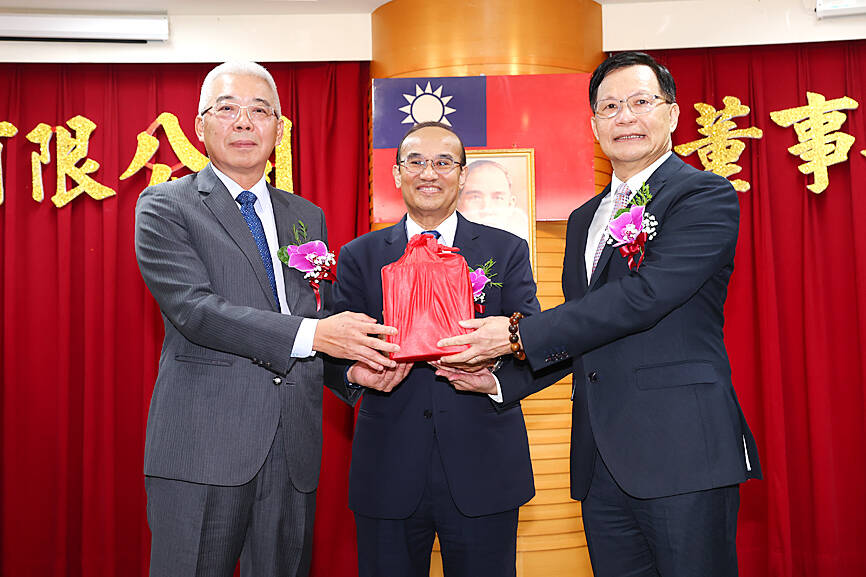
Newly appointed CPC Corp, Taiwan chairman Fang Jeng-zen, left, and president Michael Chang, right, hold the seal of office with Vice Minister of Economic Affairs Lien Ching-chang at an inauguration ceremony in Taipei yesterday.
News

CPC Proposes Four-Year Plan Following Losses

State-owned oil refiner CPC Corp, Taiwan (CPC) has proposed a four-year capital increase plan to improve its financial standing after accumulating losses of NT$62.7 billion (US$1.96 billion) by the end of October—equivalent to about 48% of its NT$130.1 billion paid-in capital. CPC’s new chairman, Fang Jeng-zen, announced the plan during his inauguration ceremony in Taipei, stating that NT$350 billion would be raised over four years, subject to approval by the Ministry of Economic Affairs. CPC, a leading oil supplier and gas importer, plays a strategic role in the government’s energy transition, which aims to increase natural gas usage for power generation and develop alternative energy sources, such as geothermal and hydrogen, to achieve net zero emissions. Photo Caption: Newly appointed CPC chairman Fang Jeng-zen (left) and president Michael Chang (right) hold the official seal alongside Vice Minister of Economic Affairs Lien Ching-chang during the inauguration ceremony in Taipei. (Photo: CNA) The company has reported significant financial strain from absorbing international oil and gas price hikes to shield consumers from higher prices. This policy has resulted in CPC absorbing NT$400 billion from 2021 to 2023, with an additional NT$22.39 billion spent in the first nine months of this year. Fang expressed that CPC would seek government support to more accurately reflect oil and gas costs in retail prices. He also called for subsidies or approval for increased capital to bolster the company’s financial health. To meet growing natural gas demand from Taiwan Power Co (Taipower), industrial users, and households in northern Taiwan, CPC is constructing its third liquefied natural gas (LNG) terminal in Taoyuan’s Guantang Industrial Park. The first phase is expected to be operational by March next year, supplying Taipower’s Datan Power Plant. The full project is slated for completion by 2029. Additionally, CPC is planning a new LNG terminal in Kaohsiung’s Siaogang District, with a second environmental impact assessment review scheduled for later this year. Existing terminals at the Port of Yungan in Kaohsiung and the Port of Taichung will also be expanded to secure gas supply. Last month, the Executive Yuan appointed Fang as chairman, succeeding Lee Shun-chin. Michael Chang, previously vice president, was promoted to president. At the inauguration at CPC’s Taipei headquarters, Vice Minister of Economic Affairs Lien Ching-chang outlined three major priorities for the new leadership: carbon reduction, promoting artificial intelligence, and advancing green energy. The government anticipates that Fang and Chang will lead a corporate transformation at CPC, Lien said.– TAIPEI TIMES

News

Bizcap Announces Appoints Joseph Lim as Asia Managing Partner to Drive SME Growth and Plans for Singapore Expansion

SINGAPORE: Bizcap, an Australia-headquartered fintech leader in fast and flexible business finance across Australia, New Zealand, and the U.K, today announced its expansion plans into Singapore, along with the appointment of Joseph Lim as Asia Managing Partner. Launching in Q1 2025, Bizcap’s expansion into Singapore addresses a critical gap in the SME financing landscape: the challenge of accessing quick and flexible capital. Many of the 300,000 SMEs in Singapore encounter challenges in securing traditional financing, often due to a short financial track record or inadequate collateral. According to the Singapore Department of Statistics, only 27% of SMEs in Singapore are able to secure bank financing, while 40% rely on personal savings or loans from family and friends. Bizcap provides financing solutions ranging from SGD 5,000 to SGD 500,000, with approvals within hours, no upfront credit checks, a low documentation process, and fund disbursement within 24 hours. In response to the increased demand for alternative financing, this approach supports businesses in accessing timely funds to meet immediate needs in an increasingly digitalised market. To lead this new venture, Bizcap has appointed Joseph Lim as Asia Managing Partner. With over 13 years of experience in financial services and a proven track record of driving growth in competitive markets, he has been pivotal in generating $50-$70 million annually and has led channel and direct distribution teams of over 120 people across APAC. Additionally, he played a key role in notable transactions, including the sale of OneSource to Dunn & Bradstreet Australia (now ‘illion’) in 2016 and the acquisition of the Zip Business loan book in 2023. Lim will be central in Bizcap’s expansion, working closely with advisers, lenders, and referral partners to establish a strong foundation for Bizcap’s growth across Asia. He will focus on driving strategic partnerships, overseeing market entry initiatives, and ensuring alignment with local market needs to support sustainable growth in the region. “Lim’s appointment as our Asia Managing Partner marks a key milestone in our international growth strategy,” said Abraham White, Co-CEO of Bizcap. “His deep knowledge of financial services and passion for innovation will be key as we deliver on our promise to provide fast, reliable funding to SMEs across the region. We look forward to seeing the success of the Singapore market as the first entry point to Asia for Bizcap.” With an estimated GDP growth forecast of 2.6% in 2024, SMEs are showing increased optimism as they pursue growth and expansion opportunities, driving demand for quick, flexible funding options to fuel development, hire skilled labour, and invest in equipment. Bizcap will focus on supporting SME growth in sectors such as wholesale, retail, manufacturing, professional services, construction, and hospitality. Key features of Bizcap’s financing solutions to support Singapore SMEs include: Fast Processing: Approvals are processed within hours, with funds typically dispersed within 24 hours, enabling SMEs to capitalise on urgent business opportunities in Singapore’s competitive sectors. Flexible Criteria: Bizcap tailors its lending approach by evaluating each SME’s unique circumstances, making it possible for businesses that might not meet strict traditional criteria to secure the funding they need. Low-Documentation Requirements: By minimising paperwork and upfront requirements, Bizcap’s streamlined application process removes common administrative barriers, making access to funds quicker and simpler for SMEs. Transparency: With clear, straightforward terms and no hidden fees, Bizcap provides SMEs the ability to make informed financial decisions. Since its founding in 2019, Bizcap has provided over $1 billion in funding to more than 25,000 SMEs across Australia, New Zealand and the U.K.

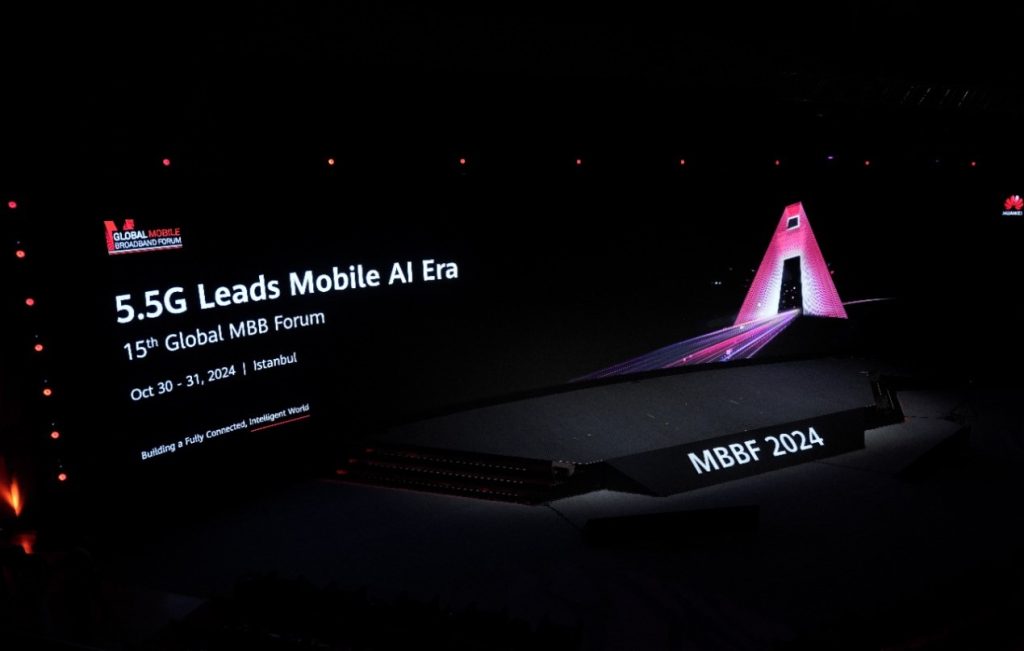
MBBF 2024 has kicked off in Istanbul, Türkiye
Energy & Technology

Global MBBF 2024: Accelerating 5.5G and AI Convergence to Lead the Mobile AI Era

ISTANBUL: The Global Mobile Broadband Forum 2024 (MBBF 2024) has kicked off in Istanbul, Türkiye with the theme “5.5G Leads Mobile AI Era”. More than 1,000 guests from mobile network carriers, ecosystem players, and leaders from vertical industries have gathered to discuss a wide range of topics, from business model innovation to industry development and key technological directions in the Mobile AI era. This forum was set up to further promote the convergence of 5.5G and intelligent applications to create greater value for the mobile industry. During the forum, Huawei and Türkiye network carriers have jointly provided diverse intelligent 5.5G field experiences. Also, various players in the Mobile AI ecosystem will be displaying their intelligent connectivity applications for people, homes, things, vehicles, and industries. MBBF 2024 began with the opening remarks from Ken Hu, Huawei’s Rotating Chairman. “In the future, AI will change everything. Everyone will be able to use it, anytime and anywhere. Mobile networks and devices will play an important role to make that happen, just like what we have done to enable telephones and mobile Internet as a universal service,” said Hu. 2024 has brought both the commercial launch of 5.5G and the unprecedented expansion of artificial intelligence (AI) into our everyday life and work. Globally, more than 3 million AI-capable applications have been developed, more than the total number of non-AI apps available in the app store. That early commercial 5.5G rollout coincides with the first year of AI adoption in various devices is tremendously significant — it heralds the dawn of the Mobile AI era. Li Peng, Huawei’s Senior Vice President and President of ICT Sales & Service delivered a keynote on how to maximize new growth opportunities in the mobile AI era. “The mobile AI era is here,” said Li. “We will see new forms of interaction with devices, new intelligent services, and structural changes in traffic models. This will bring huge new opportunities for the mobile industry.”Li then detailed how carriers can make the most of these new opportunities and drive new growth by reshaping services, network infrastructure, O&M, and business models. He shared how leading carriers around the world have already verified AI service capabilities on live 5.5G networks across a wide range of scenarios for individuals, homes, travel, and business. “Moving forward, there are two things we can do to capitalize on new opportunities in the mobile AI era,” said Li. “First, we should prepare our networks to support AI. That means boosting network capabilities, especially uplink, latency, and capacity. Second, we can use AI to support our networks. With more complex networks, we can use AI to help automate O&M, optimize network efficiency, and guarantee a solid user experience.” This forum features boutique exhibitions of new intelligent connectivity for people, homes, things, industries, and vehicles. Across the indoor booths and outdoor fields, multimodal AI devices and diverse Mobile AI applications are presented, including AI phones, AI glasses, intelligent cockpits, humanoid intelligence, AI-generated content (AIGC), digital human interaction, and AI-powered real-time call translation, thanks to the joint efforts of Huawei, operators, and industry players. Another highlight is the continuous 5.5G coverage across the indoor and outdoor areas of the venues, showcasing the multidimensional capabilities of 5.5G networks and the cutting-edge products and solutions that power them. The 15th Global Mobile Broadband Forum, with a tagline of ‘5.5G Leads Mobile AI Era’, runs from October 30 to 31 in Istanbul, Türkiye. It will be hosted by Huawei with support from our industry partners GSMA and GTI. Together with operators, vertical industry leaders, and ecosystem partners, we will share the industry’s latest advancements and explore new opportunities. Industry stakeholders will discuss how to achieve 5.5G business success in the Mobile AI era, and leverage the success of 5G to attain even greater achievements with 5.5G. For more information, please visit MBBF2024 at: https://www.huawei.com/en/events/mbbf2024.

News

PlanRadar announces strategic partnership with CIDB E-Construct (CIDBEC) Malaysia to enhance digital construction boom

KUALA LUMPUR:  PlanRadar, a global provider of digital construction project management solutions, has announced an official partnership with the Construction Industry Development Board (CIDB) Malaysia, aimed at aimed at advancing digitalisation efforts in Malaysia’s construction industry. The partnership agreement was signed during the BuildXpo Malaysia 2024 event, as part of the International Construction Week (ICW). Through this collaboration, PlanRadar aims to explore potential areas of cooperation with CIDBEC, focusing on promoting the digitalisation of construction processes and management. CIDBEC specialises in developing digital solutions designed to enhance productivity and efficiency within the local construction sector. Avtandil Mekudishvili, Regional Lead for PlanRadar Singapore + ASEAN, commented, “By joining forces, PlanRadar and CIDBEC Malaysia look forward to aligning with this regional trend of greater digitalisation, driving the adoption of innovative technologies that will boost Malaysia’s competitiveness in the construction sector.” Supporting Malaysia’s digital construction mandate This partnership comes at a pivotal moment, following Malaysia’s recent regulatory changes requiring the use of Building Information Modelling (BIM) for large-scale construction projects. In August 2024, the National Development Action Council, with CIDB’s support, introduced a BIM mandate for all significant construction projects valued at RM10 million and above. The mandate is intended to streamline project management, improve transparency, and elevate the overall quality of infrastructure development in Malaysia. The widespread implementation of BIM represents a key milestone in Malaysia’s journey toward construction industry digitalisation – and CIDB plays a crucial role in overseeing the transition to BIM-based systems and ensuring industry standards are upheld. By integrating BIM with PlanRadar’s project management tools, the partnership is set to continue to drive greater adoption of technology in public and private sector building projects. Driving digital adoption in Southeast Asia The partnership comes at a time when Southeast Asia’s construction industry is experiencing rapid growth, with the sector projected to reach USD 230 billion by 2025. Digital transformation is playing a major role in this growth, as investments in digital technologies in the region are expected to hit USD 7.6 billion by 2025. Advantage Austria (Kuala Lumpur), the trade promotion organisation of the Austrian Federal Economic Chamber, was instrumental in helping to facilitate this collaboration. Mr. Reinhart Zimmermann, Head of Advantage Austria in Kuala Lumpur is confident and opined that “The easy-to-use platform and innovative solutions by PlanRadar would encourage more industry players, especially the Small and Medium-Sized Enterprises, to embark their digital journey for seamless and efficient communication throughout the entire building lifecycle”. With this collaboration, both PlanRadar and CIDBEC are positioning Malaysia as a leader in construction technology adoption in the region, further cementing the country’s role in Southeast Asia’s growing digital economy. “I am delighted to announce our strategic partnership with PlanRadar. This collaboration aligns with our commitment to driving the digital transformation of Malaysia’s construction industry. With the integration of innovative technologies like Building Information Modelling (BIM), we aim to enhance the efficiency and competitiveness of the sector. CIDB Malaysia, through CIDBEC, is dedicated to promoting open BIM standards and fostering collaborations that will contribute to the industry’s growth. We are confident that this partnership will play a significant role in advancing Malaysia’s position as a leader in construction technology within the region.” Ts Rofizlan Ahmad – CIDBEC Chief Executive Officer.

News

Housing Minister Soft Launches ARCHIDEX 2025, Highlighting Sustainable Design and Global Networking

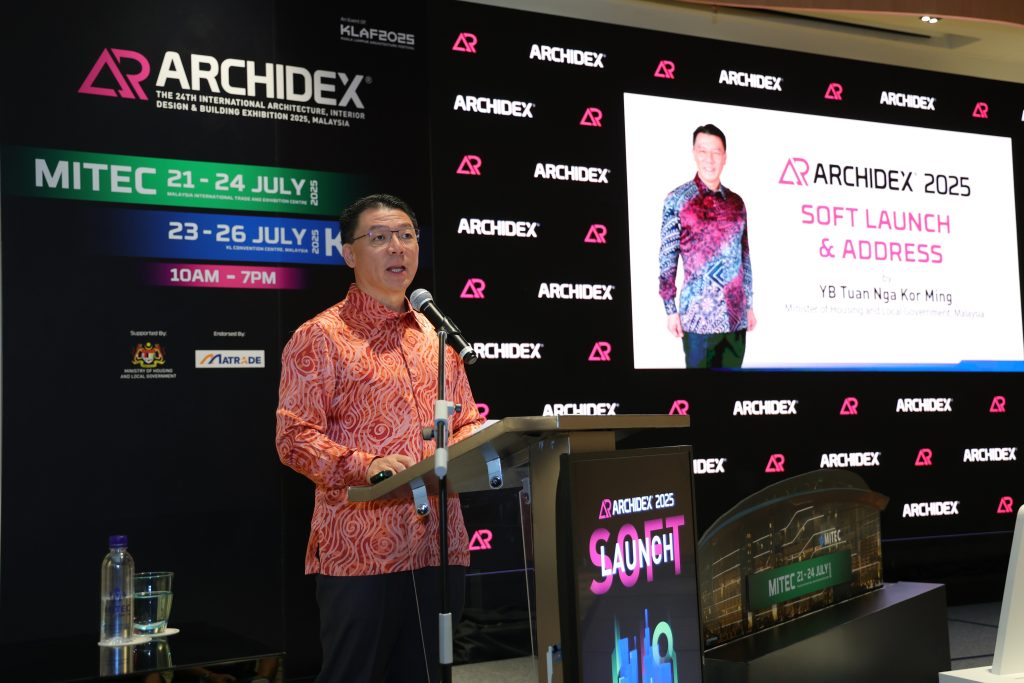
KUALA LUMPUR: The International Architecture, Interior Design & Building Exhibition (ARCHIDEX), Malaysia’s premier architecture event, is set for an ambitious 2025 edition. The soft launch, officiated by YB Tuan Nga Kor Ming, Minister of Housing and Local Government, took place at MITEC on October 29, 2024. As part of the Kuala Lumpur Architecture Festival (KLAF), ARCHIDEX 2025 will coincide with the first KL Architecture Week. The upcoming event aims to host 850 exhibitors across 34,000 square meters at MITEC and KLCC, attracting 56,000 visitors from over 110 countries. Driving Growth and Innovation Minister Nga underscored the significance of the ARCHIDEX partnership in boosting the architecture and building sectors. He emphasized the alignment with Malaysia’s 2025 ASEAN Chairmanship, which seeks enhanced synergy, broader participation, and strengthened industry collaborations to elevate housing and resilient infrastructure. Platform for Excellence ARCHIDEX, co-organized by Pertubuhan Akitek Malaysia (PAM) and C.I.S, continues to be a platform showcasing innovations and sustainable design. Adjunct Prof. Ar. Adrianta Aziz, PAM President, highlighted the importance of DATUM 2025, which will feature talks from global and local experts. Dato’ Vincent Lim, President of C.I.S, noted industry growth trends, including a projected 6% CAGR for the ASEAN doors and windows market by 2027 and significant expansion in the Asia-Pacific flat glass market. The concurrent FENESTEX exhibition will focus on sustainable window, door, and facade solutions. Future Workspaces and Sustainable Development ARCHIDEX 2025 will also feature a Future Workspaces zone showcasing modern office solutions. The event encourages discussions on emerging trends, policies, and sustainable urban development. KL Architecture Week 2025 KL Architecture Week will span six days, supported by the Ministry as a platform for innovation and collaboration. Minister Nga announced Malaysia’s hosting of the ASEAN Real Estate Summit 2025 alongside ARCHIDEX, aimed at positioning Malaysia as the center of ASEAN. Vision for the Future Dato’ Vincent emphasized ARCHIDEX’s role in promoting Kuala Lumpur as a sustainable, inclusive city that supports economic growth and government aspirations. Adjunct Prof. Ar. Adrianta stressed the importance of embracing new technologies while preserving heritage to create resilient urban spaces. ARCHIDEX 2025 continues to serve as a key venue for knowledge-sharing, networking, and trade, fostering sustainable architecture and effective industry solutions.

Scroll to Top

Subscribe
FREE Newsletter