Author name: admin

News

PwC resigns as Pharmaniaga’s auditor after 19 years

KUALA LUMPUR: Pharmaniaga Bhd has announced the resignation of PricewaterhouseCoopers PLT (PwC) as its external auditor following a written notice served to the former on Sept 20. In a bourse filing on Monday, Pharmaniaga said the resignation is on a voluntary basis, pursuant to Section 281 of the Companies Act 2016. “The board noted that PwC has served as the external auditor for the company for the past 19 years, and the board agrees that the resignation and the subsequent appointment of new external auditors would allow a fresh perspective for the board and the company. “The change is also intended to align with the group-wide approach to streamline its external auditors,” it said. Pharmaniaga said with the audit committee’s recommendation, the board has approved the appointment of Ernst & Young (EY) as its new auditor. This was decided after assessing EY’s independence, capabilities, audit team and proposed audit fees for the financial year ending Dec 31, 2024.–NST

Lifestyle

A Harmonious Fusion of Eastern Philosophy and Italian Design

SINGAPORE: AKAR DE NISSIM, the distinguished designer furnishing house renowned for its seamless blend of artisan traditions with contemporary designs and impeccable craftsmanship, is delighted to announce the launch of its latest collection, DAYA. Created in collaboration with Laabmilano, this collection epitomises Italian design, melding iconic forms with a poetic vision, cohesively inspired by the ancient principals of Feng Shui. Rooted in ancient Eastern philosophies, DAYA captures the essence of energy flows and their profound influence on daily life. Designed to foster a harmonious environment, the collection is a sublime juxtaposition of Western design sensibilities and Eastern spiritual nuances, which are the defining characteristics of AKAR DE NISSIM. The pieces in the DAYA collection are meticulously crafted to inspire and evoke subconscious emotions, stimulating perceptions towards creativity, transitions, and the indefinite. Central to the collection is the symbolic use of the water droplet, representing the movement and accumulation of Chi energy. This water droplet, encompassing the principles of Feng Shui and Vastu, emphasises the harmonisation of form, colour, materials, and lighting, ultimately achieving a perceivable harmony for both the user and environment. Designer Donatella Casiraghi, reflecting on the collection, emphasised the importance of merging technological and spiritual aspects of design. She stated, “The union of Eastern and Western cultures makes the technological and spiritual aspects of design complementary and necessary for the pursuit of a life aiming to protect natural ecosystems.” The DAYA collection embraces this philosophy by incorporating sinuous forms reminiscent of the flow of water and the movement of wind, the two energies in nature that have shaped our environment for centuries. The collection’s design follows a circular motion path, deeply rooted in the presence of Yin and Yang, where there are no beginnings or endings. The DAYA collection is equally luxurious and curated; incorporating elements that add a rich sensorial and textural dimension. A selection of luxurious leathers, both natural and perforated, enhances the sculptural forms and intricate details of each piece. Marble, with its ash-grey and beige tones veined in light and dark, emerges as a striking feature, providing a compelling visual contrast. The collection also highlights Straw Marquetry inlay, crafted from natural straw stalks hand-dyed with alcohol-based colourants. Each stalk is meticulously split, flattened, and arranged into a precise geometric design–all by hand. The colour binds uniquely to the straw, creating a vibrant, translucent, and distinctive guilloché effect. Stingray leather, also known as galuchat, has been revered since ancient Asian civilisations. This exquisite material experienced a renaissance nearly two centuries later during the Art Deco era, when skilled artisans and furniture makers revived the tradition, pairing stingray leather with ivory or ebony inserts, precious metals, and vivid dyes. Lacquer craft, a hallmark of AKAR DE NISSIM, is another highlight of this collection. Perfected over generations and celebrated in the renowned lacquer villages of Vietnam, this time-honoured technique seamlessly unites high craftsmanship with simplicity and elegance, embodying the brand’s iconic aesthetics. In 2018, AKAR DE NISSIM underwent a significant refresh and renewal under the leadership of Christian Duhain, reaffirming the brand’s commitment to superior service, quality and respect for timelines. This renewed vision and ethos is epitomised in the DAYA collection, where each piece not only reflects the brand’s iconic aesthetics but also embraces a modern approach to luxury that continues to honour the rich heritage of Eastern and Western design philosophies. The DAYA collection by AKAR DE NISSIM and Laabmilano is not just a collection of objects, but a celebration of movement, energy, and the timeless interplay of Eastern and Western design philosophies. Each piece is designed to resonate with the natural flow of energy, creating spaces that evoke serenity and fulfilment, and offering a unique blend of luxury, history, and innovation. To find out more about this collection visit this link or contact AKAR DE NISSIM at [email protected]

Property

The lure of the living sector: How the APAC living sector is attracting investor attention

The sector only accounts for 6% of property investment volumes, but it’s expected to be a significant growth driver in the region. The living sector in Asia Pacific, encompassing student housing, co-living, serviced apartment, rental housing/multifamily, and senior living, is attracting investor attention, driven by growth of the region’s expatriate population, low homeownership affordability, and the effectiveness of rental residential investments as an inflation hedge, according to the latest research by CBRE. While the living sector in Asia Pacific is still in its early stages, accounting for only 6% of commercial real estate investment volumes since 2019, compared to 27% in Europe and 44% in the U.S., there is a vast opportunity for investors looking to diversify their portfolios across the region. “We expect potential interest rate cuts will drive capital deployment and consolidation opportunities,” said Greg Hyland, Head of Capital Markets, Asia Pacific for CBRE. “With strong market fundamentals and resilient demand, the living sector offers institutional investors and private equity fund managers the opportunity to diversify their portfolio.” Leading the region in living sector investment volumes is Japan, with its multifamily sector being the most developed market, attracting institutional capital, REITs, and global investors. Australia and mainland China follow as the second and third biggest living sector investment markets, while Hong Kong SAR, Korea, and Singapore are also gaining attention, particularly for serviced apartments and student housing, due to the influx of non-locals and expatriates, as well as rising rents. Elevated residential prices are driving the growth of rental housing in Asia Pacific, with the ratio of the median private housing price to annual household income significantly higher in Asia compared to the U.S. The rise in the expatriate population in Asia Pacific post-pandemic is further boosting the demand for rental housing and providing a solid foundation for investment in the living sector. Over the long run, growth in residential rents has generally outpaced inflation in the broader economy. This indicates that rental housing investment provides a good hedge against inflation. In Asia Pacific, leases for office, retail and logistics spaces typically run for three to seven years or above, while rental housing leases usually last for one to two years. The shorter lease tenures in rental housing allow for more frequent rent adjustments. “Although multifamily comprises the majority of living sector investment in Asia Pacific, a significant portion of investment flows into niche subtypes such as co-living, student housing, and senior housing,” said Ada Choi, Head of Research, Asia Pacific for CBRE. “The living sector offers attractive investment opportunities compared with other asset classes. For example, in Tokyo the yield spread for multifamily over office assets is 50-55 basis points. Investors are also exploring opportunities in Purpose-Built Student Accommodation (PBSA) in Australia and hotel conversions in Hong Kong SAR to cater to their substantial international student population and high occupancy rates.” –REAL ESTATE ASIA

Investment & Market Trends

Asia-Pacific’s aircraft services market to double over next 20 years

SINGAPORE: The commercial aircraft services market in the Asia-Pacific region will more than double in value to US$129 billion from US$52 billion today, by 2043 according to Airbus’ latest Global Services Forecast (GSF).  This is driven by a demand for some 19,500 new aircraft for the region, supported by a compound annual growth rate (CAGR) of 4.81% in passenger air traffic in the region. Driven by the rise in annual air traffic, fleet growth and the requirement for more digitally-enabled and connected aircraft, the growth in demand for services will be reflected in solutions implemented across all phases of the aircraft from delivery to end-of-life, including fleet maintenance, aircraft modernisation and training. Among the various segments of the services business in Asia and the Pacific, the Maintenance market will  more than double from US$43 billion to US$109 billion (+5.0% CAGR). The Enhancements and Modernisation sector is projected to grow similarly, from US$5.1 billion to US$13 billion (+5.1% CAGR), while Training and Operations is expected to rise from US$4.1 billion in 2024 to US$7.6 billion in 2043 (+3.3% CAGR). Airbus anticipates a need for 999,000 new skilled professionals in the region (nearly 45% of global manpower) over the next 20 years, comprising 268,000 new pilots, 298,000 new technicians and 433,000 new cabin crew members. “The Asia-Pacific region will see the largest volume of growth and activity in terms of aftermarket services, with many opportunities for additional efficiency, simplification and responsible operations. Airbus will continue to play an important role in supporting airlines and the aviation industry at large in responding to those opportunities,” said Cristina Aguilar Grieder, Airbus Senior Vice President Customer Services.

News

IPS Securex taps Boey Teik Heng as acting CEO

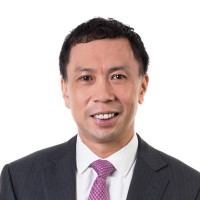
Boey has more than 20 years of experience in the security industry. IPS Securex Holding Limited has announced the appointment of Boey Teik Heng as the acting chief executive officer, according to a bourse filing. Boey will be responsible for the overall business development, strategic planning, and operations of the group. He joined the group as Vice President of Operations on 1 August 2017. In March 2020, Boey was promoted to general manager to manage the sales and operations of the group’s General Security Products division. Furthermore, Boey has more than 20 years of experience in the security industry, gaining from sales, service, and project management-related matters from managerial positions in Johnsons Control, Tyco Fire, Security and Services, TJ Systems, and Aeqon between 2005 and 2017. Prior to his appointment, Boey was the deputy chief operating officer of Securex GS.–SINGAPORE BUSINESS REVIEW

News

SGX taps Daniel Koh as CFO, Ng Yao Loong to head equities

Koh will assume the role on 1 December. Singapore Exchange Group (SGX Group) has appointed Daniel Koh as its new Chief Financial Officer (CFO), succeeding Ng Yao Loong. Ng will step down from his role as CFO on 1 December to assume the position of Head of Equities. Koh will serve as CFO designate from 1 October until Ng’s official departure. Before he was appointed SGX Group CFO, Koh was with Standard Chartered Bank as managing director and global head of Treasury Markets.–SINGAPORE BUSINESS REVIEW

Larissa Crandall
News

New Relic Appoints Larissa Crandall as Channel Chief and Group Vice President of Partners and Alliances

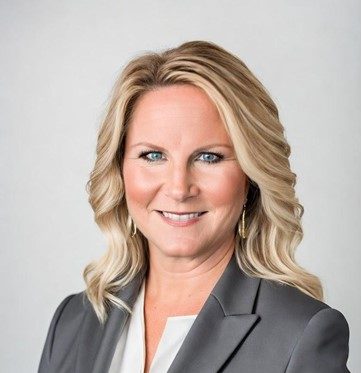
SINGAPORE: New Relic, the Intelligent Observability Platform, announced the appointment of Larissa Crandall as Channel Chief and Group Vice President of Partners and Alliances to further develop and strengthen the company’s partner strategy and channel programs worldwide. In this role, Crandall will grow the partner organisation, expand multiple parts of the company’s alliance and partner ecosystem, and help enterprises around the world realise the benefits of New Relic in driving innovation, improving reliability, and delivering more perfect customer experiences. “With worldwide spending on public cloud services forecasted to double between 2024 and 2028, and AI adoption continuing to rise, the need for intelligent observability has never been greater,” said New Relic Chief Revenue Officer Chris Jones. “As these industry trends continue to drive demand for our platform, engaging our partners on a global scale will be vital to New Relic’s continued success. Larissa is joining the company at a pivotal moment, and I’m thrilled to have her lead our channel and alliances program into its next stage of growth.” Channel veteran to strengthen and accelerate partnerships globally Crandall has spent her entire career leading channel and sales teams in the technology sector. She joins New Relic from Veeam, where she held the position of Vice President of Global Channel and Alliances. During her tenure, Crandall successfully built the company’s first global partner program, rebuilt the certification and enablement program, and accelerated partner-initiated revenue. Prior to Veeam, Crandall led the Global Channel and Alliances organisation at Gigamon and held senior partner roles at Scalr and Unitrends. Crandall is a highly awarded, collaborative leader with a stellar track record in building and leading high-growth partner programs. Her accolades include recognition by CRN for numerous awards, including top Channel Chiefs, Woman of the Channel, Power 100 – Top Most Powerful Woman in the Channel, and Inclusive Leadership Award. Crandall also serves on the Baptie & Company Channel Advisory Board, a leading global community for individuals running sophisticated channel ecosystems. “New Relic is a market maker and a pioneer in the observability space. I am excited to join the company as it continues to innovate and lead the sector with a compelling product, business model, and team dedicated to delivering customer success,” said Crandall. “With the amazing partnerships we have developed, I embrace the opportunity to lead the global channel and alliances organisation at New Relic as the company enters its next phase of growth.” New Relic to grow multiple parts of the ecosystem Crandall will build on New Relic’s channel presence worldwide by working with global and regional partners, MSPs, GSIs, and hyperscalers to strengthen best practices and catalogs for advancing the observability journey and augmenting growth with new partners. She will also focus on empowering the partner ecosystem with resources and tools, and further simplifying doing business with New Relic for partners and customers. Partnerships and alliances are at the centre of New Relic’s growth strategy. Most recently, New Relic formed the Secure Developer Alliance with FOSSA, Gigamon, and Lacework to help secure cloud infrastructure and close the gap between security and engineering teams when shipping code. New Relic also continues to demonstrate its commitment to its partner ecosystem with several key initiatives, including the expansion of New Relic Instant Observability, an open source ecosystem of nearly 800 quickstarts and integrations that help engineers instrument, dashboard, and alert their entire stack. Recent collaborations involve AWS, Microsoft, and NVIDIA.

News

Temasek to provide S$100m in concessional capital to support climate action

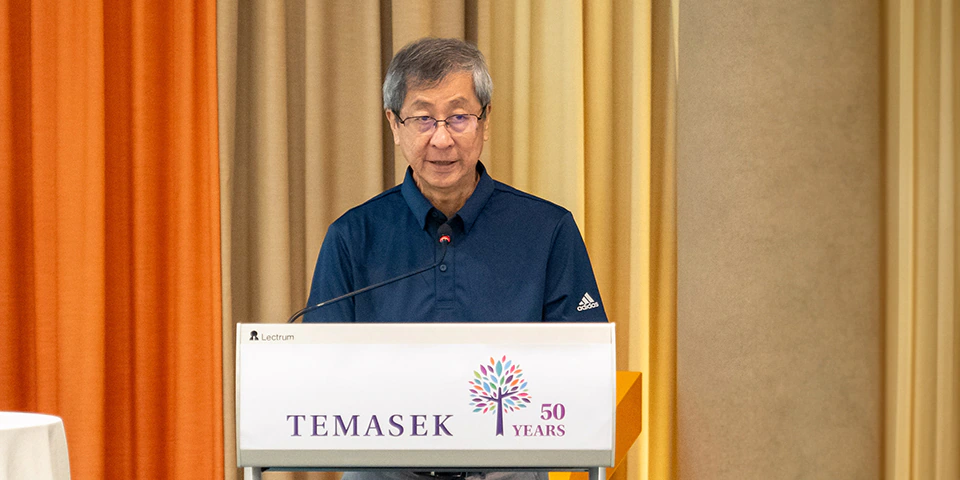
SINGAPORE: Temasek will set aside S$100 million (US$77.5 million) as concessional capital to support climate action initiatives, announced chairman Lim Boon Heng on Monday (Sep 23). “The aim is to crowd in capital to support marginally bankable projects,” said Mr Lim at the state investor’s 50th anniversary dinner held at the Shangri-La Hotel. “We believe there can be a catalytic effect by mobilising funding from other sources such as public, private and philanthropic capital providers. Our philanthropic dollar will be amplified as more funding goes towards climate action.” This is the first time Temasek is contributing concessional capital – defined as a type of capital that is willing to absorb more risks or take a lower return – to drive the green transition. The firm has been investing in sustainability – with a “sustainable living” portfolio valued at S$44 billion – but said it is seeing “the criticality of concessional capital to catalyse financing into emerging markets and developing economies” where the net-zero transition has been hindered by structural constraints and challenges. Southeast Asia is one example where plans to decarbonise and build new industries concurrently will require the scaling of catalytic financing, it said. Temasek added that its concessional capital will provide “more flexible, patient and favourable financing” that can address challenges such as emerging market risks and a higher cost of capital. Success of its latest initiative will be measured by the “ability to scale positive outcomes in the area of climate action”. These include the ability to avoid, mitigate and adapt to the impact of climate change, promote biodiversity and encourage sustainable living choices, among others, it said–CNA

News

Malaysia’s New Family Office Incentive Scheme to Boost Investment Landscape

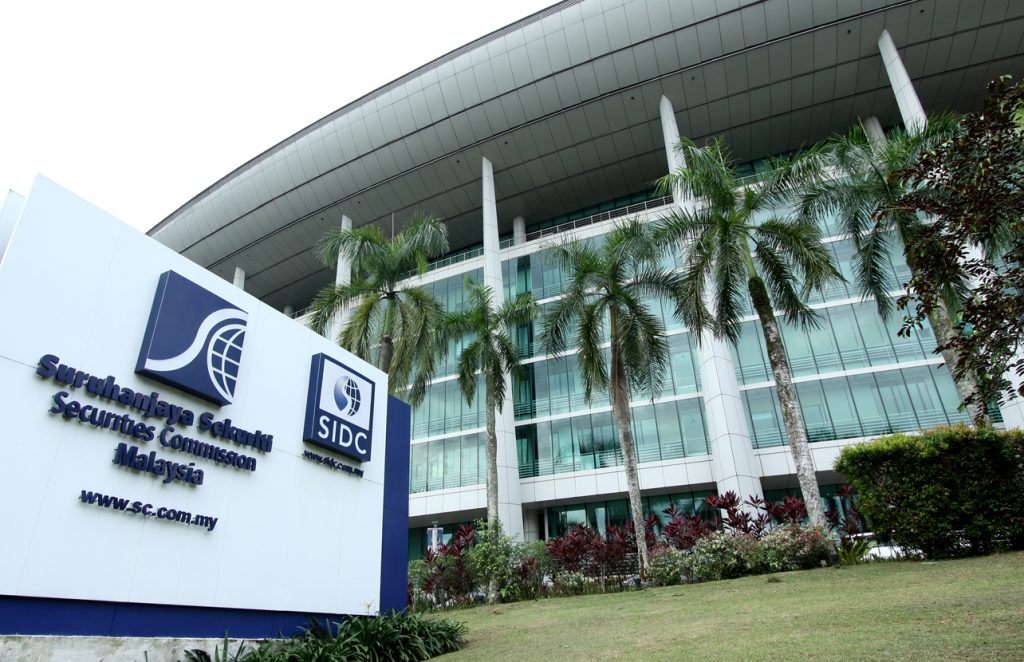
The Securities Commission Malaysia (SC) has endorsed the government’s introduction of a new Family Office incentive scheme, aimed at bolstering Malaysia’s investment landscape. The scheme seeks to attract global and regional investors, helping to deepen the pool of capital available for financing small and medium-sized enterprises (SMEs) and Malaysia’s evolving new economy sectors. This initiative follows Prime Minister Dato’ Seri Anwar Ibrahim’s policy announcement last year, designed to encourage the establishment of family offices in the country. The initiative is expected to position Malaysia as a key destination for high-net-worth families looking for robust wealth management solutions. On September 20, 2024, Minister of Finance II, Senator Datuk Seri Amir Hamzah Azizan, unveiled the Single Family Office (SFO) incentive scheme as part of a broader set of financial incentives targeting the Forest City Special Financial Zone. The SC will be responsible for overseeing the implementation of this scheme, which offers a 0% tax rate on income generated by eligible investments from Single Family Office Vehicles (SFOVs). Transforming Forest City into a Hub for Family Offices Forest City, located in Johor, will become Malaysia’s first designated zone to offer a 0% tax incentive for Family Offices, marking a key milestone in the country’s financial strategy. The incentives are designed to stimulate long-term investment and are subject to specific criteria, ensuring alignment with Malaysia’s broader economic goals. The Family Office incentives are structured across two phases: Initial Period (10 years): SFOVs must be newly incorporated in Malaysia and pre-registered with the SC. The related management company or SFO must operate out of Pulau 1, Forest City Special Financial Zone, employing at least one investment professional with a monthly salary of RM10,000 or more. The SFOV must manage assets under management (AUM) of at least RM30 million, with a minimum local investment of 10% of AUM or RM10 million, whichever is lower. A minimum of RM500,000 in annual local operating expenditure (OPEX) and the employment of two full-time employees, including at least one investment professional, are required. Additional Period (subsequent 10 years): AUM must increase to at least RM50 million, with a minimum local investment of 10% of AUM or RM10 million, whichever is higher. Local OPEX must rise to RM650,000 annually. The number of full-time employees must increase to four. The incentive package underscores Malaysia’s ambition to build a sustainable financial hub, leveraging both its regulatory strength and the growing demand for family office services across Asia. Attracting Patient Capital and Long-Term Growth Family offices are known for their patient capital approach, typically investing in bonds, equities, and private markets with a focus on high-growth enterprises. These investments are seen as instrumental in driving long-term economic development, particularly in sectors critical to Malaysia’s growth strategy, such as technology and innovation. SC Chairman Dato’ Mohammad Faiz Azmi highlighted that the scheme reflects a rising global trend, where family offices are becoming significant players in wealth management and investment. “Establishing the SFO scheme positions Malaysia to enhance its investor base by attracting regional and Malaysian families to manage their wealth from here,” Faiz said. He further noted the projected economic multiplier effect of the initiative, estimating it could generate between RM3.9 billion and RM10.7 billion in economic value over the long term. This would be driven by job creation, increased demand for ancillary services, and the strengthening of the local investment ecosystem. Operationalizing the Family Office Scheme While the SC will oversee the scheme, it is working closely with stakeholders to ensure the incentive programme is operational by the first quarter of 2025. Eligible SFOVs can apply for certification from the SC to access tax incentives, provided they comply with all relevant conditions. In addition, family offices or management companies associated with the SFOV may not be required to hold certain licenses under the Capital Markets and Services Act 2007 (CMSA) as long as they limit their services to related corporations. With this new scheme, Malaysia aims to not only deepen its financial sector but also establish itself as a regional hub for family offices, aligning with the country’s broader strategy of attracting high-value investments and fostering long-term economic growth.

Scroll to Top

Subscribe
FREE Newsletter