Author name: admin

Energy & Technology

Symbio: Revolutionizing Voice Services in the APAC Region

Since its inception in 2002, Symbio has been at the forefront of telecommunications, pioneering high-quality Voice over Internet Protocol (VoIP) services. Over the years, the company has strategically expanded its portfolio to include messaging, data services, and network infrastructure, consistently adapting to the rapidly evolving industry landscape. “We started as a VoIP provider, setting new benchmarks in voice calling,” says Dylan Brown, CEO of Connect Division at Symbio. “Our journey has been one of continuous adaptation and expansion. Today, we’re a trusted partner for global telecom and software innovators across the APAC region.” In line with its strategic objectives, Symbio has recently achieved several significant milestones, further underscoring its intent to enhance regional presence and capabilities. Among these, the launch of its voice network in Malaysia stands out, a development made possible by the acquisition of a Network Service Provider (NSP) license from the Malaysian Communications and Multimedia Commission (MCMC). “This license marked a major step in our expansion, allowing us to streamline operations and improve connectivity for global telecom providers entering the Malaysian market,” explains Brown. “It’s about simplifying market entry and establishing Symbio as the go-to partner in this region.” To reinforce its commitment to operational efficiency and regional growth, Symbio also introduced the SEA Hub—an innovative solution offering a single point-of-voice interconnection for multiple countries. This hub enables service providers to manage their regional operations more effectively, demonstrating Symbio’s leadership in the sector. “The SEA Hub is a game-changer,” notes Brown. “It allows providers to accelerate their growth in the rapidly evolving digital landscape by offering a streamlined process for deploying services across the APAC region.” Symbio’s high-performance IP voice network is another cornerstone of its strategy, standing out as a state-of-the-art solution designed for telecommunications service providers across Australia, New Zealand, and Singapore. The network’s SIP-native architecture enables it to handle large-scale voice traffic with unparalleled flexibility and efficiency. “Our network is built to deliver,” says Brown. “It decouples last-mile services from voice lines, providing a flexible and efficient platform for our clients. The SEA Regional Hub, in particular, simplifies access to top-tier voice services, reducing costs and speeding up market entry.” Moreover, Symbio’s modular capabilities—including call termination, numbering, and porting—are integral to its success. These services integrate seamlessly with client systems, enhancing operational efficiency and scalability. “Our modular offerings are designed to remove barriers and streamline operations,” Brown adds. “This allows our clients to focus on their core business while we provide a robust, flexible service platform.” Continuing its commitment to innovation, Symbio has been enhancing its service delivery to meet the evolving needs of its clients. A recent example is the enhancement of Pre-port Number Validation (PNV) to Cutover Notification Advice (CNA) for complex ports in Australia, significantly improving operational efficiencies. “This innovation reduced manual handling by 40%,” Brown highlights. “By automating the porting process, we’ve minimized errors and accelerated onboarding for our clients, ultimately leading to faster and more efficient service delivery.” The acquisition of the NSP license in Malaysia is not just a milestone but a strategic move that aligns with Symbio’s broader regional strategy. This license not only simplifies market entry for global providers but also enhances Symbio’s ability to deliver seamless, high-quality voice services across both Malaysia and Singapore. “The NSP license is a critical component of our regional strategy,” says Brown. “It allows us to integrate services more effectively through the SEA Hub, providing our clients with the flexibility and scalability they need to succeed in this region.” Looking ahead, Symbio is clear in its plans for further investment in the Malaysian telecommunications market. The company is committed to exploring new opportunities that align with its regional strategy, with a particular emphasis on fostering growth and innovation within the Malaysian ecosystem. “We see immense potential in the Malaysian market,” Brown remarks. “Our focus is on strengthening our position as a leading provider of telecommunications solutions in the country and beyond.” As Symbio looks to the future, it anticipates developing tailored service packages for multinational corporations operating across Malaysia and Singapore. The company also plans to pursue strategic partnerships in other high-growth Southeast Asian markets, further solidifying its leadership position in the region. “Our goal is to stay at the forefront of technological advancements,” Brown concludes. “By continuing to innovate and expand, we’re ensuring that Symbio remains competitive in the ever-evolving telecommunications landscape.”
News

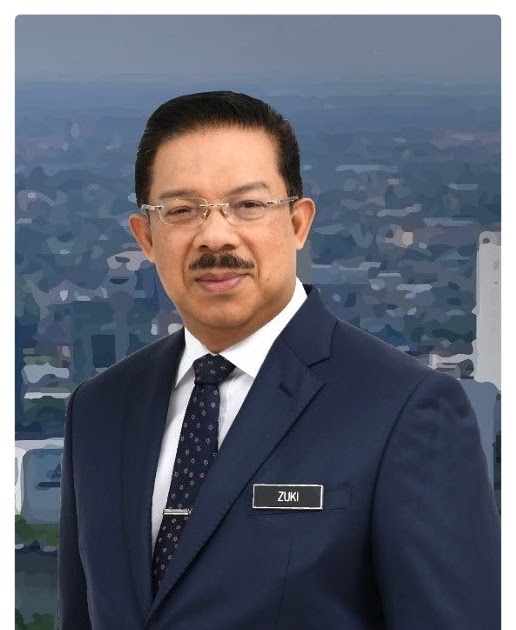
EPF has appointed Tan Sri Mohd Zuki Ali as its new chairman

KUALA LUMPUR: The Employees Provident Fund (EPF) has appointed Tan Sri Mohd Zuki Ali as its new chairman, effective Sept 1, 2024. Mohd Zuki, previously the 15th chief secretary to the government, will be taking over from Tan Sri Ahmad Badri Mohd Zahir, who has held the post since May 1, 2020, the EPF said in a statement today. “The EPF board extends its heartfelt appreciation to Ahmad Badri for his exemplary leadership and significant contributions. “At the same time, the board would like to welcome and congratulate Mohd Zuki, whose extensive experience in the government sector and strategic direction will continue to drive the EPF to greater heights,” it said–The Sun

News

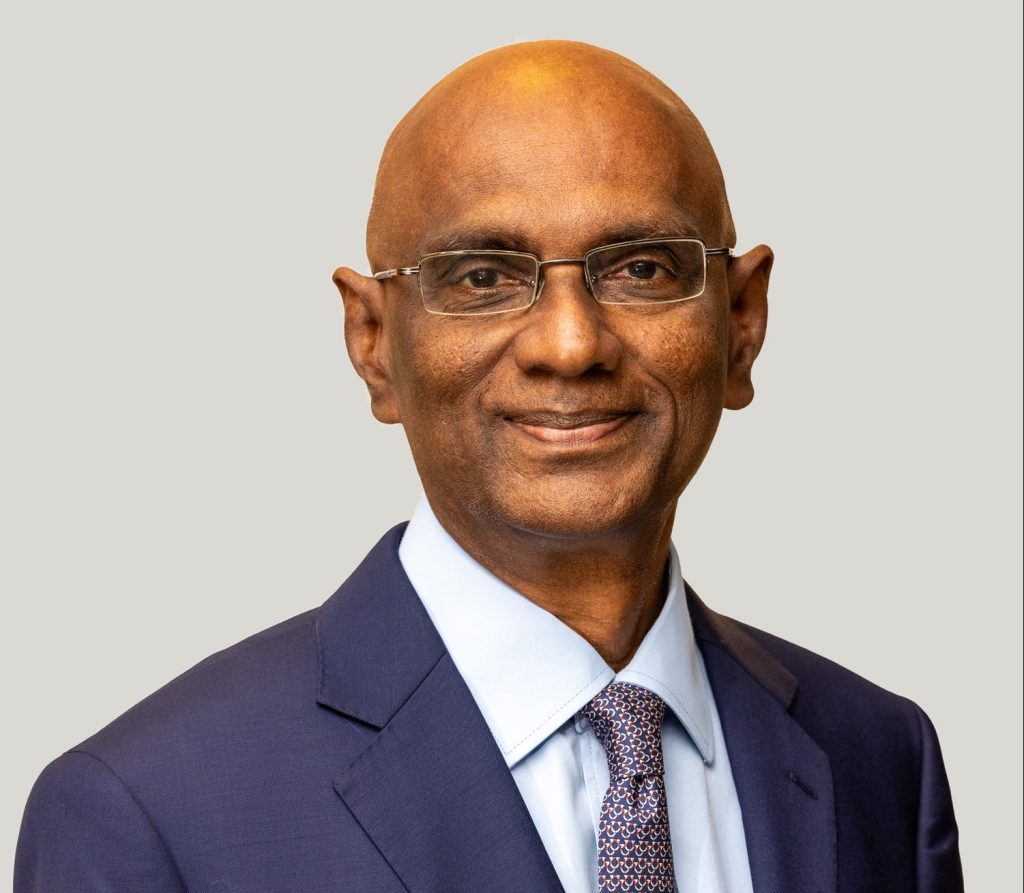
Bank Negara appoints Yogeesvaran Kumaraguru as an external member of the MPC.

KUALA LUMPUR: Bank Negara has appointed Datuk Yogeesvaran Kumaraguru as an external member of the Monetary Policy Committee (MPC). In a statement, the central bank said the appointment is for a two-year term, effective Sept 1, 2024. “An accomplished economist, Datuk Yogeesvaran Kumaraguru had 27 years of experience in the Economic Planning Unit before joining the Ministry of Plantation Industries and Commodities as Secretary General in 2017. “During his tenure at EPU, he was involved in the formulation of several Malaysia Plans and was a member of the National Economic Action Council Secretariat. Bank Negara said Yogeesvaran has also served as a consultant on economic matters to the World Bank and the United Nations. Commenting on the appointment, Bank Negara Governor Datuk Seri Abdul Rasheed Ghaffour said Yogeesvaran’s insights and experience in the field of economics and policymaking will be beneficial to the MPC’s discussions and deliberations. Under the Central Bank of Malaysia Act 2009 (CBA), the MPC is responsible for formulating monetary policy and deciding on policies for the conduct of monetary policy operations. The CBA also sets out the process for appointing members to the MPC. The MPC’s members comprise Abdul Rasheed, Deputy Governor Datuk Jessica Chew Cheng Lian, Deputy Governor Datuk Marzunisham Omar, Deputy Governor Adnan Zaylani Mohamad Zahid, Assistant Governor Dr Norhana Endut, Assistant Governor Mohd Fraziali Ismail, Assistant Governor Mohamad Ali Iqbal Abdul Khalid (effective Sept 1), external members Lim Chee Sing and Nor Zahidi Alias, as well as Yogeesvaran.–The Star

Investment & Market Trends

Kelington 2Q2024 Net Profit Rose 39.9% to RM26.7 Million, Declares Dividend of 2 Sen

KUALA LUMPUR: Integrated engineering solutions provider, Kelington Group Berhad (“Kelington” or “Group”) (stock code:0151) today reported its second quarter (“2Q2024”) and six months (“1H2024”) financial results ended 30 June 2024. During the quarter, Kelington recorded a revenue of RM321.2 million, versus RM424.9 million in the preceding year’s corresponding quarter (“2Q2023”). The lower revenue was mainly due to several major projects in Singapore and Malaysia moving out of their accelerated phases and nearing completion. However, a favourable project mix, with a higher proportion of revenue from higher-margin projects, led to a 20.6% increase in gross profit (“GP”) to RM55.5 million, up from RM46.0 million in 2Q2023. This improvement resulted in the Group’s GP margin rising to 17.3% in 2Q2024, compared to 10.8% the previous year. Additionally, profit attributable to shareholders (“net profit”) increased by 39.9% year-over-year (“YoY”) to RM26.7 million for the quarter, compared to RM19.1 million in 2Q2023. For 1H2024, Kelington achieved a net profit of RM51.5 million on the back of RM660.5 million in revenue. This marked a 46.1% increase from RM35.3 million in the corresponding period of the previous year (“1H2023”). In terms of business segments, the Ultra High Purity (“UHP”) division remained the primary revenue contributor, accounting for RM427.6 million or 65% of the Group’s total revenue in 1H2024. Meanwhile, the Processing Engineering division and General Contracting division contributed RM38.8 million and RM128.2 million respectively, which made up 6% and 19% of Kelington’s 1H2024 total revenue. The Industrial Gases division maintained its strong performance in 1H2024, with revenue rising 33% YoY to RM71.3 million, driven by elevated demand for liquid carbon dioxide (“LCO2”) from Oceania countries and increased sales of other gases. Commenting on the Group’s financial performance, Ir. Raymond Gan, Chief Executive Officer of Kelington Group Berhad said, “We are proud of the solid results achieved in the first half of the year. As we look ahead, we remain confident in our growth trajectory, driven by our robust project pipeline and our active involvement in regional tenders. Our focus will be on maintaining this momentum and delivering value to our stakeholders.” “Kelington is well-positioned for sustained growth, supported by key developments. In the first half of 2024, the Group secured new contracts totalling RM564 million, bringing the total outstanding order book RM1.29 billion as of 30 June 2024.” “According to the SEMI World Fab Forecast report, the global semiconductor industry is significantly expanding production capacity to accommodate the growth of AI and various disruptive technologies. The report anticipates the launch of 103 new fabs between 2023 and 2027, presenting substantial opportunities for Kelington.” As of 30 June 2024, the Group’s equity (excluding non-controlling interests) increased to RM396.4 million, up from RM332.6 million at the end of December 2023. This growth was driven by the exercise of warrants and consistent quarterly profits. The Group has proposed a second interim tax-exempt dividend of 2 sen per ordinary share for the financial year ending 31 December 2024 (“FY2024”), totalling RM13.6 million. This brings the total dividend declared in FY2024 to 4 sen per ordinary share, equivalent to RM27.0 million. This represents a 52% payout of Kelington’s 1HFY24 net profit. The Group’s balance sheet remains strong with a cash balance of RM334.1 million exceeding total debt of RM197.7 million as of 30 June 2024.

Investment & Market Trends

SMRT Concludes FY24 with RM26.7 Mil Net Profit as a Pure Play Enterprise IoT Solutions Provider

CYBERJAYA: Pure play enterprise Internet of Things (“IoT”) solutions provider, SMRT Holdings Berhad (“SMRT” or the “Group”), has announced its fourth quarter (“4QFY24”) and full-year financial results for the period ended 30 June 2024 (“FY24”). SMRT had previously changed its financial year-end to 30 June 2023 from 31 December 2022, which means that comparative figures for the preceding year’s corresponding quarter and period are not available. For FY24, SMRT achieved a revenue of RM69.1 million and a profit after tax and non-controlling interest (“net profit”) of RM26.7 million, reflecting a robust net profit margin of 38.6%. Quarterly, the Group reported a revenue of RM17.9 million in 4QFY24, marking an 11.2% growth from RM16.1 million in the immediate preceding quarter (“3QFY24”). This growth was primarily driven by variations in the number and timing of deployments, as well as an increase in the cumulative number of managed sites. Meanwhile, the Group’s net profit stood at RM6.2 million in 4QFY24, compared to RM6.9 million in 3QFY24, which included a one-off gain on the disposal of a dormant subsidiary. Group Managing Director of SMRT, Mr. Maha Palan, commented, “We are pleased to conclude the financial year on an upbeat note, reinforcing SMRT’s position as a pure play enterprise IoT solutions provider. Our key markets in Malaysia and Indonesia continue to thrive, and our recent entry into the Philippines’ financial services sector is poised to drive future growth. Additionally, we have expanded into new verticals, with IoT deployments for the water utility sector already underway. As our deployment footprint expands, the addition of sites under our management will further bolster our recurring income, which now accounts for over 50% of our revenue. With a clear strategic vision, we remain committed to leading the provision of IoT services across ASEAN.”

Uncategorized

Bashir joins MAG Board

KUALA LUMPUR: Former Malaysia Airports Holdings Bhd managing director Tan Sri Bashir Ahmad has joined Malaysia Aviation Group Bhd (MAG) as a non-executive director effective Aug 12. According to MAG’s updated board of directors on its website, Bashir had served Malaysia Airlines for 29 years, starting as a management trainee in 1972 and working in various areas of the airline before becoming executive vice president. He is also Mass Rapid Transit Corp Sdn Bhd’s non-executive chairman. — Bernama

Upcoming Events

Engineering & ACMV&R Exhibition and Conference in ASEAN for the Built Environment

Mark your calendars for ENGINEER & MARVEX 2024, happening from 18 – 21 September at the KL Convention Centre. The annual exhibition aims to bring together the engineering fraternity in Mechanical & Engineering, Civil & Structural, and the ACMV&R sectors focusing on the built environment and ESG principles. ENGINEER & MARVEX 2024 is your gateway to the future of engineering. Register Your Visit: https://bit.ly/ENGMAR24vis_ELP Exhibit With Us: https://bit.ly/ENGMAR24ex_ELP  Learn More: https://bit.ly/ENGMAR24_ELP

News

Fernandes hopes to hit the sweet spot with MAS

SEPANG: Capital A Bhd is open to collaborating with Malaysia Airlines (MAS) to provide in-flight meals via its food and beverage catering subsidiary Santan Food Sdn Bhd. Chief executive officer (CEO) Tan Sri Tony Fernandes said he had met MAS executive director Datuk Izham Ismail and Santan CEO Catherine Goh on the suggestion recently. “Malaysia Airlines has moved forward with other caterers – but who knows maybe it will consider our zero-sugar option one day. “We dare to dream of working with Malaysia Airlines one day,” he told a press conference at the launch of Club Zero here yesterday. Santan launched its Club Zero campaign intending to promote less sugar consumption. Health Minister Datuk Seri Dr Dzulkefly Ahmad, who launched the campaign, said the ministry is looking at more approaches towards its “War on Sugar” initiative, including the sugar-sweetened beverage (SSB) tax. In January, the Health Ministry announced an increase in SSB tax by 20% to 50 sen per litre from 40 sen per litre. The SSB tax applies to ready-to-drink packaged sweetened beverages, including drinks with more than 5g of sugar per 100 millilitres and fruit or vegetable juices with over 12g of sugar per 100 millilitres. When asked whether the tax would be expanded to other items, Dzulkefly said the ministry has yet to decide on the option. He said the ministry is considering imposing a tax on sweetened beverages prepared on-site in cafes and restaurants. “That is in our planning, but as of now, I am not able to reveal anything yet. “There will be more to come and we have some very good approaches for our ‘War on Sugar’ plans. “We will disclose and unveil this once the time is right,” he added. On a positive note, he said sugar consumption had seen a decrease following the implementation of the SSB. The Club Zero initiative represents Santan’s ongoing efforts to align with the health-conscious preference of consumers as well improving public health through innovative product offerings and strategic partnerships. “The launch of Club Zero is a significant step forward in our collective effort to reduce sugar intake and encourage healthier eating habits among Malaysians. “I hope more brands will follow suit and offer healthier options to customers,” Dzulkefly added. Meanwhile, Goh said the group is proud to lead the way by providing healthier choices to its customers considering the significant public health issue of diabetes in the country. “Our goal is really to spark positive changes in people’s lives and our core message is simple. “We strive to motivate consumers to understand that products with less sugar can still taste great, inspiring confidence, all while encouraging consumers to adopt less sugar products,” she stated. Santan had collaborated with Tealive, fully owned by Loob Holding Sdn Bhd, as well as Secret Recipe. Santan offers a zero-sugar drink series which includes several beverages. Additionally, Tealive is offering the zero original milk tea with konjac pearl and Secret Recipe is providing its zero chocolate indulgence cake, both with 50% less sugar.–The Star

Investment & Market Trends, News

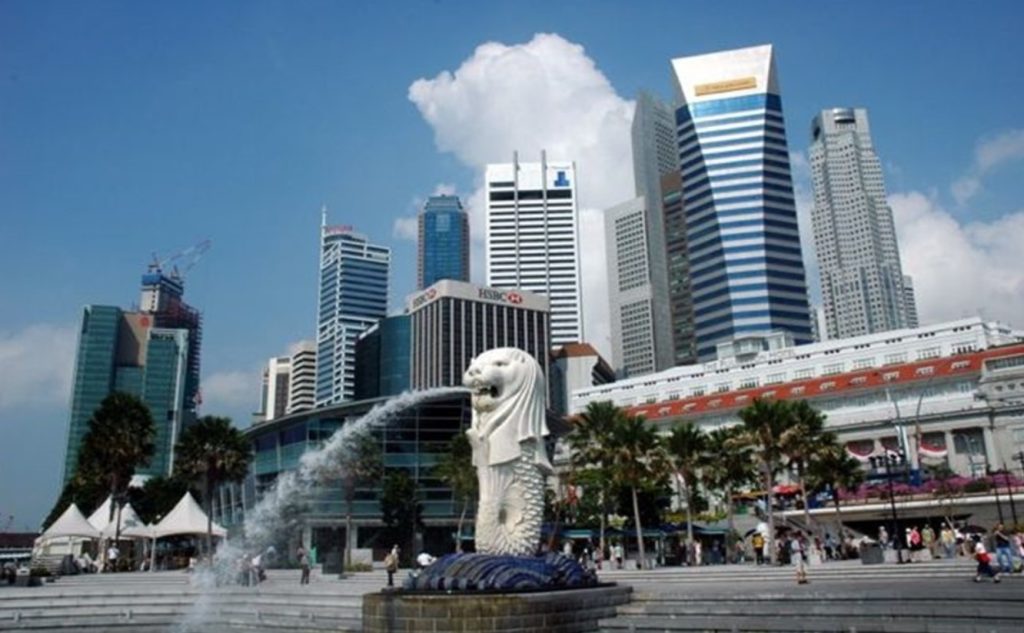
Singapore Narrows 2024 GDP Growth Forecast to 2%-3%

SINGAPORE: Singapore has narrowed its gross domestic product (GDP) growth forecast for 2024 to 2%-3%, from the previous 1%-3%, after taking into account its economic performance in the first half of the year as well as the latest global and domestic economic situations. The Singaporean Ministry of Trade and Industry (MTI) said the country’s economy expanded by 2.9% year-on-year (YoY) in the second quarter of 2024 (2Q 2024), extending the 3% expansion in the previous quarter. “For the first half of 2024, Singapore’s GDP growth averaged 3% YoY,” it said in a statement in conjunction with the release of the 2Q 2024 Economic Survey of Singapore report. MTI said the 2Q 2024 GDP growth was primarily driven by the wholesale trade, finance and insurance, as well as the information and communication sectors. Among the sectors, the finance and insurance sector grew by 6.7% YoY, mainly driven by the banking and fund management segments, which saw net commissions surge during the quarter as global interest rates started to ease. In contrast, the manufacturing sector contracted by 1% YoY in 2Q, mainly due to output declines in the biomedical manufacturing and precision engineering clusters, with the former in turn weighed down by a sharp fall in pharmaceuticals output. Consumer-facing sectors such as the retail trade and food & beverage services sectors also shrank, partly due to an increase in outbound travel by locals. As for the outlook for 2024, MTI said that since the Economic Survey of Singapore in May, the GDP growth performances of Singapore’s major trading partners have largely been in line with expectations, with the United States (US), Japan and Malaysia being key exceptions. “Notably, the US and Malaysian economies performed better than expected in 2Q on the back of strong domestic demand. By contrast, GDP growth in Japan was weighed down by weak private consumption as real wages continued to decline,” the ministry said. It said that the US GDP growth is expected to ease gradually for the rest of the year as consumption growth slows in tandem with weakening labour market conditions, while China’s economy is projected to expand at a slightly slower pace in the second half of the year as investment growth tapers amid signs of overcapacity in some sectors. According to MTI, GDP growth in key Southeast Asian economies is projected to pick up slightly in the second half of the year in tandem with improvements in domestic demand, as well as the ongoing recoveries in global electronics and tourism demand. Singapore’s external demand outlook is expected to be resilient for the rest of the year, it said, amid that 2 downside risks in the global economy that still remain. These include an intensification of geopolitical and trade conflicts that could dampen business sentiments and add to production costs, which could weigh on global trade and growth. “Secondly, disruptions to the global disinflation process could lead to tighter financial conditions for longer and trigger market volatility or latent vulnerabilities in baking and financial systems,” it added. — BERNAMA

Scroll to Top

Subscribe
FREE Newsletter