Author name: admin

Investment & Market Trends

Solarvest and NCT Group Kickstart Phase One of 270 units Solar-Ready Factories

SELANGOR: Solarvest Holdings Berhad (“Solarvest”) and NCT Group of Companies (“NCT Group”) are thrilled to announce the launch of Phase One of their joint development project at the NCT Smart Industrial Park (NSIP), featuring over 270 factories. This initiative marks the creation of the region’s first solar-ready industrial park, a significant milestone in advancing sustainable industrial infrastructure in Malaysia. Through their partnership, Solarvest and NCT Group are committed to simplifying and promoting solar energy adoption, making clean energy more accessible, affordable, and appealing to business owners. As the developer of NSIP, Malaysia’s First Certified Managed Industrial Park (MIP), NCT Group capitalizes on bulk purchasing for solar systems, offering substantial cost savings for factory owners. This strategy removes the complexities of individual solar procurement, streamlining the decision-making process for businesses to embrace clean energy. Dato’ Sri Yap Ngan Choy, Founder and Group Managing Director of NCT Group, expressed confidence in the approach, stating, “We believe this will greatly accelerate the adoption of solar energy across factories in Malaysia. We’re excited to equip our smart industrial park with solar capabilities. Solarvest, as the largest solar developer in Malaysia, brings unmatched financial strength, reliability, and a proven track record, making them the perfect partner for the success of NSIP.” Davis Chong, Executive Director and Group CEO of Solarvest highlighted the transformative potential of the developer model in driving the energy transition toward net zero for the commercial and industrial sectors. “By integrating solar systems into the industrial infrastructure from the outset, we reduce Scope 2 emissions from the beginning of the supply chain. This strategy is key to lowering carbon footprints on a larger scale and aligns perfectly with our mission to make clean energy solutions reliable, accessible, and affordable for all.” Upon completion of the development, the solar PV installation process is expected to take approximately six to eight months per factory, setting a promising timeline for establishing a low-carbon industrial park. These factories are projected to install solar PV systems with a total capacity of 36,000kWp, potentially offsetting up to 25,515 tonnes of carbon emissions annually. Dato’ Sri Yap Ngan Choy added, “We are excited to embark on this journey with Solarvest. Our collaboration is a crucial step toward realizing our vision of becoming the nation’s first net-zero emissions industrial park by 2050. As pioneers of the AI-Low Carbon Industrial Park framework, we are proud to lead in innovation and set new benchmarks for future industrial developments.” NSIP reflects the strong collaborative efforts between Solarvest and NCT Group to promote solar energy. Beyond developing solar-ready factories, the Memorandum of Understanding (MOU) includes providing decarbonization services to NCT Group’s local facilities. The joint development plan also explores potential areas for further collaboration in renewable energy, such as bioenergy, hydrogen, energy efficiency, and electric mobility.

Investment & Market Trends

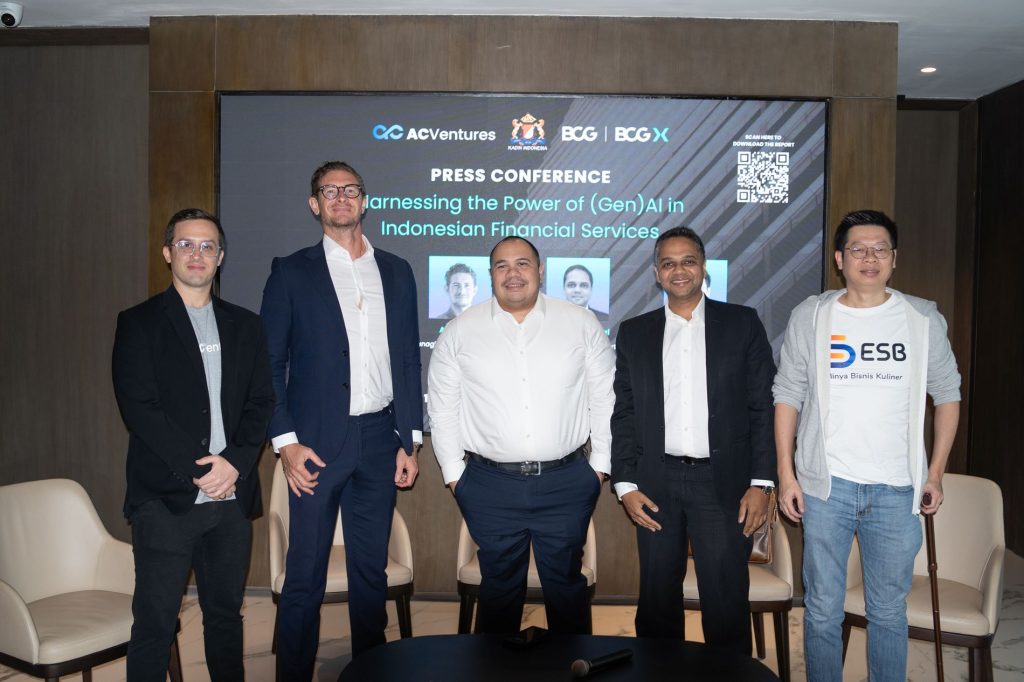
AC Ventures, BCG & BCG X, Kadin Unveil Marquee GenAI Report Mapping the Future of Indonesian Financial Services

JAKARTA: Earlier today, AC Ventures, a leading Southeast Asian venture capital firm, in collaboration with Boston Consulting Group (BCG), its tech build and design unit BCG X, and the Indonesian Chamber of Commerce and Industry (Kadin Indonesia), unveiled a landmark report titled “Harnessing the Power of (Gen)AI in Indonesian Financial Services.” The report was launched at AC Ventures’ headquarters in downtown Jakarta, attracting significant local and international media attention. The report, based on a survey of 41 financial institution business leaders and interviews with five fintech startups, offers critical insights into the adoption and impact of AI and GenAI within Indonesia’s financial services sector. It provides strategic recommendations for business leaders on how to effectively integrate these technologies into their products and operations. Additionally, Kadin Indonesia shares key advice for the government as it transitions to a new administration and explores the development of sovereign AI for national interests. Central to the report is a strategic “Deploy, Reshape, Invent” framework, designed to guide Indonesian financial institutions in maximizing the benefits of GenAI. The findings reveal that 51% of respondents prioritize deploying GenAI for everyday tasks, while 27% see significant opportunities in inventing new products and services powered by GenAI. Globally, a separate BCG study found that while 85% of financial institutions view GenAI as highly disruptive, only 18% have a clear strategy for in-house implementation. This sentiment is echoed by respondents in Indonesia, highlighting a critical opportunity for the country’s financial services sector to lead in the GenAI revolution. In Indonesia, 61% of financial institutions express confidence in their technological infrastructure for integrating GenAI, particularly about robust data and technology stacks. Nearly half of the sector’s leaders claim they are already leveraging GenAI to enhance customer service, with a third reporting visible benefits. Furthermore, 44% acknowledge the potential of GenAI to revolutionize risk assessment in microlending through innovative data sources and analytical models. Other areas where GenAI is seen as beneficial include productivity, rapid lending, fraud management, and hyper-personalization. As GenAI use cases become more widespread, major Indonesian banks and financial institutions are advancing their initiatives from pilot stages to scalable projects. These efforts aim not only to expand financial access and inclusion but also to ensure compliance with Indonesia’s Personal Data Protection Law. Despite the enthusiasm, many Indonesian financial institutions are still in the early stages of GenAI implementation. The report indicates that while 41% of respondents are piloting GenAI and conducting proof of concepts, scaling these initiatives to deliver substantial business value remains a challenge. Only 37% feel they have the necessary talent, and upskilling employees to use AI tools is one of the lowest priorities cited. Furthermore, only 29% are confident in their operating models for GenAI readiness. For GenAI implementation to succeed, business readiness must align with technological readiness. Andy Lees, Managing Director and Partner at BCG X, emphasized the transformative potential of GenAI in Indonesia’s financial sector, noting its ability to broaden financial access, improve customer experience, and facilitate the rapid scaling of services. However, he cautioned that many current initiatives are tech-led pilots that have yet to translate into scalable business value. Lees highlighted the need for a strategic framework that encompasses technical implementation, governance, operations, and talent, ensuring that AI initiatives align with business goals for lasting impact. The report calls on business leaders to adopt a strategic, holistic approach to GenAI integration, focusing on governance, technology, people, and operational processes. This approach will enable Indonesian financial institutions to navigate and lead in the GenAI space, turning challenges into opportunities for growth and innovation. Pandu Sjahrir, Founding Partner at AC Ventures and Department Head of Economic and Financial Technology at Kadin Indonesia, emphasized the importance of learning from the private sector’s experience with AI and GenAI as Indonesia’s new administration considers building sovereign AI. He pointed out the need to enhance regulatory frameworks and accelerate investment in local infrastructure for GenAI development, which includes upgrading Indonesia’s energy infrastructure with renewables and sustainable financing. Sjahrir noted that AI and GenAI could significantly elevate Indonesia’s economy, transforming not just the private sector but also state-owned enterprises and government agencies. Effective deployment, he stressed, requires sustainable data centres powered by renewable energy, strict privacy laws, and strong public-private partnerships. The report, he added, will also serve as input for the White Paper on Economic Development and Policy Directions for 2024-2029, currently being prepared by Kadin Indonesia. Gunawan Woen, Co-Founder & CEO of ESB, Indonesia’s largest fully integrated restaurant management SaaS platform and an AC Ventures portfolio company, shared how AI has become a game changer in ESB’s ecosystem. He highlighted that AI supports small and medium-sized enterprises (SMEs) in the F&B sector by acting as a financial expert, business consultant, marketing analyst, and forensic auditor—roles that were previously unaffordable for many business owners. Woen emphasized that GenAI, in particular, has been instrumental in helping ESB accelerate AI implementation within the F&B industry, adapting Large Language Models into Specific Language Models to better serve the sector.

Investment & Market Trends, News

Yong Tai’s Unit to Sell 5-Star Hotel in Melaka for RM160 Mil

KUALA LUMPUR: Yong Tai Bhd will sell its 5-star Courtyard by Marriot Melaka hotel to Southern Envoy Sdn Bhd for RM160 million. According to Yong Tai, its wholly-owned subsidiary, Apple 99 Development Sdn Bhd has entered into a conditional sale and purchase agreement with Southern Envoy. It said the proposed sale of the hotel represents an opportunity for Yong Tai to immediately unlock the hotel’s value and it is expected to provide an estimated net pro forma gain on disposal of approximately RM45.86 million. “The proposed disposal will give rise to RM160 million in proceeds to be utilised by the group to repay the Apple 99’s existing bank borrowings and payment of outstanding progress claims to the main contractor, hence improving Yong Tai’s gearing level. “Upon completion of the proposed disposal, Yong Tai is able to improve its financial performance and realise a gain, thereby strengthening its cash flow and net assets position,” it said. Yong Tai said the hotel’s market value, as appraised by Nawawi Tie Leung Property Consultants Sdn Bhd, using the comparison approach and supplemented by the income approach, based on its valuation report dated 1 June 2024 of RM170 million. Meanwhile, the group also proposed a special issue of up to 30% of the total number of issued ordinary shares in Yong Tai, excluding treasury shares, to independent investors to be identified and at an issue price to be determined at a later date. It said the proposed special issue would entail the issuance of up to 190 million new shares, which was arrived at based on 30% of its enlarged issued share capital of RM843.02 million comprising 633.50 million shares. “The proposed special issue will enable the group to raise funds more expeditiously and in a more cost-effective manner as opposed to other fundraising options such as a pro-rata issuance of securities,” it noted. Yong Tai added the proposed special issue would improve the liquidity and financial flexibility of the group by strengthening its financial position. — BERNAMA

Investment & Market Trends

VS Secures New Orders in the Philippines with an Aggregate Value of RM1.5 Bil Over the Next 2 Financial Years

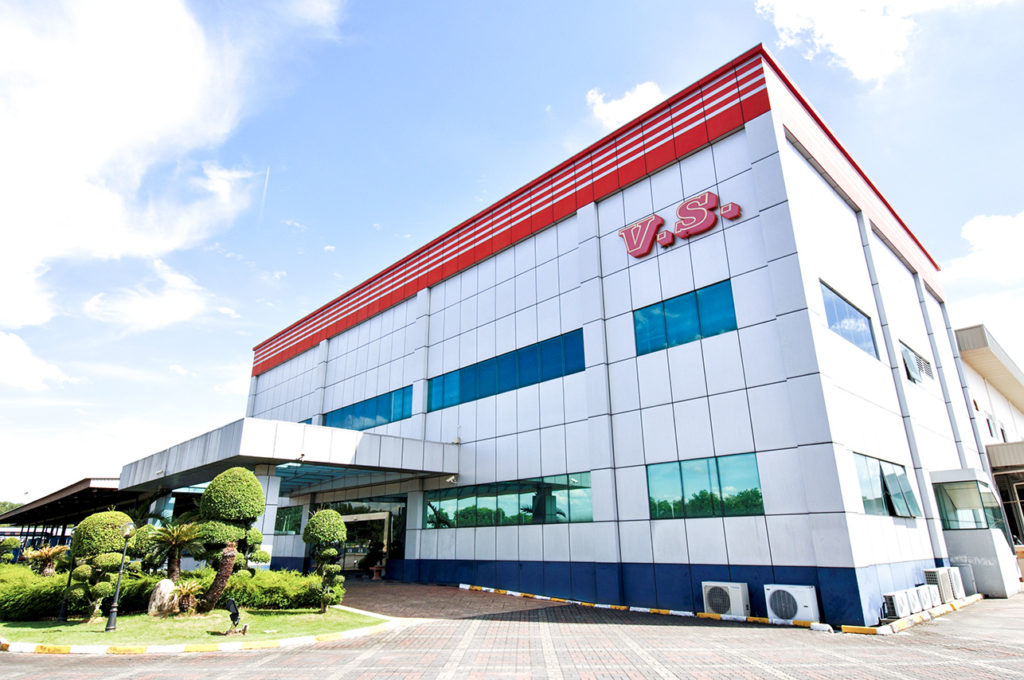
JOHOR BAHRU: VS Industry Berhad (“VS”), a leading Electronics Manufacturing Services (“EMS”) provider in Malaysia, through its subsidiary VS Industry Philippines, Inc. (“VSIP”), has secured significant new orders from a key customer. These orders involve manufacturing various consumer electronics products through comprehensive box-build assembly services, encompassing production, assembly, testing, packaging, labelling, and logistics. The anticipated revenue from these orders is expected to be RM0.3 billion for the financial year ending 31 July 2025 (“FY25”), escalating to RM1.2 billion by FY26, reflecting a total revenue projection of RM1.5 billion over the next two financial years. Datuk S.Y. Gan, Managing Director of VS, expressed enthusiasm about this development, highlighting its strategic importance in reinforcing the Group’s manufacturing prowess and solidifying its position among the top 5 EMS providers in ASEAN and the top 50 globally. He emphasized plans to commence mass production at the Philippines facility by the first quarter of 2025. Additionally, VSIP has entered into a lease agreement with ALogis Artico, Inc. (“AAI”) for a 52,782 square meter area within the Light Industry and Science Park III in Batangas, Philippines. This asset-light approach aligns with VS’s risk management strategy, minimizing financial commitments while facilitating operational agility. The capital expenditure of approximately RM100.0 million will be internally funded, with machinery installation and trial runs set to begin soon. Gan further underscored the strategic significance of these developments, stating that the projected revenues will enhance earnings and broaden geographical reach, marking an exciting phase of growth for the Group. Leveraging their technical expertise and robust financial position, VS is poised to capitalize on opportunities in the Philippines market. The identity of the customer remains confidential under a non-disclosure agreement between VSIP and the customer, an existing partner of the Group in Malaysia. The lease agreement spans five years from 2 September 2024, with provisions for renewal for an additional five years, subject to mutual agreement. AAI, a wholly owned subsidiary of AyalaLand Logistics Holdings Corp., specializes in industrial real estate, leasing standard factory buildings, and operating cold storage facilities in the Philippines.

Energy & Technology

Airbus seeks to enhance partnerships in Malaysia

KUALA LUMPUR: Airbus has reaffirmed its commitment to Malaysia, emphasizing a renewed focus on strengthening strategic partnerships, particularly in sustainability. Speaking at a media briefing in Kuala Lumpur, Executive Vice President International Wouter van Wersch highlighted Malaysia as a priority market for Airbus, valued for its robust business prospects and extensive collaborative ventures. Currently, Malaysian carriers operate more than 280 Airbus commercial aircraft, alongside nearly 100 civil and military helicopters, four military transport aircraft, and two satellites crucial for national defense and development efforts. Airbus maintains a significant industrial presence in Malaysia, making it their largest supplier hub in Southeast Asia. Collaboration with 14 local partners and suppliers ensures that every Airbus commercial aircraft, including the A400M military airlifter, incorporates Malaysian-produced components, supporting approximately 4,000 skilled jobs annually. Looking ahead, Airbus aims to forge new partnerships focused on sustainability. The company identifies Malaysia as a pivotal source of feedstock for Sustainable Aviation Fuel (SAF) production in the region, exploring options such as algae oil and seaweed. “Airbus is leading efforts to ensure a sustainable future for our industry by transitioning to the latest generation aircraft, scaling up SAF production, and exploring alternative energy sources like hydrogen,” stated Wouter. “We are eager to collaborate closely with the local community to foster sustainable aviation practices and contribute to Malaysia’s economic and technological advancement.”

News

Malaysia’s growing tech sector spurs IBM’s expansion plans

SINGAPORE: New York-based hybrid cloud and artificial intelligence (AI) provider International Business Machines Corporation (IBM) sees strong growth potential in Malaysia, pointing to a recent surge in tech investors and new data centres. IBM ASEAN general manager Catherine Lian said the company is focused on strengthening its private partnership ecosystem while developing strategies to enhance the technology value chain in the country. “It is interesting to see how the Malaysian government prioritises enhancing the value chain in this country. “We believe Malaysia is a hub of economic growth, and with the political stability, we are excited about what lies ahead in the coming year,” Lian told Bernama following a media briefing on the sidelines of the IBM Think 2024 conference, here. The two-day conference, which started on Monday in Singapore, runs until Aug 15 and will explore how the future of AI is unlocking ASEAN’s economic potential. Lian added that IBM is particularly encouraged by the increasing number of data centres in Malaysia, which she described as evidence of “explosive growth” in the country’s technology sector. “This really shows that the value chain of economic growth is evident. “While we see a lot of investment across these technology portfolios, IBM is excited to be part of the journey to drive technology and the adoption of generative AI in these data centres,” she said. She also highlighted the Malaysian government’s role in fostering economic growth and attracting foreign direct investment, noting that IBM is committed to aligning its technology solutions with these national initiatives. Looking ahead, Lian said IBM will continue to advance hybrid cloud and artificial intelligence (AI) solutions in partnership with its Malaysian clients. “When we consider Malaysia’s outlook, the adoption of AI has already started across all industries. It is important that technology providers like IBM continue to drive hybrid cloud AI solutions to build the digital transformation journey with our customers and clients in Malaysia,” she added. IBM offers global expertise in hybrid cloud, AI, and consulting, helping clients leverage data insights, streamline business processes, reduce costs and gain a competitive edge. Hybrid cloud combines public, private, and on-premises infrastructure to create a unified, flexible, cost-efficient IT environment. – Bernama

ESG, News

Petronas Launches Supplier Support Programme for Sustainable Practices in OGSE

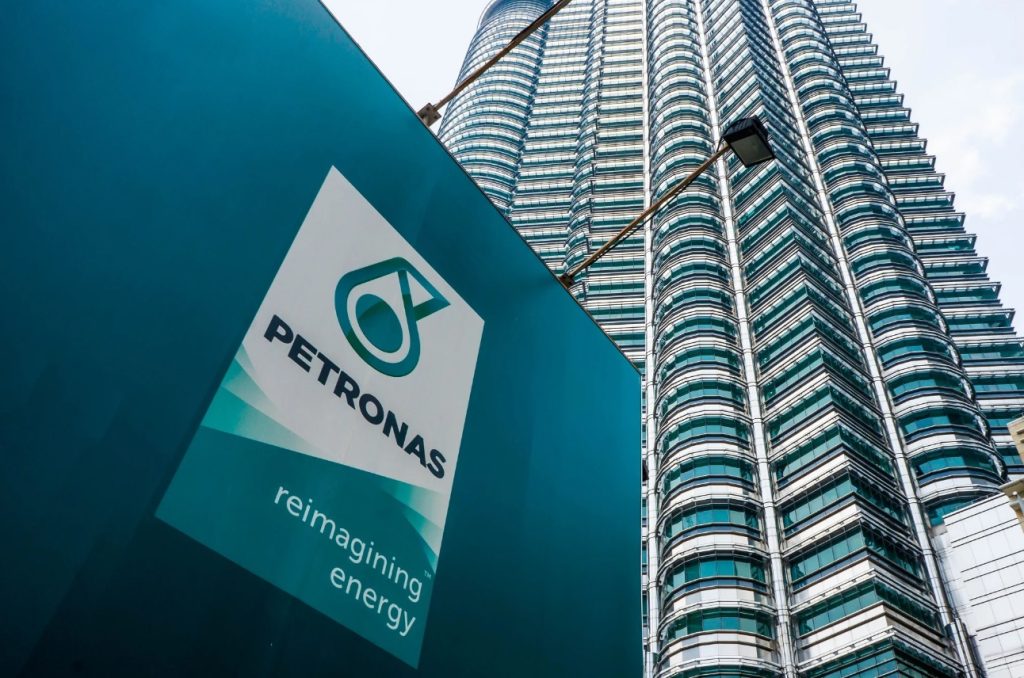
KUALA LUMPUR: Petroliam Nasional Bhd (Petronas) launched the supplier support programme (PSSP) to encourage Malaysia’s oil and gas services and equipment (OGSE) suppliers to embrace sustainability principles. The programme is in collaboration with the Joint Committee for Climate Change (JC3) greening value chain (GVC) programme, Bursa Malaysia Bhd and the UN Global Compact Network Malaysia and Brunei (UNGCMYB). The national oil company said the PSSP aims to provide necessary tools, capability training and access to transition financing for Malaysia’s OGSE suppliers to increase the adoption and disclosure of sustainability practices. Petronas Executive Vice President and Group Chief Financial Officer Liza Mustapha said she recognised the challenges that OGSE suppliers, particularly small and medium enterprises (SMEs), encounter in adopting sustainability practices crucial for the energy transition. “We are rallying with our suppliers in support of a just transition that ensures no one is left behind. “The PSSP is a significant milestone, providing a platform for the industry to demonstrate practical action and inspire others,” she said. Petronas noted that it will be an anchor in the GVC programme, whereby suppliers will be exposed to the environmental, social and governance knowledge and capacity-building programmes specific to the OGSE industry that cater to suppliers of all maturity levels. It shared that via the programme, suppliers will also benefit from the centralised sustainability intelligence platform, which provides tools to help businesses measure, manage and report their carbon emissions and sustainability risks. “(They will also have) access to financing, including Bank Negara Malaysia’s low carbon transition facility and high tech and green facility to support their transition efforts,” it added. — BERNAMA

Energy & Technology, News

BridgeNet Solutions Pioneers a Secure Cyber-Experience at Cybersecurity Symposium

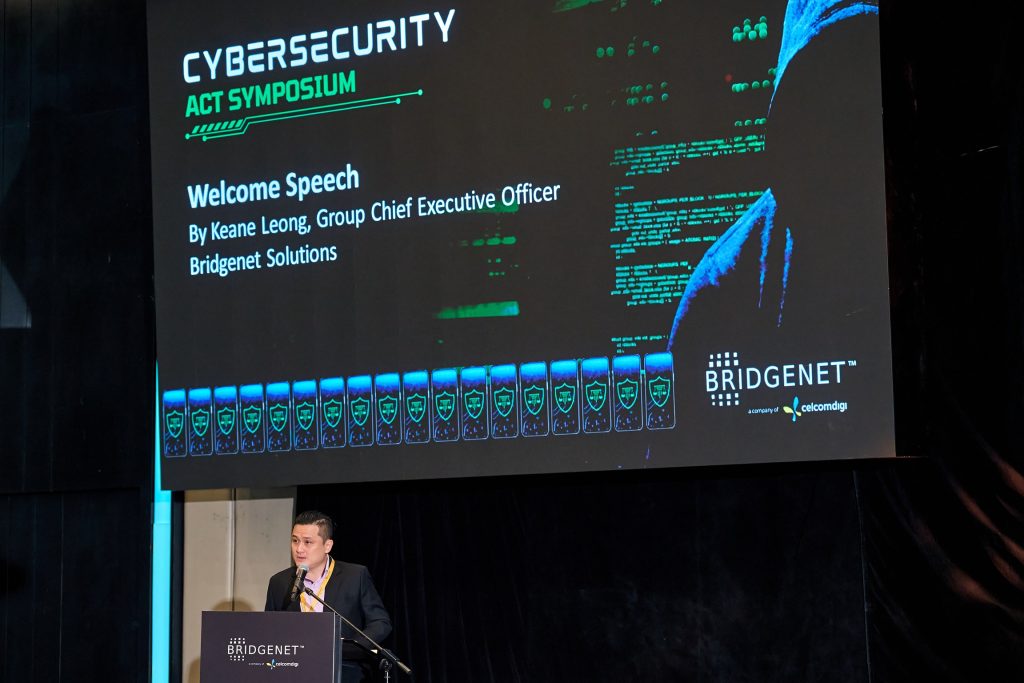
KUALA LUMPUR: The rapid pace of digital transformation has made cybersecurity a critical priority across all sectors. Malaysia, in particular, is working towards overcoming the gaps within its existing infrastructure, after facing nearly half a million leaked accounts from data breaches in the third quarter of the last year. In line with this, the Cybersecurity Act 2024 – tabled for first reading in the Malaysian Parliament on 25 March 2024 – aims to provide a robust regulatory framework for safeguarding Malaysia’s cybersecurity landscape. Because of this, entities such as Bridgenet Solutions Sdn Bhd (Bridgenet) are stepping in to provide the support needed. In 2021, Bridgenet’s entry into a collaborative acquisition agreement with CelcomDigi marked their transition into the country’s largest ICT solutions and services provider, speeding up digital transformations and modernising customers’ ICT infrastructures by prioritising cybersecurity. This includes supporting governmental initiatives like the Cybersecurity Act 2024, which requires national critical information infrastructure (NCII) entities to adhere to specific measures, standards, and processes to manage cybersecurity threats and incidents. Key provisions include the establishment of the National Cyber Security Committee, the appointment of sector leads, and the licensing of cybersecurity service providers. To this end, Bridgenet is leading the way in this technological integration, as evidenced by the hosting of the recently convened inaugural Cybersecurity Act Symposium at Le Meridien, Kuala Lumpur. Bringing together industry leaders, government officials, and cybersecurity professionals from around the country, the symposium focused on exploring the implications and opportunities stemming from the tabling and passing of the Act earlier this year. “In recent years, we have witnessed a dramatic increase in cyber threats, from data breaches to ransomware attacks,” Bridgenet Solutions Group CEO, Keane Leong said in his welcome speech that highlighted the synergy between CelcomDigi’s robust telecom infrastructure and Bridgenet’s advanced cybersecurity expertise. “These incidents not only disrupt our operations, but also erode trust and confidence in our digital systems. As we embrace the digital economy, ensuring robust cybersecurity measures is no longer an option but a necessity,” he added. The symposium provided a platform for key industry stakeholders to delve into actionable insights and best practices in cybersecurity. Key highlights from the event included an in-depth analysis of the Cybersecurity Act and its impact on businesses and individuals, followed by a panel discussion where experts from various sectors discussed strategies for compliance and risk management. “The discussions at the symposium highlighted critical aspects of the Cybersecurity Act, offering participants invaluable insights into compliance and best practices in cybersecurity,” shared Alex Liew, Deputy Chairman of PIKOM, The National Tech Association of Malaysia, who served as the symposium’s moderator. Meanwhile, LGMS Bhd Founder and Executive Chairman, Fong Choong Fook added, “The symposium provided a comprehensive overview of the Cybersecurity Act and its implications. It was an excellent platform for knowledge sharing and networking among industry peers.” Workshops and interactive sessions also provided hands-on experience and practical knowledge on implementing cybersecurity measures for attendees. Additionally, the exhibition area showcased the latest technologies and services from leading cybersecurity solution providers, offering attendees a glimpse into the future of digital security. “This event showcased our commitment to leading the charge in cybersecurity. The insights shared have equipped us and our partners with the knowledge to better protect our infrastructure and data,” shared Bridgenet Solutions Chief Technology Officer, Loy Kuang Haow. The passing of the Cybersecurity Act 2024 represents a pivotal stride towards securing Malaysia’s digital landscape. By implementing robust cybersecurity measures and fostering collaboration, a secure and resilient digital future can be achieved.

Scroll to Top

Subscribe
FREE Newsletter