Author name: admin

Investment & Market Trends

Heineken Malaysia Reports 2Q & 1H FY2024 Results

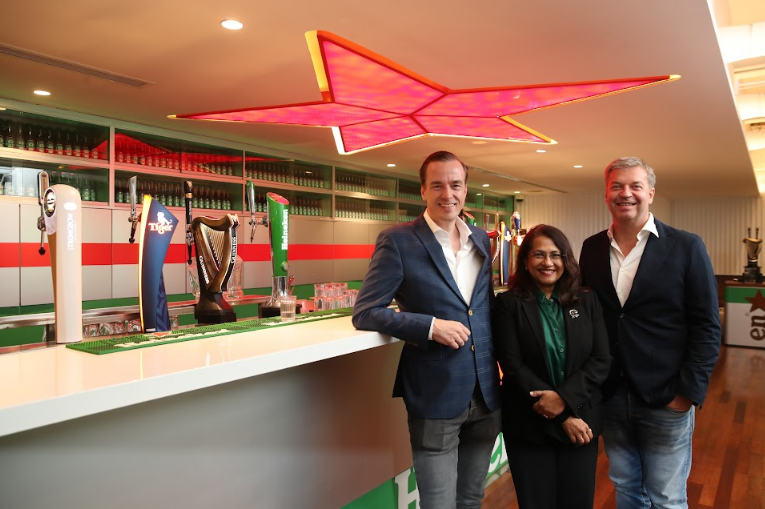
Heineken Malaysia Berhad (HEINEKEN Malaysia) announced its financial results for the second quarter and half year ended 30 June 2024, maintaining consistent performance amid subdued consumer sentiments. In the second quarter of 2024, Group revenue remains steady, with a slight decrease of 1% as compared to the same quarter in 2023 despite consumer sentiments influenced by the rising cost of living and ongoing macroeconomic uncertainties. Regardless, the Group’s PBT increased by 1% as a result of effective cost and value management. For the first half of 2024, Group revenue increased by 4% versus the same period in 2023 primarily due to effective implementation of strategic commercial initiatives such as the Chinese New Year (CNY) campaign in the first quarter. Group PBT increased by 7% as compared to the same period last year mainly due to higher revenue and effective cost management. Commenting on the results, Martijn Rene van Keulen, Managing Director of HEINEKEN Malaysia, said, “We had a strong start to 2024 leading to a positive performance in the first half of FY2024. In light of the volatile trading environment and on-going macroeconomic concerns, we continue to remain cautious. We stay committed to our EverGreen strategy to deliver long-term sustainable and superior growth.” “We continue to invest behind our strategic brands and innovations in the first half of 2024 as HEINEKEN Malaysia initiated a series of activations to engage and connect with our consumers. Our marketing investments, particularly the ‘Cheers to a Bolder Tomorrow’ CNY campaign led by Tiger Beer, have been instrumental in achieving top-line growth. Other innovative campaigns include the Heineken® Refresh and Guinness St. Patrick’s Day celebrations.” “We are also proud to share that our Heineken® CNY campaign emerged as Malaysia’s sole winner at the 2024 Cannes Lions International Festival of Creativity, the world’s most prestigious advertising awards. The brand bagged a Bronze Lion for the Outdoor Category as they showcased creativity by incorporating CNY wishes on our fleet of delivery trucks. With that, we extend our gratitude to our business partners and consumers for their continued support as we stay committed to our purpose to Brew the Joy of True Togetherness to Inspire a Better World,” he added. During the second quarter, Tiger Beer also introduced the Tiger Soju Flavoured Lager – a bold twist to Tiger’s iconic lager, flavoured with a touch of soju. Through its ‘Feel The Twist’ campaign, the brand encouraged consumers to embrace their playful side, express themselves boldly, and elevate their everyday experiences. The Board has declared a single tier interim dividend of 40 sen per stock unit for the financial year ending 31 December 2024 to be paid on 30 October 2024. The entitlement date for the dividend payment is 9 October 2024. Total dividend declared for the six months ended 30 June 2024 is 40 sen per stock unit (six months ended 30 June 2023: 40 sen). On the outlook, Martijn shared, “Despite the current trading environment and macroeconomic uncertainties, our focus remains on the EverGreen strategy to guide us through challenges and deliver long-term sustainable performance. Looking ahead, we will continue to stay agile in navigating the external challenges to deliver a commendable performance this year. As the new Managing Director, I look forward to working with our One Strong Winning Team in achieving greater heights.” HEINEKEN Malaysia’s key EverGreen priorities include: Drive superior growth – With consumer centricity, we shape and lead the premium category and continue investing behind our brands. Fund the growth – Cost and value to drive efficiency to enable reinvestments into our brands and business. Raise the bar on sustainability and responsibility – Deliver on our ambition to become net zero carbon in production by 2030 and the full value chain by 2040. Become the best connected brewer – Accelerate digital and technology to create a Unified Customer Ecosystem with a customer and consumer-first approach. Unlock the full potential of our people – Promote a high-performance culture that boosts our strategic capabilities, nurture the best talents, and foster an organisation where people thrive. The Group is also committed to sustaining its socioeconomic impact in Malaysia. In 2023, it contributed RM1.4 billion to Government revenue through taxes, which is 53% of its total revenue. In addition, the Group has been engaging the communities, business partners and consumers on environmental stewardship, social sustainability and responsible consumption. The Group recently installed solar panels and is engaging its suppliers to increase ESG awareness to support its net zero journey. In terms of challenges, illicit alcohol remains a key concern for the Group and the beer industry. The Group commends Customs enforcement efforts to protect the Government revenue, as any potential increase on excise duty could potentially fuel demand for illicit alcohol. HEINEKEN Malaysia remains committed to collaborating closely with authorities to address illicit trade through comprehensive efforts by promoting greater awareness within the market. For more information on HEINEKEN Malaysia and its initiatives, please visit www.heinekenmalaysia.com. 2QFY24 Results: Revenue decreased by 1% to RM565.5 million (2QFY23: RM569.2 million) Profit Before Tax (PBT) increased by 1% to RM120.0 million (2QFY23: RM118.9 million) Net profit increased by 1% to RM91.1 million (2QFY23: RM90.5 million) 1HFY24 Results: Revenue increased by 4% to RM1.35 billion (1HFY23: RM1.31 billion) PBT increased by 7% to RM281.3 million (1HFY23: RM263.5 million) Net profit increased by 7% to RM213.6 million (1HFY23: RM200.4 million)

Investment & Market Trends, News

Malaysia poised to benefit from trade tensions

KUALA LUMPUR: Malaysia, as a middle power, can play its role in global supply chain security amid the US-China trade stand-off, particularly via its electrical and electronics and renewable energy (RE) sectors. Investment, Trade and Industry Minister Tengku Datuk Seri Zafrul Abdul Aziz said, that globally, investors in industries such as electric vehicles (EVs) and solar power are focused on securing sensitive supply chains. “The emergence of competing supply chains, and the United States’ and China’s efforts to decouple from each other’s economies, has reshaped the dynamics of both international trade and investments,” he said in his keynote address at the Institute of Strategic and International Studies’ PRAXIS 2024 policy conference yesterday. Tengku Zafrul said understanding the clear divisions within the global tech ecosystem has been crucial in positioning Malaysia as a preferred investment destination, particularly for semiconductors. “China’s ‘Made in China 2025’ initiative seeks to establish dominance in crucial technologies such as artificial intelligence AI, robotics, RE, EVs, aerospace and biotechnology. In response, the United States has restricted critical exports and domestic innovation investments through initiatives such as the CHIPs Act. “As a result, many investors are seeking diversification across regions and sectors, as a risk-mitigation measure. Security concerns and over-reliance have led both economies and their regional partners to invest more in separate, rival tech supply chains,” he said. Tengku Zafrul said that at the heart of today’s “Tech Cold War” lies a battle over the semiconductor supply chain, and Malaysia’s 50-year-old semiconductor sector places the country in an excellent position to reap such opportunities. “This is why we introduced the National Semiconductor Strategy (NSS) to move our semiconductor producers up the global value chain to export more higher-value products. “We have already welcomed global investors such as Infineon, Intel and Texas Instruments who have increased their investments in Malaysia, due to our agile tech supply chains. Indeed, as technology continues to evolve, investors are also considering the transformative potential of emerging technologies such as generative AI,” he said. To that end, Tengku Zafrul said, Malaysia is also actively courting investments in related assets such as robotics, AI-powered logistics suppliers and industrial real estate – in short, hardware, software and applications across the AI ecosystem – to help global investors mitigate risks. “Indeed, the semiconductor industry is the backbone of today’s biggest technologies, including AI, EVs and factory automation. It is also pivotal in securing economic prosperity and national security for tech superpowers such as China and the United States, especially as Taiwan still dominates semiconductor manufacturing worldwide,” he said. According to the minister, analysts have estimated that US initiatives, such as the CHIPS Act, may inject roughly US$100bil into the semiconductor industry across the United States, Europe and Asia, with Malaysia having the industrial capacity, track record and stability to reap opportunities successfully. “Malaysia can truly become a ‘middle-power broker’ to support the security of the global tech supply chain. “This is why the NSS has earmarked over RM25bil over the next decade to strengthen and upscale Malaysia’s semiconductor sector through talent development, targeted initiatives for local companies, and incentives to promote investment in high-value-added front-end activity. “Aside from our efforts on developing talent, Malaysia must also apply data-driven solutions. Hence, the continued need for strategic, deliberate and conscious action by policymakers like the Investment, Trade and Industry Ministry,” he said. — BERNAMA

Energy & Technology, Experts

Driving Substantial ROI with the Help of Artificial Intelligence

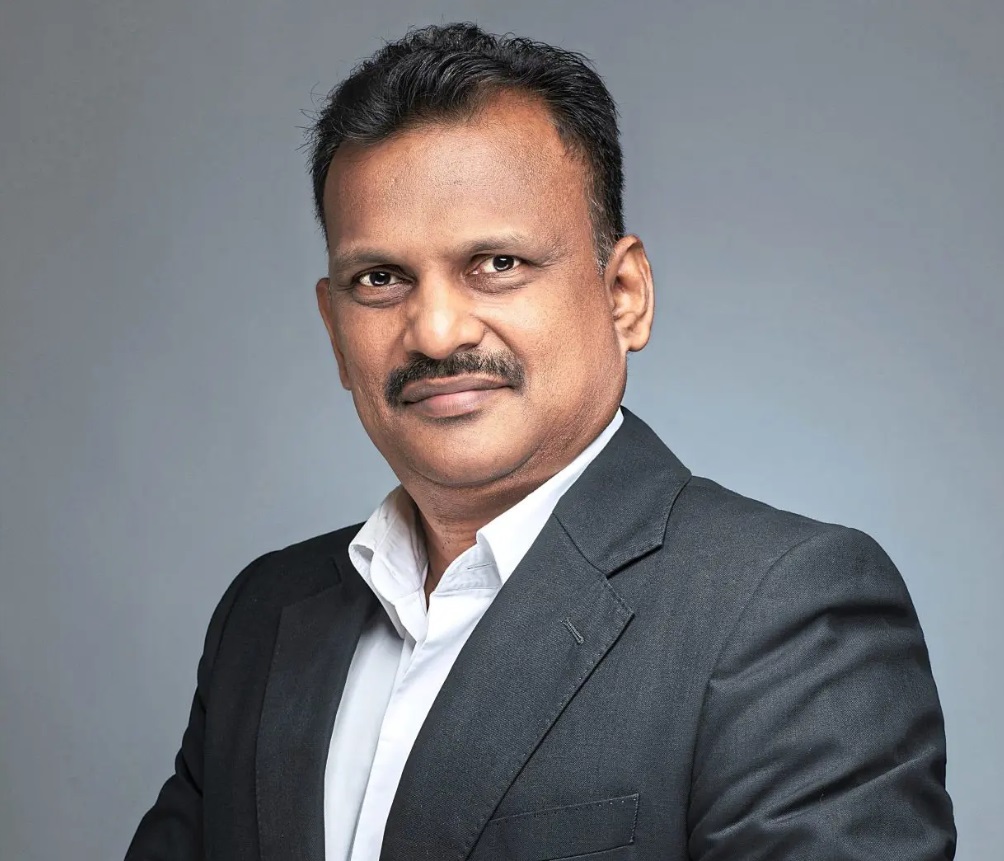
By Lean Partner Founder, Manickavasagam Palaniandy Artificial intelligence (AI) is here to stay, and its role in business continues to grow. However, while 70% of business leaders anticipate that AI will disrupt their industry within the next five years, only 20% feel their organisation is adequately prepared for this impending change. According to a recent poll, in order to address this issue, 66% of executives will recruit AI specialists externally, while 34% said they will train existing staff to fill the technological gap.  But is this enough? What do business leaders really need to know about artificial intelligence – and how exactly can we utilise this wave of technology to increase our return on investment (ROI) significantly? The Benefits of Artificial Intelligence Let’s take a look at the various benefits AI can bring to a business. With AI, it can greatly improve productivity by automating repetitive tasks, business leaders can focus on enhancing customer service or developing new products instead of worrying about manual data entry or account management. In fact, when it comes to improving customer service, AI can also play a role. Through Natural Language Processing (NLP) and machine learning capabilities, AI-based customer service platforms are able to speed up response times and offer personalised recommendations based on purchase or browsing history, improving the overall customer experience. From here, let’s look at how AI can impact both sales and marketing strategies. Business owners can use AI to gather data on customer preferences, market profiles, and competitor activities. In turn, AI’s more efficient capacity for data analytics can also identify the best ways to allocate marketing budgets and which marketing channels are more likely to bear fruit – and of course, automating marketing tasks is a breeze with AI as well. Finally, let’s look at every businesses’ bread and butter – finance. At the root level, AI is fantastic for anything involving numbers, so budgeting, forecasting and planning can be completely automated, as well as cash flow and liquidity management and other operational support services.  Looking even further afield, AI can also assist with risk management, fraud detection, and tax optimisation, or even compliance with regulations around reporting corporate earnings or bank accounts abroad! All in all, it’s clear that using AI can make any business run smoother, faster, and more efficiently.  Using AI to Improve Your ROI Here are four practical steps any business owner can take to start implementing AI into the day-to-day workflow. Firstly, identify high-impact areas by asking, “Which parts of the business can quickly and positively benefit from AI?” For example, an e-commerce company could start by automating the categorization and tagging of product images to save time and improve accuracy. Next, create a strategic AI roadmap with clear goals for the identified high-impact areas. Using the example above, the goal could be to reduce image tagging time by 50% within six months. Start with a small pilot project to test various AI image recognition tools and identify the best one. Once found, implement that tool for all product images. On that note, the third step is to invest in both the right tools and talent. While having image recognition software is good, for further efficiency, finding a machine learning-based image recognition tool that can automatically tag product images and continuously update its own database would work even better. Then, hiring a data scientist to lead the project and train the team on using the new tool would be the perfect follow-up. Finally, it is imperative to continuously monitor and optimise the AI tool. Here, the measurable data points to track regularly include the time saved and the overall accuracy of the AI tool. This ongoing monitoring allows for adjustments and refinements to the tool’s settings, facilitating further enhancements in its performance over time. The Stories of AI-Forward Success We at Lean Partner not only wholeheartedly believe in the power of AI to completely transform operational efficiency, but have seen it for ourselves. Among the clients we’ve assisted, many have been able to leverage AI tools to improve their day-to-day workflow in leaps and bounds.  For one, a hospital used AI for early disease detection, analysing patient data to swiftly identify disease patterns for faster diagnoses and improved patient outcomes. Similarly, a bank employed AI to detect fraudulent transactions, automatically flagging suspicious activities to prevent financial losses and maintain customer trust. Additionally, we also assisted a manufacturing plant in integrating AI for predictive maintenance, analysing machinery sensor data to predict and prevent equipment failures, reducing downtime, production losses, and extending equipment lifespan. The integration of AI technologies offers a practical pathway to achieving – and even surpassing – ROI tenfold. The strategic application of AI can unlock new levels of efficiency, innovation, and profitability. The journey of using AI to boost ROI is complex, but with the right approach, it is well within reach for businesses ready to embrace the AI revolution.

Investment & Market Trends, News

Ad Media Buying Volume in Mobile Gaming Industry for 1H2024 Grew 11%

SINGAPORE: Mintegral, the leading data-driven, programmatic, and interactive advertising platform dedicated to helping mobile apps bridge the gap among the world’s most valuable markets, today announces the key findings in the dynamic market of Southeast Asia from its latest report ‘The State of Media Buying 1H 2024 – SEA Spotlight’. The report reveals that Southeast Asia remains the second-largest market by ad media buying volume (app with ad media buys) after the United States (excluding China), reflecting the region’s dynamic growth and strategic importance in the mobile gaming industry. The region ranks first for ad views, again ex-China. This represents a year-on-year growth of 11% in the volume of ad creatives produced compared to the other regions. Southeast Asia makes up approximately 55% of global in-promotion mobile games compared to global figures. Trailing behind the US, the Southeast Asian region is expanding rapidly. Countries like Indonesia, Thailand, and Vietnam lead in market size and revenue, with Indonesia emerging as the largest single market. The region’s mobile game revenue distribution shows Thailand and the Philippines as the most lucrative markets, with gaming revenues expected to see substantial growth by 2027. Rebounding from last year, action and puzzle games are particularly prominent in the region, both in terms of the number of games promoted and the volume of ad creatives produced, while playable ads are slowly gaining traction. The shift towards playable advertising is pronounced, with a high output of new playable creatives catering to various game genres. This trend is particularly strong in markets like Indonesia, Vietnam, and Thailand, where playable ads have become a crucial component of user acquisition and engagement strategies, underscoring the region’s robust demand for mobile gaming and its burgeoning advertising ecosystem. Mintegral Chief Executive Officer, Erick Fang said, “Southeast Asia’s position as a leading market by media buying highlights the region’s critical role in the global mobile gaming ecosystem. Our report provides valuable insights for marketers and game developers aiming to capitalise on this vibrant market. By understanding regional trends and adopting effective advertising strategies, businesses can unlock new growth opportunities and build awareness around their games.” Benefiting from this growth are games in the Philippines, demonstrating the efficacy of targeted advertising strategies. By leveraging Mintegral’s targeting capabilities and flexible bidding strategies, one of the games achieved over 2 million user downloads and improved in-game purchase rates, significantly boosting its market presence. Part of Mobvista Group, Mintegral is a data-driven, programmatic, and interactive advertising platform dedicated to helping mobile apps bridge the gap among the world’s most valuable markets.

News, Property

Lanson Place Expands Footprint to China and Australia

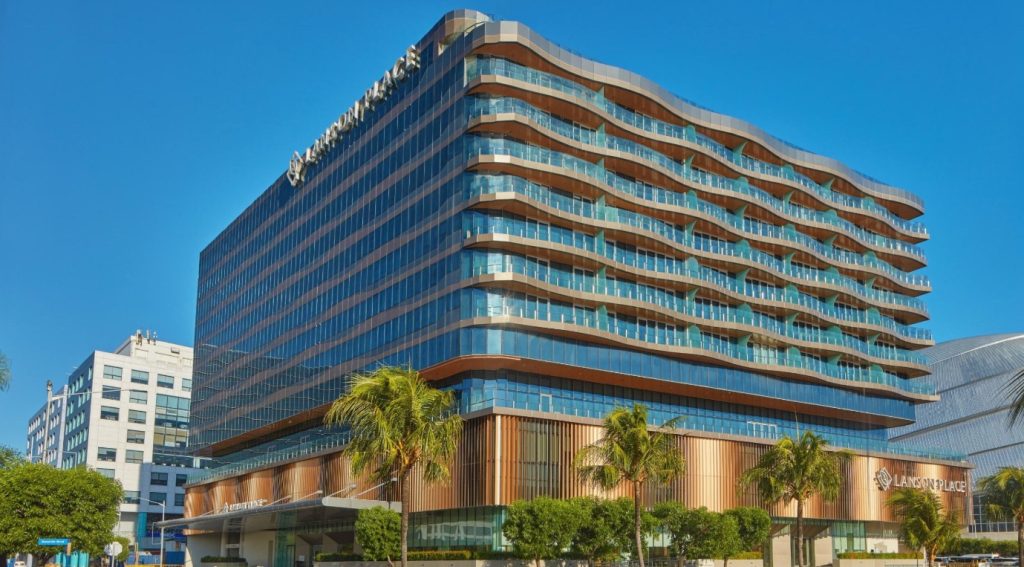
SINGAPORE: Following the relaunch of its flagship in Hong Kong and new opening in Manila, Lanson Place Hospitality Management Limited (Lanson Place) has grown its portfolio to nine properties with two recent additions. The group’s first foray into the dynamic city of Shenzhen, China, and brand debut in Melbourne, Australia, reinforce its position as a transformative brand committed to creating the essence of home for guests seeking to work, rest, relax and recharge. The Lanson Place brand is designed to cater to the growing maturity and sophistication of the premium hotel and serviced residence sector in the Asia Pacific region, as signified by its new market entries: Yi Ju Apartments in Shenzhen, China, offers a new residential solution for the Millennial and Generation Z residents while Lanson Place Parliament Gardens in Melbourne manifests the brand’s signature services in a heritage landmark, formerly occupied by the Salvation Army printing press. Lanson Place has undertaken a significant renovation of its flagship property in Hong Kong, which reopened in March 2024. The newly transformed Lanson Place Causeway Bay, Hong Kong is designed in meticulous detail by world-renowned interior designer Pierre-Yves Rochon. It confidently showcases the personality of the Lanson Place brand and its unique blend of modernity and French flair. “Our aim is to transform and elevate Lanson Place Causeway Bay into the epitome of luxury and contemporary living, reflecting our commitment to excellence and enhancing the overall personal guest experience. Through this flagship, we are establishing the standard for future Lanson Place projects,” said Lanson Place Chief Executive Officer, Michael Hobson. Lanson Place then made its highly anticipated debut in Manila with the opening of Lanson Place Mall of Asia in April this year. Located in the heart of Pasay City, the property redefines urban stays by blending the city’s invigorating energy with the comfort, warmth, and community flavour of home. Conveniently situated within the Mall of Asia complex, one of the capital’s largest malls, the property boasts 247 hotel rooms and 142 serviced residences. It is only a stone’s throw away from SMX Convention Center Manila and just 15 minutes away from Manila Ninoy Aquino International Airport, providing convenience for business and leisure travellers. This September, the opening of Lanson Place Parliament Gardens in Melbourne will further strengthen the group’s collection of sanctuaries in gateway cities. An architectural conservation project located opposite the picturesque Parliament Gardens, the property is housed within the historic walls of the former Salvation Army printing press, located on the edge of the city in Albert Street, East Melbourne. The upscale boutique property features 137 tastefully appointed rooms, studio apartments, and 1- and 2-bedroom apartments. Two exquisite penthouses with panoramic views over Melbourne are its crowning glory. Guests will welcome its contemporary facilities, such as a wellness centre with a 20-metre swimming pool, a 24-hour fitness centre, and a ground-floor restaurant and bar. “Melbourne has a unique appeal to domestic and international guests, with its sporting and cultural calendar which draws visitors consistently throughout the year. We believe that Lanson Place will be a great fit for these guests, whether they are staying for a weekend getaway or a longer stay for work. We’re looking forward to a long future in Australia,” Hobson stated. Lanson Place also made its market entry to the dynamic Chinese city of Shenzhen and the long-term apartment rental market. Yi Ju Apartments is a distinctive project situated in the heart of the Xili district and aims to provide a welcoming and comfortable living experience through its attention to the smallest detail. With a total of 1,610 units offering a range of residential options from studios to four-bedroom apartments, Yi Ju caters to the diverse needs of a young and energetic audience, making this the ideal address in the Greater Bay Area amidst the urban energy of Shenzhen. Strategically located near the city’s transportation network and essential facilities, Yi Ju’s contemporary, minimalist design reflects the lifestyle of its Millennials and Generation Z residents. Renowned for its distinctive portfolio of personal hotels and serviced apartments, Lanson Place serves as a private sanctuary for extended-stay guests with its authentic family-like hospitality. Offering the comfort of home and personal service from devoted hosts, each Lanson Place address cultivates a true sense of community, where meaningful connections are established. With these new projects, Lanson Place is now found in Asia’s gateway cities of Hong Kong, Shanghai, Shenzhen, Kuala Lumpur, Singapore and Manila, with Melbourne joining the group in September 2024.

Investment & Market Trends, News

Encorp Suspends Group CEO Pending Investigations by MACC

KUALA LUMPUR: Property developer Encorp Bhd has suspended its Group Chief Executive Officer (CEO) Hazurin Harun, effective yesterday, to facilitate an internal investigation related to allegations made involving the Malaysian Anti-Corruption Commission (MACC).   According to Encorp, Hazurin’s suspension will last until further announcement by the board and the company will continue its business operations as usual during the suspension period. Meanwhile, its Group Chief Financial Officer Kamarul Azman Kamarozaman@Amir will be appointed as the officer-in-charge who will temporarily assume the duties and functions of the Group CEO. Based on a statement by the MACC regarding the remand of 3 Encorp officers on 8 August 2024, the real estate developer said that it is committed to good governance and transparency throughout the investigation process. “The company is closely monitoring the situation to ensure full compliance and uphold our strong commitment to integrity,” Encorp said in a statement, without disclosing any further details on the reasoning behind the remand of its 3 officers.

Events

APEC’s Major discussions in Peru: Energy, Health, Food Security Take Centre Stage

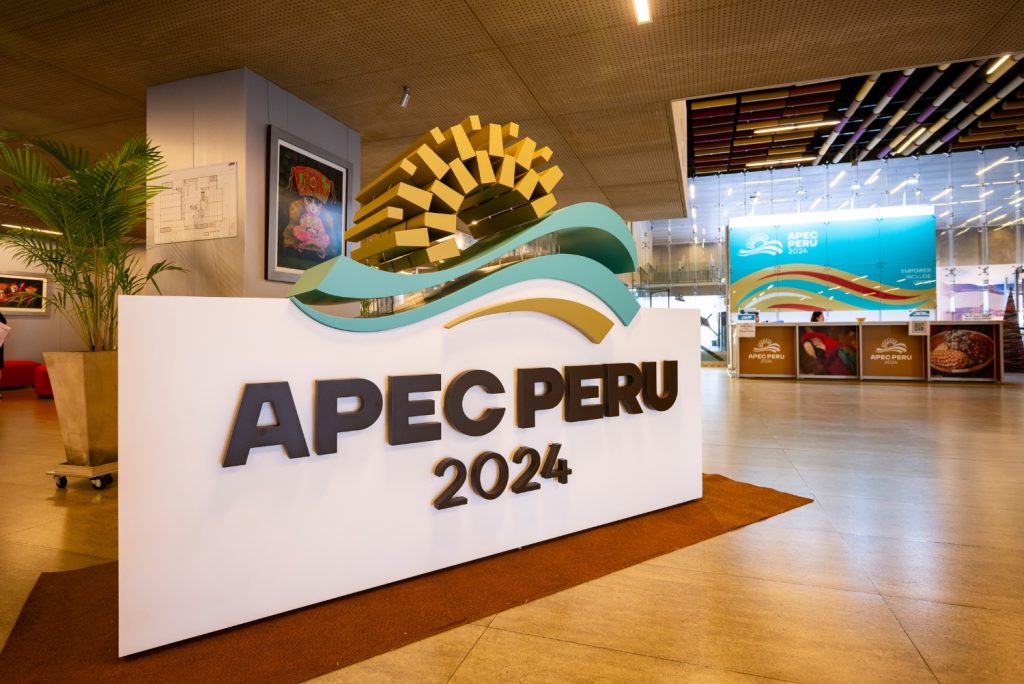
PUTRAJAYA: Senior officials, ministers, and experts from 21 Asia Economic Cooperation (APEC) economies will be gathering in Peru from Aug 12-25,2024 to deliberate on policies regarding food security, energy sustainability, public health improvement, economic growth and resilience. In a statement issued by the APEC Secretariat today, the ministers and officials from the region are joining together to confront pressing economic issues critical for the prosperity of the region. It said the meetings would include the 14th Energy Ministerial Meeting in Aug 15-16; the 14th High Level Meeting on Health and the Economy on 18th in Lima, Peruvian capital; and the APEC Food Security Ministerial Meeting in Aug 19 in Trujillo, a coastal city in northwestern of Peru. “We must continue to strengthen out collaborative efforts in addressing food security, energy, health and economic resilience. “Member economic have benefitted from APEC’s free trade and investment work for the last 35 years.” said the 2024 APEC Senior Officials’ Meeting chair, Ambassador Carlos Vasquez. Vasquez added that Peru has 14 free trade agreements with the APEC economies. Recognising the multiple challenges and uncertainties confronting the APEC economies, he reiterated the need for members to come together and take action to ensure that Asia-Pacific remains the most dynamic region with growth that is sustainable and inclusive, lifting and securing and inclusive, lifting and securing the prosperity of all people. According to statement, the 14th Energy Ministerial Meeting would focus on promoting clean energy transitions, energy efficiency and regional energy connectivity, while the 14th High-Level Meeting on Health and the Economy would explore the interplay between health systems and economic stability,particularly in light of recent global health challenges. “In Trujillo, Food Week, which includes the Food Security Ministerial Meeting from Aug 12-18, would showcase innovative solutions and regional cooperation in the food sector. Emphasis would be on food safety and the reduction of food loss throughout the supply chain, from post-harvest to consumption,” it said. Earlier this month, business leaders from Asia-Pacific region met in Tokyo, Japan, for the APEC Business Advisory Council Meeting and called for greater action to boost free trade, digitalisation and climate response. “The APEC forum continues to be a crucial platform for fostering sustainable economic growth, cooperation, and trade within the Asia-Pacific Region,” said the APEC Secretariat executive director Rebecca Sta Maria. She said that in today’s rapidly changing global landscape, the APEC economies’ collective efforts are more important than ever. The outcomes of these meetings will not only influence the region but also have global implications, especially as we prepare for APEC Economic Leaders’ Meeting in November, she added. –BERNAMA.  

News

Investors remain bullish on Jakarta property

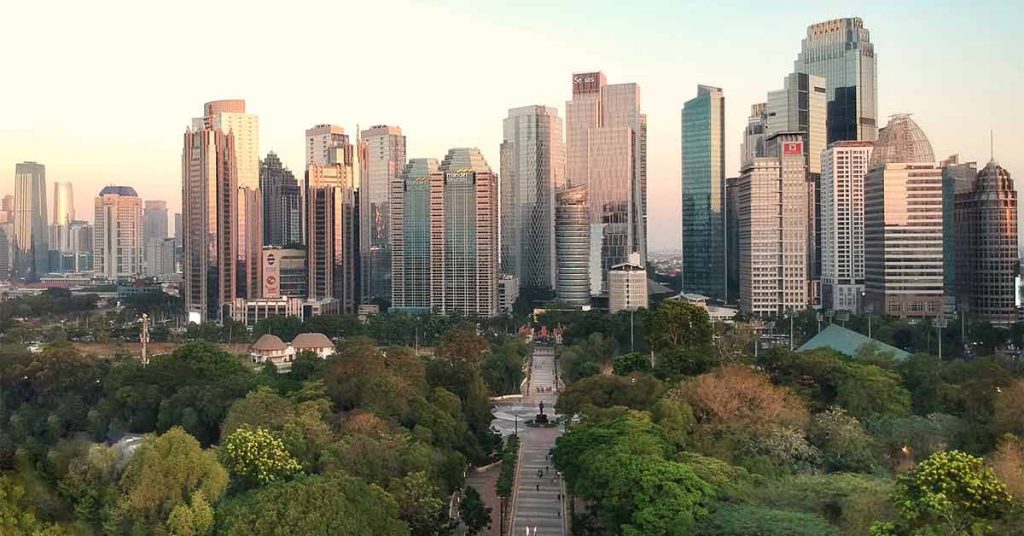
JAKARTA: Investors continue to show strong interest in properties in Jakarta and the surrounding Greater Jakarta metropolitan area despite the construction of the country’s new capital located in East Kalimantan, according to property consultancy Jones Lang LaSalle (JLL) Indonesia. Surabaya in East Java and Bali also emerged as alternative markets attractive for both foreign and local investors, JLL said. “We see strong inquiries for property investment in Indonesia during the second quarter after the election concluded (in February). “Investors remain viewing Greater Jakarta as the strongest location as it’s already an established market,” said JLL Indonesia capital markets senior director Herully Suherman during a quarterly media briefing last week. While the future capital city of Nusantara held promise, Rully noted it is expected to have minimal immediate impact on Jakarta. “Even the state government realises that (the city) is a long-term development,” he added. The real estate market within Jakarta and its periphery area has remained robust as it is mainly driven by commercial considerations rather than external influences, such as Nusantara, he explained. In the second quarter, Rully pointed out that investors focused on six key sectors, namely landed residences, office buildings, hotels, serviced apartments, retail and alternative properties like schools, hospitals, retail, senior living centres and gas stations. Hotels, especially luxury accommodation in Jakarta and Bali, remained in high demand amid the limited supply and the serviced apartments also proved attractive owing to its strong yields. The retail sector witnessed keen interest from international brands, driven by occupancy rates exceeding 90% in mid-to-upper-scale malls. Greater Jakarta was a prime target for these players, Rully noted, but investors remained “picky” with the location chosen and the size of the location chosen. Businesses have long prioritised commercial factors when making investment decisions, with a strong population often cited as a key driver. Jakarta itself is home to a staggering 11 million residents and is projected to swell to over 25 million by 2035 because of robust economic and urban growth, according to Bandung Institute of Technology geologist Heri Andreas. “The density growth would be much greater if it’s combined with Greater Jakarta activity,” Heri told The Jakarta Post. Greater Jakarta is estimated to house a population of 35.4 million people, ranking as the second most populous urban area after Tokyo-Yokohama, Japan, according to Demographia. The population boom, coupled with the megacity’s growing stature as the nation’s prominent business hub, has kept the city an attractive destination for investment. Indonesian Shopping Centre Association chairman Alphonzus Widjaja told The Jakarta Post on July 31 that investors were more interested in building new malls in Jakarta as it shifted its focus to becoming a global city while they were less inclined to build in Nusantara. The small population of the nation’s future capital in East Kalimantan, which is still under construction, means there will be a limited number of customers, Alphonzus said. This prompted the group to request more incentives for local investments “to minimise losses (and prevent) big deficits as the population grows.” Businesses had blamed concerns over the potential market in Nusantara for the private sector’s reluctance to invest in the nation’s new capital. Indonesian Employers Association chairwoman Shinta Kamdani said on June 26 that the future capital city’s small population had become the main obstacle keeping investors from seeing it as a lucrative investment opportunity, adding that the government needed to address this issue. The government envisions the future capital city to be home to two million people by 2040 before increasing to more than four million in 2060. This year, the planned city’s inhabitants are projected to be around 250,000 people this year, according to the Nusantara Authority this February. Cautious approach investors started to adopt a cautious approach in the second half of the year, closely monitoring Jakarta’s market to ensure sustainable returns amid the potential impacts of a United States recession on Indonesia’s economy. Anxiety over a potential slowdown in the United States economy intensified as last week’s market retreat escalated into a global sell-off. “Investors are becoming more detailed in their calculations, considering factors like purchasing power and market growth potential,” Rully said. “They will analyse how many units can be sold and the duration of the sales period. ”This increased scrutiny was evident in the warehousing sector, where decision-making timelines extended to three months compared to the previous one-month timeline,” said JLL Indonesia logistics and industrial head Farazia Basarah. — The Jakarta Post/ANN

ESG, News

SAMENTA to Step Up Efforts to Enhance SMEs’ Understanding of ESG Standards

GEORGE TOWN: The Small and Medium Enterprises Association of Malaysia (SAMENTA) will intensify its efforts to assist small and medium enterprises (SMEs) in the country, in improving their compliance with environmental social and governance (ESG) standards. Its President Datuk William Ng said many SMEs still struggle with meeting these essential standards which are crucial for maintaining competitiveness in the industry. “There are numerous issues requiring SAMENTA’s attention but ESG compliance is a particularly pressing one. We aim to support SMEs in addressing this challenge, by enhancing their understanding and knowledge of ESG requirements,” he said. In addition to ESG compliance, Ng highlighted that a major issue faced by SMEs both in Penang and nationwide is low productivity. Many SMEs still operate below the productivity levels seen in larger companies. Commenting further, he noted that various forms of assistance have been provided to help SMEs increase productivity, including through the SME digitalisation programme. This initiative, in collaboration with the Penang government during the Covid-19 pandemic, supported 1,000 SMEs with donations to implement digital solutions in their businesses. He also mentioned that SAMENTA has over 5,000 members nationwide, while the total number of SMEs in Malaysia is estimated at 1.2 million. — BERNAMA

Investment & Market Trends, News

RPM Platform Markets APAC Launches Its Largest Manufacturing Plant in Asia

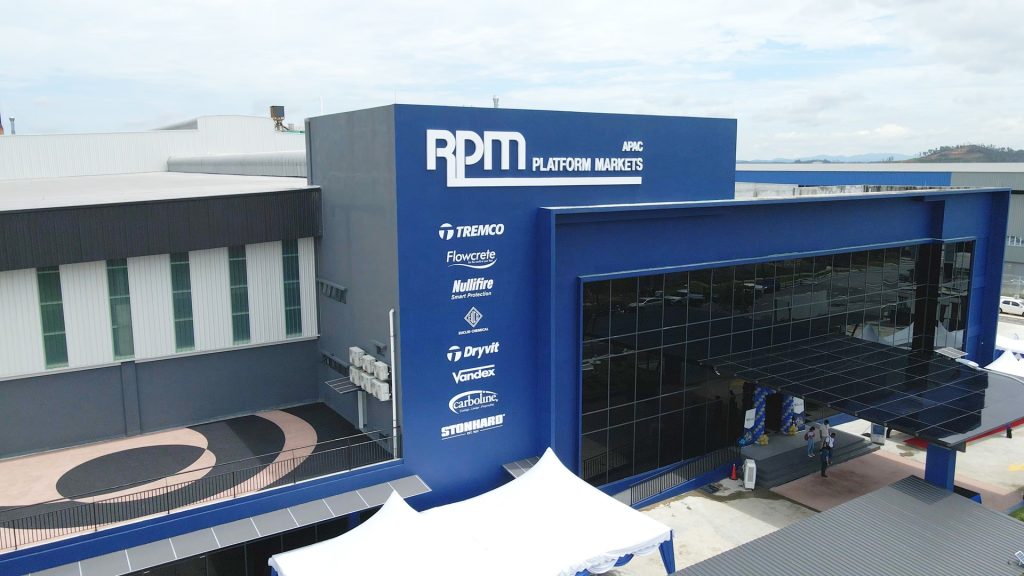
KUALA LUMPUR: RPM Platform Markets APAC, a group comprised of leading brands of construction chemical and coatings products in the Asia-Pacific region officially opened a state-of-the-art manufacturing plant at the heavy industrial zone of UMW High Value Manufacturing Park, Serendah. The new Serendah plant serves as a regional manufacturing hub underscoring a strategic move to strengthen RPM Platform Markets APAC’s leadership in the Asia-Pacific construction market. Equipped with cutting-edge technology, the plant features automated powder manufacturing systems with robotic palletisers and new equipment for producing speciality coating materials. This investment in technology not only boosts efficiency but also ensures high standards of quality and safety. Speaking at the launch event, RPM Platform Markets APAC Managing Director, Saptak Roy said, “The new plant marks a milestone for RPM Platform Markets APAC. Malaysia’s strategic location, robust infrastructure and business-friendly environment made it the ideal choice for this significant investment. The plant’s location in the UMW High Value Manufacturing Park in Serendah, a designated heavy industrial zone, ensures it meets the operational needs of RPM Platform Markets APAC.” According to Roy, the facility demonstrates a move to strengthen the company’s position as a leading provider of construction and coatings products in the Asia-Pacific region. It reinforces our commitment to enhancing our presence and capabilities. The expansion allows for a substantial increase in production capacity – almost doubling RPM Platform’s liquid production and bringing our powder production to almost 7 times more than what it was capable of previously. The new plant incorporates several eco-friendly features, including a rainwater harvesting system, LED lighting for energy efficiency, bulk tanks for liquid storage to reduce waste, and electric forklifts to minimize carbon emissions. Additionally, the plant uses Flowcrete’s epoxy terrazzo flooring containing recycled glass content and includes a roof garden to promote a healthy working environment. “These sustainable practices demonstrate our dedication to environmental responsibility and creating a safe, eco-friendly workplace for our employees,” said Roy. The facility will produce a wide range of products under several RPM Platform brands, including Tremco, Flowcrete, Nullifire, Euclid Chemical, Vandex, Dryvit, Carboline, Stonhard and more, supporting the diverse needs of the construction industry across the region. The new plant is set to create numerous employment opportunities for the local community in Serendah and surrounding areas. Local talent will find opportunities in various fields such as operations, manufacturing, engineering, R&D, logistics, IT support, and more. RPM Platform Markets APAC group companies are also committed to engaging with local universities by offering internships and collaborating on product development and research initiatives.

Scroll to Top

Subscribe
FREE Newsletter