Author name: admin

News

ABB to Upgrade Gas Turbine Control System to Boost Reliability and Efficiency at Singapore Power Plant

ZURICH: ABB has been commissioned to upgrade one of the turbine control systems at the 1,300 MW Keppel Merlimau Cogen (KMC) combined cycle gas turbine on Jurong Island in Singapore, to improve efficiency and reliability. The scope includes replacing the existing Egatrol 8 turbine control system with Egatrol X, which is based on the ABB Ability™ System 800xA® flagship distributed control system (DCS) and modern AC800M portfolio. Transferring full functionality from the existing application to the updated solution allows the customer to avoid downtime and install the control system in the shortest possible time. The project involves upgrading DCS components while keeping the overall structure as far as possible. Instead of having to rebuild the entire system in one go, ABB will provide a flexible, customized approach whereby older components are replaced as and when needed. This prevents unnecessary downtime, avoids the costs associated with loss of operation, and ensures a stable, reliable energy supply with high availability. All control settings are adopted through an in-house software code conversion process, eliminating time-consuming adjustments of system parameters. The user interface, based on System 800xA, only requires minor adjustments, which eliminates operator retraining. The hardware design, featuring ABB’s latest I/O evolution kit, significantly reduces commissioning time and eliminates the risk of re-wiring errors. As part of Singapore’s commitment to achieving net zero emissions by 2050, the government is driving business transformation through grants for energy efficiency and emissions reduction. It is also investing in low carbon technologies to progress the energy transition. With power generation currently accounting for 40 percent of carbon dioxide emissions, the country plans to diversify its energy supply with a focus in four areas: solar, regional power grids, emerging low-carbon alternatives including hydrogen, and natural gas. While natural gas continues to play an important role, as the country expands its energy portfolio, the KMC project showcases how ABB enables customers to enhance energy and carbon efficiency in gas power generation. This initiative not only safeguards current energy security but also supports the integration of renewable energy into the grid, driving forward shared energy transition goals. “As a global leader in the DCS market, ABB has both the expertise and technology to deliver flexible, customized upgrade installations in the fastest and safest way available,” said Per Erik Holsten, President of ABB Energy Industries. “Turbines sit at the heart of a power plant and our gas turbine control systems have been helping utilities to provide electricity to households across the world in the most efficient and sustainable way possible.” “We are pleased to renew the longstanding partnership between Keppel and ABB with the latest turbine upgrade project. Leveraging ABB’s strong domain knowledge, we are confident that KMC will experience a smooth and seamless migration to the updated system, which is critical to our productivity and ability to provide reliable power supply to the grid,” said Miguel Benito, Assistant Managing Director, Technical and Operations, Power & Renewables, Infrastructure, Keppel. This is part of KMC’s ongoing initiatives to adopt automation solutions to boost system reliability and responsiveness, to achieve enhanced efficiency, lower fuel costs, and a reduced environmental impact.

News

Fintech app adoption in SEA will reach 60% by 2030

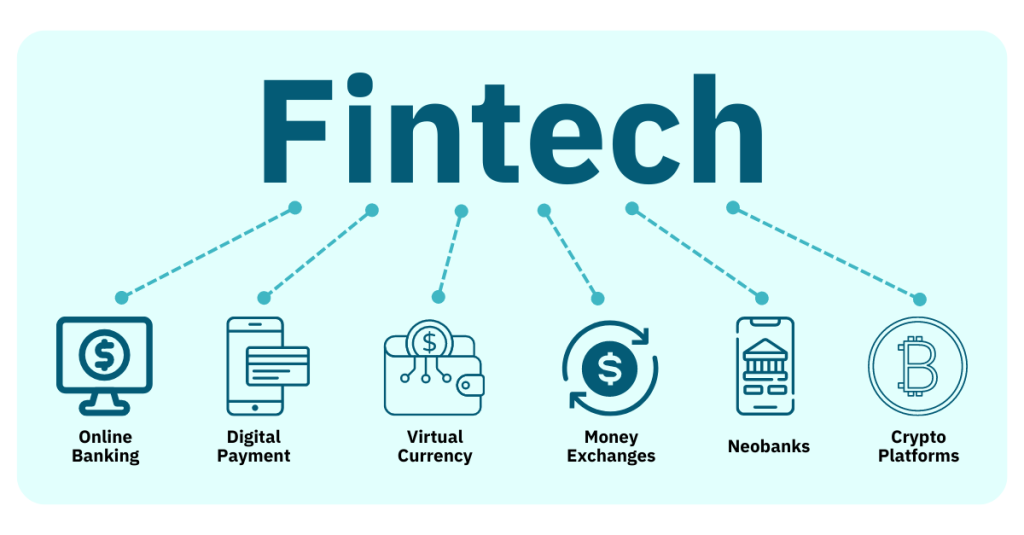
SINGAPORE:  According to the report, mobile fintech penetration in six countries of  Southeast Asia has more than tripled since 2019, reaching 49% in May 2024. The Philippines leads with 63%, followed by Malaysia (55%), Indonesia (49%), Thailand (45%), Singapore (45%) and Vietnam (32%). Analysts at UnaFinancial explain: “The leadership of the Philippines is due to several factors, including the large share of the unbanked population, regulatory efforts to develop digital financial technologies, a large proportion of young and tech-savvy population and a growing level of mobile and Internet penetration.” They add: “Indonesia also stands out with the highest growth rate of fintech users over the past 5 years. The level of mobile fintech app adoption increased from 9% in 2019 to 49% in 2024. Similar to the Philippines, Indonesia is actively developing fintech, supported by government efforts and a large share of the unbanked population.” The leading segments of fintech apps are digital wallets & payments (35%) and mobile banking (18%). The fastest-growing segment is lending apps, which showed an increase from 1% in 2019 to 5% in 2024. The lowest penetration levels are seen in investing and cryptocurrency trading apps (2% each), likely due to decreased investment activity amid the unstable global economic situation. UnaFinancial expects the share of fintech app users in Southeast Asia to grow to 60% by the end of 2030. The Philippines will continue to lead with 72%. Indonesia will take second place with 64%, followed by Malaysia (61%), Thailand (50%), Singapore (48%) and Vietnam (41%). The analysts considered data from data.ai on the number of active users of fintech applications starting from May 2019. In total, the sample included 8,740 apps (IOS + Android) across six countries in Southeast Asia (Singapore, Malaysia, Thailand, Indonesia, the Philippines and Vietnam).

Investment & Market Trends, Property

Singapore leads Asia-Pacific logistics rental growth amid regional moderation in H1 2024

SINGAPORE: In its Asia-Pacific Logistics Markets report for H1 2024, leading independent global real estate adviser Knight Frank says rental rates for logistics spaces in the region have sustained their upward trend. However, this growth has occurred at a more moderate pace compared with previous periods. The region recorded an average year-on-year rental growth of 2.4% in H1 2024, marking a significant slowdown from the 6.2% increase observed in 2023. Singapore emerged as the standout performer in the region, with logistics rents increasing 6.7% from six months ago and 10.8% year-on-year, the highest growth recorded in ten years. Singapore’s strong manufacturing led the growth, with the Purchasing Managers’ Index expanding consecutively over the last 10 months. This strong performance is expected to continue, with forecasts projecting a 3% to 5% increase in prime logistics rents for 2024, as international manufacturers continue to view Singapore as an attractive location for their overseas operational expansion plans.   Despite the overall positive trend, 14 out of 17 tracked cities in the region recorded stable or increasing rents year-on-year in H1 2024, a marginal improvement from six months ago. This indicates a broader pattern of growth across most markets, even as the pace moderated.   Tim Armstrong, global head of occupier strategy and solutions, says, “Global supply chains have again contended with disruptions this year, which have lifted transportation overheads. Consequently, margin pressures have continued to remain significant amid weaker consumer demand. Most occupiers are also anticipating higher rental rates on lease renewals. Constrained by the fragile economic outlook and challenging operating conditions, occupiers will continue to scrutinise space requirements. Leveraging technology and strategically aligning logistics footprints will remain key priorities. Occupiers are expected to be increasingly discerning when considering expansion spaces.”   The slowdown in rental growth was primarily attributed to challenging conditions in Chinese Mainland markets, particularly Beijing and Shanghai. A slowdown in business activity led to a significant 13.5% decline in rentals, with vacancy rates climbing to over 20%. This has prompted landlords to implement rental reductions and offer shorter lease terms in an effort to attract and retain tenants.   Christine Li, head of research, Asia-Pacific, Knight Frank, says, “Although conditions in Beijing and Shanghai are sharply in contrast with the rest of the region, still, it remains clear that logistics occupier markets are on the whole transitioning to a more neutral state from one favouring landlords. However, despite moderating demand, the long-term fundamentals supporting the region’s logistics space market remain intact. As supply chains shift, manufacturing is emerging to be an important sector driving logistics development, along with e-commerce and 3PL players. While there will be ample flight-to-quality options in Beijing and Shanghai, these markets will remain under pressure until adsorption capacity picks up.” Market performance and forecast for the next 12 months:

Investment & Market Trends

FGV Launches Vendor Development Programme to Empower 300 Local Businesses and Drive Industry Growth

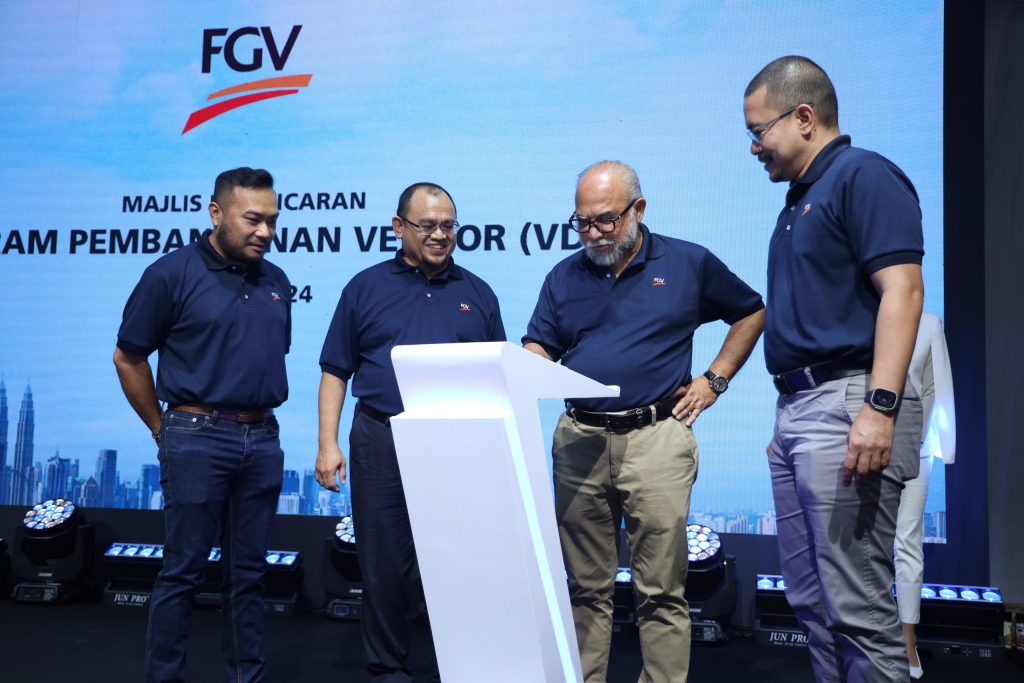
KUALA LUMPUR: FGV Holdings Berhad (FGV), reaffirms its commitment to aligning with one of the key pillars of its Sustainability Framework by fostering local economic growth in Malaysia with the launch of the FGV Vendor Development Program (VDP) to empower 300 local vendors. Officiated by Tan Sri Rastam Mohd Isa, Chairman of FGV, held at Festival FGV in conjunction with Hari Peneroka FELDA 2024 at Malaysia Agro Exposition Park (MAEPS), Serdang, the programme aims to elevate vendors’ capabilities and competitiveness, playing a crucial role in the industry’s growth. L-R: Ami Rozaidi Chik Ros, Vice President of Business Development, Dato’ Mohd Hairul Abdul Hamid, Group Chief Financial Officer of FGV, Tan Sri Rastam Mohd Isa, Chairman of FGV, Dato’ Nazrul Mansor, Group Chief Executive Officer of FGV Aligned with FGV’s mission, the VDP initiative streamlines vendor standards nationwide across its five business divisions– Plantation, Oils and Fats, Consumer Products and Integrated Farming, Logistics and Support, and Sugar. This initiative aims to empower young entrepreneurs and enhance commercial capabilities. “In support of Malaysia’s national agenda, we are looking to assist our vendors to become more competitive in the local and global markets. Through our vendor development initiatives, we are creating a dynamic and resilient vendor ecosystem that will drive efficiency, reduce costs, and improve overall quality and delivery times,” said Dato’ Nazrul Mansor, Group Chief Executive Officer of FGV. “Our VDP partners will be selected among capable Malaysian entrepreneurs. We have several projects including an entrepreneur programme. Participants will undergo skilling modules and training for six months followed by three months of professional development programmes and elective training. FGV is committed to building a vendor network that is proficient and adaptable to market dynamics and technological advancements,” Dato’ Nazrul added. As part of the programme, partners are being offered structured training modules designed to equip vendors with essential skills and knowledge. Crafted in collaboration with relevant government and private agencies, the training modules ensure vendors are well-prepared to handle the demands of modern agriculture and industrial practices. The services that VDP partners will render range from palm oil harvesting to infrastructure construction, electrical works, plumbing works, and road maintenance, as well as various supply chain services including machinery, tools, and general supplies. This diverse scope not only supports FGV’s operations but also creates opportunities for entrepreneurship and job creation throughout Malaysia, particularly in underdeveloped regions outside of major cities. By investing in vendor development, FGV aims to foster a sustainable supply chain ecosystem that supports long-term growth and competitiveness. Through these efforts, FGV continues to uphold its leadership in the global palm oil industry while contributing positively to Malaysia’s economic and social development goals. For further information on FGV and its vendor development initiatives, please visit www.fgvholdings.com.

Energy & Technology, News

FinVolution Takes Next-Gen Tech to Fight Deepfake-Driven Financial Crimes

SHANGHAI: Deepfake technology, an artificial intelligence tool capable of generating convincingly fake audio and video, is increasingly being used to perpetrate financial crimes worldwide, raising serious concerns about sophisticated fraud. In a notable incident reported by CNN earlier this year, a finance worker was tricked into transferring US$25 million during a video call with an individual posing as the company’s chief financial officer (CFO), who was actually a deepfake. Such an incident has intensified fears about the vulnerability of financial systems to advanced fraud techniques. Furthermore, global fintech platforms are confronting a rising wave of AI-driven criminal activities. FinVolution, a leading fintech company, has reported an increase in AI-generated attacks on its platforms and has significantly invested in deepfake detection technologies to combat this threat. The increasing prevalence of deepfake technology in financial crimes has been underscored by a report from Sumsub, an identity verification provider. Its latest annual report revealed that identity fraud cases involving deepfakes have increased tenfold from 2022 to 2023. The situation in the Philippines is particularly concerning, with a staggering 4,500% increase in attempted fraud schemes utilising deepfake technology. In China, identity fraud involving voice manipulation has outpaced facial deepfakes, with FinVolution intercepting over 1,000 such incidents in just a few months last year. Meanwhile, Southeast Asia is experiencing a surge in AI visual deception techniques, such as facial swaps, which pose new challenges to the security of digital financial services. FinVolution Vice President Lei Chen and head of its big data and AI division emphasised the urgency of the situation. “Globally, the technology to detect fake voices is not keeping pace with the technology used to create them. We are pushing for advancements in AI that can detect these fakes, aiming to align these defences with the capabilities of large-scale model applications,” Chen said. “Such efforts are vital for effectively safeguarding the security of public information and individual rights,” he added. In an effort to combat these threats, FinVolution Group has heavily invested in developing voiceprint recognition anti-fraud solutions tailored for financial scenarios. The company has taken a proactive approach by introducing its proprietary voiceprint recognition algorithmic model, which has been commercially utilised 2 years before external open-source models. The model has gained recognition within a mere 4 seconds across millions of transactions. Moreover, it supports multiple languages, including Indonesian, Chinese, Spanish, and more, and holds a particularly strong position in Indonesian and Spanish markets. FinVolution is also at the forefront of combating fraud in global financial markets with its tailor-made AI anti-fraud technologies. These cutting-edge services include advanced facial and document forgery detection and voice synthesis algorithms, which are integrated into apps of leading international brands. By leveraging facial recognition and voice verification, these AI-driven tools play a crucial role in preventing illegal impersonation and bolstering the effectiveness of risk management strategies. Notably, in Southeast Asian markets, FinVolution’s technologies stand out by accurately identifying and intercepting financial fraud activities with generative AI, achieving a detection accuracy rate of over 98%. In another proactive move to advance AI deepfake detection development, FinVolution is leading the charge in fostering industry collaboration. This includes hosting competitions and supporting academic research. For example, the company’s latest initiative – the 9th FinVolution Global Data Science Competition – zeroes in on deepfake speech detection and challenges global participants to leverage deep learning and AI adversarial techniques. This competition targets the accurate identification of falsified speech generated by the latest large-scale models, with increasing difficulty levels reflecting evolving threats. Notably, this year’s competition has been featured as part of the International Joint Conference on Artificial Intelligence (IJCAI) 2024 challenges. Looking ahead, FinVolution remains steadfast in its commitment to advancing deepfake recognition technologies, prioritising user safety, and fostering a secure financial environment on a global scale.

Investment & Market Trends

ACE Market Bound Sik Cheong Berhad’s IPO Oversubscribed By 213.53 Times

RBD palm olein oil repackaging, marketing and distribution company, Sik Cheong Berhad (“Sik Cheong”), has garnered strong interest from investors for its initial public offering (“IPO”) exercise, which has been oversubscribed by 213.53 times ahead of its listing on the ACE Market of Bursa Malaysia Securities Berhad (“Bursa Securities”). Based on information extracted from Bursa Securities’ website, this oversubscription rate ranks as the highest among all IPO issues in the past ten years. Sik Cheong, through its subsidiaries (collectively, the “Group”), is primarily engaged in the repackaging, marketing and distribution of RBD palm olein oil products, which is a refined, bleached and deodorised liquid palm oil. The Group’s primary revenue contributor comes from its RBD palm olein oil cooking oil products, sold under its house brands of “Sawit Emas” and “Vitamas”. The Group also sells RBD palm olein lamp oil under “Pingat Emas” brand, as well as trades third-party products, primarily margarine, upon customer requests.   Sik Cheong’s IPO exercise involves a public issuance of 66,000,000 new ordinary shares (“Shares”), representing 24.8% of its enlarged share capital, and an offer for sale of 20,000,000 existing shares, or 7.5% of its enlarged share capital by way of private placement to selected investors.   Sik Cheong has received a total of 26,395 applicants for 2,853,204,800 Shares with a value of approximately RM770.37 million for the 13,300,000 Shares allocated to the Malaysian public, representing an overall oversubscription rate of 213.53 times. For the Bumiputera portion, 14,953 applications for 1,306,082,200 shares were received, representing an overall oversubscription rate of 195.40 times. As for the public portion, 11,442 applications for 1,547,122,600 shares were received, resulting in an oversubscription rate of 231.65 times.   The 4,000,000 Shares available for application by the eligible Directors, employees and persons who have contributed to the success of the Company have been fully subscribed.   Meanwhile, the private placement of 48,700,000 Shares and 20,000,000 offer shares made available via private placement to selected investors have also been fully placed out. Notices of allotment will be dispatched to all successful applicants on 9 August 2024. Managing Director of Sik Cheong, Mr. Wong Hing Ngiap said, “We are truly grateful for such strong response to our IPO. This reaffirms our strategic direction and reinforces our commitment to creating value for our shareholders as we continue to pursue growth opportunities in the distribution of essential food.” “Our growth strategy involves expanding our product range to include high oleic soybean oil, where we have been receiving enquiries from food manufacturers and hotel operators. Leveraging our experience and existing customer base in offering RBD palm olein oil products, we believe we have a solid foundation to secure new orders and cross-sell this new product. Sik Cheong recognises the potential of high oleic soybean oil, supported by its affordability, wide availability, and the growing food and beverage industry in Malaysia. This makes it a strategic addition to our product portfolio, suitable for households, hotels, restaurant and catering operators, and food manufacturers.”   With Sik Cheong’s RBD palm olein oil products well-received and widely available, the Group also plans to extend its reach beyond its current strongholds of Kuala Lumpur and Selangor. Sik Cheong aims to capture a larger customer base and continue its growth trajectory by expanding into neighbouring states such as Perak, Negeri Sembilan, Melaka, and Pahang.   Sik Cheong is scheduled to be listed on the ACE Market of Bursa Securities on 13 August 2024. With an IPO price of 27 sen per Share and an enlarged issued share capital of 266.0 million shares, the Group’s market capitalisation upon listing is estimated to be approximately RM71.8 million.   TA Securities Holdings Berhad is the Principal Adviser, Sponsor, sole Underwriter and Placement Agent for the IPO Exercise.

Investment & Market Trends

Ekuinas Invests RM 1.2 Mil Propel Bumiputera SMEs to New Heights via ILTIZAM Catalyst

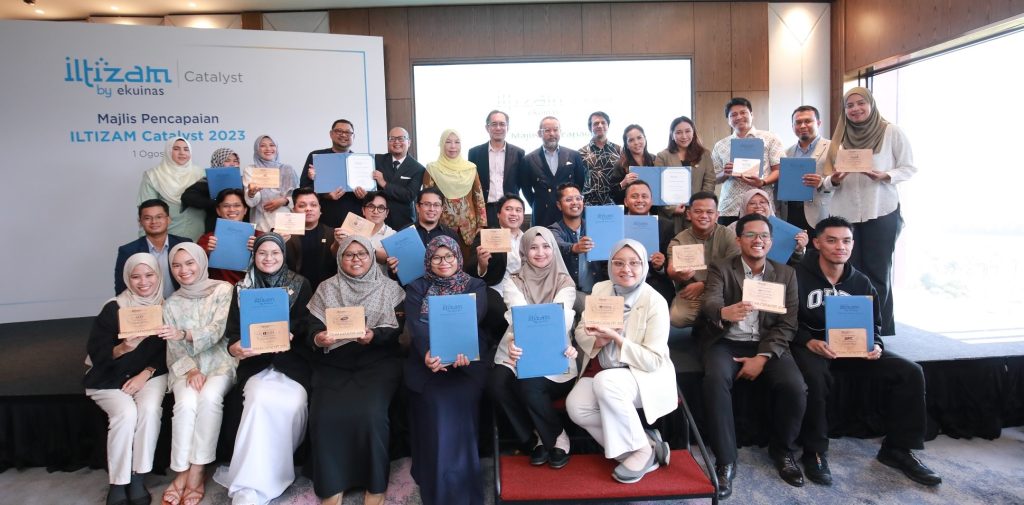
KUALA LUMPUR: Upholding its mandate to encourage Bumiputera participation in the economy and in line with creating strong Bumiputera entrepreneurs and sustainable enterprises, Ekuiti Nasional Berhad (Ekuinas), through its ILTIZAM Catalyst Programme, has accelerated business growth for 38 Bumiputera SMEs across diverse business sectors, since the programme’s inception in 2022. Speaking at a ceremony celebrating the achievers of ILTIZAM Catalyst 2023, Dato’ Syed Yasir Arafat Syed Abd Kadir, Chief Executive Officer of Ekuinas, said, ” As a private equity firm, we recognise the common, and the unique challenges faced by SMEs. We understand their journey. ILTIZAM Catalyst is an initiative to empower, strengthen and accelerate Bumiputera businesses. We allocated RM1.2million for this 12-month programme. SMEs are the backbone of the economy. Through this structured framework, which focuses on four technical and fundamental business areas – finance and compliance, branding and digital marketing, technology adoption, and leadership, we are empowering Bumiputera entrepreneurs to shift from mere ‘survival’, to competing, growing sustainably, and carving a niche in their respective industries.”   With its core business in private equity investment and aggressive value creation for its portfolio companies, Ekuinas understands the common denominators that make or break a company – and these core areas are addressed in ILTIZAM Catalyst as they are the pain points commonly faced by SMEs. The 12-month programme combines assessment, technical and non-technical training by expert consultants, mentorship  by industry leaders and monitoring, aimed at helping entrepreneurs strengthen business fundamentals and chart strategic and sustainable growth.   “To track the effectiveness of the programme, we introduced five key performance indicators (KPIs). This is the second batch completing the programme and we see its growing impact. Based on the KPIs set, I am pleased to share that for Catalyst 2023, 100% of the companies gained improved clarity in their business direction, 94% improved their entrepreneurial and leadership capabilities, 71% experienced improved brand presence and business visibility, 59% recorded an increase in product profitability; and 29% improved their financial strength and business compliance. Nine out of the 17 companies achieved at least four of the five KPIs set.   “Ekuinas will continue our mission to create a thriving ecosystem for SMEs. The success of all participants completing ILTIZAM Catalyst 2023 today reflects the transformative effect of our programme,” Dato’ Syed Yasir Arafat commented.   Among the notable companies this year was Splashtastik, water enthusiasts who began their business in 2017 to address the need for swimming classes for babies.  Nurzieyana Shazmin, Director of Splashtastik said, “Being part of Catalyst has significantly impacted our business growth, notably by transitioning from a part-time home-based operation to a structured business. I’ve been to many business courses but ILTIZAM Catalyst is different as there are very specific areas of assistance.  We managed to complete our branding story, paving the way for more effective advertising. Now, we are able to present our company with a better vision. Our financials have also improved tremendously. We are beyond grateful to be part of ILTIZAM Catalyst 2023. The guidance from experts in the field is invaluable!”   Another success story is Benefigs, a producer of locally grown figs. Mohamad Hafidz, Chief Executive Officer of Benefigs shared “The biggest advantage we have is that figs thrive with our technology in Malaysia as it is non-seasonal and produce fruits everyday. We seized this opportunity in 2020. One of our challenges was that there were no established reference point, as fig farming is relatively new in Malaysia. Through Catalyst, we reidentified our target market, restructured our business, aligning it with our accounts, and enhanced our marketing with social media, steering our company towards a clearer direction. Our operations now span fig fruit production in upstream, eco-tourism in midstream, and we are hopeful that in the future, Benefigs will transform into a multifaceted enterprise, expanding into consumer products like shampoos and lotions with fig base.”   Catalyst alumni from the 2022 batch, Jiham Kaligrafi, an Islamic art and design company has seen ups and downs in the business which began as a hobby in 2015. Following their participation in Catalyst, Mohamad Azham Shah Bin Johari, its Managing Director acknowledges the significant improvements recorded.  “Catalyst provided us with a system to better manage our staff, clients and suppliers. Like many entrepreneurs, we were focused on our goals, without a structured strategic framework. Combining clear goals with the systems provided in the programme has enabled us to more effectively achieve our objectives. We’ve also experienced strong customer engagement at our Southville outlet, coupled with consistent online orders through our social media promotions.”   Another alumni, Nor Sa Adah Ghzali also known as Adda Uwais, CEO of Keto Diet Sifu shared, “The business development module has helped reduce my operational cost and enhanced my business model. It may seem like a simple shift, however this brought significant impact to our sales. On the financial front, we were exposed to a scoring method, so we now have an indicator for the company’s financial standing. Looking forward, we are working towards establishing a retail store to provide easy access to healthy food.” Keto Diet Sifu introduced its EatSlim platform in 2017 and today they offer ready to eat meals, which are diabetes and GERD-friendly.   Application to participate in the next programme, ILTIZAM Catalyst 2024 is now open until 15 August 2024. Bumiputera SMEs in manufacturing, food & beverage, retail, education, agriculture, healthcare and other services, which are registered with the Companies Commission of Malaysia, have an annual revenue between RM300,000 to RM1 million with a profitable track record over the last two years, are encouraged to apply. Visit https://iltizam-catalyst.ekuinas.com.my/ to learn more about ILTIZAM Catalyst.   ILTIZAM is Ekuinas’ Corporate Social Responsibility (CSR) arm that undertakes sustainable development efforts by reaching out to the wider Bumiputera community via three pillars, namely, Education, Entrepreneurship and Community programmes. In 2023, Ekuinas through ILTIZAM, disbursed a total of RM13.8 million through its initiatives benefitting a total of 74,000 individuals, families, entrepreneurs and businesses across Malaysia. Of this, RM3.3 million was channelled

News

emart24 continues aggressive expansion into East Coast

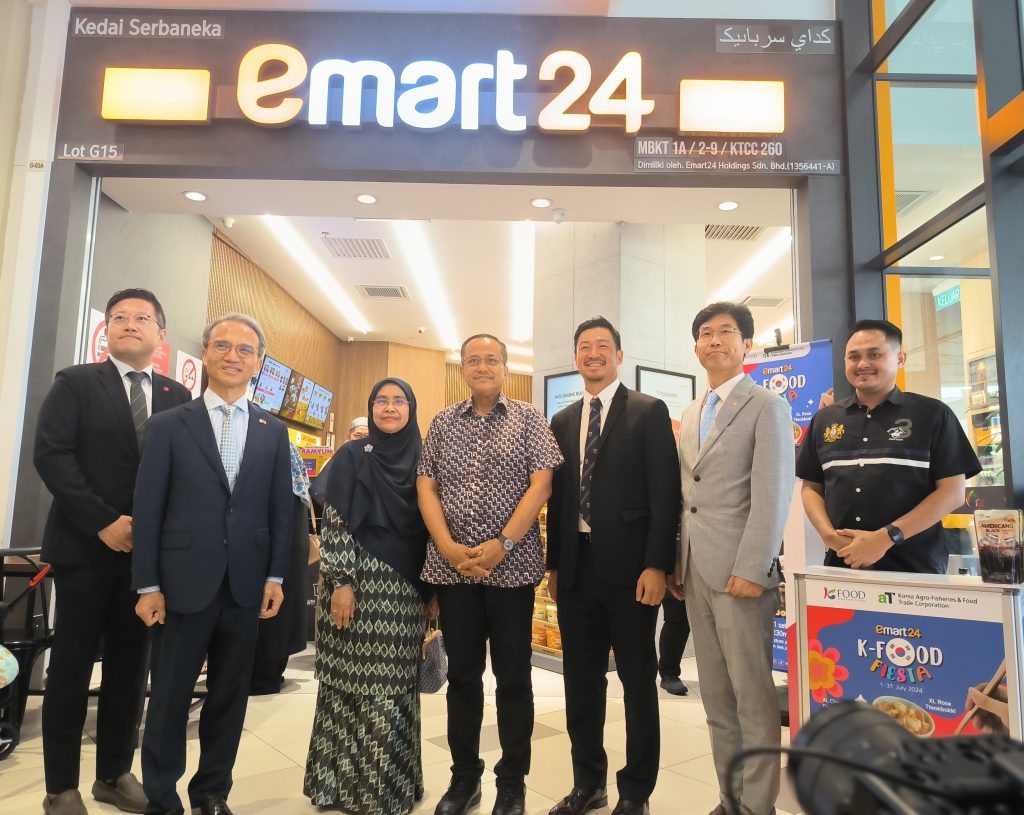
KUALA TERENGGANU: Popular Korean convenience store emart24 plans to open 17 more outlets on the East Coast this year due to strong customer demand for its affordable Korean street food and drinks made from halal ingredients. Chief executive officer of emart24 Holdings Sdn Bhd Vuitton Pang said this after a visit to emart24 at KTCC Mall here by Menteri Besar Dato’ Seri Dr Ahmad Samsuri Mokhtar and Ambassador of South Korea Yeo Seung-Bae recently.   “We are encouraged by the extremely strong response from Malaysian consumers especially those in Kelantan, Terengganu and Pahang. Being grateful for the tremendous support for emart24, we want to serve our customers wherever they are, even in the smallest towns,” Pang said.   emart24’s plans to increase its East Coast outlets from the current 28 to 45 by the end of this year will also create hundreds of jobs for locals. Its stores in East Coast now serves almost 300,000 customers each month.   “We plan to more than double our store count in Terengganu from seven to 15 by year-end while in Kelantan, we are already firm on opening six more to add to the current 14 stores there.    “For Pahang, we have earmarked three store locations already to make it 10 by year-end from seven currently,” he said, adding that the company was always open to proposals from property owners who felt there was a need for the store in their neighbourhood.   emart24 now has 65 stores in Malaysia and plans to expand its network to 300 within five years. “With our consistent quality and affordable Korean street food and drinks served in a modern sleek ambience, we are confident of meeting the tastes and preferences of Malaysian consumers,” Pang added.   Owned by Shinsegae Group, the largest retailer in South Korea, emart24 is the fastest-growing convenience store brand in South Korea with more than 7,000 outlets in various formats and store sizes. It entered Malaysia, its first overseas market, in 2021 and has adopted a tagline of Rasa Korea, Hari Ceria, to fit its brand position of being the “destination for tasty Korean Street Food to brighten up your day”. The outlet at KTCC Mall was a hive of activity during the recent K-Culture Festival held there and both the Menteri Besar and the Korean Ambassador tried the newly-launched Jjajajang Tteokbokki. Its other popular menu items are Cupbap, Corn Sausage, Korean Fried Chicken, pouch drinks and Ramyun which customers could prepare themselves at the store.

Investment & Market Trends, News

Malaysia on Track to Become ASEAN’s Data Centre Hub

KUALA LUMPUR: With Malaysia’s data centre industry projected to reach RM3.6 billion in revenue by 2025, it’s more important than ever to prepare local industry players for the expected growth and strategically place data centres throughout the country, accelerating the industry’s development. Recently, Deputy Communications Minister Teo Nie Ching said that Malaysia is on the right track in its aspirations to become a regional data centre hub. “RM76 billion worth of data centre-related investments have been approved by the Investment, Trade and Industry Ministry via the Malaysian Investment Development Authority (MIDA) from 2021 to March 2024. “From this, we see that more industry players are investing in the digital economy and a lot of existing data centre operators here are expanding their operations,” he said. “This is an opportunity to create more high-value jobs for Malaysians and at the same time, to ensure our place as a digital economy leader in ASEAN,” she added. According to Teo, creating an ecosystem for data centres and cloud services could potentially increase the number of industry suppliers in the country. Leading global provider of hyperscale data centre campuses, Vantage Data Centres is one that is making its presence known in Malaysia, with the development of the campus being part of the US$3 billion investment that was injected into the country. Digital Minister Gobind Singh Deo said that the growth in the data centre market in Malaysia experienced an expected compound annual growth rate (CAGR) of 13.92% from 2023 to 2029, presenting a huge potential for expansion. Attractive Market Among the many factors of Malaysia being an attractive location for data centre operations include the low electricity tariff, which is the lowest in ASEAN. On this, Savills Malaysia Managing Director Datuk Paul Khong said, “The average electric tariff in Thailand and Singapore are now well priced at 51 sen per kWh (THB3.99) and RM1.11 per kWh (S$0.3247) respectively. In comparison, Malaysia charges 33.7 sen per kWh and 20.2 sen per kWh during peak and off-peak periods, respectively, for high-voltage industrial usage.” Khong also added that favourable government policies in Malaysia, with tax incentives and subsidies, are an added bonus, saying, “Notable incentives given include a 100% tax exemption to eligible data centres and cloud business investments.” Furthermore, the abundance of industrial land in the north and south of the peninsula increases Malaysia’s attractiveness. “These industrial parks provide competitive land prices, alongside investment incentives supported by the government,” he added. Having this in mind, a prominent investment outfit, Qew Group Bhd is also making its mark in the telecommunications industry which further contributes in the digital landscape of the country. Currently, the Group operates 59 telco towers in Klang Valley, Sabah and Labuan with an asset value of RM59 million and generating an annual revenue of RM6.24 million. Having 37 sites fully operational and an additional 22 monopole structures scheduled for completion by 3Q 2024, the assets are under a 10-year contract with the option for renewal. “We are also involved in the fibre network operations in Kelantan, KELNET with a capital investment of RM45 million. To date, KELNET’s projected revenue and asset value are estimated to reach RM278 million over a period of 5 years,” said Qew Group Bhd Group Executive Chairman, Dato’ Dr Muhamad Iqbal. Additionally, Dato’ Iqbal highlighted that Phase 2 of the project anticipates the completion of 127 new towers and the deployment of a 100km fibre network by 2026, which is expected to generate an annual commercialisation value of RM5 million. These projects are outlined in one of the Group’s 3 strategic pillars, dubbed Bright Future, which also includes real estate development.

Investment & Market Trends, News

Vietnam’s Non-Life Insurance Segment to Remain Stable, Says Am Best

KUALA LUMPUR: Global credit rating agency, AM Best has maintained a stable outlook on Vietnam’s non-life insurance segment, citing accelerating non-life premium growth and increased demand for commercial lines insurance. In its latest Best’s Market Segment Report, ‘Market Segment Outlook: Vietnam Non-Life Insurance’, the rating agency notes the country’s Insurance Business Law as a recent regulatory reference supporting the stable outlook, as the newly adopted requirements on risk management, internal controls, internal audits and actuarial standards are expected to enhance risk governance and strengthen financial conduct. Property insurance was a key business growth driver in 2023, in which government spending on renewable energy, transportation, and other large-scale infrastructure projects are likely to drive greater demand for insurance coverage going forward. Vietnam’s non-life insurance market growth also should continue to benefit from the country’s reputation as an attractive destination for foreign direct investment (FDI). AM Best Senior Financial Analyst, Ken Lau said FDI inflows are expected to continue as one of the growth engines of the country’s economy, which in turn will bolster demand for commercial lines insurance. “Vietnam remains a magnet for FDI, as investors continue to seek global supply chain diversification,” he said in a statement. At the same time, market competition has eroded the underwriting profit margins of the motor and health insurance segments, owing partly to looser underwriting. Near-term pricing competition in these lines could constrain technical margins. The non-life insurance industry’s earnings also may be dampened by lower investment yields over the near term. The State Bank of Vietnam lowered the policy interest rate multiple times in the first half of last year and is expected to maintain an accommodative monetary policy stance over 2024. — BERNAMA

Scroll to Top

Subscribe
FREE Newsletter