Author name: admin

News

Kakao founder charged with stock manipulation in landmark case

SEOUL: South Korean prosecutors have indicted Kakao Corp. founder Brian Kim on charges of stock manipulation, kicking off a watershed case that’s transfixed South Korea’s young internet industry. Prosecutors formally charged the entrepreneur with market violations during his company’s takeover battle for SM Entertainment Co., Yonhap News reported Thursday (Aug 8). Kim was allegedly involved with an attempt to buy and push SM stock above a rival offer of 120,000 won (US$87) from BTS-agency Hybe Co. Executives carried out that alleged maneuver over a total of four days, in mid-February 2023 as well as later that month, Yonhap said, citing prosecutors. The billionaire who created Korea’s dominant social media platform is at the center of one of the country’s most sensational corporate cases in years. Kim was arrested in July for his suspected involvement in that alleged scheme – making him the highest-profile tech executive behind bars since prosecutors went after Samsung Electronics Co.’s Jay Y. Lee. Thursday’s indictment paves the way for an eventual trial, a date for which will be set later. Kim will remain in detention till then. Kakao’s shares gained as much as 2.1 per cent after the company reported an 81 per cent surge in June-quarter net income. But longer term, the outcome of the case could have serious implications for a US$25 billion business empire spanning several listed firms and a plethora of internet spheres. Kakao had pursued the deal to secure the content it needed to extend its dominance in markets from music and shopping to ride-hailing. Instead, it triggered legal scrutiny, and raised questions about the future of up-and-coming innovators as they challenge the country’s conglomerates. A representative for the prosecutors’ office confirmed in a message that Yonhap’s report was accurate. Kim and Kakao spokespeople have repeatedly denied the allegations and said no illegal activities transpired during the acquisition of SM. On Thursday, a company representative said it will explain the truth about what happened during the impending trial, and work to minimize any management disruption with Chief Executive Officer Chung Shina at the helm. It’s a stunning turn for the 58-year-old Kim who amassed a fortune of US$14.4 billion at its peak, earning his place as Korea’s richest person. As of this week, that had dropped to about US$3.4 billion, according to the Bloomberg Billionaires Index. His arrest also reflects a shift in attitude in South Korea. Kim and fellow entrepreneurs like Coupang Inc.’s Bom Kim were once hailed as pioneers who prevailed against Silicon Valley titans to create a Korean-centric internet – a high-growth, splashier alternative to the steel firms, chipmakers and shipbuilders that power Korea’s economy. But as their influence grew, government officials grew concerned about the way internet services were displacing smaller merchants and incumbents in banking, retail and entertainment. In 2022, a widespread outage after a datacenter fire exposed how much of the population relied on Kakao for basic needs such as news and commerce. Kim has since 2021 dealt with a host of investigations into everything from whether he was paying his taxes to alleged monopolistic behavior. Then came the bidding war against Hybe, the agency that represents the hit boy band BTS. Financial regulators have accused executives at Kakao and unit Kakao Entertainment Corp. of buying 240 billion won (US$173 million) of stock in SM at the time, to disrupt Hybe’s offer. The courts decided to detain Kim while investigators worked out the details. Meanwhile, critics pointed out Kakao’s extraordinary number of affiliates with cross-shareholdings – more than 120 according to official data. That was reminiscent of the way in which the nation’s biggest conglomerates, or chaebol, expanded their dominance in past decades – a practice that’s spurred government crackdowns because of its potential for abuse. – Bloomberg

News, Property

Brilliance Capital Announces Sale of Prime Office Units at Samsung Hub and The Adelphi

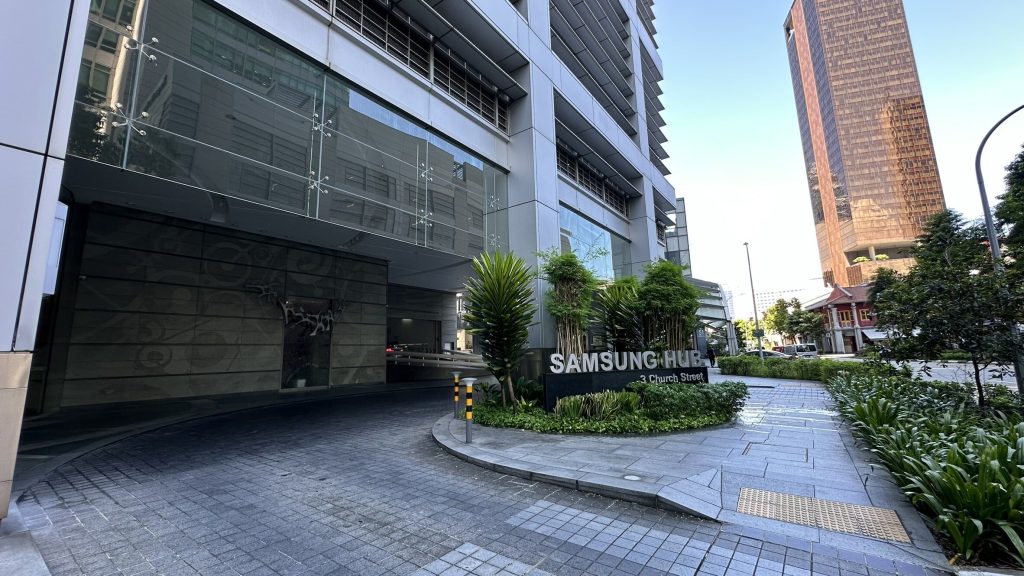
SINGAPORE: Brilliance Capital announced the sale of prime office units at 2 prestigious developments: Samsung Hub and The Adelphi that offer exceptional opportunities for investors and businesses looking to establish a presence in Singapore’s most sought-after commercial areas. Samsung Hub is considered one of the most coveted office spaces in Singapore that is available for strata purchase comes with a 999-year tenure and is an impressive 30-storey commercial development situated prominently in Singapore’s Central Business District. As a focal point of the CBD, Samsung Hub is equidistant from key areas such as the Orchard Road Shopping Belt and the Bugis-Rochor burgeoning arts, cultural, and rejuvenated business district. Strategically located in the heart of the bustling financial district, Samsung Hub offers unparalleled access to major financial institutions, corporate headquarters, and a diverse array of dining and retail options. The office floors are occupied by a broad spectrum of businesses, including multinational corporations, financial service firms, legal practices, and technology companies, making it a dynamic hub for commercial activity. Located on the high zone floors at Samsung Hub, this 3,595 square feet office unit is sold with existing tenancy and available on a private treaty basis, with a guide price of S$4,350 per square foot. Meanwhile, The Adelphi is an iconic 10-storey mixed-use development comprising a five-storey retail podium with a six-storey office block. It is located in the heart of the Civic District and within the Business and Financial Centre of Singapore, as well as the burgeoning Arts, Cultural, and Rejuvenated District. The office floors are characterised by occupiers in a diverse range of businesses, including corporate offices, law firms, and corporate secretarial companies, among many others. The advantageous location of The Adelphi places it in proximity to several prominent shopping and recreation destinations. Enjoying the benefits of a prime location in a bustling commercial district, The Adelphi offers a dynamic blend of commercial, cultural, and hospitality offerings, ensuring high visibility and footfall for businesses within the retail quadrant, easily accessible to both locals and tourists. The building also provides ample parking with 382 carpark lots available for its occupants and visitors. The two subject units, approximately 2,034 square feet and 2,852 square feet, combine to form a contiguous space of approximately 4,887 square feet. They feature ample natural light, expansive views of St Andrew’s Cathedral and North Bridge Road, a reception area, open office space, partitioned offices, conference rooms, a pantry area, discussion areas and storage space. The combined guide price for these units is S$14.4 million, translating to approximately S$2,950 psf. These units are available for sale individually or collectively. Brilliance Capital Pte Ltd Founder and Executive Director, Sammi Lim commented, “Samsung Hub has always been an extremely sought-after office asset where demand exceeds supply. The ownership and tenant profiles are unparalleled, making it the ideal choice for businesses seeking a prestigious address with strong neighbours. “We have also witnessed significant capital appreciation of sale prices over the past 10 years, and this is expected to continue for a scarce commodity that offers a 999-year tenure, which is akin to freehold. This property represents an exceptional opportunity for companies looking to establish or expand their presence in Singapore’s most dynamic commercial hub,” she said. Lim further added, “The offering of two adjoining corner units at The Adelphi is particularly compelling in today’s market. Also featuring a 999-year tenure and a strategic location, these units benefit from superb public transportation links. We anticipate strong interest from both investors and owner-occupiers. This is an excellent opportunity for owner-occupiers to acquire an ideally sized office asset in a highly sought-after location.” With the limited availability of quality freehold and 999-year office properties, along with the convenient accessibility offered by both The Adelphi and Samsung Hub, it is expected to have robust potential for capital and rental appreciation.

Investment & Market Trends, News

MADANI Economy Framework Informs Govt Policies, Programmes to Strengthen Economy

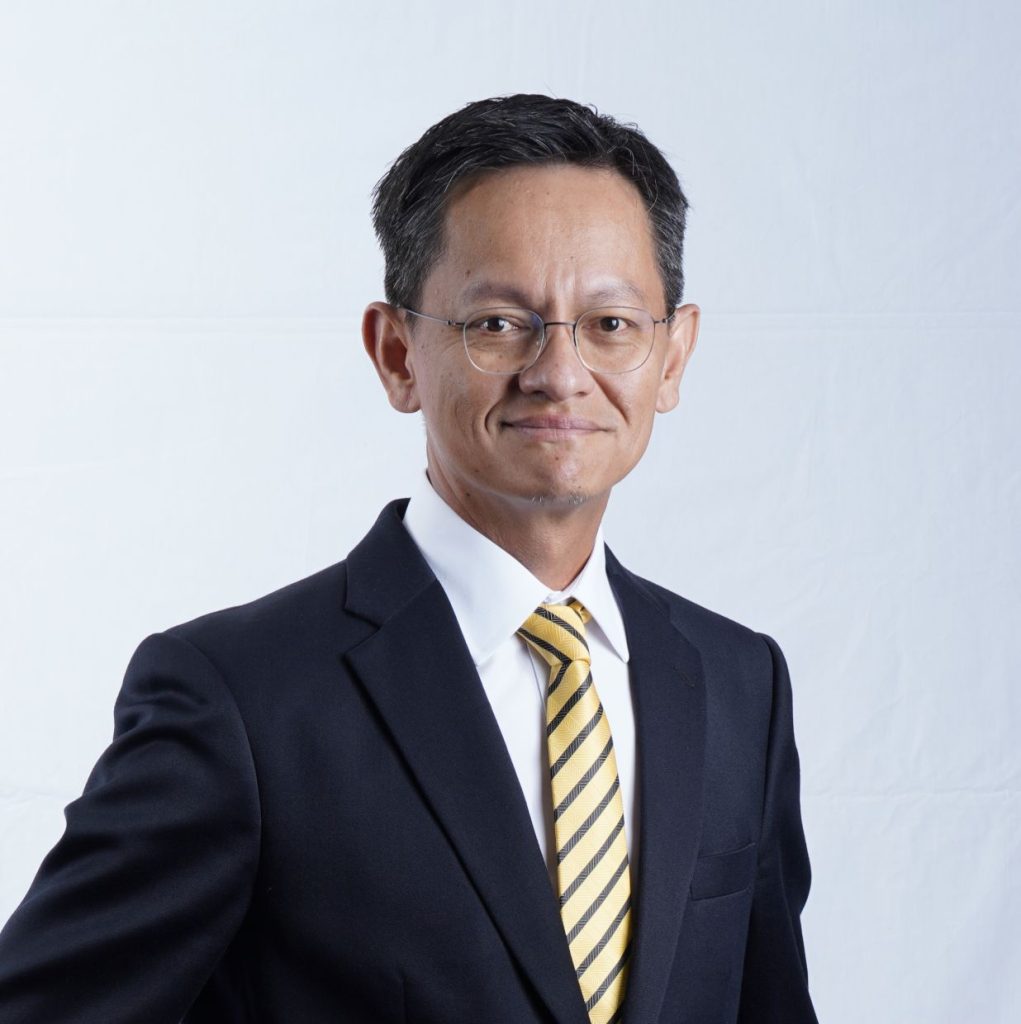
By Zarul Effendi Razali and Durratul Ain Ahmad Fuad KUALA LUMPUR: The MADANI Economy framework is viewed as an integral part of the government’s continuing rollout of policies and programmes that help to sustain the growth and resilience of the Malaysian economy. Malaysian Economic Association President Dr Yeah Kim Leng said the framework is seen as the fundamental policy framework that provided the setting to guide the formulation of various plans, roadmaps and blueprints that were subsequently rolled out. “Efforts under the framework to raise production, boost productivity and move up the value chain in the supply-side or production sector, along with a steady rise in employment, wage and incoming in the household or consumption sector, will translate into poverty eradication, improved livelihood and well-being, and higher overall gross domestic product (GDP). “Thus far, the country’s median income growth has kept pace with inflation although the B40 and the lower half of the M40 income groups may grapple with the rising cost of living, depending on their geographical location, lifestyle, family size and age group,” he told a local news agency. Year of Implementation The National Council of Professors fellow Prof Dr Azmi Hassan concurs with Finance Minister III Datuk Seri Amir Hamzah Azizan’s statement that 2024 is the starting point for the execution of the MADANI Economy framework. “I think the (framework) is still in the works in the first 6 months of the year so there is not enough to gauge the progress. “But looking at the economic growth via GDP, which grew at a higher rate of 4.2% in the first quarter of 2024 compared with 2.9% in the fourth quarter of 2023, there was a lot of improvement,” he said. In February this year, Amir Hamzah said 2024 will be about executing the MADANI Economy framework and all the policies that the government put out last year, as the government has established clear guidelines for the economy to move forward. “We are confident that we will be able to move along the path to execute the MADANI Economy framework this year and all the policies that we put out last year,” Amir Hamzah said. Additionally, Azmi opined that government will or political will is very important for the implementation of the MADANI Economy framework, adding that the implementation of the Fiscal Responsibility Act (FRA), which was passed in Parliament in October last year, would portray an efficient and responsibility government under Anwar’s leadership. “The government knew that targeted subsidies for diesel would be a sensitive issue but the subsidy (rationalisation) was implemented for a better future. “According to the FRA, the government wants to reduce the fiscal deficit to four per cent this year and 3% in the next 2 years. “The government is also committed to reducing the national debt to 60% of GDP. I think that’s a strong message from the government that it wants to implement the MADANI Economy framework,” he said. Enhancing fiscal position, people wellbeing On the targeted diesel subsidy implementation, Yeah said the move, besides strengthening the government’s financial and fiscal positions, also resulted in a more efficient allocation of scarce resources due to reduced leakages and more productive spending on development rather than subsidising consumption. In addition, he said the economy will also be more resilient in withstanding future oil price shocks. Bank Muamalat Malaysia Bhd Chief Economist Dr Mohd Afzanizam Abdul Rashid said the government is cognisant of the plight faced by society as prices continue to remain elevated. This, he said, has led to greater allocation on cash transfer programmes such as the Sumbangan Tunai Rahmah (STR) and Sumbangan Asas Rahmah (SARA) in order to alleviate the financial burden experienced by low-income households. “The Employees Provident Fund Account 3 withdrawal is also being implemented, as the government recognises the need to accord the rakyat some flexibility to use their retirement savings. “On that note, the short-term needs have been looked at. Now it’s about how to use the savings from the subsidy rationalisation to improve our education, healthcare and infrastructure. Again, it will take some time for us to see the results,” he said. According to Mohd Afzanizam, cash transfer programmes such as STR and SARA, along with targeted subsidies have been the main tools for the government to minimise the impact on the rakyat arising from the policy changes on subsidies and taxes. “Such policy changes are not easy to implement, but it is the right thing to do in order to reduce leakages and ensure only those who are deserving will get the financial aid. “The lifting of diesel subsidies was more like the government demonstrating its commitment to fiscal discipline, which should create more space for spending in areas that will bring better productivity gains in the mid to long term. This may include spending on education, healthcare and infrastructure,” he said. Medium-term targets and NIMP 2030 Anwar, who is also Finance Minister, said the MADANI Economy: Empowering the People initiative is a comprehensive plan for Malaysia to address various challenges and issues related to its competitiveness and investment attractions, as well as outlining actions to address current issues that affect people’s lives. The initiative sets 7 key performance indicators as medium-term targets to be achieved within 10 years. They include Malaysia being in the top 30 of the world’s largest economies, the top 12 in the Global Competitiveness Index, the top 25 in the Human Development Index and the top 25 in the Corruption Perception Index. Other targets are increasing labour share of income to 45%, raising women’s labour participation rate to 60%; and achieving fiscal sustainability with a fiscal deficit of 3% or lower. Meanwhile, the New Industrial Master Plan (NIMP) 2030 is a key component of the MADANI Economy as it will support the realisation of economic reforms. According to Anwar, NIMP 2030 will revitalise the manufacturing sector to ensure Malaysia remains resilient amid growing challenges and megatrends. With a short window of 7 years, 4 missions have been formulated

News

Assembly Hires Shivaprasad Nair as Managing Director of New Global Delivery Offering

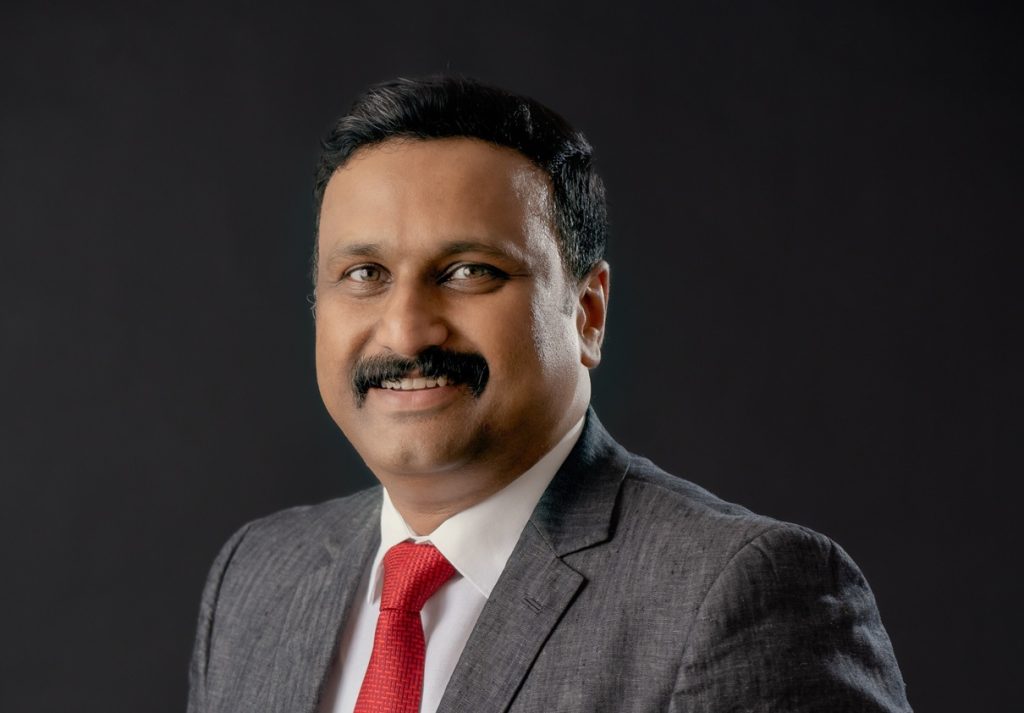
BANGALORE: Global omnichannel media agency Assembly appointed Shivaprasad Nair as the Managing Director of Global Delivery. Assembly Global Delivery connects data, digital, and e-commerce talents worldwide within centres of excellence – bringing to life the agency’s proposition to ‘Find the Change That Fuels Growth’ and underscoring a commitment to driving innovation and scale for clients. The decision to create Assembly Global Delivery brings a consistent and world-class digital talent platform globally and already consists of over 1,000 experts spanning India, Egypt, and the Philippines. As Managing Director, Shiva will lead the Global Delivery teams across the world and continue to bring the best talents within the centre of excellence to Assembly’s clients. He will be tasked with cultivating a high-performance culture of innovation and excellence – prioritising growth and ensuring alignment with the agency’s global strategic objectives. Nair brings a wealth of experience to Assembly, having led similar initiatives in former positions where he demonstrated exceptional leadership skills and a profound understanding of international business dynamics. In this new role, Nair will be responsible for developing the global delivery strategy, managing relationships with partners, ensuring compliance with international standards, and leading the seamless integration of cross-cultural teams to achieve strategic objectives and operational excellence. Assembly Europe CEO, Matt Adams said, “There is no one better to have on the team than Shiva – he is a world-class leader. We’re proud to have him on board and excited to see how he will accelerate our Global Delivery offering and help us achieve new levels of success.” Nair added, “I am thrilled to be part of Assembly at this transformative time. I look at the agency’s global centres as more than just assets; instead, they are hubs of creativity and expertise poised to move us forward. “I’m looking forward to further enhancing the agency’s delivery systems, ensuring that we consistently go beyond what our clients envision, turning complex global challenges into opportunities for change and strategic success,” he continued.

News

CLPS Incorporation Promotes Henry Li Li, From COO to President

HONG KONG: CLPS Incorporation announced the organisational restructuring with the appointment of the Chief Operating Officer, Henry Li Li, as the President of the company, since 2 July 2024. Li will transition from his COO role to exclusively assume the responsibilities of the President, and he will report directly to the Board of Directors. Since joining CLPS in 2019, Li has been instrumental in driving the company’s continued growth and innovation. As COO, he has implemented advanced technologies and optimised processes to significantly enhance operational efficiency and productivity. He has also established a comprehensive internal management system, enabling precise resource allocation and collaboration, resulting in improved operational effectiveness. Additionally, Li has actively expanded the market scope and cultivated strong relationships with key clients, contributing to the company’s sustained organic growth. Li has 20 years of professional experience in the financial and IT industries. He previously served as Vice President of Technology and Operations at Mastercard and as Executive Manager, Head of Business Solution and Quality Assurance at Commonwealth Bank of Australia in China. Li graduated from Tianjin University, Tianjin, China, with a bachelor’s degree in Computer Science. He holds an MSE degree from Fudan University, Shanghai, China. “I am honoured to step into the role of President at CLPS. In the dynamic IT services industry, I will focus on leveraging our competitive advantage, fostering innovation, and achieving operational excellence. “By investing in cutting-edge technology, streamlining processes, and expanding our international reach, we are positioned to deliver exceptional value to our stakeholders,” Li said. CLPS Chairman, Paul Xiao Feng Yang commented, “The board is impressed by Li’s strategic vision and execution capabilities, and we look forward to his leadership as the President of CLPS. This initiative is part of our long-term strategic plan to strengthen our corporate leadership and enhance management competence, enabling us to better respond to market changes and client needs. “We will keep pushing the boundaries of innovation and development, delivering high-quality IT products and services to our clients.”

Energy & Technology, News

Tesla Breaks Its Promise to Malaysia and Rest of Southeast Asia

It has been reported that the electric vehicle manufacturer, Tesla has cancelled its plans of establishing manufacturing plants in Southeast Asia, which also includes Malaysia. This is reported by Thailand newspaper, The Nation when a source from the Thai government stated that Tesla is currently only focusing on charging stations, with factory plans suspended globally. “They are not proceeding in Malaysia, Indonesia or anywhere else except for China, America and Germany,” said the source. It is said that the decision is part of Tesla’s broader withdrawal of investments across Asia and beyond, as the company has reportedly disbanded the executive team that was leading its Southeast Asian expansion efforts last year. The report also mentioned that Tesla has halted plans for a gigafactory in Mexico, citing economic concerns and potential political impacts from the upcoming US presidential election, specifically regarding US presidential candidate Donald Trump’s pledge to impose a 100% tariff on Mexico-made vehicles. The gigafactory near Monterrey in Nuevo Leon was first announced in March last year and was expected to start operating in the first quarter of 2025. However, the project has faced multiple delays and uncertainty. By September 2023, some of Tesla’s suppliers had slowed their own plans to build new manufacturing facilities in Mexico, worried they wouldn’t be completed on time. In October, Tesla confirmed it had paused the project due to economic concerns Disappointing Reneged Investments In November last year, Thai Prime Minister Srettha Thavisin announced that Tesla was poised to make Thailand a hub of its EV manufacturing, which followed after several meetings with Tesla executives, both in the US and Thailand. At the time, Srettha also mentioned that Tesla was surveying three potential factory sites in Thailand and was expected to announce an investment of over US$5 billion in the first quarter of this year. As for Malaysia, under the terms of an agreement signed in February 2023, Tesla was said to be able to sell its vehicles assembled abroad in Malaysia without any import tariffs. The company was also granted exemption from having a local partner as well as the minimum 30% Bumiputera equity rule. Tesla began selling its cars in Malaysia months later. In fact, Prime Minister Datuk Seri Anwar Ibrahim announced in July 2023 that Tesla would set up its Malaysian headquarters and service centres in Selangor which would potentially create ‘tens of thousands of high-value jobs’ in the country. Late last year, Tesla opened its Malaysian head office in Cyberjaya, with plans to introduce a minimum of 50 EV charging stations nationwide. Anwar even courted Tesla’s billionaire owner Elon Musk for further investments from Tesla. Musk’s other business Starlink was also allowed to operate in the country with full foreign ownership after the government waived the ceiling of 49%. However, the Ministry of Investment, Trade and Industry (MITI) has advised that the news report did not cite Tesla directly, hence questions regarding the actual expansion plans of the company should be ignored until Tesla itself has issued an official statement on the matter. “Please take note that this report is not an official statement from Tesla but quotes an unnamed source. “Confirmation on the report would have to come from Tesla,” the MITI source said, who added that the move is unrelated to MITI’s initiatives on industrial reforms and improved investment landscape. Last month, Tesla shares tumbled 12% after posting its lowest quarterly profit margin in five years, with earnings per share missing estimates for the fourth consecutive quarter. It was the biggest one-day percentage drop in Tesla’s stock since 2020, and it left Tesla’s market capitalisation at just under US$700 billion, down from over US$1 trillion in 2021.

News

Mohamed Rezwan is new Maybank GCRO

PETALING JAYA: Malayan Banking Bhd (Maybank) has appointed Mohamed Rezwan Abdullah Ismail as its group chief risk officer (GCRO) effective Aug 8, 2024. In a statement, Maybank said Mohamed Rezwan will be responsible to strategise, lead and implement a progressive enterprise-wide risk management framework that appropriately identifies, manages and mitigates risks to achieve the strategic and business objectives of Maybank Group. “He will report to the president and group chief executive officer of Maybank and be a member of the group executive committee.” Mohamed Rezwan, 48, will succeed Datuk Hamzah Bachee, who will retire from Maybank Group effective Aug 8, 2024, after a long-standing career of close to 36 years with Maybank.

News

DBS appoints Tan Su Shan as deputy CEO

SINGAPORE: DBS Group Holdings Ltd picked Tan Su Shan as deputy to chief executive officer Piyush Gupta, setting the stage for her to eventually become the first woman to lead South-East Asia’s largest bank. Tan, currently head of DBS’s institutional banking group, will succeed Gupta as CEO when he retires at the next AGM on March 28, 2025, according to a statement by the bank yesterday. The appointment caps years of speculation over who will succeed Gupta, one of Asia’s most high-profile bankers who has led DBS for 14 years. Gupta, 64, is credited with multiplying returns at the former state-owned bank, while transforming its culture and technology to face growing competition from digital lenders. Tan, 56, is the only female banker among the four contenders being groomed to replace Gupta, Bloomberg reported in 2023. She’s credited with expanding the consumer and wealth businesses, which accounted for about a third of pre-tax profit by the time she moved to her current job in 2019. — Bloomberg

News

Tokyo the centre of worry for global investors

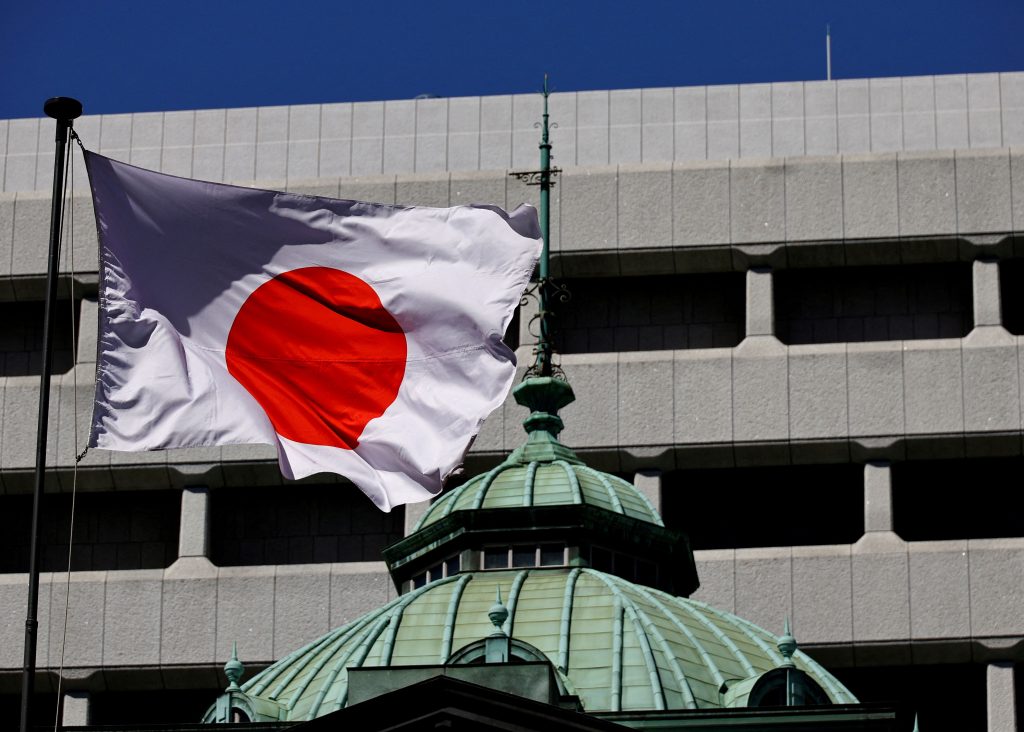
TOKYO: In less than a week, Japan has completely upended the world’s expectations for its markets and economy. The country was the darling of the financial world for over a year. Its weak currency pushed the stock market to record highs and rekindled inflation after decades. Then the Bank of Japan (BoJ) hiked rates last Wednesday and governor Kazuo Ueda indicated he intended to keep going, helping trigger a sharp rise in the yen and wild gyrations across the global markets. Traders and investors were forced to abandon strategies based on the macro view that Japan’s currency would stay weak and interest rates wouldn’t rise too fast. “Without a doubt, this is new ground for markets” said Stephen Miller, a consultant at Grant Samuel Funds Management and former BlackRock Inc fund manager. “There’s soul searching everywhere now that we have a BoJ that seems hellbent on getting away from years of zero or negative rates policy. “Japan is now at the centre of emergent worries across everything – stocks, bonds, yen, credit, everything.” Volatility coursed through Japan’s markets, with the Nikkei 225 suffering its biggest rout since 1987 on Monday, only to come back 10% the next day. The whiplash carries implications for the country’s politics and households, as the market turmoil could impact consumer confidence and Japan’s delicate climb out of deflation. Adding to investors’ confusion, the yen weakened about 2% yesterday after BoJ deputy governor Shinichi Uchida said the bank wouldn’t raise rates as long as markets are unstable. “The risk is that consumption and investment will be held back due to the increased uncertainty in the markets,” said Hirofumi Suzuki, chief foreign exchange strategist at Sumitomo Mitsui Banking Corp. “If it drags on, it could affect business behaviour and households as well.” The initial historic sell-off in the market indicates that any momentum trades hoping to profit from the weak yen and the broad rally in Japanese equities have been wiped out, according to analysts. The surge in the yen also derailed one of the most profitable market strategies this year – carry trades, which involve borrowing the Japanese currency to invest in other global assets. The yen’s rebound set off a rush to take profits on these trades and close positions, which exacerbated the currency’s rise. “This outsized response compared with previous instances of carry trades being quickly unwound suggests there is more at play in Japan than recession fears and could have global ramifications if it continues,” said Wei Li, global chief investment strategist at BlackRock. Politicians and business leaders have sought to soothe concerns in Japan, particularly around expanded tax-free investment accounts, an initiative to get people to move some of the more than one quadrillion yen sitting in bank accounts as of March into the market. Foreign investors that have stayed will likely take a longer view of companies that have been diligent about reform, business growth and balance sheet management. “I think it’s a market that should now suit fundamental analysis, bottom-up rather than top-down,” said Pelham Smithers, whose London-based firm offers research on Asian companies with a focus on Japan. “Going forward, it becomes an interesting time if you are a stock picker.” There’s an emerging view that BoJ’s move was a misstep and influenced by political pressure, as several prominent politicians have called out the weak yen in recent weeks. That could jeopardise the relationship between the Japanese government and the central bank and impact Prime Minister Fumio Kishida’s bid to be re-elected as the head of Japan’s ruling party next month, said Takuji Aida, chief economist at Credit Agricole. — Bloomberg

Investment & Market Trends, News

Maybank IB Believes Malaysia Currently in Investment Upcycle

KUALA LUMPUR: Maybank Investment Bank Bhd (Maybank IB) believes that Malaysia is currently undergoing its third investment upcycle. It said the combined private and public investments share of the GDP picked up from the recent post-pandemic low of 19.7% in 2022 to 21.3% in the first quarter of 2024 (1Q 2024). In a note, Maybank IB said the previous two investment upcycles saw gross fixed capital formation’s share of the GDP surging from 22.1% in 1987 to 49.2% in 1997, and from 21.7% in 2009 to 26.6 in 2013. “Investment is on the upswing as robust approved private sector investment since 2021 is being realised as per the trend in actual private investment. “Rising momentum in investment realisation can also be seen from the surge in imports of capital goods – especially machinery and transport equipment, as well as the acceleration banking system’s loans growth for industrial buildings, factories, land, construction and working capital,” it said. The investment bank reckoned that the investment upcycle reflects the benefit or payoff from political stability post-15th general election, foreseeing 5 drivers or themes: green economy, technology, Johor-Singapore Special Economic Zones (JS-SEZ), infrastructure and government-linked in the current wave. It noted that green investment is driven by the National Energy Transition Roadmap (NETR), where the energy transition financing needs imply a projected total investment of RM1.2 trillion – RM1.3 trillion over 2023-2050. Meanwhile, the technology industry investment is central to the New Industrial Master Plan (NIMP) 2030, with the National Semiconductor Strategy (NSS) aiming to attract RM500 billion worth of investments in the high-end semiconductor sector. Another significant investment area in technology is data centres, with an estimated RM130 billion investment expected between 2024 and 2035. At the same time, the Iskandar Regional Development Authority (IRDA) expects to attract investments worth RM226.5 billion into Iskandar Malaysia via JS-SEZ between 2024 and 2030 Maybank IB also foresees enhanced domestic investments by government-linked companies and government-linked investment companies (GLCs/GLICS), with committed investments in domestic capital markets totalling RM440 billion and RM120 billion in domestic direct investment (DDI) over the next 5 years. Historically, investment upcycles have led to sustained multi-year GDP growth, double-digit growth in construction, and above-trend consumer spending, it said. Inflation and the ringgit also saw upward trends during these periods. “However, note that inflation is also driven by a multitude of dynamics such as internal and external cost-push factors (such as subsidy removal/rationalisation; minimum wage hikes, global commodity prices), currency movements, as well as the more recent ‘shocks’ such as geopolitics and pandemic causing supply chain disruptions and inefficiencies,” it said. As for the ringgit, Maybank IB said the currency tends to appreciate versus the US dollar during the investment upcycle periods. In the first investment upcycle period, the currency appreciated from a low of 2.7960 on 13 June 1991 to a high of 2.4365 on 21 June 1995; a gain of 14.8%. In the second investment upcycle period, the local unit rose by 26.8 per cent from a low of 3.728 on 2 March 2009 to a high of 2.939 on July 27, 201. “Currently, the ringgit is on an uptrend as it closed at 4.4970 against the greenback on 2 August 2024; up 6.7% from this year’s low of 4.7987 on 20 February 2024. “The local note is supported by improving market sentiments amid strengthening domestic economic performance and macro fundamentals, as well as the prospect of the start of the United States Federal Reserve’s interest rate cuts cycle in September,” it said. — BERNAMA

Scroll to Top

Subscribe
FREE Newsletter