Author name: admin

Investment & Market Trends, News

Overwhelming Interest in Johor-Singapore SEZ Among Singapore Businesses

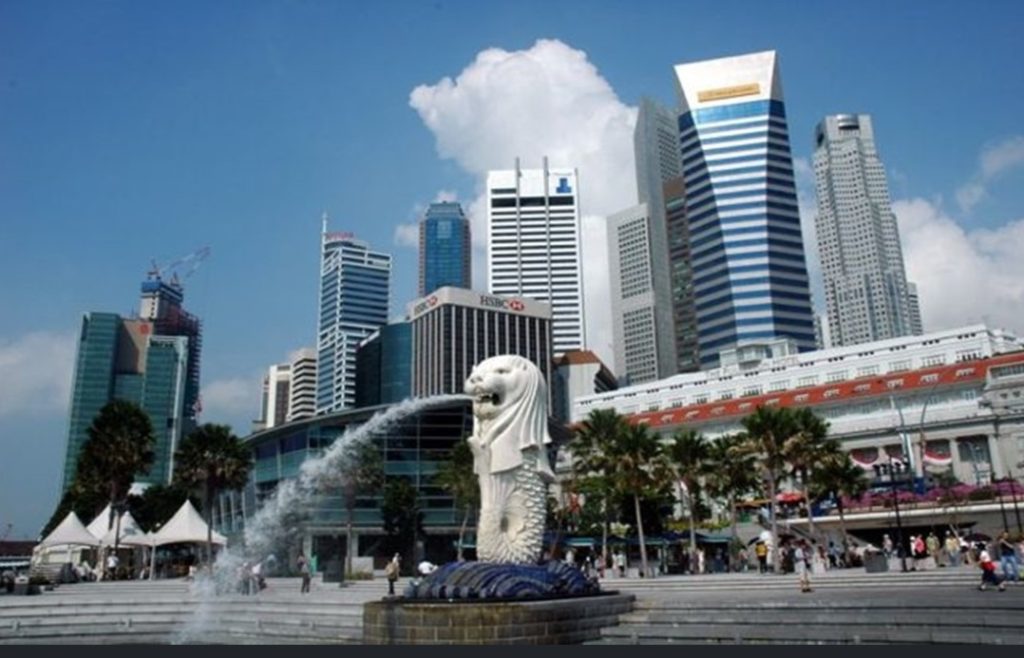
SINGAPORE: There is overwhelming interest in the proposed Johor-Singapore Special Economic Zone among Singapore businesses, according to a Singapore Business Federation (SBF) working group report that was recently released. Key findings of the JS-SEZ Singapore Business Working Group (SBWG) ‘Greater Together: Two Economies, One Ecosystem’ report revealed that 93% of respondents view Johor as an attractive investment destination with 50% already operating in the state. According to the statement, the report was based on findings from SBWG’s engagement with 160 Singapore businesses across various industries from March to June 2024 which sought to gather insights, feedback and suggestions to enhance the JS-SEZ development. The SBWG identified 3 key success factors for the JS-SEZ, drawing on complementary economic strengths, steadfast commitment from both Singaporean and Malaysian governments and the importance of embracing experimentation and agility. The report also highlighted significant challenges that need to be addressed to ensure JS-SEZ’s success such as gaps in the manpower landscape in Johor, easing the cross-border movement of people and goods, as well as the fragmented and complex investment facilitation landscape between Singapore and Johor. In the area of manpower, the group recommended creating a unique labour ecosystem that leverages the strengths of both economies, combining Singapore’s management and research and development (R&D) capabilities with Johor’s technical skills for execution and operations supporting various industries. Key proposals include developing harmonised workforce regulations, investing in each other’s workforce to enhance manpower capabilities and bridge skill gaps, and establishing talent acquisition programmes. “Nearly 60% of businesses engaged reported difficulties in sourcing technical and skilled workers in Johor, with additional issues in attracting Singaporean talent to work across the border,” the statement said. Businesses also attributed the manpower crunch to employment pass issues (60%), skill gaps in the Malaysian labour force (58%) and salary mismatch (21%). To improve cross-border movement, the SBWG advocated for streamlined customs and border clearance processes, including implementing a passport-free QR code clearance system and digitised cargo clearance. The upcoming Johor Bahru-Singapore Rapid Transit System (RTS) Link, slated for 2026, was also viewed as pivotal in addressing these logistical challenges. Other suggested improvements include developing enhanced border crossing hubs with automated clearance using biometrics and investing in efficient multi-modal connectivity. “In fact, 36% of businesses engaged expressed hopes for better connectivity in terms of a special immigration lane for people, to facilitate smoother travel,” the report said. To facilitate smoother movement of goods, the SBWG recommended implementing streamlined customs and border clearance procedures, harmonising tax and tariff policies, developing integrated transport networks and logistics infrastructure, and enhancing digitalisation and e-commerce enablement. Some 55% of businesses cited difficulties in handling tax issues and 48% indicated that more expedient cargo clearance would be crucial to enabling the efficient flow of goods. The current investment facilitation landscape between Singapore and Johor was identified as fragmented and complex, with businesses reporting obstacles in obtaining necessary permits and licences. “58% of businesses engaged expressed a desire for a joint investment promotion agency to market the zone and facilitate investor engagement and 33% desired a platform to facilitate collaboration and networking opportunities amongst each other for self-help and support” according to the report. To overcome this, SBWG recommends streamlining investment approvals and offering attractive tax incentives, developing robust legal and regulatory frameworks, providing comprehensive business facilitation services, and enhancing the interoperability of financial systems. Commenting on the report, SBWG Chairman Teo Siong Seng said businesses had been very forthcoming during the survey, signalling their interest in the success of the JS-SEZ. “This is not just another project. It is a potential game-changer for both Malaysia and Singapore. By bridging our economies, we are creating new opportunities that will benefit businesses on both sides of the causeway,” he said. Malaysia High Commissioner to Singapore Datuk Dr Azfar Mohamad Mustafar said JS-SEZ gives leverage to both Singapore and Malaysia in the region but feedback from the industry is important for its success. “In the past, when we did this, we tried to do it on each other’s side. For example, when we do Iskandar Malaysia, we try to get investors from Singapore to come to Malaysia but I think the model is no longer workable for the future we are facing. We need to look at Singapore and Malaysia, especially Johor as a unit, so investors looking at the region can look at Malaysia and Singapore as places where they can invest,” he added. — BERNAMA

Experts

Driving National Growth: HR’s Role in Overcoming Economic Challenges

As Malaysia grapples with challenges such as the shortage of local talent and economic uncertainties, the role of HR practitioners becomes increasingly critical. These challenges are compounded by the rapid pace of technological change, which demands a workforce equipped with advanced skills. In response, Malaysia’s New Industrial Master Plan 2030 (NIMP 2030) and the National Semiconductor Strategy (NSS) outline ambitious goals to transform the nation into a regional technology hub. By identifying and nurturing technology and engineering talents, HR can align workforce development with these national initiatives. This strategic focus supports the country’s economic plans and ensures a robust, future-ready workforce capable of driving national growth. Aligning HR Strategies with National Initiatives HR practitioners must first understand the strategic goals of NIMP 2030 and NSS. The NIMP 2030 aims to enhance Malaysia’s industrial capabilities, focusing on advanced technologies and sustainable practices. Meanwhile, the NSS seeks to position Malaysia as a global leader in the semiconductor industry. HR’s role involves developing a workforce capable of meeting these technological demands, thereby aligning talent strategies with national goals. To achieve this alignment, HR departments should engage in continuous dialogue with government bodies, industry leaders, and educational institutions. This collaboration ensures that the skills being developed are relevant to the current and future needs of the industry. HR practitioners should also stay abreast of policy changes and industry trends to anticipate and respond to shifts in the labour market effectively. Addressing Challenges with Technologies Despite the strategic alignment, HR practitioners must address several challenges to develop a technology-driven workforce. One major challenge is the shortage of local talent with advanced technological skills. To overcome this, HR can implement targeted recruitment strategies that attract foreign talent while simultaneously investing in the development of local talent through educational programs and reskilling initiatives. While advanced HR analytics can do wonders, a phased approach to introducing new technologies can reduce the feeling of being overwhelmed and build confidence gradually. Implementing HR technologies such as Applicant Tracking Systems (ATS) and Learning Management Systems (LMS) can help predict talent needs, identify skill gaps, and measure the effectiveness of training programmes, further improving efficiency in talent acquisition and development. Additionally, HR can leverage data analytics to gain insights into employee performance and engagement. These insights enable HR to design targeted interventions that enhance productivity and retention. By adopting a data-driven approach, HR can make informed decisions that align with the strategic objectives of NIMP 2030 and NSS. Fostering a Culture of Innovation Extravagant spending on technology would bear no fruit without an improved learning culture. One of the most significant developments in workplace learning today is the rise of affordable new learning resources. These include short instructional videos on platforms like YouTube and TikTok, as well as free massive open online courses (MOOCs) from universities and companies specializing in distance learning. Creating a culture of innovation within the organization is essential for sustaining technological growth. HR can foster this culture by promoting a collaborative environment where employees are encouraged to share ideas and experiment with new approaches. This involves establishing platforms for knowledge sharing and providing resources for innovation projects. The Crucial Role of HR in Driving National Growth As Malaysia progresses towards the goals outlined in NIMP 2030 and NSS, each party has a role to play in ensuring economic growth. Government bodies, industry leaders, educational institutions, and HR practitioners all contribute to this national endeavor. While the efforts of government and industry are often highlighted, the role of HR practitioners is pivotal yet frequently overlooked. By aligning HR strategies with national initiatives, identifying and nurturing talent, leveraging technology, fostering a culture of innovation, and addressing challenges, HR can significantly contribute to the country’s economic growth. HR must strive to create an environment where diverse talents can thrive. Through these efforts, it is possible to ensure that Malaysia is equipped with a robust, future-ready workforce capable of driving national growth and achieving global competitiveness. By recognizing and reinforcing the crucial role of HR, we can ensure a more coordinated and comprehensive approach to achieving the nation’s economic goals.

Energy & Technology, News

Gas Malaysia Drives Energy Efficiency and Reduces Carbon Footprint with CHP Solutions

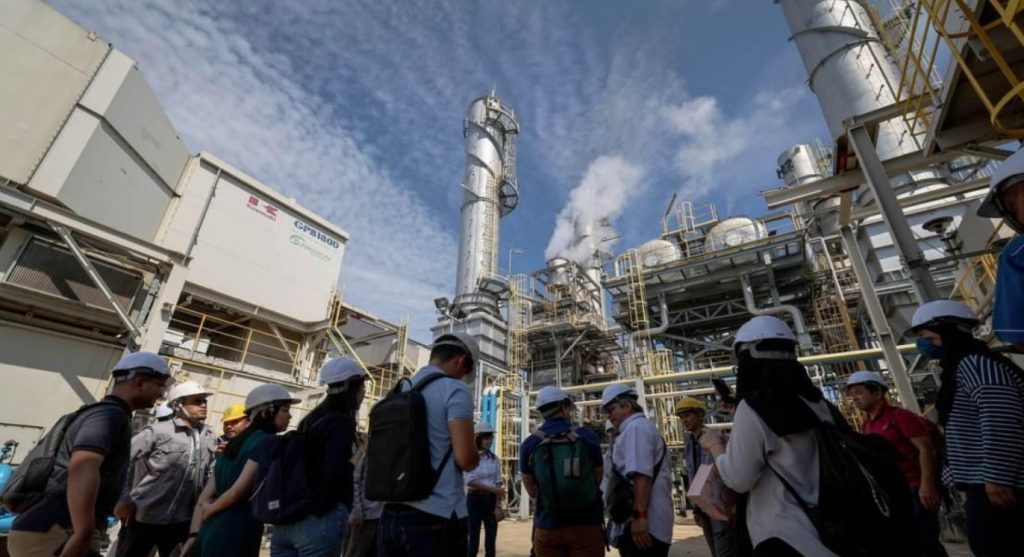
BUTTERWORTH: Gas Malaysia Bhd, a member of MMC Group remains steadfast in its commitment to solidify its position as a provider of innovative energy solutions through its Combined Heat and Power (CHP) technology. The CHP system, also known as cogeneration, generates both electricity and heat from a single fuel source. Gas Malaysia Chief Executive Officer Ahmad Hashimi Abdul Manap said this technology is particularly beneficial for industrial sector customers who require both electricity and thermal energy such as steam or hot water. “Gas Malaysia Energy Advance Sdn Bhd (GMEA), a joint venture between Gas Malaysia and Tokyo Gas Engineering Solutions Corporation (TGES), is spearheading the CHP business. GMEA operates 3 plants with a combined capacity to generate 41.7MW of electricity, 165 tph of steam and 1,684kW of hot water with a potential to reduce about 72,261 tonnes of carbon dioxide per year,” he said in a statement. Ahmad Hashimi said the CHP system is projected to make a significant contribution to its customers’ sustainability pledge. He said this effort aims to foster a greener future as industries place greater emphasis on adopting environmentally responsible business practices, adding that CHP also contributes towards reducing carbon footprint. — BERNAMA

News

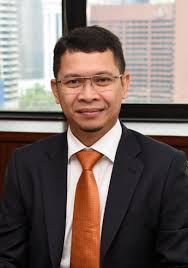
Aria Putera Ismail to step down as SME Bank CEO

KUALA LUMPUR: SME Bank Group president and chief executive officer (CEO) Datuk Aria Putera Ismail will leave the organisation at the end of his tenure to pursue new opportunities. Group chief corporate strategy officer Datuk Mohammad Hardee Ibrahim will assume the role of acting group president and CEO starting from Sept 3, 2024, the development financial institution said. “Mohammad Hardee brings over 20 years of extensive experience in the financial services industry, specialising in business banking and strategic management. He has served SME Bank in numerous portfolios including treasury, and corporate finance. business banking and most recently, corporate strategy.” it said in a statement today. SME Bank said that under Aria Putera’s six-year leadership, he has paved the way for the bank to fulfil its mandate in supporting and developing small and medium enterprises (SMEs) in Malaysia. This began with redefining its vision and mission and introducing its SMILE core values, it said. In 2019, he introduced the Two-Year Accelerated Programme, a strategic plan to revamp the bank’s business with 27 initiatives focusing on sustainable development goals, asset quality, a comprehensive SME ecosystem, digitalisation and talent development. “SME Bank has shown tremendous improvement in asset quality and financing growth during his tenure, with the gross financing amount recording a 37.6 per cent growth from RM 6.47 billion in 2018 to RM 8.9 billion as at the end- 2023, while the gross impaired rate reduced to 12.5 per cent from from 22.9 per cent,” it said. In addition, the bank said, Aria Putera initiated multiple relief programmes during the global COVID-19 pandemic from October 2o20 to September 2022 to support SMEs and microenterprise in various industries, which benefitted more than 5,000 companies with a total financing of RM9.12 billion. –BERNAMA

Chong Chern Peng, Vice President of Huawei Digital Power Business
Experts

Modern Energy Systems: Malaysia’s Road to Clean Energy

Transitioning to modern energy systems presents a daunting challenge, as virtually every facet of our daily lives hinges on energy. This journey is bound to be intricate and complex for every country. Thankfully, there is a resounding global consensus by governments worldwide – including Malaysia – that traditional energy systems are inherently vulnerable, disadvantageously centralised, and financially burdensome.   The transitional challenge that stakeholders and decision-makers have been grappling with is threefold: striking a balance between environmental sustainability, ensuring energy security, and delivering energy affordability.   Successfully navigating this “energy trilemma” demands interdisciplinary expertise, effective policy implementation, and unwavering stakeholder commitment if Malaysia is to become carbon neutral by 2050.   Accelerating Malaysia’s transition towards carbon neutrality and energy sustainability with the power of technology and innovation makes economic sense, and puts us on a path towards a better, greener future for generations to come.   As a technology leader, Huawei is steadfast in its determination to stand by the country’s aspirations in driving this transformative endeavour.   Renewable energy makes economic sense   The economic rationale for renewable energy is compelling. Jobs in the sector are on the rise. The surge in demand for talent in the renewable energy sector mirrors the urgency to transition to cleaner sources amid the alarming effects of climate change.   According to a report by the International Renewable Energy Agency (IRENA), jobs in the renewable energy sector soared to 12.7 million globally in 2023, reflecting the sector’s rapid expansion and potential for sustainable employment.   The once-perceived barrier of high entry costs to adopt renewable energy technologies is steadily diminishing, heralding a significant shift in accessibility. Put simply, prices are plummeting.   On the other hand, finite fossil fuel source extraction has become more challenging and costs are steadily rising. In contrast, renewable energy, such as solar and wind power, are readily and abundantly available natural resources and more importantly, they are essentially free.   Solar panel prices are at an all-time low and solar photovoltaic (PV) systems are becoming increasingly cost-effective due to ongoing technological enhancements and intensified market competition.   The figures that are clocking in on Malaysia’s carbon footprint reads at approximately 272.9 million tonnes of CO2 emissions in 2022. By 2023, Huawei facilitated the reduction of 1.81 million tonnes of carbon dioxide emissions per year. This was made possible by the entry of 2.6 gigawatts (GW) of solar inverters into the Malaysian market, generating approximately 3.9 billion kilowatt-hours of electricity annually.   Huawei’s Digital Power Business contributed to 84.5 billion kWh of green power generation in the Asia Pacific region, reducing carbon emissions equivalent to the planting of 50 million trees.   Technology: The Key to Navigating the Trilemma   New technologies are the key to meaningfully navigating the “energy trilemma”, both to lower the carbon footprint of outmoded energy systems and to develop modern, sustainable alternatives.   The advent of Artificial Intelligence (AI), cloud computing, blockchain, and the Internet of Things (IoT) empowers us to decarbonise our energy systems by enhancing connectivity, intelligence, efficiency, reliability, and sustainability.   Huawei Digital Power’s strategic approach to facilitate society’s transition from high-carbon to low-carbon is anchored in the integration of cutting-edge digital technology (Bit), electronic power technology (Watt), thermal management technology (Heat), and energy storage systems (ESS) management technology (Battery).   Termed collectively as the “4T” technologies (WatT, HeaT, BatTery, and BiT) the aim is to drive Malaysia towards the “4D” trajectory: Decarbonisation, Digitalisation, Decentralisation, and Democratisation, thus shaping a more sustainable and inclusive energy landscape for the nation.   Huawei aims to drive watts with bits towards building a fully connected smart grid and bridging the energy divide to power the digital world.   Collaborations in decarbonisation   In pursuit of the “4D” trajectory, collaborations are fundamental. Guided by our strategic framework, Huawei has initiated numerous collaborations with local stakeholders and government agencies on renewable energy projects. We are partnering with AmBank on financing and merchant business solutions to support and facilitate the introduction of Solar Energy, Green Data Centres, Electric Vehicle (EV) Charging, and Energy Storage solutions to businesses. With Pantas, the leading climate-tech firm in Southeast Asia, we are collaborating on enterprise decarbonisation applications for businesses. Our focus in this partnership, as technology providers, will be on Smart PV+ESS and FusionCharge solutions while Pantas undertakes the role of strategic partner in business development.   We have also joined forces with Senheng and Apulsar to promote electric vehicle (EV) adoption in Malaysia, utilising Huawei’s advanced EV chargers.   Additionally, our commitment to human capital development ensures a skilled workforce adept in renewable energy technologies. Our Huawei ICT Academy bridges the gap between education and industry needs while collaborative training programmes like the one with the Centre for Technology Excellence Sarawak (“CENTEXS”) on developing green talent as well as the Digital Leadership Excellence Programme with the Malaysian Communications and Multimedia Commission (MCMC) to nurture talent leadership.   These initiatives are but some of the many projects Huawei is involved in. Every initiative represents a positive stride that strengthens energy security and nurtures a sustainable ecosystem for the nation.   Holistic approach to carbon neutrality goals Our holistic approach, combining advanced technology, industry partnerships, and education, has the potential to drive meaningful change and accelerate progress towards Malaysia’s 2050 carbon neutrality goal. By embracing smart PV solutions, grid technologies, and energy storage systems, we can boost renewable energy production while ensuring fair access for all. By facilitating financing and investments into sustainable energy projects, we can make green technologies affordable for all segments of society. Just last month (April), the Government of Malaysia announced that it will establish an Energy Exchange Malaysia (“ENEGEM“) to facilitate cross-border sales of green electricity to neighbouring countries, namely Singapore and Thailand. This will promote growth in the industry and lead to the adoption of the latest green energy technologies to propel Malaysia into a regional hub for the development of RE experts and capabilities. In terms of talent cultivation, our training programmes and knowledge-sharing

Experts

Circular Economy: A Roadmap for Sustainable Material Use

In our relentless march of progress, we have adhered to a model of “take, make, dispose.” This linear path has led us to an unsustainable reality where the demand for virgin resources has spiralled out of control and waste piles up around us. But what if there was another way? Enter the circular economy—a vision of a world where resources are cherished, cycled, and used to their fullest potential.   At its heart, the circular economy revolutionises how we think about growth. It is not just about profits and productivity but about creating a system that benefits everyone—businesses, society, and the environment. This model challenges us to eliminate waste and pollution, keep products and materials in use for as long as possible, and regenerate our natural systems. By shifting away from a linear model, we can reduce the extraction of virgin resources, minimise waste generation, and create a more resilient ecosystem of materials. According to the Ellen MacArthur Foundation, adopting a circular economy could cut greenhouse gas emissions by 22-44% by 2050, significantly mitigating climate change impacts. The World Economic Forum estimates that transitioning to a circular economy could generate $4.5 trillion in economic benefits by 2030, highlighting its immense potential for sustainable growth.   Principles and Benefits of the Circular Economy   This transformative approach to material use has profound implications. No longer do we rip resources from the earth only to discard them after a single use. Instead, we prioritise sustainable sourcing, opting for materials with minimal environmental impact. Products are designed for longevity, easy disassembly, and are crafted from recycled or renewable materials. When these products reach the end of their initial life, efficient systems are in place to collect, sort, and recycle them, giving materials new life through processes such as remanufacturing.   Embracing the circular economy catalyses both environmental and socio-economic transformation, leading to fewer greenhouse gas emissions, less pollution, and a lighter touch on our natural resources. This shift creates new economic opportunities such as recycling plants, repair workshops, and remanufacturing facilities. Moreover, resource security becomes a reality as reliance on finite sources diminishes in favour of a stable supply of recycled and renewable materials, fostering a resilient economy prepared for future challenges.   Collaborative Efforts in Driving Circular Economy   Adopting the circular economy model necessitates a paradigm shift where sustainability becomes the cornerstone of innovation and development. Future designers, engineers, and innovators must embed sustainability into every facet of their work. This includes considering the entire lifecycle of products—from design to end-of-life disposal—ensuring materials are chosen not just for performance but also for their environmental impact and recyclability.   Higher Education Institutions (HEIs) play a pivotal role in this transformation to ensure that the circular economy becomes a tangible reality rather than just an ideal. HEIs should incorporate sustainability modules into their curricula with interdisciplinary programmes that integrate principles of the circular economy with engineering, design, business, and environmental science, and foster a culture of environmental responsibility and innovation.   For example, students should engage in hands-on professional practice projects that challenge them to create solutions for real-world sustainability issues with exposure to cutting-edge technologies and methodologies, promoting critical thinking and problem-solving skills tailored to the circular economy. We can cultivate a generation of professionals who are both aware of the importance of sustainable practices and equipped with the skills and knowledge to implement them effectively.   Governments are recognising the need for a circular economy shift. In Malaysia, the National Circular Economy Council (NCEC) has agreed to legislative changes for nationwide solid waste management. This legislative push aims to create a comprehensive act covering the product lifecycle from production to post-consumer use   Once hailed as a miracle material, plastic of the linear economy has become one of humanity’s biggest blunders. With 91% of plastic waste never recycled, further polluting our oceans and landfills, this stark reality underscores the need for a shift towards bio-based materials.   Innovative concepts such as biomimicry and cradle-to-cradle (C2C) design are crucial in this transition. Biomimicry draws inspiration from natural systems and organisms to create efficient and resilient sustainable processes and products for human use. Meanwhile, cradle-to-cradle design considers the entire lifecycle of a product, ensuring it can be fully reclaimed or reused at the end of its life, unlike the traditional cradle-to-grave approach.   Public Awareness and Responsibility   Transitioning to a circular economy is not a walk in the park, it is a paradigm shift that demands a radical transformation in how we perceive and interact with resources. From the drawing board to the shopping cart, every stage must be reimagined with sustainability at its core. Businesses must embrace sustainable sourcing, opting for materials with minimal environmental impact from responsibly managed sources, while governments must incentivise and support these practices through legislation and infrastructure development. Offices can implement recycling programmes, reduce paper usage, and opt for sustainable office supplies. Even small hawker stalls can contribute by using biodegradable packaging and minimising food waste.   The success of this transformation requires igniting a spark of awareness and responsibility within the public consciousness. The public must be awakened to the reality that our current linear model is a ticking time bomb, depleting finite resources and choking our planet with waste. By understanding the urgency of the situation and embracing circular economy practices, we can create a ripple effect of positive change that extends far beyond our actions.   Dr Praveena Nair Sivasankaran who focuses on green and sustainable materials, emphasising eco-friendly solutions in engineering is a Senior Lecturer at the School of Engineering, Faculty of Innovation & Technology, Taylor’s University.

News

Mitsubishi Motors to join Honda-Nissan partnership

TOKYO: Japan’s Mitsubishi Motors is set to join an alliance between Honda Motor and Nissan Motor, creating an auto group with combined sales of more than eight million vehicles, the Nikkei Business Daily says. Mitsubishi Motors, which is 34% owned by Nissan, will work with Honda and Nissan to finalise the details of their partnership, but the three firms intend to standardise in-vehicle software that controls cars, Nikkei said. Mitsubishi Motors declined to comment on the report, while officials at Nissan and Honda were not immediately available for comment. The push comes as Nissan, Japan’s third-biggest automaker, has been steadily losing market share in its two largest markets, the United States and China, which together accounted for half of its global sales in the year to March. Last Thursday, the company slashed its annual outlook after heavy discounting in the United States almost completely wiped out its first-quarter profit. Collaboration could help Japan’s automakers cut costs and beef up to battle tough competition in electric vehicles, dominated by companies like China’s BYD and Tesla. In China, Japanese brands previously were strong but are now up against domestic automakers. — Reuters

Investment & Market Trends, News

Local Banking Workforce Must Acquire AI, Other Relevant Skills to Remain Competitive

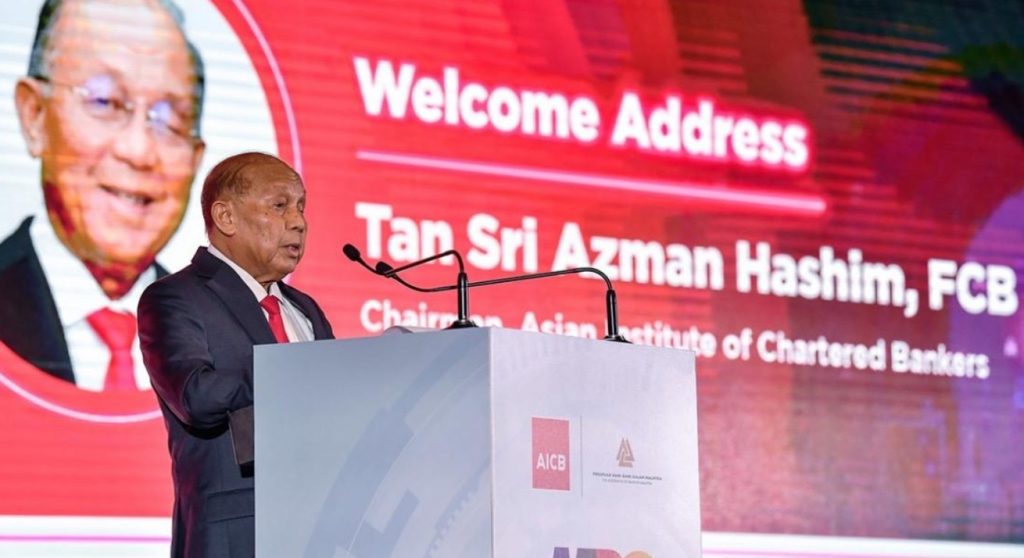
KUALA LUMPUR: The banking sector is undergoing unprecedented change with the swift evolution of technology and to keep up with the latest trend, the banking workforce must equip themselves with the relevant information and necessary skills. The Asian Institute of Chartered Bankers (AICB) Chief Executive, Edward Ling said that the fast use of technology and automation has raised concerns that technology will replace humans, nevertheless, contrary to this idea, it is critical to focus on continual learning, upskilling and reskilling of the workforce. “It is more on learning about how to improve your work productivity, your performance by tapping into artificial intelligence (Al) and that is something that eventually all organisations would want to achieve,” he said during a media roundtable session. The session was conducted in conjunction with the third edition of the Malaysian Banking Conference (MBC) themed ‘Banking in the Era of GenAl – Reshaping Banking, Innovating for the New Economy and Accelerating Sustainability’. The 2-day event was organised by AICB and the Association of Banks in Malaysia (ABM) and drew over 600 delegates from local and international financial institutions. Malayan Banking (Maybank) Bhd Group Technology, Data and Digital Human Capital Director Shameem Farouk said from the bank’s standpoint, Maybank is striving to equip its staff which will make them continuously in demand. “No entity has a grasp or can control the economy and we may not be able to guarantee jobs, but what we can do is prepare the workforce so that in the event of any eventuality, the workforce would have skills that are continuously in demand. “The reality today is that the talents in technology are so much in demand, there is lack, tech talent is scarce and so, when we upskill our workforce now with newer skills such as digital marketing skills, social media marketing skills, digital market intelligence, they become more valuable and irreplaceable,” she said. Shameem also said that the current banking workforce needs skills to deal with greater challenges. “For instance, we receive about 20,000 emails every day and a new skillset does help them and the bank,” she added. The roundtable discussion also addressed the incorporation of technology from an Islamic banking perspective of which the panellist stated that Islamic banking, like conventional banking, necessitates technological capabilities. Silverlake Group Islamic Finance and Innovative Services Chief Executive Officer Othman Abdullah said on top of technological needs, there is another aspect of syariah requirement, such as syariah audit, which should be done continuously. “All these require technological tools for those in the syariah departments and syariah committees, that is what we are lacking now,” he said. Meanwhile, the Malaysian banking industry is at the forefront of a revolutionary transformation as it embraces the power of generative artificial intelligence (GenAI) in redefining banking operations, risk management, customer experiences and capacity building. According to Accenture’s Banking in AI 2024 report, banks are likely to benefit more from GenAI than any other industry. Effective adoption and scaling of GenAI could lead to a 30% increase in employee productivity and potentially boost revenue by up to 6% in 3 years. To foster a highly adaptable workforce that excels and remains relevant in a constantly evolving landscape, AICB is also leading the development of the Future Skills Framework for the Malaysian financial sector with the Islamic Banking and Finance Institute Malaysia and the Malaysian Insurance Institute, which will be launched on 22 July 2024. — BERNAMA

Investment & Market Trends, News

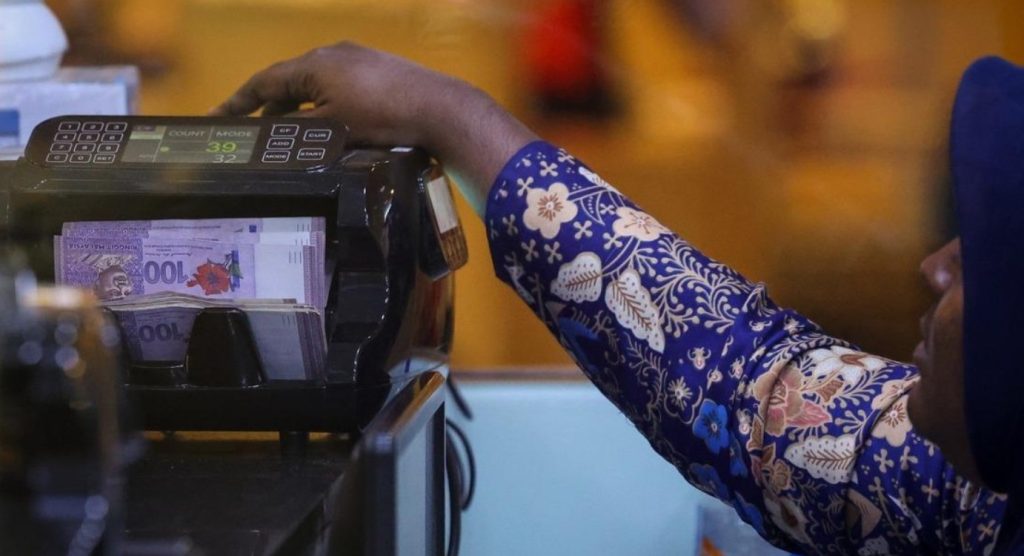
Collection of Consumption-Based Tax Lower After SST Reimposition

KUALA LUMPUR: The collection of consumption-based tax revenue has decreased following the re-implementation of the sales and service tax (SST) to replace the goods and services tax (GST), according to the Finance Ministry (MoF). The MoF said after the GST was introduced in April 2015, RM37.7 billion was collected for 2015; RM55.7 billion for 2016; RM60.5 billion (2017); and RM30.9 billion (2018) until May 2018. SST collection, after it was re-implemented was RM5.4 billion from September 2018 to December 2018; RM27.6 billion (2019), RM25.2 billion (2020); RM25.5 billion (2021); RM313 billion (2022); and RM35.4 billion (2023), the ministry said. “Overall, the GST collection from April 2015 until it was abolished in May 2018 amounted to RM184.8 billion while the total SST collection was RM150.4 billion between September 2018 and 2023,” MoF said in a written response posted on the Parliament’s website. This was in response to a query regarding tax revenues and national reserves rose after the SST was reintroduced and was the SST one of the main reasons for the continuous price increase in goods. Comparing the total revenue collection between the GST implementation period and that of the SSTs, the average annual SST collection was 51.6% lower against the GST due to the smaller scope of the SST, said the MoF. “The main factor for the lower collection in the SST is due to the smaller scope of the SST, which covers 41% of all goods and services sold in the market compared to 76% under the GST, according to the MoF. Meanwhile, the MoF said other factors such as demand and supply, global commodity prices, prices of imported goods and foreign currency exchange rates also affect the pricing of goods and services and the SST cannot be considered as the main reason for the continuous rise in prices. “In addition, there are also traders and service providers who take advantage by increasing the price of goods sold to make excessive profits despite not being affected by the imposition of SST,” said the ministry. — BERNAMA

ESG, News

Hi-MO X6 Brings Sustainable Power to Healthcare

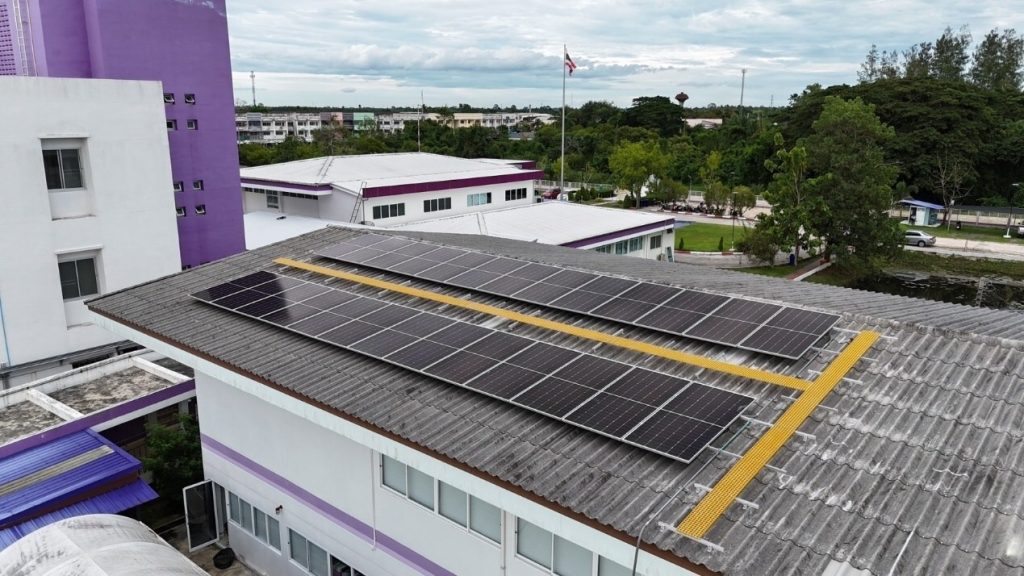
BANGKOK: Stable power supply is essential for the continuous operation of healthcare facilities. With Hi-MO X6 solar panels, Phraphrom Hospital has become a great example of sustainable healthcare. Phraphrom Hospital, as a public healthcare institution, has been providing reliable and convenient medical services to residents. However, it currently faces the dual challenge of limited budget and high energy demands. Thailand’s climbing electricity costs, the hospital’s round-the-clock medical operations, and the natural conditions of heat and humidity necessitating continuous air conditioning to prevent pharmaceutical deterioration, significantly pressurize the hospital’s electricity expenditures. Given its small-scale public funding, the hospital grapples with a substantial increase in energy expenses. LONGi’s Hi-MO X6 stands out with superior light absorption capability and high photovoltaic conversion efficiency. These features ensure Phraphrom Hospital benefits from a reliable and continuous power supply, substantially reducing its energy expenses. In Thailand’s challenging humid and high-temperature conditions, Hi-MO X6 has proven its robustness with a monthly energy production of 1.81MWh, bringing in an approximate 10% savings on the hospital’s electricity bills. More importantly, LONGi’s 25-year warranty of extra linear power output and comprehensive after-sales service provide Phraphrom Hospital with the reliability it needs. This was a significant factor when our EPC, D-Excellent Co., Ltd., chose Hi-MO X6 solar modules, as high-quality products tend to necessitate fewer after-sales interventions, ultimately reducing after-sales expenses. Phraphrom Hospital, LONGi’s first hospital project in Thailand, is now redirecting its savings into enhancing medical services. Hi-MO X6 not only leads Phraphrom Hospital towards sustainable growth but also aims to empower more hospitals to build a more robust and energetically efficient healthcare system.

Scroll to Top

Subscribe
FREE Newsletter