Author name: admin

News

Perodua Plans East Coast Spare Parts Hub

KUALA LUMPUR: Malaysia’s leading car manufacturer, Perusahaan Otomobil Kedua Sdn Bhd (Perodua), is planning to establish a regional hub for spare parts on the East Coast, leveraging the upcoming East Coast Rail Link (ECRL). Perodua’s President and CEO, Datuk Seri Zainal Abidin Ahmad, indicated that Kuantan, Pahang, is a strong candidate for the hub’s location, though other sites in the East Coast are also being considered. “This initiative will benefit our East Coast customers by providing a comprehensive vehicle hub, including spare parts and pre-owned vehicles,” Zainal said during the panel session titled “East Coast Rail Link (ECRL): ECRL@Selangor – Economic Benefits & Opportunities” at the National Investment Seminar yesterday. He emphasized that the project could significantly stimulate economic development in the area through partnerships with Malaysia Rail Link Sdn Bhd (MRL) and local entities in Pahang. Earlier this week, Perodua signed a memorandum of understanding with MRL, the 665-km ECRL project owner, to utilize the rail network for transporting cars from its Serendah, Selangor plant to the East Coast, as well as to Sabah and Sarawak. The ECRL will feature 20 passenger stations and 10 freight stations. MRL’s head of strategy, Mohd Zaidi Sharif, highlighted the Puncak Alam ECRL station in Selangor as a potential site for a steel products distribution hub and the manufacturing of finished steel products. “We will bring all the raw steel products from Kemaman and Kuantan to the Puncak Alam ECRL station for distribution to the Klang Valley area,” Mohd Zaidi said. Zainal noted that the proposed steel hub at Puncak Alam could attract investments in auto-related steel-based activities such as tools, molds, and dies, which are crucial for stamping and injection molding processes in the local automotive industry. “For the automotive industry, we have brought in vendors from Japan, China, and South Korea to invest in Malaysia and set up joint ventures with our local vendors. However, we have not been able to attract investments to produce automotive-grade steel. Japanese vendors have indicated that while incentives from the Malaysian Investment Development Authority are important, a comprehensive logistics supply chain is crucial. This presents an opportunity to promote the automotive industry and attract investors to Puncak Alam for steel-related investments, particularly in tools, molds, and dies for our stamping and injection molding processes,” he explained. Zainal also highlighted the cost savings expected from transporting cars, parts, and components via the railway instead of by road. Currently, Perodua ships its cars from Port Klang to customers in Sabah and Sarawak via the Straits of Malacca. The ECRL is expected to enhance regional integration between the East Coast, Sabah, Sarawak, and the West Coast. “We used to transport our completely built-up (CBU) vehicles using trucks and lorries, which posed challenges in efficiency and safety. Efficient transportation infrastructure is key to attracting investors. Currently, we do not have vendors in Sabah and Sarawak due to logistical difficulties, with most vendors situated in Shah Alam and Penang. With the ECRL, more suppliers will be able to invest in Pahang and Terengganu,” he said. Domestically, Perodua holds a 40% market share and aims to increase this to 45% this year. The company also plans to grow its exports over the next few years. “We want to increase our exports but still have about 120,000 outstanding bookings to fulfill domestically. We must deliver these bookings first before we can export. Based on our plan, exports should constitute about 10% of our total production. Currently, our production supports 350,000 units, so we aim for 35,000 units for export. We used to export to Sri Lanka, but the country is not accepting any CBU imports due to economic circumstances. We have shipped cars to African countries and are looking at markets like Mozambique. Additionally, we export used cars to Fiji and other countries,” Zainal said. The ECRL railway line from Kota Baru to the Gombak Integrated Terminal is projected to be completed by December 2026 and operational by January 2027. The extension from Gombak to Port Klang is expected to be finished by December 2027, with full operations beginning in January 2028. Mohd Zaidi stated that the project is progressing according to plan and is targeted to be completed slightly ahead of schedule. “Those familiar with the construction industry understand that a project of this scale and size, a 665-km linear project involving more than 1,400 construction sites, is a mega challenge to keep on track,” he said.
Investment & Market Trends, News

Malaysian Corporates Hold US$190 Bil in Foreign Liquid Assets Abroad

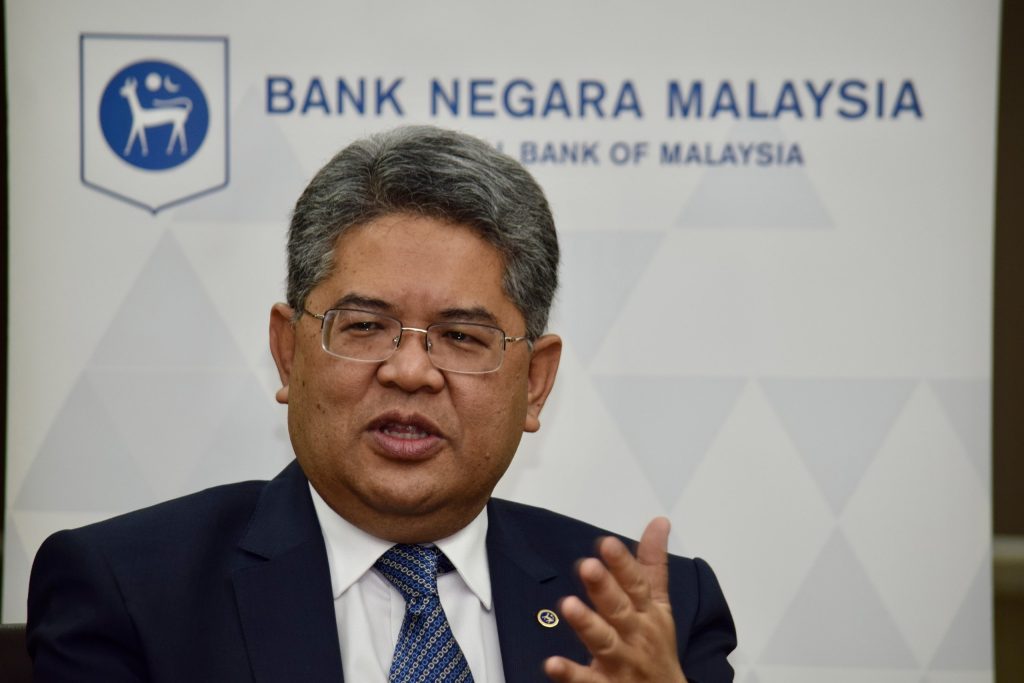
KUALA LUMPUR: The Malaysian corporate sector holds US$190 billion in foreign currency liquid assets located abroad, which is indicative of the country’s robust international investment position, said Bank Negara Malaysia (BNM) Deputy Governor Datuk Marzunisham Omar. He said the corporate sector is compromised of financial institutions, government-linked investment companies and government-linked companies that have investments abroad and generate income from their foreign investments. “We are not asking them to liquidate their assets, but BNM is encouraging them to bring back the realised profits and covert them into ringgit,” he said. According to Marzunisham, Malaysia has maintained a current account surplus for the past five years, which includes the holding of foreign assets by corporate and financial institutions. “They can use this (foreign holding) to meet their financial obligations and this will significantly reduce the need to come to the central bank for foreign currency,” he added. The session was timely with Malaysia’s international reserves adequacy, which has gained increasing attention in the media and among analysts in recent periods, particularly against the backdrop of the strengthening US dollar. Focusing on the international reserves of BNM, the deputy governor said that the country’s reserves remained resilient due to the level of external debt to the gross domestic product being manageable. “One-third of the external debt is in the form of ringgit and we are not exposed to foreign currency fluctuation, with less than 3% of government debt in foreign currencies and almost 96% of government debt is in ringgit,” Marzunisham noted. Meanwhile, ASEAN+3 Macroeconomic Research Office (AMRO) Group Head and Principal Economist Dr Ruchana Ponsaparn said ASEAN economies are well prepared financially, particularly in terms of international reserves. “We have a low public debt and at the same time, our banking system has already built a significant buffer in terms of capital and liquidity,” she said. — BERNAMA

News

New Zealand Pharma Firm to Invest RM300 Mil in Negeri Sembilan–Aminuddin

SEREMBAN:  Negeri Sembilan’s Halal Malaysia Industrial Park (HALMAS) has received an encouraging response, including a recent request from a New Zealand pharmaceutical company expected to invest RM300 million in the state, said Negeri Sembilan Menteri Besar, Datuk Seri Aminuddin Harun. “Halal Park in this state is one of the most highly sought-after. I just returned from New Zealand, where a pharmaceutical company is committed to investing and obtaining a halal certificate,” he told reporters after chairing the state government’s EXCO meeting. Aminuddin said the state’s HALMAS has attracted several major investors, including Mahsuri Food Sdn Bhd, Ajinomoto (M) Bhd from Japan, Sunshine Bread (M) Sdn Bhd from Singapore, Coca-Cola Bottlers (M) Sdn Bhd and Kellogg’s Malaysia (United States), particularly in Bandar Enstek, Nilai.”The demand for halal investment is high. There are no new industrial areas and the development of the Techpark@Enstek Phase 3 in Bandar Enstek is almost sold out,” he said. Aminuddin added that the state government is working to enhance the halal industry among small and medium enterprises to improve the quality of local products. Deputy Prime Minister, Datuk Seri Dr Ahmad Zahid Ahmad Hamidi, previously reported that the utilisation and development of the 14 Halal Parks across the country remain low, at 1l per cent of the total 5,484 hectares developed so far.In another development, Aminuddin said that the construction of the Institute of NeuroScience (INS) in Pedas, Rembau which was announced in 2019, had been cancelled due to the COVID-19 pandemic. Earlier, the media reported that the private medical centre, costing RM1.02 billion, was expected to offer neuro related health services and generate a development value of RM1.7 billion within five years. — BERNAMA

Investment & Market Trends, News

Malaysia-Singapore Economic Zone Could Foster Further Cooperation Between Countries

KUALA LUMPUR: The Malaysia-Singapore Special Economic Zone and the proposed Johor-Singapore Rapid Transit System (RTS) that will be finalised by both countries can have a positive impact on the relationship between the two brother-like neighbours. Economic analyst Dr Oh Ei Sun said Malaysia and Singapore are able to attract investments in the computer and chip industry in addition to having a mature workforce. “Singapore needs to find a bigger location to invest and build its factories while Malaysia can take advantage of the technology transfer. So, there is potential for the two countries to cooperate in a very broad field. “If Malaysia and Singapore could cooperate in advanced fields like AI, it would make both countries a centre of high technology development in Southeast Asia,” he said on a live broadcast of ‘Malaysia Petang Ini’. Oh said this in reference to the strengthening of Malaysia-Singapore bilateral relations in conjunction with Singapore Prime Minister Lawrence Wong’s maiden visit after being appointed as premier of the republic on 15 May. According to Oh, detailed information about the special economic zone needs to be clarified such as whether there will be tax exemptions and so on to encourage investment. He hoped that the details of the Malaysia-Singapore special economic zone would be one of the focuses at the 11th Malaysia-Singapore Leaders’ Retreat at the end of the year. Oh said another issue between Malaysia and Singapore that needs to be resolved is the congestion at the Johor Causeway due to the high number of Malaysians working in Singapore and commuting daily. “This problem may be resolved by extending the MRT from Singapore to Johor Bahru. But all this needs coordination,” he added. On global issues such as climate change, he said the problem affects Malaysia’s agricultural sector and Singapore’s position as an island city. Therefore, cooperation in dealing with climate change can benefit both parties. As for issues at the ASEAN level, Oh said the cooperation between Malaysia, Singapore and possibly involving Indonesia in dealing with the crisis in Myanmar could increase the spirit of togetherness in the bloc. — BERNAMA

Investment & Market Trends

Yong Tai Collaborates with Sichuan Tourism Investment Group to Revive Theatre Operations

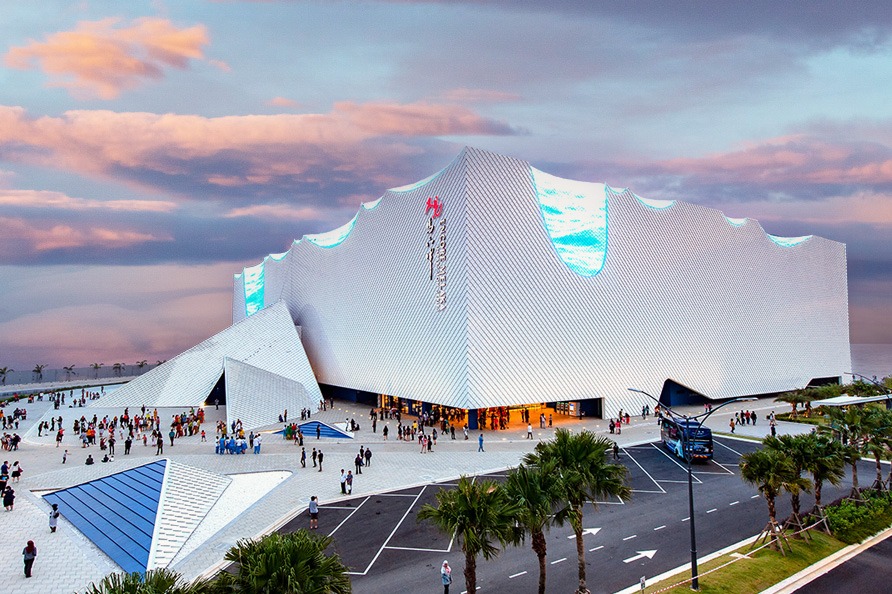
KUALA LUMPUR: Main Market listed Yong Tai Bhd (YTB) inked a collaboration agreement with Sichuan Tourism Investment Group (STIG) to revive the operations of the Encore Melaka theatre, ensuring its turnaround and long-term success. This partnership marks a significant milestone in YTB’s efforts as STIG is set to resume shows at Encore Melaka in July 2024. YTB chief executive officer and executive director Datuk Wira Boo Kuang Loon said the company’s partnership with STIG would play a crucial role in reviving the operations of Encore Melaka. “With the support of STIG and the favourable visa policies, we are confident in our ability to attract a large audience and deliver an unparalleled cultural experience,” he said in a statement. STIG is a prominent state-owned enterprise from Sichuan Province, China. Established in April 2017, STIG is a flagship enterprise approved by the Sichuan Provincial Government, tasked with transforming Sichuan from a major cultural and tourism province to a tourism powerhouse. STIG has been instrumental in driving the development of the cultural tourism industry in China, with a diverse portfolio that includes hotels, scenic spots, aviation tourism, commercial properties, cultural sports, and wellness. Under this collaboration, YTB will leverage STIG’s extensive experience and expertise to manage and operate the Encore Melaka theatre. Known for its modern design and cultural experiences, Encore Melaka will benefit from STIG’s strategic integration platforms, including cultural tourism industry transformation, resource integration, and investment. This partnership aims to attract significant tourist traffic to the theatre and achieve a 70 per cent occupancy rate within six months of operation. As part of this collaboration, STIG will dispatch a team to oversee the integration and build the organisational framework for Encore Melaka’s operations. They will manage and refine the theatre’s high-performance programs, schedule performances, plan and supervise activities, and provide regular financial performance reports. STIG will also manage publicity, marketing, and promotions, employ key personnel with YTB’s consent, and implement strategies to enhance ticket sales and audience attendance. Additionally, they will maintain the theatre’s assets in good condition and carry out all necessary operations to ensure smooth functioning. “This collaboration addresses the concerns raised by our investors regarding the management and operational challenges we faced in the past. “With STIG’s proven track record and vast experience, we are now better positioned to achieve our goals. “This partnership brings expertise and a robust network that will help drive tourist traffic to our theatre. “We anticipate a successful transformation that will see Encore Melaka thrive as a premier cultural destination,” Boo added. The collaboration comes at an opportune time, as since December 2023, the government has implemented a 30-day visa-free entry for Chinese tourists. This initiative is expected to facilitate a steady flow of tourists from China, further boosting attendance at Encore Melaka and other YTB ventures. The government has also declared 2024 as Visit Melaka Year, aiming to promote the state’s rich cultural heritage and attract more tourists. This initiative underscores the government’s commitment to promoting Malaysia as a premier cultural and tourism destination. “By collaborating with a prestigious artist college to supply performers, we have created a cost-effective model that ties our expenses to ticket sales, making Encore Melaka a financially sustainable project. “We are confident that with STIG’s management and our strategic planning, we will achieve remarkable success,” Boos said.

Investment & Market Trends, News

Malaysia Approved RM114.7 Bil Investments in Data Centres, Cloud Services in 2021-2023

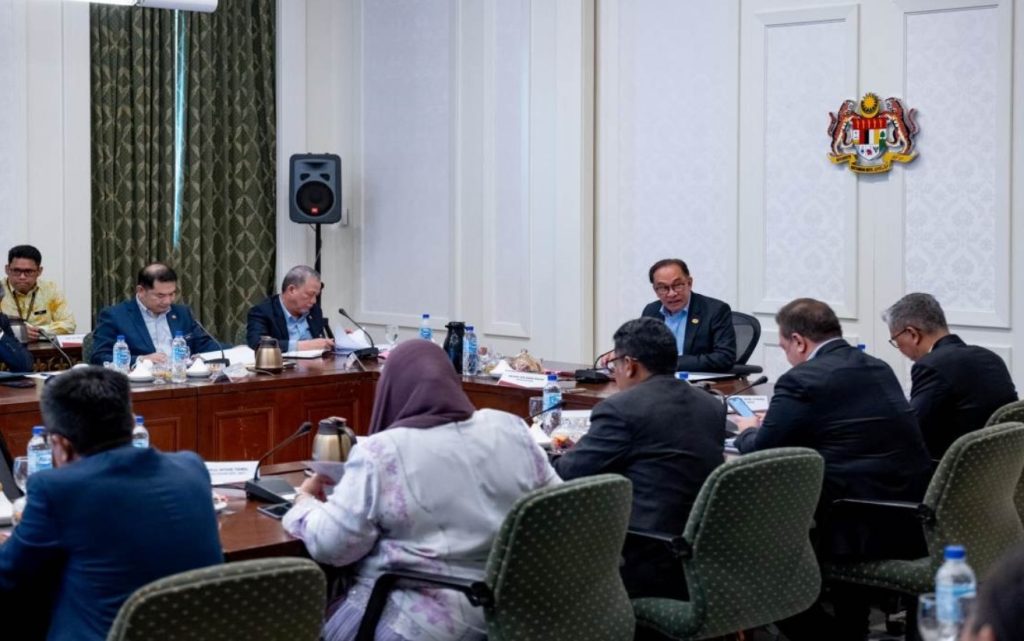
KUALA LUMPUR: Malaysia has approved RM114.7 billion worth of investments in data centres and cloud services between 2021 and 2023, said Prime Minister Datuk Seri Anwar Ibrahim. In a post on X, he said the investments have created 2,325 high-value new jobs in specialised fields such as data scientists, data analysts, data engineers, cybersecurity analysts and network engineers. He said that the MADANI Government is committed to positioning Malaysia as a sustainable artificial intelligence (AI data centre destination in Southeast Asia, as part of its effort to strengthen the country’s position as a leading global investment destination. Earlier, Anwar chaired the 4th National Investment Council (NIC) meeting for the year, where he mentioned that the council had agreed for the Ministry of Investment, Trade and Industry (MITI) to enhance the current incentive framework for AI data centres via the Malaysian Investment Development Authority (MIDA). This includes the mechanism for the usage of energy and water-efficient equipment, as well as collaboration with the Ministry of Energy Transition and Natural Resources to provide sufficient renewable energy for AI data centres. “During the meeting, I emphasised a whole-of-government approach in the ongoing efforts to encourage investment in AI-based data centre sectors, particularly in boosting economic benefits through digitalisation and increasing the economic complexity of various sectors in Malaysia. “The framework will also include matching data centre players with local companies for the development of local vendors, especially small and medium enterprises, as well as fostering industry-academia collaborations to drive innovation in the development of energy-efficient equipment and software,” he added.

Microsoft CEO Satya Nadella
News

Telkom Eyes Major Data Centre Expansion

JAKARTA: PT Telkom Indonesia, a state-owned telecommunications company, is aggressively expanding its data center business to capitalize on the surging demand for data storage, especially driven by artificial intelligence (AI) development. Through its subsidiary, PT Telkom Data Ekosistem (TDE), known as NeutraDC, Telkom aims to boost its data center capacity to 500 megawatts (MW) by 2030, both domestically and internationally. This represents an over eight-fold increase from its current 60 MW capacity. “Most of our expansion plans involve adding capacity. We build, invest, and then make it available for use,” said Honesti Basyir, Telkom Group’s business development director, at NeutraDC’s headquarters in Singapore last Friday. He added that while regional expansion is crucial due to unmet needs in many countries, the company must first prove itself in Singapore. International growth might involve strategic acquisitions due to varying regulations. NeutraDC CEO Andreuw Thonilus Albert suggested that if growth accelerates, they could push towards a 700 MW capacity. Data center investments are rapidly increasing in Southeast Asia, following trends seen in the U.S. and Europe where tech giants are expanding their AI and cloud capabilities. Microsoft CEO Satya Nadella recently pledged a $1.7 billion investment in Indonesia over the next four years for AI, cloud services, and digital talent development. Nvidia also announced plans to build a $200 million AI center in Southeast Asia. According to Mordor Intelligence, the Asia Pacific data center market is projected to reach 23,200 MW by 2029, with a compound annual growth rate (CAGR) of 10.21% from 14,270 MW this year. Generative AI is expected to significantly transform the data center industry, as noted by a January report from property consultancy Jones Lang Lasalle. Singapore is anticipated to lead the ASEAN data center market this year with over 880 MW, surpassing Indonesia’s 650 MW. NeutraDC’s Andreuw defended Telkom’s recent expansion, noting that it isn’t too late, especially after Singapore lifted its moratorium on new data centers last year, which had been in place since 2018. Telkom shifted focus to the data center business in 2022 after prioritising its telecom operations. Telkom plans to leverage Batam’s strategic position to benefit from Singapore’s overflow, seeing it as a win-win solution. “Indonesia has significant potential for data centers due to the large workload expected,” Andreuw said. Telkom, Indonesia’s largest telecom group, currently operates 32 data centers, including 27 domestic and five international sites, as per its 2023 annual report. In 2024, Telkom anticipates substantial growth in cloud and business-to-business IT services, projecting 27% and 7% CAGRs, respectively. The first quarter saw a 24.6% year-on-year revenue increase in the group’s data center and cloud business, reaching 449 billion rupiah ($27.5 million). “We believe we can achieve one trillion rupiah in revenue this year by adding capacity and attracting high-quality tenants,” Honesti stated. In March, Telkom consolidated its data center business under NeutraDC, including assets previously owned by Telin Singapore Data Centre. Telkom also injected 1.6 trillion rupiah into NeutraDC on June 4, supporting the development of a hyperscale data center in Cikarang, West Java, which will add 18 MW to the existing 42 MW capacity. Despite Singapore being the regional leader in data centers, experts suggest Jakarta could attract significant investment by demonstrating good data governance, strict data protection enforcement, and robust infrastructure. “Foreign investors often question whether Indonesia has strong data laws,” said K&K Advocates partner Danny Kobarata. Indonesia’s data protection law, passed in 2022, will be implemented in October this year. Straits Interactive CMO Alvin Toh advised companies to showcase compliance with international standards through self-audits and exceeding compliance requirements. — The Jakarta Post/ANN

News

Affin Group Congratulates Winners of the AFFIN 100PLUS Junior Elite Tour 2024

KUALA LUMPUR – AFFIN Group extends its heartfelt congratulations to the winners of the AFFIN 100PLUS Junior Elite Tour, held from June 4 to 9, 2024, in Putrajaya. As the Official Bank Partner of the Badminton Association of Malaysia (BAM), this event represented a significant milestone in showcasing the potential of Malaysia’s young badminton athletes. The championship featured three age categories—under-12, under-14, and under-16—with competitions in boys’ singles, girls’ singles, boys’ doubles, and girls’ doubles. Each stage saw participants from various states vying for a place in the finals. In the under-16 finals, state champions faced off against national junior players. Kong Wei Xiang triumphed in the Boys’ Singles U16 category, emerging victorious in a match between two BAM players. “We are thrilled with the success of the AFFIN 100PLUS Junior Elite Tour 2024. This event has been an incredible opportunity for AFFIN Group to support and nurture the next generation of badminton champions,” said Datuk Wan Razly Abdullah, President & Group Chief Executive Officer of Affin Bank Berhad. “Our collaboration with BAM to create a lasting legacy has significantly impacted the development of young athletes. This initiative aligns with our broader vision of community engagement, in line with our AX28 plan’s strategic pillar of Responsible Banking with Impact,” he added. BAM President, Tan Sri Dato’ Sri (Dr.) Mohamad Norza Zakaria, remarked, “The AFFIN 100PLUS Junior Elite Tour tournament is a crucial platform for nurturing future Malaysian badminton champions. It provides a competitive environment where young players from across the nation can hone their skills, gain valuable experience, and inspire a new wave of interest in the sport. With AFFIN Group’s support as our Official Bank Partner, we aim to build a strong talent pipeline and ensure Malaysia remains a formidable force in badminton.” AFFIN Group has been the Official Bank Partner of the Badminton Association of Malaysia since January 2023. For further updates and insights on AFFIN Group’s activities and engagements, please visit our social media channels at www.facebook.com/AffinMy or find us on Instagram at @AffinMy.

Experts

Navigating the Quadruple Helix for Innovation Success

The journey from ideas to innovations is often marked by challenges, complexities, and the quest for intellectual property (IP) protection. Amidst these hurdles lies a potentially transformative Quadruple Helix framework. By integrating diverse perspectives, expertise, and resources, this framework integrates academia, industry, government, and society. It holds the key to addressing challenges and creating environments conducive to an open innovation model. In academia, challenges include limited resources, funding constraints, tight timelines, and the lack of performance recognition. Researchers typically are under considerable pressure to publish academic papers within grant deadlines and meet performance metrics rather than pursue applied research with real-world impact, leading to a gap between academia and industry. The complexity of IP protection and commercialisation deters them from turning their ideas into tangible innovations. The Quadruple Helix framework offers holistic solutions such as access to industry insights, funding opportunities, and real-world problems, while the industry benefits from linking with cutting-edge research, talent pipelines, and potential commercialisation opportunities. The government facilitates policy support, funding mechanisms, and regulatory frameworks, while society contributes valuable feedback, societal impact, and market demand insights. Within the Quadruple Helix framework, an ideal environment for innovation to thrive is characterised by the ‘Seven Cs’:- 1. Challenges: Academic innovation flourishes when researchers tackle real-world challenges, addressing pressing societal needs and market demands. Academia can drive meaningful impact and relevance by aligning research agendas with grand challenges such as climate change, healthcare disparities, or digital transformation. 2. Changes: Embracing disruptive changes in technology, market dynamics, and societal expectations fuels innovation. Academia must adapt to emerging trends and technological advances such as artificial intelligence (AI), blockchain, and biotechnology, and leverage these transformative technologies to create groundbreaking solutions. 3. Convergence: Innovation through collaborative research initiatives thrives at the intersection of disciplines such as engineering, biology, and social sciences, where diverse perspectives converge to spark creativity and new breakthroughs. 4. Competition: Academic institutions that promote a culture of healthy competition, recognition, and reward inspire researchers to push boundaries by exploring new ideas and striving for excellence by pursuing innovative endeavours. 5. Collaboration: Collaboration through knowledge exchange, resource sharing, and collective problem-solving lies at the heart of academic innovation within the Quadruple Helix framework. Collaborative research projects, joint ventures, and technology transfer initiatives amplify the impact of academic innovations. 6. Competencies: The transfer of knowledge can be fostered through cross-sector capacity building, interdisciplinary training programmes, the establishment of knowledge-sharing platforms, and joint projects to develop competencies across academia, industry, government, and society to nurture a healthy innovation ecosystem. 7. Culture: Cultivating an environment where experimentation is encouraged, failure is embraced as a learning opportunity, and risk-taking as well as diversity of thought is celebrated fosters a vibrant innovation culture within academia. Intellectual Property (IP) Strategy and Open Innovation within the Quadruple Helix Framework By strategically managing IP rights across academia, industry, government, and society, stakeholders can facilitate knowledge exchange, incentivise collaboration, and ensure equitable distribution of benefits. For example, it enables academia to protect and leverage its research outputs, industry to access cutting-edge innovations, government to support technology transfer initiatives, and society to benefit from impactful solutions. This unlocks synergies across sectors while collectively addressing challenges across multiple scales. Additionally, a robust IP strategy provides clarity and transparency in IP ownership, licensing agreements, and commercialisation pathways, thereby reducing legal uncertainties and fostering trust among partners. In the pursuit of innovation, embracing an open innovation model is not merely a choice but a necessity, at the same time unlocking the full potential of the Quadruple Helix as a driver of societal change and economic growth.

News

Supermom Projects 100% Revenue Growth in 2024 Amid Expansion Plans, Appoints Ex-Nielsen Indonesia MD as Country Director

SINGAPORE:  Supermom, Southeast Asia’s leading parenting data network, is poised for a year of remarkable expansion, forecasting a 100% increase in revenue for 2024 and intensifying its presence across Southeast Asia, particularly Indonesia. The company also builds high-value communities in Malaysia, Thailand, and Vietnam. The disclosure comes alongside the appointment of Hellen Katherina, former Managing Director of Nielsen Indonesia, as Country Director, marking a significant enhancement in leadership aimed at accelerating regional growth. Supermom’s network now includes over 100 brand partners such as Abbott Laboratories, Prudential, and Danone, with a 100% retention rate of top clients in recent years. With headquarters in Singapore, Supermom connects brands with parents through a unique platform that leverages artificial intelligence to facilitate meaningful interactions. This innovative approach introduces parents to products tailored to their needs, and those of their children, but also provides multinational brands with high-value consumer insights. Luke Lim, Group CEO of Supermom, highlighted the company’s strategic initiatives, “With the appointment of Hellen Katherina and the launch of our ambitious Project 1MPACT, we are geared to activate over 1 million ‘Key Opinion Moms’ in Indonesia by 2025. These moves are integral to our mission of transforming how brands connect with parents by leveraging the power of zero-party data and word-of-mouth marketing.” Project 1MPACT, set to launch officially in Q2 2024 with support from Sandiaga Uno, Indonesia’s Minister of Tourism and Creative Economy, aims to empower 1 million Indonesian moms and women to become digitally savvy. This initiative will also contribute significantly to the nation’s digital economy, which is expected to reach US$228 billion by 2027. At the end of 2022, Supermom raised an oversubscribed US$5.9 million series A fundraising round from AC Ventures and Qualgro. This funding has enabled the continued expansion of Supermom’s proprietary tech platform, unifying data touchpoints and enhancing the collection process to build a robust consumer data platform for brands. Luke said, “Our platform has demonstrated tremendous growth and resilience, activating one mom every minute for the brands we serve. This rapid expansion is a testament to our community’s engagement and the efficacy of our business model, which integrates affiliate marketing seamlessly into our ecosystem, empowering participating parents to earn extra income.” He added, “Supermom is not just about connecting brands with parents. It’s about creating a comprehensive ecosystem where moms can learn, earn, and share. This community-driven model allows for authentic interaction and empowers moms with tools and opportunities to influence their peers positively. In the increasing adoption of Generative AI, a tsunami wave of content will be generated by AI, and authentic sharing by real moms will become ever more important.” The recent Supermom Brand Awards 2024 is a key example of the platform’s growing influence, gathering over 11,000 parents to provide over 110,000 insights across Southeast Asia in less than a month, and showcasing the favorite family brands of today’s millennial parents. As Supermom continues to evolve, the company remains on the lookout for business partners and investors to enhance its technology and further develop AI-driven solutions that cater to the dynamic needs of parents and brands in emerging Asia. New tech products are slated for rollout in H2 2024 to boost engagement and connectivity, ensuring that parents can maximize the benefits of Supermom’s offerings.

Scroll to Top

Subscribe
FREE Newsletter