Author name: admin

Investment & Market Trends

Genting Malaysia Awaits New York Casino Decision As Takeover Looms

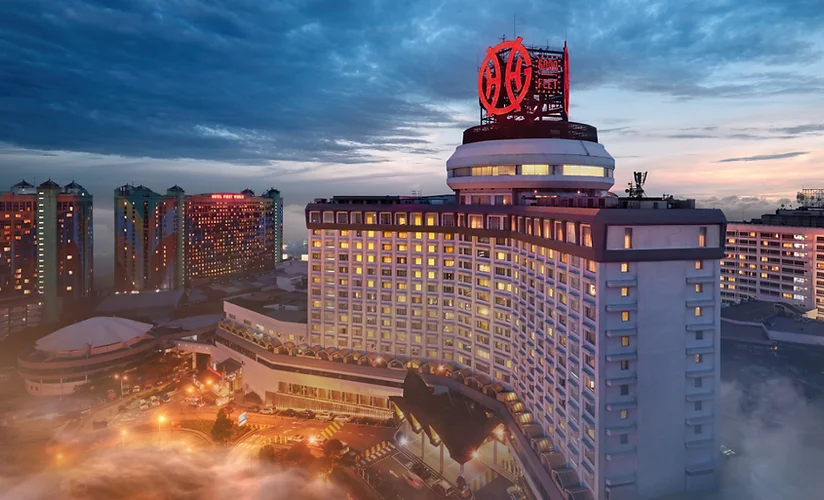
The future of Genting Malaysia Bhd’s  long-awaited bid to secure a full commercial casino licence in New York is set to be determined on Monday — a development widely seen as one of the most consequential regulatory decisions for the group in recent years. The New York Gaming Facility Location Board is expected to unveil its chosen recipients for the three downstate casino licences, bringing an end to an extended approval process that initially attracted eight major bidders. The decision will determine which companies are allowed to operate full-fledged casinos in the lucrative New York metropolitan area. The timing is especially significant for the company, as the verdict comes just hours before the close of Genting Bhd’s RM6.7 billion proposal to privatise its subsidiary Genting Malaysia. The offer — priced at RM2.35 per share — was extended once and is scheduled to close at 5pm on Monday. Genting’s High-Stakes New York Ambition Genting Malaysia is pursuing the licence through its wholly owned US unit, Genting New York LLC, the operator of Resorts World New York City (RWNYC). RWNYC, located at Aqueduct Racetrack in Queens, has functioned as a racino (slots-only venue) for more than a decade and is one of the highest-grossing gaming properties in the US. On June 27, the group submitted its full proposal — a sweeping US$5.5 billion (RM23.19 billion) expansion plan to transform RWNYC into a major integrated resort with full table games and extensive non-gaming attractions. According to the submission, the new RWNYC would feature: A 500,000 sq ft gaming floor 6,000 slot machines 800 table games 2,000 hotel rooms A 7,000-seat entertainment arena Over 30 food & beverage outlets Large meeting and convention spaces More than 10 acres of landscaped public greenspace Genting has assured New York regulators that it could begin operating table games within six months of receiving the licence. The company also projected that the expanded casino could begin contributing significant tax revenue to New York’s state and city budgets as early as July 2026. The state’s Gaming Board has set Dec 31, 2025 as the target deadline to issue all final licences, though industry observers expect winning proposals to be announced far earlier. Privatisation Bid Moves Forward Meanwhile, Genting Bhd’s takeover offer for Genting Malaysia continues to progress. The offer became unconditional earlier than expected, after Genting and its concerted parties surpassed the 50% shareholding threshold on Nov 3. At the time the buyout plan was announced on Oct 13, Genting held a 49.36% stake. By last Friday (Nov 28), filings with Bursa Malaysia revealed that Genting had increased its direct stake to 64.1%, achieved through steady market purchases and shareholder acceptances. Analysts remain divided over the fairness of the RM2.35 offer price: Some research houses argue the proposal undervalues the group, pointing to potential upside should the New York casino licence be approved, as well as unrealised value in Genting’s Miami landbank and future asset monetisation plans. Others note rising operating costs, persistent losses at Empire Resorts (Genting’s US casino subsidiary), and the significant capital expenditure required for the New York expansion — factors that may justify shareholders opting for certainty via the offer. Genting Malaysia’s net borrowings have more than tripled in the past five years, and analysts expect Empire Resorts to remain loss-making in the medium term. As of Monday morning, Genting Malaysia’s share price remained unchanged at RM2.35, giving the company a market capitalisation of about RM14 billion.
Property

Mah Sing To Acquire 1.13-Hectare Land In Setapak For RM44.5 Million

Mah Sing Group Bhd’s wholly owned subsidiary, Maxim Heights Sdn Bhd, is set to acquire a 1.129-hectare leasehold land parcel in Setapak from The Rampai Development Sdn Bhd for RM44.5 million. The site will be developed into a new project, M Mira, with an estimated gross development value (GDV) of around RM300 million. According to a Bursa Malaysia filing, the development will benefit from the upcoming MRT 3 stations at Rejang and Setapak, as well as existing LRT stations at Sri Rampai and Wangsa Maju. This marks Mah Sing’s fifth land acquisition in 2025, following M Aria in Sentul, the Corus Hotel site, M Legasi 2 in Semenyih, and M Cora in Penang, with a combined estimated GDV of approximately RM4.1 billion. The company expects the Setapak acquisition to positively contribute to future earnings, with completion targeted for the first quarter of 2026. Separately, Mah Sing announced that its subsidiary, Fusion Heights Development Sdn Bhd, has mutually terminated the sale and purchase agreement for 227.29 hectares of land in Sepang, Selangor, originally signed with Premier Land Resources Sdn Bhd on Jan 31, 2024. The deposit and accrued interest will be refunded. Mah Sing said the termination allows for better allocation of capital to projects that align more closely with its investment strategy and offer faster returns. The company added that the termination is not expected to materially affect its earnings per share, net assets, gearing, share capital, or shareholding structure for the financial year ending Dec 31, 2025.

News

KPS Subsidiary Secures RM78.1 Million Contracts For Chemical Supply

Kumpulan Perangsang Selangor Bhd (KPS) has announced that its 51%-owned subsidiary, Aqua-Flo Sdn Bhd, has secured two significant framework agreements with Pengurusan Air Selangor Sdn Bhd for the supply and delivery of chemicals to water treatment plants. The combined value of the contracts stands at RM78.10 million. According to a Bursa Malaysia filing today, both contracts are scheduled to commence on Jan 1, 2026, and will run until Dec 31, 2028, covering a three-year period. KPS highlighted that the contracts are expected to make a positive contribution to the group’s earnings and net assets throughout the contract duration. The agreements are part of the shareholders’ mandate approved during KPS’s extraordinary general meeting on July 28, 2025, ensuring that the subsidiary can undertake such projects in line with the company’s strategic objectives. Aqua-Flo, as a key player in water treatment chemical supply, will provide essential products and services to support Selangor’s water treatment infrastructure, reinforcing KPS Group’s presence in the utilities and environmental solutions sector. The contracts are also expected to strengthen the long-term collaboration between KPS and Pengurusan Air Selangor, while enhancing operational efficiency and service reliability for water treatment operations across the state. This milestone reflects KPS Group’s continued focus on securing stable, recurring revenue streams from strategic partnerships and infrastructure-related contracts, which are expected to underpin sustainable growth in the coming years.

Investment & Market Trends

Agrobank Rolls Out Agroplats Biaya Plus-i For Micro Entrepreneurs

Agrobank has officially launched AGROPLATS Biaya Plus-i, a financing scheme aimed at supporting micro-entrepreneurs registered under the Selangor Digital Platform (PLATS). Agrobank president and group CEO Datuk Tengku Ahmad Badli Shah Raja Hussin said the initiative is a collaboration with the Selangor state government through Menteri Besar Selangor (Incorporated) (MBI Selangor). Eligible entrepreneurs can access financing of up to RM10,000, while the state government will cover RM1 million in profit rate costs for the entire financing period. “This support reduces financial burden on entrepreneurs and allows them to focus on expanding their businesses,” Tengku Ahmad Badli Shah said during the Selangor Hawkers and Small Traders Day 2025 celebration. The scheme reflects Agrobank’s commitment to empowering hawkers and micro-entrepreneurs, key contributors to national food security. Through collaboration with MBI Selangor, it aims to stabilise cash flow, strengthen operations, and promote business growth even in challenging economic conditions. Tengku Ahmad Badli Shah added that AGROPLATS Biaya Plus-i will improve access to inclusive financing while encouraging entrepreneurs to engage more actively with PLATS’ digital ecosystem, which provides financing, training, and government programme support. Selangor Menteri Besar Datuk Seri Amirudin Shari highlighted that entrepreneurs’ total online transactions at Agrobank-sponsored Ramadan bazaars this year exceeded RM7 million, noting that participation is expected to rise in 2026, driving stronger sales performance. This initiative positions PLATS as Malaysia’s first comprehensive digital platform for hawkers and small traders, supporting both business growth and the state’s digitalisation agenda.

News

Malaysia Targets Bigger Slice Of South Korea’s Halal Food Market

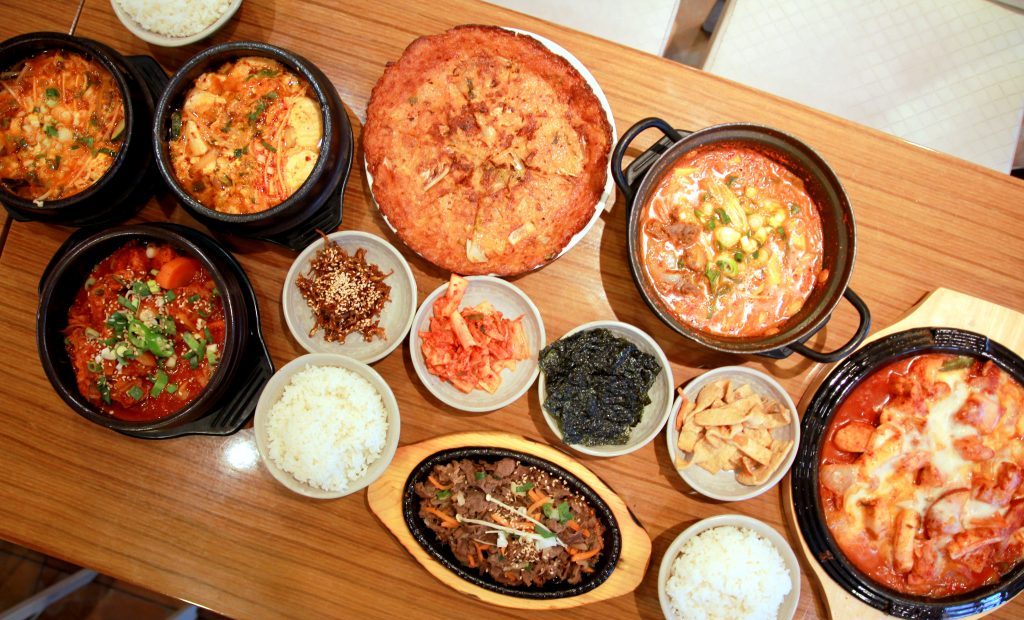
Malaysia is positioning its halal products to capture a larger share of South Korea’s rapidly expanding convenience and premium food sector, as Korean consumers increasingly demand halal, organic, and sustainably sourced goods. Leveraging globally recognised halal certification from the Department of Islamic Development Malaysia (Jakim) and Malaysia’s decade-long leadership in the Global Islamic Economy Indicator, local brands are promoting themselves as premium, trustworthy, and convenient options for Korean buyers. Malaysian Ambassador to South Korea Datuk Mohd Zamruni Khalid highlighted Malaysia’s strong halal ecosystem and export capabilities as key factors in cementing its reputation as a reliable trading partner. “Korean consumers are embracing halal-certified products alongside ethical and sustainable consumption trends,” he said. South Korea’s convenience food market is valued at US$7.27 billion (US$1 = RM4.15) and is expected to grow at an annual rate of 11.43% between 2025 and 2030, according to Statista. Zamruni noted that Malaysian brands are well placed to capitalise on this growth, particularly in the premium segment. Several Malaysian names, including Amazin’ Graze, OldTown White Coffee, PopsMalaya, and Spritzer, have already made inroads, spanning snacks, beverages, confectionery, and mineral water. Moving forward, products such as halal-certified ready meals, frozen tropical fruits like durian, specialty ingredients, and sustainably sourced items are expected to see strong demand. Zamruni identified three key areas for growth: halal certification, supply chain transparency, and product-market fit. Korean buyers increasingly prioritise ethical production, including sustainable palm oil, organic farming, and low-carbon processes. Meanwhile, tailoring products to local habits—such as single-serve portions, clean-label ingredients, and premium packaging—will strengthen Malaysian brands’ competitiveness. The ambassador also noted that halal certification is increasingly recognised in South Korea as a marker of safe, hygienic, and high-quality production, prompting even non-food companies to launch halal-certified lines. While South Korea’s halal market remains relatively small, its growth potential is significant. Reflecting this trend, South Korean firms are also investing in the segment. Paris Baguette, part of the SPC Group, opened its first halal food hub in Johor earlier this year, using Malaysia as an export base to serve Indonesia and the Middle East. Events like the ASEAN Trade Fair 2025 at the Korea International Exhibition Centre (KINTEX) in Ilsan play a vital role in connecting Malaysian halal SMEs and food producers with Korean importers, retailers, and foodservice operators. The fair facilitates product sampling, business-matching, and direct meetings, helping brands build visibility and commercial relationships. Bilateral trade data highlights the growing demand: from January to September 2025, Malaysia’s exports to South Korea rose 2.2% year-on-year to US$8.9 billion. Processed food exports alone reached around US$154.8 million in 2024, up 6.1% from the previous year, reflecting increasing interest in Malaysian halal products. This momentum signals a promising opportunity for Malaysia to expand its footprint in South Korea’s premium halal food market while reinforcing its position as a global leader in ethical and sustainable halal production.

Lifestyle

HarborLand Malaysia Indoor Theme Park Opens Its Doors At KLGCC Mall

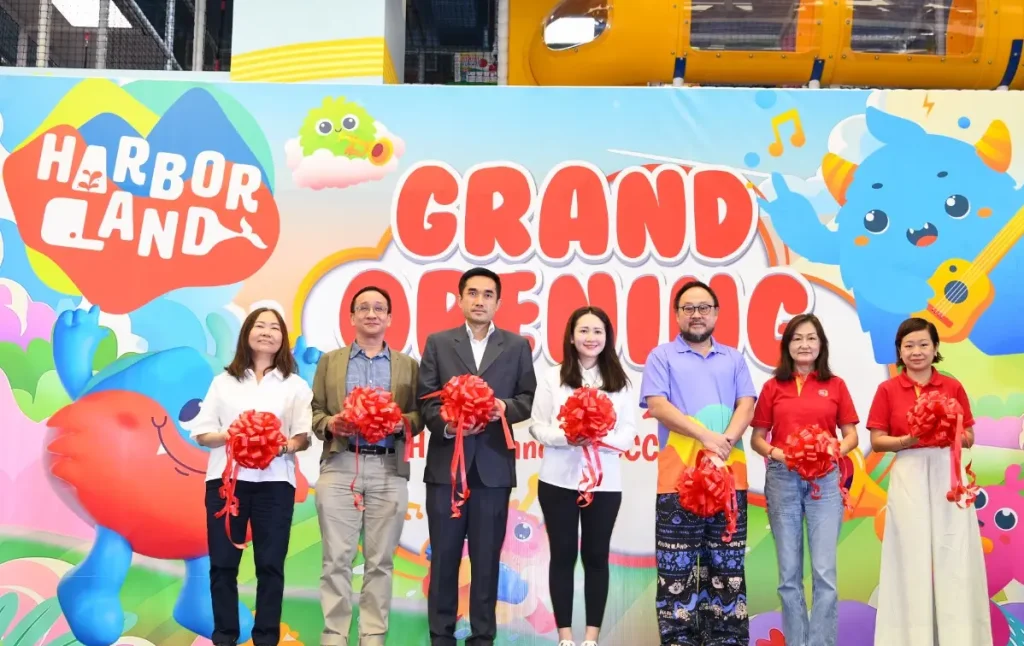
Playtopia World Sdn Bhd has officially launched Malaysia’s first HarborLand indoor theme park at KLGCC Mall in Bukit Kiara, Kuala Lumpur, marking a new milestone in family entertainment in the country. The grand opening ceremony took place on Saturday, showcasing a sprawling 25,000-square-foot indoor playground with a 30-foot ceiling and 44 unique attractions designed for children of all ages. HarborLand, a popular indoor theme park brand originating from Thailand, brings a thoughtfully designed play environment aimed at promoting holistic child development. The Malaysian outlet features multiple themed zones catering to different age groups and interests. HarborTown is a role-play city designed for children aged five and above, encouraging imagination and social skills. Little Ville & Toyland offers premium toys and interactive learning activities for toddlers and preschoolers, blending play with early education. Mainplay & Kid’s Island is a large-scale adventure playground for children aged seven and older, encouraging physical activity and problem-solving skills. Additionally, an Arts & Craft corner provides a creative space for artistic expression, while a communal area, including a mini mart cafe, allows families to relax and socialize. “The vision to bring HarborLand to Malaysia began two years ago when we discovered HarborLand Thailand’s readiness to expand internationally,” said Jane Leong, CEO of HarborLand Malaysia, during the official launch. “We visited six outlets in just one day and were impressed by the meticulous design of each playground and the joy radiating from every child. It became clear that HarborLand is more than just a play area — it’s an environment intentionally created to support children’s physical, creative, and cognitive development.” Leong also emphasized that safety is a top priority for the Malaysian theme park. “HarborLand Malaysia has been designed to comply with EN-1176 international safety standards. All materials used are non-toxic, free from harmful metals, and built to last, ensuring a secure and safe environment for our young visitors,” she added. Sharing the origins of the brand, HarborLand Thailand CEO Prakarn Nokhong explained that the concept began from a personal need. “I struggled to find suitable places where my children could have fun safely. That challenge inspired HarborLand, which we started 10 years ago to provide children with a clean, safe, and hygienic environment to play and learn.” HarborLand Thailand now operates 28 indoor playground branches and one waterpark, with plans to expand to 36 playgrounds and five waterparks next year. “Our expansion reflects our commitment to creating spaces where children can grow, learn, and enjoy themselves safely,” Nokhong said. With the launch of HarborLand Malaysia, families in Kuala Lumpur now have access to a premium indoor play experience that combines fun, learning, and safety, setting a new benchmark for child-centric entertainment in the region.

ESG

FGV To Harness Palm Waste As Malaysia’s Green Energy Engine

In the global push for net zero, many companies talk about sustainability, but few manage to turn words into action. FGV Holdings Bhd stands out as one of the rare exceptions. Once primarily known as an agribusiness giant, FGV is quietly evolving into a renewable energy (RE) leader under group CEO Dato’ Fakhrunniam Othman. Today, FGV operates one of Southeast Asia’s most diverse renewable energy portfolios, spanning biogas, biomass, biomethane, solar, and certified biofuels. By converting palm oil by-products into clean, exportable energy, the company is powering homes, industries, and export markets. For FGV, sustainability is not just about carbon targets—it is about redefining the palm oil business, turning it into a catalyst for climate action while driving growth. From Waste to Energy: Building a Circular Economy Palm oil production generates large quantities of organic residues such as palm oil mill effluent (POME), empty fruit bunches (EFB), mesocarp fibre, and palm kernel shells (PKS). If left untreated, these wastes release methane, a greenhouse gas far more potent than carbon dioxide. Through 24 biogas plants—the largest network among Malaysian plantation peers—FGV captures methane and converts it into electricity, which is sold to Tenaga Nasional Bhd under the Feed-in-Tariff (FiT) scheme. Biomass residues are used to generate heat and steam for mills, creating a total renewable energy output of approximately 150MW: 100MW from biogas and biomass, and an additional 50MW from biofuel through PKS utilisation. These initiatives bring FGV closer to its 200MW Net Zero 2050 target. At the company’s mills, by-products are upcycled into fertiliser or fuel, while compost from EFB and POME enriches the soil, improving yields—a simple yet powerful example of circular economy principles. Flagship projects like the Triang Biogas Plant in Pahang and the Umas Plant in Tawau showcase how renewable energy can deliver both financial and social impact, powering tens of thousands of homes. Cutting Carbon, Driving Impact In 2024 alone, FGV exported 33,438MWh of biogas electricity, reducing approximately 25,882 tonnes of CO₂ emissions—an increase of 20% from the previous year. The group has pledged to halve greenhouse gas emissions by 2030 and achieve net zero by 2050, with targets validated by the Science Based Targets initiative (SBTi). Every new plant expands FGV’s methane-capture network, preventing one of the world’s most potent greenhouse gases from entering the atmosphere, proving that climate leadership can coexist with operational efficiency. From Local Mills to Global Markets FGV’s renewable energy strategy also creates export value. Its Green Gold Label-certified PKS are shipped to Japan under a premium low-carbon biomass programme, while ISCC-certified feedstock qualifies for Europe’s sustainable biofuel and Sustainable Aviation Fuel supply chains. FGV is also partnering with PETRONAS and Sime Darby Plantation to produce SAF from palm oil mill waste, further advancing its renewable energy transition. Rooftop solar rollouts across mills and offices are helping diversify FGV’s RE mix while cutting electricity costs and emissions. “We are proving that Malaysia’s palm oil industry can lead in green energy exports, not just crude palm oil,” says Fakhrunniam. Policy and Partnerships Driving Growth Renewable energy projects are capital-intensive, with typical payback periods exceeding eight years. FGV mitigates risks through strategic partnerships, scale, and strict governance under GGL and ISCC standards, ensuring feedstock consistency and financial discipline. FGV’s efforts align with Malaysia’s National Energy Transition Roadmap (NETR), contributing to energy efficiency, renewable energy, bioenergy, and green mobility. The company is also exploring hydrogen and carbon capture for future growth. The Road Ahead FGV’s renewable energy roadmap includes expanding methane capture across all mills, scaling solar capacity, developing biomethane and bio-CNG plants, and decarbonising its logistics fleet. “Our mills are no longer just processing plants—they are power generators and biomass hubs driving the circular economy,” Fakhrunniam explains. “We are turning waste into wealth and powering a sustainable future for Malaysia.” FGV’s journey demonstrates that the palm oil sector can be part of the climate solution, proving that sustainability can be both purposeful and profitable.

Property

Titijaya Spends RM105 Mil To Revive Abandoned UMS Hostel Project

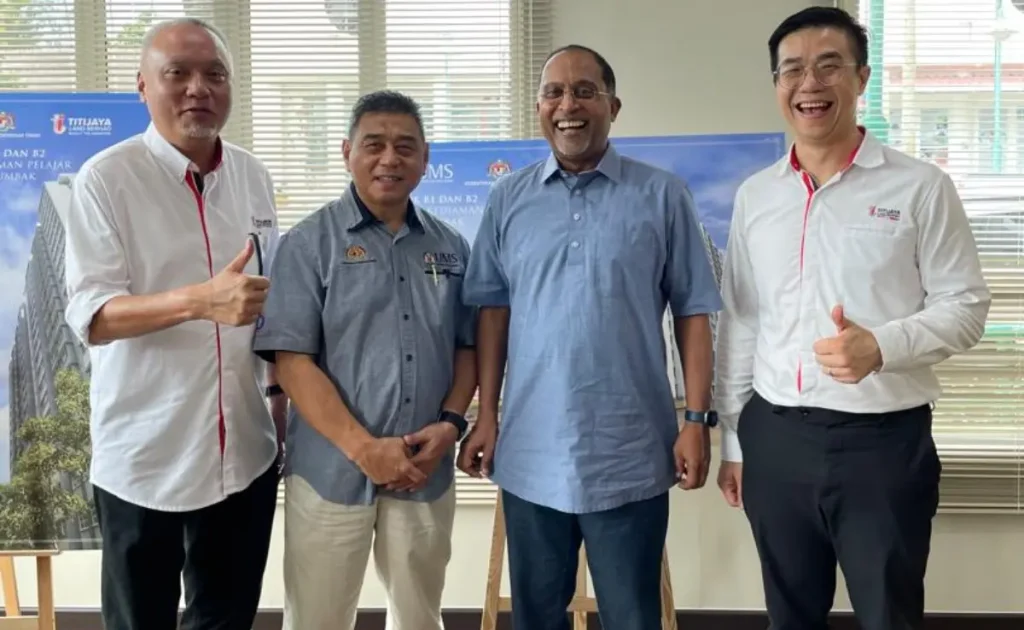
Titijaya Land Bhd is moving ahead with plans to revive an abandoned Universiti Malaysia Sabah (UMS) student hostel development through the proposed acquisition of two strategic property assets in Kota Kinabalu for RM105 million. In a statement on Monday, the property developer said the purchase — originally announced in May — will see Titijaya stepping in as the white knight to rescue the long-delayed Blocks B1 and B2 of the UMS Numbak student residential complex. The project has been left idle for several years, leaving UMS with a shortage of on-campus accommodation. Titijaya group managing director Datuk Lim Poh Yit said the appointment underscores the company’s commitment and track record in rehabilitating distressed developments in the state. “This marks our third successful intervention in Sabah involving abandoned or ailing projects. We are honoured to be entrusted with the responsibility of delivering a long-awaited solution for UMS students,” Lim said. He added that the revived development will focus on providing safe, comfortable and cost-effective housing, catering to the university’s growing population. UMS currently hosts more than 18,000 students, but available on-campus rooms remain limited, prompting the need for a sustainable accommodation plan. The project is also being positioned as a model for private-public collaboration, combining government support, industry expertise and institutional needs to accelerate social and economic benefits for the community. On Saturday, Higher Education Minister Datuk Seri Dr Zambry Abdul Kadir visited the stalled project site together with UMS vice-chancellor Professor Datuk Dr Kasim Mansor and senior executives from Titijaya. The visit signalled renewed federal backing for the project’s resumption, as well as confidence in Titijaya’s capability to bring the long-stalled development back on track. Once completed, the revived Blocks B1 and B2 are expected to improve student welfare, ease housing constraints and enhance UMS’ campus facilities to support future enrollment growth.

News

GoTo Appoints New CEO As Grab Deal Moves Forward

GoTo Group has appointed a new chief executive officer, a leadership shake-up widely seen as clearing the path for a potential takeover of Indonesia’s largest digital services company by Grab Holdings Ltd. The company announced that chief operating officer Hans Patuwo will succeed Patrick Walujo as CEO, pending shareholder approval. The leadership shift follows pressure from GoTo co-founders and major investors — including SoftBank Group Corp — who grew dissatisfied with Walujo amid the firm’s prolonged share-price slump. The move marks a reversal from GoTo’s statement earlier this year that Walujo would remain in charge for the long term. During his two-and-a-half years as CEO, Walujo helped the company achieve its first profit, but GoTo’s market value still dropped more than 40%. He had also resisted a takeover by Grab. GoTo shares rose as much as 4.7% in early Monday trading in Jakarta, giving the firm a valuation of around US$5 billion (RM20.71 billion). Grab, listed in New York, is valued at about US$20 billion. According to Citigroup Inc analysts Ferry Wong and Ryan Davis, the leadership transition could “signal a shift toward operational consolidation” and reinvigorate the long-discussed Grab–GoTo merger. Patuwo, 49, now faces the task of steering the company through a challenging period marked by rapid advances in artificial intelligence and renewed merger discussions. The likelihood of a deal has increased after the Indonesian government confirmed ongoing talks with both companies. Indonesia’s sovereign wealth fund, Danantara, is expected to participate in the potential merger structure. The fund has been exploring a minority stake in the combined entity since early this year, sources told Bloomberg in June. Its involvement is expected to address concerns over competition in the ride-hailing market. Analysts noted that Danantara’s participation would “serve as both symbolic and structural protection of national interests,” helping alleviate monopoly worries. Patuwo joined GoTo over seven years ago after working at an Indonesian conglomerate. He began as part of Gojek’s leadership, strengthening ties with drivers and merchants while expanding the company’s national footprint. He later led GoTo’s payments and financial services division. GoTo also announced additional leadership updates, including the appointment of co-founder Andre Soelistyo to the board of commissioners — a body overseeing governance and strategic direction. Soelistyo, who previously led GoTo and orchestrated the landmark Gojek–Tokopedia merger, had served as an executive director at Northstar Group, Walujo’s former private equity firm. GoTo shareholders will vote on the leadership changes and other corporate matters at an extraordinary general meeting scheduled for Dec 17.

Energy & Technology

Astra’s Gold Miner Steps Up Its Growth Strategy

PT Agincourt Resources, operator of the Martabe gold mine in South Tapanuli, North Sumatra, is intensifying its expansion efforts with plans to acquire new mining assets and open additional pits across its 130,000-hectare contract area. The company aims to boost production in response to strong demand and surging gold prices. Vice-president director Ruli Tanio said last Thursday that Agincourt has begun looking beyond its current concession and is actively exploring opportunities to purchase operating mines. “Business development is always evolving. We are evaluating several acquisition prospects, but any asset we buy must meet the same operational standards applied at Martabe,” Ruli said. He noted that some potential assets already in operation had been rejected due to complex stakeholder challenges. Agincourt, a subsidiary of Astra International, is currently completing a US$540 million purchase of the Doup gold project in East Bolaang Mongondow, North Sulawesi, from PT J Resources Asia Pasifik. The deal is expected to close in December. The company is also eyeing opportunities in Australia as part of broader portfolio diversification. Ruli said Agincourt plans to increase output by developing prospects outside the main Martabe concession. The Gambir Kapur project, located about 50km away, could produce between 100,000 and 150,000 ounces of gold annually — though production is only expected after 2029. Other exploration areas include Rantau Panjang, South Angkola and West Angkola in North Sumatra, part of 14 prospects within Agincourt’s contract of work. However, the company has not yet decided whether future ore from these sites will be processed in new plants or transported to the existing Martabe facility, a decision that will influence project economics. In the near term, growth will still come from Martabe itself. Agincourt is preparing to develop the Tor Uluala pit, a roughly 50-hectare extension estimated to contain between 500,000 and 800,000 ounces of gold equivalent. Developing the new pit will require expanded infrastructure, increasing Martabe’s operational footprint from 650 hectares to about 900 hectares by 2034, including larger tailings and waste-management areas. Agincourt currently operates a processing plant capable of handling seven million tonnes of ore per year, producing around 200,000 ounces of gold and two million ounces of silver.

Scroll to Top

Subscribe
FREE Newsletter