Author name: admin

Investment & Market Trends

Unitrade Declares Dividend Of 0.44 Sen For Shareholders, Boosting Investor Returns

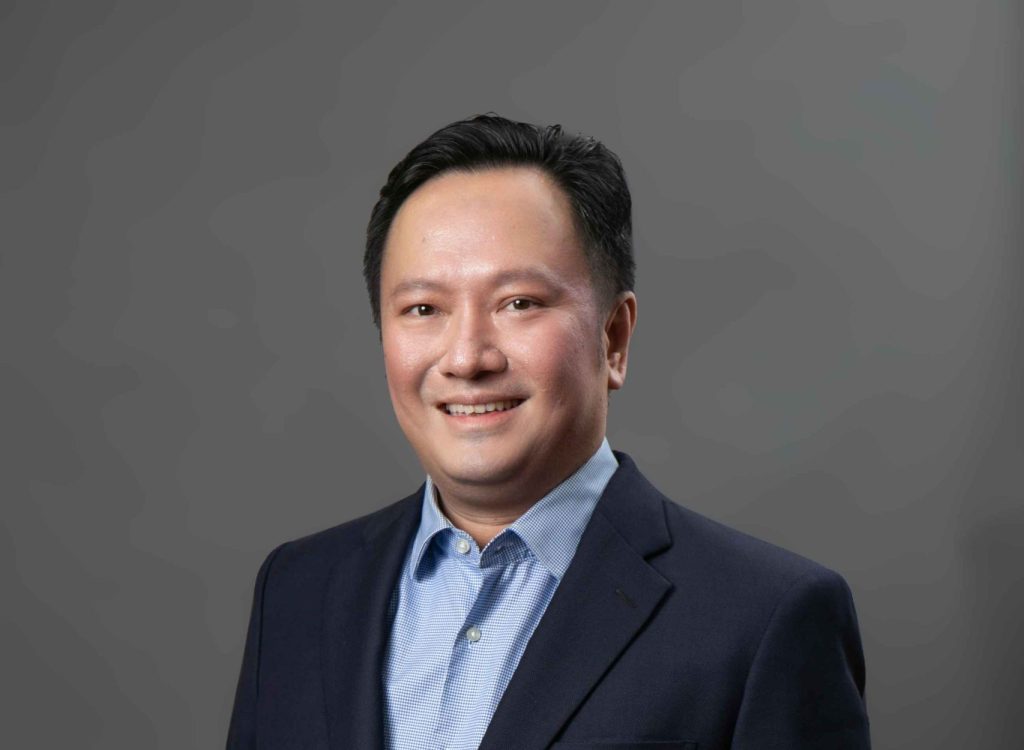
KUALA LUMPUR: Unitrade Industries Bhd (UIB) has declared a first interim single-tier dividend of 0.44 sen per share for the financial year ending March 31, 2024 (FY24). This translates to a dividend payout of RM6.9 million. Managing director Nomis Sim Siang Leng said the dividend declared reflects the company’s commitment to shareholder value creation and serves as a token of appreciation for their continued confidence in UIB. “It also aligns with our dividend policy to distribute up to 30 per cent of our net profit while prioritising a balanced approach that ensures both shareholder rewards and sufficient capital for future growth initiatives,” he said in a statement. UIB reported an 11.2 per cent year-on-year (YoY) revenue growth of RM1.14 billion, driven by the wholesale and distribution segment. Net profit for the period stood at RM23.1 million. UIB maintains a consistent record of rewarding shareholders. The company distributed dividends of 0.82 sen per share and 0.30 sen per share for FY22 and FY23, respectively, a 30 per cent dividend payout for both financial years.

Investment & Market Trends

DNeX Inks MoU With Korea Trade Network For Trade IT Solutions

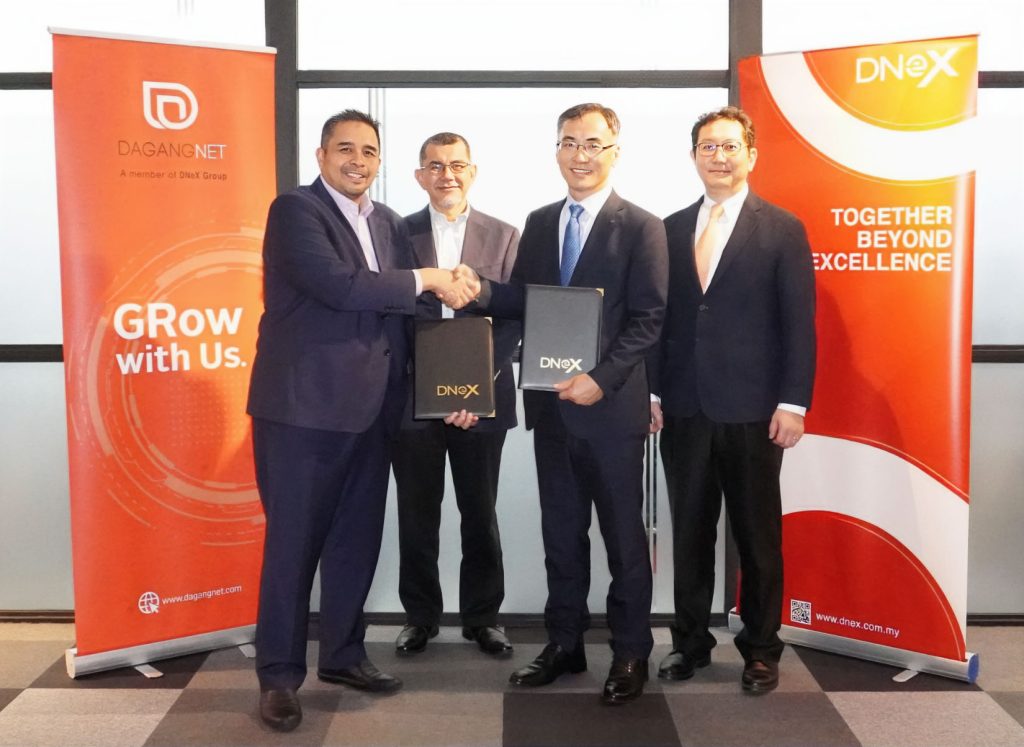
KUALA LUMPUR: Dagang NeXchange Bhd’s (DNeX) wholly-owned subsidiary Dagang Net Technologies Sdn Bhd (DNT), signed a memorandum of understanding (MoU)  with Korea Trade Network (KTN) to develop services for the trade facilitation industry in the local and regional markets. Under the agreement, both companies will deploy home-grown technologies from Dagang Net and global capabilities from KTN in key areas such as port community systems, electronic customs and information technology (IT) consultancy services. The partnership will involve the integration of technologies and capabilities of both parties in the areas of integrated risk management system, customs cargo management and clearance system, port community system, customs processing and analytics/big data, artificial intelligence and machine learning, robotic process automation, blockchain and consultancy services. Moreover, the partnership can bring together the expertise of both parties to benefit their customers, specifically in digital and technology transformation of trade facilitation. The MoU was formalised in Cyberjaya, where Dagang Net’s chief executive officer Wan  Ahmad Syatibi Wan Abd Manan signed on behalf of the company, and KTN was represented by its chief executive officer Young-Hwan Cha. DNeX executive chairman Tan Sri Syed Zainal Abidin Syed Mohamed Tahir, group chief operating officer Azhar Othman, Dagang Net chief technology officer Jasbendarjit Kaur, and KTN director Sung-Heun Ha were also present at the event. According to Syed Zainal, the partnership aims to jointly develop trade facilitation services with enhanced features, leveraging both parties’ technologies and capabilities to improve the overall efficiency and productivity of the trade ecosystem. “This partnership allows us to work with KTN to expedite the transformation of the trade ecosystem, capitalising on our capabilities, breadth, and depth of offerings and technologies backed by our proven track records,” he said in a statement. “We need to continue embedding innovation in our services and product offerings, and our partnership with KTN is one such way towards this end,” he added. Since its establishment in 1989, Dagang Net has pioneered initiatives to create and integrate paperless, electronic customs-related services to facilitate and streamline international trading processes for import and export. Dagang Net has also been the operator of the National Single Window  (NSW) for trade facilitation for Malaysia since 2009, where the system facilitates electronic customs-related transactions and duty payments and electronic document transfer between members of its trading community. KTN is Korea’s national paperless trade infrastructure operator. In collaboration with the Korean government, it implements and operates the uTradeHub platform for all businesses in international trade. Leveraging the experience, KTN has successfully implemented e-customs systems in other countries.

Property

Domestic Property Players Optimistic In Achieving Higher Sales In FY24

KUALA LUMPUR: Domestic property companies are setting higher new sales targets to express optimism about the outlook for the financial year 2024 (FY24). MIDF Research said Sunway Bhd targets to achieve new sales of RM2.6 billion in FY24 after recording new sales of RM2.4 billion in FY23. Similarly, Mah Sing Group Bhd is setting a higher new sales target of RM2.5 billion for FY24 after hitting new sales of RM2.26 billion in FY23. “SP Setia recorded bumper new sales of RM5.1 billion in FY23, including land sales of RM836 million. “Excluding land sales, new property sales are estimated at RM4.2 billion in FY23 as SP Setia is setting a new sales target of RM4.4 billion for FY24,” the research firm said in a report. Eco World Development Group Bhd has set a sales target of RM3.5 billion for FY24. MIDF Research, quoting Bank Negara Malaysia (BNM) loan data, said the total loan application for property purchase in 2023 was higher at RM605.3 billion, up by 5.7 per cent year-on-year (YoY). The data said the higher loan application was supported by stronger demand for property as the outlook for the property sector improved. Further, it noted that BNM’s pause in the Overnight Policy Rate (OPR) hike since July 2023 had also underpinned the recovery in buying interest on property. Meanwhile, loan application data is off to a good start in January 2024 as it was higher at RM51 billion, up by 46.5 per cent YoY, as buying sentiment on property remains healthy. “Moving forward, we maintain our  view that demand for properties would be stronger in 2024 as the landscape for the sector is improving,” MIDF Research said. Further, BNM data also showed that the approved loans for the purchase of  property was strong at RM261 billion, up by 7.3 per cent YoY in 2023, driven by the higher loan application in 2023. Besides, the higher percentage of total approved loans over total applied loans of 43 per cent in 2023 against 42 per cent in 2022 had also lifted the approved loan in 2023. Meanwhile, approved loan data in January this year remained encouraging as it grew by 40.8 per cent YoY and 14.1 per cent month-on-month (MoM) to RM20.4 billion, driven by the higher loan application. MIDF Research said the higher approved loan bodes well for new sales outlook for property developers. MIDF Research also noted that for the recently concluded earnings reporting season, four out of six property companies reported earnings that came in within expectations namely Sunway, Matrix Concepts Holdings Bhd, UOA Development Bhd and Mah Sing. Meanwhile, SP Setia reported earnings that came in above expectations as earnings in FY23 were lifted by land sales gain of RM110 million and better margin, MIDF Research noted. “On the flip side, earnings of IOI Properties Group Bhd missed expectations as earnings contribution from China was weaker than expected. “Meanwhile, property companies that concluded FY23, namely Sunway, SP Setia, Mah Sing Group and UOA Development, reported higher new sales in FY23,” MIDF Research said. Touching on overhang units, MIDF Research said data released by the National Property Information Centre (NAPIC) showed residential overhang increased marginally to 25,816 units in the fourth quarter (Q4) of 2023 from 25,311 units in the third quarter (Q3) of last year. Perak had the highest number of residential overhangs, at 4,598 units in Q4 2023, up from 3,625 units in Q3 2023. Meanwhile, Johor has the second-highest residential property overhangs at 4,228 units in Q4 2023, which declined from 4,500 units in Q3 2023. Kuala Lumpur has the third-highest residential property overhangs at 3,535 units in Q4 2023, an increase from 3,111 units in Q3 of the same year. “Despite the marginal increase in the overhang, we think that the overall declining trend in overhang eased concern on oversupply of property. “Note that the residential property overhang of 25,816 units in Q4 2023 was lower than 27,746 units in Q4 of 2022 and 36,863 units in Q4 of 2021,” MIDF Research said. MIDF Research maintains a Positive stance on the property sector and remains sanguine about the outlook for property companies. The research firm said buying sentiment on properties is expected to remain healthy going forward as the property sector’s landscape improves. New sales of property companies are improving, which should translate into better earnings visibility going forward, it said. “Our top picks for the sector are Mah Sing (Buy with a target price of RM1.12) and Matrix Concepts (Buy with a target price of RM1.91). “We like Mah Sing for its quick turnaround strategy and high exposure to affordable homes via its M series projects. “Besides, its growing presence in the industrial property segment will support earnings growth in the medium to long term. “Meanwhile, we like Matrix Concepts as its new sales remain encouraging while landbank expansion in Labu, Negeri Sembilan, will further buoy earnings growth. Besides, the dividend yield of Matrix Concepts is attractive at 5.6 per cent,” MIDF Research said.

News, The Executives

The Olive Tree Group Eyes Domestic, Regional Expansion

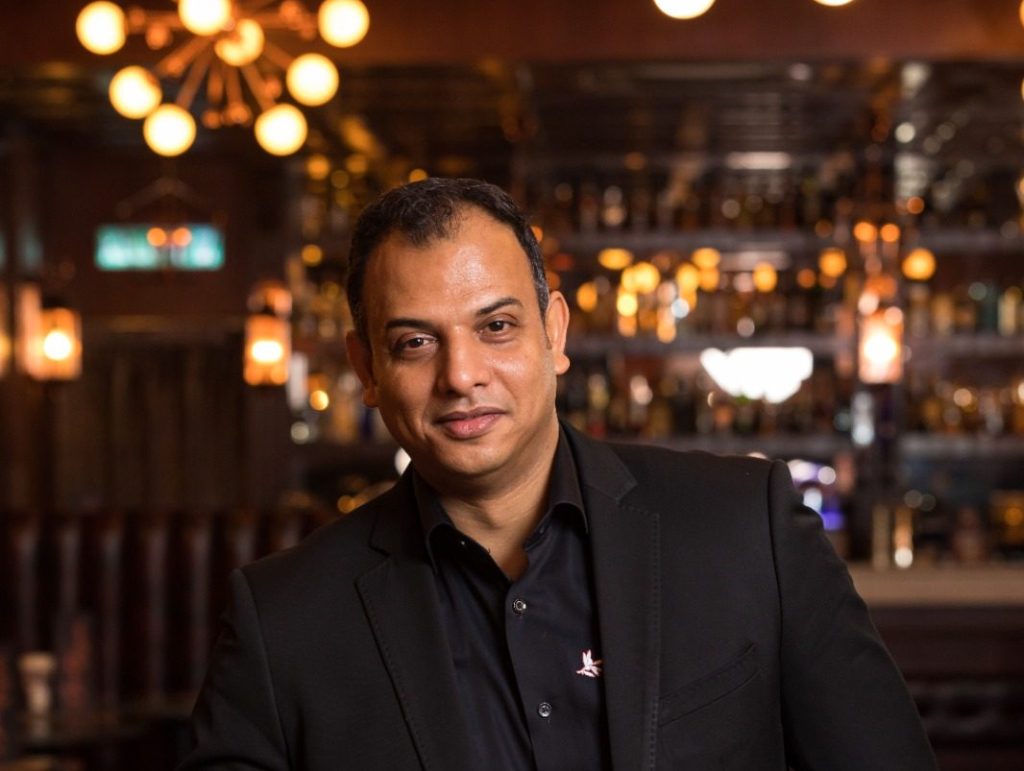
KUALA LUMPUR: The Olive Tree Group is targeting expansive growth within Malaysia, with a strategic focus extending to regions like Sabah and Sarawak. In addition to domestic expansion, the company is also focusing on regional markets, aiming to establish its presence in Singapore, Dubai, and Australia. “We opened our first Frangipaani outlet in Bali, Indonesia, earlier this year,” founder and managing director Leslie Gomez told The Exchange Asia. Frangipaani serves North Indian cuisine. Last month, The Olive Tree Group opened La Chicá in Jaya One, its second outlet for 2024. This marks the fourth milestone in less than three years since its inception in October 2021 at Changkat Bukit Bintang, Kuala Lumpur. “La Chicá and Rockefellers are the two brands under the group we are pushing for expansion. He emphasised that opening new outlets in Malaysia and the region requires several factors, namely the right location, places with much human traffic, and tourism spots. “We have been in the business for over 20 years and are adapting to changes and the business landscape to follow current trends. We also maintain that ‘old-skool’ concept for younger consumers. “We are also planning on introducing new concepts soon, but again, this will depend on the location, where there are lots of locals or tourists,” Leslie said. He expressed optimism about the expanding prospects and demand within the F&B industry and said the company will continue to scout locations that align with its brand ethos to expand its footprint. However, he sees the recent changes in SST as adding another layer of complexity to the financial landscape for F&B businesses. “As taxes increase, consumer spending changes. Their spending diversifies. They look for value-for-money choices. “The initial 6 per cent SST was good, as many Malaysians prefer dining out. Adding another two per cent we see as adding a bit of a burden on consumer spending power,” he told The Exchange Asia in an interview. He said relevant government agencies must know that adapting to these tax adjustments requires a keen understanding of the implications for F&B operators and customers, influencing pricing structures and profit margins. “When taxes change and raw material prices increase, we need to change our pricing. This impacts consumers, and they may choose to go elsewhere,” Leslie said. As an F&B operator of 28 outlets in Malaysia and some abroad, Leslie said raw material price is one of the main concerns. He said that as a contingency plan, The Olive Tree Group tied up with suppliers, capping the price of supplies for six months to one year to avoid pushing raw material price adjustments to consumers. “We want to maintain our current prices for our food and drinks. We have a buffer with our suppliers, and therefore, our prices are maintained, even if there are any fluctuations in raw material prices,” he said. Elaborating on manpower shortages, Leslie said that in Malaysia, consumers look for a personal human touch regarding service. He said domestic operations are different in Europe, where people are already accustomed to self-service. “We are in a country where customers need that human touch when it comes to service. To address manpower shortage issues, we recruit foreigners with hotel and catering experience to work in our outlets. “These workers are usually the frontline staff, like waiters. Locals hold executive and management positions in all our outlets,” Leslie said. The Olive Tree Group aims to become the go-to entertainment spot domestically and regionally. Apart from La Chica, the group hosts 12 successful restaurants and bars, namely, The Beach Bar, Sutraa, Soul Room, Rock Bottom, Temptations Kitchen & Bar, Why Not, WoW Genting, and others.

News

Maxim E-hailing Urges Customers To Be Wary Of Scams

KUALA LUMPUR: Maxim E-hailing Malaysia said e-hailing is one of the industries with a risk of various fraud schemes being employed by some drivers. Maxim Malaysia director Mohd Hazwan discussed some common fraud schemes drivers may employ within the e-hailing industry and how these schemes manifest. “One is that the driver pushes the button to complete the order but does not pick up the customer. “This increases the number of trips, and the driver can claim their monthly allowance with Maxim. “To note, Maxim provides monthly allowances to the driver who manages to get (some number) of orders. “Two, the driver instructs the passenger to cancel the order and get free commissions,” he told The Exchange Asia. When asked, Mohd Hazwan said Maxim monitors orders daily, categorising them into two sections – complete orders and cancelled orders. “In the case of cancelled orders, a thorough investigation will be conducted to understand the reasons behind the cancellation. “This involves reviewing order messages and listening to the communication between the driver and passenger. All relevant data is meticulously recorded,” he said. In a statement, Maxim said the e-hailing industry is phenomenally diverse, offering various services such as transportation, delivery, trucks, and more. These services, especially transportation, have become necessary for everyone and are open to scams by unscrupulous individuals. With this in mind, Maxim would like to share some tips to help users avoid getting caught in such scams. The first step is to check the booking thoroughly. After booking, Maxim recommends that the passengers double-check important aspects such as the address, driver information, vehicle information, and the displayed price. Step two is to identify the vehicle’s location. When users book a vehicle, the company shares its track on a map in the application. With this, the user can see the vehicle’s location and whether it is on the correct route. Step three is to take advantage of the application’s chat feature. Users can communicate directly with their drivers through calls and messages in the application and avoid using personal messengers such as WhatsApp. Step four, while travelling with the driver, sharing too much information, especially personal information such as where you work, your phone number, home address, or relationship status, is not recommended. The last step is to identify the price of the ride. The price of the ride will appear when making a booking, and the passenger is recommended to check that the amount paid is the same as the one displayed in the application. Elaborating further, Mohd Hazwan said Maxim passengers will observe a red SOS button at the top of the application. “If there are any issues, they can activate it. This action triggers notifications to two parties – the emergency contact registered during sign-up and the nearest available driver. “Maxim is very particular and concerned about the users’ bookings. Therefore, our application has a feedback function for users who want to share their experiences. “In case of any problems, our customer service will contact them directly. I believe this can help users solve problems,” MY user support specialist Dayana Qistina said. Maxim also monitors these cases and offers money refunds if an accident happens to a user. “Throughout my experience of using e-hailing services, I have never encountered a driver who would try to scam me. “This is because I pay attention to the booking information shared by Maxim, and I will continue to contact the driver in the chat,” comments Shawzwana, a Maxim E-hailing user.

ESG

Malaysia Airlines Boosts Sustainability with Corporate Carbon Program

KUALA LUMPUR: National carrier Malaysia Airlines is elevating its commitment to sustainability with the launch of Malaysia Airlines Corporate Carbon Programme. This makes Malaysia Airlines the first airline in the country to introduce such an initiative. This initiative is designed to empower corporate customers, focusing on business travellers, by providing a comprehensive platform to understand and offset the carbon emissions associated with their travel. As part of its commitment to environmental responsibility, Malaysia Airlines is collaborating with climate tech company CHOOOSE to drive its corporate carbon programme. This expansion builds upon the airline’s previous success with a voluntary carbon offset program introduced in June 2023. Malaysia Aviation Group (MAG) group chief sustainability officer Philip See said extending the airline’s carbon programme to its corporate customers reaffirms MAG’s commitment to meeting net-zero targets and addressing carbon emissions, empowering corporate clients to meaningfully participate in MAG’s sustainability journey. “We look forward to complementing the support of certified climate projects with the option to support SAF in the near future, recognising its crucial role in decarbonising the aviation industry. “By leveraging technology and partnerships, we hope to drive meaningful change in aviation guided by the MAG Sustainability Blueprint,” he said in a statement. The Malaysia Airlines Corporate Carbon Programme goes beyond traditional carbon offsetting by offering corporate clients the opportunity to support certified climate projects. The programme will extend its offerings to include sustainable aviation fuel (SAF) credits, allowing corporate clients to actively contribute to sustainable aviation practices. The Malaysia Airlines Corporate Carbon Programme will enable corporate clients to access their own company portal to estimate and manage their carbon footprints more accurately. Additionally, they can contribute towards projects that remove or reduce carbon emissions worldwide. Through this programme, companies can also view detailed analytics on emission trends, access in-depth carbon project content, and track their cumulative support for selected climate projects while addressing their Scope 3 emissions. CHOOOSE chief executive officer Andreas Slettvoll said the company would continue to support Malaysia Airlines in growing its carbon programme to include not only individual travellers but also corporate customers. “If the aviation industry is to successfully decarbonise by 2050, it’s crucial for airlines to employ multi-faceted programmes. “It’s encouraging to see Malaysia Airlines put an emphasis on sustainability by expanding its programme. “Additionally, we look forward to enabling the support of SAF through the Malaysia Airlines Passenger Carbon Programme and Corporate Carbon Programme next,” he said, The programme reflects Malaysia Airlines’ dedication to sustainability, aligning with global initiatives for an environmentally conscious aviation industry. The airline invites corporations to join this collective effort to address climate change by contacting their corporate relationship manager or logging on to the MHbiz PRO portal.

Investment & Market Trends

Duopharma Biotech, Owen Mumford Establishes Partnership To Distribute Medical Devices

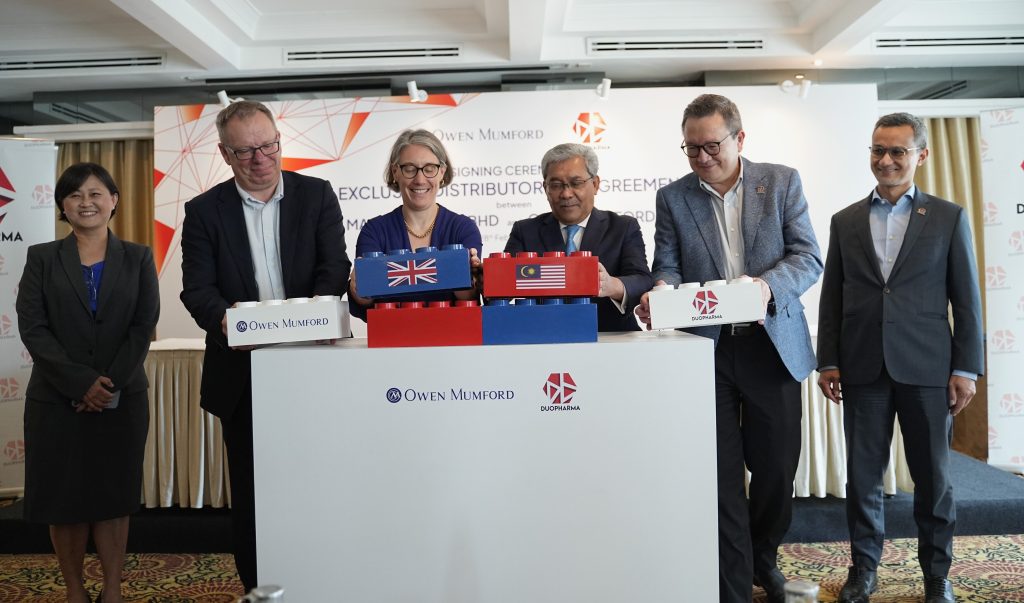
KUALA LUMPUR: Duopharma Biotech Bhd (DBB), via its subsidiary Duopharma Marketing Sdn Bhd (DMSB), signed an exclusive distributorship agreement with Owen Mumford Sdn Bhd (OMSB), a subsidiary of UK-based medical device company Owen Mumford, for the distribution of medical devices in Malaysia, Singapore and Brunei. As per the agreement, DBB will distribute a range of diabetes care and eye care products, namely the Unifine, Pentips and Unifine Pentips Plus insulin pen needles, Unistik 3 and Unilet Excelite lancets and Autodrop eye drop guide, to government and private healthcare facilities, other patient care facilities and retail outlets, with potential expansion of the range of products distributed. Malaysian Investment Development Authority (MIDA) chief executive officer Datuk Wira Arham Abdul Rahman said the alliance between DBB and OMSB integrates two pivotal sectors of healthcare -pharmaceuticals and medical devices. “This integration showcases our dedication to improving healthcare access through innovative technologies, embodying our commitment to the well-being of our population. “The medical devices sector is prioritised in Mission 1 of the New Industrial Master Plan 2030, where the vision is to transform Malaysia into an innovation-driven manufacturing hub. “It underscores the capacity building in the medical devices and pharmaceutical industries by leveraging innovation and high-skilled talent to drive a high complexity economic agenda,” he said in a statement. DBB group managing director Leonard Ariff Abdul Shatar said OMSB’s innovative product range is a great fit for DBB’s current offerings to patients, healthcare providers and carers. “As a leading Malaysian healthcare company, we believe that having greater access to quality medical devices can improve patient compliance to routine care procedures such as blood sugar testing and insulin injections among diabetics, thus leading to better healthcare outcomes in the longer term. “This is especially important in light of the growing diabetes burden in Malaysia. “Besides, this is also in line with our environmental, social and governance (ESG) focus on improving access to healthcare, whereby providing more options to patients means improving their ability to get the care that best suits their needs,” he said. The prevalence of diabetes among Malaysian adults has grown from 11.2 per cent in 2011 to 18.3 per cent in 2019, with the disease is expected to affect 7 million Malaysian adults by 2025 at a prevalence of 31.3 per cent. The British High Commissioner to Malaysia Ailsa Terry said the coming together of DBB’s pharmaceutical expertise and OMSB’s acute understanding of medical devices will benefit and support millions of people living with diabetes. “This partnership represents what can be achieved when the very best from the United Kingdom (UK) and Malaysia join forces to support something incredibly important—the health and well-being of its people,” she said. Founded in the UK, OMSB is a pioneer in medical design innovation that revolutionised diabetes care with the first injector pen and currently has a wide product portfolio covering diabetes care, blood and patient specimen collection, point-of-care testing, neuropathy screening, ophthalmology care and sexual healthcare. “Since OMSB Malaysia began operations in 2015, we have focused on elevating healthcare through engagement with patients and healthcare professionals and tailoring medical devices to meet their needs, besides conducting ongoing education to ensure the correct usage of devices for optimal healthcare outcomes. “We are committed to delivering innovative, high-quality products and have launched initiatives such as including pen needles in complimentary bespoke starter kits at local government hospitals and providing vouchers to support patients in the B40 demographic. “With nearly RM100 million invested in our manufacturing facilities, operations and programmes in Malaysia since 2015, we aspire to continue serving as a source of advanced medical solutions in the country as well as the surrounding Asian region,” OMSB regional managing director Shirley Loh said.

Investment & Market Trends

Bank Margins Battered In 2023, Says RAM Ratings

KUALA LUMPUR: Domestic banks experienced steep margin compression and increased operating expenses in 2023, which were partly balanced by stronger non-interest income and lighter provisioning charges. RAM Rating Services Bhd said the average pre-tax return on assets and return on equity (ROE) of eight selected local banks was lower at 1.36 per cent and 13.6 per cent, respectively, compared to 1.41 per cent and 14.0 per cent recorded in 2022. The rating agency said at the after-tax level. However, the one-off Cukai Makmur’s absence lifted profitability metrics higher than the previous year. Further, the average net interest margin (NIM) of the eight banks narrowed by 28 bps to 2.07 per cent—the lowest level seen in the last five years. While multiple overnight policy rate (OPR) hikes initially resulted in considerable margin expansion in 2022, RAM Ratings noted that banks have grappled with higher funding costs in the past year as deposits gradually repriced upwards. The firm further said stiffer competition for deposits and the expiration of forbearance allowing the use of government securities for statutory reserve requirement compliance exacerbated the pressure on margins. “As we expect the OPR to be kept unchanged this year, NIMs are anticipated to stay steady although modest compression is possible should deposit competition intensify,” RAM Ratings’ co-head of financial institution ratings Wong Yin Ching said in a statement. Domestic loans grew by a fairly strong 5.3 per cent in 2023. While lending momentum was tepid for much of the year, it accelerated in the fourth quarter (Q3), led by businesses. RAM Ratings noted that early signs of a recovery in global trade and the robust job market are expected to support loan demand this year. “However, as we remain watchful of challenges in the global macroeconomic environment, elevated cost pressures and petrol subsidy retargeting, loan growth for 2024 is projected to ease somewhat,” the agency said. On the asset quality front, given lower reported provisioning expenses in 2023, the average credit cost ratio of the eight banks improved from 30 bps to 23 bps. A large portion of management overlays set aside during the Covid-19 pandemic remains on bank balance sheets. ”Looking ahead, banks’ profitability should stay intact in the coming year, but the upside will be limited in light of prevailing uncertainties in the operating landscape,” Wong said.

News

Khazanah Appoints Datuk Hisham Hamdan As New CIO

KUALA LUMPUR: Khazanah Nasional Bhd has appointed Datuk Hisham Hamdan as its new chief investment officer (CIO), effective March 6, 2024. Hisham’s appointment allows for greater focus on building Khazanah’s capabilities as an investment institution and creating new capacity and competencies, especially to meet the company’s value creation and impact goals. Khazanah managing director Datuk Amirul Feisal Wan Zahir said the agency is confident that Hisham’s vast experience and knowledge will be an asset to Khazanah’s ongoing efforts to gear up the organisation to build the required capacity and institutionalise talent development, which is part of the overall strategy for developing a winning team. “This, along with our long-term strategy of Advancing Malaysia, would further allow us to strengthen our position in facing the challenging global market condition,” he said in a statement. Hisham joined Khazanah in April 2011 from Sime Darby Bhd. He has held senior positions, including executive director of public markets and other senior roles in strategy and business development, healthcare, energy and utilities, and China. Hisham also serves as the chairman of UEM Sunrise Bhd and the board of trustees of the Khazanah Research Institute. Previously, he was chairman of UDA Holdings Bhd, a member of the board of directors of Iskandar Investments Bhd, and a member of the board of ValueCap. He holds two Chemical Engineering and Industrial Management degrees from Purdue University, United States. He has also attended the Harvard Business School’s Advanced Management Programme.

News

Economist, Scientist Laud Sarawak’s Foray Into SAF Industry

KUCHING: Sarawak will benefit from the robust growth in the global sustainable aviation fuel (SAF) market, projected to grow to US$16.8 billion by 2030 from US$1.1 billion in 2023. Universiti Malaysia Sarawak (UNIMAS) Honorary Professor Dr Madeline Berma said the SAF Industry is experiencing rapid economic growth. “The International Civil Aviation Organisation has mandated that all aviation companies must use environmentally-friendly fuel by 2027. “Regular fuel cannot be used anymore, as it emits carbon, which pollutes the air. “Sarawak will benefit from the ‘first mover advantage’ by being one of the first states in Malaysia to promote the green economy actively as a basis for its development,” she told The Exchange Asia. SAF can reduce carbon emissions by 80 per cent. By mid-June in 2022, SAF powered some 450,000 flights. Popular low-cost carrier AirAsia, for example, is currently exploring options to introduce SAF into its fuel mix before 2025. However, last year, the usage of SAF reached only 600 million litres or 0.5MT. This is double the amount produced in 2022 but the quantity still amounts to only 0.2 per cent of all aviation fuel produced globally. A limited production volume means SAF will be much more expensive than conventional jet fuel as there will be fewer takers for this environmentally-friendly alternative due to cost factors. But these are good reasons to draw cheer for the Borneo state of Sarawak. The state is gearing up to produce 100,000 barrels of SAF daily by 2030. Deputy State Secretary Datuk Dr Muhammad Abdullah Zaidel declared Sarawak’s plan to venture into producing SAF in September last year. The announcement is also timely as Sarawak’s proposed state-owned airline is expected to be up and running by the second quarter of this year. The state’s home-made SAF will most likely power its planes. Muhammad Abdullah said that microalgae grown in waters mixed with carbon dioxide would be used to produce SAF, which is increasingly adopted by global airlines. “The use of carbon dioxide for microalgae cultivation comes when Sarawak is also exploring more business opportunities in the multi-billion-dollar carbon capture, utilisation and storage (CCUS) industry. “We have identified 10,000 acres of land in Bintulu for the purpose of algae plantation. About 1,000 acres of algae can produce 10,000 barrels of SAF a day, so with 10,000 acres, we can produce 100,000 barrels by 2030,” he was quoted as saying by the local media. Madeline said Sarawak’s first industrial microalgae production, the CHITOSE Carbon Capture Central Sarawak (C4 Sarawak), was officially launched in May 2023. “It marked a significant milestone towards achieving a sustainable green economy for Sarawak, aligned to its Green Energy Agenda. “C4 Sarawak and the research that it will conduct potentially lays the foundation for the development of a new economy within the state, and it will create significant economic value for the people while ensuring sustainability,” she said. Madeline pointed out that SAF is the future economic driver for Sarawak. Malaysian Biotechnology Information Centre executive director Dr Mahaletchumy Arujanan said SAF is no longer a buzzword but a ‘must-do’ to decarbonise the aviation industry. “It is laudable for Sarawak to be an early start-up and pioneer in venturing into this potentially new industry, which still requires more research in the area of lipid extraction from the feedstock, finding ways to reduce the cost of harvesting, and improving the drying procedures to make the end product economically viable for consumers. “Collaboration between industry and universities will help, and it will also lead to more research positions for our Ph.D. graduates. It will certainly be exciting to watch the growth of the SAF industry and appreciate the reduction of the aviation industry’s carbon footprint,” she told The Exchange Asia. Mahaletchumy is a renowned science communicator who is listed as being among the 100 most influential persons in biotechnology by Scientific-American. She is also the executive director of the Malaysian Biotechnology Information Centre based in Petaling Jaya. On another note, Mahaletchumy suggested that SAF can also be extracted from other kinds of feedstock, such as biomass, and this possibility must be explored. “Sarawak has a huge and readily available stock of biomass from its pepper and oil palm plantations, and this fodder could promote the sustainable use of agriculture waste that would otherwise end up in landfills and thus contribute to the rise of greenhouse gases. “Our planet is endangered and in a crisis. The time is now for us to grab the opportunity to reach for far horizons and to focus on this immediate exigency to heal the world,” she added.

Scroll to Top

Subscribe
FREE Newsletter