Author name: admin

News

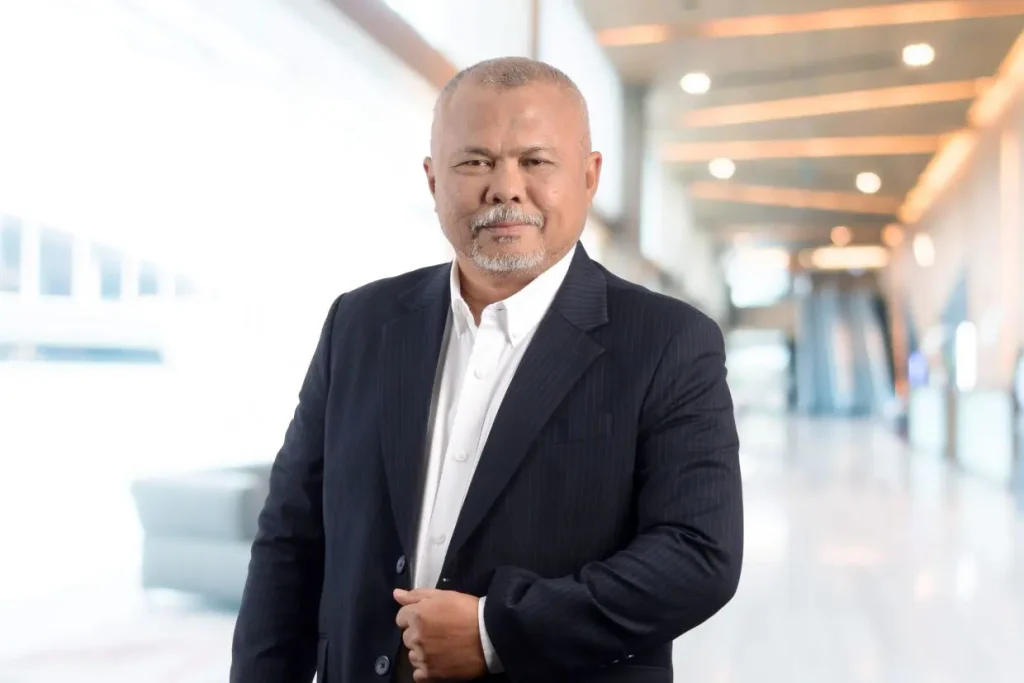
TH Plantations Appoints Borhan Bachi As CEO, Effective Today

TH Plantations Bhd has appointed Datuk Borhan Bachi as its new chief executive officer (CEO), effective Nov 17, 2025. The announcement was made in a filing with Bursa Malaysia on Monday. According to TH Plantations, Borhan’s appointment also follows the company’s earlier disclosure on July 18, 2025, regarding the formation of a board executive committee (board exco). With the new leadership now in place, the company said the board exco has been dissolved effective the same day as Borhan’s appointment. The leadership changes come after a period of internal scrutiny triggered by alleged unauthorised payments amounting to RM5.1 million to plantation workers. Former CEO Mohamed Zainurin Mohamed Zain and former chief financial officer (CFO) Marliyana Omar were both issued show-cause letters in relation to the matter. Mohamed Zainurin, who had been placed on garden leave pending the investigation, was subsequently terminated on Aug 26. Marliyana opted to resign with immediate effect on July 18. Mohamed Zainurin had served as CEO since his appointment on Oct 1, 2021. The appointment of Borhan marks a new chapter for TH Plantations as it moves to restore stability and strengthen governance following recent internal developments.

News

IILM Issues US$1.35b Sukuk, Adds New Nine-Month Offering

The International Islamic Liquidity Management Corporation (IILM) has issued and reissued a total of US$1.35 billion (US$1 = RM4.15) in short-term sukuk across five different tenors — marking its broadest range of maturities offered in a single auction to date. In a statement, the IILM said the sukuk were priced at 4.10% for US$290 million (one-month), 4.15% for US$385 million (two-month), 4.10% for US$365 million (three-month), 4.12% for US$210 million (six-month), and 4.05% for US$100 million for its newly introduced nine-month note. The addition of the nine-month tenor expands the IILM’s liquidity management tools and provides Islamic financial institutions with greater flexibility in managing Shariah-compliant funding requirements. With the latest issuance, the IILM’s outstanding sukuk will rise to a record US$6.4 billion. The auction attracted US$3.29 billion in bids, achieving an average bid-to-cover ratio of 2.44 times. IILM chief executive officer Mohamad Safri Shahul Hamid said the new tenor addresses market demand for longer-dated short-term placements comparable to US dollar asset-backed commercial paper. “Broadening our maturity spectrum enhances our value proposition and delivers a more calibrated and efficient liquidity management toolkit to investors,” he said. This marks the IILM’s 20th auction of the year, bringing its total 2025 issuances to US$21.55 billion across 65 series under its US$8.5 billion programme, which carries an “A-1” rating from S&P Global Ratings and “F1” from Fitch Ratings. Primary dealers participating in the issuance include Abu Dhabi Islamic Bank, Al Baraka Turk, Affin Islamic Bank, Al Rayan Bank, Boubyan Bank, CIMB Islamic Bank Bhd, Dukhan Bank, First Abu Dhabi Bank, Golden Global Investment Bank, Kuwait Finance House, Kuwait International Bank, Maybank Islamic Bhd, Meethaq Islamic Banking of Bank Muscat, Qatar Islamic Bank and Standard Chartered Bank.

Investment & Market Trends

Perak’s PMW International Posts Small Rise On ACE Market Debut

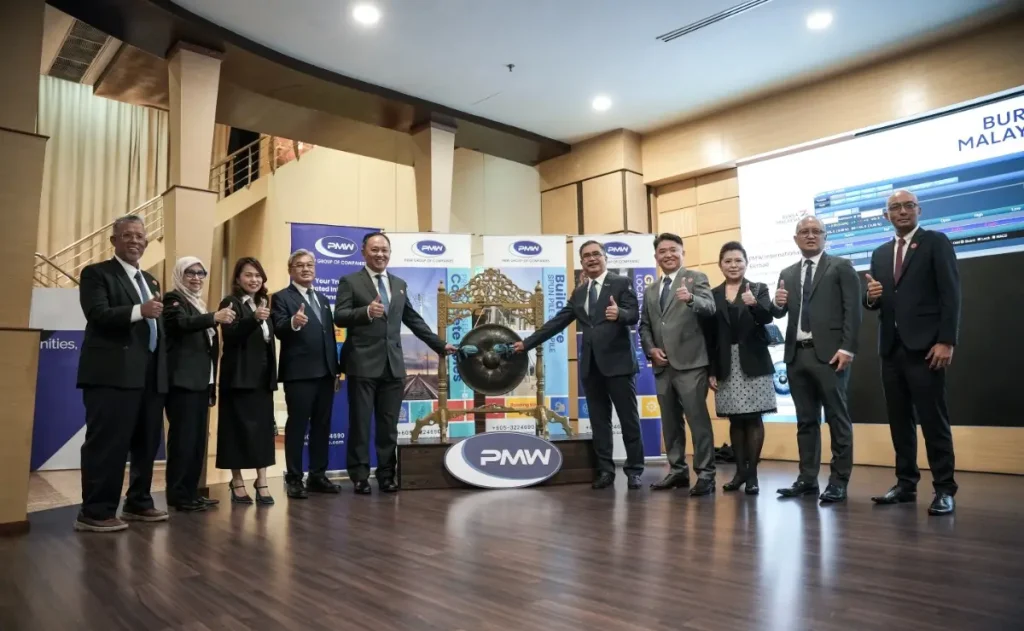
PMW International Bhd made a modest debut on the ACE Market, closing its first trading day at 34.5 sen — half a sen or 1.47% above its initial public offering (IPO) price of 34 sen — despite a generally weaker market. The Perak-based concrete products manufacturer opened at 34 sen and dipped to an intraday low of 32 sen before recovering to end slightly higher. Trading was active, with 102.93 million shares changing hands. Based on its last traded price of 34 sen, the group’s market capitalisation stands at RM307.8 million. PMW CEO Lee Hon Hwa (fifth left) with other representatives at Tuesday’s listing ceremony.  PMW’s listing came as both the FBM KLCI and the ACE Market index declined. Its IPO had attracted strong demand, with public subscriptions oversubscribed nearly 32 times. The company manufactures pre-stressed concrete products such as spun poles, piles, and related items. It also produces moulds, machinery, and lighting products for customers in the power, telecommunications, and construction sectors locally and overseas. Headquartered in Lahat, Perak, PMW also operates manufacturing facilities in Sabah. The IPO raised close to RM91 million, comprising RM60.66 million from the public issue of new shares and RM30.33 million from the offer for sale by existing shareholders. About 78% of the proceeds from the public issue will fund expansion plans, including a new manufacturing plant in Tanjung Manis, Sarawak, to support demand in East Malaysia. The remaining funds will go toward new machinery, equipment, and working capital. Proceeds from the offer for sale were channelled to CEO Lee Hon Hwa, his siblings Khim Hwa and Siew Yoke, and Richard Lee, who oversees operations in Sabah. Khim Hwa serves as executive director for business development, while Siew Yoke is the chief human resources officer. KAF Investment Bank acted as principal adviser, sponsor, sole underwriter, and sole placement agent for the listing.

News

BYD Targets Doubling Its European Sales Network By 2026

China’s largest automaker, BYD, is accelerating its expansion across Europe with plans to double its sales network on the continent by the end of 2026, according to a senior company executive. The move marks one of BYD’s most ambitious pushes yet as it intensifies competition with established European and global automakers. Speaking at an event in Frankfurt, Maria Grazia Davino, BYD’s regional managing director for Europe, said the company expects to have 1,000 points of sale across Europe by the end of 2025, and is aiming to double that figure the following year. “To compete effectively, we need to be close to customers and build strong local relationships,” Davino said, noting that proximity and accessibility will be key advantages as the brand scales. Davino oversees BYD’s operations in German-speaking markets, Eastern Europe and Scandinavia—regions seen as strategically important for the company’s European growth. BYD’s expansion plan is supported by its “long-term localisation strategy” for Europe. The company already operates in 29 European markets, and its first manufacturing plant on the continent—located in Hungary—is expected to open soon. The automaker is also preparing to build a second facility in Turkey and is evaluating options for a third European production hub, with Spain emerging as a leading candidate. The push comes amid surging demand for BYD vehicles in Europe. In the first nine months of 2025, the company’s sales in the region more than tripled, reaching 80,807 units, compared with the same period a year earlier. The significant jump follows BYD’s decision to broaden its offerings by introducing both plug-in hybrid models and fully electric vehicles to European consumers. Davino emphasised that strengthening BYD’s footprint in Europe requires a sustained and well-coordinated effort.“Localising in a mature market like Europe is a major undertaking,” she said. “It demands deep expertise, significant investment and a commitment of resources across all levels of the organisation.” With its rapidly expanding network, growing production base, and rising sales momentum, BYD is positioning itself as one of the most aggressive and fast-growing new players in Europe’s increasingly competitive automotive landscape.

Investment & Market Trends

Concerns Over Hong Kong’s Property Sector Rise Among Financial Officials

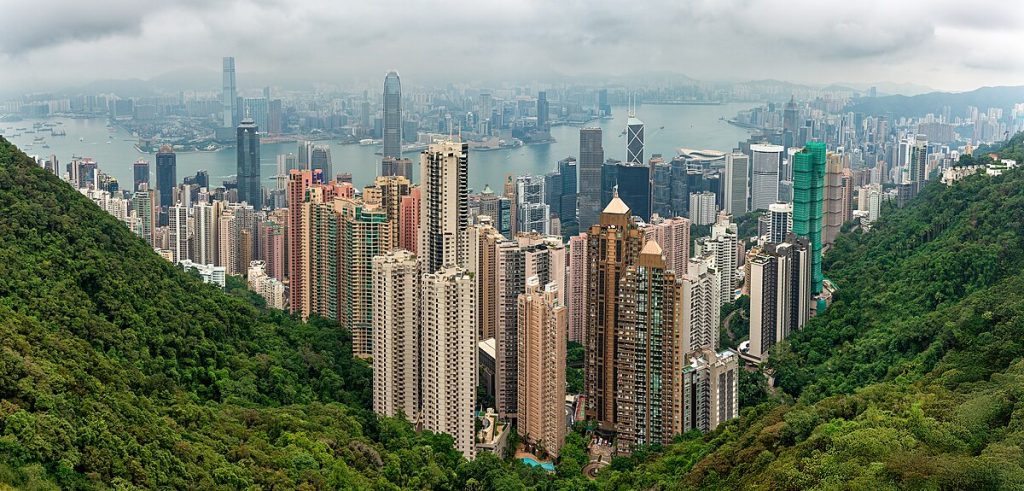
Hong Kong’s banking and regulatory circles are showing increasing anxiety about the city’s most severe property downturn since the Asian financial crisis. Over recent months, Hong Kong’s de facto central bank has stepped up its scrutiny of lenders’ handling of troubled loans. Officials are calling banks more frequently to assess their willingness to renew credit facilities, including for smaller developers. At the same time, bankers are revisiting the high valuations tied to collateral supporting hundreds of billions of dollars in weakened property debt. These developments — described by more than two dozen bankers and property consultants who spoke anonymously — signal growing strain in a sector that remains crucial to Hong Kong’s economy. The real estate slump continues to weigh on growth, even as the financial hub regains momentum in areas such as IPO activity and bond markets. “What surprised me is the possibility that protections are now extending even to smaller players,” said Jason Bedford, visiting senior research fellow at the East Asian Institute, National University of Singapore, referencing regulators’ interest in credit lines for minor developers. “That’s a pretty alarming signal. It raises the risk that we may be entering a broader extend-and-pretend phase.” In response to Bloomberg’s queries, a spokesperson for the Hong Kong Monetary Authority (HKMA) declined to discuss individual firms. “It is the HKMA’s long-standing supervisory requirement that banks must manage credit risk prudently,” the spokesperson said. “In general, banks in Hong Kong have been pragmatic in providing credit support to customers.” Commercial property loans make up roughly 8% of the HK$10 trillion (RM5.33 trillion) in lending across Hong Kong’s banking system, according to S&P Global Ratings. Government data shows local office prices have fallen about 50% from their 2018 peak. More HKMA Calls to Banks Despite reassuring the public that the banking system is well-capitalised, the HKMA has become markedly more hands-on with lenders’ decisions. Since May, multiple banks have received at least three HKMA calls probing their reasons for not joining certain refinancing deals, people familiar with the matter said. Previously, such calls occurred once or twice a year and focused mainly on basic transaction checks. A notable example is Lai Sun Development Co., which began refinancing a HK$3.6 billion loan in January. After six months of negotiations, only half of the 20 lenders were willing to extend the facility. In the weeks before the loan’s Oct 6 maturity, at least five banks received calls from HKMA officials seeking feedback on concerns about lending to Lai Sun. The regulator communicated its general expectation for lenders to show some sympathy toward distressed borrowers. The calls were widely viewed as a signal that regulators wanted Lai Sun to receive support. Shortly after, the developer secured a HK$3.46 billion refinancing package. The HKMA has taken a similar approach in other cases, including deals involving New World Development Co, Emperor International Holdings Ltd, Gaw Capital Partners, and Spring Real Estate Investment Trust. Spring REIT said it completed refinancing for a Beijing project as part of its normal business cycle. Gaw declined to comment, while Lai Sun and Emperor did not respond. Tightening Attention on Valuations Another growing concern: bankers are increasingly questioning what they see as overly optimistic property valuations used to secure commercial loans. Although commercial real estate prices have plunged, some valuation reports still reflect inflated figures, according to people familiar with the matter. One case involved the YF Life Tower, located outside Hong Kong’s central business district. The building was refinanced in late 2023 based on a HK$6.24 billion valuation by CBRE Group Inc — nearly unchanged from 2018 levels. Lenders were sceptical because the comparison property used in the assessment was in a far more prime location with a harbour view. Banks subsequently reduced the loan-to-value ratio and cut the loan amount to HK$2.5 billion from HK$3.1 billion. Jones Lang LaSalle Inc. later produced a similar valuation of HK$6.21 billion. Another example is Worfu Mall, collateral for a HK$1.5 billion loan that defaulted earlier this year. Under receivership since January, interested buyers have reportedly submitted bids well below half the loan’s value. “Valuation practices in Hong Kong fall short of global standards,” said Leo Lo, founder of CHFT Advisory and Appraisal. “Landlords, not banks, control the process. They shop around for the most optimistic valuations, and surveyors who don’t play along risk losing business.” With concerns mounting, some lenders have shifted from semi-annual to monthly valuation reviews. Uncertain Outlook While experts generally believe Hong Kong’s financial system is strong enough to withstand short-term shocks, deeper risks remain, prime office rents to decline another 7% through 2026. “I don’t see any evidence of impending market collapse based on the HKMA’s actions, but regulators are always cautious about the risk of multiple players trying to exit simultaneously,” said Arthur Morris, assistant professor at the Hong Kong University of Science and Technology. “Think of the HKMA as air traffic control — they want to prevent everyone from landing at once.”

News

Aerotrain Under Review: MAHB’s Strategy For Continuity And Rectification

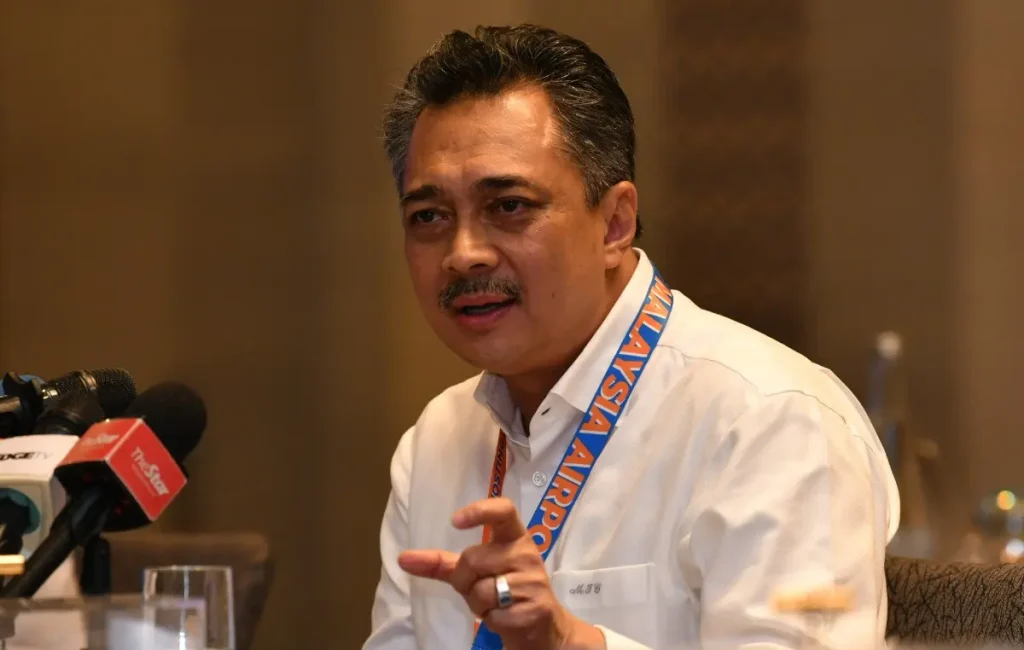
The recent disruptions to the KLIA Aerotrain have placed the system under renewed public and regulatory attention. The Aerotrain, which resumed operations earlier this year after a major upgrade, encountered several breakdowns that affected passenger movement between the main terminal and the satellite building. These incidents have since prompted further review, including Malaysian Anti-Corruption Commission’s (MACC) intention to investigate aspects of the project. For Malaysia Airports Holdings Berhad (MAHB), which oversees KLIA’s operations, the Aerotrain issue represents both an operational challenge and a test of system resilience ahead of a significant travel cycle. Led by Managing Director Dato’ Mohd Izani Ghani, MAHB has outlined several measures intended to stabilise the system, ensure passenger continuity, and support ongoing regulatory assessments. Following news of MACC’s intended investigation, MAHB clarified that no formal request had yet been issued to the organisation. Dato’ Mohd Izani Ghani has stated that it stands ready to provide full cooperation when required, reaffirming its support for a thorough and transparent review process. MAHB is also working with the Transport Ministry and the Land Public Transport Agency (APAD), both of which are directly involved in the technical evaluation and oversight of the Aerotrain system. Their participation forms part of a broader multi-agency approach to understanding the system’s recent shortcomings. A structured technical roadmap: The Comprehensive Action Plan On 14 November, MAHB announced the activation of a Comprehensive Action Plan (CAP) to address the Aerotrain disruptions. Developed with guidance from the Transport Ministry and APAD, the CAP outlines a multi-phase engineering roadmap intended to review, rectify, and validate the full system. The plan includes: Nightly engineering shutdowns from 9pm to 7am to facilitate detailed inspections, component adjustments, and recalibrations. Root-cause analysis covering mechanical, electrical, and control-system elements. Simulated operations to verify performance before reintroducing the system to public use. Trial operations monitored jointly with regulators to confirm reliability prior to full reinstatement. While the CAP is underway, MAHB has deployed a full shuttle bus service to maintain uninterrupted passenger movement between terminals. The arrangement ensures that essential airport processes — including flight connections and gate transfers — continue without significant operational impact. Gate optimisation and other internal adjustments have also been implemented to minimise the number of passengers requiring inter-terminal travel during the rectification period. From July to the onset of the recent disruptions, MAHB reported that the Aerotrain achieved an Operational Service Availability (OSA) of 98.41%, completing more than 50,000 return trips and carrying over seven million passengers. These data points illustrate the system’s operational baseline and provide useful reference for ongoing engineering diagnostics. As technical inspections progress, MAHB is expected to release further updates to keep stakeholders informed of system stability, expected timelines, and regulatory assessments. Positioning KLIA ahead of Visit Malaysia 2026 The Aerotrain issue comes at a pivotal time for the aviation sector, with Visit Malaysia Year 2026 projected to bring a significant increase in passenger volume. Ensuring reliable internal mobility within KLIA is therefore a priority not only for MAHB but for broader tourism and economic objectives. MAHB has stated that the CAP is designed with long-term readiness in mind, ensuring that all system enhancements meet the requirements for higher traffic flow and international expectations.

Investment & Market Trends

AWC Approved For 1-Year RM63.7M Southern & Sarawak Maintenance Deal

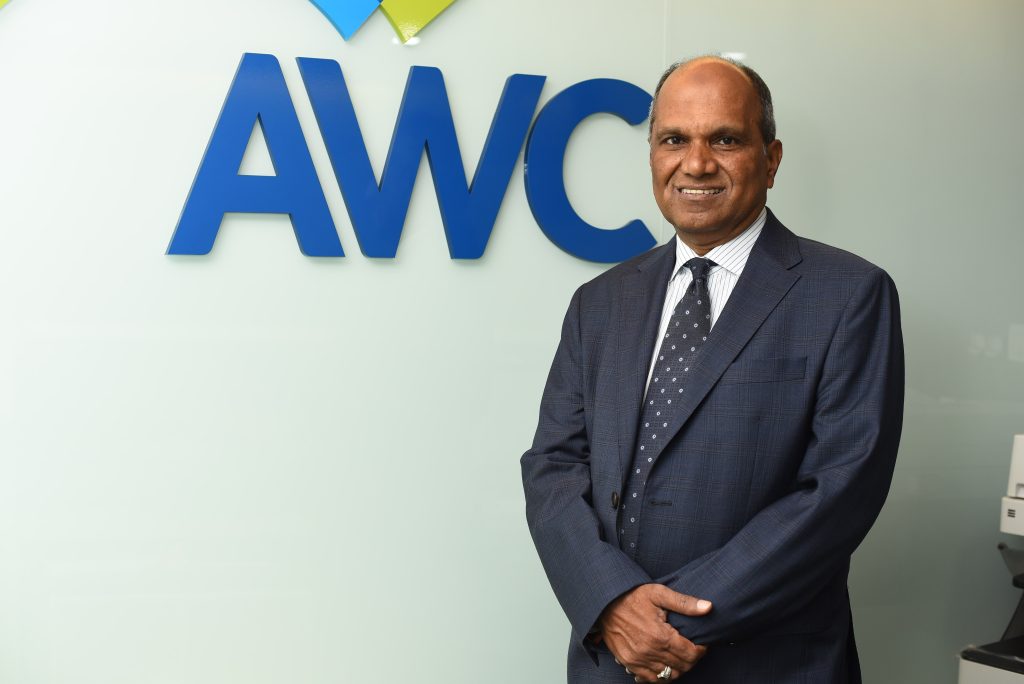
Main Market-listed engineering services group AWC Berhad (“AWC” or the “Group”), via its wholly-owned subsidiary Ambang Wira Sdn Bhd (“AWSB”), has received official confirmation from the Ministry of Works (KKR) that the Malaysian Government has approved a one-year extension of the current ten-year Concession Agreement, which was due to expire on 31 December 2025. The extension will run from 1 January 2026 to 31 December 2026. Along with the approval, KKR provided a copy of the Interim Agreement under the existing Privatisation Agreement for Building Support Services for Government Buildings in the Southern Zone and Sarawak Zone, which will take effect upon execution by both parties. While no specific contract sum is stipulated, the estimated value of works under this one-year extension is approximately RM63.7 million, based on prevailing rates and the scope of services under the existing concession. The Concession Agreement covers the management, maintenance, and upkeep of Federal Government buildings in the Southern Zone (Malacca, Negeri Sembilan, and Johor) and Sarawak Zone, including services under the Critical Asset Refurbishment Programme (CARP). Dato’ Ahmad Kabeer bin Mohamed Nagoor, Group CEO/President of AWC Berhad, said: “We are pleased to secure the 1-year extension, which reflects our proven track record and the confidence placed in us by KKR. Having managed this concession since 1998, we remain committed to delivering high-quality services for the Government’s facilities management needs. At the same time, we are actively preparing for the tender of the new concession.” AWC has been managing and maintaining Federal Government buildings in the Southern and Sarawak Zones since June 1998, with a 10-year renewal commencing in 2016, expiring in December 2025. The CARP runs concurrently with the concession. The extension provides earnings clarity and strengthens the Group’s recurring revenue base, bringing total contracts announced for FY26 to approximately RM257 million. The Group’s divisions continue to maintain a healthy tender pipeline, actively pursuing new opportunities, and AWC maintains a positive outlook while remaining prudent amid broader macroeconomic developments.

News

Malaysian Business Leader Champions Opportunity And Inclusion In Accountancy Sector

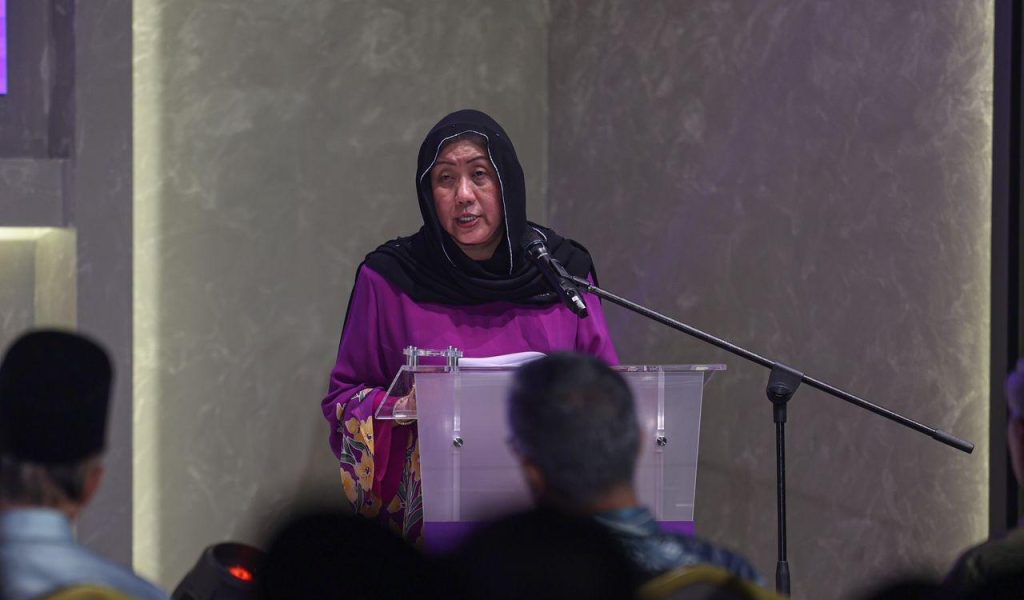
Datuk Zaiton Mohd Hassan, an experienced Malaysian finance professional, has been elected as deputy president of ACCA. She will work alongside newly-elected president Melanie Proffitt and vice president Cristina Gutu in leading ACCA’s global community of more than 257,000 members and 530,000 future members across 180 countries. Having been elected to ACCA’s Council in 2016, Datuk Zaiton has contributed actively to the organisation’s strategy and engagement in Asia Pacific and beyond. She currently serves as CEO of the Malaysia Professional Accountancy Centre (MyPAC), a non-profit organisation that helps students from lower-income backgrounds access careers in accountancy. She is also chair of GX Bank, Malaysia’s first digital bank, and holds a number of board and advisory roles promoting sound governance and professional development. Datuk Zaiton Mohd Hassan said: “I’m honoured to take on the role of deputy president of ACCA and to continue contributing to an organisation that has always stood for opportunity and inclusion. I’ve seen first-hand how the ACCA Qualification changes lives, opening doors to rewarding careers and enabling people to give back to their communities. I look forward to supporting this mission in the year ahead.” Datuk Zaiton has also served as president of the ACCA Malaysia Advisory Committee and as deputy chair of the International Federation of Accountants (IFAC) Professional Accountants in Business Advisory Group. She is recognised for her calm, collaborative leadership and her strong belief in ethics, education, and access. Through her work with MyPAC and various national boards, she has consistently advocated for social mobility, transparency, and integrity in finance. This year marks the second time that all three ACCA officer roles are held by women, reflecting ACCA’s continued commitment to diversity, equality, and inclusion.

Lifestyle

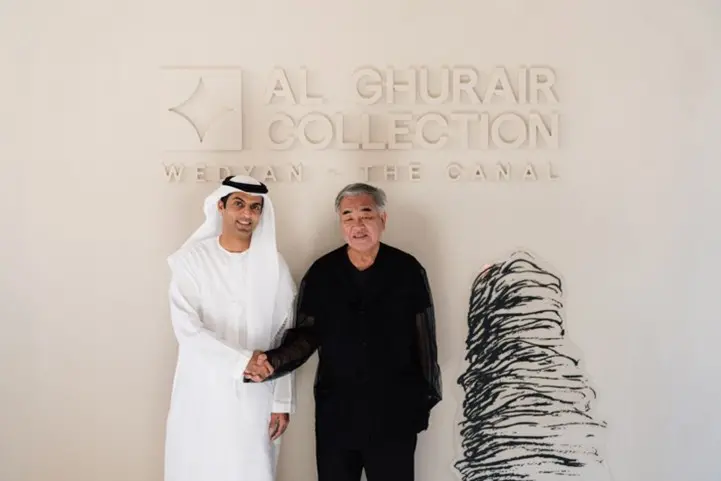
Kengo Kuma’s First UAE Project, Wedyan, Unveiled By Al Ghurair Development

Al Ghurair, one of the largest diversified family business groups in the Middle East and a major contributor to Dubai’s modern skyline, has launched a bold new super-prime residential development designed by world-renowned Japanese architect Kengo Kuma. Wedyan marks the debut of the Al Ghurair Collection, the new ultra-prime residential portfolio by Al Ghurair Development, the real estate arm of Al Ghurair. The portfolio is set to bring distinctive, design-led living to Dubai and create timeless landmarks for tomorrow. The launch of the Al Ghurair Collection represents a new chapter in Al Ghurair’s six-decade legacy, with Wedyan—a landmark waterfront residence along Dubai Canal—serving as the first project in a series of developments that will deliver on Al Ghurair Collection’s commitment to originality and craftsmanship, creating something never seen before in Dubai. Kengo Kuma, celebrated for cultural works such as the Japan National Stadium in Tokyo and the China Academy of Art’s Folk Art Museum, is recognised globally for an approach that harmonises architecture with nature. At Wedyan, which means valleys, he has applied this approach by shaping a façade inspired by the movement of water and sand. Its layered profile and textured exterior echo the rhythm of the desert and valleys, creating a building without precedent in the city. Soaring 46 storeys high, Wedyan comprises 149 residences with a mix of three-, four-, and five-bedroom layouts, two full-floor penthouses, and a three-storey sky villa. Some key features include integrated outdoor living spaces purposefully designed to be multifunctional for maximum comfort and liveability; an additional back-of-house kitchen with separate access alongside the main kitchen, perfect for hosting catered dinner parties; and specialised glazing that protects owners’ artworks from UV rays. A selection of residences also come with standalone Japanese teahouse-inspired pavilions, easily adapted to suit residents’ needs. They could make the perfect setting for morning meditations or serve as a one-of-a-kind recording studio. Kengo Kuma said: “Wedyan is a dialogue between Japanese aesthetics and the context of Dubai. Our design philosophy is to connect and create a conversation between architecture, nature, and people. In this project, our purpose is to bring softness to the design and to create quietness through shadows that cascade and reflect across the façade, terraces, and amenity spaces. Collaborating with Al Ghurair has been exciting. They understand the value of design, and we share a mutual respect that naturally led to a positive harmony in bringing Wedyan to life.” The launch of Wedyan comes as demand for ultra-luxury property in Dubai reaches unprecedented levels. In the first half of 2025, the city recorded AED 431 billion in transactions, a 25% increase year-on-year, with sales of homes above AED 10 million growing more than fourfold in recent years. This market evolution reflects the interest discerning families from around the world have in making Dubai their permanent home. Al Ghurair – an unrivalled legacy of shaping the cityscape of DubaiThe launch of the Al Ghurair Collection and Wedyan marks a new chapter for Al Ghurair Development, one of the largest and most influential family business groups in the UAE. The Al Ghurair family established the region’s first shopping mall and mixed-use concept in 1981, the first private insurance company in 1975, and the first private bank in 1967. The company has also been involved in major projects such as Dubai Metro and the façade glazing of Burj Khalifa. To date, Al Ghurair has built and managed more than 20,000 residential and commercial units in Dubai, alongside nearly 1,000 hotel rooms and serviced units. Sultan Al Ghurair, CEO of Al Ghurair Development, said: “The launch of the Al Ghurair Collection and Wedyan is a natural evolution of our 60-year commitment to the progress of the city. As Dubai has grown into one of the world’s most dynamic and successful destinations, and is increasingly drawing sophisticated residents from all over the world, the time felt right to introduce what we feel is the ultimate expression of exceptional living to be found here. We created Al Ghurair Collection to develop buildings that don’t exist elsewhere. Our search for an architect that shares our commitment to originality and obsession with detail led us to Kengo Kuma, a visionary with a truly unique design perspective.” John Iossifidis, Group CEO of Al Ghurair, said: “The launch of Al Ghurair Collection represents a defining milestone for Dubai’s real estate sector and reflects Al Ghurair’s future-focused strategic vision. We enter this space with the strength of a legacy built over six decades, anchored in trust, innovation, and an uncompromising commitment to quality and excellence. Al Ghurair Collection will bring a fresh perspective to the market, powered by the integrated capabilities of our diversified business. Our mission is clear: to create visionary projects, build with purpose, and deliver spaces that provide enduring value, financially, socially, and culturally, for generations to come.” Design and architecture shaped by natureAl Ghurair Collection worked with more than 30 specialists to consider every aspect of how to live well, among them lighting, kitchen, façade, and parking consultants. The landscaping is realised in collaboration with Gustafson Porter + Bowman, integrating greenery and water features into every level of the building. Deep-planted terraces and shaded promenades create gardens in the sky, enhancing privacy. The planting palette includes species selected for their resilience, aesthetics, and compatibility to Dubai’s climate, such as aloe vera, Bismarck palm, and trailing ice plants. At ground level, a landscaped promenade and shimmering water accents contribute to the beauty of Dubai Canal. A Vertical MasterplanFeaturing every possible convenience a resident might need to live well, Wedyan offers more than 65,000 sq ft of amenity space carefully distributed across distinct levels in the building. Just below ground level, The Oasis arrival experience is lined with greenery and water features that lead into a luxury car stacker which is humidity- and temperate-controlled. The Shore and The Valley on Levels 2 and 3 are dynamic spaces for active living and leisure time with family and friends, as well as for hosting and entertainment. The

ESG

Saxon Renewables Introduces “EVolve” EV Charging Carbon Project In Asia

Saxon Renewables today announced the official registration of its EVolve Grouped Electric Vehicle (EV) Charging Project under the Verified Carbon Standard (VCS) by Verra (Project ID: 5416), registered on 6 November 2025, marking a regional milestone in bridging climate finance and clean mobility across Asia. The project is registered under the Verra VM0038 Methodology for Electric Vehicle Charging Systems, which enables emissions reductions to be quantified and issued as Verified Carbon Units (VCUs) by comparing electricity consumed for EV charging against emissions that would have been generated from equivalent travel in internal combustion engine (ICE) vehicles. Designed to accelerate the growth of electric mobility, EVolve connects carbon-credit revenue directly to the commercial model of EV-charging deployment. By integrating carbon monetisation into charging infrastructure, the project closes critical financing gaps that often slow EV adoption. Under EVolve’s grouped approach, multiple EV-charging networks can be aggregated under a unified methodology and monitoring system, significantly reducing registration costs, complexity, and time-to-market for charge point operators (CPOs). “By unlocking new carbon revenue streams, we help charge point operators, fleet owners, and infrastructure partners scale faster, reduce payback periods, and enable more cities to accelerate EV adoption,” said Reik Ong, Managing Director of Saxon Renewables. “The voluntary market is already responding positively to EVolve, with buyers actively seeking high-integrity transportation credits. Our next phase is to prepare EVolve for compliance channels such as Singapore’s carbon tax and CORSIA, which would significantly broaden market demand and strengthen long-term price resilience.” As the first grouped EV-charging carbon project of its kind in Southeast Asia (excluding Singapore), EVolve will progressively onboard charge point operators across Malaysia, Vietnam, Thailand, Indonesia, and the Philippines, with an expansion pipeline to broader Asia-Pacific markets. The project targets the deployment and integration of 30,000 charge points by 2030. Registered for a seven-year crediting period (2024–2031), with renewal options for up to two additional periods, EVolve is expected to generate approximately 300,000 tonnes of CO₂e in verified emissions reductions over its initial term. The programme directly supports national EV roadmaps, corporate net-zero targets, and potential Article 6 cooperation pathways under the Paris Agreement, offering a scalable model for cities to accelerate electrification while maintaining market integrity. Transport accounts for approximately 15 percent of global greenhouse-gas emissions. By bridging finance gaps and incentivising widespread EV infrastructure, EVolve empowers cities and businesses to transition toward cleaner, low-carbon mobility. EVolve represents a scalable blueprint for accelerating EV infrastructure across Asia’s emerging markets, reinforcing Saxon Renewables’ mission to power credible, high-impact climate solutions.

Scroll to Top

Subscribe
FREE Newsletter