Energy & Technology

Energy & Technology

Yinson Finalises Buyout Of FPSO Atlanta Project Loan

KUALA LUMPUR, Yinson Production has finalised the full settlement of a major project loan related to its FPSO Atlanta from Brazil’s Brava Energia SA. The company disbursed approximately US$255.5 million in cash to repay the loan, which had an outstanding principal of around US$408.8 million, along with US$1.9 million in accrued interest. The buyout was funded entirely through Yinson Production’s internal cash reserves. “This move enhances our financial strength and offers greater flexibility in securing future debt financing for the FPSO Atlanta,” the company said in a statement. Yinson Production acquired the FPSO Atlanta in 2023 by exercising a purchase option from Brava. The vessel, which began oil production on Dec 31, 2024, is currently operating under a 15-year contract, with a potential five-year extension. The remaining contract value is estimated at about US$2 billion. FPSO Atlanta is one of 11 vessels in Yinson Production’s global fleet. The company operates across 11 countries, with a total order book exceeding US$19 billion. Yinson Production is a subsidiary of Yinson Holdings Bhd, a diversified group with interests in offshore energy, renewable energy, and green technology.

Energy & Technology

CBH Engineering Wins RM194.66 Million Data Centre EPCC Deal

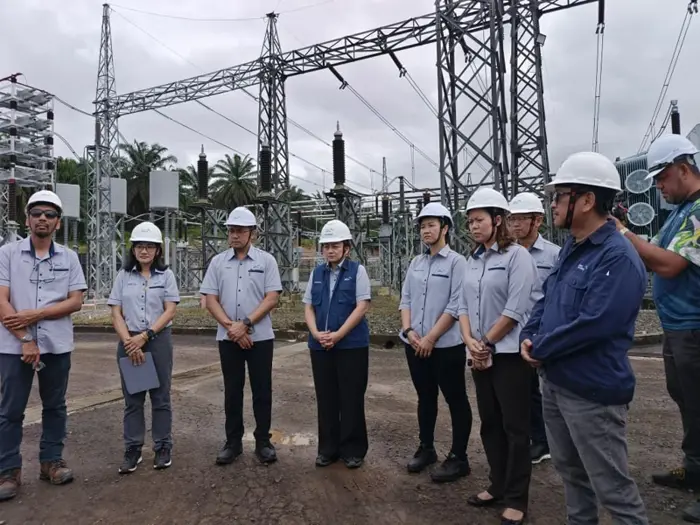
KUALA LUMPUR, CBH Engineering Holdings Bhd, through its wholly-owned subsidiary CBH Engineering Sdn Bhd, has secured a contract worth RM194.66 million for the engineering, procurement, construction, and commissioning (EPCC) of an electrical supply system for a 275kV consumer substation (CS) to support a proposed data centre development in Selangor. In a filing with Bursa Malaysia, CBH stated that the identity of the client remains confidential due to a non-disclosure agreement. However, the client is primarily involved in the development of commercial building projects intended for leasing purposes. The contract is scheduled to commence from the acceptance date on Aug 5, 2025, and is expected to reach substantial completion by Dec 31, 2026. CBH said the project marks a significant milestone for the group as it further strengthens its track record in delivering large-scale, high-voltage infrastructure solutions within Malaysia’s growing data centre segment. At mid-day trading, CBH Engineering’s shares rose by 0.5 sen or 1.67% to 30.5 sen, with a total of 2.98 million shares changing hands.

Energy & Technology

U Mobile Powers MSME Growth With Cyber-Boosted U BIZ Bundles

U Mobile, Malaysia’s Next Gen 5G network provider, has launched three new U Biz Bundles designed to accelerate digital adoption and enhance cybersecurity for Malaysian Micro, Small and Medium Enterprises (MSMEs). The new U Biz Bundles are offered in support of the government’s Geran Digital Perusahaan Mikro, Kecil dan Sederhana MADANI (GDPM) campaign. Under this initiative, eligible MSMEs can enjoy 50% (or up to RM5,000) subsidy on the new U Biz Bundles for one year, enabling them the opportunity to digitise affordably through packages that combine high-speed 5G connectivity, cybersecurity protection with multi-layered endpoint security, as well as free 5G devices and Wi-Fi routers. The U Biz Bundles are: 5G Office Secure Bundle – which includes 1x Business Broadband, 1x Mobile Device Security, 1x Wi-Fi 6 5G Router at just RM39/month U Biz Secure Bundle – which includes 5x U Biz 98 lines, 5x Mobile Device Security, 2x Free 5G phones at just RM150/month U Biz Secure+ Bundle – which includes 1x Business Broadband, 5x U Biz 98 lines, 6x Mobile Device Security, 2x Free 5G phones, 1x Wi-Fi 6 5G Router at just RM180/month “U Mobile is delighted to offer three new U Biz Bundles in support of the government’s GDPM campaign as the initiative is fully in line with our commitment to drive enterprise digital adoption as Malaysia’s Next Gen 5G Network provider. Beyond offering quality high-speed 5G connectivity, we have included cybersecurity protection in each of the bundles as we recognise that it is a key pillar for MSMEs to achieve resilience and competitiveness, as outlined in the Malaysia Digital Economy Blueprint. We are confident that this initiative brings us closer to realising the ambition of making Malaysia a high-income digital nation,” said Neil Tomkinson, Chief Business Officer of U Mobile

Energy & Technology

Malaysia to Launch AI-Powered Parking System in Selangor

SHAH ALAM, The Shah Alam City Council (MBSA) will roll out its AI-powered Smart Integrated Parking (SIP) system on August 1, aligning with Selangor’s broader digitalisation efforts aimed at modernising public services and improving municipal revenue collection. The SIP system uses artificial intelligence to manage parking more efficiently, securely, and transparently. It is designed to reduce manual enforcement, minimise revenue leakages, and address inefficiencies in current parking operations. In 2023, MBSA collected RM21.9 million in parking fees and RM8.9 million in compounds. However, only around 30% of the potential revenue was captured due to limitations in the manual system. With the new SIP system, MBSA aims to recover lost revenue while maintaining existing parking rates. Besides MBSA, three other councils—Petaling Jaya (MBPJ), Subang Jaya (MBSJ), and Selayang (MPS)—are part of the pilot phase. However, MBPJ has raised objections, prompting ongoing talks with the state government. Despite differing views, Selangor’s state administration sees SIP as a critical step in its smart city agenda. The system allows real-time monitoring, automated enforcement, and better data collection, which can support future urban planning and infrastructure upgrades. It also aims to improve safety through surveillance integration and data analytics. Authorities have assured that parking rates will remain unchanged. The focus is on increasing compliance and maximising the use of existing infrastructure through smart technologies. MBSA is expected to lead the rollout, setting the tone for future implementations in Selangor. The state government remains committed to working with all councils to ensure smooth adoption and greater efficiency in public service delivery.

Energy & Technology

Cypark Subsidiary Secures Approval To Develop 1.5MW Biogas Plant In Johor

KUALA LUMPUR, Cypark Resources Bhd’s 51%-owned indirect subsidiary, Reviva BACRE (Ulu Remis) Sdn Bhd, has received approval from the Sustainable Energy Development Authority (SEDA) to develop a 1.5-megawatt (MW) biogas plant in Layang-Layang, Johor. The approval was granted under SEDA’s 2025 Feed-in Tariff (FiT) e-bidding programme. According to Cypark, the project will have a net export capacity of 1.3MW and is expected to be completed by July 25, 2028. Once operational, it will supply renewable electricity to the national grid for 21 years under the FiT scheme. “This project reflects our strong capability in delivering a range of renewable energy solutions, reinforcing Cypark’s role in Malaysia’s clean energy transition,” the group said in a filing with Bursa Malaysia. While the project is not expected to significantly impact earnings for the financial year ending April 30, 2026, Cypark said it will provide steady, long-term revenue once it begins operations.

Energy & Technology

Govt To Set Aside RM1.4 Billion For Oil Palm Replanting Under 13MP – Johari

JOHOR BAHRU, The government plans to allocate RM1.4 billion in stages over five years to support oil palm smallholders in replanting old and less productive trees under the 13th Malaysia Plan (13MP), said Plantation and Commodities Minister Datuk Seri Johari Abdul Ghani. He said this is part of a broader strategy to sustain the palm oil industry and boost productivity. “With replanting, we can maintain Malaysia’s position as the world’s second-largest palm oil producer and increase exports, which currently total RM115 billion,” Johari said after attending the UMNO Johor Bahru Division meeting. He added that the 13MP debate in Parliament will start Monday, allowing MPs to provide input, including on agro-commodity strategies. Earlier, Prime Minister Datuk Seri Anwar Ibrahim said the government is committed to strengthening key sectors like palm oil, rubber, and cocoa through modern technology, automation, and R&D as part of 13MP.

Energy & Technology

NanoMalaysia Signs MoU With Three Firms To Explore Use Of Agricultural Waste

PUTRAJAYA, NanoMalaysia Bhd (NMB), an agency under the Ministry of Science, Technology and Innovation (MOSTI), has signed a memorandum of understanding (MoU) with three companies to explore converting agricultural waste into cellulose nanofibers for use in advanced industrial applications. The MoU was signed with SEED Tech Sdn Bhd (STSB), XMU Jiageng Education Development Sdn Bhd (XMU), and China-based Henan Yujian Building Renovation Technology Co Ltd (YJ). MOSTI Minister Chang Lih Kang said the agreement reflects a shared goal of promoting sustainable innovation across Asia, using science and technology to drive both economic growth and environmental protection. “Malaysia produces around 168,000 tonnes of agricultural waste every day, yet less than 10% is reused in industrial applications. This partnership taps into a major economic opportunity by turning waste into valuable resources, in line with our Bioeconomy Blueprint and Advanced Materials Technology Roadmap,” he said. The MoU was signed by NMB’s COO Mohamad Hafiz Zokipli, STSB director Zhang Liang, XMU vice-president Prof Zhang Ying, and YJ general manager Sun Lili. Chang added that Malaysia aims to raise its gross expenditure on research and development (GERD) to 2.5% of GDP by 2030, from the current 1.04%. He emphasized that public-private and international partnerships like this are vital to reaching that goal. He said the collaboration paves the way for commercialization through licensing, intellectual property creation, talent exchange, joint ventures, and product development across Malaysia, China, and the Asia-Pacific region. “This effort supports Malaysia’s shift from a resource-based economy to one led by knowledge and innovation, in line with the Malaysia MADANI Government’s sustainability pillar and the National Industrial Master Plan 2030 (NIMP 2030),” he said. In a statement, MOSTI said the partnership will help bring nanotechnology from lab to market, with applications in construction, automotive, and engineering sectors. Using nanofibers as additives in materials such as polymer composites and rubber can improve fracture resistance by 1–10%, while their use as binders can boost structural strength by up to 30%, potentially cutting material costs by as much as 50%. The collaboration combines the research strengths and industry experience of all four parties to deliver high-impact results for Malaysia and the region.

Energy & Technology

Atlas Partners With Adyen To Streamline Operations For Singapore F&B Businesses

Singapore-based F&B tech provider Atlas has teamed up with global payments platform Adyen to roll out AtlasPay — a solution designed to streamline operations and improve efficiency for food and beverage businesses. Atlas, known for its modular restaurant operating system used by brands such as PPP Coffee, SaladStop, and Haidilao, integrates functions like point-of-sale, online storefronts, customer loyalty programs, logistics, and delivery platforms. It also provides AI-driven insights, all bundled under a flexible subscription model. Co-founder and CEO Yi Sung Yong describes the platform as a “single system of records and actions” for F&B brands. PPP Coffee and other local F&B merchants using AtlasPay have seen a 12% increase in direct sales, an 80% reduction in human errors, and an average of 10% in manpower savings.  Built on Adyen for Platforms, the newly launched AtlasPay supports a wide range of payment options while simplifying backend processes such as transaction reconciliation, terminal management, and reporting. The solution aims to ease operational pressure and deliver a smoother, more reliable checkout experience. Restaurants expanding across multiple locations stand to benefit from faster terminal rollouts. Leveraging Adyen’s unified platform, Atlas users can now manage up to four times more terminals remotely, reducing reliance on on-site technicians. Since adopting AtlasPay, users have reported a 12% boost in direct sales, an 80% drop in manual errors, and average manpower savings of 10%. PPP Coffee founder and chairman Leon Foo shared that prior to using AtlasPay, service staff struggled to juggle fragmented systems — from QR ordering and delivery terminals to manual report generation. “There was so much to do for report consolidation and we also saw errors during reconciliation,” he noted. This challenge reflects findings from a recent YouGov survey commissioned by Adyen, which revealed that SMBs spend around six hours weekly on accounting tasks, with 75% citing reconciliation as a major bottleneck. Almost half of respondents also said managing multiple SaaS platforms added to operational complexity. “Through our collaboration with Adyen, we’ve built a platform that directly addresses our merchants’ core needs — from easing the burden on lean teams to simplifying payments and compliance — so they can focus on growing their business,” said Atlas’s Yong. Adyen’s Southeast Asia and Hong Kong general manager, Ben Wong, added that payments are often overlooked as a vital part of the customer journey. “Friction at checkout can negatively impact customer perception. Offering seamless payment options like Apple Pay or Google Pay helps build both trust and satisfaction.” He also emphasised that balancing efficiency with security is key: “While QR payments are popular, some customers are still hesitant to key in credit card details. Providing trusted, familiar payment methods is essential.”

Energy & Technology

Dialog Associate Secures 25-Year Storage Agreement, Commits US$330 Million Investment For Project

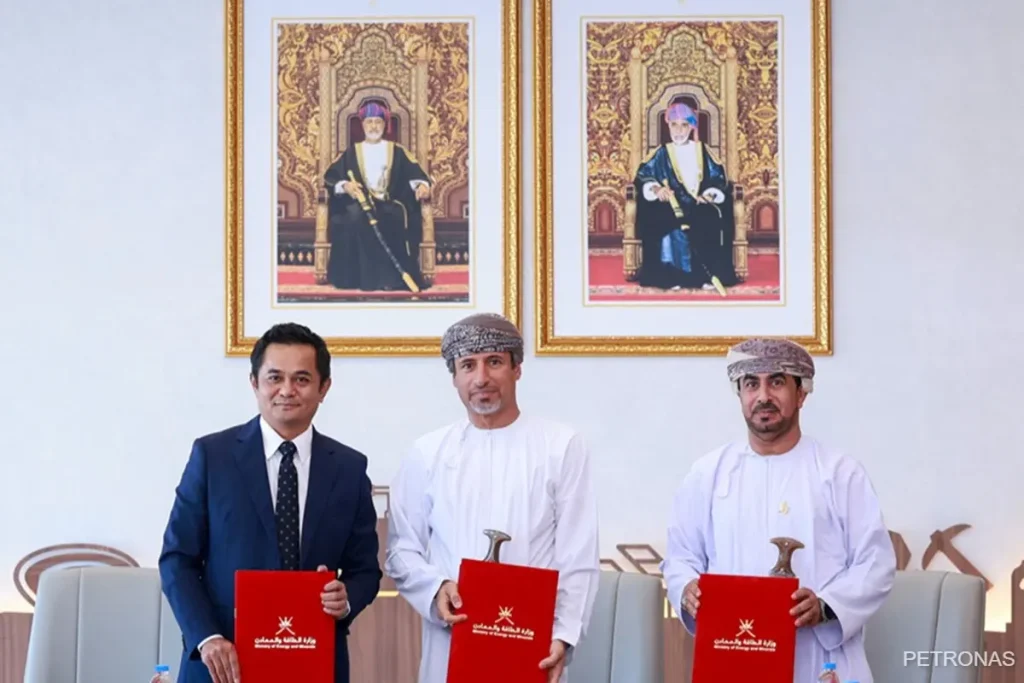
KUALA LUMPUR, Dialog Group Bhd (KL:DIALOG) announced that its associate, Pengerang Terminals (Two) Sdn Bhd (PT2SB), will invest US$330 million (RM1.4 billion) to expand storage capacity in Johor’s refinery hub following a 25-year storage and handling agreement with Pengerang Biorefinery Sdn Bhd (PBSB) — a joint venture between Petronas, Eni SpA and Euglena Co Ltd. PT2SB, in which Dialog owns a 25% stake, will add 272,000 cbm of dedicated storage for PBSB. A terminal use agreement (TUA) under a take-or-pay arrangement was signed on July 29, covering the storage capacity and associated shared facilities, Dialog said. Dialog associate to invest US$330m following 25-year storage contract win The expansion project, set for completion in the first half of 2028, will leverage PT2SB’s existing capacity and deep-water terminal infrastructure at the Pengerang Integrated Complex. Dialog noted that similar projects in Pengerang have historically delivered low double-digit internal rate of returns. “This expansion reinforces Dialog’s midstream investments and supports the continued development of the Pengerang Deepwater Terminals (PDT),” the company said. PDT currently spans 1,200 acres, featuring four terminals and three jetties, with another 700 acres reserved for future development. Dialog emphasised the project aligns with its strategy of building recurring income streams and diversifying across the energy value chain, including green energy initiatives, to withstand economic and oil price fluctuations. PBSB — comprising Petronas Mobility Lestari Sdn Bhd (42%), Enilive SpA (42.5%) and Euglena Sustainable Investment Ltd (15%) — reached a final investment decision in July 2024 to build a biorefinery in Malaysia. The plant aims to process 650,000 tonnes of raw materials annually to produce sustainable aviation fuel, renewable diesel (HVO), and bio-naphtha. Besides Dialog, PT2SB’s other shareholders include PRPC Utilities and Facilities Sdn Bhd (40%), Vopak Terminal Pengerang BV (25%) and Johor state-owned Permodalan Darul Ta’zim Sdn Bhd (10%). Dialog’s shares last traded flat at RM1.71, valuing the group at RM9.65 billion. The stock is down 7.5% year-to-date.

Energy & Technology

Jati Tinggi Bags RM31.58 Mln Contract For Underground Cable Works In Selangor

KUALA LUMPUR, Jati Tinggi Group Bhd (JTBG) announced that its wholly-owned subsidiary, Jati Tinggi Holding Sdn Bhd (JTHSB), has been awarded a RM31.58 million sub-contract by Pintar Gembira Sdn Bhd for underground cable works. In a Bursa Malaysia filing today, JTBG said the scope of the project includes the installation, testing, and commissioning of cables and accessories in Selangor and the South Zone. JTHSB accepted the letter of award on July 29, 2025, and the 20-month contract will commence on a date to be determined later. “The project involves laying 11kV underground cables for asset development in Selangor and the South Zone,” the company said, adding that the contract is expected to contribute positively to the group’s future earnings and net asset per share over its duration.

Scroll to Top

Subscribe
FREE Newsletter