Energy & Technology

Energy & Technology, News

Sarawak Targets 1,000MW Floating Solar Capacity with Bakun Dam Project by 2027

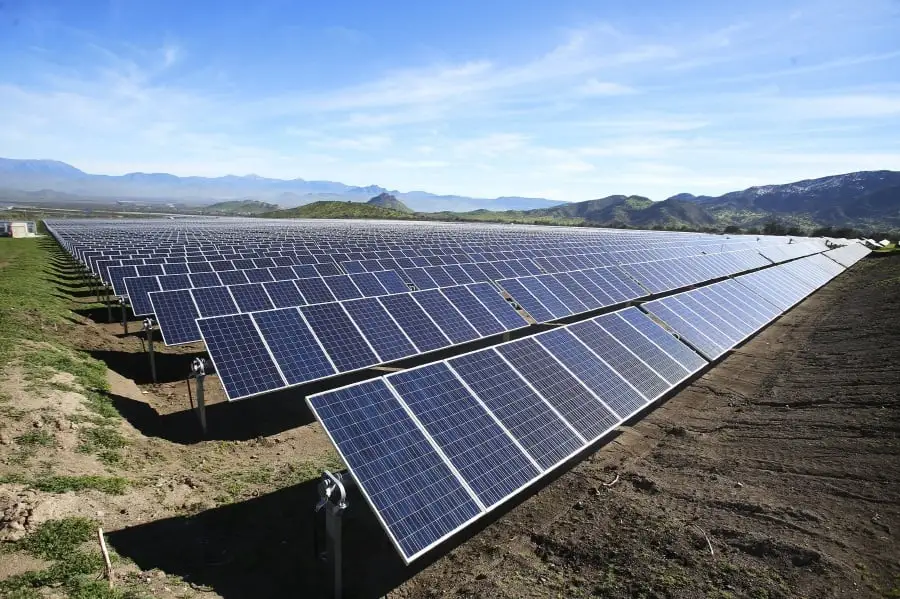
Sarawak is set to strengthen its renewable energy portfolio with the development of a large-scale floating solar farm at the Bakun hydroelectric dam reservoir, scheduled for commissioning by 2027. The initial phase of the project is projected to deliver up to 300 megawatts (MW) of solar power, with the potential to scale up to 1,000MW. Sarawak Energy Berhad (SEB) Group Chief Executive Officer Datuk Sharbini Suhaili confirmed that the first phase of development is targeted for completion within the next 18 to 24 months. This follows a memorandum of understanding (MoU) signed in Shanghai last week at the International Solar Photovoltaic and Smart Energy Conference. The MoU, involving the Sarawak Utility and Telecommunication Ministry, China Three Gorges International Ltd (CTGI), and Shanghai Electric Power T&D Group Co Ltd, sets a framework for joint feasibility studies and development planning. The Bakun site, which features a vast water surface, is seen as highly suitable for floating solar infrastructure. Datuk Sharbini noted that a successful implementation could see the Bakun installation become the largest of its kind in Southeast Asia. “Should the initial 300MW phase be delivered successfully, we envisage expanding its capacity over the coming years, positioning Sarawak as a leader in floating solar generation in the region,” he said. Commissioned in 2011, the 2,400MW Bakun power plant on the upper Rajang River is Southeast Asia’s largest and tallest hydroelectric facility, featuring a 695 sq km reservoir. SEB acquired the plant from Sarawak Hidro Sdn Bhd for RM2.5 billion in 2017 and it currently supplies firm energy of 1,771MW, depending on grid demand. Energy produced from the Bakun facility supports energy-intensive industries such as aluminium and ferroalloy smelting in the Samalaju Industrial Park, under the Sarawak Corridor of Renewable Energy (SCORE). SEB also owns the 944MW Murum and 108MW Batang Ai hydro plants and is constructing the 1,285MW Baleh hydroelectric dam. All three hydro plants are situated upstream of Belaga town in the Kapit Division. In addition to the Bakun project, Sarawak is exploring another large-scale floating solar installation at the Murum dam reservoir. This initiative is being pursued in collaboration with Abu Dhabi Future Energy Company (Masdar) and Gentari, under a joint study agreement signed in November 2024. The study, expected to run for a year, aims to evaluate the feasibility of developing up to 1,000MW of solar generation capacity. Sarawak Premier Tan Sri Abang Johari Tun Openg reaffirmed the state’s commitment to clean energy development, stating that SEB is targeting a solar generation capacity of 1,500MW by 2030. He also highlighted that Sarawak’s first floating solar project, a 50MW hybrid installation at Batang Ai, became operational in late 2023 and serves as Malaysia’s first hydro-solar integration. Building on this foundation, SEB is actively exploring additional large-scale floating solar opportunities in collaboration with regional and international partners as well as independent power producers. In a keynote address delivered on his behalf at the Shanghai conference by Deputy Minister for Utility (Sarawak Energy and Petros) Datuk Ibrahim Baki, who also chairs SEB, the Premier underscored Sarawak’s broader solar agenda. This includes rural solar-hybrid electrification, hydrogen-integrated solar systems, and the net energy metering scheme for residential adoption. SEB’s long-term targets include generating 10 gigawatts (GW) of energy by 2030 and expanding this to 15GW by 2035, reinforcing Sarawak’s aspiration to become a regional hub for renewable energy. With current generation capacity standing at 5,898MW—over 60% of which is hydropower—Sarawak also relies on indigenous thermal sources to ensure energy reliability. The Premier noted that Sarawak is positioning itself as ASEAN’s renewable energy and battery powerhouse, with plans to export energy to neighbouring regions. The successful cross-border energy export to West Kalimantan in 2016 laid the groundwork for future interconnections with Sabah, Brunei Darussalam, Peninsular Malaysia and Singapore via subsea cable infrastructure. He also invited global stakeholders to participate in the Sarawak Energy Renewable Energy and Sustainability Forum, which will take place in Kuching on 3 and 4 September 2025. -The Star

Energy & Technology

Taiwan Tightens Technology Export Controls on Huawei and SMIC

Taiwan has formally imposed export restrictions on Chinese tech giants Huawei Technologies Co and Semiconductor Manufacturing International Corp (SMIC), significantly escalating regulatory pressure on two companies central to China’s ambitions in artificial intelligence chip development. The restrictions were outlined in an updated version of Taiwan’s strategic high-tech commodities entity list, published quietly on the website of the International Trade Administration. The list now includes Huawei, SMIC and a number of their subsidiaries, marking a notable policy shift by Taipei. Until now, Taiwanese authorities had refrained from targeting specific Chinese firms despite existing limitations on certain semiconductor technologies. Under the current regulatory framework, Taiwanese companies must obtain government approval before exporting any goods or technologies to entities listed. This move is expected to partially sever Huawei and SMIC’s access to critical materials, construction technologies and equipment required for building advanced AI semiconductor fabrication plants — similar to those produced by Taiwan Semiconductor Manufacturing Co (TSMC) for global leaders such as Nvidia Corp. In addition to the parent companies, several of Huawei’s overseas units located in Japan, Russia and Germany were also included in the latest update. Neither Huawei nor SMIC provided comment in response to media queries made outside regular business hours. The decision comes against the backdrop of growing geopolitical tensions and trade restrictions that have reshaped the global semiconductor landscape. Huawei and SMIC, both already subject to export limitations by the United States, have been at the centre of China’s push to reduce reliance on foreign chip technology. In 2023, Bloomberg News revealed that a number of Taiwanese firms were discreetly involved in supporting Huawei’s efforts to construct a network of chip plants in southern China. The latest Taiwanese restrictions are expected to hinder those developments. TSMC, which supplies key clients such as Apple Inc and Nvidia, halted shipments to Huawei in 2020 following US-imposed export restrictions. Despite facing numerous curbs, Huawei and SMIC attracted international attention last year when they unveiled a domestically produced seven-nanometre chip, a move that surprised many in Washington. The restrictions coincide with rising cross-strait tensions. Earlier this year, newly inaugurated Taiwanese President Lai Ching-te referred to China as a “foreign hostile force” and introduced new countermeasures aimed at curbing external interference. Beijing, which claims Taiwan as part of its territory, has reiterated its intent to unify with the self-governing island — by force if necessary. -Bloomberg

Energy & Technology

Microsoft Confirms RM10.5 Billion Cloud and AI Investment in Malaysia

Microsoft has reiterated its long-term commitment to Malaysia, maintaining its RM10.5 billion investment in cloud and artificial intelligence (AI) infrastructure, even as the company adjusts its global data centre strategy amid market uncertainty. A Microsoft Malaysia spokesperson confirmed the tech giant’s ongoing plans to develop hyperscale data centres in the Klang Valley, reinforcing its role in accelerating Malaysia’s digital transformation. “Microsoft remains committed to our investment in Malaysia to accelerate the nation’s AI and cloud adoption. As a company, the tariff is something we are watching, but we don’t have anything to share right now,” the company stated in response to queries, referring to trade tensions triggered by US President Donald Trump’s earlier announcement of wide-ranging tariffs. According to a Bloomberg report in April, Microsoft had either paused or delayed data centre projects across several regions, including Indonesia, the United Kingdom, Australia, and select states in the United States. Microsoft acknowledged at the time that adjustments had been made to reflect the flexibility of its strategy, ensuring infrastructure is deployed in optimal locations. Despite these global recalibrations, Microsoft continues to scale its Malaysian operations. In May, the company announced the general availability of its Malaysia West cloud region in Greater Kuala Lumpur. The launch includes three availability zones designed to deliver low-latency connections and a highly resilient infrastructure supporting platforms such as Azure and Microsoft 365. In addition to infrastructure, Microsoft is placing substantial emphasis on local talent development. Through its “AI for Malaysia’s Future” (AIForMYFuture) initiative, the company aims to equip 800,000 Malaysians with AI skills by the end of 2025. As of May, over 400,000 individuals have received training, according to Microsoft Malaysia’s director of legal and government affairs, Adilah Junid. She encouraged broader participation through the AI Skills Navigator platform and nationwide “Microsoft AI Teach” programmes conducted at educational institutions and National Information Dissemination Centres. “Microsoft relies heavily on local partners such as Biji-Biji, HRD Corp, Perkeso, Pepper Labs, and the International Women’s Federation of Commerce and Industry Malaysia. They are the ones with deep community networks, enabling us to extend this opportunity as widely as possible,” said Adilah. On the issue of environmental sustainability, particularly data centres’ high water consumption for cooling purposes, Adilah noted Microsoft’s continued efforts to innovate in this area. The company actively contributed to the digital ministry’s guidelines for sustainable data centres and works closely with authorities to ensure alignment on water and energy usage benchmarks. -FMT

Energy & Technology

Japan JERA to Double US LNG Imports Under New 20-Year Supply Agreements

TOKYO: Japan’s largest power generation company, JERA Co., has announced it will significantly increase imports of liquefied natural gas (LNG) from the United States through a series of new long-term supply agreements, marking a key milestone in Japan’s efforts to enhance energy security amid evolving trade negotiations with Washington. The Tokyo-based utility confirmed it has signed 20-year contracts with four LNG projects based in Texas and Louisiana. The agreements are expected to enable JERA to procure an additional 5.5 million tonnes of LNG annually from the US, almost doubling its current import volume of 3.5 to 4 million tonnes. “These new arrangements further our long-term strategy to build a diversified and resilient LNG procurement portfolio, supporting the stable and secure supply of energy for Japan and broader Asia,” the company said in a statement. The development aligns with Japan’s ongoing discussions with the United States over trade and investment cooperation. Fuel and agricultural imports have been key bargaining chips as Japanese officials seek to ease punitive tariffs introduced under US President Donald Trump’s administration. The US Department of the Interior welcomed the LNG agreements, describing them as a landmark in President Trump’s drive to expand American energy exports. Interior Secretary Doug Burgum said the commitment would generate nearly a quarter of a trillion dollars in economic impact and support over 50,000 jobs in the US LNG sector. JERA, which supplies roughly 30% of Japan’s electricity, plays a critical role in the country’s energy landscape. Japan, one of the world’s most energy-dependent economies and the fifth-largest emitter of carbon dioxide globally, imported 65.9 million tonnes of LNG in 2024. While Australia remained Japan’s largest LNG supplier last year, accounting for 41.6% of imports, Malaysia provided 15.6%, Russia 9.3%, and the US 8.4%, according to figures from Japan’s Ministry of Economy, Trade and Industry. The strengthened LNG partnership with the US comes on the heels of Japanese Prime Minister Shigeru Ishiba’s February commitment to increase annual Japanese investment in the United States to US$1 trillion, signalling a broader shift in bilateral economic ties. -AFP

Energy & Technology, News

DayOne Secures US$3.5 Billion in Financing for Johor Data Centre Expansion

DayOne Data Centers Singapore Pte Ltd has secured a landmark US$3.5 billion (approximately RM15 billion) in multicurrency financing to support the development and expansion of its green data centre operations in Johor, Malaysia.   The financing package, arranged with the support of Oversea-Chinese Banking Corporation Ltd (OCBC) and its Malaysian subsidiary OCBC Bank (Malaysia) Bhd, comprises RM7.5 billion in Islamic financing and a US$1.7 billion offshore term-loan facility. Both entities acted as joint coordinators for the syndicated deal, which represents the largest-ever loan secured by the company to date. Proceeds from the financing will be utilised for refinancing and capital expenditure associated with DayOne’s data centre infrastructure in the region. The facilities are on track to obtain certification for green digital infrastructure, in alignment with global sustainability standards. Malaysia, particularly Johor state, is rapidly emerging as a strategic hub for data centre development in Asia, driven by accelerating demand linked to artificial intelligence and digital transformation. Located directly across the causeway from Singapore, Johor currently hosts around 30 operational or in-progress data centre projects, with an additional 20 awaiting regulatory approval. Major international technology firms, including Microsoft Corp and ByteDance Ltd, have also committed to investments in Johor’s data infrastructure. DayOne, previously known as GDS International, serves as the international arm of China-based data centre operator GDS Holdings Ltd. According to Bloomberg, this financing arrangement is among the largest syndicated loans ever secured by a data centre operator in Asia. -Bloomberg

Energy & Technology

B.Grimm and Digital Edge to Invest US$1 Billion in Thai Hyperscale Data Centre

BANGKOK : Thai energy company B.Grimm Power Public Company Limited and regional data centre platform Digital Edge DC have announced a joint investment of approximately US$1 billion to develop a hyperscale data centre in Thailand, signalling robust confidence in the country’s digital infrastructure potential. The forthcoming facility, with a planned capacity of 100 megawatts (MW), will be strategically situated in Chon Buri province, approximately 100 kilometres east of Bangkok. Commercial operations are scheduled to commence in the fourth quarter of 2026, as confirmed by B.Grimm Power CEO Harald Link and Digital Edge CEO John Freeman at a joint press briefing held earlier today. The initiative underscores the accelerating demand across Southeast Asia for artificial intelligence (AI), cloud computing, and other digital services, positioning Thailand as a key regional player in the digital economy. Usa Nuetap, Head of Data Centre Development at B.Grimm Power, revealed the company is also evaluating an additional US$1.6 billion in future investments to expand its data centre footprint, potentially adding a further 200MW in capacity. Thailand has rapidly emerged as an attractive destination for hyperscale infrastructure development, drawing billions of dollars in commitments from global technology leaders including Amazon.com Inc., Alphabet Inc., ByteDance Ltd., and Alibaba Group Holding Ltd. The Thai government, under Prime Minister Paetongtarn Shinawatra, is actively encouraging foreign investment in digital infrastructure through a range of tax incentives and policy support, with the aim of establishing the country as a regional hub for AI and advanced digital services. “Thailand stands out as one of Asia’s most compelling markets for digital growth, with surging demand for AI and machine learning,” said Freeman. “Thailand’s promotion of renewable energy also makes it appealing for data centre investment,” he added, citing the alignment with Digital Edge’s sustainability objectives. Digital Edge, backed by private equity firm Stonepeak Partners, currently operates 24 data centres across six Asian markets including India, Indonesia, Japan, Malaysia, the Philippines, and South Korea. -Bloomberg

Energy & Technology

New Relic Report Shows OpenAI’s ChatGPT Dominates Among AI Developers

SINGAPORE: New Relic, the Intelligent Observability company, today released its inaugural AI Unwrapped: 2025 AI Impact Report, offering a front-row view into how developer choices are fundamentally transforming the AI ecosystem. Drawing from comprehensive aggregated and de-identified usage data from 85,000 active New Relic customers over a year, the report reveals that developers are overwhelmingly embracing the largest general-purpose models, led by OpenAI’s ChatGPT, which accounted for more than 86% of all LLM tokens processed by New Relic customers.   “AI is rapidly moving from innovation labs and pilot programs into the core of business operations,” said New Relic Chief Technical Strategist Nic Benders. “The data from our 2025 AI Impact Report shows that while ChatGPT is the undisputed dominant model, developers are also moving at the ‘speed of AI,’ and rapidly testing the waters with the latest models as soon as they come out. In tandem, we’re seeing robust growth of our AI monitoring solution. This underscores that as AI is ingrained in their businesses, our customers are realising they need to ensure model reliability, accuracy, compliance, and cost efficiency.”  Developers Rapidly Shift to the Latest ChatGPT models  Enterprises are closely monitoring and adopting the latest innovations from OpenAI. The data shows ChatGPT-4o has been dominating more recently, followed by ChatGPT-4o mini. However, adoption of ChatGPT from version-to-version is occurring seemingly overnight as developers pivot toward newer, better, faster, and cheaper models. New Relic users have been rapidly shifting from ChatGPT-3.5 Turbo to ChatGPT-4.1 mini since it was announced in April. This shows that developers value cutting-edge performance and features more than savings.  Developers Start to Experiment with Unique AI Models Across Apps   In a countervailing trend, the findings also highlight increased model diversification as developers explore open-source alternatives, specialised domain solutions, and task-specific models, although at a smaller scale. Meta’s Llama emerged as the model that saw the second largest amount of LLM tokens processed by New Relic customers. In fact, New Relic saw a 92% increase in the number of unique models used across AI apps in the first quarter of 2025.   AI Monitoring Adoption Grows Steadily    Organisations need a unified AI monitoring solution that is easy to set up, configure over time, and provides an intuitive experience for any user—from DevOps to executives. Since its launch last year, enterprises have been adopting New Relic AI Monitoring at a steady 30% growth in usage quarter-over-quarter in the previous 12 months, giving them a solution to ensure AI model reliability, accuracy, compliance, and cost efficiency.   Python Dominates, but Java is Growing Quickly  With the most momentum, support, and tooling, the data shows Python continues to dominate AI applications, with customer adoption growing nearly 45% since last quarter. In terms of both the scale of requests and customer adoption, Node.js followed Python. However, Java usage has grown rapidly at 34% since last quarter, signaling more production-grade, Java-based LLM applications are to come from large enterprises.   The AI Unwrapped: 2025 AI Impact Report is available today. Read the full report.

Energy & Technology, News

Malaysian Telcos Must Rethink Strategy to Stay Competitive in Saturated Market

KUALA LUMPUR: Malaysia’s telecommunications sector is being urged to adopt bold, digital-first strategies that align with the evolving expectations of modern consumers, as traditional approaches become increasingly ineffective in a saturated and highly competitive market. A recent study by GrowthOps Asia highlighted that the country’s telco industry is undergoing a significant transformation, shaped by ongoing market convergence, the nationwide rollout of 5G, changing regulatory frameworks, and large-scale infrastructure investments. The report, titled Winning in Malaysia’s Mature Telco Market, revealed that mobile connections in Malaysia now exceed 129 percent of the population, underlining a state of full market penetration. This level of saturation calls for a decisive shift from legacy tactics to forward-thinking innovations that offer consumers more than mere connectivity. “We are at a pivotal moment in the telco market, where consumers are no longer just looking for connectivity – they want a single, inclusive provider that delivers a suite of services and meaningful value-adds,” said Chris Greenough, General Manager of GrowthOps Malaysia. “The players who pair innovative products with sharp, relevant go-to-market strategies will be the ones that win.” According to the report, CelcomDigi Bhd has emerged as the market leader with an estimated 40 percent share, following its merger in 2022. Maxis Bhd is positioned as a premium brand, focusing on network reliability and customer loyalty incentives. Meanwhile, challengers such as U Mobile Sdn Bhd and Uni by Telekom Malaysia Bhd are aggressively competing on affordability and plan innovation. The findings also reveal that while network quality and pricing continue to influence consumer choices, there is untapped potential in loyalty rewards programmes. No current provider stands out as a leader in rewards, despite many offering comparable features such as unlimited data and 5G access. The report noted that providers who combine strong network performance, competitive pricing, distinctive product features, and compelling loyalty benefits are well positioned to capture additional market share. Strategic growth opportunities have been identified in underserved urban and rural markets, the younger digital-native demographic, and through the adoption of new subscription models and multi-channel engagement strategies. The study also highlighted a strong correlation between brand awareness, share of voice, and market dominance. A robust digital presence and meaningful customer engagement are key to sustaining competitive advantage. “Telco brands that understand shifting preferences, act on regional and generational nuances, and focus on clarity, convenience, and credible communication will lead the next wave of mobile loyalty and growth in Malaysia,” the report concluded. -Bernama

Energy & Technology

Meta Set to Invest Over US$10 Billion in Scale AI to Strengthen Data Capabilities

Meta Platforms Inc is reportedly preparing a multibillion-dollar investment in Scale AI, a leading data infrastructure firm at the heart of artificial intelligence (AI) development. The potential deal, which may exceed US$10 billion (RM42.35 billion), would mark one of the largest private funding rounds in history and solidify Scale’s position as a cornerstone of the AI ecosystem. Founded by 28-year-old Alexandr Wang, Scale AI has become a critical player in the AI supply chain, focusing on one of the three foundational elements of the technology—data—alongside computing power and talent. Wang, who recently testified before Congress, urged US lawmakers to support a national AI data reserve, ensure sufficient energy for data centres, and avoid a fragmented state-level regulatory landscape. His influence in both technological and policy circles is rapidly growing. Although less widely known than OpenAI’s Sam Altman, Wang shares a similar trajectory. Both founded their companies nearly a decade ago and foresaw the coming wave of AI innovation. Like OpenAI, which secured a landmark investment from Microsoft, Scale has emerged as a pivotal enabler of next-generation AI. The company, most recently valued at US$14 billion in 2024, had already attracted Meta’s backing during a prior funding round. Scale’s evolution reflects the broader transformation of the AI sector. Originally focused on labelling images for autonomous vehicles, the company now curates vast volumes of textual data that underpin large language models such as ChatGPT. These models require immense datasets to train algorithms capable of emulating human reasoning. While Scale has faced criticism over its labour practices—particularly its reliance on low-paid contractors in countries like Kenya and the Philippines—Wang has defended the firm’s compensation levels, stating in 2019 that workers were paid within the 60th to 70th percentile of local wages. More recently, a spokesperson noted that the US Department of Labor had closed an investigation into the company’s labour practices. As synthetic, AI-generated data becomes more prevalent, Scale has adapted by enlisting highly qualified contributors. The company now employs professionals with PhDs, MBAs, law degrees and other advanced qualifications to guide AI through reinforcement learning techniques. These experts construct complex problem sets that help improve model performance in domains such as medicine, law, and international tax compliance. By early 2025, 12% of Scale’s workforce involved in model refinement held PhDs in fields like molecular biology, while over 40% held postgraduate degrees in various disciplines. The strategic use of expert-led training is helping Scale address the growing demand for sophisticated, human-like AI capabilities, particularly in the wake of the Chinese firm DeepSeek’s emergence as a major competitor in early 2025. Revenue at Scale has soared alongside the industry’s expansion. The company generated approximately US$870 million in 2024 and is projecting to more than double that figure to US$2 billion this year, according to Bloomberg News. Scale has also strengthened its ties with the US government, particularly in the defence sector. Wang, known for his strong stance on US-China tech competition, has become increasingly engaged with lawmakers concerned about national security. Michael Kratsios, a former Scale executive, now advises President Donald Trump on AI policy, underscoring Scale’s influence in Washington. For Meta, a deeper partnership with Scale represents both a technological and strategic advantage, allowing it to compete more effectively with rivals like OpenAI and Google while also expanding its footprint in defence-related AI. For Wang, the investment signifies a symbolic milestone. He once recounted that his entrepreneurial aspirations were fuelled by The Social Network, the film chronicling Facebook’s early days—bringing the Meta connection full circle. -Bloomberg

Energy & Technology, News

ZTE Unleashes AI-First Future at “Catalyzing Intelligent Innovation” Showcase in Malaysia

KUALA LUMPUR: ZTE Corporation (0763.HK / 000063.SZ), a global leading provider of integrated information and communication technology solutions, unveiled its latest AI-powered innovations at the “Catalyzing Intelligent Innovation” showcase in Kuala Lumpur, bringing highlights from Mobile World Congress (MWC) 2025 to Malaysia. The event reinforced ZTE’s commitment to helping Malaysia lead in next-generation digital infrastructure and intelligent transformation. At the heart of the showcase was ZTE’s vision for building ultra-efficient mobile networks, led by its cutting-edge Ultra Band Radio (UBR) technology. Designed for simplified deployment and green energy usage, UBR enables highly compact, power-efficient sites that reduce environmental impact while improving network performance. Key innovations included 5G-A solutions like 4K AR live broadcasting with ultra-low latency and high reliability, as well as real-world applications for drone logistics and smart waterways. To bridge the digital divide, ZTE introduced solar-powered and modular rural connectivity solutions like the Eco Radio and Rural Pilot, designed for sustainable and scalable deployment in remote areas. The event also highlighted ZTE’s advancement in All-Optical Networks, where high-speed fiber connectivity meets AI-driven intelligence. ZTE introduced its latest smart home ecosystem, including a next-generation AI Home Media Center, 4K AI Soundbar, the industry’s first AI screen-equipped FTTR (Fiber-To-The-Room), and its high-performance LinkPro Wi-Fi 7 series. These solutions offer seamless, intelligent connectivity for households and SMEs, supporting Malaysia’s broadband and digital lifestyle goals. Taking AI integration even further, ZTE presented the AIR DNA Future Network, a pioneering solution that re-engineers the foundational “genetics” of mobile networks. This AI-native infrastructure empowers operators to automate network operations, improve efficiency, and build more dynamic service models in a hyper-connected era. Complementing this was the debut of AiCube, ZTE’s full-stack intelligent computing solution that supports full-version DeepSeek deployment. Engineered to flexibly serve large data centers, edge computing facilities, and enterprise-grade systems, AiCube delivers high-performance AI processing across diverse scenarios—powering everything from smart cities to intelligent factories. ZTE is expanding its consumer-focused ‘nubia’ brand in Malaysia, introducing a strong focus on gaming through the nubia Neo 3 series. It is named Official Co-Branded Gaming Smartphone for Free Fire, bringing together its “Born to Win” and Free Fire’s “BOOYAH” spirit to provide an accessible esports-grade gaming experience for everyone. The new lineup features gaming oriented enhancement such as shoulder triggers and an expansive 4083mm² VC liquid cooling system. The nubia Neo 3 series also integrates cutting-edge AI features, including Demi, an AI gaming companion, and AI-powered tools for photography and voice interaction. The co-branding partnership between nubia Neo 3 series and Garena’s hit mobile game Free Fire. ZTE also highlighted its role in global policy leadership through GSMA forums, with potential to collaborate more closely with local regulators in shaping Malaysia’s digital future. Steven Ge, Managing Director of ZTE Malaysia, said during his keynote speech, “ZTE Malaysia has proudly spearheaded several landmark achievements, including setting a Malaysia Book of Records title for the fastest 5G-Advanced speed reaching 30.8 Gbps during a live test in Sarawak. Furthermore, ZTE is deeply committed to bridging Malaysia’s digital divide. Through active support of national initiatives like JENDELA, we have modernized and expanded coverage especially in rural and underserved areas.” The event drew participation from key Malaysian stakeholders including Axiata, CelcomDigi, Digital Nasional Berhad (DNB), EdotCo, Maxis, Telekom Malaysia, U Mobile, YTL Corporation, and the Malaysian Communications and Multimedia Commission (MCMC). Through this showcase, ZTE extended a call for deeper collaboration with ecosystem players to co-build a smarter, more inclusive digital future. ZTE has filed over 93,000 global patent applications, and has approximately 48,000 patents in total, as well as a proven track record of supporting national infrastructure—having modernized over 10,000 sites and delivered more than half of the nationwide JENDELA rollout—ZTE continues to support Malaysia’s long-term digital agenda. The “Catalyzing Intelligent Innovation” event demonstrates ZTE’s position as a global driver of digital progress. By empowering operators, developers, and policymakers with the tools to build intelligent infrastructure, ZTE is enabling Malaysia to accelerate its position as a regional digital leader and future-ready economy.

Scroll to Top

Subscribe
FREE Newsletter