Energy & Technology

Energy & Technology

Meta Set to Invest Over US$10 Billion in Scale AI to Strengthen Data Capabilities

Meta Platforms Inc is reportedly preparing a multibillion-dollar investment in Scale AI, a leading data infrastructure firm at the heart of artificial intelligence (AI) development. The potential deal, which may exceed US$10 billion (RM42.35 billion), would mark one of the largest private funding rounds in history and solidify Scale’s position as a cornerstone of the AI ecosystem. Founded by 28-year-old Alexandr Wang, Scale AI has become a critical player in the AI supply chain, focusing on one of the three foundational elements of the technology—data—alongside computing power and talent. Wang, who recently testified before Congress, urged US lawmakers to support a national AI data reserve, ensure sufficient energy for data centres, and avoid a fragmented state-level regulatory landscape. His influence in both technological and policy circles is rapidly growing. Although less widely known than OpenAI’s Sam Altman, Wang shares a similar trajectory. Both founded their companies nearly a decade ago and foresaw the coming wave of AI innovation. Like OpenAI, which secured a landmark investment from Microsoft, Scale has emerged as a pivotal enabler of next-generation AI. The company, most recently valued at US$14 billion in 2024, had already attracted Meta’s backing during a prior funding round. Scale’s evolution reflects the broader transformation of the AI sector. Originally focused on labelling images for autonomous vehicles, the company now curates vast volumes of textual data that underpin large language models such as ChatGPT. These models require immense datasets to train algorithms capable of emulating human reasoning. While Scale has faced criticism over its labour practices—particularly its reliance on low-paid contractors in countries like Kenya and the Philippines—Wang has defended the firm’s compensation levels, stating in 2019 that workers were paid within the 60th to 70th percentile of local wages. More recently, a spokesperson noted that the US Department of Labor had closed an investigation into the company’s labour practices. As synthetic, AI-generated data becomes more prevalent, Scale has adapted by enlisting highly qualified contributors. The company now employs professionals with PhDs, MBAs, law degrees and other advanced qualifications to guide AI through reinforcement learning techniques. These experts construct complex problem sets that help improve model performance in domains such as medicine, law, and international tax compliance. By early 2025, 12% of Scale’s workforce involved in model refinement held PhDs in fields like molecular biology, while over 40% held postgraduate degrees in various disciplines. The strategic use of expert-led training is helping Scale address the growing demand for sophisticated, human-like AI capabilities, particularly in the wake of the Chinese firm DeepSeek’s emergence as a major competitor in early 2025. Revenue at Scale has soared alongside the industry’s expansion. The company generated approximately US$870 million in 2024 and is projecting to more than double that figure to US$2 billion this year, according to Bloomberg News. Scale has also strengthened its ties with the US government, particularly in the defence sector. Wang, known for his strong stance on US-China tech competition, has become increasingly engaged with lawmakers concerned about national security. Michael Kratsios, a former Scale executive, now advises President Donald Trump on AI policy, underscoring Scale’s influence in Washington. For Meta, a deeper partnership with Scale represents both a technological and strategic advantage, allowing it to compete more effectively with rivals like OpenAI and Google while also expanding its footprint in defence-related AI. For Wang, the investment signifies a symbolic milestone. He once recounted that his entrepreneurial aspirations were fuelled by The Social Network, the film chronicling Facebook’s early days—bringing the Meta connection full circle. -Bloomberg


Energy & Technology, News

ZTE Unleashes AI-First Future at “Catalyzing Intelligent Innovation” Showcase in Malaysia

KUALA LUMPUR: ZTE Corporation (0763.HK / 000063.SZ), a global leading provider of integrated information and communication technology solutions, unveiled its latest AI-powered innovations at the “Catalyzing Intelligent Innovation” showcase in Kuala Lumpur, bringing highlights from Mobile World Congress (MWC) 2025 to Malaysia. The event reinforced ZTE’s commitment to helping Malaysia lead in next-generation digital infrastructure and intelligent transformation. At the heart of the showcase was ZTE’s vision for building ultra-efficient mobile networks, led by its cutting-edge Ultra Band Radio (UBR) technology. Designed for simplified deployment and green energy usage, UBR enables highly compact, power-efficient sites that reduce environmental impact while improving network performance. Key innovations included 5G-A solutions like 4K AR live broadcasting with ultra-low latency and high reliability, as well as real-world applications for drone logistics and smart waterways. To bridge the digital divide, ZTE introduced solar-powered and modular rural connectivity solutions like the Eco Radio and Rural Pilot, designed for sustainable and scalable deployment in remote areas. The event also highlighted ZTE’s advancement in All-Optical Networks, where high-speed fiber connectivity meets AI-driven intelligence. ZTE introduced its latest smart home ecosystem, including a next-generation AI Home Media Center, 4K AI Soundbar, the industry’s first AI screen-equipped FTTR (Fiber-To-The-Room), and its high-performance LinkPro Wi-Fi 7 series. These solutions offer seamless, intelligent connectivity for households and SMEs, supporting Malaysia’s broadband and digital lifestyle goals. Taking AI integration even further, ZTE presented the AIR DNA Future Network, a pioneering solution that re-engineers the foundational “genetics” of mobile networks. This AI-native infrastructure empowers operators to automate network operations, improve efficiency, and build more dynamic service models in a hyper-connected era. Complementing this was the debut of AiCube, ZTE’s full-stack intelligent computing solution that supports full-version DeepSeek deployment. Engineered to flexibly serve large data centers, edge computing facilities, and enterprise-grade systems, AiCube delivers high-performance AI processing across diverse scenarios—powering everything from smart cities to intelligent factories. ZTE is expanding its consumer-focused ‘nubia’ brand in Malaysia, introducing a strong focus on gaming through the nubia Neo 3 series. It is named Official Co-Branded Gaming Smartphone for Free Fire, bringing together its “Born to Win” and Free Fire’s “BOOYAH” spirit to provide an accessible esports-grade gaming experience for everyone. The new lineup features gaming oriented enhancement such as shoulder triggers and an expansive 4083mm² VC liquid cooling system. The nubia Neo 3 series also integrates cutting-edge AI features, including Demi, an AI gaming companion, and AI-powered tools for photography and voice interaction. The co-branding partnership between nubia Neo 3 series and Garena’s hit mobile game Free Fire. ZTE also highlighted its role in global policy leadership through GSMA forums, with potential to collaborate more closely with local regulators in shaping Malaysia’s digital future. Steven Ge, Managing Director of ZTE Malaysia, said during his keynote speech, “ZTE Malaysia has proudly spearheaded several landmark achievements, including setting a Malaysia Book of Records title for the fastest 5G-Advanced speed reaching 30.8 Gbps during a live test in Sarawak. Furthermore, ZTE is deeply committed to bridging Malaysia’s digital divide. Through active support of national initiatives like JENDELA, we have modernized and expanded coverage especially in rural and underserved areas.” The event drew participation from key Malaysian stakeholders including Axiata, CelcomDigi, Digital Nasional Berhad (DNB), EdotCo, Maxis, Telekom Malaysia, U Mobile, YTL Corporation, and the Malaysian Communications and Multimedia Commission (MCMC). Through this showcase, ZTE extended a call for deeper collaboration with ecosystem players to co-build a smarter, more inclusive digital future. ZTE has filed over 93,000 global patent applications, and has approximately 48,000 patents in total, as well as a proven track record of supporting national infrastructure—having modernized over 10,000 sites and delivered more than half of the nationwide JENDELA rollout—ZTE continues to support Malaysia’s long-term digital agenda. The “Catalyzing Intelligent Innovation” event demonstrates ZTE’s position as a global driver of digital progress. By empowering operators, developers, and policymakers with the tools to build intelligent infrastructure, ZTE is enabling Malaysia to accelerate its position as a regional digital leader and future-ready economy.

Energy & Technology, News

Petronas Scales Up LNG Projects to Secure Long-Term Energy Supply for China

Petroliam Nasional Berhad (Petronas) is intensifying its efforts to establish itself as a dependable long-term liquefied natural gas (LNG) supplier to China. The Malaysian state-owned energy company is expanding both its domestic gas development initiatives and international production capabilities, as part of its strategy to ensure reliable and sustainable energy supply to one of the world’s largest LNG importers. Speaking at the World Gas Conference 2025 in Beijing, Shamsairi Ibrahim, Vice President of Petronas LNG Marketing & Trading, Gas & Maritime Business, emphasised the company’s commitment to building a robust global production network to meet China’s rising energy demands. “This includes the development of key domestic gas fields such as Timi, Kasawari, and Jerun, alongside continued progress at Rosmari and Marjoram. These assets are vital to ensuring long-term supply stability from our LNG complex,” said Shamsairi. China’s LNG Imports Surge China’s LNG imports reached approximately 77 million tonnes in 2024, representing an 8.1% increase year-on-year, driven by ongoing economic recovery and infrastructure growth. Projections indicate that imports will rise further to exceed 83 million tonnes in 2025, surpassing the record 79 million tonnes set in 2021. Petronas currently supplies around 10% of China’s total LNG imports, exporting approximately 8 million tonnes per annum (MTPA) to the country in 2024. The company aims to strengthen this position by enhancing supply reliability in alignment with China’s dual objectives of energy security and decarbonisation. Global Flexibility and Strategic Expansion To enhance flexibility and resilience amid market and geopolitical volatility, Petronas is leveraging liquefaction capabilities at its Bintulu LNG Complex while expanding international operations. One of the key developments is the upcoming commencement of deliveries from LNG Canada, with the first cargo expected in mid-June 2025. “The LNG Canada project gives us greater optionality in supplying the Asia-Pacific region, especially China, while optimising Pacific trade routes and diversifying supply sources,” noted Shamsairi. Complementing these efforts, Petronas is investing in its LNG shipping and delivery infrastructure to support diverse market needs including marine, inland, and off-grid demand. The company has added three new LNG carriers to serve Shenergy’s Wuhaogou terminal in Shanghai and is actively rolling out its LNG Virtual Pipeline System (VPS) across the Yangtze River and inland China. The VPS, which utilises ISO tank containers, also supports domestic clean energy access by delivering LNG to remote, off-grid areas across Peninsular Malaysia. Decarbonisation and Fleet Modernisation Petronas is concurrently upgrading infrastructure at the Bintulu complex, including a phased shift to green electricity from mid-2026 to replace older, less efficient gas turbines. Offshore, the company’s Floating LNG (FLNG) assets—PFLNG Satu and PFLNG Dua—continue to demonstrate the feasibility of sustainable offshore LNG production. A third FLNG facility, currently under construction in South Korea, is scheduled for commissioning in 2027 with a capacity of 2.1 million tonnes per annum. To future-proof its LNG logistics operations, Petronas is also investing in dual-fuel vessels and exploring next-generation shipping innovations, including liquefied CO₂ and ammonia carriers. “Our diversified global portfolio and tailored supply strategies place us in a strong position to meet short-, medium- and long-term energy needs,” said Shamsairi. He added that while renewable energy adoption is accelerating, hydrocarbons remain integral to the global energy mix—accounting for 80% of energy supply today, with projections indicating a continued 30% share by 2050. “Rising energy demand, particularly in the Asia-Pacific, means that hydrocarbons will remain essential in meeting baseload requirements for the foreseeable future,” he concluded. -Bernama

Energy & Technology, News

Malaysia Strengthens 5G Vision, Pushes for Cybersecurity Focus in Asia-Pacific

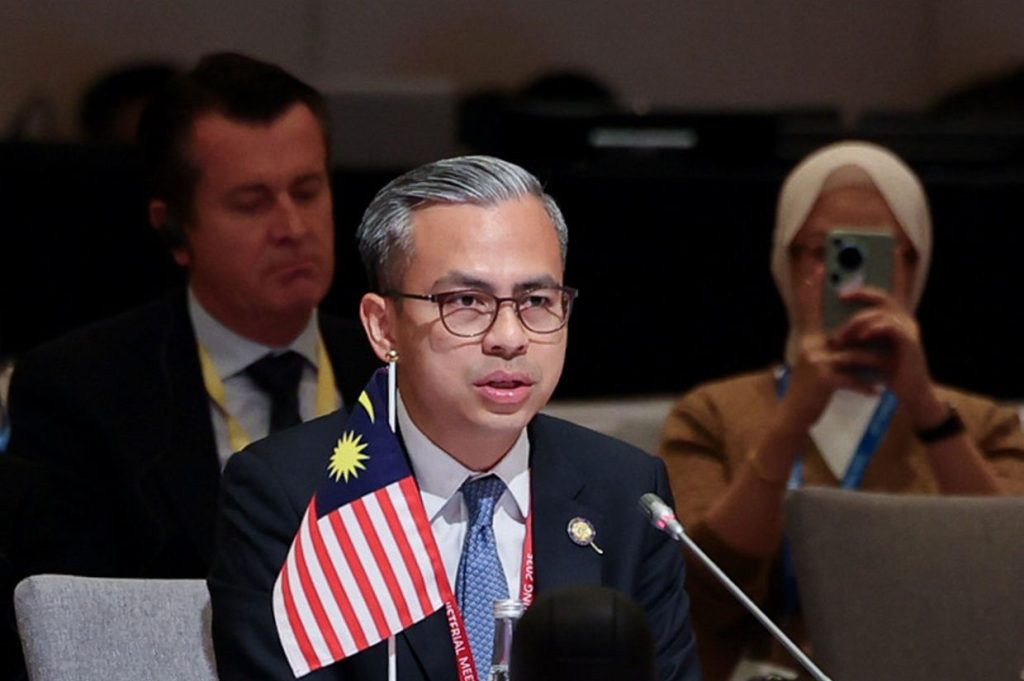
TOKYO: Malaysia has presented its strategic approach to 5G deployment and emphasised its commitment to online security at the Asia-Pacific Telecommunity Ministerial Meeting (APT-MM) 2025, held in Tokyo from 30 to 31 May. Leading the Malaysian delegation for the first time, Communications Minister YB Fahmi Fadzil shared the country’s evolving experience in 5G implementation—from an initial single network model to the current dual network framework. He also highlighted Malaysia’s broader digital transformation initiatives, including the National Digital Network (JENDELA) infrastructure programme. “This platform enables us to showcase the achievements of our digital initiatives and exchange valuable insights with regional counterparts,” said Fahmi. “Our journey in rolling out 5G and executing large-scale infrastructure projects such as JENDELA and Points of Presence (PoP) offers lessons that may benefit other nations.” In addition to infrastructure discussions, Malaysia underscored the urgent need to strengthen online security measures across the region. Fahmi called on APT member countries to increase focus on cyber regulation and monitoring, specifically in addressing online gambling and cyber fraud. “One of the proposals I raised was the need for senior officials to convene annually, potentially through dedicated workshops, to collectively address digital security challenges and explore shared solutions,” he added. During the two-day summit, Fahmi held bilateral discussions with representatives from Japan, Indonesia, Fiji, China, Iran, Australia, the International Telecommunication Union (ITU), and the GSM Association (GSMA). These engagements facilitated knowledge sharing and reinforced regional partnerships. Fahmi also pointed to Australia’s regulatory framework as a reference point, expressing Malaysia’s interest in conducting further studies—either through visits or virtual exchanges—to explore the applicability of similar legal approaches in Malaysia. He noted that agencies such as the Malaysian Communications and Multimedia Commission (MCMC) would play a key role in evaluating these frameworks. Malaysia reaffirmed its aspiration to remain on the ITU Council for the 2027–2030 term, with Fahmi leveraging bilateral meetings to seek support from partner countries. The APT-MM 2025 concluded with the launch of the ‘Tokyo Statement 2025’, which outlines six regional priorities: digital connectivity, digital innovation and entrepreneurship, trust and security, digital inclusion and capacity building, environmental sustainability, and international cooperation. Held under the theme “Harnessing Emerging Technologies for Sustainable, Inclusive and Equitable Digital Transformation in the Asia-Pacific”, the conference brought together 31 member nations and 19 affiliate entities, encompassing governments, regulators, and private sector stakeholders. -Bernama

Energy & Technology, News

China Expands Global Space-Earth Observation Network with Thai-Based Telescope

China has inaugurated its first overseas next-generation radio telescope in Chiang Mai, northern Thailand, marking a significant milestone in international scientific cooperation and enhancing global Earth observation infrastructure. The 13-metre radio antenna, a joint development between the Shanghai Astronomical Observatory and the National Astronomical Research Institute of Thailand, was officially unveiled on 16 May. This advanced telescope is part of China’s broader initiative to expand its global scientific footprint. It will operate in tandem with a second telescope currently under construction in Songkhla, southern Thailand. Once operational, the two stations will strengthen capabilities in deep-space tracking and high-precision Earth monitoring. These developments are expected to contribute to improved GPS accuracy, enhanced climate research, and more precise earthquake forecasting. Ding Chibiao, Vice-President of the Chinese Academy of Sciences, hailed the Chiang Mai telescope as a “role model of scientific cooperation between China and Thailand”. Speaking at the inauguration ceremony, Ding emphasised the significance of the telescope’s launch, coinciding with the 50th anniversary of diplomatic relations between the two nations. Supachai Pathumnakul, Permanent Secretary of Thailand’s Ministry of Higher Education, Science, Research and Innovation, highlighted the project as a testament to the deepening scientific partnership between the two countries. He noted its potential to deliver high-quality data that will support global research initiatives. The collaborative effort began in 2017 with a memorandum of understanding, though construction and activation were delayed due to the Covid-19 pandemic. The telescope successfully captured its first signal in August 2023, and by April 2024 had completed a 24-hour observation session. The data collected met the required precision benchmarks and contributed valuable information on Earth’s rotational dynamics. Technically, the telescope is equipped with a fast slewing antenna capable of quickly shifting between observation targets. It also features dual-frequency receivers to minimise atmospheric interference, alongside high-speed data acquisition and recording systems. These capabilities enable real-time processing of large data volumes, ensuring continuous, highly accurate monitoring of both space and Earth-based phenomena. Both Thai telescopes will operate using Very Long Baseline Interferometry (VLBI), a method that links radio telescopes over vast distances to function as a single, Earth-sized antenna. By analysing the timing of radio signals arriving at each station, scientists can determine their positions with millimetre-level accuracy, supporting detailed observation of celestial movements and tectonic plate shifts. Unlike traditional VLBI systems, which were constrained by lower bandwidths and slower measurements, this new generation of stations offers rapid, uninterrupted monitoring with significantly enhanced precision. These systems are designed to meet the advanced requirements of modern geodesy and space science. The Chiang Mai facility is now integrated into China’s VLBI network, which includes the Tianma-13 and Seshan-13 stations in Shanghai and the Urumqi-13 station in Xinjiang. Each site operates a 13-metre new-generation antenna, forming a cohesive and advanced scientific network. Collectively, they participate in global initiatives under the International VLBI Service, alongside over 30 active stations across Asia, Europe, North America, and other regions. -South China Morning Post

Energy & Technology

Arctech to Supply 175 MW of Solar Trackers for ACME’s Green Hydrogen Project in Duqm, Oman

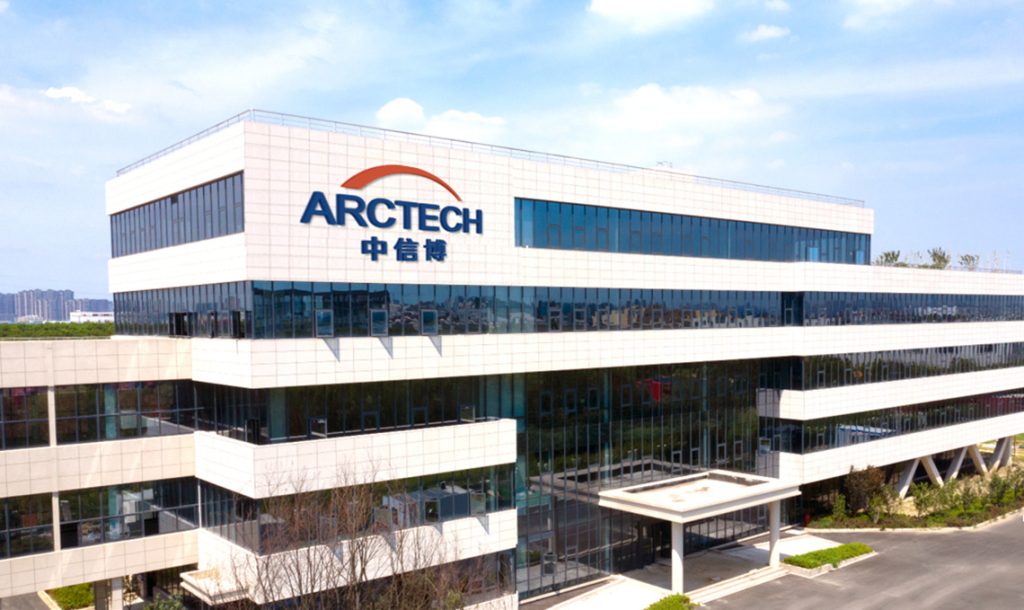
OMAN : Arctech, the global leader in solar tracking, racking, and BIPV solutions, has signed a strategic contract with ACME Cleantech Solutions Pvt. Ltd. a pure play fully integrated Renewable Energy Company in India with a diversified portfolio across solar, wind, hybrid and FDRE projects to supply 175 MWp of solar trackers for the 300 MTPD Green Ammonia Project in Duqm, Oman.   The project is located near the southeastern coast of Oman, a region characterized by coastal desert conditions including sandy soils, high wind speeds (up to 55 m/s), C5-level corrosion exposure, extreme temperatures and high levels of solar radiation, with an annual average of around 5,764 KWh/m2. The area’s favourable climate, with high solar insolation, has made it a prime location for utility-scale solar projects. Arctech will deploy its Signature 1P Single Axis Solar Tracking System Skyline II, engineered for harsh environments, to support the solar PV component powering one of the first large-scale green hydrogen production facilities in the region. The trackers will be delivered in phases starting from July 2025. In recent years, Oman Power and Water Procurement Company (OPWP) has introduced renewable energy initiatives such as a new Concentrated Solar Power (CSP) project in Duqm. OPWP is actively working toward a diverse energy mix, aligning with the national target of sourcing 35–39% of electricity from renewables by 2040. This new partnership reinforces Oman’s long-term vision and positions the Duqm region as a central hub in the global energy transition. This milestone collaboration underscores Arctech’s growing role in enabling renewable energy megaprojects worldwide. The Oman installation is a flagship initiative in industrial decarbonization—integrating solar power with next-gen hydrogen fuel technologies, setting new benchmarks in clean energy integration. Moreover, Arctech has an extensive track record of experience in numerous GW-scale large projects across the globe, which instils confidence in this partnership. “We are pleased to partner with Arctech for our 300 MTPD Green Hydrogen project in Duqm, Oman. This collaboration marks an important milestone in our green hydrogen journey, and we are confident that Arctech’s advanced tracking solutions and project execution capabilities will support us in achieving optimal energy efficiency and reliability under challenging coastal and high-wind site conditions,” said by Vipin Aggarwal, VP of Procurement in Green Hydrogen and International Business. -PR Newswire

Energy & Technology, News

Cloud Telecom Introduces eSIMM ROAM Targeting One Billion Devices by 2025

KUCHING: Sarawak-based telecommunications provider Cloud Telecom has officially introduced its flagship mobile application, eSIMM ROAM, at the Sarawak Trade and Tourism Office Singapore (Statos), positioning the innovation as a game-changer in the international roaming landscape. Leveraging embedded SIM (eSIM) technology, the app is designed to eliminate the persistent challenges associated with global mobile connectivity. The platform offers users a seamless, transparent, and cost-effective alternative to traditional roaming, enabling instant mobile access in more than 140 countries. The company aims to expand coverage to 180 destinations in the near future. “With the app, there will be no more sky-high bills, no more physical SIM cards, and no more connectivity headaches for globetrotters,” stated Statos. The technology is expected to revolutionise how travellers and professionals stay connected globally. As the first Sarawak-based provider to launch a global app-based eSIM service, Cloud Telecom believes the shift towards eSIM will soon make traditional roaming obsolete. Users can activate international data plans with just a few taps, negating the need for local SIM cards and removing the risk of unexpected charges. “This market trend is a complete shift of paradigm, not only inevitable but irreversible,” said the company. eSIMM ROAM was developed in response to the escalating global demand for mobile solutions that are both seamless and economical. Designed for both consumers and small-to-medium enterprises (SMEs), the platform offers comprehensive features including 24/7 customer support, real-time data usage tracking, and instant top-up capabilities. All services are integrated within a single platform, delivering a scalable and future-proof solution. The application is available for download via the App Store and Google Play, including in China. Users benefit from enhanced flexibility, with the ability to browse, purchase, install, and activate data plans directly from the app without the need for physical SIM cards. According to Frank Hwong, Vice-President of Cloud Telecom, more than 40 million users worldwide switched from conventional roaming services to eSIM technology in the past year alone. “By the end of 2025, we estimate that one to two billion smartphones globally will support eSIM technology,” Hwong added, citing substantial projected growth in global adoption. Positioned as an all-in-one solution for managing overseas communication, eSIMM ROAM targets both individual travellers and business users seeking dependable and scalable global connectivity. Cloud Telecom is actively expanding its reach through the launch of its Channel Partner Programme. The initiative invites SMEs, influencers, and individual entrepreneurs to partner with the company and tap into the rapidly growing demand for eSIM services. -The Borneo Post

Energy & Technology

Pertama Digital Secures Extension to Execute Next Phase of National Digital Transformation

Pertama Digital Berhad (PDB) has secured a crucial Extension of Time (EOT) from Bursa Malaysia Securities Berhad, giving the company until 31 October 2025 to submit its Proposed Regularisation Plan. The approval reflects market confidence in PDB’s strategic vision and grants the company the necessary runway to finalise a series of transformative initiatives aimed at advancing Malaysia’s digital public service ecosystem and unlocking long-term shareholder value. The extension marks a turning point for PDB, enabling it to shift gears from planning to execution. Over the past year, the company has been charting a disciplined, impact-driven course, combining strategic acquisitions with internally developed digital solutions. These efforts are specifically designed to address inefficiencies in public sector delivery, enhance financial inclusion, and build trust in government services—placing user experience (UIUX) at the core of its digital-first model. PDB’s regularisation strategy centres on two key pillars: high-impact acquisitions and the expansion of its homegrown digital infrastructure. Central to this is the proposed acquisition of D-Ron Group, a profitable regional tech company with strong operations in Malaysia and Singapore. Known for its expertise in AI-driven surveillance, secure infrastructure, and public safety technologies, D-Ron’s track record of profitability and innovation adds both resilience and long-term growth prospects to PDB’s portfolio. The acquisition, now in its advanced due diligence stage, is expected to be finalised within the EOT period, with the signing of the Share Sale Agreement anticipated in the coming months. Parallel to this, PDB has sealed a strategic partnership with Infobip, one of the world’s top Communications Platform as a Service (CPaaS) providers. This alliance will strengthen government-to-citizen (G2C) engagement through omnichannel communications, AI-driven automation, and robust crisis response solutions. Infobip’s global hypernetwork—which reaches over 7 billion user touchpoints—will play a key role in scaling PDB’s digital reach, both locally and across the region. Beyond acquisitions and partnerships, PDB is accelerating the rollout of rakyat-focused digital initiatives. Its bail payment system, eJamin, has already processed more than RM1 billion in transactions, establishing itself as a core component of Malaysia’s digital public infrastructure. BizKecil, a platform developed in collaboration with a local bank, aims to digitally empower micro and small enterprises, while KOCEK, a financial literacy programme co-developed with Pintar Foundation, has received approval from the Ministry of Education and will be introduced in selected schools nationwide. In addition, PDB is exploring new frontiers in cybersecurity through a potential collaboration with Netsec Sdn Bhd, aimed at bolstering digital resilience for the public sector and high-security agencies. This move aligns with the Group’s wider objective of supporting national digital infrastructure and safeguarding essential public systems. The Board and management of PDB have expressed their gratitude to Bursa Securities for the trust placed in the company. Commenting on the extension, Lim Nasrul Halim, Group Chief Executive Officer Designate, said: “This extension is more than a procedural milestone; it is a vote of confidence in our mission and momentum. We extend our deepest appreciation to Bursa Malaysia Securities, our partners, clients, board, and advisors. Most importantly, we thank the dedicated team at Pertama Digital whose belief and resilience have brought us this far. With this clarity, we move forward decisively to complete our transformation and deliver lasting digital value for the rakyat and the nation.” As PDB moves into what may be its most pivotal chapter yet, its strategy is clear: to unite profitable acquisitions, rakyat-centric innovations, and powerful partnerships that place it at the forefront of Malaysia’s digital transformation. By building accessible, life-enhancing technologies that redefine how the government and society interact, PDB is living up to its core ethos—solutions made for the rakyat, by the rakyat.

Energy & Technology, News

Cebu Pacific Leases Jets to Saudi’s Flyadeal During Off-Peak Season

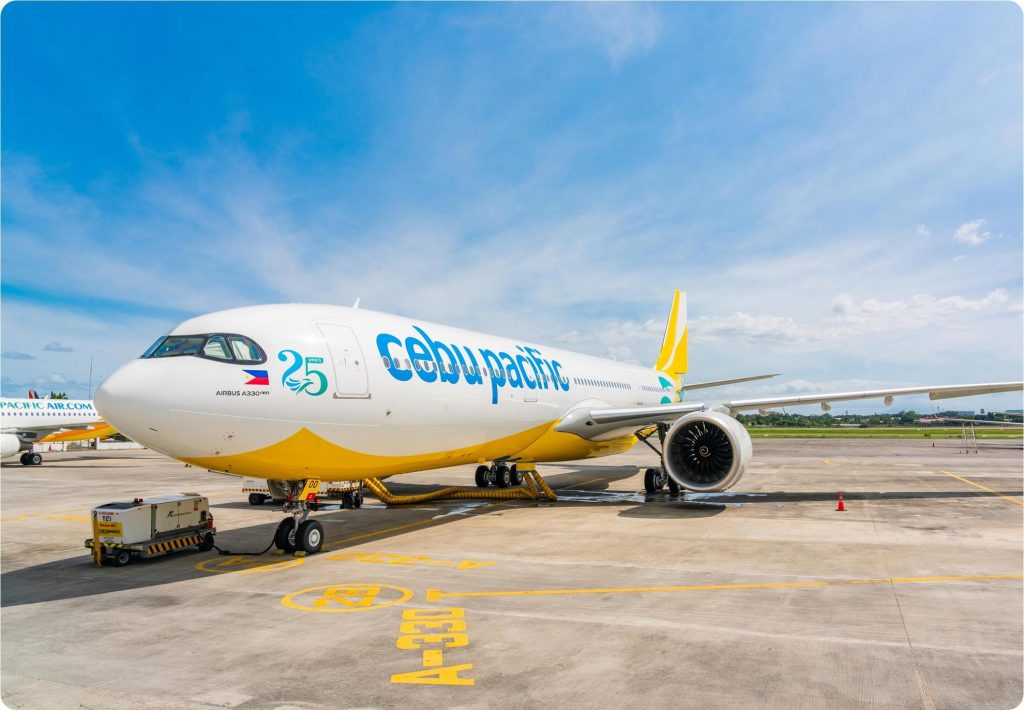
MANILA: Philippine budget airline Cebu Pacific has entered into a short-term wet lease agreement with Saudi low-cost carrier flyadeal, leasing two Airbus A320 aircraft along with pilots, cabin crew and maintenance services. The move is aimed at monetising excess capacity during the Philippines’ traditionally lean travel period in July and August. Under the agreement, Cebu Pacific will deploy the aircraft to flyadeal during the Saudi summer travel peak. The wet lease arrangement allows flyadeal to scale its operations in the high-demand period without the immediate need for additional aircraft or crew recruitment. “We have this natural symbiosis where my peak is not his and vice versa,” said Steven Greenway, CEO of flyadeal, during a joint press briefing. Michael Szucs, CEO of Cebu Pacific, noted that the deal marks a first for the airline, which has historically never leased out its aircraft. However, he signalled that more such agreements could follow as the airline continues to expand its fleet. “We’re testing the waters,” Szucs said. Cebu Pacific had last year placed an order for at least 70 Airbus A321neo aircraft to strengthen its long-term fleet requirements. The new aircraft will gradually be added to its network in the coming years, opening the door for further leasing opportunities during the airline’s off-peak seasons. The partnership also aligns with flyadeal’s broader regional ambitions. The Saudi budget carrier, a subsidiary of Saudia Group, has been ramping up its long-haul operations, recently ordering 10 Airbus A330neo wide-body jets. The airline expects three of the 10 aircraft to be in service by July 2027, with two more arriving later that year. “Southeast Asia is our key destination for these aircraft,” Greenway added in an interview, identifying the Philippines, Malaysia and Indonesia as high-potential markets. “Obviously, the Philippines is interesting because of our partnership with Cebu Pacific.” Flyadeal also views the Philippines as a key market to capture travel demand to and from the Gulf region, especially among overseas Filipino workers and Muslim pilgrims travelling to Saudi Arabia for the annual Haj pilgrimage. The agreement represents a strategic use of underutilised assets for Cebu Pacific while offering flyadeal operational flexibility in its growth trajectory. It also underscores the increasing collaboration between budget carriers as they seek to optimise fleet use and expand into new markets amid ongoing global recovery in the aviation sector.–REUTERS

Energy & Technology

US Solar Makers Spot Tariff Loophole for Southeast Asian Competitors

NEW YORK: US solar manufacturers are calling on the US International Trade Commission (ITC) to close a tariff loophole that could allow millions of dollars’ worth of solar equipment from Southeast Asia to enter the country duty-free before new tariffs are implemented. The ITC recently ruled that solar imports from Cambodia, Malaysia, Thailand, and Vietnam — which collectively dominate the US market — are harming domestic producers. This decision paves the way for tariffs ranging from 34% to 3,521%, depending on the country and manufacturer involved. While the agency stated it would publish the ruling by June 30, the American Alliance for Solar Manufacturing has filed a petition urging the decision be finalised by June 2. The industry group warned that delaying publication could enable companies to flood the US with low-cost panels before the duties take effect. “If the ruling is published after June 2, there is a real risk that millions in equipment could bypass the new tariffs,” the alliance said in its petition. The push adds a new dimension to a long-running campaign by US-based solar manufacturers to improve their global competitiveness and protect domestic manufacturing. According to Wood Mackenzie, developers stockpiled between 40GW and 50GW of solar panels by the end of last year in anticipation of the duties. The ITC has declined to comment on the petition. Companies such as Hanwha Q Cells and First Solar Inc. have attributed the influx of cheap imports from Southeast Asia as a major challenge in sustaining domestic operations, despite federal tax incentives aimed at bolstering clean energy manufacturing. In 2024, the US imported US$12.9 billion in solar equipment from the four Southeast Asian countries, making up nearly 80% of total US solar imports, according to BloombergNEF. These new duties are distinct from broader tariffs introduced during the Trump administration, which sought to counter trade imbalances across multiple sectors.–BLOOMBERG

Scroll to Top

Subscribe
FREE Newsletter