Energy & Technology

Energy & Technology

Uni-Fuels Sets Up Office In Bangkok

Uni-Fuels Holdings Limited, a Singapore-based global marine fuel solutions provider, has expanded into Thailand with the establishment of Uni-Fuels (Thailand) Co Ltd. The move strengthens the company’s global supply and operations network. The new Bangkok-based office follows Uni-Fuels’ earlier 2025 expansions into Dubai, Shanghai and Limassol, reflecting its ongoing efforts to grow its international presence. The Thailand office is expected to enhance regional service coverage by improving operational efficiency, reliability and responsiveness through stronger local supply and delivery capabilities. Senior Vice President of Commercial Alan Tan described the Bangkok office as a key milestone in the company’s global expansion strategy. He said the move strengthens regional capabilities, improves operational efficiency and positions Uni-Fuels to tap into growth opportunities across Southeast Asia. Uni-Fuels said the expansion will enable the group to capture new market opportunities and support sustainable growth along major regional shipping routes. As part of the expansion, the company has appointed Poomin Vichitchaisilp as managing director of Uni-Fuels Thailand. With more than 15 years of experience in the marine fuels and chemicals industry, he will oversee the company’s operations in the country. Vichitchaisilp said the expansion brings Uni-Fuels’ global expertise closer to customers and partners in Thailand, with a focus on delivering reliable and compliant marine fuel solutions while strengthening operations across key shipping hubs.

Energy & Technology

Sarawak Challenges Federal Petroleum Laws In Apex Court

The Sarawak state government has filed a petition in the Federal Court to challenge the constitutional validity and continued applicability of three major federal laws governing Malaysia’s petroleum sector: the Petroleum Development Act 1974 (PDA), the Continental Shelf Act 1966, and the Petroleum Mining Act 1966. In a statement, Sarawak argued that these federal laws encroach on the state’s rights over its natural resources, particularly oil and gas in the seabed of the Continental Shelf. The state cited the Malaysia Agreement 1963 and the Federal Constitution’s Ninth Schedule, which grant Sarawak legislative authority over its petroleum resources. Sarawak contends that the Continental Shelf Act and Petroleum Mining Act were originally only applicable to Malaya and were extended to Sarawak during the post-1969 Emergency period. With the Emergency annulled in 2011, the state maintains that these laws should no longer apply as of June 2012. The petition comes amid a related application by Petroliam Nasional Bhd (PETRONAS), filed on Jan 10, seeking the Federal Court’s clarification on the interaction between the PDA and Sarawak’s 2016 Distribution of Gas Ordinance (DGO). PETRONAS emphasized that its move is meant to ensure compliance with applicable laws and is not intended to hinder Sarawak’s development plans or the role of state-owned Petros. Sarawak has stated it will oppose PETRONAS’ application, arguing that the company’s move falls outside the Federal Court’s original jurisdiction. The state government is therefore seeking a judicial determination on the constitutionality of the federal acts as they apply to Sarawak, asserting that the decision will clarify the regulatory framework for investors in the state’s oil and gas sector. Despite taking legal action, Sarawak reaffirmed its openness to negotiations with the federal government, aiming for an amicable resolution that strengthens national unity and supports sustainable use of the state’s petroleum resources. The dispute has escalated since Petros was appointed sole gas aggregator in Sarawak in 2024, despite a May 2025 joint declaration by Prime Minister Datuk Seri Anwar Ibrahim and Sarawak Premier Tan Sri Abang Johari Tun Openg recognizing both the PDA and the DGO. Other related cases remain before the courts, including Petros’ effort to recover RM7.95 million from a bank guarantee recalled by PETRONAS, with the Kuching High Court setting a decision for Feb 25.

Energy & Technology

MyDigital ID Expands e-Verification To 15 Banks, Fintechs

MyDigital ID has signed agreements with 15 banks and fintech companies to enhance digital identity verification across Malaysia’s financial sector. The participating institutions include Maybank, CIMB Bank, Public Bank, RHB Bank, Hong Leong Bank, AmBank, Bank Islam, Boost Bank, KAF Digital Bank, RytBank, TNG Digital, ShopeePay, Atome, Kale Technology and Finexus. Under the initiative, MyDigital ID’s e-verification solution will be tested and integrated into onboarding and transaction verification processes at these institutions. The move aims to improve identity assurance and reduce risks related to impersonation, account takeovers and other forms of digital fraud. The platform verifies identities in real time against the National Registration Department (NRD) database, which serves as the official source of identity information. This is expected to provide stronger authentication for account openings, digital transactions and other essential financial services. The rollout supports Bank Negara Malaysia’s digitalisation roadmap for the financial sector and aligns with the government’s broader ambition to position Malaysia as a high-income, digitally driven nation by 2030. MyDigital ID is designed to streamline online identity verification while complementing, not replacing, the MyKad system.

Energy & Technology

SC Approves Digital Asset Trading For Stockbrokers

The Securities Commission (SC) has issued a Practice Note allowing licensed stockbrokers to offer digital asset trading under existing regulatory frameworks, rather than introducing a new license category. The guidelines clarify how digital assets meeting prescribed criteria should be treated and outline safeguards to protect market integrity and client interests. Integrating Digital Assets into the Securities Framework The Practice Note applies to Capital Market Services Licence (CMSL) holders authorised to deal in securities, including those limited to listed securities. It is based on the Capital Markets and Services (Prescription of Securities) (Digital Currency and Digital Token) Order 2019, which recognises certain digital currencies and tokens as securities when specific conditions are met. Brokers may offer digital asset services only for SC-approved assets and must comply with additional requirements set by the regulator. The SC retains discretion to grant exemptions or variations as long as regulatory intent is upheld. Requirements for Brokers Before offering digital asset services, CMSL holders must notify the SC with a formal declaration confirming that their operations align with SC guidelines. The declaration must be validated by an independent auditor registered with the Audit Oversight Board. All documentation must be submitted to the SC’s Intermediary Supervision Department before services begin. Trading Rules Digital assets may only be sourced from SC-registered local exchanges or from foreign platforms regulated in jurisdictions aligned with Financial Action Task Force (FATF) standards. Brokers must conduct thorough due diligence on foreign platforms, including verification of licensing, anti-money laundering (AML), counter-terrorism financing (CTF), and counter-proliferation controls. Only SC-approved digital assets may be traded, and all transactions must be on a cash upfront basis. Margin trading or lending of digital assets is prohibited. Brokers cannot exercise discretionary control over client accounts. Protecting Client Assets Client assets, including both fiat and digital assets, must be fully segregated from the broker’s own assets. Digital assets must be held with an SC-registered custodian, unless prior approval is granted to use a foreign custodian. Any income or yield generated by client assets must belong to the client unless explicitly agreed otherwise. Client Disclosures Brokers must provide clear and meaningful disclosure to clients, including details on: Administrative controls and business continuity arrangements Handling of blockchain events, such as hard forks and airdrops Custody and management of clients’ digital assets Operational and Risk Expectations CMSL holders must ensure they have sufficient manpower, expertise, and operational capabilities to manage risks associated with technology, ownership structures, and operational processes. Governance and risk management frameworks must meet standards applied across other regulated capital market activities. A Structured and Cautious Approach The Practice Note establishes a structured framework for licensed brokers to participate in digital asset trading in Malaysia. By embedding digital assets within existing securities regulation and reinforcing client protection principles, the SC aims to maintain orderly market conduct and ensure regulatory oversight.

Energy & Technology

Petronas Names T7 Global Subsidiary As Panel Contractor

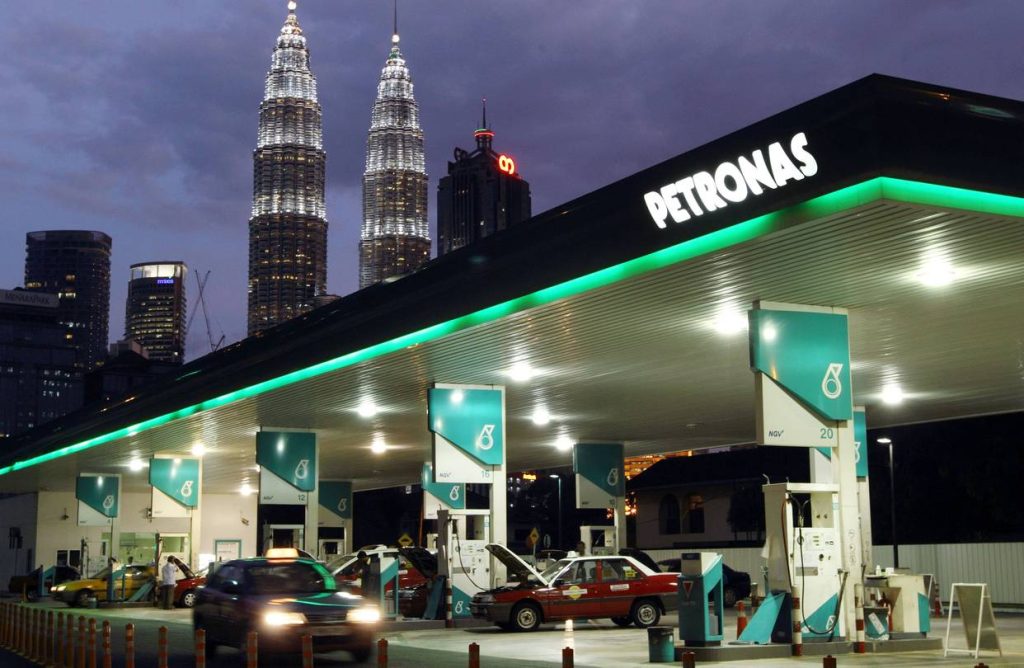
Petroliam Nasional Bhd (Petronas) has appointed T7 Global Bhd’s subsidiary, T7 Intelligent Resources Sdn Bhd, as a panel contractor to provide third-party professional and support services across the Petronas Group. According to a filing with Bursa Malaysia, T7 Intelligent Resources received a letter of appointment from Petronas dated January 1, 2026. The appointment will be valid for a two-year period, allowing the subsidiary to deliver a range of professional and support services as required by Petronas. T7 Global confirmed that its subsidiary received Petronas’ approval on February 20, 2026, to publicly announce the appointment. The company noted that this new role is expected to have a positive impact on its earnings and net assets for the financial year ending December 31, 2026, although the exact contribution will depend on the issuance of work orders by Petronas. The appointment underscores Petronas’ continued reliance on specialised third-party contractors to support its operations and maintain efficiency across its extensive portfolio. For T7 Global, the two-year panel contract represents an important milestone in its growth trajectory, strengthening its position in the professional services sector while enhancing its long-term revenue potential. A spokesperson from T7 Global said the appointment reflects the company’s capabilities and track record in delivering quality services to major clients in Malaysia, reinforcing its strategic goal to expand its role in supporting large-scale corporate and government projects. The panel role will allow T7 Intelligent Resources to collaborate with Petronas on a wide range of operational and administrative services, potentially opening doors for additional contracts and further integration within the group’s supply chain.

Energy & Technology

T7 Global Secures Appointment As PETRONAS Panel Contractor For Support Services

T7 Global Bhd has announced that its subsidiary, T7 Intelligent Resources Sdn Bhd, has been appointed as a panel contractor by Petroliam Nasional Bhd (PETRONAS) to provide third-party professional and support services. In a filing with Bursa Malaysia, the oil and gas services group said the appointment is for a two-year period and covers services to the PETRONAS Group of Companies. The company noted that the award will not affect its issued share capital or major shareholders’ holdings. However, it is expected to contribute positively to earnings and net assets for the financial year ending Dec 31, 2026, subject to work orders being issued by PETRONAS. The latest appointment adds to several contracts secured by T7 Global this year. On Jan 8, its unit Tanjung Offshore Services Sdn Bhd received a work order from PETRONAS Carigali Sdn Bhd for integrated well plug and abandonment services, along with project management team services, for the Zuhal East well. The contract runs from Nov 17, 2025 to March 31, 2026. Previously, the group was also appointed as a panel contractor under PETRONAS’ Pan Malaysia contract for integrated well continuity services covering intervention, workover and abandonment activities. T7 Global highlighted potential risks related to the new appointment, including the availability of skilled manpower, equipment readiness and compliance with regulatory requirements. Nonetheless, the group said it will mitigate these risks by leveraging its experience and technical capabilities in similar projects. Shares of T7 Global closed unchanged at 28 sen on Friday, giving the company a market capitalisation of RM253.07 million. The stock has declined more than 8% year to date.

Energy & Technology

Suzuki Debuts First Electric Car In India With Battery Rental To Cut Upfront Cost

Suzuki Motor has launched its first electric vehicle (EV) in India, introducing a battery rental plan to reduce upfront costs for buyers—a model previously offered only by SAIC Motor’s local venture. The e VITARA SUV, developed in partnership with Toyota under a global model-sharing agreement, has been locally produced in India since August 2025, with 13,000 units exported to 28 countries last year. Maruti Suzuki, Suzuki’s Indian unit, unveiled the base variant of the SUV at an introductory price of 1.1 million rupees (around US$12,100). The battery rental plan is priced at 3.99 rupees per kilometre (0.62 mile), making the EV more affordable upfront. Analysts note that competitive pricing and the battery-as-a-service model will be key to attracting buyers in India, Suzuki’s largest market. The launch comes after over a year of development, as Maruti addressed customer concerns, high battery import costs, and limited charging infrastructure. “Battery as a service is a key factor that will bring buyers to Maruti’s showrooms,” said Gaurav Vangaal, analyst at S&P Global Mobility. He added that the per-kilometre battery cost is likely half that of a comparable combustion engine vehicle. Following the announcement, Maruti shares rose as much as 1.1% before settling 0.6% higher. EV adoption in India is gaining momentum. SAIC Motor’s Indian venture, JSW MG Motor India, introduced the first battery rental scheme in September 2023. EV sales in India doubled in 2025 to around 5% of total car sales, with the government targeting a 30% EV market share by 2030.

Energy & Technology

VentureTech Invests RM28m To Strengthen Malaysia’s Cybersecurity

Government-backed impact investor VentureTECH Sdn Bhd has invested RM28 million in Delta Spike Asia Sdn Bhd and IX Telecom Sdn Bhd to strengthen Malaysia’s cybersecurity and digital infrastructure capabilities. The investment in Delta Spike will support the growth of its cybersecurity platform, enhance operational capacity, and fund regional expansion, as digital threats become more complex. Meanwhile, funding for IX Telecom will help scale its regional operations and commercialise its platform, boosting Malaysia’s role as a digital connectivity hub and enabling smoother cross-border connections for businesses. VentureTECH CEO Ahmad Redzuan Sidek said the investments reflect the firm’s commitment to building strong Malaysian-owned companies in critical sectors such as cybersecurity and digital connectivity. He added that by supporting bumiputera-owned firms with scalable business models, VentureTECH aims to strengthen national resilience while positioning local companies to compete regionally and globally. VentureTECH is a wholly owned subsidiary of the Malaysian Industry-Government Group for High Technology (MIGHT), focused on driving growth in high-value and high-technology sectors through equity investments.

Energy & Technology

Wahdah Targets RM40mil Amid Malaysia’s Tech Push

Malaysia’s efforts to nurture globally competitive technology champions are gaining momentum, with the Malaysia Digital Economy Corporation (MDEC) stepping up initiatives to help high-potential innovators scale through market access, ecosystem partnerships and alternative financing. One notable beneficiary is Wahdah Technologies Sdn Bhd, a Malaysian mobility and travel-tech company that integrates automotive, tourism and transport services into a single digital platform operating across Malaysia, Indonesia and Singapore. Wahdah’s growth highlights how coordinated institutional support is helping Malaysia shift from being primarily a digital adopter to becoming a regional innovation producer. The company is now targeting cumulative projected revenue growth of RM40 million, reflecting increasing investor confidence in Malaysia’s platform-based startups. In a statement, MDEC said the collaboration reflects a broader national strategy to align policy implementation, financing infrastructure and entrepreneurial talent to build regional digital champions. MDEC has played a catalytic role in Wahdah’s expansion by enhancing its industry visibility, onboarding it into strategic digital adoption programmes and facilitating access to new markets. These efforts have strengthened Wahdah’s technological capabilities, refined its platform-driven business model and positioned it for cross-border growth. Further momentum comes from Malaysia Debt Ventures Bhd (MDV), which has provided a RM2.5 million financing facility to support working capital, operational scaling and technology development. MDV, a subsidiary of the Minister of Finance (Incorporated) under the Ministry of Science, Technology and Innovation, offers specialised funding solutions tailored to technology-driven companies, enabling them to accelerate from growth stage to regional contender. MDEC chief executive officer Anuar Fariz Fadzil said the agency remains committed to driving digital adoption and international expansion for promising local innovators, adding that companies like Wahdah demonstrate Malaysia’s ability to develop scalable, export-ready technology platforms. With nearly 100 employees and operational hubs in major Malaysian cities as well as Jakarta and Singapore, Wahdah blends physical service networks with data-driven systems to deliver integrated mobility solutions. Its unified digital ecosystem connects fleet management, vehicle access, tourism services and customer support into a seamless platform.

Energy & Technology

China’s AI Startup Moonshot Aims For US$10B Valuation

Moonshot, the Beijing-based AI startup behind the Kimi chatbot, is targeting a US$10 billion (RM38.99 billion) valuation in an expansion of its ongoing funding round. The company, backed by Alibaba, Tencent, and 5Y Capital, hopes to tap growing investor interest in Chinese startups developing AI models to compete with Silicon Valley. The startup recently secured US$500 million at a US$4.3 billion valuation and has already attracted over US$700 million in commitments from existing backers for the first tranche of the new round. Moonshot’s Kimi K2.5 chatbot is among the most popular large language models on the OpenRouter platform and ranks second in performance among open-source models, just behind Zhipu’s GLM-5. Founded by ex-Tsinghua professor Yang Zhilin, who previously worked at Meta and Google, Moonshot offers subscription plans for its chatbot and enterprise AI solutions. While the company’s valuation would still be below rivals Zhipu and Minimax, both valued over US$29 billion, Moonshot has 10 billion yuan (US$1.4 billion) in cash and is not rushing for an IPO. User growth has surged over 170% month-on-month in late 2025, and the company recently launched a cloud service for paid users to host its OpenClaw AI agent.

Scroll to Top

Subscribe
FREE Newsletter