Energy & Technology

Energy & Technology

Japan To Spend US$36 Billion On US Projects Under Trump-Era Agreement

Japan plans to invest US$36 billion in the United States as the first tranche of its US$550 billion commitment under the trade agreement struck with former President Donald Trump. The projects aim to strengthen supply chains, boost economic security, and foster growth in key sectors including energy, artificial intelligence (AI), and critical minerals. The largest investment is a US$33 billion natural gas plant in Ohio, led by SoftBank’s SB Energy, expected to generate 9.2 gigawatts—enough to power 7.4 million homes. Another US$2.1 billion will go to a deepwater crude export terminal in Texas, while US$600 million is allocated for a synthetic industrial diamond facility in Georgia, operated by De Beers’ Element Six. Japanese and US officials said the investments, part of a tariff-linked trade deal, are designed to deliver safe returns while expanding US industrial capacity, energy dominance, and strategic infrastructure. Most of the US$550 billion fund will be deployed as loans or loan guarantees rather than direct cash investment. The announcement comes ahead of Japanese Prime Minister Sanae Takaichi’s trip to Washington in March and reflects both countries’ focus on energy, AI, and semiconductor priorities.

Energy & Technology

India’s Yotta To Build US$2 Billion AI Hub Using Nvidia Blackwell Chips

India’s Yotta Data Services plans to build one of Asia’s largest artificial intelligence (AI) computing hubs using Nvidia’s latest Blackwell Ultra chips, in a project valued at more than US$2 billion (RM7.79 billion). The plan includes a four-year deal worth over US$1 billion, under which Nvidia will set up one of the Asia-Pacific region’s largest DGX Cloud clusters within Yotta’s facilities. The expansion comes as global tech giants like Microsoft and Amazon ramp up AI data centre investments in India, driven by growing demand for generative AI and efforts to strengthen local computing capabilities. The investment also follows tighter US export controls on advanced AI chips, which have reshaped global supply chains and encouraged deeper partnerships in markets such as India. The AI supercluster is expected to go live by August at Yotta’s data centre campus near New Delhi, with additional capacity from its Mumbai facility. Yotta is part of billionaire Niranjan Hiranandani’s real estate group and operates three data centre campuses in Mumbai, Gujarat and near New Delhi.

Energy & Technology

Sarawak Energy Issues RFP For Five Hydropower Dams

Sarawak Energy Bhd (SEB) recently held a briefing on Jan 30 for a Request for Proposal (RFP) to construct five dams in Sarawak, attracting a large turnout of local and international companies, including Gamuda Bhd, Press Metal Aluminium Holdings Bhd, and firms from Japan, China, and South Korea. The five dams, collectively called the Cascading Power Sources (CPS), will be built in the Tutoh, Belaga, Danum, Balui, and Gaat basins, some bordering Kalimantan. SEB issued the RFP on Jan 17, and the registration deadline is end-February, with RFP submissions due by end-August 2026 — giving bidders six months to prepare. The dams are targeted to begin commercial operation around 2034–2035. The CPS project aims to maximise hydropower potential by developing multiple plants within each river basin, improving efficiency and boosting renewable energy output. Total capacity will range from 50–70 MW for Gaat CPS up to 700–800 MW for Balui CPS. Winning bidders will need to prepare detailed financial models assessing project viability, including projected energy generation, costs, tariffs, financing, and incentives. Preference will be given to companies with a proven track record in hydropower or cascading projects. Contract terms and construction models — whether Build-Operate-Transfer (BOT) or Build-Lease-Transfer (BLT) — are still unspecified. Shortlisted firms will enter a joint development agreement with SEB’s unit SEB Power Sdn Bhd, followed by a power purchase agreement with state-controlled Syarikat SESCO Bhd. SEB aims to achieve 15 GW of installed capacity by 2035, supporting both local demand and exports to regional markets under initiatives like the ASEAN Power Grid. Renewable sources such as CPS, solar, and small hydro are central to this plan. Currently, SEB operates three main hydropower plants — Bakun (2,520 MW), Murum (944 MW), and Batang Ai (94 MW) — and is completing the Baleh project (1,285 MW). It also runs the 842 MW Tanjung Kidurong Combined Cycle Power Plant. SEB has been exporting small amounts of power (200 MW) to Indonesia and plans to export 1 GW to Singapore by 2032 via an undersea cable, which will be developed by a Malaysian–Singaporean consortium. Financially, SEB reported RM1.34 billion after-tax profit on RM7.3 billion revenue in FY2024, with total assets of RM43.47 billion and liabilities of RM49.05 billion. Its largest customer is the Sarawak Corridor of Renewable Energy (SCORE), whose electricity demand has grown from 880 MW in 2013 to 3,700 MW in 2025.

Energy & Technology

Maybank Tests Ringgit Digital Deposits For Cross-Border Payments

Maybank has started piloting ringgit tokenised deposits for cross-border payments using a blockchain platform under Bank Negara Malaysia’s Digital Asset Innovation Hub. The trial involves energy infrastructure firm Yinson Holdings Berhad. The bank will test on-chain cross-border transactions with ringgit and other ASEAN deposit tokens on its permissioned blockchain network to evaluate technical feasibility and operational readiness for secure near real-time transactions. The project also supports the development of next-generation payment infrastructure. This move is part of Maybank’s wider digital transformation strategy, which includes expanding digital asset and tokenisation capabilities across Islamic finance, corporate banking, and wealth management. The bank is also exploring tokenised Islamic finance products such as sukuk and funds with fractional participation. Additionally, Maybank is assessing how programmable money can help SMEs by automating payments from governments and large corporates, potentially improving transparency and access to financing. President and Group CEO Dato’ Sri Khairussaleh Ramli said the initiative aims to deliver practical benefits to clients like Yinson and the broader economy while maintaining high standards of governance, security, and regulatory compliance. Yinson noted that faster settlement cycles could enhance working capital management and reduce foreign exchange and transaction costs. Maybank will continue collaborating with regulators and industry partners as it scales its tokenisation efforts.

Energy & Technology

ByteDance Expands AI Efforts As TikTok Faces Regulatory Scrutiny

Chinese tech giant ByteDance, best known for TikTok, is stepping firmly into the artificial intelligence (AI) space amid regulatory and political pressure on its video-sharing app. The company’s AI chatbot, Doubao, launched in 2023, now serves over 100 million daily users in China, placing it alongside major global AI players like OpenAI and Google. ByteDance has also released its video generator, Seedance 2.0, raising its international profile. ByteDance, which has the biggest AI team in Chinese tech, sometimes pays salaries two or three times the market average to recruit top talent, said industry headhunter Shen Wei.  CEO Liang Rubo has said ByteDance sees AI as an even more important technology than web search. Analysts note the shift reflects ByteDance’s deliberate move from social media toward an AI-focused model, driven in part by scrutiny over TikTok. TikTok has recently faced regulatory challenges abroad. The European Commission flagged the platform’s “addictive features,” threatening fines of up to six percent of ByteDance’s global revenue. In the US, concerns over data security led to the creation of a majority-American-owned joint venture to operate TikTok, with ByteDance retaining less than 20% ownership. ByteDance is heavily investing in AI infrastructure, including billions in microchips from Nvidia, while focusing on scaling Doubao’s capacity, which processes over 50 trillion text tokens daily. The company is aggressively hiring top AI talent, often offering salaries two to three times the market average, as it aims to replicate TikTok’s global success in the AI sector. However, ByteDance faces stiff competition domestically from Tencent and Alibaba and will need to navigate data privacy and geopolitical issues overseas. Industry observers note that while ByteDance has achieved strong user growth, profitability and long-term sustainability for its AI services remain key challenges moving forward.

Energy & Technology

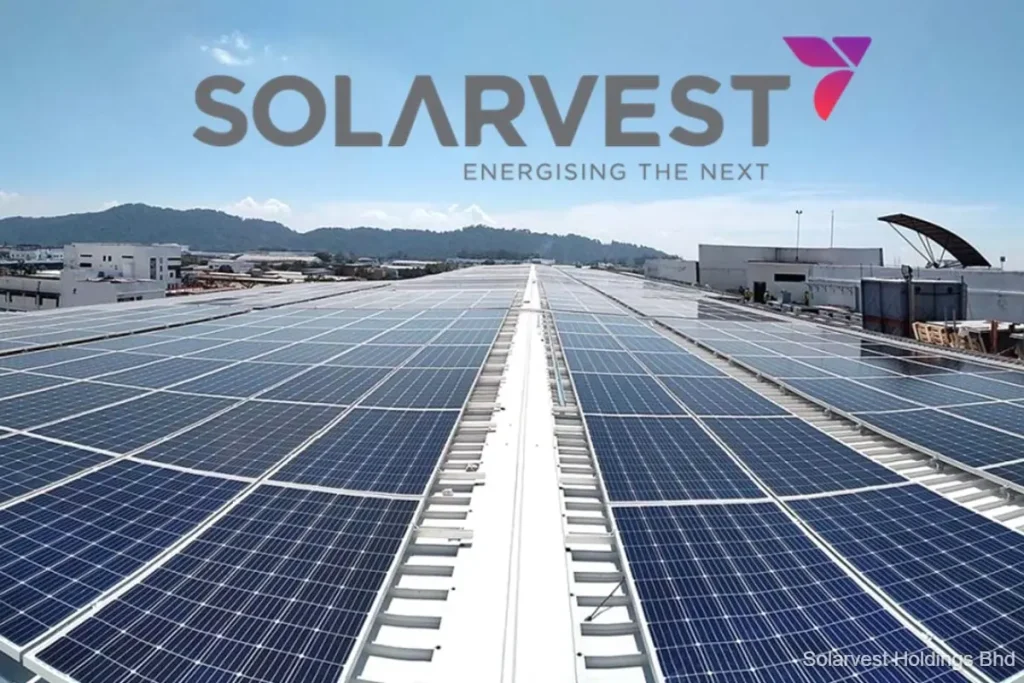
Solarvest To Ramp Up Production As Battery Costs Fall

Malaysia’s largest solar company, Solarvest Holdings Bhd, plans to more than double its electricity generation capacity over the next two years, driven by declining battery costs that make renewable energy projects more feasible. Solarvest Holdings Bhd’s shares have risen 27% over the past year, boosted by new projects and expectations that data centres will drive higher power demand. CEO Davis Chong said rising power demand from AI data centres in Malaysia—projected to need 7.7GW by 2030—offers the company significant growth potential. Solarvest currently operates about 1.2GW of capacity and aims to add another 2GW by next year. Battery system costs in Malaysia have dropped to US$90–100 per kWh from US$230 per kWh a year ago, with further declines to US$60 per kWh expected, accelerating renewable installations and helping grids integrate intermittent energy. The company also sees opportunities to expand overseas, particularly in Vietnam and the Philippines, by the end of the decade. Solarvest, co-founded in 2012, is Malaysia’s first listed solar firm. Its shares have risen 27% over the past year amid new projects and growing electricity demand from data centres.

Energy & Technology

Vietnam Opens First Cross-Sea Drone Delivery Route

Ho Chi Minh City has launched Vietnam’s first cross-sea drone delivery route, connecting Can Gio Commune to Vung Tau Ward, on February 12, according to Radio the Voice of Vietnam. The project was held at the Can Gio Ferry Terminal and jointly organised by the City’s Department of Science and Technology, Vietnam Post, and CT UAV Joint Stock Company. It marks a major step in adopting smart transport solutions, helping boost the digital economy, reduce road congestion, and establish the country’s first cross-sea unmanned postal route. During the launch, a live drone flight transported a parcel from Can Gio to Vung Tau, completing the full process of loading, takeoff, maritime flight, landing, and handover safely. The flight path links the Can Gio Ferry Terminal to the Vung Tau maritime ferry terminal on Tran Phu Street. Initially, Vietnam Post will focus on small parcels under 5kg, including documents and e-commerce goods. The Department of Science and Technology will coordinate operations, with the City High Command overseeing daily activities. The new UAV route significantly shortens delivery times across challenging geographic areas, offers faster shipping with real-time tracking, improves reliability during traffic disruptions, and serves as a pilot for developing low-altitude logistics policies and the “low-altitude economy.”

Energy & Technology

MISC Extends FPSO Ruby II Contract In Vietnam Until 2027

MISC Bhd (KL:MISC) has secured a contract extension for its FPSO Ruby II offshore Vietnam, allowing operations to continue until Dec 31, 2027. The extension was awarded by Vietnam National Industry – Energy Group (Petrovietnam) to Vietnam Offshore Floating Terminal (Ruby) Ltd (VOFT), a joint venture 40% owned by MISC and 60% by PetroVietnam Technical Services Corporation (PTSC). The contract covers the lease, operation, and maintenance of the vessel. FPSO Ruby II has been operating in Blocks 01 & 02 offshore Vietnam since achieving first oil in June 2010. The Aframax-sized vessel has a production capacity of 39,000 barrels per day. The extension includes life-extension works such as equipment replacement and refurbishment. MISC president and group CEO Zahid Osman said the contract renewal reinforces the group’s long-standing partnership with Petrovietnam and PTSC, while supporting its strategy of generating stable cash flow from existing assets through safe and reliable operations. At the midday break on Monday, MISC shares rose four sen, or 0.5%, to RM8.10, valuing the company at RM36.16 billion.

Energy & Technology

France And Malaysia To Strengthen Security, Defence, And Energy Partnership

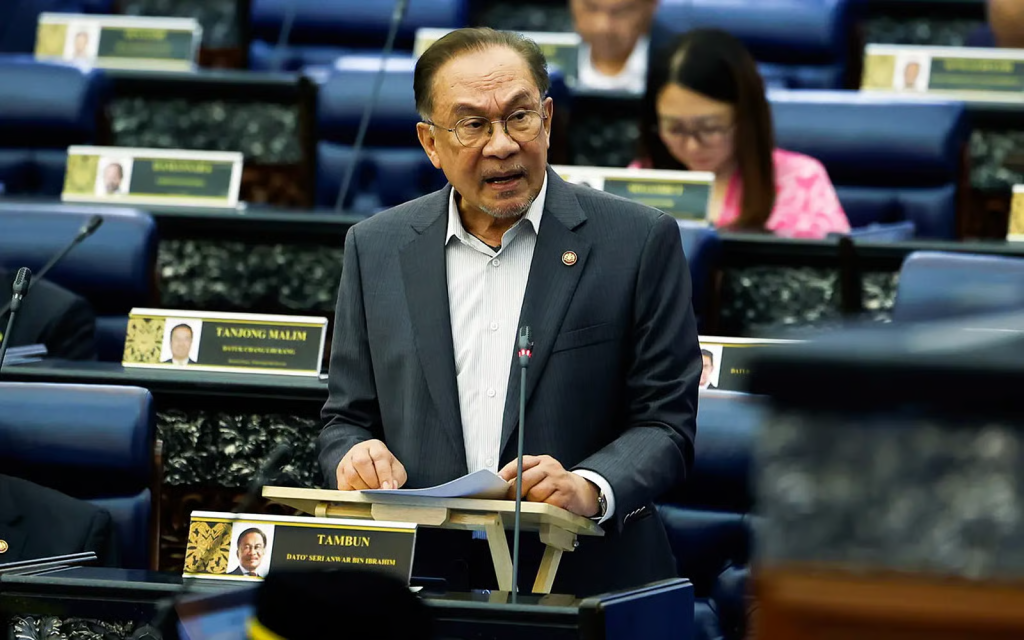
France and Malaysia are set to strengthen their “sovereignty partnership,” focusing on security, defence, and emerging energy sectors to boost strategic autonomy. French Ambassador Marc Abensour said the initiative aims to enhance both countries’ resilience amid growing global technological and security challenges. “Developing your own security and defence capabilities increases sovereignty and autonomy. France has a long-standing relationship with Malaysia in these sectors, and we aim to expand it further,” he explained. The announcement came during the “French Security Days ASEAN 2026 – Malaysia,” organised by Business France, which showcased French security and cybersecurity technologies and facilitated networking and industrial partnerships with Malaysian stakeholders. Beyond defence, the partnership is expanding into energy transition and critical minerals. Abensour highlighted cooperation in civilian nuclear energy and ASEAN power grid development, following Prime Minister Datuk Seri Anwar Ibrahim’s visit to France in July 2025. “France generates over 70% of its electricity from nuclear energy. We can share expertise on nuclear safety and inclusive management of such programmes,” he said. He also cited a recent agreement between Malaysian firm Malaco Mining San Bha and French company Carester on critical minerals as an example of technology transfer supporting Malaysia’s global value chain growth while meeting ESG standards. Jean-François Ambrosio, Director of Business France Malaysia, added that established French firms like Airbus and Sergi, along with newer companies, see Malaysia as a strategic regional hub. “Our next step is to help these companies find local partners and clients to build long-term operations in Malaysia,” he said.

Energy & Technology

Tawau Grid Upgrade Raises Capacity To 400MW

Electricity transmission capacity to Sabah’s east coast has been significantly enhanced following the completion of a RM9.2 million grid upgrade aimed at strengthening supply stability and reducing generation costs in Tawau. Sabah Electricity Sdn Bhd chief executive officer Mohd Yaakob Jaafar said the project involved installing a 132kV capacitor bank at the main Tawau intake substation. Work began in November 2024 and was completed on Dec 31. The upgrade forms part of a broader strategy to channel lower-cost electricity generated on Sabah’s west coast to the east coast, where power production is more expensive due to heavier reliance on diesel generation. “The goal is to transmit more affordable energy from the west coast to the east coast, particularly Tawau, where generation costs are higher,” Yaakob said during a media site visit on Friday. He noted that the earlier upgrading of the 275kV transmission line from Sandakan to Lahad Datu in March last year had already raised east coast supply capacity from about 210MW to 260MW. With the completion of the capacitor bank installation, transmission capacity to Tawau can now reach up to 400MW. Yaakob added that the Energy Commission of Sabah had set a target for the project to be completed before the end of 2025. Sabah Electricity delivered the project on schedule, within budget and without workplace incidents. Tawau’s current electricity demand ranges between 170MW and 180MW daily. Supply is supported by the main grid and three local power stations — HDA Kubota, HDA Tawau and IPP Serudong — with no immediate supply constraints. Although the upgrade was primarily aimed at enabling the transfer of cheaper energy rather than directly reducing outages, service reliability has improved. Tawau’s System Average Interruption Duration Index (SAIDI) has improved from about 180 minutes previously to around 130 minutes. Looking ahead, Sabah Electricity is studying the installation of reactor systems in Sandakan to further strengthen power flow along the east coast corridor. Under the Sabah Energy Roadmap, the utility also plans to gradually phase out diesel power stations in Sandakan and Tawau between 2027 and 2029. These will be replaced with more cost-effective and sustainable energy sources, including large-scale solar projects on both the west and east coasts. Additional renewable energy capacity is also being planned to support long-term supply security in the region. “The objective is to reduce reliance on costly diesel generation and ensure a more stable, affordable and reliable electricity system for Sabah,” Yaakob said.

Scroll to Top

Subscribe
FREE Newsletter