ESG

ESG

FWD Insurance Launches RM400,000 Smartboard Initiative To Teach Money Skills To Youth

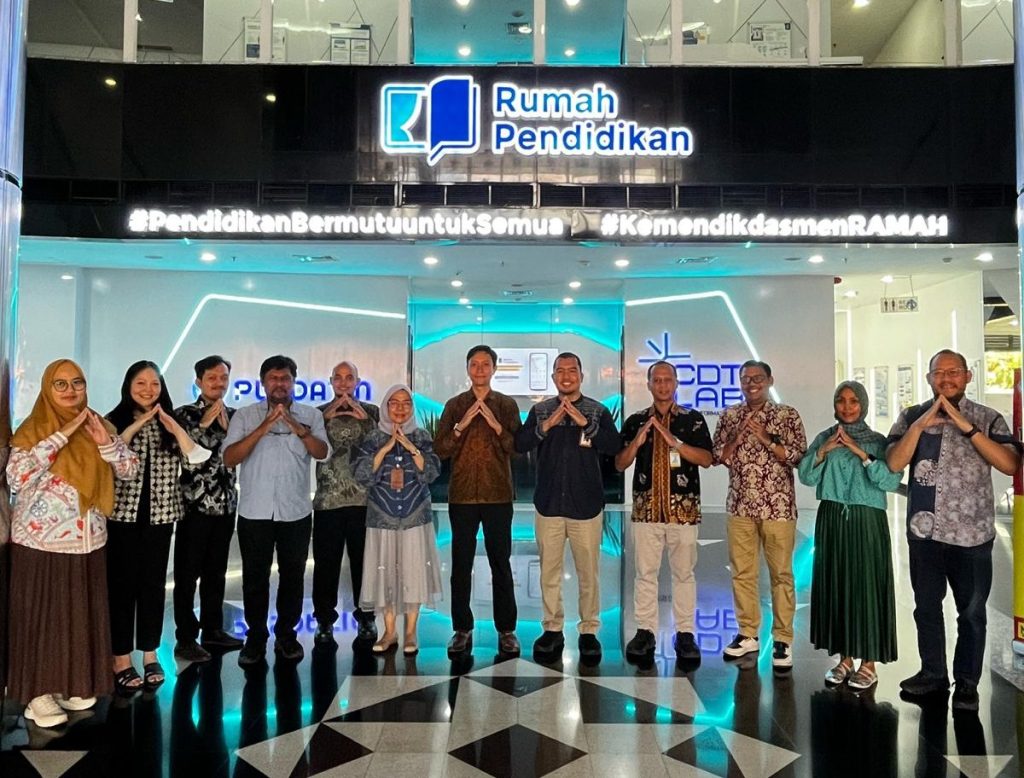
FWD Insurance Berhad (“FWD Insurance”) has sponsored 40 digital smartboards worth RM400,000 to 35 schools under the Pejabat Pendidikan Daerah (PPD) Keramat, as part of its commitment to improving financial education for young Malaysians. Official handover of smartboard by Mak See Sen (right), CEO of FWD Insurance Berhad to En Mohd Helmy bin Abdul Najib (left), Timbalan Pengawai Pendidikan Daerah Sektor Pembelajaran. The initiative, launched to support digital learning and promote financial literacy, was officiated by FWD Insurance CEO Mr. Mak See Sen and Mr. Mohd Helmy bin Abdul Najib, Deputy District Education Officer, Learning Sector. It aligns with the Ministry of Education’s Digital Education Policy (thrusts 4 and 6) and PPD Keramat’s Bring Your Own Device to School (BYODS) Programme. All smartboards have been installed, and students are already using them in classrooms. These tools help integrate digital technology and AI into daily lessons, making financial education more interactive and accessible. “At FWD, we want to change the way people feel about insurance – and that starts with building smart financial habits early,” said Mr. Mak. “This project isn’t just about hardware. It’s about preparing students to make better money decisions that support their future well-being.” The smartboard sponsorship is part of FWD’s broader mission to boost financial literacy across all age groups. Other efforts in 2024 include partnerships with Bank Simpanan Nasional (BSN) for the ‘Know Your Money’ programme, JA Malaysia for the ‘JA SparktheDream’ project, and Arus Academy for ‘Fun(d) for Uni Life’. Through these initiatives, FWD continues to invest in Malaysia’s future, supporting the digitalisation of education and helping young people build the knowledge they need to secure a financially stable life.

ESG

Maybank Launches Southeast Asia’s First Sustainability-Linked Loan For Multinational Corporation

KUALA LUMPUR: Malayan Banking Bhd (Maybank) has become the first commercial bank in Malaysia and Southeast Asia to issue a sustainability-linked loan (SLL), with a US$150 million facility extended to Austria Technologie & Systemtechnik Malaysia (AT&S Malaysia). In a joint statement with AT&S, Maybank said this landmark deal marks the first SLL from a local bank to a multinational company in Malaysia’s semiconductor industry. From left: Datuk John Chong, Group Chief Executive Officer, Global Banking of Maybank; Michael Mertin, President and CEO, AT&S; Petra Preining, Chief Financial Officer, AT&S. The loan complements a US$250 million financing secured by AT&S Malaysia from the International Finance Corporation (IFC) in March 2025. Together, they form part of a parallel loan package arranged by IFC. Proceeds from the loan will support the development of AT&S’ first high-end IC substrate manufacturing facility in Kulim Hi-Tech Park, which will feature advanced equipment and closed-loop recycling systems in line with the company’s sustainability strategy. The plant is set to produce sophisticated IC substrates that are critical for meeting rising demand for high-performance processors, data centres, and AI infrastructure. AT&S noted that with more than US$1 billion invested, this project is the group’s largest initial outlay in Malaysia. The SLL includes targets such as a 31% reduction in annual greenhouse gas emissions by March 31, 2028, using FY2022 levels as the baseline. Maybank’s global banking group CEO Datuk John Chong said the financing aligns with the bank’s strategic push in the semiconductor sector and reinforces its commitment to sustainable finance and the green transition in the region. “This transaction also deepens our collaboration with the International Finance Corporation,” he said. From 2021 through Q1 2025, Maybank has mobilised RM125.46 billion in sustainable financing across ASEAN, exceeding its RM80 billion target ahead of schedule.

ESG

Empowering The Next Generation Of Malaysia’s Forest Stewards

A new generation of conservation leaders officially graduated today from the Youth Conservation Trainee Programme (YCTP), a three-month career development initiative designed by Tropical Rainforest Conservation and Research Centre (TRCRC) to equip youths from diverse and underrepresented backgrounds with the skills and experience to enter the conservation industry. Supported by Yayasan Sime Darby (YSD) and the MADANI Government under the Belanjawan 2025, TRCRC celebrated the achievements of 16 bold and passionate youth, now ready to join Malaysia’s growing green workforce. “As we close this chapter, I believe we leave here not just as graduates—but as caretakers and storytellers for the rainforest,” said Azri Hasbullah, one of the graduating trainees. The graduation ceremony was officiated by key partners and guests, including Dr Hajah Yatela Zainal Abidin (CEO, Yayasan Sime Darby), Azyatul Nurhani Azmi (Treasury, Ministry of Finance), David Dzulkifli (TRCRC Board of Trustees), and Dr. Dzaeman Dzulkifli (Executive Director, Tropical Rainforest Conservation and Research Centre – TRCRC).  “This is more than just a training programme—it is a gateway to opportunity, and a spark for transformation. Through YCTP, we are not only nurturing conservation leaders but also creating pathways for B40 youth to thrive in Malaysia’s green economy,” said Dr Hajah Yatela Zainal Abidin, Chief Executive Officer of Yayasan Sime Darby. “We are proud to support this collaboration with TRCRC and the Ministry of Finance, which reflects our long-standing commitment to both environmental conservation and youth empowerment.” The YCTP, newly rebranded from the long-running G-Team Programme initiated in 2012, is a structured training pathway that bridges academic learning with workplace readiness, with special attention to youth from B40 communities. The programme provides equitable access to conservation careers and begins with theoretical learning at the Elmina Rainforest Knowledge Centre (ERKC), followed by technical fieldwork and Indigenous knowledge exchange at the Tropical Rainforest Living Collection (TRLC-Banun) in Royal Belum, Gerik, Perak. Trainees also participated in field trips and workshops led by experienced conservation professionals. “Conservation was never something we saw advertised as a job,” said Dzaeman Dzulkifli in his closing speech. “But today, it’s one of the most in-demand professions—aligned with Malaysia’s biodiversity goals, ESG priorities, and global climate targets. YCTP gives you the tools, the network, and the experience to thrive in this space.” Trainees shared powerful reflections from their field experiences. “As an educator, I will pass on what I’ve learned from the wisdom of time spent with the indigenous community planting trees in Amanjaya Forest Reserve,” said Vaani, one of the graduates. “Working alongside the field team, I’ve seen what superhumans look like.” “This programme didn’t just give me knowledge—it gave me purpose. Just like my favourite quote from Jane Goodall says: ‘What you do makes a difference, and you have to decide what kind of difference you want to make.’” shared Pei Ying. Angela Moris, Programme Coordinator at TRCRC, noted the programme’s unique integration of scientific knowledge, practical skills, and soft skills. “This year, YCTP reached new milestones with more field trips, stronger engagement with strategic partners, and wider coverage of ecological topics. This programme is about building confidence, leadership, and science communication,” she said. The curriculum includes certified modules in biodiversity, restoration ecology, soil science, and forest management, delivered in collaboration with Universiti Sains Malaysia (USM) and experts from Universiti Malaysia Kelantan Tropical Rainforest Centre (UMK-TRaCe), Universiti Pendidikan Sultan Idris (UPSI), Universiti Malaysia Sarawak (UNIMAS), and Forest Research Institute Malaysia (FRIM). It also includes AI career readiness training in partnership with Mereka.io, helping participants boost their digital competencies and confidence in navigating modern workplace tools. The programme’s final phase included career preparation, where trainees completed mock interviews with conservation employers. Nine out of the sixteen graduates have applied for job opportunities with TRCRC, with others expressing strong interest in working with conservation NGOs across Malaysia.  “Malaysia’s forests need champions like you—individuals who understand the science and care deeply for the land and its people,” said Dr Hajah Yatela to the graduates.

ESG

Tokio Marine Launches Green Insurance Arm with USD1 Billion Target by 2030

Tokio Marine, Japan’s largest property and casualty insurer, has launched Tokio Marine GX (TMGX), a dedicated green insurance unit aimed at supporting businesses transitioning to low-carbon operations. The group is targeting USD1 billion in revenue from the new unit by the end of the decade as it seeks to capture a significant share of the growing global green insurance market. TMGX will provide tailored insurance and advisory solutions for sectors driving the energy transition, including green hydrogen, shipping, cement, floating solar, and small-scale nuclear. The initiative underscores Tokio Marine’s commitment to supporting decarbonisation efforts and unlocking financing for sustainable infrastructure projects. “We’re going to rip up the rule-card a little bit here,” said Fraser McLachlan, who leads both GCube, the group’s renewable energy arm, and the newly formed TMGX. “We’re going to look at some new technologies and explore more sophisticated ways of transferring risk for businesses.” The unit plans to offer coverage of up to USD500 million on individual risks and is aiming for at least 10 per cent of the projected USD10 billion global green premium income market by 2030. Building on GCube’s existing USD200 million revenue base and a 50-person team, both are expected to double in size over the coming years. “There are many sectors that really haven’t been served by the insurance space,” McLachlan noted, highlighting the need for innovative solutions to address physical and operational risks tied to the energy transition. Among TMGX’s novel offerings is tax credit insurance, designed to help unlock project financing. “It’s a win-win. Lenders favour it because it transfers their risk; we value it as we earn a premium for a risk we understand, and it enables projects to be financed on more equitable terms,” McLachlan explained. To accelerate its market entry, TMGX may also partner with managing general agents (MGAs) instead of relying solely on in-house teams. “It’s a pretty quick win and provides instant access to a market,” McLachlan added. The broader goal is to prevent climate-linked infrastructure projects from stalling due to risk constraints. “Unless people start coming to the table with more creative insurance solutions, many of these projects will struggle to move forward,” he cautioned. Tokio Marine Group emphasised that its GX initiative aligns with global capital flows towards carbon neutrality, positioning the insurer to lead in underwriting, consulting, and deploying risk solutions for a decarbonised economy. “We aim to contribute to social development and the growth of various industries by providing insurance solutions and risk consulting, supporting our customers and society in the transition towards carbon neutrality,” the company stated. As the global energy transition accelerates, Tokio Marine is positioning TMGX to play a pivotal role in insuring the future of sustainable infrastructure. -ESG News

ESG

DHL Express and Neste Sign Landmark Deal for 9.5 Million Litres of Sustainable Aviation Fuel

DHL Express has entered into a major agreement with Neste to secure 9.5 million litres, equivalent to 7,400 metric tons, of Neste MY Sustainable Aviation Fuel™ (SAF) from July 2025 to June 2026. The fuel will be produced at Neste’s Singapore refinery, the world’s largest SAF production facility, and deployed on DHL’s intercontinental Boeing 777 freighters operating from Changi Airport. Christopher Ong, Managing Director for DHL Express Singapore, described the partnership as a critical step in advancing emissions reduction for air transport. “This partnership with Neste to procure and uplift SAF for DHL Express’ international air cargo flights from Singapore is a significant milestone for us,” he said. “Not only will it enable us to gain new strides in emissions reduction in air transport, but it also allows us to strengthen our commitment to customers to provide more sustainable shipping options.” Under the terms of the deal, SAF will comprise between 35 and 40 per cent of the total fuel consumption for DHL’s five aircraft based at Changi, which undertake 12 weekly departures to destinations across Asia and the Americas. This marks DHL’s first SAF procurement for international flights departing Singapore. Neste will supply the SAF blended with conventional jet fuel through Changi Airport’s fuel distribution network, leveraging its integrated supply chain. Compared to fossil jet fuel, Neste’s SAF delivers an approximate 80 per cent reduction in greenhouse gas emissions over its lifecycle. Carl Nyberg, Senior Vice President Commercial, Renewable Products at Neste, highlighted the significance of expanding the collaboration. “We are excited to expand our cooperation with DHL to Singapore, a leading aviation hub in Asia Pacific,” he said. “It demonstrates how we are working together with DHL globally to help the company achieve its air transportation decarbonisation targets using a solution that is available at scale today.” This strategic move aligns with Singapore’s Green Plan 2030 and supports the national objective of achieving a 1 per cent SAF usage across all flights—cargo and passenger—by 2026. DHL Express is already among the largest global users of SAF, operating sustainable flights through key hubs in Amsterdam, Stockholm, Brussels, East Midlands, Los Angeles, Leipzig, Miami, San Francisco, Stansted and Nagoya. In 2022, the company introduced GoGreen Plus, a pioneering service enabling customers to address Scope 3 emissions through SAF, using a book-and-claim model that drives measurable decarbonisation benefits across the value chain. In Singapore, DHL has also taken significant steps towards sustainability on the ground by converting its last-mile delivery fleet to electric vehicles, now the largest commercial EV van fleet in the country with 100 vehicles. As part of DHL Group’s Strategy 2030, “New Energy” has been identified as a key growth pillar, with the Group developing end-to-end logistics solutions for the sustainable energy sector including wind, solar, EV batteries, charging infrastructure, energy storage systems, alternative fuels and hydrogen. -ESG News

ESG

Setia Federal Hill Earns Malaysia’s First LEED ND Platinum Certification

SP Setia Bhd has achieved a significant sustainability milestone with its Setia Federal Hill development in Bangsar, Kuala Lumpur, becoming the first project in Malaysia to be awarded the LEED for Neighbourhood Development (LEED ND) Platinum certification. The accolade, conferred by the U.S. Green Building Council (USGBC), was officially presented on 11 July 2025 at the Setia International Centre in Kuala Lumpur. It marks the highest possible rating under the LEED ND v4 framework and underscores SP Setia’s commitment to sustainable, inclusive, and resilient urban planning. Setia Federal Hill was assessed under the 2023 masterplan against criteria including smart location, green infrastructure, innovation, design, and regional impact. The project is designed to foster a walkable, low-carbon community in line with national sustainability objectives. In a statement, SP Setia Executive Vice President Liong Kok Kit expressed pride in the achievement, describing it as a validation of the company’s vision and collaborative effort. “This certification affirms our commitment to building sustainable, resilient, and inclusive communities. It is a testament to our collective vision, dedication, and collaboration that brought Setia Federal Hill to life,” he said. “This is a significant milestone, not only for Setia but also for the broader advancement of sustainable urban development in Malaysia,” he added. Setia Federal Hill spans 52 acres and carries an estimated gross development value (GDV) of RM1.4 billion. The development will comprise two residential towers, offering approximately 1,300 units. In collaboration with Japan’s Mitsui Fudosan, the first tower, Parkside Residences, is scheduled for launch in the second half of 2025. The certification reinforces SP Setia’s position as a leader in environmentally conscious real estate development, setting a new benchmark for integrated urban communities in the country. -The Star

ESG, News

Malakoff and Evergreen Earth Sign MoU to Advance Green Energy in Sarawak

Malakoff Corporation Berhad, one of Malaysia’s leading independent power producers, has formalised a memorandum of understanding (MoU) with Evergreen Earth Sdn Bhd (EESB), a real estate and construction group, to develop green power projects across Sarawak. The MoU exchange took place during the International Energy Week (IEW) 2025 at the Borneo Convention Centre Kuching, witnessed by Sarawak Premier Tan Sri Abang Johari Tun Openg and Deputy Prime Minister Datuk Seri Fadillah Yusof, who also serves as Minister of Energy Transition and Water Transformation. The agreement was signed by Malakoff’s Head of Business Development, Shaja Ibrahim, and EESB Director, Datuk Mohamad Danel Abong. In a joint statement, Malakoff and EESB confirmed that the collaboration will include feasibility studies, site assessments, project development strategies and local partnership models focused on solar photovoltaic (PV) and other renewable energy (RE) ventures. The initiative will also involve the sharing of technical expertise, regulatory insights and market intelligence, alongside coordinated engagement with relevant authorities to obtain necessary approvals and enable grid integration. These efforts are aligned with Sarawak’s Post COVID-19 Development Strategy 2030 and Malaysia’s National Energy Transition Roadmap (NETR), underscoring both parties’ commitment to advancing the nation’s sustainability and clean energy objectives. Malakoff’s Managing Director and Chief Executive Officer, Anwar Syahrin Abdul Ajib, highlighted the significance of the partnership in supporting Malaysia’s clean energy transition. He stated that the projects will play a critical role in reducing Sarawak’s dependence on fossil fuels while contributing to a diversified renewable energy portfolio. “By supporting Sarawak’s efforts to reduce reliance on fossil fuels and diversify its renewable energy mix, we are contributing to the development of a more sustainable and future-ready energy ecosystem,” he said. Anwar added that the green power initiatives are expected to deliver strong socio-economic benefits, including job creation, local talent upskilling and improvements in rural infrastructure. This collaboration builds on Malakoff’s growing renewable energy footprint, which currently encompasses a total generating capacity of 198 megawatts (MW) from solar, waste-to-energy and small hydropower assets. As of June 2025, the company’s rooftop solar capacity stood at 63.6 MW, while its RE portfolio produced 67.0 gigawatt-hours (GWh) of clean electricity in 2024. -Bernama

ESG

Microsoft and Novata Strengthen Alliance to Scale AI-Driven Sustainability Solutions for SMEs

Microsoft and Novata have announced a strategic collaboration to scale AI-powered sustainability solutions for small and mid-sized enterprises (SMEs) on a global scale. Through this expanded alliance, Novata will integrate Microsoft’s Azure AI Foundry—including Azure AI Search—and Microsoft Fabric into its platform, enhancing its capabilities in data management, ESG reporting and sustainability performance tools for Microsoft’s extensive global ecosystem of clients and suppliers. Microsoft will serve as a key distribution partner, supporting the deployment of Novata’s technology through its SME channels. This includes direct access to tools such as Novata’s Carbon Navigator, which is purpose-built to streamline carbon footprint tracking and sustainability planning for smaller businesses. The partnership will also see the co-development of new AI-powered technologies designed to automate and simplify sustainability data collection and regulatory reporting. These innovations aim to ease compliance burdens while simultaneously helping organisations identify opportunities for sustainable growth. Alex Friedman, Chief Executive Officer and Co-Founder of Novata, commented: “We are excited to deepen our relationship with Microsoft, a company that has not only revolutionised productivity but has also been a leader in addressing the climate crisis and leveraging AI for good. This collaboration expands our global reach and strengthens our commitment to providing trusted technology that simplifies sustainability data management, helping companies unlock growth opportunities and enhance their resilience in a rapidly changing world.” Novata will also support Microsoft’s supply chain partners in fulfilling climate reporting obligations, offering scalable, AI-driven solutions that enhance emissions tracking and reporting with improved accuracy and operational efficiency. Jeremy Pitman, Director of Partner Development, Digital Natives and ISVs – Tech for Social Impact at Microsoft, added: “We believe that addressing climate change is both a responsibility and an important business opportunity. Our collaboration with Novata will enable a key segment of our clients to seamlessly and affordably integrate cutting-edge sustainability technology into their operations, empowering them to reduce their carbon footprints and meet their emissions goals.” Since its launch in April 2022, Novata has experienced rapid growth, supporting over 10,000 companies and hundreds of investment firms—including private equity, growth equity, private credit and venture capital—managing assets in excess of $12 trillion. This agreement builds on an existing relationship between the two companies. Microsoft became an investor in Novata through its Climate Innovation Fund (CIF) in 2023. CIF is designed to accelerate the development and adoption of climate-focused technologies by providing capital to companies advancing decarbonisation and sustainability innovation. -ESG News

ESG

Building Asia’s Low-Carbon Industrial Future

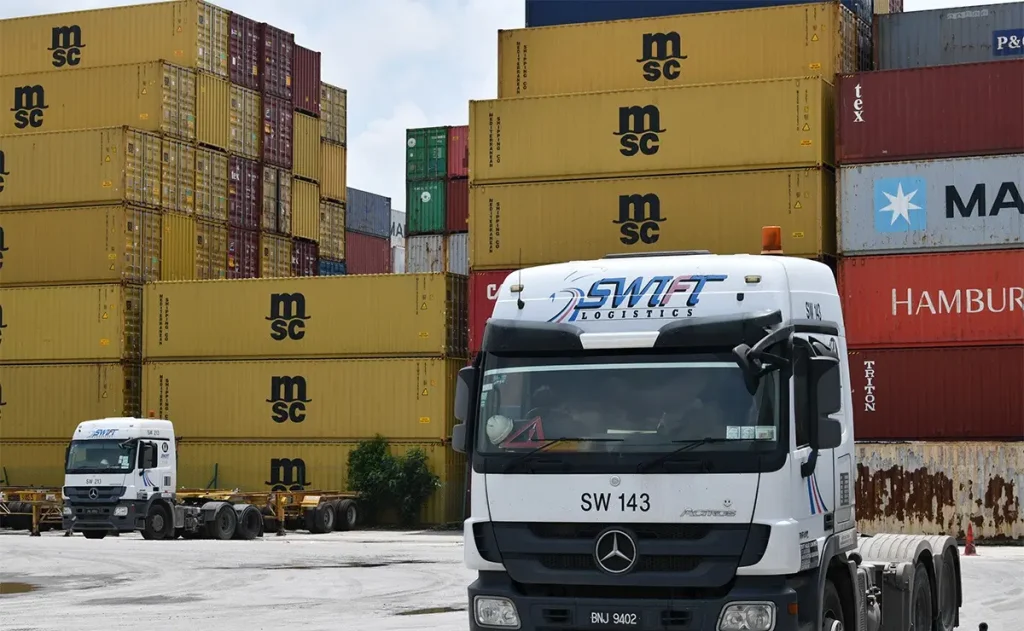
Asia’s rapid industrialisation has long served as an engine of global economic growth. However, with industry now accounting for nearly one-third of global carbon emissions — and Asia’s share more than doubling over the past two decades — the region must lead the next wave: sustainable industrialisation. As global markets shift towards decarbonisation, the industrial sector must adapt to maintain competitiveness. Governments and enterprises are increasingly investing in low-carbon industrial parks — comprehensive, scalable platforms designed to decarbonise operations and position businesses for sustainable, long-term growth. Sembcorp Industries, a recognised leader in renewables and integrated urban solutions, is at the forefront of this transition. Through its development of next-generation industrial parks, Sembcorp embeds sustainability into each phase — from green master planning and low-carbon construction to clean energy provision and circular utility design. These parks are purpose-built to meet the demands of tomorrow’s low-carbon economy, providing critical infrastructure for industries looking to future-proof their operations. Why Low-Carbon Industrial Parks Are Crucial Decarbonising industry is now a strategic imperative for governments, manufacturers, and investors alike. Across Asia, net-zero commitments are intensifying the need to reduce emissions across both operations and supply chains. Meanwhile, consumer demand for sustainably produced goods is growing, and industrial activity is expanding in emerging markets such as Vietnam and Indonesia, propelled by reshoring, digitalisation, and rising domestic consumption. Low-carbon industrial parks offer a turnkey platform to address these converging trends. By delivering reliable clean energy and shared infrastructure, they help tenants reduce carbon intensity, increase supply chain resilience, and sharpen competitive advantage. These ecosystems also support rigorous environmental, social, and governance (ESG) compliance — a key requirement for global trade and capital access. Moreover, they promote responsible land use, inclusive employment, and long-term resource resilience, reducing pressure on local grids and water systems. Upgrading the Old, Building for the New Many existing industrial zones across Asia were designed with speed, not sustainability, in mind. These legacy sites often rely on fossil fuels and lack the infrastructure needed to support decarbonised operations. Retrofitting these facilities demands targeted investment in renewables, energy storage, and digital utilities. While the long-term benefits are clear, high upfront capital expenditure remains a hurdle, particularly for small- and medium-sized enterprises. Innovative financing models and public-private partnerships will be essential to unlocking this transformation. Equally critical is regulatory clarity. Harmonised emissions standards, stable incentive frameworks, and cross-border policy alignment are necessary to mobilise investment and accelerate action. Without such enablers, progress on industrial decarbonisation could stagnate. Delivering low-carbon industrial ecosystems at scale requires deep collaboration. Developers, tenants, energy providers, and governments must align on shared objectives. Integrated players such as Sembcorp are well positioned to deliver the end-to-end infrastructure and solutions needed to enable this shift efficiently and cost-effectively. Scaling Across Asia With more than 35 years of experience, Sembcorp has established a strong track record across Asia’s high-growth markets, including Vietnam, Indonesia, and China. To date, the company has developed 24 industrial parks covering 14,800 hectares, home to over 1,000 tenants and attracting nearly US$58 billion in cumulative investment. By 2028, Sembcorp aims to expand its footprint to 18,000 hectares and increase leasable industrial space to 1.5 million square metres — positioning itself at the forefront of sustainable industrial growth in the region. Designing for Sustainability and Performance Sembcorp’s low-carbon industrial parks integrate renewable energy, circular utilities, and advanced ESG-enabling technologies to deliver both environmental and commercial value. Renewable energy infrastructure is already in place, including large-scale solar deployment. The company is actively exploring wind energy to further diversify its clean energy mix and is investing in energy storage systems to enhance grid stability. Power purchase agreements offer tenants direct access to renewables. Digital platforms also play a pivotal role. Tenants use Sembcorp’s proprietary GoNetZero™ system to manage renewable energy certificates, track carbon credits, and monitor emissions. This supports transparent reporting and data-driven ESG performance. Water and waste management systems are equally advanced, with capabilities for industrial wastewater treatment, water reuse, and the use of low-carbon construction materials. Sembcorp’s ready-built facilities meet green building standards, helping tenants reduce operating costs, enhance ESG credentials, and create healthier, more productive workspaces. Circular industrial design further enables the closed-loop use of materials — from transforming plastic waste into building components to facilitating by-product exchanges between tenants. Accelerating the Transition In Vietnam, Sembcorp has built 20 Vietnam Singapore Industrial Parks (VSIPs), which integrate industrial facilities with renewable energy, water management, and waste solutions. The Sembcorp Logistics Park Hai Phong, for instance, supports Vietnam’s industrial and urban development goals with rooftop solar installations that lower emissions. In Indonesia, Sembcorp is developing Kendal Industrial Park — the largest township of its kind in Central Java and a designated Special Economic Zone. It offers investment incentives and is emerging as a regional hub for clean technology supply chains. The company is also launching the Tembesi Innovation District in Batam — a new low-carbon industrial park. In China, Sembcorp supports the country’s dual carbon goals through high-tech industrial zones that integrate clean energy, water reuse, and sustainable urban planning. The Sino-Singapore Nanjing Eco Hi-Tech Island, in particular, exemplifies innovation in climate resilience and smart city design. Looking Ahead Asia’s low-carbon industrial transformation is gaining momentum. However, scaling these ecosystems will require bold collaboration across sectors, long-term capital deployment, and harmonised regulatory frameworks. Sembcorp remains committed to leading this transformation, integrating planning, utilities, and digital innovation to build resilient, low-carbon industrial parks across Asia — enabling sustainable growth for decades to come. -The Edge

ESG

Affin Group Secures MSCI ESG Rating Upgrade to ‘AA’

Affin Bank Berhad has received an upgrade in its environmental, social and governance (ESG) rating by Morgan Stanley Capital International (MSCI), moving from ‘A’ to ‘AA’, according to the latest ESG Ratings report. In a statement, Affin Group attributed the enhanced rating to improvements in its corporate governance practices. These include strengthened board oversight, greater accountability, and increased transparency, in alignment with international best practices. MSCI’s assessment highlighted the Group’s outperformance relative to industry peers in several key areas, including corporate governance, consumer financial protection, and data privacy. The Group’s approach to cybersecurity risk mitigation, product transparency, whistleblower protection, and business ethics was found to be either in line with or exceeding global standards. President and Group Chief Executive Officer Datuk Wan Razly Abdullah welcomed the recognition from MSCI, stating that the AA rating reflects the progress made in integrating sustainability across the organisation. “This recognition affirms the tangible progress we have made in embedding sustainability into our operations, culture, and governance. Sustainability is more than compliance; it is a core driver of how we create value for our stakeholders and ensure long-term resilience,” he said. Affin Group reaffirmed its commitment to ESG principles, noting that it continues to deliver purpose-led products and services such as green financing, ethical investment solutions, and inclusive digital offerings aimed at advancing financial well-being and environmental responsibility. The Group also cited recent initiatives within its SME banking portfolio designed to support social enterprises, environmentally conscious borrowers, and underserved communities, reinforcing its strategy to deliver both commercial and societal value. -Bernama

Scroll to Top

Subscribe
FREE Newsletter