ESG

ESG

Meta Bright Starts Commercial Operation Of Solar Project For Sinergi Perdana

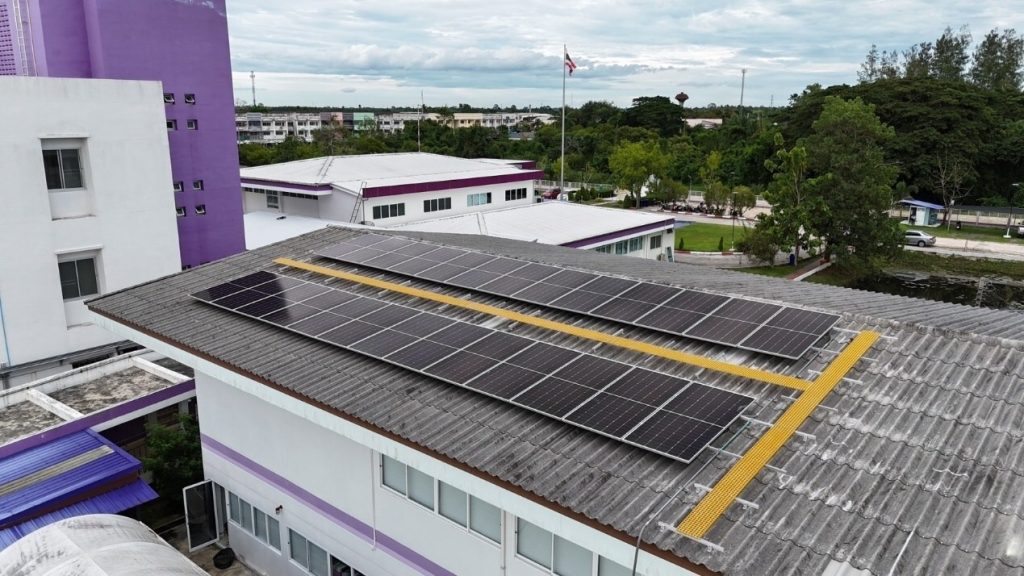
KUALA LUMPUR: Meta Bright Group Bhd (MBGB) has achieved its commercial operation date (COD) for its solar project under the solar photovoltaic (PV) zero capex program for Sinergi Perdana Sdn Bhd (SPSB) on March 21, 2024. SPSB is owned by the Rubber Industry Smallholders Development Authority (RISDA), which is part of the Ministry of Rural and Regional Development. The solar project, developed by MBGB’s wholly-owned subsidiary FBO Land (Setapak) Sdn Bhd (FLSB), has a capacity of up to 401.76 kWp. MBGB executive director of corporate and strategic planning Derek Phang Kiew Lim said the successful completion of installation for the solar project with SPSB marks a significant milestone in the company’s journey towards sustainability. “This project not only exemplifies our commitment to renewable energy but also aligns with the government’s initiatives to promote clean energy solutions. “We are excited about the positive impact this project will have on our earnings and the environment,” he said in a statement. This initiative is part of a 21-year renewable energy supply agreement, offering SPSB a 20 per cent discount to the prevailing Tenaga Nasional Bhd (TNB) tariff rates, equipped with imbalance cost pass-through (ICPT). Further, this project is estimated to mitigate approximately 380.81 tonnes of CO2 emissions annually, thus contributing significantly to environmental sustainability by reducing carbon footprints, combating climate change and promoting cleaner energy alternatives. In addition to the successful installation of the Sinergi Perdana project, MBGB is actively pursuing new opportunities in the renewable energy sector. The company is currently exploring projects in the Commercial & Industry (“C&I”) segment worth approximately RM34.7 million. MBGB stated that the total value of projects that have completed installation stands at approximately RM3.55 million. Additionally, the company has projects currently in progress valued at around RM11.89 million. The commercial operation of this project is expected to provide MBGB with sustainable earnings income, contributing positively to the company’s long-term financial stability. Furthermore, the project is projected to mitigate a significant amount of CO2 emissions, reinforcing the company’s dedication to clean energy and a greener, sustainable future. The solar program’s acceptance by SPSB is a testament to the trust placed in MBGB’s ability to deliver mutually beneficial and sustainable renewable energy solutions. The company is optimistic about expanding participation in its solar PV zero capex program with other Malaysian enterprises, demonstrating its capability to contribute to sound environmental, social, and governance (ESG) practices.

ESG

Maybank, Gentari Collaborate To Empower Sustainability Journey

KUALA LUMPUR: Malayan Banking Bhd (Maybank) and clean energy company Gentari Sdn Bhd signed a memorandum of understanding (MoU) to collaborate and explore green mobility and renewable energy solutions. This marks Gentari’s first collaboration with a financial institution, signifying an aligned commitment with Maybank to drive the adoption of sustainable solutions in the market. The collaboration will further strengthen Maybank’s sustainability goals, aiming to achieve a carbon-neutral position of emissions by 2030 and a net zero carbon equivalent position by 2050. Maybank community financial services group chief executive officer Syed Ahmad Taufik Albar said the bank is committed to becoming the sustainability leader in Southeast Asia, driven by sustainable financing and a crucial agent for low-carbon initiatives. He said Maybank’s focus on delivering value-based solutions grounded in sustainable and ethical principles while meeting the market’s growing demand for eco-conscious practices. “We offer comprehensive solutions in green mobility and renewable energy. “Embracing our purpose of humanising financial services, we support our customers with a complete ecosystem: best-in-class, value-based offerings that are both within and beyond traditional banking,” said Taufik Albar in a statement. As of December 2023, Maybank has surpassed its sustainable financing targets, mobilising RM34 billion for the year, well ahead of its 2023 target of RM16 billion, with a cumulative achievement of over RM68 billion, against the targeted RM80 billion by 2025. The strategic partnership marks a significant milestone, harnessing Gentari’s well-established expertise in the green mobility and renewable energy sector and underscoring Maybank’s commitment to championing sustainable practices and innovative solutions. With Gentari as the clean energy solutions partner in this journey, Maybank is installing charging points for electric vehicles (EV) and hybrid vehicles at its network of premises and branches nationwide, beginning with ten strategically chosen locations. Having the widest network of direct current (DC) fast chargers in Malaysia, Gentari offers EV and hybrid vehicle owners in Malaysia access to over 335 charging points, including more than 100 DC fast chargers, which enable rapid charging for EV and Hybrid vehicles. This collaboration will extend Maybank Islamic’s InCharge pre-credits to include Gentari’s charging stations, giving customers more access and benefits. Maybank Islamic InCharge is an EV pre-credit incentive programme for EV and hybrid vehicle owners with Maybank Islamic Auto financing with credits useable at selected charging stations. Meanwhile, Maybank’s small and medium enterprises (SMEs) customers will have access to consultancy and advisory services facilitation with Gentari as the clean energy industry expert in Maybank’s myimpact SME Hub. Other areas of collaboration include cross-branding and marketing efforts of the entire suite of Maybank product offerings, including financing, insurance and takaful, card partnerships and others, leveraging on Maybank’s financial offerings and digital platforms with Gentari’s expertise and facilities. “A just energy transition requires diverse stakeholders to unite to make clean energy more accessible, sustainable and affordable. “This collaboration unites Maybank’s suite of financing and insurance solutions with Gentari’s green mobility and renewable energy offerings, marking the collaboration between like-minded partners dedicated to making the shift towards a sustainable lifestyle attainable,” Gentari deputy chief executive officer Shah Yang Razalli, also the chief executive officer of Gentari Green Mobility. The exchange between Maybank and Gentari occurred in a closed-door ceremony attended by the senior management of both companies. The partnership aims to create greater awareness and more opportunities for individuals and businesses to make a positive impact through sustainable choices and contribute meaningfully to a better tomorrow.

ESG

PNSB, IJM and LSH Collaborate To Transform Selangor’s Economy With Cohesive ESG Infrastructure Initiatives

KUALA LUMPUR: Permodalan Negeri Selangor Bhd (PNSB), IJM Corporation Bhd (IJM Corp) and Lim Seong Hai Capital Bhd (LSH) signed a strategic collaboration targeted at transforming the road transportation infrastructure in the southern districts of Selangor. Leveraging the combined strengths of PNSB, IJM Corp, and LSH, PNSB will take the lead in planning, land management and project oversight, showcasing its commitment to Selangor’s strategic ambitions, while LSH and IJM Corp’s industry expertise will ensure effective execution and delivery. This initiative is focused on the Southern Selangor Integrated Regional Development (IDRISS). IDRISS aims to harness the economic potential of the Sepang and Kuala Langat districts and is expected to significantly contribute to Selangor’s development as a key hub for regional trade and investment. Development projects within IDRISS cover a wide range of sectors, including industrial, logistics, warehousing, ports, commerce, housing, tourism and education. PNSB chief executive officer Raja Ahmad Shahrir Iskandar Raja Salim said this partnership underscores the agency’s commitment to harnessing the economic potential of Southern Selangor. “Leveraging PNSB’s extensive experience and deep understanding of the state’s local development needs, alongside the collective strengths of LSH and IJM Corp, we aim to create a robust infrastructure that supports our long-term vision for the region’s growth and development while incorporating sustainable elements within an environmental, social and governance (ESG) framework,” he said in a statement. An intent to collaborate agreement was signed between the three parties, signifying a unified commitment to this vision. The collaboration will study various viable connectivity routes and plans to introduce key transportation links. These efforts aim to improve connectivity, reduce travel time and create new development corridors. The initiative seeks to invigorate local economies by bolstering Selangor’s logistics and transport efficiency and providing better access to markets, services, and employment opportunities. In addition to immediate infrastructure enhancements, the projects will incorporate nature-positive infrastructure, including renewable energy, energy-efficient designs, sponge city planning model for flood mitigation and rehabilitation of mangrove forests, supporting Southern Selangor’s sustainable development. IJM Corp group chief executive officer and managing director Lee Chun Fai said the company’s involvement in this initiative draws upon its core expertise in construction and infrastructure development to support Selangor’s growth. “We aim to meet the state’s immediate and future infrastructure needs, ensuring long-term benefits. “Our approach is pragmatic, focused on the well-being of the community and sustainable regional development,” he said. LSH non-executive chairman Tan Sri Lim Keng Cheng said the company is excited to join forces with PNSB and IJM Corp on this strategic venture. “Our combined expertise in capital management and infrastructure development will ensure the successful realisation of the IDRISS initiative. “This collaboration aims to elevate Selangor’s transportation infrastructure, becoming the backbone of the region’s economic growth,” he said. This collaboration also represents a crucial step toward improving infrastructure connectivity and enhancing the economic landscape of Selangor’s southern districts. It seeks to create a vibrant ecosystem conducive to business and investment, signalling a brighter outlook for the state.

ESG

Nestlé Malaysia Starts New biomass Boiler For Its Industrial Complex In Chembong

KUALA LUMPUR: Nestlé Malaysia Bhd is further reducing its carbon footprint with the operation of its new biomass boiler at its Chembong factory in Rembau, Negeri Sembilan, reflecting the company’s strong environmental, social and governance (ESG) commitment. The biomass boiler started operations at the Chembong factory at the end of 2023 and uses oil palm empty fruit bunches (EFB) and palm kernel shells as renewable energy sources. It replaces fossil fuels to generate steam for heating processes in its manufacturing operations. This approach is part of a natural carbon cycle and does not contribute to long-term carbon emissions, making it carbon neutral. This innovative solution significantly reduces net CO2 emissions compared to fossil fuels, and it also aids in the reduction of other greenhouse gases. It is projected to significantly decrease the factory’s greenhouse gas emissions by 14,000 tonnes of CO2e annually while simultaneously minimising pollution, reducing landfill waste, and preserving valuable natural resources. Costing RM18 million to install, the biomass boiler was developed and installed by technology partner Enco Systems Sdn Bhd, a total boiler solutions provider. Officiating the biomass boiler at the factory, Negeri Sembilan chief minister Datuk Seri Utama Aminuddin Harun said driving meaningful change and sustainable development requires a collective effort, with the public and private sectors playing a role. “As such, I laud forward-thinking companies such as Nestlé Malaysia that are going the extra mile to champion sustainability in their business by taking proactive measures to minimise their carbon footprint. “This aligns with the state government’s shared values of environmental stewardship and responsible economic growth,” he said. Established in 1993 and expanded in 2019 to meet growing local and regional demand, the Chembong factory is Nestlé Malaysia’s largest Milo plant in the world. Over the past three decades, the factory has given rise to job creation, economic opportunities and community engagement. With a fully Malaysian manufacturing workforce, it is also an important production centre for other key brands such as Kit Kat, Nestlé Ice Cream and Koko Krunch. All products are halal-certified and made in Malaysia for local and global consumption, exporting to more than 20 countries worldwide. Nestlé Malaysia chief executive officer Juan Aranols said the company celebrates a 30-year journey of its Chembong factory with the official launch of this important sustainability investment. “This initiative enables us to make significant progress towards our environmental goals, namely the reduction of our carbon footprint as a responsible manufacturer and also allows us to impact the Chembong community and honour our environmental commitment positively. “It also serves as a testament to our dedication to producing high-quality products made in Malaysia by Malaysians,” he said. Aranols said that Milo is taking further strides towards a more sustainable future by adopting a biomass boiler and using renewable electricity. “Milo’s colour is green, and we are making Milo even greener for the planet and all Malaysians, with the adoption of cleaner technologies that complement further the move to renewable electricity implemented in 2022,” Aranols said

ESG

Malaysia Airlines Boosts Sustainability with Corporate Carbon Program

KUALA LUMPUR: National carrier Malaysia Airlines is elevating its commitment to sustainability with the launch of Malaysia Airlines Corporate Carbon Programme. This makes Malaysia Airlines the first airline in the country to introduce such an initiative. This initiative is designed to empower corporate customers, focusing on business travellers, by providing a comprehensive platform to understand and offset the carbon emissions associated with their travel. As part of its commitment to environmental responsibility, Malaysia Airlines is collaborating with climate tech company CHOOOSE to drive its corporate carbon programme. This expansion builds upon the airline’s previous success with a voluntary carbon offset program introduced in June 2023. Malaysia Aviation Group (MAG) group chief sustainability officer Philip See said extending the airline’s carbon programme to its corporate customers reaffirms MAG’s commitment to meeting net-zero targets and addressing carbon emissions, empowering corporate clients to meaningfully participate in MAG’s sustainability journey. “We look forward to complementing the support of certified climate projects with the option to support SAF in the near future, recognising its crucial role in decarbonising the aviation industry. “By leveraging technology and partnerships, we hope to drive meaningful change in aviation guided by the MAG Sustainability Blueprint,” he said in a statement. The Malaysia Airlines Corporate Carbon Programme goes beyond traditional carbon offsetting by offering corporate clients the opportunity to support certified climate projects. The programme will extend its offerings to include sustainable aviation fuel (SAF) credits, allowing corporate clients to actively contribute to sustainable aviation practices. The Malaysia Airlines Corporate Carbon Programme will enable corporate clients to access their own company portal to estimate and manage their carbon footprints more accurately. Additionally, they can contribute towards projects that remove or reduce carbon emissions worldwide. Through this programme, companies can also view detailed analytics on emission trends, access in-depth carbon project content, and track their cumulative support for selected climate projects while addressing their Scope 3 emissions. CHOOOSE chief executive officer Andreas Slettvoll said the company would continue to support Malaysia Airlines in growing its carbon programme to include not only individual travellers but also corporate customers. “If the aviation industry is to successfully decarbonise by 2050, it’s crucial for airlines to employ multi-faceted programmes. “It’s encouraging to see Malaysia Airlines put an emphasis on sustainability by expanding its programme. “Additionally, we look forward to enabling the support of SAF through the Malaysia Airlines Passenger Carbon Programme and Corporate Carbon Programme next,” he said, The programme reflects Malaysia Airlines’ dedication to sustainability, aligning with global initiatives for an environmentally conscious aviation industry. The airline invites corporations to join this collective effort to address climate change by contacting their corporate relationship manager or logging on to the MHbiz PRO portal.

ESG

Graphjet Technology Obtains Shareholders’ Nod For US$1.38bil Nasdaq Listing

KUALA LUMPUR: Green graphite producer Graphjet Technology Sdn Bhd (GTSB) is en route to be listed on the Nasdaq after shareholders approve raising US$1.38bil from the market. In this pivotal moment for GTSB’s corporate journey, the company is set to enhance its global footprint by listing on Nasdaq under the ticker ‘GTI,’ showcasing a minimum pro forma enterprise value of US$1.38 billion. This is after GTSB obtained Energem Corp’s shareholders’ approval for the business combination between the two entities. Further, this development heralds a new chapter for GTSB and the broader green technology sector, reinforcing the company’s pioneering role in developing advanced green battery anode materials. A total of 80.16 per cent of the votes were in favour of the approximately 85.08 per cent of votes cast at the meeting on February 28, 2024. Following the closing, the combined company will operate as GTSB, and its ordinary shares and warrants are expected to begin trading on the Nasdaq Global Select Market under the new ticker symbols GTI and GTIWW, respectively. GTSB, recognised for its patented technology that converts palm kernel shells into valuable graphene and graphite, is pioneering sustainable material production and shaping a green supply chain for battery anode materials globally. This unique approach showcases the company’s innovative prowess and underscores its commitment to sustainability and environmental, social and governance (ESG) principles. GTSB co-founder and chief executive officer Aiden Lee Ping Wei said today marks a monumental stride for Graphjet and the entire green technology sector. “Our Nasdaq listing is not merely a corporate milestone. It catalyses our mission to lead the green graphite revolution, emphasising our role in the global shift towards renewable energy solutions. “Our vision extends beyond the current achievements. We are actively exploring partnerships with academic institutions and leading enterprises to push the boundaries of what’s possible in green technology,” Lee said in a statement. The company’s collaboration with Massachusetts Institute of Technology (MIT) exemplifies this approach, combining GTSB’s market-leading innovations with global academic excellence. GTSB’s innovative process converts palm kernel shells, an abundant local byproduct, into premium-grade graphene and graphite, crucial for green battery technologies. This process epitomises the company’s strategy of turning waste into valuable materials, contributing significantly to the green supply chain for battery anode materials. GTSB’s business model is deeply rooted in ESG principles, emphasising the company’s commitment to responsible business practices. “We believe in creating value that benefits our stakeholders and the planet. “Our processes and products are designed to minimise environmental impact and promote a circular economy,” Lee said. Post listing, GTSB aims to capitalise on the growing graphene market, which is expected to see significant growth, according to a Mordor Intelligence study in 2023. With plans for expanding its footprint in the Southeast Asian market and beyond, GTSB is poised to leverage emerging opportunities, reinforcing Malaysia’s standing in the global green energy industry.

ESG

US-Based AeroFlexx Partners Dynapack Asia To Deliver Liquid Packaging Solutions Across The ASEAN Region

KUALA LUMPUR: US-based sustainable liquid packaging solutions provider AeroFlexx has established a strategic partnership with Indonesia-based Dynapack Asia to deliver liquid packaging solutions across the ASEAN region. The partnership aims to introduce solutions that meet or exceed the extended producer responsibility (EPR) legislation requirements while creating delightful consumer experiences. Dynapack Asia is an established and prominent manufacturer of packaging and components. This is the first round of capacity expansion in what is anticipated to be a high-growth market as multinational corporations (MNCs) and regional customers adopt AeroFlexx for their sustainable liquid packaging needs. With the rising demand for sustainable liquid packaging generated by the latest legislation, there are MNCs who continue to seek eco-friendly packaging solutions. AeroFlexx, whose technology is a lightweight, flexible package designed to act like a rigid bottle and uses up to 85 per cent less virgin plastic than traditional rigid bottles, is bridging the region’s needs with packaging innovations built to advance sustainability. AeroFlexx is uniquely positioned to grow with industry demand, presenting the potential to dramatically scale the business. Dynapack Asia’s established presence in the region and long-term supply positions with MNCs and regional customers paired with AeroFlexx’s technology platform will introduce a viable solution to the plastic waste reduction efforts in the ASEAN to minimise the environmental footprint. Dynapack Asia operates over 30 manufacturing sites across Indonesia, China, Malaysia, Thailand, Singapore, and Vietnam. This partnership also allows MNCs to grow sustainably globally, including in personal care, household products, and industrial markets in the region.

ESG

Hong Leong Bank Collaborates With Refiller Mobile To Encourage Adoption Of Zero-Waste Lifestyle

KUALA LUMPUR: Hong Leong Bank Bhd (HLB) has collaborated with Refiller Mobile to encourage Malaysians to embrace a zero-waste lifestyle. Refiller Mobile becomes the seventh social enterprise on board HLB Jumpstart, the bank’s entrepreneurship-focused corporate social responsibility (CSR) platform dedicated to supporting social enterprises on their missions to uplift communities and contribute positively to society. Through HLB Jumpstart, the bank will facilitate the digitalisation of Refiller Mobile’s business operations and provide guidance on social media strategies to expand brand visibility and customer reach. HLB will also provide digital banking and payment solutions such as DuitNow QR codes and all-in-one payment terminals to enable seamless cashless payments. Additionally, HLB will also support Refiller Mobile in business and financial management through tailored advisory. HLB chief marketing and communication officer Zalman Zainal said the bank’s approach to environmental, social, and corporate governance (ESG) commitments and community investment in many different ways, one of which is by actively supporting social enterprises and aspiring entrepreneurs who are making a difference in their communities through creating social impact. “Through HLB Jumpstart, we look to support entrepreneurs and socially-driven businesses through digitalisation and industry-level guidance, helping them build a financially stable business and amplifying the positive impact they have in their communities. “We see our partnership with Refiller Mobile as a win-win situation for both parties, encouraging the adoption of a zero-waste lifestyle amongst Malaysians whilst helping to grow a small, local business with a noble cause. “With this, we hope to expand our ESG portfolio and capabilities even further, enabling a truly holistic adoption of sustainability practices in all layers of operations,” he said in a statement. HLB chief sustainability officer Chow Sheng Wai said the partnership is aligned with the bank’s sustainability-driven DNA as it looks to embed ESG values into its operations, extending even to its corporate collaborations. “We believe in the power of collaboration to drive positive change, and we want to work with brands and businesses that help us drive our ESG initiatives forward. “Refiller Mobile is the perfect partnership for us because it marries our passion for entrepreneurship with our commitment towards long-term sustainability. “We hope that this partnership will be mutually beneficial for all parties as we look to implement ESG-focused practices in our operations further while supporting our customers in their sustainability journeys towards a greener future for all,” she said. Founded by Oh Sok Peng, a former media producer, Refiller Mobile is Malaysia’s first zero-waste store on wheels. Her van, refurbished to carry products such as eco-friendly cleaning agents, personal care products like toothpaste and shampoo, dried fruits and nuts, and even dog treats, allows customers to stock up on essential household products right at their doorstep, eliminating wastage of non-recyclable containers. In their commitment to supporting local businesses and reducing environmental impact, Refiller Mobile sources all their products locally, mostly from stores and brands that have an eco-friendly DNA. Oh said a big part of their business is being mindful of their own carbon footprint. She runs her operation on an appointment-only basis and makes it a priority to source her products from local, zero-waste suppliers. Commenting on the genesis of Refiller Mobile, she cited her own challenges with living a zero-waste lifestyle and her passion for promoting responsible consumption. “Through going on-ground and engaging with the community, I learned that many want to reduce the waste they produce but do not know where to start. “There are also not many zero-waste, eco-friendly stores that provide a wide variety of products at an affordable price. “Hence, I thought of starting my own mobile ‘refilling’ store, filling a gap in the market whilst helping others on their zero-waste journeys,” she said.

ESG, Uncategorized

Yayasan Hasanah, Centexs Inks MoU To Strengthen Malaysia’s Textile Preservation

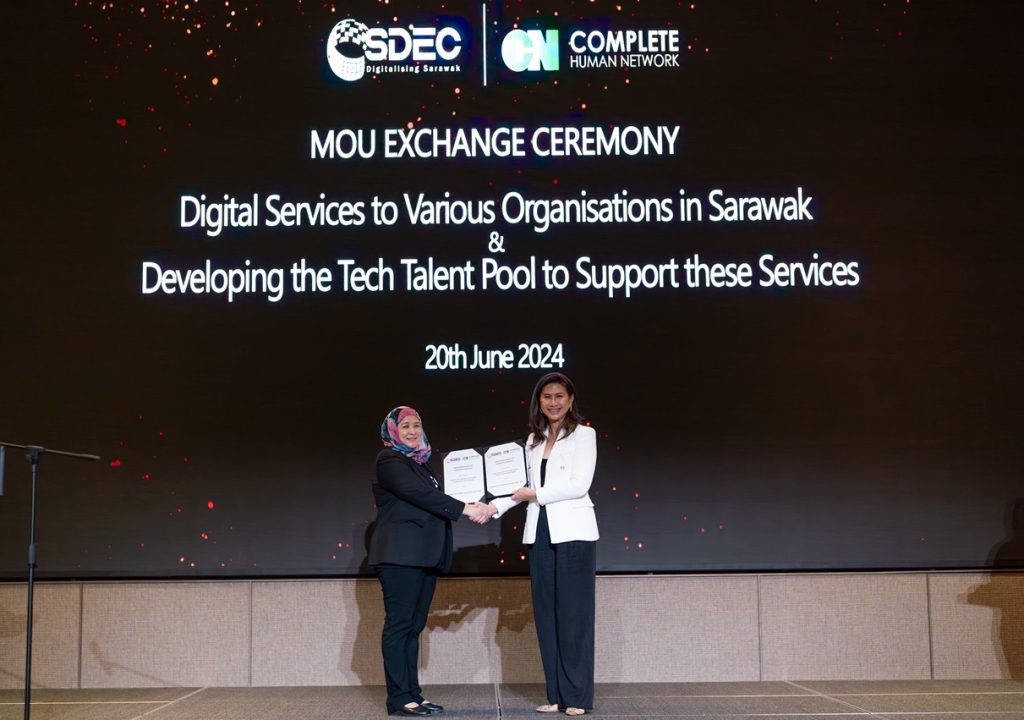
KUALA LUMPUR: Yayasan Hasanah, Malaysia’s leading impact-based foundation, and Centre for Technology Excellence Sarawak (Centexs), recently signed a memorandum of understanding (MoU), solidifying their commitment to advancing the preservation and conservation of the country’s rich textile heritage. The MoU outlines a strategic partnership focused on capacity development, cross-fertilisation of skills, and the promotion of excellence in heritage textile preservation. The MoU exchange was organised in conjunction with Centexs’ recent convocation ceremony graced by Sarawak premier Datuk Patinggi Tan Sri (Dr) Abang Abdul Rahman Zohari Tun Datuk Abang  Openg. Yayasan Hasanah trustee and managing director Datuk Shahira Ahmed Bazari said sustainable preservation requires more than conveying historical value, it demands an ability to resonate with the hearts and minds of contemporary consumers, staying relevant in the ever-evolving market. “Thus, over the next two years under its heritage textile preservation efforts, Yayasan Hasanah is focusing on amplifying research and development (R&D) and the commercialisation of artisanal products. “In doing so, we recognise that this translates to a crucial need for a skills upgrade among our exceptionally talented traditional practitioners. “In this spirit, we are excited to collaborate with Centexs in curating impactful skill-training programmes, to preserve excellence in these art forms, while strengthening heritage textiles as a thriving economic space for our local artisans in Malaysia,” he said in a recent statement. The collaboration includes targeted initiatives such as skill development workshops, training programs, and master classes aimed at enhancing the proficiency of traditional textile artisans. The partnership also seeks to facilitate collaborations between traditional artisans and contemporary designers, fostering the creation of modern interpretations of traditional textiles through innovation and product development. Furthermore, key aspects of the collaboration also include fostering sustainable practices in capacity-building, product design, development, and entrepreneurship. The historic MoU builds upon Yayasan Hasanah’s tireless efforts in Malaysia’s heritage textile preservation in collaboration with various expert partners. Initiatives include preserving original Malaysian legacy motifs through digital documentation and intellectual property (IP) protection, the development of an experiential centre for heritage textiles, masterclasses for royal textile art forms like Telepuk with  Adigurus (master artisans), as well as training for youths in heritage textile arts like Kelingkan, Keringkam, Songket, and Telepuk – such as the ASPIRE Programme that trains the young trainees of Puncak Borneo complex in the art of Keringkam embroidery. Centexs chief executive officer Datuk  Syeed Mohd Hussien Wan Abdul Rahman said the centre’s mission is to be the best technology training institute in the region by 2030. “As we strive towards this goal, our responsibility is to equip the state’s workforce for various economic sectors, and this includes the lifestyle and heritage scene. “This partnership with Yayasan Hasanah adds immense value in co-designing an impactful training programme for our traditional artisans, to ensure they are not left behind in technological advances and innovations relevant to their craft, thus nurturing a strong workforce in this sector,” he said. The MoU is in line with Yayasan Hasanah’s aim to become a leading foundation that promotes Malaysia’s global sustainability through solutions encouraging human capital development, empowering communities, promoting social inclusivity, and improving the local environment.

ESG

Bursa Malaysia Collaborates With Neighbouring Exchanges To Develop ASEAN-ISE

KUALA LUMPUR: Bursa Malaysia and three neighbouring exchanges have collaborated on the ASEAN-Interconnected Sustainability Ecosystem (ASEAN-ISE) to advance ASEAN’s sustainable development through the implementation of common environmental, social and corporate governance (ESG) metrics in their respective data infrastructures. The other partner exchanges are the Indonesia Stock Exchange (IDX), The Stock Exchange of Thailand (SET), and the Singapore Exchange (SGX Group). The ASEAN-ISE initiative was formalised at a recent meeting between the partner exchanges, marking an agreement on the foundational governance structure and operational blueprint for building the interconnected sustainability ecosystem. According to a joint statement, Bursa Malaysia will serve as the ASEAN-ISE Secretariat to facilitate the successful execution of its objectives. The intended outcomes of the ASEAN-ISE initiative include creating an integrated environmental, social, and corporate governance (ESG) ecosystem to promote the progress of sustainable development in ASEAN. The focus is also to enable participating exchanges to achieve economies of scale through cost efficiency and faster time-to-market with fit-for-purpose solutions. Further, the partnership aims to empower the participating exchanges to proactively assist ESG-compliant corporates in maximising business value through quality disclosures. This involves developing infrastructure solutions to facilitate cross-border trade flows, connecting corporates’ supply chains to ESG-oriented investment capital and providing suppliers with good ESG practices and disclosures to secure more competitive financing rates. Bursa Malaysia chief executive officer Datuk Muhamad Umar Swift said this most recent development aligns with the exchange’s intent to broaden participation from exchanges in the ASEAN region and beyond. “Together, we envisage an open and inclusive ecosystem in which the participating exchanges in ASEAN operate a trusted and fundamentally aligned data infrastructure. “Comprehensive sets of modular-based, fit-for will support this purpose and cost-efficient solutions that can be deployed in response to the participating exchanges’ specific market needs and conditions,” he said in the statement. IDX president director Iman Rachman said the addition of SGX to the interconnected sustainability ecosystem initiative reflects the strong collaboration of stock exchanges in ASEAN to bolster the sustainable finance ecosystem in the ASEAN capital markets. “This is a step forward in promoting the implementation of the recently announced ASEAN Common ESG Core Metrics and encouraging responsible business practices among listed companies in ASEAN stock exchanges,” he said. SGX chief executive officer Loh Boon Chye said in witnessing the profound impact of climate change in this region,  collaboration has become increasingly important for members in ASEAN Exchanges. “SGX Group acknowledges the urgency for timely action and, two years ago, launched ESGenome, the online data portal for public listed companies to facilitate sustainability and climate-related reporting. “As such, we look forward to working together with the members to standardise data to create interoperable datasets that will reinforce our collective efforts to drive capital towards sustainability efforts and address climate change in the region. “By sharing our expertise and coordinating efforts, we can mobilise capital for sustainable financing, contributing to a more economically and climate-resilient ASEAN community,” he said. SET president Pakorn Peetathawatchai said the inclusion of SGX Group strengthens the alliance, uniting key regional players. “Together, we set new standards for responsible business practices, encouraging corporates to integrate the ASEAN Exchanges Common ESG metrics. “Our collective commitment reflects a shared vision for a sustainable and resilient financial ecosystem that positively impacts our societies, economies, and the world at large,” he said. As part of the ASEAN-ISE implementation, the participating exchanges have agreed upon outcome-driven collaboration deliverables that consider local considerations and the maturity level of their respective markets. Significantly, the participating exchanges will commit to adopting and implementing the ASEAN Exchanges Common ESG Metrics in their ESG reporting platforms.

Scroll to Top

Subscribe
FREE Newsletter