Investment & Market Trends

Investment & Market Trends

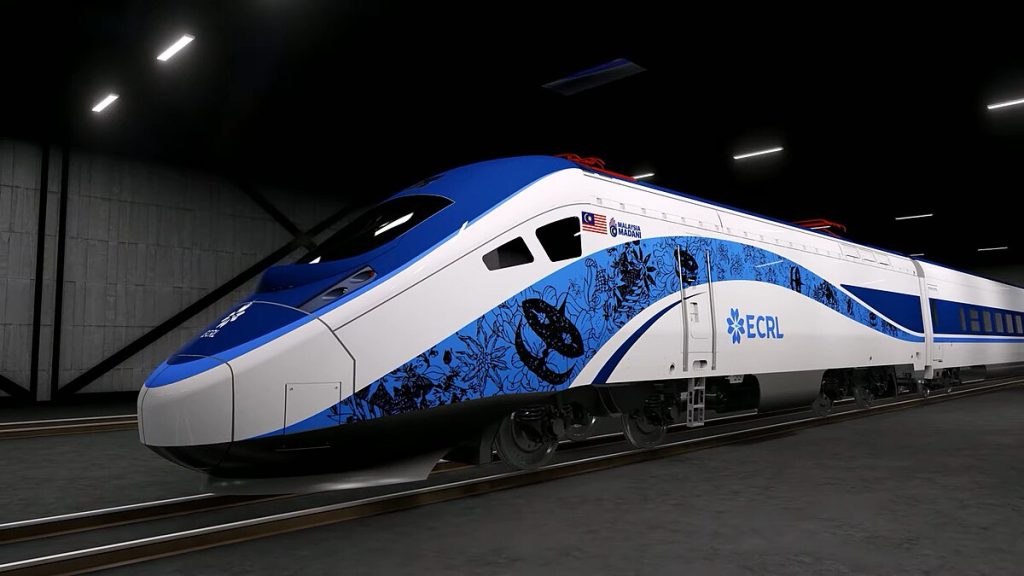
MRL, CCCC Sign Supplementary Agreement 7 To Extend ECRL To Westports And Northport

PUTRAJAYA, Malaysia Rail Link Sdn Bhd (MRL) has formalised Supplementary Agreement 7 (SA7) with China Communications Construction Company Ltd (CCCC), the main contractor for the East Coast Rail Link (ECRL) project, to implement Section D — the extension connecting the final station at Jalan Kastam, Port Klang, to both Westports and Northport. MRL CEO Datuk Seri Darwis Abdul Razak said the agreement signifies that CCCC will carry out the construction of this crucial final segment. “Further announcements will follow regarding this development,” he said at the RHB-MRL 360 Degree ESG Financial Ecosystem event today. SA7 covers a 25-kilometre stretch from Jalan Kastam to Westports and Northport, and will feature dual-track construction — both meter gauge and standard gauge — to support seamless integration with the existing Keretapi Tanah Melayu Bhd (KTMB) system and the new ECRL line. East Coast Rail Link. Darwis emphasised that completing Section D is vital to fully connecting the ECRL from Kota Bharu, Kelantan, to Port Klang, Selangor. “This extension ensures the land bridge connection between Kuantan Port and Port Klang is fully realised, linking the east and west coasts efficiently,” he added. The SA7 is part of the Engineering, Procurement, Construction and Commissioning (EPCC) contract signed in November 2016. Transport Minister Anthony Loke had previously announced the agreement in April this year. Meanwhile, RHB Bank chairman Tan Sri Ahmad Badri Mohd Zahir noted that MRL has become the first government-linked company in Malaysia to implement a sustainable financial value chain transition roadmap. As part of this effort, proceeds from MRL’s green sukuk issuance are placed into RHB’s ESG deposits while awaiting disbursement for ECRL works. “This ensures idle funds remain productive and contribute to national decarbonisation efforts through a transparent, circular, and sustainable financial model,” he said. RHB’s ESG deposits will support projects aligned with national priorities such as renewable energy, clean transport, low-carbon infrastructure, and social inclusion. Financing is guided by RHB’s ESG guidelines, Bank Negara Malaysia’s climate taxonomy, and the ASEAN taxonomy for sustainable finance. Earlier this year, MRL issued a green SDG sukuk, setting a national record with the lowest credit spread ever achieved for a government-guaranteed infrastructure issuance — a strong indicator of investor confidence in both MRL and the ECRL project.
Investment & Market Trends

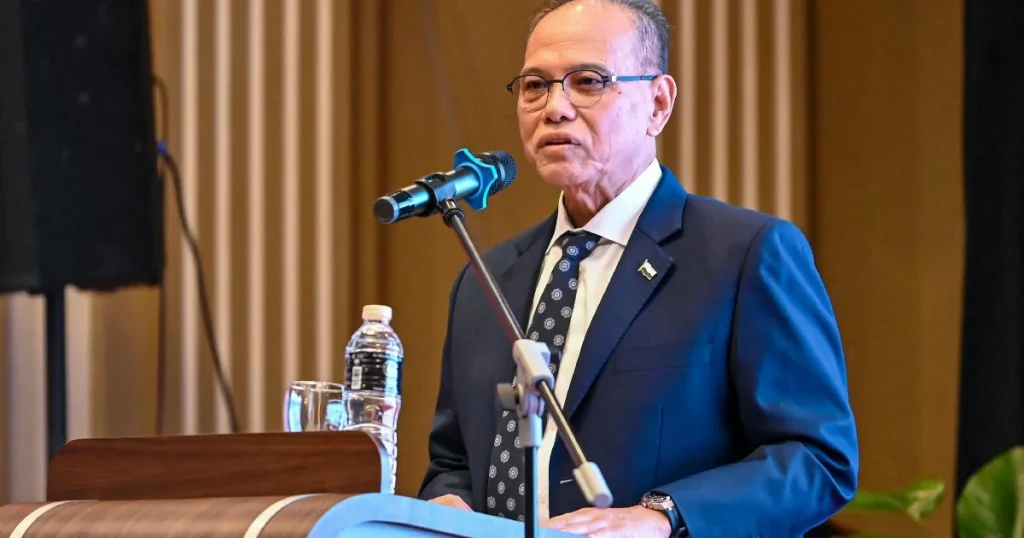
Pahang Attracts RM4bil In Investments In 1H 2025, Leading East Coast States

KUANTAN, Pahang recorded RM4 billion in realised investments during the first half of 2025, the highest among East Coast states, said Menteri Besar Datuk Seri Wan Rosdy Wan Ismail. This puts Pahang ahead of Terengganu (RM1.3 billion) and Kelantan (RM1.1 billion) as of June this year. Additionally, Pahang secured RM3.5 billion in committed investments during the same period, reflecting strong investor confidence in the state’s economic stability and favourable business environment. Datuk Seri Wan Rosdy Wan Ismail. “The state has also registered a potential high-impact investment value of RM38.4 billion for this year. This underscores Pahang’s emergence as a progressive, investor-friendly, and increasingly competitive state,” he said in a statement today. Wan Rosdy noted that these investments have bolstered Pahang’s economic standing, particularly in strategic sectors such as manufacturing, oil and gas, and tourism — all of which remain key drivers of the state’s growth. Economically, Pahang’s gross domestic product (GDP) rose by 5.7% in 2024, outpacing the national average of 5.1%, with a total value of RM68.7 billion. “Since 2018, Pahang’s GDP has increased by 23%, or around RM13 billion, a result of our strategic, sustainable, and inclusive development policies,” he said. He attributed the state’s success to political stability, consistent policies, robust infrastructure development, and an efficient, investor-friendly ecosystem — key enablers of growth under the Pahang 1st Aspiration. “This vision focuses on balanced economic progress, job creation for the people, and equitable wealth distribution,” he added. Wan Rosdy reaffirmed the state government’s commitment to enhancing its investment policies, boosting competitiveness, and ensuring that the benefits of economic development reach all Pahang citizens.

Investment & Market Trends

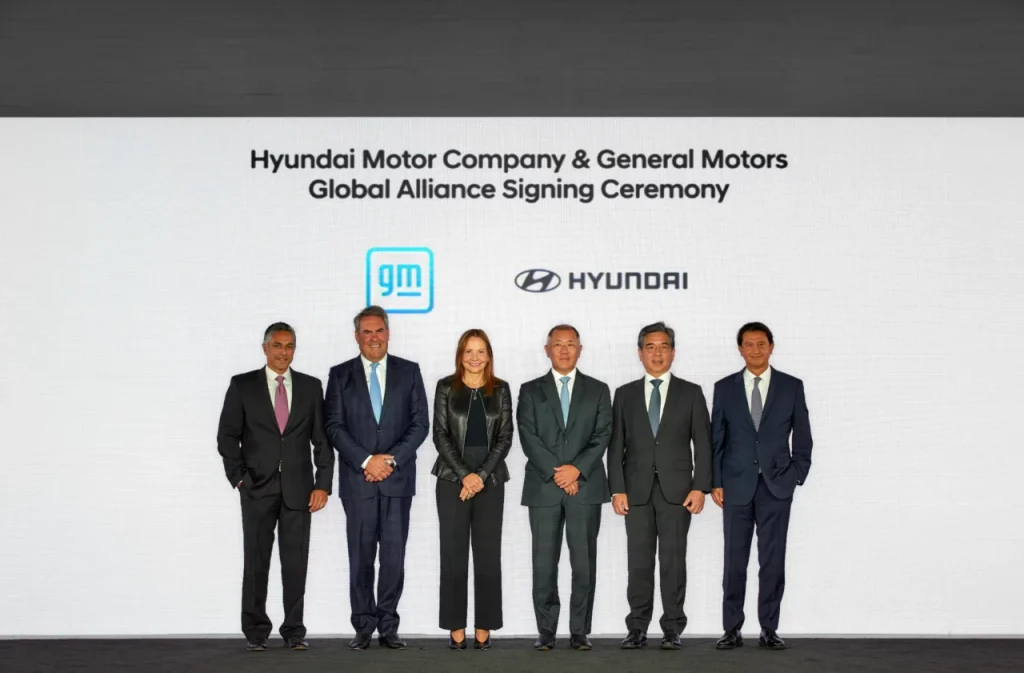
Hyundai Motor Announces Joint Development Of Five Vehicles With GM

Hyundai Motor has announced a joint development initiative with General Motors (GM) involving five new vehicle models, set for launch in 2028. This marks the first product collaboration between the two automakers following a memorandum of understanding signed in September last year. The partnership will produce four next-generation vehicles aimed at the Latin American market — including a midsize pickup, a compact pickup, a compact car, and a compact SUV — all designed to support both internal combustion and hybrid powertrains. A fifth model, an electric commercial van, will be developed for the North American market. Hyundai Motor stated that combined annual production and sales of these models are projected to exceed 800,000 units. Under the agreement, GM will lead the development of the midsize pickup platform, while Hyundai will oversee the compact vehicle platforms and the electric van. Though the models will share common platforms, each company will independently design the exterior and interior styling to reflect their individual brand identities. Initial design and engineering efforts are currently focused on the Latin American lineup, with production expected to begin in 2028. The electric van for the U.S. market is also scheduled to enter production that same year. Beyond vehicle development, Hyundai and GM are launching a joint sourcing strategy for materials, logistics, and transport across North and South America. The companies are also exploring deeper collaboration in raw materials, advanced components, and sustainable manufacturing, including the use of low-carbon steel. “This strategic partnership with GM allows us to better meet customer demand across multiple segments and regions,” said José Muñoz, CEO of Hyundai Motor. “Leveraging our combined scale in the Americas enables us to deliver well-designed, high-quality, and technologically advanced vehicles more efficiently.” GM’s Senior Vice President Shilpan Amin echoed the sentiment, noting the collaboration will accelerate market entry and reduce costs. “These co-developed vehicles are a clear example of how GM and Hyundai can complement each other’s strengths to deliver greater value and choice to consumers,” he said.

Investment & Market Trends

Cathay Pacific To Acquire 14 Boeing Aircraft In New Deal

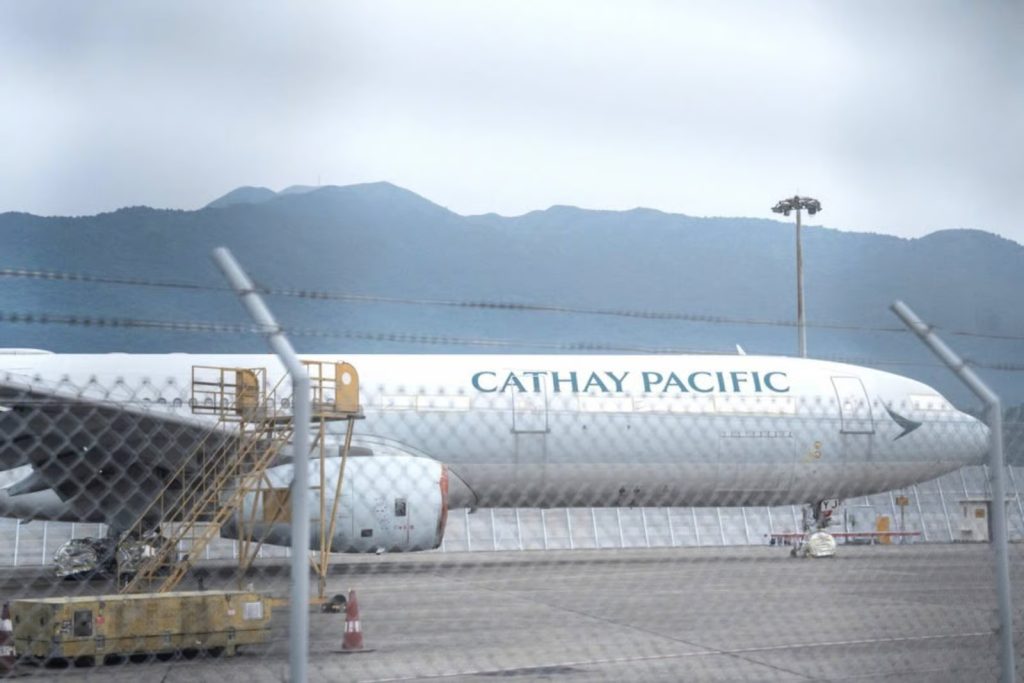
HONG KONG, Cathay Pacific has announced a significant aircraft purchase, placing a US$8.1 billion order for 14 Boeing 777-9 jets — marking its first deal with the US aircraft manufacturer in 12 years. The company’s passenger airlines have launched or announced 19 new destinations so far in 2025.  In a filing to the Hong Kong stock exchange, the airline said it had exercised purchase rights for 14 Boeing 777-9 aircraft and secured options to acquire up to seven more. Deliveries are expected by 2034. The announcement came alongside Cathay Pacific’s latest financial results, which showed a modest rise in attributable profit to HK$3.65 billion (US$4.65 million), supported by increasing travel demand across Asia. Chairman Patrick Healy described the results as a “solid financial performance” and highlighted the airline’s expanding route network. Cathay and its low-cost unit Hong Kong Express have added or announced 19 new destinations in 2025, with more planned. Cathay now serves over 100 passenger destinations worldwide. However, the airline cautioned that its budget carriers continue to face short-term headwinds, with booking volumes still recovering to pre-pandemic levels.

Investment & Market Trends

iQiyi, the ‘Netflix Of China’, Targets US$300 Million In Planned Hong Kong Listing

HONG KONG, iQiyi Inc, often referred to as the “Netflix of China,” is looking to raise around US$300 million through a planned listing in Hong Kong later this year, potentially becoming the latest US-listed Chinese firm to court investors closer to home. The Baidu-owned streaming giant has reportedly started early discussions with global investment banks for a secondary listing in the city, according to sources familiar with the matter who requested anonymity due to the private nature of the deal. Following the news, iQiyi’s shares in the US briefly rose by as much as 6% before closing flat in New York trading. iQiyi’s platform features a wide array of content, ranging from popular Chinese historical dramas to major Hollywood blockbusters. It competes directly with other major players like Tencent Holdings and Alibaba Group to maintain its position among China’s leading video-streaming services, boasting over 400 million monthly active users. The company now joins the likes of battery maker Contemporary Amperex Technology Co Ltd (CATL) in exploring a dual listing in Hong Kong. While discussions are still at a preliminary stage and the deal remains fluid, iQiyi has not issued an official comment on the matter, according to Bloomberg News. If the listing proceeds, iQiyi will be part of a growing wave of Chinese companies fueling a resurgence in Hong Kong’s capital markets. These listings have helped restore the city’s status as the second-largest IPO market globally, a milestone not reached since 2012, following years of decline due to the COVID-19 pandemic. Loosened regulatory policies have also played a key role in this revival. Mainland Chinese firms, particularly those already listed on domestic exchanges, have led this IPO rebound. For US-listed Chinese companies like iQiyi, the potential re-election of Donald Trump has reignited fears of delisting from American exchanges, as his administration has shown renewed interest in enforcing the Holding Foreign Companies Accountable Act (HFCAA) — a law passed in 2020 allowing the SEC to delist foreign companies if audit inspections are denied for two consecutive years. Tensions over auditing standards had initially escalated during Trump’s first term but were largely defused in 2022, when US regulators gained sufficient access to Chinese audit records. Nonetheless, with geopolitical uncertainties lingering, market watchers have speculated that firms such as iQiyi and PDD Holdings might opt for listings in more favourable jurisdictions. Before the pandemic, tech giants Alibaba and Baidu had already paved the way with successful secondary listings in Hong Kong following their initial IPOs in the US.

Investment & Market Trends

AI Boom Drives Earnings Growth For Frontken

KUALA LUMPUR, The ongoing rally on the Nasdaq, fuelled by surging interest in artificial intelligence (AI), has sparked increased attention from local investors toward Frontken Corp Bhd, according to Hong Leong Investment Bank (HLIB) Research. The investment bank noted that major global tech giants like NVIDIA, Advanced Micro Devices (AMD), and Google have experienced significant gains in their share prices, driven by growing demand for AI processors and cloud computing services. While most companies listed on Bursa Malaysia are not directly involved in the AI space, Frontken stands out as a key indirect beneficiary. This is largely due to its established cleaning and surface treatment services for leading semiconductor foundries in Taiwan, which remain its primary revenue source. “Frontken utilises advanced technology to provide precision cleaning for extremely small wafers, supporting production at leading foundries,” HLIB said. Looking ahead, global semiconductor sales are projected to rebound by 13% year-on-year (YoY) in 2024, according to forecasts from World Semiconductor Trade Statistics (WSTS). Additionally, Taiwan Semiconductor Manufacturing Company (TSMC), during its Q4 2023 earnings call, signaled that earnings had likely bottomed out and expressed confidence in a strong growth outlook for 2024. This optimism is anchored by the expansion of leading-edge 3nm technologies, sustained demand for 5nm chips, and the continued growth of AI-related sectors. HLIB highlighted that increased output from these foundries will drive demand for Frontken’s specialised services, particularly in supporting production processes and extending the lifespan of chamber components. “This positions Frontken as a prime beneficiary of growth in the front-end semiconductor industry,” it said. Beyond semiconductors, Frontken’s oil and gas (O&G) division contributed approximately 23% of the group’s total revenue in the financial year 2023 (FY23). HLIB added that the company expects further momentum in FY24, backed by stronger orders from contracts related to engineering services, manpower supply, and mechanical rotating equipment servicing with major oil companies. On the stock market, Frontken’s shares are currently trading between RM3.64 and RM3.70, continuing their upward trend. “Should the share price break above RM3.74, it could climb further to RM3.87, RM4.00, or even RM4.10, forming a higher high pattern. However, investors are advised to cut losses if the price drops below RM3.50,” HLIB advised.

Investment & Market Trends

CIMB: TNG Digital Hits Unicorn Valuation, Exploring IPO

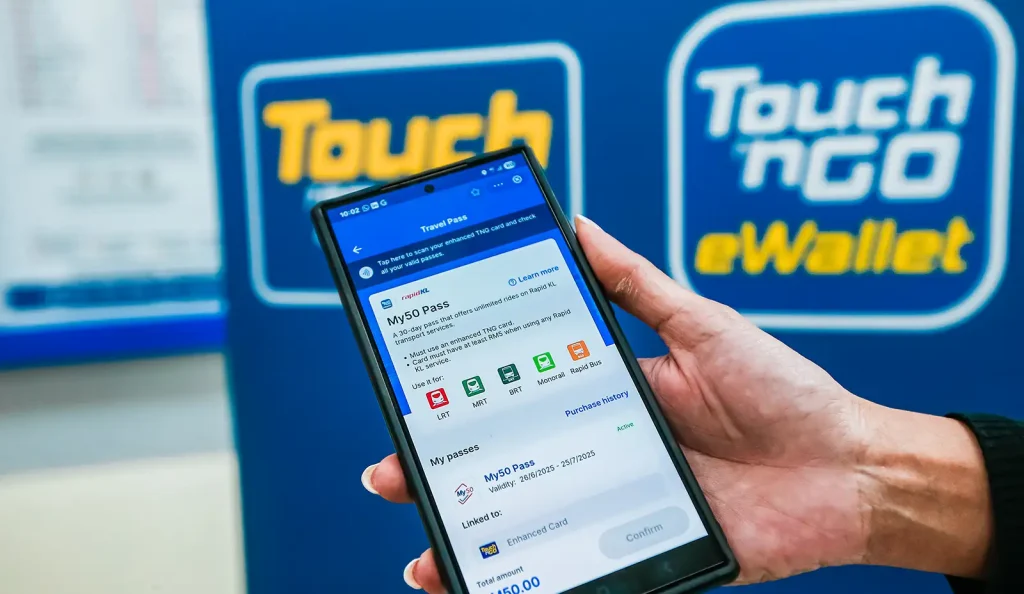
PETALING JAYA, TNG Digital Sdn Bhd, Malaysia’s largest fintech company, has achieved unicorn status and is considering a potential initial public offering (IPO), according to shareholder CIMB Group Holdings Bhd. Gurdip Singh Sidhu, CIMB Bank Bhd’s country head for Malaysia. “We’re confident that TNG has reached unicorn valuation,” said Gurdip Singh Sidhu, CIMB Bank Bhd’s country head for Malaysia, during a media briefing today. “An IPO is something we will evaluate, but there’s no immediate timeline,” he added. TNG Digital, the operator of one of Malaysia’s most widely used e-wallet apps, now joins Carsome Group—Southeast Asia’s online used-car marketplace—as the country’s latest startup valued at over US$1 billion. Finance Minister II Amir Hamzah Azizan recently stated that Malaysia aims to identify five unicorns by 2030, speaking at a fintech conference in Kuala Lumpur. “TNG Digital turned profitable this year,” said Sidhu, who also oversees the bank’s digital businesses. The fintech company is 45% owned by Touch ‘n Go Sdn Bhd, a subsidiary of CIMB Group. “The business is experiencing strong and healthy growth,” Sidhu noted.

Investment & Market Trends

KUSKOP Aims For Medium Enterprises To Make Up 5% Of MSMEs By 2030

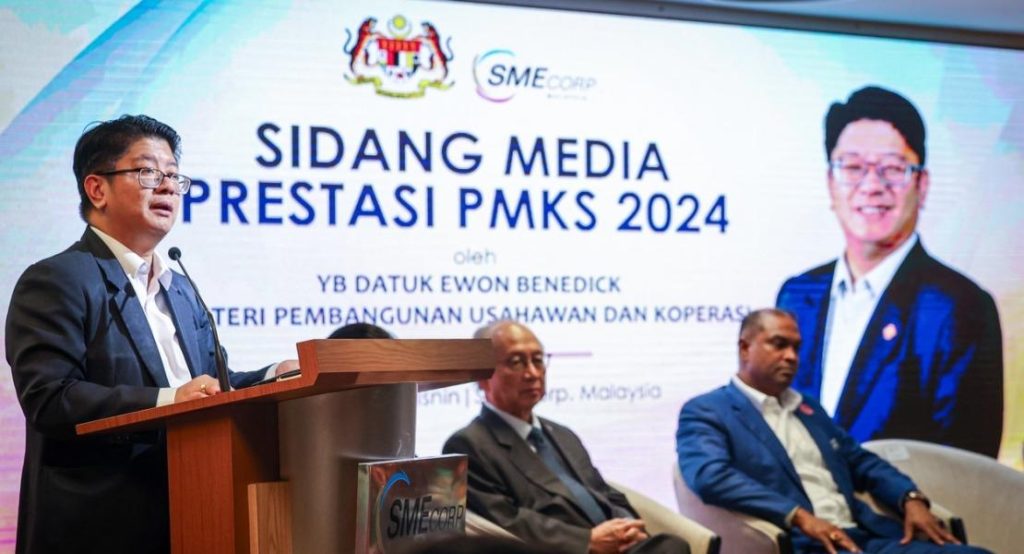
KUALA LUMPUR, The Ministry of Entrepreneur Development and Cooperatives (KUSKOP) aims to raise the proportion of medium-sized businesses to 5% of Malaysia’s total micro, small and medium enterprises (MSMEs) by 2030, up from the current 1.6%. Minister Datuk Ewon Benedick said the ministry will continue supporting MSMEs through targeted initiatives aimed at helping them grow and become more resilient in the long term. “Scaling up MSMEs is a key priority to ensure their sustainability and ability to withstand future challenges. It’s an ambitious goal, but we are identifying several new initiatives to help drive this, including encouraging MSME participation in high value-added sectors, disruptive business models, and global value chains. We’re also looking to increase MSME listings on the stock exchange,” he said during the 2024 MSME performance briefing by SME Corporation Malaysia. He noted that between 2023 and 2025, survey data shows 8.5% of businesses have formalised their operations, while 7.3% of MSMEs have successfully expanded into larger enterprises. “These scaled-up MSMEs often have strong competitive edges — they are involved in high-impact industries, export internationally, supply to larger companies, and adopt ESG practices in their operations,” he added. At the briefing, it was also reported that MSMEs are continuing to play a significant role in Malaysia’s economy, contributing RM652.4 billion in 2024. According to the Department of Statistics Malaysia, MSME GDP grew by 5.8% this year, outpacing the national GDP growth of 5.1% and non-MSMEs’ 4.7%.

Investment & Market Trends

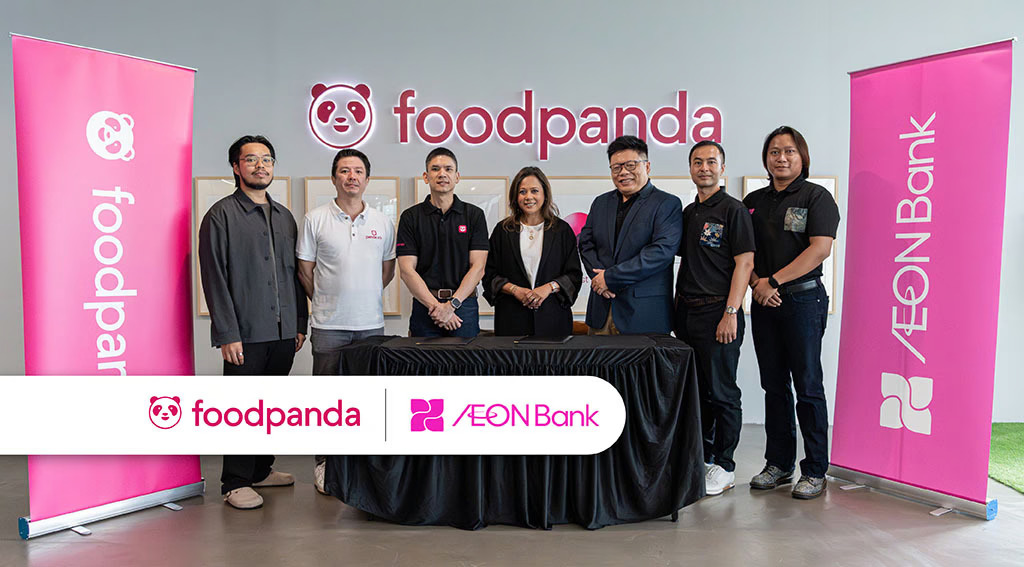
AEON Bank, Foodpanda Team Up To Boost Financial Access For Riders And Merchants

AEON Bank has partnered with foodpanda Malaysia to enhance digital banking adoption and improve financial access for riders, merchants, and consumers nationwide. The collaboration will focus on areas such as digital financing, customer outreach, joint marketing campaigns, and value-added services across both platforms. Through the partnership, foodpanda riders will gain access to microfinancing options — including support for purchasing motorcycles and mobile devices — as well as financial literacy programmes. Merchants on the foodpanda platform will benefit from AEON Bank’s AB2B Programme, which offers business financing support to help them scale. Customers can also look forward to exclusive perks such as special rewards and expanded access to AEON’s retail offerings, including a wider range of grocery options beyond AEON MaxValu Prime. AEON Bank, Malaysia’s first Islamic digital bank, and foodpanda, a leading delivery platform, will also roll out co-branded initiatives to meet the growing needs of Malaysia’s digital economy — particularly gig workers and micro, small and medium enterprises (MSMEs). YM Raja Datin Paduka Teh Maimunah Raja Abdul Aziz AEON Bank CEO YM Raja Datin Paduka Teh Maimunah Raja Abdul Aziz said the partnership is designed to create real value for foodpanda’s ecosystem through digital banking access, rewards programmes, and Shariah-compliant financial services. foodpanda Malaysia Managing Director Tan Ming Luk added that the collaboration empowers riders through tech-enabled financial tools, supports merchants with targeted growth solutions, and delivers more value and convenience to customers. Tan Ming Luk “This is more than just a commercial partnership — it’s about uplifting livelihoods, helping businesses grow, and enriching the overall customer experience,” he said.

Investment & Market Trends

Sapura Energy Rebrands To Vantris Energy As Part Of PN17 Recovery Effort

KUALA LUMPUR, Sapura Energy Bhd has officially rebranded as Vantris Energy Bhd, marking a significant step in its turnaround journey. The name change took effect on Friday (Aug 1), following shareholder approval at an extraordinary general meeting (EGM) held on Wednesday. The rebranding comes as the financially distressed oil and gas services provider begins implementing its long-awaited regularisation plan aimed at exiting Practice Note 17 (PN17) status. Bursa Malaysia approved the plan in June, and it was endorsed by shareholders in a separate EGM on the same day. Vantris Energy confirmed that the Companies Commission of Malaysia issued a Certificate of Incorporation for the name change on Friday, formalising its new corporate identity. Group CEO Muhammad Zamri Jusoh said the rebrand marks a fresh start for the company. “It symbolises a new chapter, honours our journey, and reflects the trust we seek to rebuild with our stakeholders,” he said in a statement. As part of its restructuring, Vantris Energy will carry out a 99.99% capital reduction to offset accumulated losses and a 20-to-1 share consolidation. The group’s debt will be slashed from RM10.8 billion to approximately RM5.6 billion, reducing annual interest costs by over RM500 million, or around 60%. “This significant deleveraging positions the company for a return to profitability and helps restore confidence among clients and financiers,” the group stated. To support the restructuring, the Ministry of Finance—via Malaysia Development Holding Sdn Bhd (MDH)—will subscribe up to RM1.1 billion in redeemable convertible loan stocks (RCLS), with proceeds earmarked to settle outstanding dues to Malaysian oil and gas vendors. Shareholders also approved a waiver that allows MDH and its concert parties to avoid triggering a mandatory general offer if their RCLS conversion leads to a stake above 33%. If fully converted, MDH would become the largest shareholder, overtaking Permodalan Nasional Bhd (PNB), whose stake could fall from 40.43% to just over 5%. The company plans to phase in its regularisation measures, aiming to exit PN17 status after achieving two consecutive quarters of profitability. “We’re grateful for the strong support from shareholders. Their active participation reflects a shared commitment to shaping Vantris Energy’s future. With these approvals, we are now better positioned to move forward with renewed focus, stronger finances, and clear purpose,” said Zamri. Once one of the region’s top oil and gas service providers, Sapura Energy was classified as a PN17 company in 2022 due to financial distress. Its recovery plan, led by MIDF Amanah Investment Bank Bhd as principal adviser, has been closely monitored by the market. Meanwhile, the company’s transformation continues amid a family feud involving Sapura Holdings shareholders Datuk Shahriman Shamsuddin and Tan Sri Shahril Shamsuddin, who together hold a 9.18% stake. Shahriman resigned as a non-independent, non-executive director on June 25, citing other commitments. Vantris Energy’s shares closed unchanged at four sen on Friday, giving it a market capitalisation of RM735.04 million.

Scroll to Top

Subscribe
FREE Newsletter