Investment & Market Trends

Investment & Market Trends

MAS Picks Three Asset Managers To Help Invest S$5 Billion To Boost Singapore Market

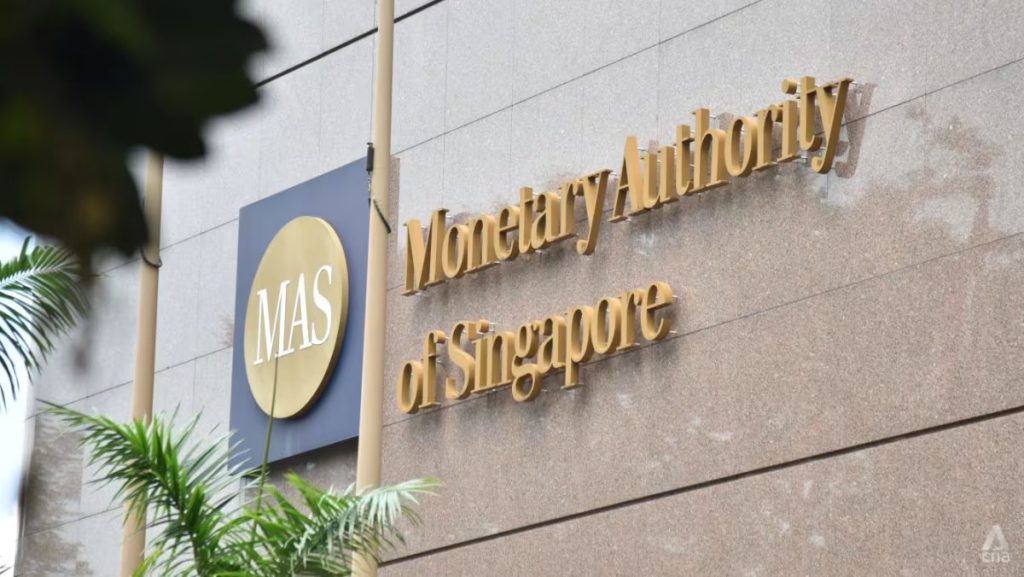
SINGAPORE, The Monetary Authority of Singapore (MAS) has appointed Avanda Investment Management, Fullerton Fund Management, and JP Morgan Asset Management as the first three fund managers under its S$5 billion Equity Market Development Programme, aimed at revitalising the local stock market. These managers will initially handle S$1.1 billion, with more appointments expected later this year. MAS received interest from over 100 global, regional, and local firms, and is reviewing applications in stages to speed up the rollout. The programme, first announced in February, supports fund managers who invest actively in Singapore-listed companies — especially small and mid-cap stocks — to boost market liquidity and attract more investors. The managers were chosen based on how well their investment strategies align with the programme’s goals, their ability to attract third-party capital, and their commitment to strengthening Singapore’s asset management and research scene. “We picked the first three managers who were ready, and will continue appointing more as reviews progress,” said MAS Deputy Chairman Chee Hong Tat. National Development Minister Chee Hong Tat, Deputy Chairman of The  Monetary Authority of Singapore (MAS) More Support for Equity Research MAS is also setting aside S$50 million from its Financial Sector Development Fund to improve equity research quality under the Grant for Equity Market Singapore (GEMS) scheme. Key enhancements: Maximum grant per research report raised from S$4,000 to S$6,000 Extra support for research covering new listings, private companies, or small and mid-cap stocks New grants for distributing research via digital platforms Listing grants extended to cover Singapore and Foreign Depository Receipts, and Exchange-Traded Funds (ETFs) For instance, issuers of: Depository receipts can get S$40,000 Primary-listed ETFs can receive up to S$250,000 Cross-listed or feeder ETFs can get S$180,000 Better Protection for Investors MAS will also consult on ways to help retail investors seek compensation more easily in cases of market misconduct. Proposals include: Letting investors “ride on” existing court or regulatory actions Enabling investor representatives to launch lawsuits on behalf of groups A grant scheme to help cover legal costs in serious cases “We want to strike a balance — make it easier for genuine claims, but avoid an overly litigious environment,” said Mr Chee. The Equity Market Development Programme is part of broader efforts — led by a review group formed in 2024 — to revitalise Singapore’s stock market, which has faced issues like low trading volumes, limited new listings, and poor valuations. Other ongoing ideas include improving investor engagement, refreshing the Catalist board for growth companies, and promoting cross-border listings with other exchanges. Singapore’s benchmark Straits Times Index is up 11% year-to-date, showing signs of recovery. However, MAS and SGX believe more must be done to attract capital, broaden participation, and enhance long-term market vibrancy.
Investment & Market Trends

Costco To Establish Global Capability Centre In India, Set to Create 1,000 Jobs

HYDERABAD/BENGALURU – U.S. retail giant Costco Wholesale Corp is set to open its first technology centre in India, with plans to base the Global Capability Centre (GCC) in Hyderabad, according to two sources familiar with the development. The centre will focus on technology and research, working in tandem with Costco’s global teams. It will initially hire 1,000 employees, with plans to expand further, the sources said. Once seen as low-cost outsourcing units, GCCs have evolved into key hubs supporting global companies across various functions, including daily operations, finance, and R&D. India already hosts GCCs for major global brands such as JPMorgan Chase, Walmart, and Target in Bengaluru, and McDonald’s, Heineken, and Vanguard in Hyderabad. According to a report by Nasscom and consulting firm Zinnov, the market value of India’s GCC sector is projected to grow from $64.6 billion in fiscal 2024 to between $99 billion and $105 billion by 2030.

Investment & Market Trends

Optus Finance, A Singtel Subsidiary, Prices US$160 Million Notes At 2.726% Annual Interest

SINGAPORE, Optus Finance, a fully owned subsidiary of Singapore Telecommunications (Singtel), has priced S$160 million worth of 10-year fixed-rate notes at an annual coupon of 2.726%. The notes, denominated in Singapore dollars, are set to be issued on July 25 and will mature on July 25, 2035. The issuance is part of Optus Finance’s EUR3 billion Euro Medium Term Note Programme. According to Singtel, the net proceeds will be swapped into Australian dollars and used to support Optus’ general business operations. OCBC is acting as the sole lead manager and bookrunner for the offering. Singtel noted that this issuance forms part of its long-term financing strategy and helps extend the debt maturity profile of both the company and its subsidiaries. As of July 21, Singtel shares closed 2 cents lower at $4.15, down 0.48%.

Investment & Market Trends

MyCIF Committed RM1.2 Billion In Co-Investments

PETALING JAYA: The Malaysia Co-Investment Fund (MyCIF) has recorded total co-investments of RM1.19 billion since its launch, continuing to play a crucial role in financing micro, small, and medium enterprises (MSMEs) nationwide. Securities Commission Malaysia building in Kuala Lumpur According to its 2024 annual performance report released yesterday, MyCIF invested RM264 million last year alone. The RM1.19 billion in total co-investments is 4.6 times higher than the RM260 million allocated by the government to date, reflecting what the Securities Commission (SC) called an “efficient use of public funds.” The SC, which manages MyCIF, also noted that the initiative attracted RM4.10 in private capital for every RM1 invested, marking a 21.4% increase in total private investments. Since it was established under Budget 2019 by the Finance Ministry, MyCIF has supported more than 9,500 MSMEs across Malaysia.

Investment & Market Trends

Ancom Nylex Profit Growth Seen Boosted By Stronger Exports, New Agrochemical Products

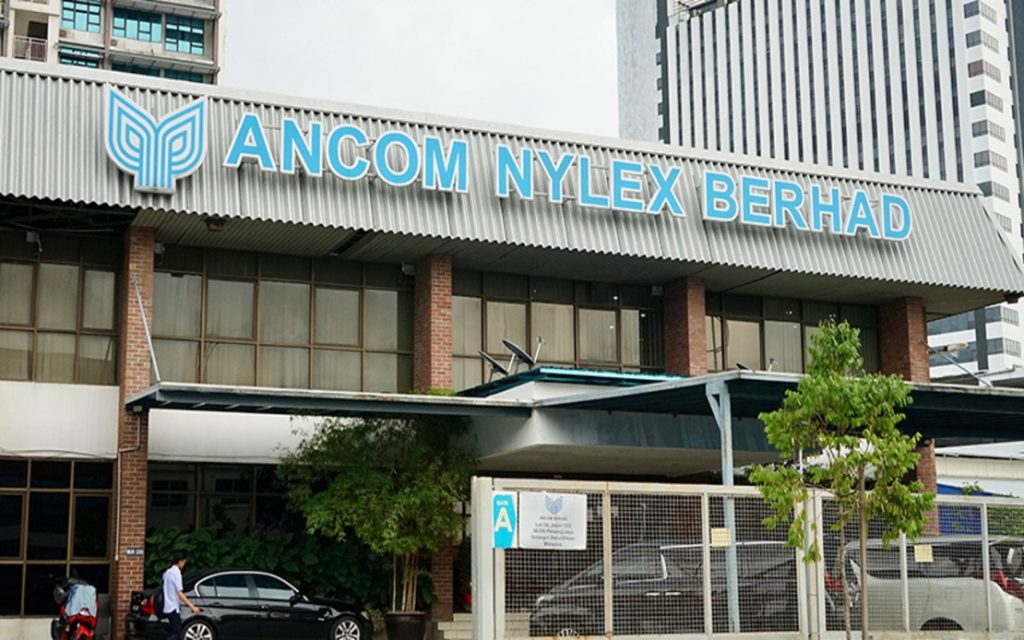
KUALA LUMPUR, Ancom Nylex Bhd is on track for stronger earnings in the coming quarters, supported by rising export demand and the launch of new agrochemical products. The group — which operates across agrochemicals, industrial chemicals, and logistics — is benefiting from solid demand in Southeast Asia, Latin America, and parts of Africa, where agricultural needs are growing due to unpredictable weather and food security concerns. Analysts highlight that Ancom Nylex’s latest range of herbicides and pesticides is gaining traction overseas. The company recently obtained regulatory approvals in several countries, giving it an edge as older agrochemical products are being phased out globally. “We expect solid growth in the agrochemical division, which now accounts for over half of group revenue,” said a local analyst. “New product launches, stronger exports, and favourable currency and commodity trends should help lift margins.” In its recent results, the company reported steady revenue growth and expects profits to rise in the second half as production increases and exports pick up. A newly opened plant in Klang is also expected to enhance efficiency and reduce costs, while helping the group meet environmental standards. Group CEO Lee Cheun Wei said Ancom Nylex remains focused on innovation and market expansion. “Our strength is in developing customised solutions for niche crops and underserved regions. We’re investing in R&D and growing our global footprint,” he said at an investor briefing. The company’s logistics division continues to support internal operations and bring in stable third-party revenue, helping offset raw material cost fluctuations. Meanwhile, the industrial chemicals and polymer segments are expected to remain stable, with growth driven mainly by agrochemicals. Analysts believe Ancom Nylex is well-positioned to benefit from the global shift toward safer and more sustainable agriculture products. Several brokerages have issued “Buy” calls on the stock, revising target prices upward in anticipation of stronger earnings through FY2026.

Investment & Market Trends

US Trade Talks Spark Potential Rise In M&A Interest In Malaysian Banks

KUALA LUMPUR, Ongoing trade negotiations between the United States and Southeast Asia are boosting prospects for renewed foreign interest in Malaysia’s banking sector, with industry players eyeing potential merger and acquisition (M&A) activity. Analysts say Malaysia’s role as a regional financial gateway, coupled with the return of US investment delegations, has reignited long-term investor attention. This comes as local banks look to strengthen their digital capabilities and expand their regional reach. “Malaysia’s banking sector is on the radar of US investors, especially in light of growing regional consolidation,” said a senior analyst at a local investment bank. “If trade discussions progress smoothly, we could see foreign-driven M&A deals or strategic partnerships emerge.” Several trends are supporting this outlook: Supportive Regulatory Framework: Bank Negara Malaysia (BNM) has become more open to foreign participation, as long as proposals align with national goals and maintain financial stability. Robust Sector Performance: Malaysian banks remain financially strong, showing steady profits, healthy capital reserves, and low non-performing loan levels despite global uncertainties. Focus on Digital Transformation: Local banks are actively seeking fintech alliances — an area of strong appeal for US tech-driven investors looking to enter Southeast Asia. While no specific deals have been announced, speculation surrounds mid-sized banks as likely candidates for either consolidation or foreign partnerships, based on historical patterns of strategic acquisitions in the region. Experts caution that any developments will depend on regulatory clearance, political stability, and alignment with Malaysia’s financial roadmap. “With US trade envoys now engaging with policymakers and banking leaders, we expect more exploratory talks in areas like digital finance and green investments,” the analyst added. “Still, any real movement will take time and mutual commitment.” As ASEAN integration deepens, Malaysia could further cement its role as a financial hub — if it successfully navigates trade dynamics, regional competition, and evolving financial regulations.

Investment & Market Trends

Egypt, China’s Asia-Potash Sign Major Phosphate Partnership Deal

Egypt’s Mineral Resources and Mining Industries Authority (MRMIA) has signed a Memorandum of Understanding (MoU) with China’s Asia-Potash International Investment (Guangzhou) Co., Ltd. to enhance collaboration in phosphate exploration and development. The agreement aims to unlock greater value from Egypt’s phosphate reserves. The signing ceremony was witnessed by Karim Badawi, Egypt’s Minister of Petroleum and Mineral Resources. MRMIA Chairman Yasser Ramadan and Asia-Potash Vice President Zeng Yuy signed the MoU. According to the ministry, the agreement aligns with its broader strategy to grow the mining sector’s contribution to GDP from under 1% to between 5% and 6%. The approach includes drawing in major investments, expanding opportunities, and establishing an integrated system to increase the added value of mineral resources. Badawi stressed the importance of taking swift, concrete steps to launch the initiative, along with regular progress reviews to ensure timelines are met. The MoU also includes plans to collaborate on scientific research into phosphate ore reserves, enrichment and processing techniques, and the potential development of a modern phosphate fertilizer plant, in line with Egyptian regulations. This agreement builds on earlier discussions held in January 2025, when Hossam Heiba, CEO of Egypt’s General Authority for Investment and Free Zones, met with Zeng Yuy to explore the creation of a $1.6 billion industrial complex for phosphate fertilizer production in Egypt. The project’s first phase targets the extraction of 2 million tonnes of phosphate annually, all of which would be processed into fertilizer for export to regional markets. Asia-Potash, a publicly listed Chinese firm, operates across sectors including potash mining, fertilizer production, grain trade, international shipping, and logistics.

Investment & Market Trends

MRT3 Approval Seen as a Boost for Construction Sector

PETALING JAYA, The recent approval of the Mass Rapid Transit 3 (MRT3) Circle Line has boosted confidence in the construction industry, offering greater clarity on the project’s progress, according to analysts. RHB Research highlighted that the main winners from MRT3 are likely to be major contractors and their subcontractors. Based on past MRT1 and MRT2 involvement, companies such as Gamuda Bhd, Sunway Construction Group Bhd, IJM Corp Bhd, MRCB, WCT Holdings Bhd, Gadang Holdings Bhd, and Mudajaya Corp are seen as likely lead contractors. Meanwhile, firms like Econpile Holdings Bhd, Gabungan AQRS Bhd, Kimlun Corp Bhd, and TRC Synergy Bhd are expected to secure subcontracting roles. Transport Minister Anthony Loke Transport Minister Anthony Loke recently approved the MRT3 project, following a public review conducted from September to December last year. MRT Corp received over 45,000 written submissions, with 93.3% of the feedback in support of the project. As a result of public input, adjustments were made to the placement of stations and viaducts, and the overall land acquisition footprint was reduced from 1,012 to 690 lots. The final plan includes 32 stations—22 elevated, seven underground, and three provisional—spanning 51km (39km elevated and 12km underground). RHB Research expects more details to emerge during either the tabling of the 13th Malaysia Plan on July 31 or Budget 2026 on October 10, including updates on project funding, revised costs, and possible re-tendering. In Budget 2023, the government signaled intentions to reduce MRT3’s cost below RM45 billion, compared to the earlier RM68 billion estimate in 2018. Top stock picks from RHB in light of the project include Gamuda (TP: RM5.86), Sunway Construction (TP: RM6.80), and Binastra Corp Bhd (TP: RM2.64). MBSB Research anticipates a re-tender exercise by mid-2026, with contracts expected to be awarded between late 2026 and mid-2027. MRT Corp’s earlier tenders have lapsed, suggesting new alignment adjustments and land acquisition changes will be incorporated in the new tender process. While the final railway scheme approval came slightly later than expected (initially targeted for 4QFY24), MBSB sees it as a significant step forward. MRT Corp aims to complete land acquisition by end-2026, enabling construction to commence soon after. Landowners may start receiving eviction notices by Q1 2026, with a six-month window to vacate. MBSB Research remains positive on the construction outlook, identifying Gamuda and MMC Corp Bhd as leading contenders for the largest MRT3 package due to their extensive MRT experience. Other likely bidders include YTL Corp (TP: RM2.84), IJM Corp (TP: RM3.74), MRCB (TP: RM0.56), and Sunway Construction (TP: RM6.44). Malayan Cement Bhd (TP: RM7.49) is also expected to benefit directly from the project.

Investment & Market Trends

Hajiji: Sabah’s Blue Economy Set to Generate RM3.25 Billion Annually from Marine Resources

KOTA KINABALU, Sabah’s Blue Economy is expected to produce 491,000 tonnes of marine products like fish and prawns each year, valued at RM3.25 billion, said Chief Minister Datuk Seri Hajiji Noor. Chief Minister Datuk Seri Hajiji Noor In a speech delivered by State Finance Minister Datuk Seri Masidi Manjun at the International Business Review (IBR) Asean Awards on Saturday (July 19), Hajiji said marine harvesting is just one of 14 areas under the Blue Economy, which also includes ocean renewable energy, blue carbon, tourism, maritime transport, and marine biotechnology. State Finance Minister Datuk Seri Masidi Manjun “There’s much more to the Blue Economy than just deep-sea fishing,” he noted. Hajiji highlighted Ocean Thermal Energy Conversion (OTEC) as a major opportunity. OTEC plants are planned along 500km of Sabah’s coast and are expected to eventually produce 20,000MW of clean energy — a regional gamechanger, he said. The Blue Economy Industrial Park has been established in Kudat, along with two other new parks in Kota Belud and Beaufort, to attract investments. Since September 2020, Sabah has secured RM17.41 billion in approved foreign and domestic investments from 73 companies in the manufacturing sector. Of these, 52 companies have already begun operations with a total investment of RM7.8 billion, creating over 3,600 jobs. From 2022 to 2024, Sabah received additional investment proposals worth RM42.3 billion, which are expected to create nearly 33,000 new jobs. Hajiji also mentioned a landmark agreement with Petronas, giving Sabah greater participation in the oil and gas sector, including stakes in the Samarang oil and gas field, Samur, and a major floating LNG project in Sipitang. To support rising investments, Sabah has launched the Energy Roadmap and Master Plan 2040, aiming to generate 700MW of energy in the near term. The government has also allocated RM679.85 million in 2024 to address urgent water shortages and plans to complete the Ulu Padas hydropower project for long-term supply. At the IBR Asean Awards, nine organisations were recognised for excellence across various sectors. Sabah was named Malaysia’s “Most Outstanding State” for 2024, while Negeri Sembilan was awarded “Most Progressive State.”

Investment & Market Trends

Gulf Air Places Order for 12 Boeing 787 Dreamliners

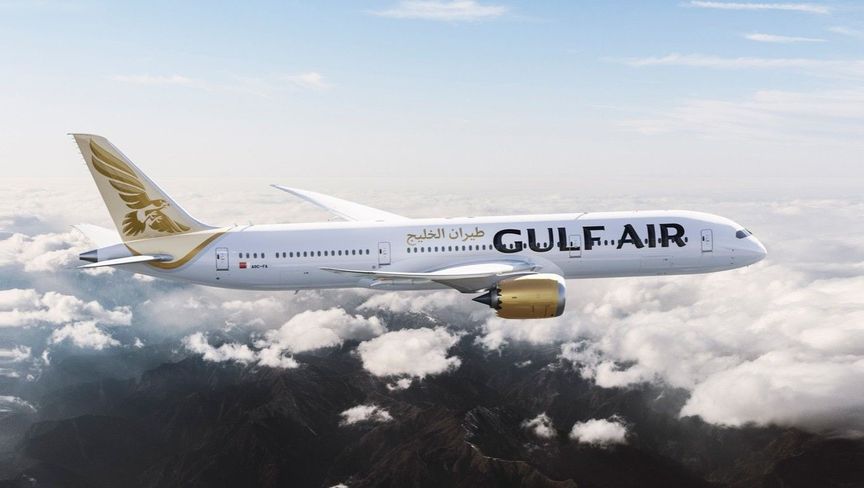
SAN FRANCISCO – Bahrain’s national carrier, Gulf Air, has signed a multi-billion-dollar agreement with Boeing to purchase 12 787 Dreamliners, with an option for six additional aircraft, as part of its ongoing expansion and fleet modernisation efforts. Once finalised, the order will increase Gulf Air’s confirmed 787 fleet to 14 jets and is expected to support 30,000 jobs across the United States, according to a joint statement by the two companies. Bahrain’s state news agency reported the value of the agreement at US$4.6 billion for 18 aircraft, while the US Commerce Department estimated the deal at around US$7 billion. Gulf Air Group chairman Khalid Taqi said the purchase represents a “transformational step” in the airline’s growth strategy, helping expand its international reach and align with its sustainability goals. He added that the Boeing 787 has been instrumental in the airline’s long-haul operations, citing its efficiency and passenger comfort. This order comes as Boeing reported its strongest second-quarter commercial aircraft deliveries since 2018, with 150 aircraft handed over. Despite recent aviation setbacks, including a June crash involving a Boeing 787 operated by Air India, the US aviation giant continues to secure major deals. The Air India incident remains under investigation, and no action has been requested from Boeing at this stage. The Gulf Air order follows broader momentum for Boeing, including a recent agreement involving the sale of 50 Boeing aircraft to Indonesia as part of a trade pact announced by US President Donald Trump.

Scroll to Top

Subscribe
FREE Newsletter