Investment & Market Trends

Investment & Market Trends, News

Unauthorised Trades Resolved, Affected Investor Will Not Incur Losses

KUALA LUMPUR: Bursa Malaysia Berhad (“Bursa Malaysia” or the “Exchange”), wishes to provide the following updates on the outcome of the cases of unauthorised trades on 24 April 2025: Bursa Malaysia and the affected brokers have reached a consensus to manage the unauthorised trades, with the support of counter-party brokers. The key outcome results with the underlying principle that no investor with unauthorised trades shall incur losses arising from the incident. As stated previously, the unauthorised trades were confined to a very limited number of brokers’ client online trading accounts. Subsequently, the affected securities and proceeds from the unauthorised trades, withheld since 27 April 2025 to facilitate the investigation, will be released following post trade actions on 20 May 2025. For the most part, the net effect of this process is the return of the affected securities and proceeds to the impacted investors, restoring their positions prior to the incident. A thorough investigation is currently underway to understand the root cause of the incident. Bursa Malaysia continues to work closely with the industry on the matter. Investor protection and market confidence remain paramount to the capital market.

Investment & Market Trends, News

Crewstone and Solyco Partner to Unlock $165 Million in Cross-Border Investment Opportunities

KUALA LUMPUR: Crewstone International (“Crewstone”), a Malaysia-based private equity firm, is pleased to announce a Co-General Partnership with Solyco Capital (“Solyco”), a U.S.-based private equity group with 6 offices across the US and UK. The investment is designed to open new US and UK investment opportunities to Crewstone’s growing international network and strengthen Crewstone’s position as a preeminent player in the US and UK markets. The investment represents over $165 Million in committed capital, to be initially focused on two core initiatives: 1) Working with the newly formed Solyco UK to create or acquire an FCA-regulated financial services firm and provide access to the growing private investment market in the UK (in progress), and 2) Investment into the US via Solyco’s expanding platform, including a direct investment into Solyco SPV II, which features a curated selection of more than 15 companies across high-growth sectors including Artificial Intelligence, Technology, Biotech, SportTech, HealthTech, Energy, and Logistics, with an estimated valuation of over $1.4 Billion USD1.  This partnership marks a significant milestone in Crewstone’s international expansion, following the launch of its U.S. subsidiary, Crewstone Capital, in New York at the end of 2024. The alliance will not only strengthen Crewstone’s U.S. footprint but also establish a foundational presence in the UK. Solyco US plans to work hand-in-hand with Crewstone US to provide not only an opportunity pipeline but also access to later stage transactions, from investment rounds to IPO. As part of the initial phase, Crewstone will raise over USD 15 million through its network of limited partners via a dedicated fund structure, — the Solyco Capital Opportunistic Fund. The capital will be channeled into a UK-domiciled SPV to facilitate the acquisition or creation of a Regulated UK investment firm, opening the door to direct investment in a range of UK and European companies, and potentially participating in select Government Initiatives such as the venerated EIS program. Participating LPs will have the opportunity to acquire up to 10% equity in the SPV, subject to full subscription. The initiative is designed to create a scalable platform for broader expansion across the European financial services landscape.    In parallel, Crewstone is launching a broader fundraising initiative of up to USD 150 million, beginning with an initial USD 50 million tranche dedicated to Solyco’s Portfolio SPV II. This capital will be strategically deployed across transformational sectors with strong market relevance and long-term value creation. This phase of the partnership aims to position Crewstone and Solyco as leading cross-border private capital partners, unlocking high-impact investment opportunities across developed markets.    “The partnership with Solyco Capital marks a significant milestone in our expansion into the UK while reinforcing our U.S. presence and establishing a growth platform across transformative sectors. Our combined capabilities are set to deliver long-term value to both investors and stakeholders,” said Dato’ Izmir Mujab, CEO of Crewstone International.    “Our partnership with Crewstone is a unique and powerful fit within Solyco’s global expansion strategy. Through this alliance, Crewstone’s LPs will gain access to the distinctive value of our growing portfolio, while our companies will gain access to opportunities for global export,” said John Garcia, Founder and Managing partner of Solyco Capital.  “We were drawn to the strength and reputation of Crewstone’s founders, and equally impressed by their culture of transparency, performance, and fierce dedication to protecting and serving their LPs — values that align seamlessly with our commitment to service, purpose, and impact across the assets, companies, and markets in which we invest. Together, Crewstone and Solyco Capital form a dynamic force of good, delivering a powerful combination of value creation, growth, and intentionally designed – near-and long-term liquidity – across global markets.” 

Investment & Market Trends, News

Asian Markets Rally as US China Trade Pause Lifts Investor Sentiment

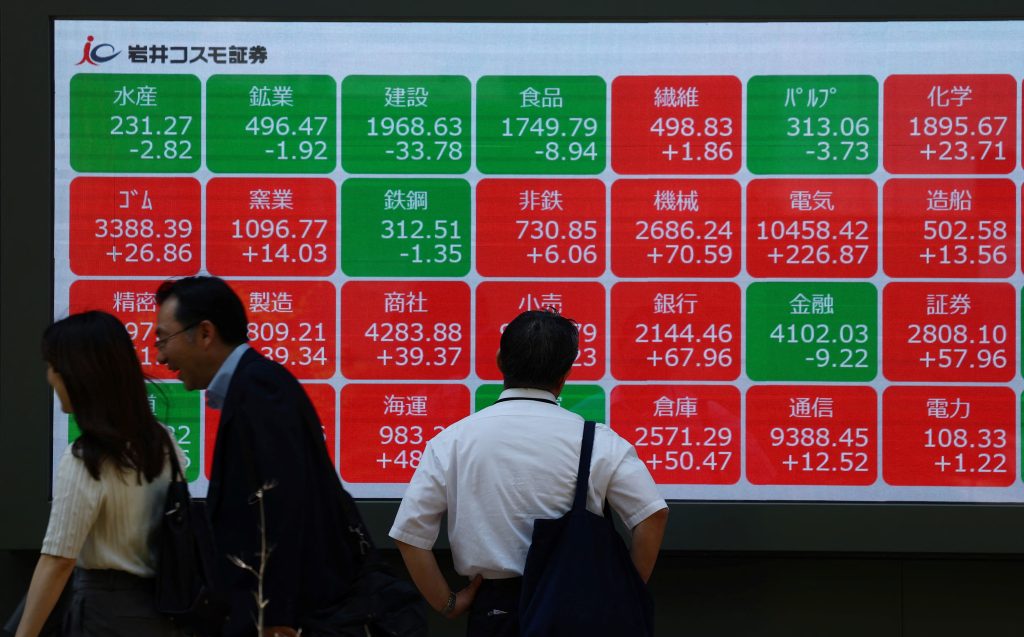
Asian markets rallied on Tuesday as a temporary pause in the US-China trade war boosted investor sentiment, easing fears of a global recession. The positive market response followed an agreement between the two economic giants to reduce tariffs for at least 90 days, prompting a shift in tone from recent confrontational rhetoric to one of “mutual respect” and “dignity”. Japan’s Nikkei surged 2%, reaching its highest level since 25 February, while Taiwan’s tech-heavy index also rose by 2%. Chinese stocks saw moderate gains in early trading. Singapore’s Straits Times Index climbed more than 1.5% in morning trade, pushing the MSCI’s broadest index of Asia-Pacific shares outside Japan to a six-month peak. In the US, the S&P 500 advanced over 3%, while the Nasdaq jumped 4.3%. The US agreed to cut tariffs on Chinese imports from 145% to 30%, while China reduced duties on US goods from 125% to 10%. This easing of trade tensions bolstered risk appetite across global markets. The US dollar, which had initially surged against the yen, euro, and Swiss franc, held on to most of its gains on Tuesday, although it weakened slightly as the trading session progressed. Despite the positive momentum, analysts remained cautious. Christopher Hodge, chief US economist at Natixis, noted that while de-escalation was expected, tariffs would still be significantly higher, continuing to impact US economic growth. Fitch Ratings reported that the effective US tariff rate had dropped to 13.1% from 22.8% prior to the agreement, although it remained historically elevated. Attention is now shifting to US inflation data, set to be released later on Tuesday. Soft consumer price index (CPI) figures could refocus market sentiment on Federal Reserve policy, potentially reducing expectations of further rate cuts. Traders are currently pricing in 57 basis points of cuts this year, down from over 100 basis points during the peak of tariff-related concerns in mid-April. US Treasury yields reached a one-month high on Monday and remained near that level on Tuesday, with the two-year yield at 3.99% and the benchmark 10-year yield at 4.45%. Oil prices slightly declined after hitting a two-week high, driven by trade deal optimism, while gold prices remained stable after falling 2% on Monday as some investors moved away from safe-haven assets. In the cryptocurrency market, bitcoin slipped 0.5% to $102,146, remaining above the key $100,000 mark it breached last week. Investors remain watchful as they assess the long-term impact of the trade truce and upcoming economic data. -Reuters

Investment & Market Trends, News

Inari Amertron Shares Soar on Semiconductor Recovery, US Policy Optimism

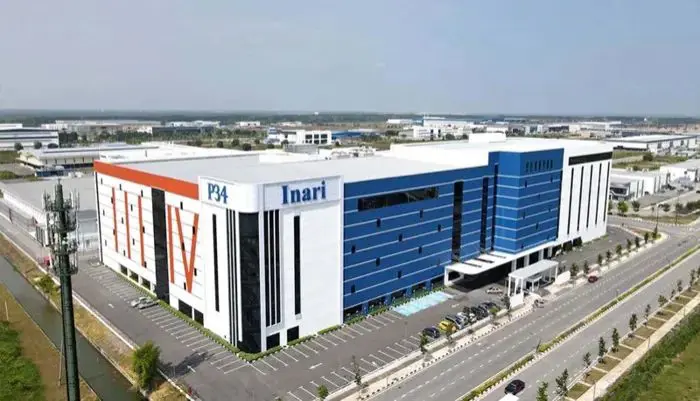
KUALA LUMPUR: Shares of Inari Amertron Bhd surged to their highest level in nearly three months in early trading on Tuesday, buoyed by optimism surrounding a continued global semiconductor recovery and the potential easing of US export controls on advanced chips — developments expected to benefit Malaysia’s tech sector. By 9:30am, the counter had soared 33 sen or 17% to RM2.27, lifting the group’s market capitalisation to approximately RM8.6 billion. Trading volume exceeded 22.2 million shares, more than double its average daily volume, making it the most actively traded stock on Bursa Malaysia in the morning session. Investor sentiment was supported by recent data from the Semiconductor Industry Association, which reported that global semiconductor sales reached US$55.9 billion (RM242.4 billion) in March 2025 — representing an 18.8% year-on-year increase and a 1.8% rise month-on-month. This marks the 17th consecutive month of annual growth for the sector. Additionally, industry body SEMI noted that global semiconductor materials revenue rose 3.8% year-on-year to US$67.5 billion in 2024, fuelled by strong demand for advanced materials driven by high-performance computing and AI-related applications. TA Securities reiterated its ‘overweight’ stance on the semiconductor sector in a research note issued Tuesday, citing positive tailwinds from both macroeconomic factors and policy developments. However, it cautioned that risks remain, particularly with regard to potential geopolitical and regulatory uncertainties stemming from US policy shifts. The research house views favourably reports that the Trump administration is considering revisions to the Biden-era restrictions on the export of advanced artificial intelligence (AI) chips. “Overall, we view this development positively, as it could provide Malaysia with greater access to advanced technologies, particularly in strategic industries such as data centres,” the note stated. “The potential relaxation of export controls may also stimulate foreign direct investment and collaborative opportunities, further enhancing Malaysia’s position in the global semiconductor supply chain.” TA Securities also welcomed the recent announcement by the Malaysian government outlining the eligibility criteria for local companies to participate in the advanced chip design initiative, in collaboration with UK-based Arm Holdings plc. “This development marks an important step forward in enabling Malaysian firms to move up the value chain within the global semiconductor ecosystem,” it added. Inari Amertron remains among TA Securities’ top picks in the sector, with a target price of RM3.10. Other ‘buy’ calls include Unisem (M) Bhd (TP: RM2.35), Malaysian Pacific Industries Bhd (TP: RM29.30), and Elsoft Research Bhd (TP: 52 sen). -The Edge Malaysia

Investment & Market Trends, News

Foreign Investors Maintain Buying Streak on Bursa Malaysia With RM422.6 Million Inflows

Kuala Lumpur: Foreign investors continued to demonstrate confidence in Malaysian equities, extending their net buying streak on Bursa Malaysia for a third consecutive week. Net inflows totalled RM422.6 million for the week ended 9 May, according to MIDF Amanah Investment Bank Bhd’s latest Fund Flow Report. While the inflow marked a slowdown from the RM853.3 million recorded the previous week, foreign investors remained net buyers on three out of five trading days. The largest net inflow occurred on Wednesday at RM364.8 million, followed by Friday with RM135.1 million. Net outflows were recorded on Monday and Thursday, at RM92.4 million and RM42.4 million, respectively. Sector-wise, utilities led with the highest foreign net inflow at RM253.3 million, followed by telecommunications and media (RM53.3 million), and financial services (RM51.1 million). In contrast, the energy and technology sectors experienced net outflows of RM57.5 million and RM56 million, respectively. Meanwhile, local institutional investors sustained their net selling trend for the third consecutive week, posting outflows of RM397.8 million. Local retail investors also continued to pare down holdings, although the pace of outflows moderated to RM24.8 million, compared to RM161.2 million in the preceding week. Market participation rose across all investor segments. Average daily trading volumes increased 8.6% for local institutions, 2.9% for retail investors, and 6.1% for foreign investors, signalling growing interest and momentum across Bursa Malaysia. -Bernama

Investment & Market Trends, News

US and China Agree to 90-Day Tariff Relief After Geneva Talks

GENEVA: The United States and China have agreed to a significant 90-day rollback of punitive tariffs, offering a rare window of relief in their prolonged trade dispute and renewing hope for more stable global economic relations. Following intense negotiations over the weekend in Geneva, both nations announced a mutual reduction in tariffs, effective 14 May. The US will lower its tariffs on Chinese goods from 145% to 30%, while China will reduce its duties on American imports from 125% to 10%. US Treasury Secretary Scott Bessent and Trade Representative Jamieson Greer jointly announced the deal at a press briefing, describing it as the most substantial breakthrough in years. “This agreement marks a crucial step towards a sustainable, long-term, and mutually beneficial trade relationship,” the statement read. The agreement also paves the way for a new dialogue mechanism, to be led by Chinese Vice Premier He Lifeng alongside Bessent and Greer. Talks will continue across various locations, including the US, China, or third-party countries, with lower-level technical discussions convened as required. This temporary truce follows years of tit-for-tat tariffs that have disrupted global supply chains and heightened market uncertainty. The Geneva talks were prompted by a steep hike in tariffs by US President Donald Trump, which had drawn swift retaliatory measures from Beijing. While temporary, the 90-day relief is seen as a crucial opportunity to stabilise trade relations between the world’s two largest economies.–BERNAMA

Investment & Market Trends

Investors Turn to Asia for Undervalued Currency Plays

LONDON: A growing number of global investors are eyeing Asia for emerging currency bargains, with undervalued currencies like the South Korean won, Indonesian rupiah, and Indian rupee drawing renewed interest. The shift comes as a Bloomberg index of Asian currencies marked its strongest gain in nearly a week, buoyed by a rally in the Taiwanese dollar and growing optimism over US-Asia trade talks. “The region has been fundamentally cheap for a long time,” said Claudia Calich, head of emerging market debt at M&G Investment Management. She added that although investors had previously favoured Latin America due to higher carry returns, interest in Asia is picking up as valuations become harder to ignore. Currency strategists from Goldman Sachs and Barclays are now bullish on the won, as well as the Malaysian ringgit, South African rand, and Singapore and Taiwanese dollars. Goldman’s analysis factored in valuation metrics, dollar asset conversion potential, and the yuan’s stabilising role. Market sentiment has shifted as signs emerge that trade tensions — particularly those sparked by Trump’s tariff threats — may have peaked. US-China talks have reportedly made “substantial progress,” lifting the yuan and boosting regional currencies. The improved outlook has also led global funds to increase purchases of local currency bonds in Indonesia, Thailand, and South Korea. Meanwhile, sustained selling pressure on the US dollar prompted intervention by Hong Kong’s monetary authority to protect its currency peg. However, analysts remain cautious. While a catch-up rally is underway, the longevity of gains is uncertain. Beijing’s control over the yuan could temper broader regional rallies, even as it offers stability. The US dollar regained some ground last week after Federal Reserve chair Jerome Powell signalled a pause on rate changes, resulting in some Asian currencies paring their earlier advances. “We’re not quite in a global growth cycle that supports strong outperformance by Asian currencies,” said Grant Webster, co-head of EM sovereign debt at Ninety One. Still, he acknowledged that cracks in the dollar’s dominance have created room for volatility — and opportunity. Dominic Schnider of UBS Wealth Management added, “When scouting for potential winners, the focus is on those that haven’t rallied yet. From a valuation perspective, many Asian currencies still look cheap.” Key data to watch this week: Trade data from India and Indonesia to gauge tariff impact GDP figures from Malaysia and Poland Mexico’s central bank decision on policy rates Inflation data across India, Argentina, Bulgaria, and Poland US President Trump’s Middle East visit Xi Jinping and Brazil’s Lula to meet at the China-CELAC summit Ceasefire developments between India and Pakistan –BLOOMBERG

Investment & Market Trends, News

Korea Zinc to Retire Nearly 10% of Shares in ₩1.82 Trillion Strategy Shift

SEOUL: Korea Zinc Co Ltd, the world’s largest refined zinc smelter, has announced plans to cancel ₩1.82 trillion (US$1.29 billion) worth of its own shares this year, in a move aimed at enhancing shareholder value and reinforcing management stability. The company confirmed on Thursday that it will retire a total of 2.04 million treasury shares—representing 9.85% of its total issued shares—over three phases scheduled for June, September, and December 2025. The announcement follows an extensive buyback conducted in 2024, during which Korea Zinc repurchased 2.08 million shares to fend off a takeover attempt led by its largest shareholder, Young Poong Group, in alliance with private equity firm MBK Partners. The corporate struggle escalated in September 2024, when the Young Poong-led group launched a tender offer to increase its stake in the zinc producer. In response, Korea Zinc secured backing from Bain Capital and proceeded with a large-scale buyback to consolidate its control. In a critical development in March this year, a Seoul court ruled to restrict the voting rights of Young Poong in appointing new board members, allowing Korea Zinc’s CEO to retain his position and secure the board’s composition at the company’s annual general meeting. The share cancellation programme reflects Korea Zinc’s strategy to streamline its capital structure, support its share price, and reinforce its autonomy in the face of external shareholder pressure. –Yonhap

Investment & Market Trends, News

Thailand’s Solar Rooftop Market Heats Up Amid Falling Prices and Policy Support

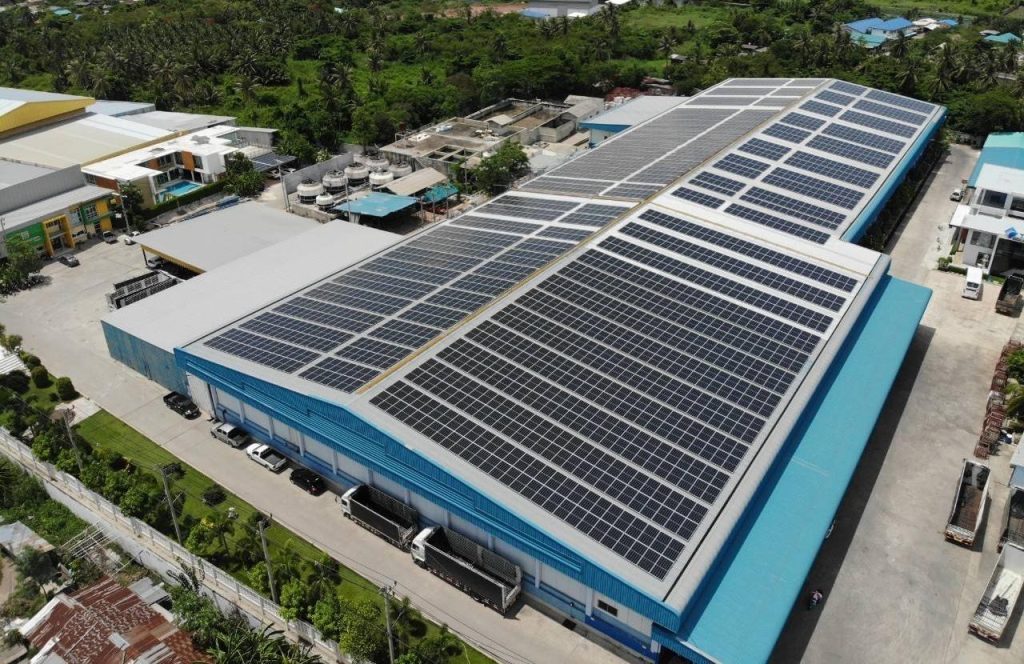
Thailand’s solar rooftop sector is poised for heightened competition as falling costs, an expanding array of suppliers, and regulatory support from the government converge to accelerate adoption across residential and commercial segments. EnergyLIB, a solar energy solution provider, has launched a new solar system specifically designed for townhouses, while  JJ-LAPP, the cable and connectivity solutions joint venture of diversified industrial conglomerate Jebsen and Jessen Group and LAPP Holding Asia, is partnering with Chinese solar panel manufacturer Deye to launch new products in Thailand. Chatchai Wajakiet, General Manager of JJ-Lapp – a joint venture between Jebsen & Jessen and Lapp Holding Asia – noted that recent easing of installation regulations and the increasing affordability of solar technology are key drivers behind growing consumer interest. “Entrepreneurs such as office and factory owners have traditionally led demand, but we expect to see increased adoption within the household sector in the coming years,” said Chatchai. “Lower prices for solar panels and energy storage systems are making clean energy more accessible.” The shift in cost dynamics is significant. In 2010, photovoltaic (PV) panels capable of generating 1 megawatt (MW) of electricity cost around 150 million baht. Today, the same capacity can be installed for just 15 million baht, according to Prapunt Harnchai, a consultant at Deye Thailand. Similarly, battery energy storage systems (BESS), which are essential for managing the intermittent nature of solar power, have seen substantial price reductions. A 5-kilowatt-hour BESS that previously cost 250,000 baht now retails for approximately 200,000 baht. While the domestic market outlook remains robust, broader geopolitical developments may also reshape regional dynamics. Industry analysts have indicated that Chinese solar manufacturers may increase exports to Asian markets amid trade tensions with the United States. President Donald Trump has proposed significant tariffs on solar panel imports from Southeast Asia, following allegations that Chinese firms operating in Malaysia, Cambodia, Thailand, and Vietnam are selling products below production cost due to state subsidies. A final decision from the US International Trade Commission on the proposed tariffs is expected in June. As solar technology becomes more affordable and policy frameworks more supportive, Thailand’s solar rooftop market is expected to expand further, underpinned by growing demand from both commercial and residential sectors. –Bangkok Post

Investment & Market Trends, News

China’s Exports Defy Tariffs with 8.1% Growth Despite 21% Drop in US Trade

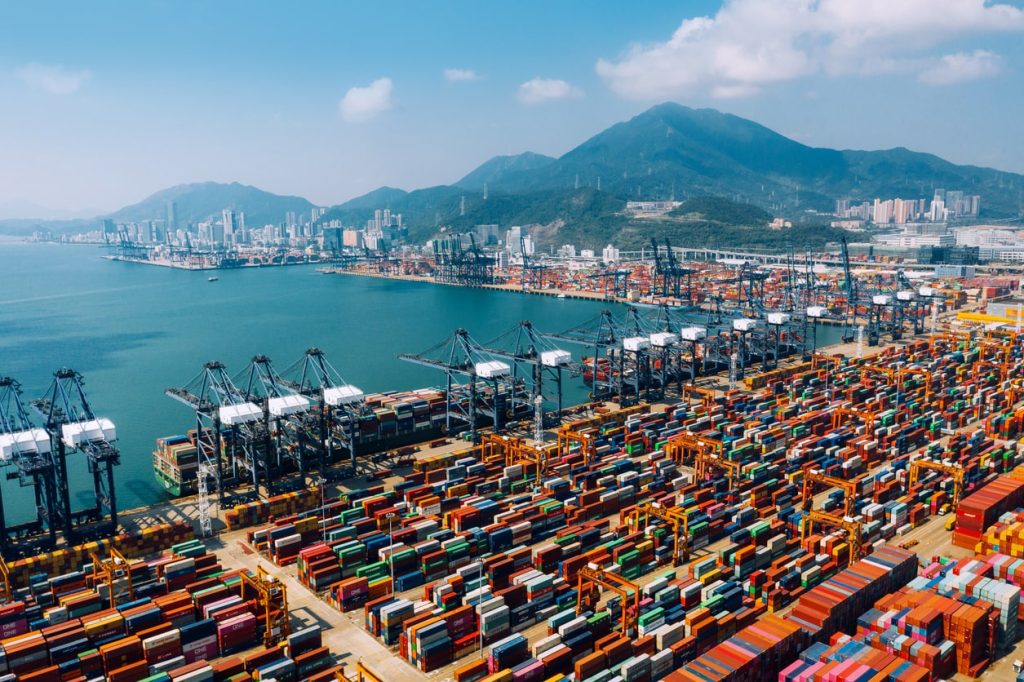
BEIJING: China’s export performance surpassed expectations in April, despite a significant decline in shipments to the United States following the imposition of aggressive new tariffs by the Biden administration. The latest trade data offer an early snapshot of the shifting global trade landscape as tensions between the world’s two largest economies intensify. According to figures released by China’s General Administration of Customs on Friday, total exports rose by 8.1% year-on-year, significantly above economists’ forecast of a 2% increase. Imports, however, edged down by 0.2%, resulting in a robust trade surplus of US$96 billion (RM414.03 billion). The headline growth in exports masks stark divergences in regional performance. Shipments to the US plunged by 21% year-on-year following the early April rollout of tariffs exceeding 100% on a wide range of Chinese goods. In contrast, exports to Southeast Asian nations within the ASEAN bloc surged 21%, while those to the European Union climbed 8%, underscoring China’s accelerating pivot towards other key markets. China’s own retaliatory tariffs led to a 14% drop in imports from the US during the same period, further reflecting the deepening disruption in bilateral trade flows. The April data provide the first official insight into the tangible effects of the latest escalation in trade tensions, though analysts warn that the full economic impact may not become apparent until the coming months. Many experts predict that, barring a de-escalation, trade volumes between China and the US — which reached nearly US$690 billion in 2024 — could shrink dramatically, with widespread implications for global supply chains and pricing pressures on businesses and consumers alike. Efforts to defuse the standoff are set to resume this weekend, as US and Chinese officials convene for the first round of high-level trade talks since President Trump’s departure and President Biden’s administration adopted a more assertive trade stance. US Treasury Secretary Scott Bessent, who has described the current tariff regime as “unsustainable,” will lead the American delegation in discussions with a Chinese team headed by Vice Premier He Lifeng. Despite hopes from the business community that progress can be made, both sides have reiterated firm negotiating positions. President Biden recently ruled out lowering tariffs as a precondition for broader dialogue, while Beijing maintains that any resolution must begin with a full rollback of existing duties. With the talks scheduled to begin on Saturday, markets and industry stakeholders will be closely monitoring for any signs of compromise — though expectations for a breakthrough remain muted. –Bloomberg

Scroll to Top

Subscribe
FREE Newsletter