Investment & Market Trends

Investment & Market Trends

Jollibee Foods Aims for 10,000 Global Restaurants in 2025

Philippines-based Jollibee Foods Corporation is on track to reach 10,000 restaurants worldwide this year, with a strategic focus on expanding in North America. The company plans to invest PHP18-21 billion (US$312-364 million) to open up to 800 new outlets in 2025. As of last year, Jollibee operated 9,766 locations globally. Jollibee, widely recognized for its signature fried chicken chain, continues its North American growth push. “We’re not in all 50 states [in the U.S.]. We’re in only maybe 15 states,” said Richard Shin, Chief Financial and Risk Officer, as quoted by Nikkei Asia. The brand made its U.S. debut in California in 1998, and by the end of 2024, had 103 locations across the U.S. and Canada, along with 266 outlets under its other brands in North America. To accelerate its expansion, Jollibee is focusing on a franchise-driven growth model in the region. Jollibee reported a 17.7% increase in net profit for 2024, reaching PHP10.3 billion, driven by strong revenue growth from new store openings and acquisitions. For 2025, the company forecasts 8% to 12% growth in system-wide sales, covering both company-owned and franchised locations, while targeting up to 8% expansion in its store network. Beyond organic growth, Jollibee has pursued an active acquisition strategy to strengthen its global presence. The company recently acquired South Korea’s Compose Coffee, took full ownership of Hong Kong’s Tim Ho Wan, and added Taiwan’s Moon Moon to its portfolio. Jollibee also holds stakes in several well-known international brands, including China’s Yonghe King and U.S. brands Smashburger and The Coffee Bean & Tea Leaf. With an ambitious expansion plan and strategic investments, Jollibee continues to solidify its position as a major player in the global fast-food industry.

Investment & Market Trends

US$986 Million Bid to Buy Out Sinarmas Land

JAKARTA: Indonesia’s influential Widjaja family has launched a bid to take Sinarmas Land private, offering to acquire the shares of the Singapore-listed property firm that it does not already own. The deal values Sinarmas Land at S$1.32 billion (US$986 million). The Widjaja family, which controls the Sinar Mas Group, currently holds a 65.75% stake in Sinarmas Land through its family trust, according to LSEG data. Sinar Mas Group operates a diverse range of businesses, including pulp and paper, property, and banking, primarily in Indonesia. Under the all-cash offer, shareholders would receive S$0.31 per share, reflecting a 12.7% premium over the stock’s last traded price on Monday. Trading in Sinarmas Land shares has been halted since then. The family stated that Sinarmas Land’s ability to pay dividends depends largely on the financial performance of Sinar Mas Group’s Indonesian-listed subsidiaries, such as PT Bumi Serpong Damai and PT Puradelta Lestari. The offer provides shareholders with a chance to exit and reinvest directly in these entities. As the majority shareholder, the Widjaja family’s offer does not require a minimum level of shareholder acceptance, ensuring a smoother path toward privatization. The move underscores the family’s strategy to consolidate its real estate holdings and strengthen its position within Indonesia’s growing property sector.

Investment & Market Trends

Petronas Makes a Strong Return with US$5 Billion Dollar Bond Offering

Petronas, Malaysia’s state-owned oil and gas giant, marked a significant milestone with its recent issuance of a US$5 billion senior multi-tranche bond. This move signals Petronas’ reentry into the international US dollar bond market after a hiatus of four years since its last offering in April 2021. The bond issuance, initially planned at US$3 billion, garnered exceptional demand from investors, surpassing expectations with orders exceeding US$17 billion. This overwhelming response underscored investor confidence in Petronas’ financial health and strategic direction. Proceeds from the bond, upsized from its initial target, will be allocated towards general corporate purposes, reinforcing Petronas’ liquidity position and funding capabilities for future endeavors. “This US$5 billion issuance is not only Petronas’ largest from the oil and gas sector in Asia over the past five years but also represents a pivotal transaction in the international bond market since 2021,” a company spokesperson stated. The offering consisted of three tranches: US$1.6 billion in 5.75-year notes offering returns at 4.95%, US$1.8 billion in 10-year notes with a yield of 5.34%, and US$1.6 billion in 30-year notes carrying a coupon rate of 5.848%. The competitive pricing strategy saw Petronas narrowing bond spreads by 30-to-35 basis points from initial guidance, reflecting robust investor appetite and favorable market conditions. International investors across diverse categories, including asset managers, banks, insurers, pension funds, central banks, and sovereign wealth funds, participated in the oversubscribed offering. This broad investor base highlights Petronas’ global appeal and reinforces its position as a preferred investment choice in the energy sector. Leading global financial institutions, including JPMorgan, Morgan Stanley, HSBC, Malayan Banking Bhd (Maybank), and MUFG, played crucial roles as joint global coordinators, bookrunners, arrangers, and dealers for this landmark transaction. Their expertise and market insights were instrumental in navigating the complexities of the global medium-term note market. In summary, Petronas’ successful US$5 billion bond issuance not only strengthens its financial flexibility but also underscores its strategic resilience amidst evolving market dynamics. This achievement reaffirms Petronas’ commitment to sustainable growth and prudent financial management in the global energy landscape.

Investment & Market Trends

Media & Entertainment Sees 296% ROI from Observability – New Relic

New Relic, a leading provider of Intelligent Observability solutions, has released its latest “State of Observability for Media and Entertainment” report, highlighting the pivotal role of observability in advancing artificial intelligence (AI) adoption across the industry. Based on insights gathered from New Relic’s 2024 Observability Forecast, the report underscores how AI and observability intersect to enhance operational efficiencies and user experiences in digital media. Key findings from the report indicate that 35% of surveyed media and entertainment professionals view observability as crucial for facilitating AI adoption within their organizations. This emphasis on AI is further reflected in the sector’s widespread use of AI monitoring capabilities, with 60% leveraging AI monitoring—the highest rate among all industries surveyed. “Media and entertainment organizations rely on observability to ensure seamless content delivery and sustained viewer engagement,” explained Nic Benders, Chief Technical Strategist at New Relic. “They face the challenge of maintaining uptime and reliability amidst complex technological infrastructures. Our findings demonstrate a significant shift towards integrating AI into observability practices, enabling these organizations to achieve substantial returns on investment—up to 296% ROI reported.” Simon Lee, Senior Vice President and Managing Director, Asia Pacific and Japan at New Relic, highlighted the Asia Pacific region’s burgeoning media landscape. “With a dynamic market for digital content, media companies in Asia Pacific are increasingly turning to comprehensive observability solutions,” Lee noted. “These solutions provide a unified view of their systems, ensuring uninterrupted user experiences—critical during peak demand periods.” The report identifies AI and containerization as primary drivers shaping observability strategies within the media and entertainment sector. Alongside AI adoption, strategies such as security, multi-cloud migration, and IoT integration are pivotal in enhancing decision-making and operational resilience. Regarding AI’s role in observability, respondents indicated strong interest in AI-assisted functionalities like automated runbook generation and predictive analytics. Media and entertainment companies lead in AI monitoring adoption, underlining their reliance on observability for speed, uptime assurance, and reliability. However, the sector faces challenges in outage detection and response efficiency, with a median mean-time-to-detection (MTTD) of 56 minutes—higher than the industry average. This delay underscores the need for enhanced observability tools to mitigate downtime risks and preserve brand reputation. In pursuit of operational excellence, media organizations are prioritizing integrated observability platforms that streamline telemetry data across IT operations. While progress towards full-stack observability remains gradual, industry leaders are focused on overcoming complexities in their tech stacks to achieve comprehensive visibility. Looking ahead, the report suggests that consolidating observability tools into a single platform could optimize operational efficiencies and drive greater business value. Despite the intent to consolidate tools being lower in media and entertainment compared to other sectors, there is a growing recognition of the benefits of unified observability solutions.

Investment & Market Trends

Grab Eyes US$2 Billion Loan for Mega Merger with GoTo

Singapore-based ride-hailing and delivery giant Grab Holdings Ltd is reportedly in discussions to secure a loan of up to US$2 billion (RM8.85 billion) to support its potential acquisition of Indonesian rival GoTo Group Inc, according to sources familiar with the matter. The proposed bridge loan, which could have a 12-month tenure, is still in the early stages of negotiation with banks, and terms may change, the sources said. Neither Grab nor GoTo provided comments in response to media inquiries. This development comes as mergers and acquisitions (M&A) activity gains momentum in Asia, with valuations becoming more attractive. The region’s loan market, which has faced a three-year slump, is expected to rebound in 2025, fueled by a rising pipeline of deal financing. Other notable transactions include Blackstone Inc. working with Citigroup Inc. to raise at least US$200 million for its acquisition of South City Mall in Kolkata, India, and Advent International seeking approximately US$300 million to fund its purchase of contact lens maker Ginko International’s China operations. Grab’s potential fundraising indicates that the long-anticipated acquisition is gaining traction after previous delays. The Uber-backed firm is advancing due diligence and structuring a deal that could exceed US$7 billion, according to Bloomberg. Additionally, Grab is exploring a bond or equity issuance to replace the bridge loan once secured. However, the transaction hinges on the successful completion of the GoTo acquisition, the sources noted.

Investment & Market Trends

RHB Bank Pumps RM51 Million into Boost Bank’s Digital Ambitions

RHB Bank has reaffirmed its strategic commitment to Boost Bank by investing RM51 million, securing a 40% stake in the digital banking entity. The investment, detailed in a regulatory filing on March 27, 2025, involved subscribing to 51 million new shares at RM1 per share, financed entirely from RHB’s internal reserves. This move aims to bolster Boost Bank’s expansion and operational capabilities while ensuring compliance with Bank Negara Malaysia’s capital requirements. Since May 17, 2024, RHB Bank has progressively acquired additional shares, culminating in the latest transaction. As of March 21, 2025, the Employees Provident Fund Board (EPF) holds 37.87% of RHB Bank and 18.17% of Axiata Group Berhad, Boost Bank’s indirect parent company. The investment’s impact on RHB Bank’s financials remains minimal, with the highest percentage ratio calculated at 0.16% of its audited consolidated net assets as of December 31, 2024. This figure falls comfortably below Bursa Malaysia’s 0.25% threshold for mandatory public disclosure, thus not requiring further announcement. Previously, RHB Bank and Boost Holdings invested RM9.5 million in April 2024 and RM8.6 million in February 2024, respectively, to maintain their joint ownership of Boost Bank, which debuted as Malaysia’s first homegrown digital bank in June 2024. Within six months, Boost Bank attracted over RM700 million in deposits and recorded a Gross Transaction Value (GTV) exceeding RM5.6 billion by year-end.

Investment & Market Trends

Malaysian Stocks Face Longest Outflow Streak Since 2018

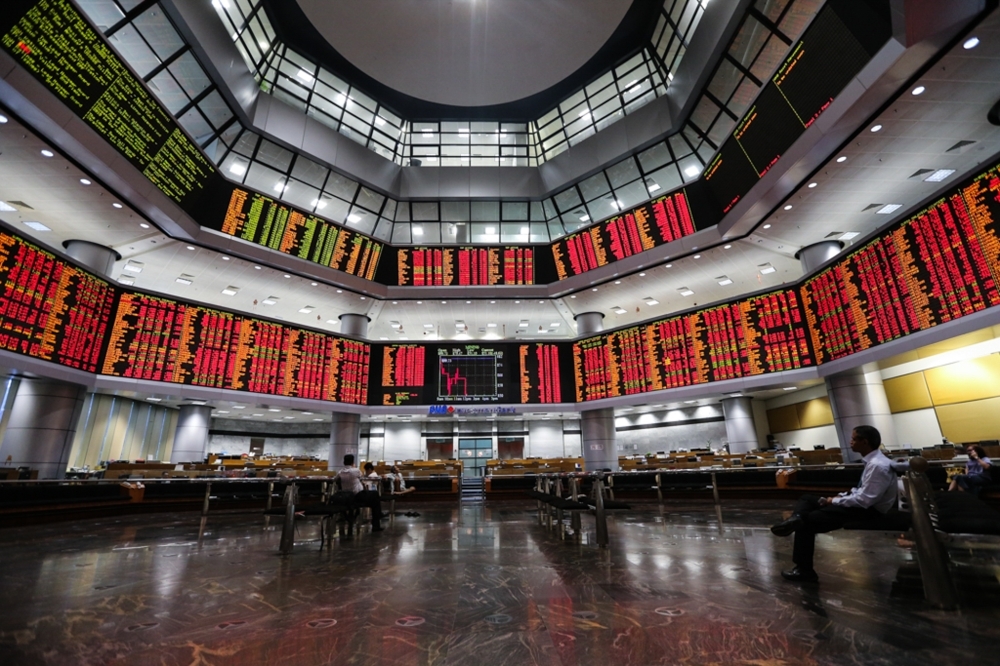
Foreign investors have been selling Malaysian stocks for 29 consecutive sessions, marking the longest outflow streak since June 2018. Concerns over the country’s AI projects, amid US efforts to regulate advanced chip technology transfers, have contributed to this trend. So far this quarter, global funds have withdrawn over US$2.1 billion from Malaysian stocks on a net basis—the largest quarterly outflow since Q2 2018, according to Bloomberg data. As a result, the FTSE Bursa Malaysia KLCI has declined 6.8% this year. Market strategist Jun Rong Yeap from IG Asia highlighted that Trump’s tariffs have raised concerns about the sustainability of US semiconductor firms’ investments in Malaysia. This uncertainty, he noted, could hinder Malaysia’s goal of becoming a regional semiconductor hub.–BLOOMBERG

Investment & Market Trends

Chagee Joins $333 Billion Market Boom with US IPO Filing

Chinese tea chain Chagee filed for an initial public offering (IPO) in the United States on Tuesday (25 March 2025), positioning itself to become the first Chinese “new-style tea drink brand” listed on the US stock market. If successful, Chagee will join the ranks of Nayuki’s Tea, Chabaidao, Guming, and Mixue Group, which are already publicly traded in Hong Kong. The wave of IPOs among Chinese tea brands reflects growing investor confidence in China’s expanding consumer market, an industry expert said on Wednesday. Founded in 2017, Chagee has rapidly scaled its presence, operating 6,440 teahouses as of December 31, 2024, including 6,284 locations in China. The company’s financial performance has been equally impressive, with net revenue soaring to 12.41 billion yuan ($1.71 billion) in 2024—up from 4.64 billion yuan the previous year. Net income surged 213.3% to 2.51 billion yuan, according to company filings. Chagee plans to use the IPO proceeds to expand its teahouse network both domestically and internationally, alongside other corporate initiatives. Its public offering follows a series of successful listings by other Chinese tea brands. On March 3, Mixue Group saw its shares jump 43.21% on its debut trading day on the Hong Kong Stock Exchange (HKSE). Guming, another bubble tea chain, went public on February 12, marking Hong Kong’s first new listing of the Year of the Snake. Nayuki’s Tea set the precedent in June 2021 as the world’s first publicly listed tea drink brand, followed by Chabaidao’s IPO in April 2024. Tian Yun, a veteran economist, told the Global Times that the increasing number of publicly traded Chinese tea brands highlights strong investor confidence in the country’s consumer sector. Chagee’s US IPO, he added, could attract international investors and support the company’s global expansion efforts. China’s booming tea beverage industry is driven by consumers’ demand for quality, innovative flavors, and personalized experiences. Younger consumers, in particular, have fueled the rapid growth of the sector, Tian noted. According to a report by iiMedia Research, China’s new-style tea drinks market reached 333.38 billion yuan in 2023 and is projected to grow to 374.93 billion yuan by 2025. Meanwhile, China continues to implement policies to bolster domestic consumption. Official data released in March showed that retail sales, a key indicator of consumer spending, rose 4% year-on-year in the first two months of 2025.–GLOBAL TIMES 

Investment & Market Trends

Matrade Sets Bold RM1.58 Trillion Export Target for 2025

KUALA LUMPUR: The Malaysia External Trade Development Corporation (Matrade) has been tasked with increasing Malaysia’s export value of goods by 5% to RM1.58 trillion this year, following its success in surpassing the RM1.5 trillion target in 2024. Matrade chairman Datuk Seri Reezal Merican Naina Merican announced that the goal was set by Investment, Trade, and Industry Minister Datuk Seri Tengku Zafrul Abdul Aziz after the agency recorded RM1.51 trillion in exports last year—exceeding expectations by RM10 billion. “This is yet another remarkable success. However, looking ahead to 2025, we anticipate several challenges, including geopolitical uncertainties and the ongoing technology war,” he said at Matrade’s 2025 Iftar ceremony on Monday. Reezal Merican emphasised that Matrade will develop new strategies in response to global trade shifts, particularly those influenced by the United States. “We need to closely monitor developments in the US and adjust our approach accordingly. The Ministry of Investment, Trade, and Industry has already begun discussions on this matter,” he added. As Malaysia navigates an increasingly complex global trade landscape, Matrade’s efforts will focus on strengthening the country’s position and resilience in international markets.

Events, Investment & Market Trends

ASEAN Investment Conference 2025 Set to Catalyse Regional Growth and Sustainability

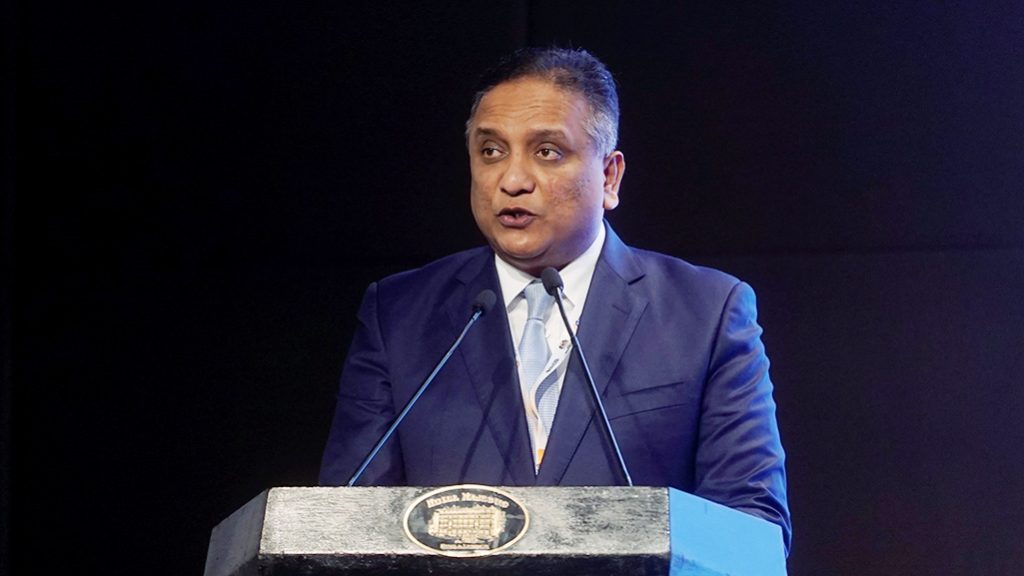
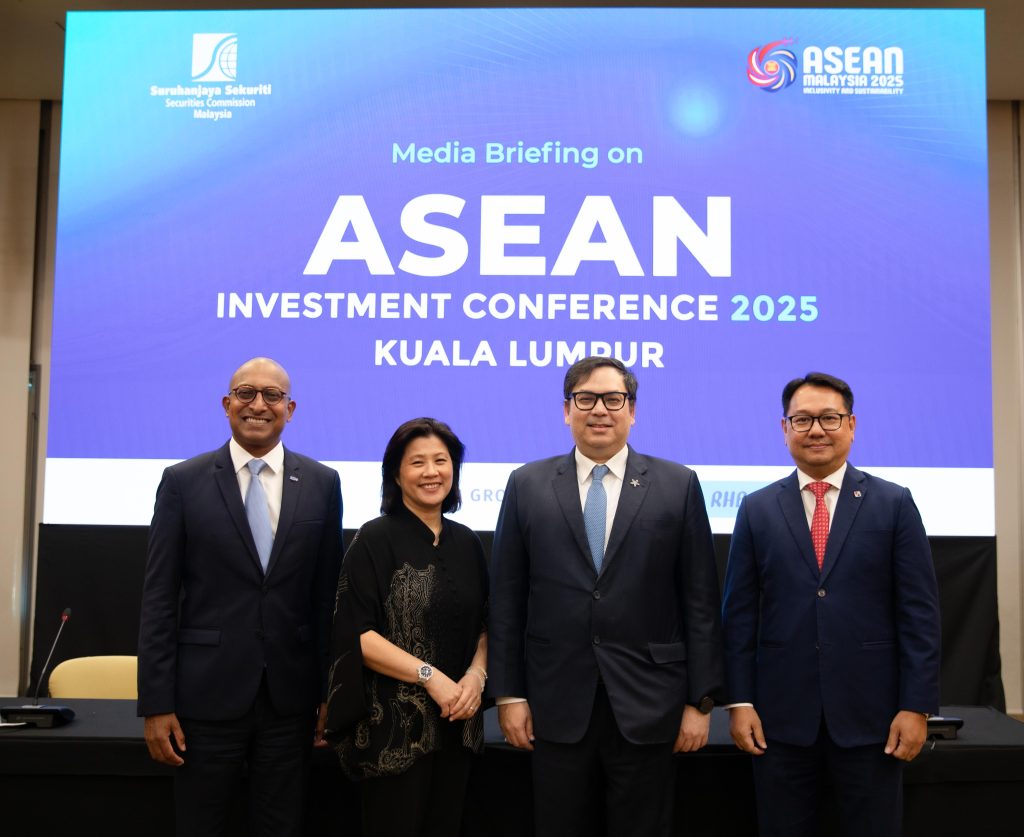
KUALA LUMPUR: Malaysia will host the ASEAN Investment Conference (AIC) 2025, an engagement platform to connect capital and unlock ASEAN opportunities. Aligned with the core principles of inclusivity and sustainability, the conference reflects the priorities of Malaysia’s Chairmanship of ASEAN this year. Hosted by the Securities Commission Malaysia (SC) in collaboration with strategic partners, AFFIN Group, CGS International Securities Malaysia (CGS MY) and RHB Banking Group (RHB), AIC 2025 will take place in Kuala Lumpur from 8 – 9 April 2025. Under the theme ‘Connecting Capital, Unlocking Opportunities and Driving Sustainability’, AIC 2025 will emphasise ASEAN’s regional connectivity and unity as essential drivers for sustained growth. The conference will showcase the region as a leading investment destination and a compelling, sustainable asset class. The conference will be inaugurated by the Prime Minister of Malaysia, Dato’ Seri Anwar Ibrahim, who will also launch the ASEAN Simplified ESG Disclosure Guide for SMEs in Supply Chains. High-level attendees include Senator Datuk Seri Amir Hamzah Azizan, Minister of Finance II, Malaysia, H.E. Chee Hong Tat, Minister for Transport and Second Minister for Finance, Singapore and Senator Tengku Datuk Seri Utama Zafrul Tengku Abdul Aziz, Minister of Investment, Trade and Industry, Malaysia. The conference is expected to bringing together around 400 attendees, including leading policymakers, investors, financiers, business leaders and thought leaders from across the ten ASEAN member states and the ASEAN+3 region, including key financiers from Japan, China and Korea, AIC 2025 will serve as a catalyst for cross-border collaboration and unlocking the region’s vast potential.   The SC Chairman Dato’ Mohammad Faiz Azmi said, “ASEAN’s position as the world’s fifth largest economy, with a GDP exceeding USD3.3 trillion and over 600 million people, underscores its growing influence on the global stage. With a robust annual growth averaging 5%, high saving rates exceeding 30% of GDP, and a young population – 60% of whom are under 35 – ASEAN offers a compelling investment proposition. As ACMF Chair, we recognise the crucial role that ASEAN capital markets play in driving sustainable growth, fostering innovation and attracting global investments.” “AIC 2025 aims to further cement ASEAN’s standing as a premier investment destination, spotlighting it’s dynamic opportunities and fostering deeper collaboration to unlock the region’s immense potential for inclusive and sustainable growth.”   Datuk Wan Razly Abdullah, President & Group Chief Executive Officer of AFFIN Group, said, “AFFIN Group is proud to be part of AIC 2025, a forum where capital, ideas and policy converge to shape the region’s economic future. Our participation reflects the Group’s commitment to driving regional resilience through purposeful collaboration, capital connectivity and sustainable growth. As we commemorate 50 years of building trust, empowering businesses and enhancing lives, we remain focused on redefining the future of banking through our AFFIN Axelerate 2028 (AX28) Plan, anchored on the pillars of Unrivalled Customer Service, Digital Leadership, and Responsible Banking With Impact.” “The recent MoU with MUFG Bank (Malaysia) Berhad marks a significant milestone in our ambition to catalyse cross-border opportunities and strengthen ASEAN’s financial ecosystem. This enables us to mobilise institutional partnerships, deepen regional integration and unlock new investment flows across ASEAN. Looking ahead, AFFIN Group will continue to support businesses and institutions through tailored solutions, financial innovation and long-term value creation — helping shape a more inclusive, future-ready ASEAN economy.”   Azizah Mohd Yatim, Chief Executive Officer of CGS International Securities Malaysia said “CGS MY has been leveraging our strong regional presence, deep market understanding, and China linkages to facilitate intra-ASEAN business and investment opportunities; and for businesses looking to grow beyond its borders, we serve as a bridge for businesses and investments to access ASEAN’s largest trade partner.” “ASEAN has a well-developed capital market and large sophisticated retail and institutional base and in these are exciting times, we see immediate opportunities in pipeline building for initial public offerings and positioning the ASEAN asset class as a fundamental inclusion in any investment portfolio. CGS MY looks forward to continue playing a vital role as a facilitator and intermediary that brings to the table best-in-class business and investment ideas and opportunities for mutual advantage.” Kevin Davies, Chief Executive Officer/ Managing Director, RHB Investment Bank, said “RHB Banking Group is committed to positioning ASEAN as a competitive and sustainable investment destination by connecting global investors to the region’s diverse growth opportunities. Through our deep market expertise, strong investor relationships, and innovative solutions, we aim to facilitate cross-border capital flows and unlock the region’s potential in key sectors such as green finance, technology, and infrastructure.” “Our participation in the ASEAN Investment Conference reflects our dedication to advancing sustainable finance and fostering greater regional market integration, ensuring ASEAN remains a dynamic hub for global investment destination.” Key discussions of the two-day event include discussions on digital transformation, sustainable finance, infrastructure development and capital market opportunities across ASEAN. Panels and presentations will explore critical policy frameworks, investment strategies, regulatory reforms, and best practices to strengthen regional competitiveness and economic resilience. For more information on ASEAN Investment Conference, visit aic25.com.

Scroll to Top

Subscribe
FREE Newsletter