Investment & Market Trends

Investment & Market Trends

Forex Loss Puts Capital A in the Red, Non-Aviation Revenue Hits Record

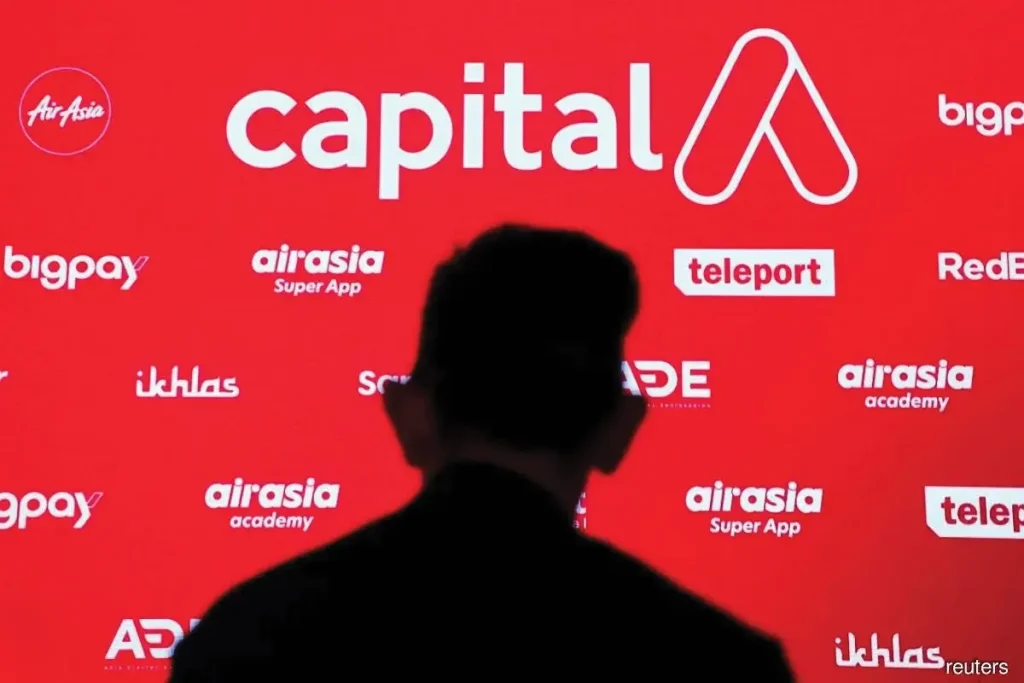
KUALA LUMPUR: Capital A Bhd (KL:CAPITALA) ended the final quarter of 2024 with a bigger net loss, again dragged by foreign exchange (forex) losses, despite registering higher revenue from its continuing operations. Net loss for the three months ended Dec 31, 2024 (4QFY2024) stood at RM1.57 billion, versus losses of RM345.31 million a year earlier, as the group booked RM1.4 billion in forex losses from the aviation business. This is Capital A’s biggest quarterly loss in the post-pandemic period, after incurring a net loss of RM2.44 billion in 4QFY2020. Quarterly revenue, however, rose 33.87% to RM443.33 million compared with RM331.16 million in 4QFY2023, thanks to improved performance in logistics, MRO (maintenance, repair and overhaul) services and digital businesses. No dividend was declared during the quarter. The last dividend from Capital A was 90 sen per share for FY2019. The group’s continuing operations — excluding the aviation segment due to a planned disposal to sister company AirAsia X Bhd (KL:AAX) — recorded a revenue increase of 39% to RM880.1 million in 4QFY2024. The logistics segment, involving air cargo unit Teleport, contributed 40% of this, while MRO services (ADE) accounted for 23% and the online travel platform 19%. The discontinued aviation segment’s revenue rose 8% to RM4.82 billion. Earnings before interest, taxes, depreciation and amortisation (Ebitda) increased to RM1.17 billion in the quarter, compared with RM295.2 million a year ago. For the full financial year ended Dec 31, 2024 (FY2024), Capital A posted a net loss of RM475.11 million from a net profit of RM255.32 million in FY2023. Full-year revenue of continuing operations increased 16.98% to its all-time high of RM1.5 billion, compared with RM1.28 billion. Capital A sets earnings targets, sees PN17 exit by 2Q Along with the results release, Capital A has published its own internal targets for FY2025. It expects its non-aviation revenue to hit RM4 billion with an Ebitda of RM600 million, giving the group a 10% net operating profit margin. Its aviation segment, meanwhile, is targeted to achieve RM24 billion in revenue, an Ebitda of RM4.8 billion and a 5% net operating profit margin, assuming all aircraft take to the skies. “Ambitious, but I believe the worst is behind us and it’s time to reap all the hard work we’ve put into rebuilding,” Capital A chief executive officer (CEO) Tan Sri Tony Fernandes said in a statement. Fernandes also expects Capital A to exit its Practice Note 17 (PN17) status by the “end of quarter two”, pending related approvals. Capital A’s Aviation Group CEO Bo Lingam said that moving onwards, the group will focus on cost, trimming its debt and optimising routes to double down on the most profitable ones. “We’re also committed to strengthening domestic market share by increasing flight frequencies from our mega hubs in Kuala Lumpur and Bangkok, and secondary hubs,” Bo said. At the closing bell on Friday, Capital A settled down three sen or 3.35% to 86.5 sen, valuing the group at RM3.75 billion.–THE EDGE MALAYSIA

Investment & Market Trends

Axiata says in talks with potential new shareholder for Boost

KUALA LUMPUR (Feb 26): Axiata Group Bhd said it is in talks with a potential new shareholder for its financial technology (fintech) arm Boost Holdings Sdn Bhd. The deal is still pending regulatory approval, and Axiata is not able to disclose the name of the new investor, group chief executive officer and managing director Vivek Sood said at an earnings briefing on Wednesday. “We expect by the end of the second quarter of 2025, we should have a new investor in [Boost], which should help us with future funding requirements,” he said. Companies Commission Malaysia (SSM) data showed that Boost is 77.76% owned by Axiata, while Great Eastern Holdings Ltd’s wholly owned unit Great Eastern Digital Pte Ltd holds a 19.89% stake, and Mitsui & Co Ltd 2.33% equity interest. Great Eastern, in a Singapore-Exchange filing in September last year, noted that its stake in the fintech company had slipped to 19.898% from 21.875%, following an increase in Boost’s issued and paid-up share capital. Boost’s issued capital stood at RM1.74 billion, with paid-up capital at RM1.59 billion, according to the same SSM record. In 2020, Axiata sold the 21.875% stake in Boost to Great Eastern for US$70 million — which valued the fintech company at US$320 million. Boost comprises all-in-one fintech app Boost, micro-financing and micro-insurance provider Aspirasi, regional carrier billing payment player Apigate, and Trust Axiata Digital Ltd — a joint venture with a local bank in Bangladesh. Boost is also the entity that formed a digital banking joint venture (JV) with RHB Bank Bhd called Boost Bank Bhd. Boost owns a 60% stake in the JV, while RHB Bank holds the remaining 40%. Boost’s 60%-owned Boost Bank is one of five digital bank licensees in Malaysia. It commenced operations back in June 2024. In the financial year ended Dec 31, 2024 (FY2024), Boost’s net loss narrowed to RM165.99 million from RM179.24 million in FY2023, with revenue edging up 2.5% to RM155.82 million versus RM152 million previously. The company incurred a start-up loss linked to Boost Bank of RM69.2 million. Non-bank losses narrowed to RM96.8 million, according to Axiata. Further portfolio optimisation planned Earlier, when speaking on Axiata’s strategy going forward for its infrastructure (Edotco Group Sdn Bhd and PT Link Net) and digital businesses (Boost and Axiata Digital & Analytics Sdn Bhd), Vivek said the group will remain focused on long-term sustainability. This includes looking at inviting new capital to grow the businesses as well as asset monetisation. “Just to clarify, it’s not about doing it now. It’s a strategy that will happen over a period of time,” he noted. On Axiata’s RM4.4 billion capital expenditure guidance for FY2025, Vivek said a “large part” will go towards Indonesia, some for Edotco, as well as the digital telco business in Bangladesh. “These are our three main markets, Edotco, PT XL Axiata Tbk, as well as Bangladesh. All three are growth markets, and I think it is appropriate for us to continue investing in these markets for growth,” he said. At Wednesday’s closing, shares of Axiata were five sen or 2.44% higher at RM2.10, valuing the group at RM19.28 billion. —THE EDGE

Investment & Market Trends

7-Eleven Japan’s owner drops 12% as founding family lacks buyout funds

TOKYO: Shares in the Japanese owner of 7-Eleven plunged as much as 12% on Thursday after the convenience store giant said its founding family failed to put together a white-knight buyout. Last year Seven & i rejected an offer worth nearly US$40 billion from Canadian rival Alimentation Couche-Tard (ACT) which would have been the biggest foreign buyout of a Japanese firm. Even as ACT reportedly sweetened its bid, Seven & i said in November it was studying a counter-offer from its founding Ito family reportedly worth around eight trillion yen (US$54 billion). The family were reportedly negotiating financing from top Japanese banks as well as companies such as Itochu Corp, which owns the FamilyMart chain. But Seven & i said Thursday it was “notified that it has become difficult to procure the necessary funds for an official proposal about the acquisition.” “We will continue to explore and scrutinise all strategic options including the proposal from ACT,” it said in a statement. Itochu said in its own statement it had “sincerely considered the matter” but that its “consideration on this matter has been terminated.” ‘Grossly undervalued’ With around 85,000 outlets, 7-Eleven is the world’s biggest convenience store brand. The franchise began in the US, but it has been wholly owned by Seven & i since 2005. ACT, which began with one store in Quebec in 1980, now runs nearly 17,000 convenience store outlets worldwide including the Circle K chain. In September, when Seven & i rejected the initial takeover offer from ACT, the company said it had “grossly” undervalued its business and could face regulatory hurdles. Its 7-Eleven stores are a beloved institution in Japan, selling everything from concert tickets to pet food and fresh rice balls, although sales have been flagging. Japan’s minister for economic revitalisation said in January that the country would study the “economic security” aspects of any foreign acquisition of 7-Eleven. Ryosei Akazawa highlighted the role Japan’s convenience stores can play in times of crisis, such as after major earthquakes and other disasters, particularly in remote regions. In 2021, ACT dropped a takeover bid worth €16 billion for French supermarket Carrefour after the French government said it would veto the deal over food security concerns. Late morning in Tokyo, Seven & i shares were down 11.2%.–FMT

Investment & Market Trends

Nuanu’s $70M Investment Launch in Bali Draws Global Attention from 10+ countries

BALI: Nuanu is redefining investment in Bali with the official launch of its $70 Million commercial and residential development opportunities. At an exclusive event on February 22, 2025, held at Nuanu Creative City, local and international investors from 10+ countries gathered to explore the future of this game-changing destination. A staggering result of 1,244 investment inquiries worldwide, including from Singapore and Malaysia, making it a key milestone in Nuanu’s growing global interest as a premier destination for sustainable and innovative development. As the largest sustainable development in Bali, Nuanu is strategically aligned with Indonesia’s investment roadmap, which targets 5.7% YoY growth by 2045[1]. With more than 50 active projects projected by the end of 2025 and an estimated 3.2 million visitors within its opening, Nuanu is set to become a thriving hub for investment, culture, and innovation, solidifying its role as an exclusive ecosystem for forward-thinking enterprises. “Nuanu is at a pivotal stage where we’re not just inviting investors to support our vision, but to bring their own and co-create something truly amazing. This is an opportunity to experiment, push boundaries, and redefine how people live, work, and create together. With this investment launch, we are opening doors for those who believe in innovation, sustainability, and the power of a connected community.” said Lev Kroll, CEO of Nuanu. Nuanu has launched investment opportunities in commercial projects for local and international investors, offering top projects with highly unique concepts. These include the debut of ACADIA, the announcement of Desa Jiwa with Bali Fashion Village concept, the reveal of two new real estate projects, and other exciting developments.   ACADIA – The Future of Culinary & Entertainment in Asia Spanning 17,000 m² in the heart of Nuanu, ACADIA is set to become one of Asia’s Top-5 food hubs, featuring 3 restaurants, 28 food courts, 31 multi-functional areas, two underground clubs with a 2,500-person capacity, and a 1,500-seat amphitheater. Now over 60% complete, ACADIA is on track for its grand launch in Q4 2025.   Desa Jiwa – High-End Fashion & Lifestyle Destination Designed by renowned architect Popo Danes, this architectural park brings together top fashion brands, from Bali-based designers to global labels, creating a high-end shopping experience. Combining freehold and leasehold opportunities, it offers strong capital appreciation potential.   LUMEIRA – Nuanu’s Largest Wellness Experience LUMEIRA, the largest wellness complex in Nuanu has already achieved high occupancy during its soft launch. LUMEIRA is the first business in Nuanu to successfully reach its second stage of investments, making it a standout highlight of the event. Featuring the world’s largest wood-fired dome sauna and sound healing room, and a diverse range of hot treatments from around the globe, LUMEIRA is both a wellness retreat and a thriving community hub. SETTER – The Next-Gen Co-Working Hub for Global Entrepreneurs SETTER will be the first coworking space to collaborate with Nuanu, offering exclusive access until full occupancy. With a proven model of three successful locations in Bali boasting a 90% average occupancy rate, SETTER will cater to the increasing demand from innovation-driven companies relocating closer to Nuanu. Connected to Nuanu via shuttles and pedestrian pathways, SETTER is set for handover in Q3 2026. Nuanu Real Estate In addition to its commercial developments, Nuanu has launched two new residential projects supported by Nuanu Real Estate. Nuanu Real Estate is an innovation in living, offering high-quality homes that seamlessly integrate with creative hubs, vibrant communities, and the serene nature of Bali. Currently, we have eight real estate projects under development, including the newly launched residential projects, The Collection Vol. 3 and Biom.   The Collection Vol. 3 As the most exclusive development in The Collection series, Vol. 3 redefines high-end living with premium materials, rare hardwoods, and cutting-edge smart home technology. Built with top construction quality and strict adherence to timelines, it offers five expansive 4+1 bedroom villas (497m²) with private pools on 750m²+ land plots. Located near a private Nuanu entrance, it ensures privacy, and exclusivity. Available with freehold ownership for both foreigners and Indonesian citizens. The Collection Vol. 3 is also the first collaboration project with the Art Privilege Fund by Nuanu, where buyers are not only purchasing a residence but also have the opportunity to become art collectors. Biom Biom offers fully furnished and managed properties, perfect for both living and investment within Nuanu. Designed for harmony between architecture, nature, and people, it embraces mindful minimalism, functionality, and natural aesthetics, blending modernism with wabi-sabi philosophy. Featuring 68 units, including townhouses and villas, Biom is available with a 25-year leasehold (with extension options) and three exclusive freehold properties for both foreigners and Indonesian citizens. Explore investment opportunities in Nuanu. Contact us at [email protected] or visit www.nuanu.com to learn more. [1]Indonesia Investment Guidebook, Ministry of Investment Indonesia

Investment & Market Trends

MITI and SC Launch RM131.5 Million Fund to Support SMEs, Mid-Tier Companies

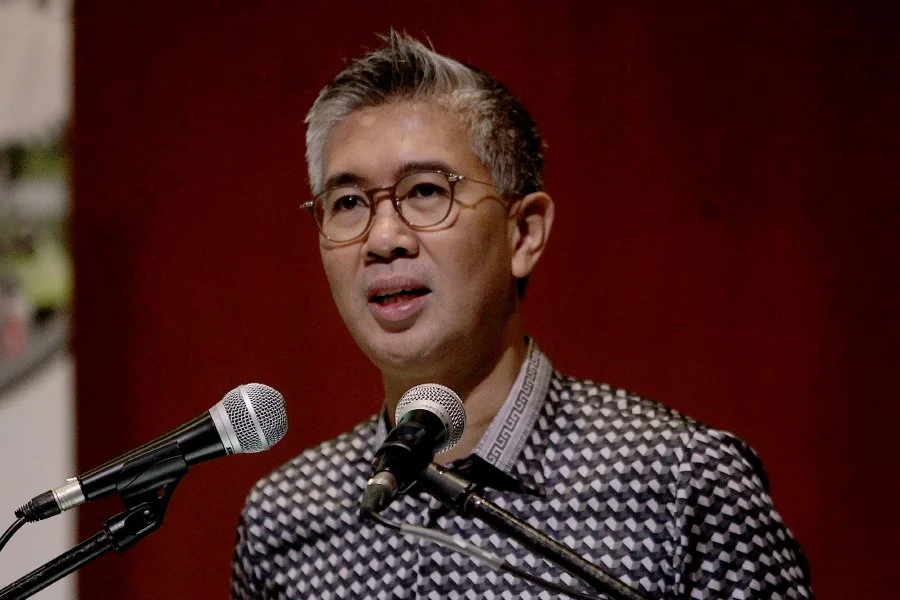
The Ministry of Investment, Trade and Industry (MITI) and the Securities Commission Malaysia (SC) have launched a RM131.5 million fund to provide financial support to SMEs and mid-tier companies (MTCs). The Strategic Co-Investment Fund (CoSIF), part of the New Industrial Master Plan 2030 (NIMP 2030), will distribute funds through Equity Crowdfunding (ECF) and Peer-to-Peer Financing (P2P) platforms. The initiative involves government co-investment at pre-determined ratios alongside private investors in businesses operating within NIMP 2030’s 21 designated sectors. This will include emerging growth sectors like Carbon Capture, Utilisation and Storage (CCUS), Electric Vehicles (EV), Renewable Energy (RE), and Advanced Materials. The SC will manage the fund, which aims to encourage investment in areas such as advanced manufacturing, digitalisation, and decarbonisation. The fund is designed to broaden financing options and support the growth of SMEs and mid-tier companies, reflecting the NIMP 2030’s focus on inclusive economic development. This effort aligns with the SC’s broader strategy to improve capital market access for these businesses, as outlined in their 5-year roadmap, launched in May 2024. A list of approved ECF and P2P operators for the fund is expected to be announced by the end of March 2025. Tengku Datuk Seri Utama Zafrul Aziz YB Senator Tengku Datuk Seri Utama Zafrul Aziz, Minister of Investment, Trade, and Industry, said, “The CoSIF fund exemplifies our commitment to financing SME and mid-tier companies, to support their growth, innovation and long-term resilience. This initiative not only diversifies our financing options but also reflects our commitment to inclusivity by facilitating broad-based growth in our industry. We are proud to unveil this innovative fund as an integral part of realizing NIMP 2030’s missions, which places us on a better footing to continue positioning Malaysia as a premier manufacturing and services hub in the region.” Dato’ Mohammad Faiz Azmi SC Chairman, Dato’ Mohammad Faiz, said, “The deployment of the NIMP CoSIF through ECF and P2P platforms aligns with the SC’s effort to democratise capital market financing access for MSMEs and MTCs, a segment which has been largely underserved. This structured public-private co-investment mechanism aims to support the fundraising journey of these businesses, fostering a capital market that is more inclusive.” —FINTECHMALAYSIA

Investment & Market Trends, News

99 Speed Mart’s net profit rises 23% to RM490mil in FY2024

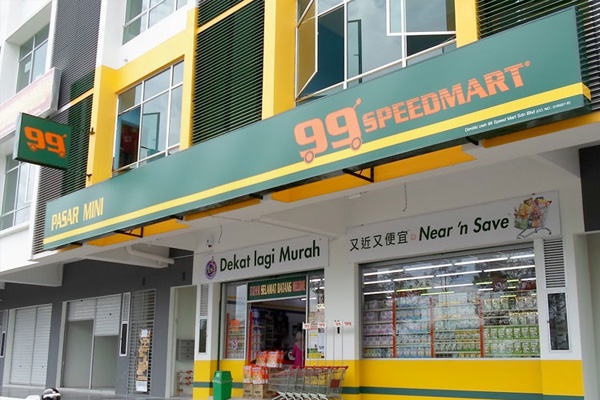
PETALING JAYA:  99 Speed Mart Retail Holdings Bhd’s (99 Holdings) net profit increased by 22.5% to RM490.26 million in the financial year ended Dec 31, 2024 (FY2024), from RM400.22 million in FY2023, in tandem with higher revenue and other operating income. “Revenue expanded by 8.3% to RM9.98 billion against RM9.21 billion previously,” the home-grown minimarket chain retailer said in a filing with Bursa Malaysia today. It said 99 Holdings had opened 252 more outlets in FY2024, bringing the total outlet count as at Dec 31, 2024 to 2,778, representing a 10% year-on-year growth, which positively contributed to the group’s revenue. “Apart from that, the bulk sales e-commerce platform also contributed approximately RM23.1 million in incremental revenue to the group in FY2024,” it added. “The group reported a 12.6% increase in total sales transactions to 465.5 million transactions in FY2024, partly offset by a 3.8% decrease in average basket size to RM21.40, driven by more customers opting for smaller, frequent purchases due to the convenience provided by 99 Holdings,” it said. The minimarket chain operator said other operating income rose 22.4% to RM814.8 million in FY2024, driven by higher distribution centre (DC) fees from suppliers due to an increase in DC fee rates, as well as higher product display fees following outlet expansion. “Other income increased by 43% to RM30.4 million mainly attributed to the interest income earned from the deposits placement using the initial public offering (IPO) proceeds as well as the sale income of recycled packaging waste,” it said. In a separate filing, 99 Holdings founder and CEO Lee Thiam Wah said 2024 has been a milestone year for the group, not only did the company successfully list, but it also exceeded its target by opening 252 outlets, surpassing the goal of 250 new outlets. “Our expansion continues as we enter Sarawak, a new and promising market for the company, with our Miri distribution centre and outlets set to open in March 2025. “Looking ahead, we remain focussed on our strategic goals, including reaching 3,000 outlets by the end of 2025 and further expanding our bulk sales e-commerce platform, which has shown encouraging growth across multiple regions,” he said. He added that with the proceeds from the IPO, 99 Holdings is well poised to accelerate its expansion and meet growing demand.–FMT

Investment & Market Trends, News

Berkshire Hathaway to boost investments in Japanese trading houses

NEW YORK: Warren Buffett says that his conglomerate Berkshire Hathaway will likely increase its ownership in the five Japanese trading houses it holds. In his annual letter to Berkshire shareholders, the billionaire investor said Itochu, Marubeni, Mitsubishi, Mitsui and Sumitomo agreed to “moderately relax” limits that capped Berkshire’s ownership stakes below 10%. Berkshire’s investments in the companies totalled US$23.5bil at the end of 2024. “Over time, you will likely see Berkshire’s ownership of all five increase somewhat,” Buffett wrote. The 94-year-old Buffett also said he and Berkshire vice-chairman Greg Abel, his designated successor as chief executive, are investing for the “very long term.” “I expect that Greg and his eventual successors will be holding this Japanese position for many decades and that Berkshire will find other ways to work productively with the five companies,” Buffett wrote. “Both of us like their capital deployment, their managements and their attitude in respect to their investors,” Buffett added. Known as “sogo shosha,” Japanese trading houses trade in a wide variety of materials, products and food, often serving as intermediaries, and provide logistical support. They are also deeply involved in the real economy in such areas as commodities, shipping and steel. Berkshire began investing in the trading houses in 2019, drawn by their finances compared to their low stock prices, and revealed 5% ownership stakes on Buffett’s 90th birthday in August 2020. Buffett prefers to avoid businesses he says he does not understand. He told Nikkei in 2023 that the trading houses are “really so much similar to Berkshire,” the Omaha, Nebraska-based conglomerate he has led since 1965. Berkshire spent US$13.8bil on its current holdings and expects US$812mil of dividend income in 2025, Buffett said in the shareholder letter. “This was a good value investment when others may have looked at them as value traps,” said Cathy Seifert, an analyst at CFRA Research who rates Berkshire a “hold.” — Reuters

Investment & Market Trends

Solarvest Achieves Record-High Net Profit in 3QFY25, Surges 35% to RM14.4 Million

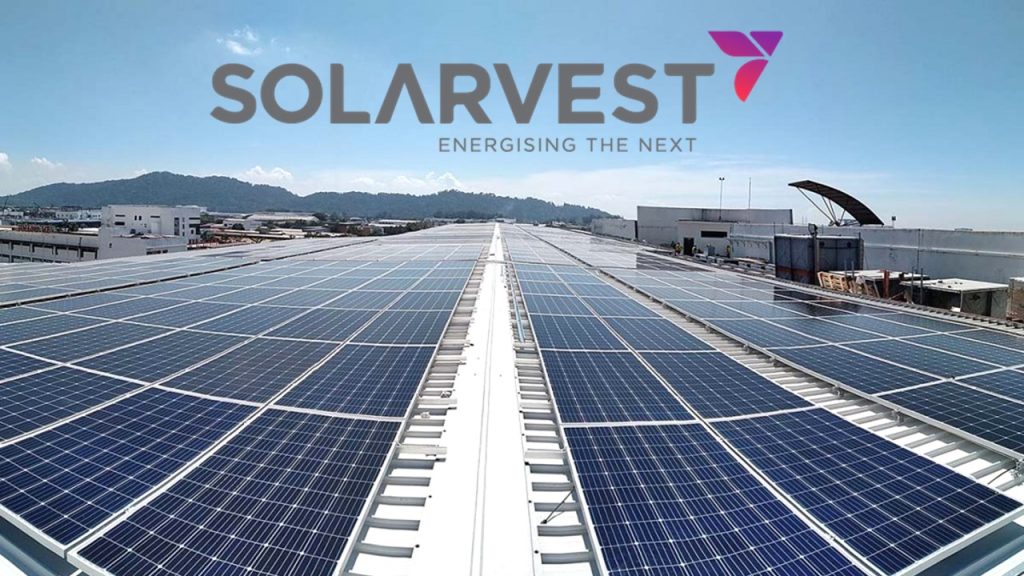
KUALA LUMPUR: Regional clean energy leader, Solarvest Holdings Berhad (“Solarvest” or the “Group”), has announced its financial results for the third quarter (“3QFY25”) and nine months ended 31 December 2024 (“9MFY25”), achieving record-breaking profitability despite a lower revenue base. In 9MFY25, Solarvest reported a net profit of RM31.4 million, reflecting a 28.0% year-on-year (YoY) growth from RM24.5 million in 9MFY24. Despite a lower revenue of RM312.0 million compared to RM395.7 million in the previous year, the Group’s net profit margin improved significantly from 6.2% to 10.1%, driven by higher profitability in the Commercial & Industrial (C&I) segment, lower solar panel prices, and electricity sales from three Large-Scale Solar (LSS) 4 plants. In 3QFY25, Solarvest achieved its highest-ever quarterly net profit of RM14.4 million, marking a 35.0% YoY increase from RM10.7 million in 3QFY24. Revenue also grew 20.5% YoY to RM135.4 million, up from RM112.4 million, primarily driven by progress in executing utility-scale solar projects under the Corporate Green Power Programme (CGPP), which began in the previous quarter. The Group’s Engineering, Procurement, Construction & Commissioning (EPCC) of solar energy solutions remained its core revenue driver, contributing 81.2% of total revenue, with a 5.6% YoY increase to RM109.9 million. Meanwhile, its solar project development, energy commodities trading, and green energy solutions segment saw remarkable growth, with revenue expanding sixfold to RM16.9 million, accounting for 12.5% of total revenue. The electricity sales segment also performed strongly, generating RM6.1 million, a 76.7% YoY surge, while the Operations & Maintenance (O&M) segment contributed RM2.6 million or 1.9% of total revenue. Solarvest’s Executive Director and Group Chief Executive Officer, Davis Chong Chun Shiong (张俊雄), expressed confidence in the Group’s growth trajectory, stating that stronger financial performance is expected in the upcoming quarter as they work toward their profit targets. The Group is optimistic about converting its RM877 million orderbook for FY25 and FY26 and capitalizing on its 7.7GWp tenderbook. Solarvest is also actively pursuing LSS5 EPCC opportunities and the upcoming LSS5+ bidding round, reinforcing its position in Malaysia’s clean energy landscape. With the declining cost of Battery Energy Storage Systems (BESS) and a supportive policy landscape, Solarvest is well-positioned to capture opportunities in this high-growth market, particularly through the recent BESS program, which is expected to contribute 400MW and 1,600MWh of storage capacity. The 14% electricity tariff hike in July 2024 and rising business electricity rates further enhance the commercial viability of projects like the Corporate Renewable Energy Supply Scheme (CRESS), particularly in the second half of 2025. Malaysia’s renewable energy sector is rapidly expanding, supported by diverse government initiatives such as the SelCo programme, CRESS, the Community Renewable Energy Aggregation Mechanism (CREAM) to optimize rooftop solar potential, and the National Energy Transition Roadmap (NETR) flagship projects. Looking ahead, Solarvest aims to capitalize on these initiatives, including LSS6 in Q2 2025 and a new BESS bidding round in Q3 2025. Additionally, Solarvest’s Powervest programme has secured multiple corporate Power Purchase Agreements (PPAs) with a total capacity of 117MWp. Upon full completion within the next 12 to 18 months, these agreements are expected to generate RM47.9 million in annual recurring revenue, enhancing the Group’s long-term financial stability. Beyond LSS4 and LSS5 assets, the growing Powervest programme will further strengthen Solarvest’s recurring income stream and reinforce its strategic growth strategy. With favorable government policies, a strong orderbook, and an expanding pipeline of renewable energy projects, Solarvest is well-positioned to capture new opportunities both domestically and regionally. By leveraging its expertise and strategic partnerships, the Group aims to drive sustainable growth in the renewable energy sector and solidify its leadership in the clean energy space.

Investment & Market Trends

UEM Sunrise Surpasses 2024 Sales Target by 42%

PETALING JAYA: UEM Sunrise Bhd posted its strongest net profit in five years as it crossed its sales target for the financial year 2024 by nearly half-a-billion ringgit. The property developer, which is majority-owned by Khazanah Nasional Bhd, reported a net profit of RM104.34mil – which increased by 37.8% year-on-year (y-o-y) in its financial year ended Dec 31, 2024 (FY24) Despite flattish revenue at RM1.34bil, UEM Sunrise’s bottomline was boosted by stronger other income and higher contributions from associates and joint ventures. These factors were able to offset the increase in expenses and the foreign exchange losses faced by the group in FY24. UEM Sunrise told shareholders that its improved FY24 earnings were reflective of disciplined execution, cost efficiencies and strategic portfolio management on the back of existing market conditions. A dividend of 1.24 sen was declared for the year, which translates to a payout ratio of 60% – the highest-ever payout by UEM Sunrise. In 2024, the property developer achieved RM1.42bil in sales, exceeding its RM1bil target by 42%. Its launched gross development value (GDV) reached RM904mil, outperforming the RM800mil goal. “These achievements underscore the company’s ability to capture market demand, driven by well-timed and market-responsive launches in the Southern region, reaffirming its role as the master planner of Iskandar Puteri, Johor.” Unbilled sales in 2024 rose to RM3.04bil, up 15% y-o-y to new heights post-Covid-19, providing strong earnings visibility over the next 18 to 36 months. For the fourth quarter of FY24 (4Q24), net profit nearly doubled to RM54.33mil, while revenue improved by 28.2% y-o-y to RM540.81mil. According to UEM Sunrise, 4Q24 is the best performing quarter over the last two financial years. Quarter-on-quarter, revenue rose on stronger sales conversion for new launches and steady revenue diversification strategies. Sales momentum remained robust, with RM489mi in 4Q24, a 15% increase from the previous quarter. Notably, 46% of the quarter’s sales came from newly launched projects. Key sales contributors included The MINH, Residensi ZIG and The Connaught One in the Central region, as well as Aspira Hills, Aspira LakeHomes and Senadi Hills in the Southern region. Looking ahead to 2025, UEM Sunrise has set a target of RM2bil for its launched GDV, while sales target remained similar at RM1bil. It said it looks to strengthen its presence in the industrial segment to capture surging demand aligned with national developments such as the Johor-Singapore Special Economic Zone and National Energy Transition Roadmap initiatives. Hafizuddin Sulaiman, officer-in-charge and chief financial officer of UEM Sunrise, said: “Our robust performance in FY2024, particularly in the second half of the year, substantiates the resilience of our core operations and strategic market positioning.” With regard to its balance sheet, UEM Sunrise said it remains steady, with cash and bank balances – including short-term investments – rising by 16% y-o-y to RM1.27bil. Net gearing ratio was stable at 0.4 times. “The company’s asset optimisation strategy delivered tangible results, with average net yield improving to 5.1% in FY24, supported by higher occupancy rates and enhanced rental revenue across its commercial properties,” added UEM Sunrise.–THE STAR

Investment & Market Trends

Langkawi tourism revenue soars 35% to RM2.4 Bil

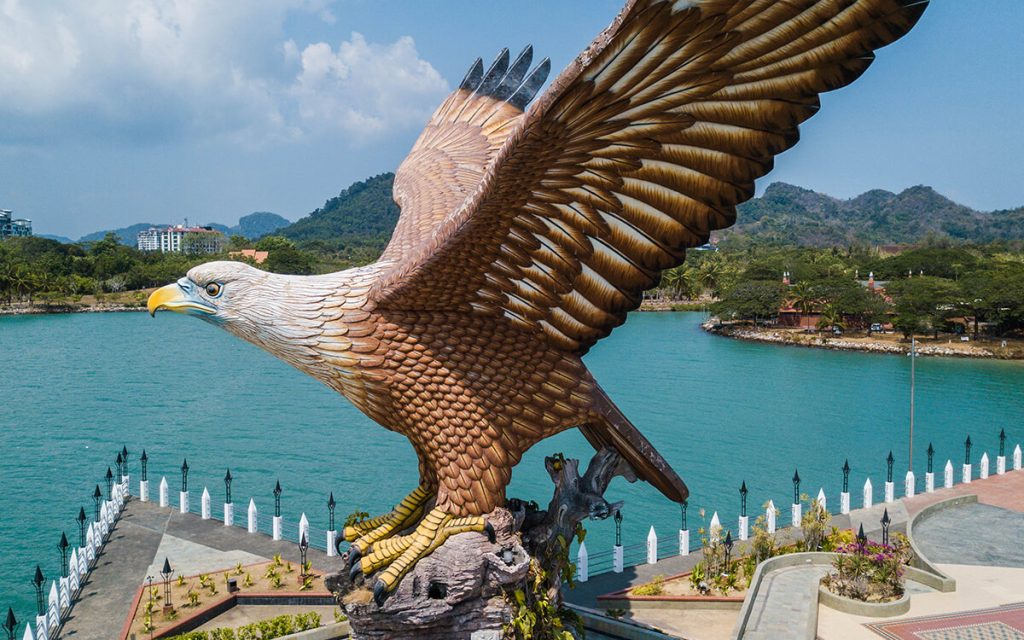
PETALING JAYA: Tourist arrivals in Langkawi post-Covid-19 showed an increase of 323,115 people, or 11%, from 2022 to 2024, according to data from the finance ministry (MoF). During the same period, tourism revenue increased by RM2.4 billion, or 34.9%. However, “the loss of revenue or excise duties to the government for Langkawi Duty-Free Island due to the tax exemption also increased by RM227.96 million, or 59.7%, involving, among others, passenger vehicles,” the ministry said. “Therefore, any additional proposals for items under the tax exemption scope will have a direct impact on national revenue collection,” said MoF in a written response on the Parliament website issued yesterday. This was in response to a question by Azman Nasrudin (PN-Padang Serai) regarding the annual tax revenue losses borne by the government for Langkawi. Meanwhile, MoF also mentioned the amount of revenue from new taxes introduced in 2024, including the low-value goods tax (LVG), valued at RM476.1 million, and the digital service tax (DST), amounting to RM1.6 billion. However, the amount for the capital gains tax (CGT), which was implemented on March 1, 2024, will only be known starting July 1, 2025, after corporate taxpayers submit their Income Tax Return Form (BNCP) for the current assessment year via e-filing. At the same time, MoF also stated that the government has no plans to implement the goods and services tax (GST). MoF said this is because the existing sales and service tax (SST) has been well understood by businesses and the public, having been in use for over 40 years, and it can still be improved to generate additional revenue for the government more quickly. “This is in contrast to reintroducing the GST, which would require a longer preparation period, both on the part of the government and industries,” MoF explained. This was in response to a question from Ismail Sabri Yaakob (BN-Bera) regarding the revenue collection from the new taxes and whether the government would reintroduce GST.–BERNAMA

Scroll to Top

Subscribe
FREE Newsletter