Investment & Market Trends

Investment & Market Trends, News

Penang, Johor, Selangor, Sarawak, KL Named as M’sia’s Top Exporters in June 2024

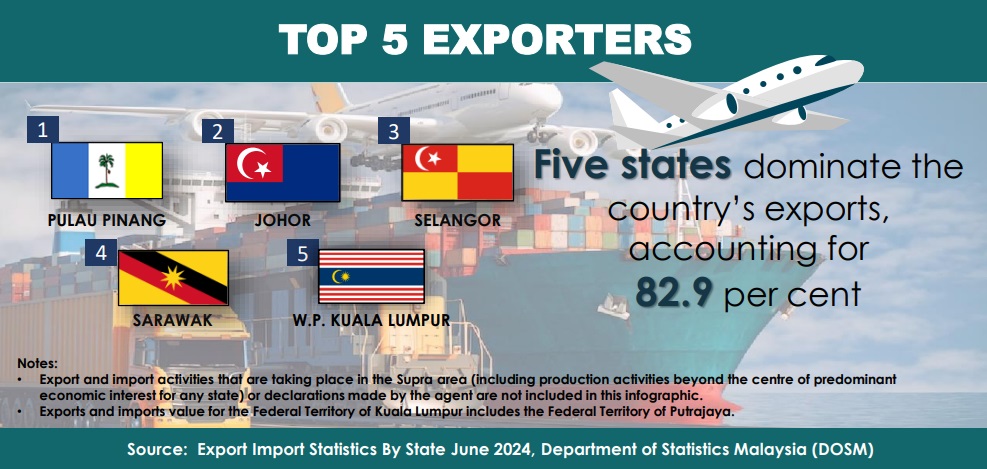
KUALA LUMPUR: Penang, Johor, Selangor, Sarawak and Kuala Lumpur have dominated Malaysia’s exports accounting for 82.9% of the total in June 2024, said Chief Statistician Datuk Seri Dr Mohd Uzir Mahidin. He said exports increased by RM2.1 billion or 1.7% to RM126 billion in June 2024 compared to the same month of the previous year, with Penang remaining as the top exporter with 34.2% share, followed by Johor (20.6%), Selangor (17.3%), Sarawak (6.5%) and Kuala Lumpur (4.2%). The increase in exports was attributed to the higher exports in most states such as Penang (+RM2 billion), Terengganu (+RM1.3 billion), Perak (+RM767 million), Selangor (+RM403.1 million), Sarawak (+RM397.6 million), Kedah (+RM337 million), Kelantan (+RM122.1 million) and Johor (+RM12.2 million). “However, exports decreased in Labuan by RM1.7 billion, Pahang (-RM1.2 billion), Melaka (-RM312 million), Negeri Sembilan (-RM206.7 million), Sabah (-RM71.6 million), Kuala Lumpur (-RM54,4 million) and Perlis (-RM23.6 million),” he said in the Export-Import Statistics by State June 2024 report published by the Department of Statistics Malaysia (DOSM). Meanwhile, he said imports increased RM16.9 billion or 17.8% to RM1.8 billion in June 2024 compared to the same month in 2023 attributed to the higher imports in most states such as Johor (+RM4.6 billion), Penang (+RM41 billion), Selangor (+RM3.3 billion), Kedah (+RM2.3 billion) Kuala Lumpur (+RM1.5 billion), Negeri Sembilan (+RM1.2 billion), Terengganu (+RM101.4 million), Perlis (+RM82.3 million), and Kelantan (+RM36.6 million). “However, imports decreased in Melaka by RM3.5 billion, Sarawak (-RM264.5 million), Perak (-RM249.1 million), Sabah (-RM170.6 million), Labuan (-RM110.5 million), and Pahang (-RM5.2 million), he said. Accordingly, Mohd Uzir said Selangor dominates Malaysia’s imports with a share of 25.5%, followed by Johor (23.3%), Penang (20.9%), Kuala Lumpur 7.6% and Kedah (6.3%). Malaysia’s total trade for June 2024 amounted to RM237.8 billion. — BERNAMA

Investment & Market Trends, Property

Singapore leads Asia-Pacific logistics rental growth amid regional moderation in H1 2024

SINGAPORE: In its Asia-Pacific Logistics Markets report for H1 2024, leading independent global real estate adviser Knight Frank says rental rates for logistics spaces in the region have sustained their upward trend. However, this growth has occurred at a more moderate pace compared with previous periods. The region recorded an average year-on-year rental growth of 2.4% in H1 2024, marking a significant slowdown from the 6.2% increase observed in 2023. Singapore emerged as the standout performer in the region, with logistics rents increasing 6.7% from six months ago and 10.8% year-on-year, the highest growth recorded in ten years. Singapore’s strong manufacturing led the growth, with the Purchasing Managers’ Index expanding consecutively over the last 10 months. This strong performance is expected to continue, with forecasts projecting a 3% to 5% increase in prime logistics rents for 2024, as international manufacturers continue to view Singapore as an attractive location for their overseas operational expansion plans.   Despite the overall positive trend, 14 out of 17 tracked cities in the region recorded stable or increasing rents year-on-year in H1 2024, a marginal improvement from six months ago. This indicates a broader pattern of growth across most markets, even as the pace moderated.   Tim Armstrong, global head of occupier strategy and solutions, says, “Global supply chains have again contended with disruptions this year, which have lifted transportation overheads. Consequently, margin pressures have continued to remain significant amid weaker consumer demand. Most occupiers are also anticipating higher rental rates on lease renewals. Constrained by the fragile economic outlook and challenging operating conditions, occupiers will continue to scrutinise space requirements. Leveraging technology and strategically aligning logistics footprints will remain key priorities. Occupiers are expected to be increasingly discerning when considering expansion spaces.”   The slowdown in rental growth was primarily attributed to challenging conditions in Chinese Mainland markets, particularly Beijing and Shanghai. A slowdown in business activity led to a significant 13.5% decline in rentals, with vacancy rates climbing to over 20%. This has prompted landlords to implement rental reductions and offer shorter lease terms in an effort to attract and retain tenants.   Christine Li, head of research, Asia-Pacific, Knight Frank, says, “Although conditions in Beijing and Shanghai are sharply in contrast with the rest of the region, still, it remains clear that logistics occupier markets are on the whole transitioning to a more neutral state from one favouring landlords. However, despite moderating demand, the long-term fundamentals supporting the region’s logistics space market remain intact. As supply chains shift, manufacturing is emerging to be an important sector driving logistics development, along with e-commerce and 3PL players. While there will be ample flight-to-quality options in Beijing and Shanghai, these markets will remain under pressure until adsorption capacity picks up.” Market performance and forecast for the next 12 months:

Investment & Market Trends

FGV Launches Vendor Development Programme to Empower 300 Local Businesses and Drive Industry Growth

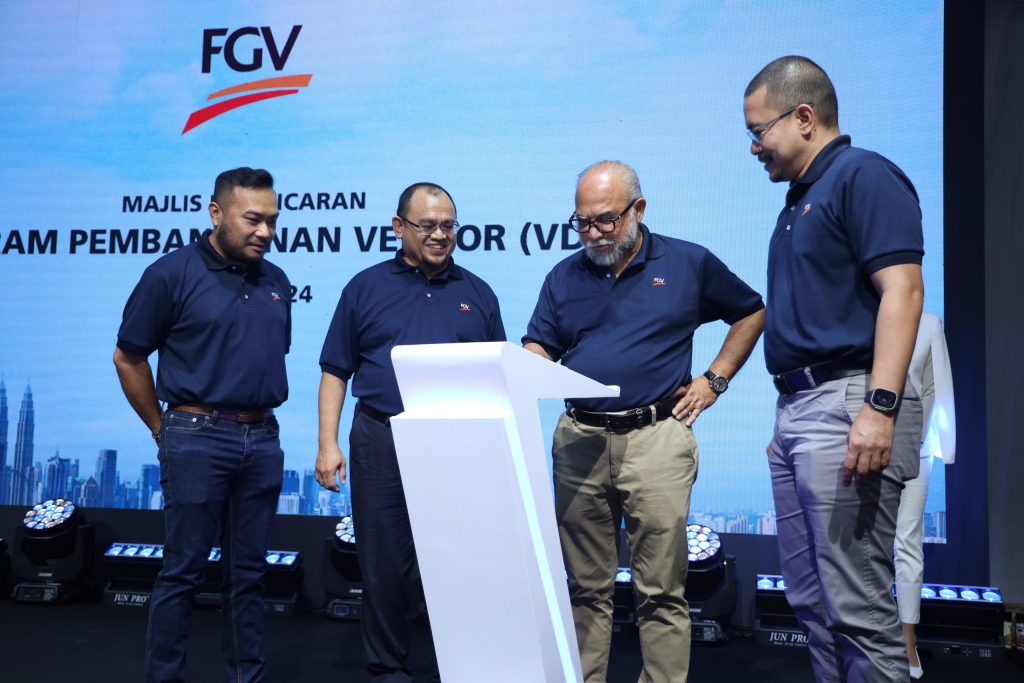
KUALA LUMPUR: FGV Holdings Berhad (FGV), reaffirms its commitment to aligning with one of the key pillars of its Sustainability Framework by fostering local economic growth in Malaysia with the launch of the FGV Vendor Development Program (VDP) to empower 300 local vendors. Officiated by Tan Sri Rastam Mohd Isa, Chairman of FGV, held at Festival FGV in conjunction with Hari Peneroka FELDA 2024 at Malaysia Agro Exposition Park (MAEPS), Serdang, the programme aims to elevate vendors’ capabilities and competitiveness, playing a crucial role in the industry’s growth. L-R: Ami Rozaidi Chik Ros, Vice President of Business Development, Dato’ Mohd Hairul Abdul Hamid, Group Chief Financial Officer of FGV, Tan Sri Rastam Mohd Isa, Chairman of FGV, Dato’ Nazrul Mansor, Group Chief Executive Officer of FGV Aligned with FGV’s mission, the VDP initiative streamlines vendor standards nationwide across its five business divisions– Plantation, Oils and Fats, Consumer Products and Integrated Farming, Logistics and Support, and Sugar. This initiative aims to empower young entrepreneurs and enhance commercial capabilities. “In support of Malaysia’s national agenda, we are looking to assist our vendors to become more competitive in the local and global markets. Through our vendor development initiatives, we are creating a dynamic and resilient vendor ecosystem that will drive efficiency, reduce costs, and improve overall quality and delivery times,” said Dato’ Nazrul Mansor, Group Chief Executive Officer of FGV. “Our VDP partners will be selected among capable Malaysian entrepreneurs. We have several projects including an entrepreneur programme. Participants will undergo skilling modules and training for six months followed by three months of professional development programmes and elective training. FGV is committed to building a vendor network that is proficient and adaptable to market dynamics and technological advancements,” Dato’ Nazrul added. As part of the programme, partners are being offered structured training modules designed to equip vendors with essential skills and knowledge. Crafted in collaboration with relevant government and private agencies, the training modules ensure vendors are well-prepared to handle the demands of modern agriculture and industrial practices. The services that VDP partners will render range from palm oil harvesting to infrastructure construction, electrical works, plumbing works, and road maintenance, as well as various supply chain services including machinery, tools, and general supplies. This diverse scope not only supports FGV’s operations but also creates opportunities for entrepreneurship and job creation throughout Malaysia, particularly in underdeveloped regions outside of major cities. By investing in vendor development, FGV aims to foster a sustainable supply chain ecosystem that supports long-term growth and competitiveness. Through these efforts, FGV continues to uphold its leadership in the global palm oil industry while contributing positively to Malaysia’s economic and social development goals. For further information on FGV and its vendor development initiatives, please visit www.fgvholdings.com.

Investment & Market Trends

ACE Market Bound Sik Cheong Berhad’s IPO Oversubscribed By 213.53 Times

RBD palm olein oil repackaging, marketing and distribution company, Sik Cheong Berhad (“Sik Cheong”), has garnered strong interest from investors for its initial public offering (“IPO”) exercise, which has been oversubscribed by 213.53 times ahead of its listing on the ACE Market of Bursa Malaysia Securities Berhad (“Bursa Securities”). Based on information extracted from Bursa Securities’ website, this oversubscription rate ranks as the highest among all IPO issues in the past ten years. Sik Cheong, through its subsidiaries (collectively, the “Group”), is primarily engaged in the repackaging, marketing and distribution of RBD palm olein oil products, which is a refined, bleached and deodorised liquid palm oil. The Group’s primary revenue contributor comes from its RBD palm olein oil cooking oil products, sold under its house brands of “Sawit Emas” and “Vitamas”. The Group also sells RBD palm olein lamp oil under “Pingat Emas” brand, as well as trades third-party products, primarily margarine, upon customer requests.   Sik Cheong’s IPO exercise involves a public issuance of 66,000,000 new ordinary shares (“Shares”), representing 24.8% of its enlarged share capital, and an offer for sale of 20,000,000 existing shares, or 7.5% of its enlarged share capital by way of private placement to selected investors.   Sik Cheong has received a total of 26,395 applicants for 2,853,204,800 Shares with a value of approximately RM770.37 million for the 13,300,000 Shares allocated to the Malaysian public, representing an overall oversubscription rate of 213.53 times. For the Bumiputera portion, 14,953 applications for 1,306,082,200 shares were received, representing an overall oversubscription rate of 195.40 times. As for the public portion, 11,442 applications for 1,547,122,600 shares were received, resulting in an oversubscription rate of 231.65 times.   The 4,000,000 Shares available for application by the eligible Directors, employees and persons who have contributed to the success of the Company have been fully subscribed.   Meanwhile, the private placement of 48,700,000 Shares and 20,000,000 offer shares made available via private placement to selected investors have also been fully placed out. Notices of allotment will be dispatched to all successful applicants on 9 August 2024. Managing Director of Sik Cheong, Mr. Wong Hing Ngiap said, “We are truly grateful for such strong response to our IPO. This reaffirms our strategic direction and reinforces our commitment to creating value for our shareholders as we continue to pursue growth opportunities in the distribution of essential food.” “Our growth strategy involves expanding our product range to include high oleic soybean oil, where we have been receiving enquiries from food manufacturers and hotel operators. Leveraging our experience and existing customer base in offering RBD palm olein oil products, we believe we have a solid foundation to secure new orders and cross-sell this new product. Sik Cheong recognises the potential of high oleic soybean oil, supported by its affordability, wide availability, and the growing food and beverage industry in Malaysia. This makes it a strategic addition to our product portfolio, suitable for households, hotels, restaurant and catering operators, and food manufacturers.”   With Sik Cheong’s RBD palm olein oil products well-received and widely available, the Group also plans to extend its reach beyond its current strongholds of Kuala Lumpur and Selangor. Sik Cheong aims to capture a larger customer base and continue its growth trajectory by expanding into neighbouring states such as Perak, Negeri Sembilan, Melaka, and Pahang.   Sik Cheong is scheduled to be listed on the ACE Market of Bursa Securities on 13 August 2024. With an IPO price of 27 sen per Share and an enlarged issued share capital of 266.0 million shares, the Group’s market capitalisation upon listing is estimated to be approximately RM71.8 million.   TA Securities Holdings Berhad is the Principal Adviser, Sponsor, sole Underwriter and Placement Agent for the IPO Exercise.

Investment & Market Trends

Ekuinas Invests RM 1.2 Mil Propel Bumiputera SMEs to New Heights via ILTIZAM Catalyst

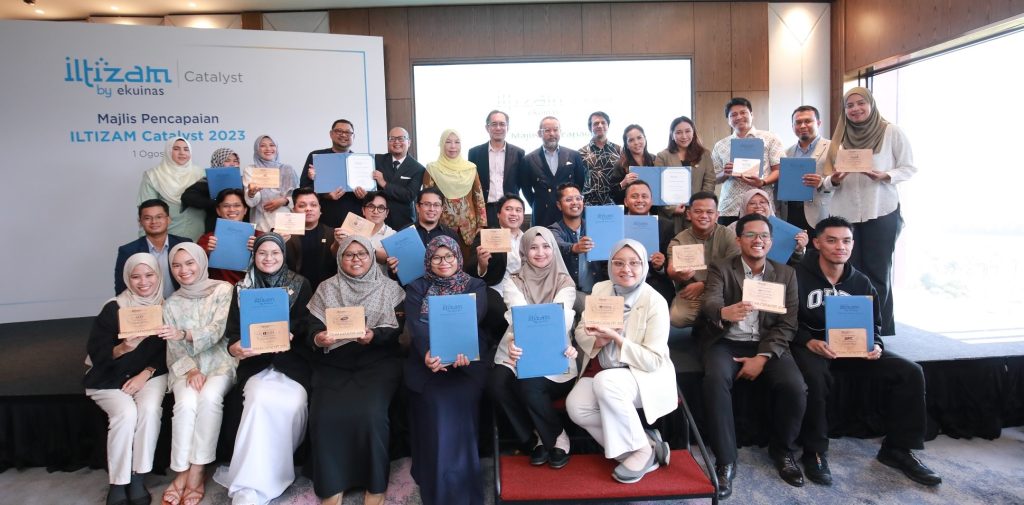
KUALA LUMPUR: Upholding its mandate to encourage Bumiputera participation in the economy and in line with creating strong Bumiputera entrepreneurs and sustainable enterprises, Ekuiti Nasional Berhad (Ekuinas), through its ILTIZAM Catalyst Programme, has accelerated business growth for 38 Bumiputera SMEs across diverse business sectors, since the programme’s inception in 2022. Speaking at a ceremony celebrating the achievers of ILTIZAM Catalyst 2023, Dato’ Syed Yasir Arafat Syed Abd Kadir, Chief Executive Officer of Ekuinas, said, ” As a private equity firm, we recognise the common, and the unique challenges faced by SMEs. We understand their journey. ILTIZAM Catalyst is an initiative to empower, strengthen and accelerate Bumiputera businesses. We allocated RM1.2million for this 12-month programme. SMEs are the backbone of the economy. Through this structured framework, which focuses on four technical and fundamental business areas – finance and compliance, branding and digital marketing, technology adoption, and leadership, we are empowering Bumiputera entrepreneurs to shift from mere ‘survival’, to competing, growing sustainably, and carving a niche in their respective industries.”   With its core business in private equity investment and aggressive value creation for its portfolio companies, Ekuinas understands the common denominators that make or break a company – and these core areas are addressed in ILTIZAM Catalyst as they are the pain points commonly faced by SMEs. The 12-month programme combines assessment, technical and non-technical training by expert consultants, mentorship  by industry leaders and monitoring, aimed at helping entrepreneurs strengthen business fundamentals and chart strategic and sustainable growth.   “To track the effectiveness of the programme, we introduced five key performance indicators (KPIs). This is the second batch completing the programme and we see its growing impact. Based on the KPIs set, I am pleased to share that for Catalyst 2023, 100% of the companies gained improved clarity in their business direction, 94% improved their entrepreneurial and leadership capabilities, 71% experienced improved brand presence and business visibility, 59% recorded an increase in product profitability; and 29% improved their financial strength and business compliance. Nine out of the 17 companies achieved at least four of the five KPIs set.   “Ekuinas will continue our mission to create a thriving ecosystem for SMEs. The success of all participants completing ILTIZAM Catalyst 2023 today reflects the transformative effect of our programme,” Dato’ Syed Yasir Arafat commented.   Among the notable companies this year was Splashtastik, water enthusiasts who began their business in 2017 to address the need for swimming classes for babies.  Nurzieyana Shazmin, Director of Splashtastik said, “Being part of Catalyst has significantly impacted our business growth, notably by transitioning from a part-time home-based operation to a structured business. I’ve been to many business courses but ILTIZAM Catalyst is different as there are very specific areas of assistance.  We managed to complete our branding story, paving the way for more effective advertising. Now, we are able to present our company with a better vision. Our financials have also improved tremendously. We are beyond grateful to be part of ILTIZAM Catalyst 2023. The guidance from experts in the field is invaluable!”   Another success story is Benefigs, a producer of locally grown figs. Mohamad Hafidz, Chief Executive Officer of Benefigs shared “The biggest advantage we have is that figs thrive with our technology in Malaysia as it is non-seasonal and produce fruits everyday. We seized this opportunity in 2020. One of our challenges was that there were no established reference point, as fig farming is relatively new in Malaysia. Through Catalyst, we reidentified our target market, restructured our business, aligning it with our accounts, and enhanced our marketing with social media, steering our company towards a clearer direction. Our operations now span fig fruit production in upstream, eco-tourism in midstream, and we are hopeful that in the future, Benefigs will transform into a multifaceted enterprise, expanding into consumer products like shampoos and lotions with fig base.”   Catalyst alumni from the 2022 batch, Jiham Kaligrafi, an Islamic art and design company has seen ups and downs in the business which began as a hobby in 2015. Following their participation in Catalyst, Mohamad Azham Shah Bin Johari, its Managing Director acknowledges the significant improvements recorded.  “Catalyst provided us with a system to better manage our staff, clients and suppliers. Like many entrepreneurs, we were focused on our goals, without a structured strategic framework. Combining clear goals with the systems provided in the programme has enabled us to more effectively achieve our objectives. We’ve also experienced strong customer engagement at our Southville outlet, coupled with consistent online orders through our social media promotions.”   Another alumni, Nor Sa Adah Ghzali also known as Adda Uwais, CEO of Keto Diet Sifu shared, “The business development module has helped reduce my operational cost and enhanced my business model. It may seem like a simple shift, however this brought significant impact to our sales. On the financial front, we were exposed to a scoring method, so we now have an indicator for the company’s financial standing. Looking forward, we are working towards establishing a retail store to provide easy access to healthy food.” Keto Diet Sifu introduced its EatSlim platform in 2017 and today they offer ready to eat meals, which are diabetes and GERD-friendly.   Application to participate in the next programme, ILTIZAM Catalyst 2024 is now open until 15 August 2024. Bumiputera SMEs in manufacturing, food & beverage, retail, education, agriculture, healthcare and other services, which are registered with the Companies Commission of Malaysia, have an annual revenue between RM300,000 to RM1 million with a profitable track record over the last two years, are encouraged to apply. Visit https://iltizam-catalyst.ekuinas.com.my/ to learn more about ILTIZAM Catalyst.   ILTIZAM is Ekuinas’ Corporate Social Responsibility (CSR) arm that undertakes sustainable development efforts by reaching out to the wider Bumiputera community via three pillars, namely, Education, Entrepreneurship and Community programmes. In 2023, Ekuinas through ILTIZAM, disbursed a total of RM13.8 million through its initiatives benefitting a total of 74,000 individuals, families, entrepreneurs and businesses across Malaysia. Of this, RM3.3 million was channelled

Investment & Market Trends, News

Malaysia on Track to Become ASEAN’s Data Centre Hub

KUALA LUMPUR: With Malaysia’s data centre industry projected to reach RM3.6 billion in revenue by 2025, it’s more important than ever to prepare local industry players for the expected growth and strategically place data centres throughout the country, accelerating the industry’s development. Recently, Deputy Communications Minister Teo Nie Ching said that Malaysia is on the right track in its aspirations to become a regional data centre hub. “RM76 billion worth of data centre-related investments have been approved by the Investment, Trade and Industry Ministry via the Malaysian Investment Development Authority (MIDA) from 2021 to March 2024. “From this, we see that more industry players are investing in the digital economy and a lot of existing data centre operators here are expanding their operations,” he said. “This is an opportunity to create more high-value jobs for Malaysians and at the same time, to ensure our place as a digital economy leader in ASEAN,” she added. According to Teo, creating an ecosystem for data centres and cloud services could potentially increase the number of industry suppliers in the country. Leading global provider of hyperscale data centre campuses, Vantage Data Centres is one that is making its presence known in Malaysia, with the development of the campus being part of the US$3 billion investment that was injected into the country. Digital Minister Gobind Singh Deo said that the growth in the data centre market in Malaysia experienced an expected compound annual growth rate (CAGR) of 13.92% from 2023 to 2029, presenting a huge potential for expansion. Attractive Market Among the many factors of Malaysia being an attractive location for data centre operations include the low electricity tariff, which is the lowest in ASEAN. On this, Savills Malaysia Managing Director Datuk Paul Khong said, “The average electric tariff in Thailand and Singapore are now well priced at 51 sen per kWh (THB3.99) and RM1.11 per kWh (S$0.3247) respectively. In comparison, Malaysia charges 33.7 sen per kWh and 20.2 sen per kWh during peak and off-peak periods, respectively, for high-voltage industrial usage.” Khong also added that favourable government policies in Malaysia, with tax incentives and subsidies, are an added bonus, saying, “Notable incentives given include a 100% tax exemption to eligible data centres and cloud business investments.” Furthermore, the abundance of industrial land in the north and south of the peninsula increases Malaysia’s attractiveness. “These industrial parks provide competitive land prices, alongside investment incentives supported by the government,” he added. Having this in mind, a prominent investment outfit, Qew Group Bhd is also making its mark in the telecommunications industry which further contributes in the digital landscape of the country. Currently, the Group operates 59 telco towers in Klang Valley, Sabah and Labuan with an asset value of RM59 million and generating an annual revenue of RM6.24 million. Having 37 sites fully operational and an additional 22 monopole structures scheduled for completion by 3Q 2024, the assets are under a 10-year contract with the option for renewal. “We are also involved in the fibre network operations in Kelantan, KELNET with a capital investment of RM45 million. To date, KELNET’s projected revenue and asset value are estimated to reach RM278 million over a period of 5 years,” said Qew Group Bhd Group Executive Chairman, Dato’ Dr Muhamad Iqbal. Additionally, Dato’ Iqbal highlighted that Phase 2 of the project anticipates the completion of 127 new towers and the deployment of a 100km fibre network by 2026, which is expected to generate an annual commercialisation value of RM5 million. These projects are outlined in one of the Group’s 3 strategic pillars, dubbed Bright Future, which also includes real estate development.

Investment & Market Trends, News

Vietnam’s Non-Life Insurance Segment to Remain Stable, Says Am Best

KUALA LUMPUR: Global credit rating agency, AM Best has maintained a stable outlook on Vietnam’s non-life insurance segment, citing accelerating non-life premium growth and increased demand for commercial lines insurance. In its latest Best’s Market Segment Report, ‘Market Segment Outlook: Vietnam Non-Life Insurance’, the rating agency notes the country’s Insurance Business Law as a recent regulatory reference supporting the stable outlook, as the newly adopted requirements on risk management, internal controls, internal audits and actuarial standards are expected to enhance risk governance and strengthen financial conduct. Property insurance was a key business growth driver in 2023, in which government spending on renewable energy, transportation, and other large-scale infrastructure projects are likely to drive greater demand for insurance coverage going forward. Vietnam’s non-life insurance market growth also should continue to benefit from the country’s reputation as an attractive destination for foreign direct investment (FDI). AM Best Senior Financial Analyst, Ken Lau said FDI inflows are expected to continue as one of the growth engines of the country’s economy, which in turn will bolster demand for commercial lines insurance. “Vietnam remains a magnet for FDI, as investors continue to seek global supply chain diversification,” he said in a statement. At the same time, market competition has eroded the underwriting profit margins of the motor and health insurance segments, owing partly to looser underwriting. Near-term pricing competition in these lines could constrain technical margins. The non-life insurance industry’s earnings also may be dampened by lower investment yields over the near term. The State Bank of Vietnam lowered the policy interest rate multiple times in the first half of last year and is expected to maintain an accommodative monetary policy stance over 2024. — BERNAMA

Investment & Market Trends, News

MADANI Economy Framework Informs Govt Policies, Programmes to Strengthen Economy

By Zarul Effendi Razali and Durratul Ain Ahmad Fuad KUALA LUMPUR: The MADANI Economy framework is viewed as an integral part of the government’s continuing rollout of policies and programmes that help to sustain the growth and resilience of the Malaysian economy. Malaysian Economic Association President Dr Yeah Kim Leng said the framework is seen as the fundamental policy framework that provided the setting to guide the formulation of various plans, roadmaps and blueprints that were subsequently rolled out. “Efforts under the framework to raise production, boost productivity and move up the value chain in the supply-side or production sector, along with a steady rise in employment, wage and incoming in the household or consumption sector, will translate into poverty eradication, improved livelihood and well-being, and higher overall gross domestic product (GDP). “Thus far, the country’s median income growth has kept pace with inflation although the B40 and the lower half of the M40 income groups may grapple with the rising cost of living, depending on their geographical location, lifestyle, family size and age group,” he told a local news agency. Year of Implementation The National Council of Professors fellow Prof Dr Azmi Hassan concurs with Finance Minister III Datuk Seri Amir Hamzah Azizan’s statement that 2024 is the starting point for the execution of the MADANI Economy framework. “I think the (framework) is still in the works in the first 6 months of the year so there is not enough to gauge the progress. “But looking at the economic growth via GDP, which grew at a higher rate of 4.2% in the first quarter of 2024 compared with 2.9% in the fourth quarter of 2023, there was a lot of improvement,” he said. In February this year, Amir Hamzah said 2024 will be about executing the MADANI Economy framework and all the policies that the government put out last year, as the government has established clear guidelines for the economy to move forward. “We are confident that we will be able to move along the path to execute the MADANI Economy framework this year and all the policies that we put out last year,” Amir Hamzah said. Additionally, Azmi opined that government will or political will is very important for the implementation of the MADANI Economy framework, adding that the implementation of the Fiscal Responsibility Act (FRA), which was passed in Parliament in October last year, would portray an efficient and responsibility government under Anwar’s leadership. “The government knew that targeted subsidies for diesel would be a sensitive issue but the subsidy (rationalisation) was implemented for a better future. “According to the FRA, the government wants to reduce the fiscal deficit to four per cent this year and 3% in the next 2 years. “The government is also committed to reducing the national debt to 60% of GDP. I think that’s a strong message from the government that it wants to implement the MADANI Economy framework,” he said. Enhancing fiscal position, people wellbeing On the targeted diesel subsidy implementation, Yeah said the move, besides strengthening the government’s financial and fiscal positions, also resulted in a more efficient allocation of scarce resources due to reduced leakages and more productive spending on development rather than subsidising consumption. In addition, he said the economy will also be more resilient in withstanding future oil price shocks. Bank Muamalat Malaysia Bhd Chief Economist Dr Mohd Afzanizam Abdul Rashid said the government is cognisant of the plight faced by society as prices continue to remain elevated. This, he said, has led to greater allocation on cash transfer programmes such as the Sumbangan Tunai Rahmah (STR) and Sumbangan Asas Rahmah (SARA) in order to alleviate the financial burden experienced by low-income households. “The Employees Provident Fund Account 3 withdrawal is also being implemented, as the government recognises the need to accord the rakyat some flexibility to use their retirement savings. “On that note, the short-term needs have been looked at. Now it’s about how to use the savings from the subsidy rationalisation to improve our education, healthcare and infrastructure. Again, it will take some time for us to see the results,” he said. According to Mohd Afzanizam, cash transfer programmes such as STR and SARA, along with targeted subsidies have been the main tools for the government to minimise the impact on the rakyat arising from the policy changes on subsidies and taxes. “Such policy changes are not easy to implement, but it is the right thing to do in order to reduce leakages and ensure only those who are deserving will get the financial aid. “The lifting of diesel subsidies was more like the government demonstrating its commitment to fiscal discipline, which should create more space for spending in areas that will bring better productivity gains in the mid to long term. This may include spending on education, healthcare and infrastructure,” he said. Medium-term targets and NIMP 2030 Anwar, who is also Finance Minister, said the MADANI Economy: Empowering the People initiative is a comprehensive plan for Malaysia to address various challenges and issues related to its competitiveness and investment attractions, as well as outlining actions to address current issues that affect people’s lives. The initiative sets 7 key performance indicators as medium-term targets to be achieved within 10 years. They include Malaysia being in the top 30 of the world’s largest economies, the top 12 in the Global Competitiveness Index, the top 25 in the Human Development Index and the top 25 in the Corruption Perception Index. Other targets are increasing labour share of income to 45%, raising women’s labour participation rate to 60%; and achieving fiscal sustainability with a fiscal deficit of 3% or lower. Meanwhile, the New Industrial Master Plan (NIMP) 2030 is a key component of the MADANI Economy as it will support the realisation of economic reforms. According to Anwar, NIMP 2030 will revitalise the manufacturing sector to ensure Malaysia remains resilient amid growing challenges and megatrends. With a short window of 7 years, 4 missions have been formulated

Investment & Market Trends, News

Maybank IB Believes Malaysia Currently in Investment Upcycle

KUALA LUMPUR: Maybank Investment Bank Bhd (Maybank IB) believes that Malaysia is currently undergoing its third investment upcycle. It said the combined private and public investments share of the GDP picked up from the recent post-pandemic low of 19.7% in 2022 to 21.3% in the first quarter of 2024 (1Q 2024). In a note, Maybank IB said the previous two investment upcycles saw gross fixed capital formation’s share of the GDP surging from 22.1% in 1987 to 49.2% in 1997, and from 21.7% in 2009 to 26.6 in 2013. “Investment is on the upswing as robust approved private sector investment since 2021 is being realised as per the trend in actual private investment. “Rising momentum in investment realisation can also be seen from the surge in imports of capital goods – especially machinery and transport equipment, as well as the acceleration banking system’s loans growth for industrial buildings, factories, land, construction and working capital,” it said. The investment bank reckoned that the investment upcycle reflects the benefit or payoff from political stability post-15th general election, foreseeing 5 drivers or themes: green economy, technology, Johor-Singapore Special Economic Zones (JS-SEZ), infrastructure and government-linked in the current wave. It noted that green investment is driven by the National Energy Transition Roadmap (NETR), where the energy transition financing needs imply a projected total investment of RM1.2 trillion – RM1.3 trillion over 2023-2050. Meanwhile, the technology industry investment is central to the New Industrial Master Plan (NIMP) 2030, with the National Semiconductor Strategy (NSS) aiming to attract RM500 billion worth of investments in the high-end semiconductor sector. Another significant investment area in technology is data centres, with an estimated RM130 billion investment expected between 2024 and 2035. At the same time, the Iskandar Regional Development Authority (IRDA) expects to attract investments worth RM226.5 billion into Iskandar Malaysia via JS-SEZ between 2024 and 2030 Maybank IB also foresees enhanced domestic investments by government-linked companies and government-linked investment companies (GLCs/GLICS), with committed investments in domestic capital markets totalling RM440 billion and RM120 billion in domestic direct investment (DDI) over the next 5 years. Historically, investment upcycles have led to sustained multi-year GDP growth, double-digit growth in construction, and above-trend consumer spending, it said. Inflation and the ringgit also saw upward trends during these periods. “However, note that inflation is also driven by a multitude of dynamics such as internal and external cost-push factors (such as subsidy removal/rationalisation; minimum wage hikes, global commodity prices), currency movements, as well as the more recent ‘shocks’ such as geopolitics and pandemic causing supply chain disruptions and inefficiencies,” it said. As for the ringgit, Maybank IB said the currency tends to appreciate versus the US dollar during the investment upcycle periods. In the first investment upcycle period, the currency appreciated from a low of 2.7960 on 13 June 1991 to a high of 2.4365 on 21 June 1995; a gain of 14.8%. In the second investment upcycle period, the local unit rose by 26.8 per cent from a low of 3.728 on 2 March 2009 to a high of 2.939 on July 27, 201. “Currently, the ringgit is on an uptrend as it closed at 4.4970 against the greenback on 2 August 2024; up 6.7% from this year’s low of 4.7987 on 20 February 2024. “The local note is supported by improving market sentiments amid strengthening domestic economic performance and macro fundamentals, as well as the prospect of the start of the United States Federal Reserve’s interest rate cuts cycle in September,” it said. — BERNAMA

Investment & Market Trends

Halogen Capital Pioneers Malaysia’s Digital Asset Management, Introduces World’s First Shariah-Compliant Cryptocurrency Funds

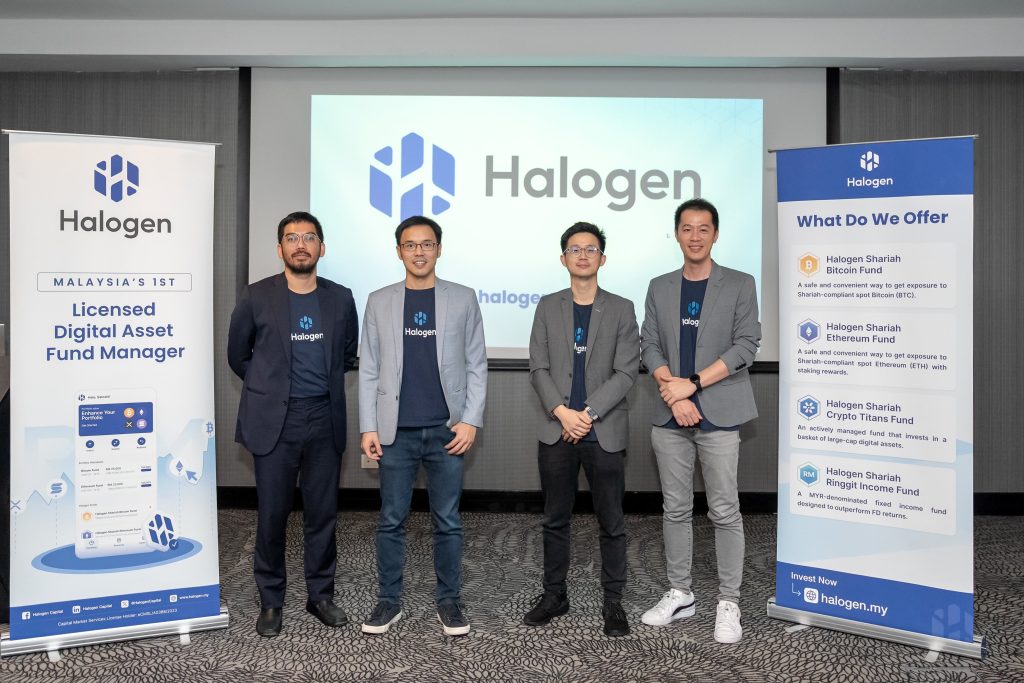
Halogen Capital, Malaysia’s first licensed digital asset fund manager, is officially introduced today, offering the world’s first Shariah-compliant cryptocurrency funds. This introduction empowers sophisticated investors, such as high-net-worth individuals and institutional investors seeking custom strategies, to tap into the burgeoning digital asset market, which now boasts an approximately RM11 trillion market cap, through the familiar structure of unit trusts. Holding a full Capital Markets Services License (CMSL) for fund management from the Securities Commission Malaysia (“SC”) since 2023, Halogen currently offers individual, corporate and institutional investors access to digital assets such as Bitcoin and Ethereum but with the convenience, tax clarity and security of a unit trust fund. Like all unit SC-registered unit trusts in Malaysia, all client assets in Halogen Funds are segregated from the Fund Manager, held by an independent SC-registered Trustee.   “In our first year, through our four funds and private mandates, Halogen Capital has surpassed RM100 million in assets under management (AUM) from over 800 clients, marking a remarkable milestone and reflecting the robust growth in our industry. Looking ahead, our goal is to build on this momentum and achieve RM1 billion AUM within the next two years and be the global leader for Shariah-compliant digital assets.” said Liew Ooi Hann, Founder and Chief Executive Officer of Halogen Capital.   Halogen Capital’s Shariah-compliant funds, supervised by leading Shariah advisors such as Amanie Advisors and Tawafuq Consultancy, represent a pioneering effort in the digital asset investment landscape, offering products that adhere to Islamic financial principles. Since July 2023, the firm has launched the following flagship funds:   Halogen Shariah Bitcoin Fund (HSBTCF) – The world’s first Shariah-compliant cryptocurrency fund (endorsed by Amanie Advisors) that provides institutional-quality exposure to physical spot Bitcoin (BTC). The Fund provides quick and trustee-secured access to BTC while removing the burden of buying and safekeeping bitcoins.   Halogen Shariah Ethereum Fund (HSETHF) – The world’s first Shariah-compliant Ethereum (ETH) fund (endorsed by Amanie Advisors) that provides institutional-quality exposure to physical spot and staked ETH. The Fund offers investors the benefits of investing in ETH in a familiar unit trust structure without the hassle of managing the coins yourself, or managing your own validator to earn 3.0-3.2% p.a. staking rewardsd on your ETH. Halogen Shariah Crypto Titans Fund (HSCTF) – The Fund primarily invests in up to a dozen large-cap, Shariah-compliant crypto assets such as BTC, ETH, Solana (SOL), Ripple (XRP) and more. The Fund employs an active rebalancing strategy to optimise asset allocation, consistently reinvesting profits into other digital assets within the portfolio. Halogen Shariah Ringgit Income Fund (HSRIF) – A MYR-denominated fixed income wholesale fund that aims to exceed fixed deposit (FD) returns and provide T+1 liquidity. This Fund achieves this through strategic investments in Islamic Deposits and short-term Sukuk. In another first for Malaysia, through its unit trust funds and private mandates, Halogen Capital has now made cryptocurrency investment products available for distribution via institutional unit trust advisors (IUTA), financial advisers and financial planners, and currently has over 20 such distribution partnerships signed giving nationwide coverage. “It has been encouraging to see the increasing institutional demand and trust in our flagship funds, particularly through our distribution partners such as Kenanga Investors, AHAM Capital, UOB Kay Hian, Phillip Mutual Berhad, Wealth Vantage Advisory, Bill Morrisons Wealth Management, Yes Financial Berhad, Alpine Advisory and others,” says Lucas Ooi, Founder and Chief Business Officer of Halogen Capital.    “That being said, we recognise the knowledge gap concerning digital assets among many Malaysians, which is why we conduct regular webinars and host educational talks to ensure our clients and partners stay informed about this rapidly evolving asset class,” adds Ooi.    In addition to its flagship funds, Halogen Capital offers private mandates featuring a range of investment strategies. These include active and passive management, thematic investments in emerging areas, such as blockchain and fintech, and also risk-managed approaches designed to safeguard capital.    Headquartered in Kuala Lumpur, Halogen Capital is led by a highly experienced leadership team. The firm has successfully raised USD1.25 million from notable investors, such as 500 Global, DCG Expeditions, Khazanah Nasional via Penjana Kapital, and The Hive Southeast Asia.    For more information about Halogen Capital and its funds, please visit https://halogen.my.

Scroll to Top

Subscribe
FREE Newsletter