News

News

UPS Enhances Service in Johor to Accelerate Global Delivery

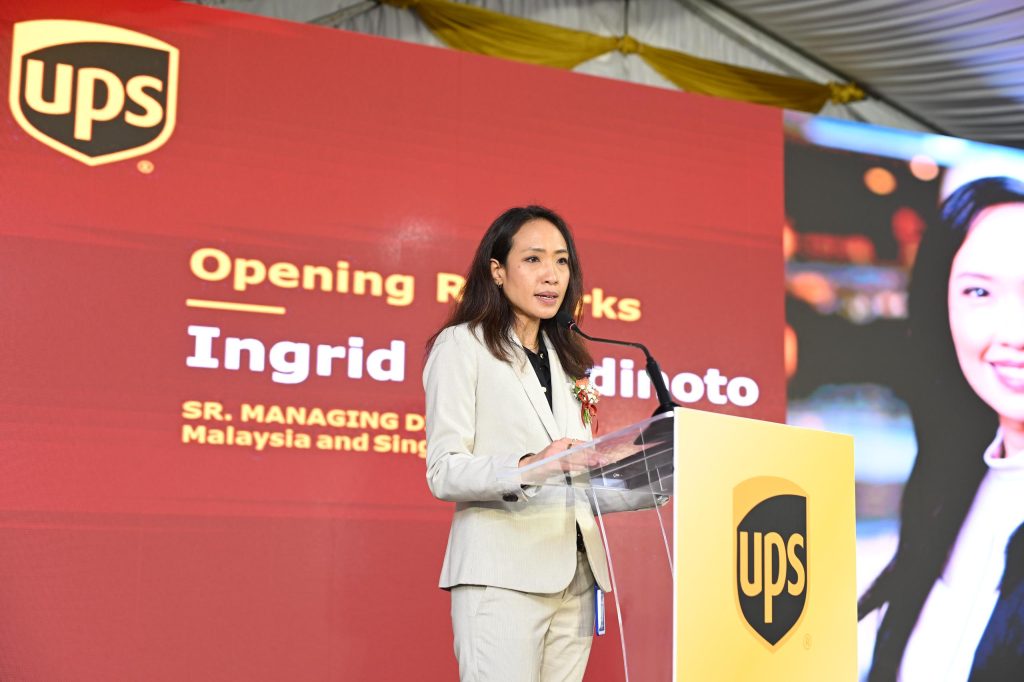
SENAI: UPS (NYSE: UPS), one of the world’s largest package delivery and supply chain management companies, has enhanced its services in Johor in a move that significantly reduces delivery times and boosts global connectivity for UPS customers across the state. The new operation, which consists of a bonded warehouse at Senai International Airport and a package centre in Senai, is located in one of Johor’s leading manufacturing and industry clusters and at the heart of the Johor-Singapore Special Economic Zone (JS-SEZ). It means imports and exports to Johor from countries across Asia Pacific can now enjoy next-day delivery, while imports and exports from Europe and the U.S. will arrive in as little as two business days. This is a time saving of one business day, facilitated by improvements in connectivity between Johor and Singapore’s Changi Airport. “In line with the growth possibilities presented by the Johor-Singapore Special Economic Zone, we’re excited to open our new Johor service at a time when there are opportunities for businesses to expand and build greater resilience into their supply chains,” said Ingrid Sidiadinoto, senior managing director UPS Malaysia. “Johor is an important industrial centre in southern Malaysia, particularly for manufacturing and high-tech companies. Being able to respond to orders quickly is critical in these sectors and now UPS customers in Johor can send and receive deliveries to and from anywhere in the world in two business days or less. This offers the fast and flexible access businesses need to our industry leading global network to make them more responsive, more resilient and more competitive.” The new Johor operation underscores UPS’s continued commitment to supporting businesses in Malaysia by providing better access to the company’s world class integrated global logistics network. “The establishment of UPS’s new Johor operation reflects Malaysia’s growing prominence as a regional logistics and supply chain hub,” said Datuk Sikh Shamsul Ibrahim Sikh Abdul Majid, chief executive officer of the Malaysian Investment Development Authority (MIDA). “Strategically located in Senai, the facility benefits from robust multimodal connectivity, including well-established highways, rail links, and proximity to key ports, making it an ideal gateway for integrated logistics solutions. “This milestone complements the government’s MADANI vision to position Malaysia as a high-value, innovation-driven economy. MIDA will continue to support companies like UPS, fostering their sustained growth within Malaysia’s vibrant logistics ecosystem.” This is the latest in a series of investments by UPS in its Malaysia network. In 2024, the company introduced a service enhancement to allow deliveries from Johor to over 50 countries across the Americas to be completed in as little as two business days. Later in the year UPS also announced a partnership with Ninja Van to provide UPS’s international express services at any of Ninja Van Malaysia’s 52 stores across Klang Valley


News

Thai PM Tables US$115 Billion Budget to Counter Tepid Economic Growth

BANGKOK: Thai Prime Minister Paetongtarn Shinawatra on Wednesday proposed a 3.78 trillion baht (US$115.5 billion) budget for the 2026 fiscal year to parliament, in a bid to stimulate Southeast Asia’s second-largest economy as it grapples with sluggish growth and looming external risks—chief among them, steep US tariffs. The draft budget bill, which will be debated over the next four days, represents a 0.7% increase in government spending from the previous fiscal year and aims to narrow the deficit to 860 billion baht, or 4.3% of GDP, down from 4.5% in the current financial year ending September 2025. “The deficit budget policy is aimed at maintaining economic stability, including supporting a recovery and promoting growth at an appropriate level,” the bill reads, signalling the administration’s intention to carefully balance stimulus with fiscal responsibility. The proposed budget assumes GDP growth between 2.3% and 3.3% in both 2025 and 2026, with inflation forecast to remain muted, ranging between 0.5% and 1.5%. These targets come as Thailand continues to lag behind regional peers. In 2024, the economy expanded by just 2.5%, and in the first quarter of 2025, it recorded year-on-year growth of 3.1%. However, the National Economic and Social Development Council (NESDC) recently downgraded its full-year outlook to between 1.3% and 2.3%, citing external headwinds. One of the most pressing concerns is the expiration of a US tariff moratorium, which could result in a 36% tariff on Thai exports to the United States—Thailand’s largest export market—if a deal is not struck by July. While the baseline US tariff rate stands at 10% under current provisions, Thai goods could be significantly disadvantaged if negotiations fail. The budget does not yet factor in the potential fallout from these tariffs, raising questions among analysts about whether the fiscal planning is adequately forward-looking. Economists suggest that any significant disruption to export performance could force the government to revise spending or introduce supplementary measures later in the year. Despite these uncertainties, the bill is expected to pass in parliament, although political tensions within the ruling coalition may complicate proceedings. The Pheu Thai-led government is facing growing friction with its largest partner, the Bhumjaithai Party, particularly over the controversial casino bill, which seeks to legalise gambling within integrated entertainment complexes to drive tourism and generate new revenue streams. Disagreements have also emerged over constitutional reform and cannabis policy. The latter remains a contentious topic since cannabis was decriminalised in 2022, with growing calls—especially from conservative factions—for tighter regulation on its sale and use. A failure to pass the budget would have significant political ramifications. Under Thai constitutional law, Prime Minister Paetongtarn could either resign and allow parliament to select a new leader or dissolve the lower house and call for a snap election—moves that could unsettle markets and delay economic policymaking. The government’s commitment to deficit financing to spur economic momentum may be necessary, but it also comes at a time when global financial conditions are tightening and investor sentiment remains cautious. Analysts are watching closely to see how the administration navigates external shocks, internal policy divisions, and the broader challenge of accelerating structural reform in an economy long dependent on tourism and exports. As parliament begins debate, all eyes will be on whether the government can secure enough political support to implement its budget vision—and if so, whether it will be enough to steer Thailand’s economy toward more resilient and inclusive growth in the years ahead.

News

TotalEnergies and RGE Partner to Develop Major Solar and Storage Project in Indonesia

JAKARTA/ SINGAPORE: In a landmark collaboration to boost Southeast Asia’s renewable energy ambitions, TotalEnergies and RGE have entered into a Co-Investment Agreement to jointly develop a utility-scale solar photovoltaic (PV) power plant and battery energy storage system (BESS) in Indonesia’s Riau Province. The agreement was formalised through their 50:50 joint venture, Singa Renewables (Singa), and marks a significant step towards enhancing regional energy security and sustainability. Signed at the Presidential Palace in Jakarta and witnessed by Indonesian President Prabowo Subianto and French President Emmanuel Macron, the agreement highlights high-level bilateral support for the project. The development will be rolled out in phases, delivering green electricity for domestic and cross-border consumption. “Our utility-scale project underscores TotalEnergies’ commitment to supporting the region’s energy transition while ensuring energy security,” said Helle Kristoffersen, President Asia and Member of the Executive Committee, TotalEnergies. “This initiative will contribute meaningfully to the ASEAN Power Grid vision.” Imelda Tanoto, Managing Director at RGE, added, “This collaboration is closely aligned with Indonesia’s National Transformation Strategy (Asta Cita), supporting green energy self-sufficiency and value-added services for its bio-based industries. Beyond decarbonisation, it will help create skilled local jobs and drive long-term economic value.” Driving Green Industry and Regional Integration Once completed, the project will: Supply clean energy to green industrial complexes in Riau Province, supporting Indonesia’s decarbonisation and economic growth goals. Export solar energy to Singapore, strengthening regional renewable energy cooperation and contributing to ASEAN’s clean energy agenda. Catalysing Economic and Workforce Transformation The initiative is expected to: Position Indonesia as a renewable energy hub, building local expertise in solar, energy storage, engineering, and grid integration. Enhance regional energy integration by supporting ASEAN’s cross-border clean energy ambitions. With robust governmental backing and a strong commitment to sustainable development, the TotalEnergies-RGE partnership represents a bold move towards transforming Southeast Asia’s energy landscape.

News

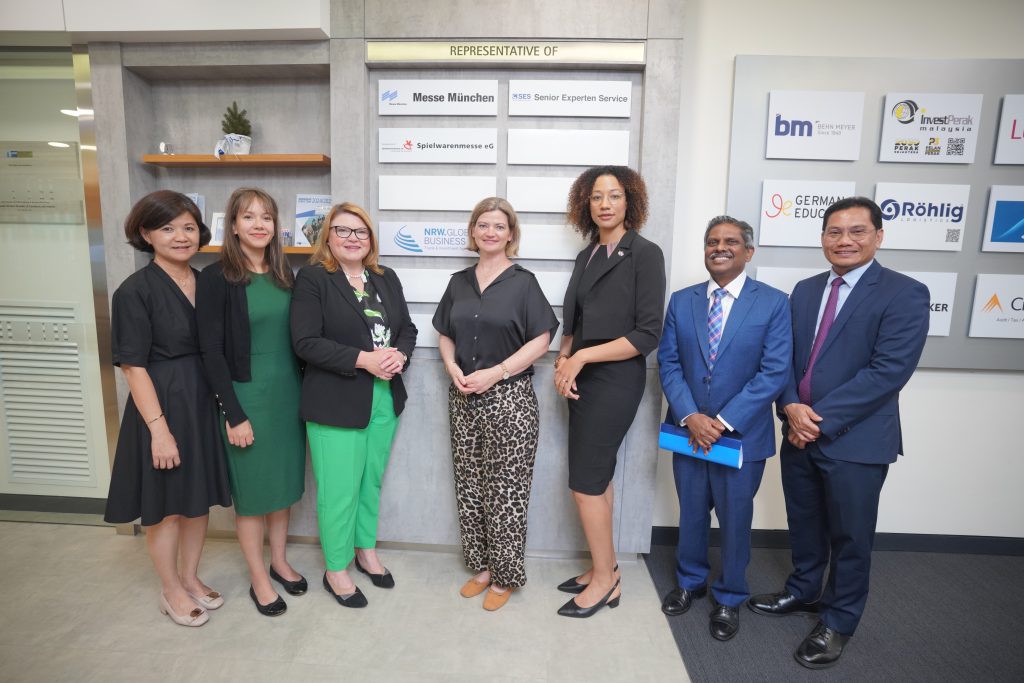
NRW.Global Business Opens ASEAN Desk in KL to Boost German Trade

KUALA LUMPUR: North Rhine-Westphalia (NRW), Germany’s most important economic region, is strengthening its international presence in Southeast Asia. The state-owned trade and investment agency, NRW.Global Business is opening a new ASEAN Service Desk in Kuala Lumpur to signal the intensification of economic relations between NRW and the ASEAN countries. The official opening took place today as part of a business roundtable with the Malaysian-German Chamber of Commerce and Industry (MGCC). The ASEAN countries are among the world’s most dynamic growth regions. Their economic relations with Germany are growing in importance. With the Service Desk, NRW.Global Business is establishing its first permanent point of contact in the region. The Service Desk will provide companies and potential investors from the ASEAN region with direct support on site, ranging from comprehensive information about NRW as a business location and investment conditions to practical assistance with specific location projects.    Felix Neugart, CEO of NRW.Global Business said, “With our ASEAN Service Desk, we aim to raise the profile of NRW as an innovative and attractive business location in the ASEAN region, intensify bilateral trade and investment relations and promote cooperation in future-oriented areas such as digitalisation, sustainable technologies and research. The ASEAN countries are important partners for us: They offer new sales and procurement markets as well as opportunities to establish business contacts with innovative companies and institutions. By establishing a direct presence, we are creating a point of contact to better leverage this potential together with local partners.”   The Business Roundtable on “Business Opportunities between NRW and Malaysia – Introducing NRW.Global Business ASEAN Service Desk” provides the framework for the official opening. Here, companies, local authorities, economic development agencies and multipliers from Malaysia and NRW come together to discuss opportunities for investment, cooperation and market development.   Jan Noether, Executive Director of the Malaysian-German Chamber of Commerce and Industry (MGCC), said, “We are delighted to be implementing the ASEAN Service Desk together with NRW.Global Business. NRW offers diverse opportunities for companies from the ASEAN region and the new service desk will significantly contribute to facilitating market access and further deepening relationships.”  

News

Toyota Becomes Top Shareholder in Joby with US$250m Investment

TOKYO: Toyota Motor Corp has invested US$250 million in Joby Aviation Inc, making it the largest shareholder in the US-based air taxi developer with a 15.3% stake. The funding marks the first half of a previously announced US$500 million commitment to the electric vertical takeoff and landing (eVTOL) company. The investment, originally set to close in 2024, is part of Toyota’s total pledged funding of US$894 million in Joby. The second tranche is expected later this year. The move strengthens Toyota’s position in the emerging urban air mobility sector. “This milestone further cements the collaboration and alignment between our two companies,” said Tetsuo Ogawa, CEO of Toyota North America. Joby shares rose 3.5% to US$7.12 in after-hours trading following the announcement. The stock is down roughly 15% year-to-date. Joby is among several firms developing battery-powered eVTOL aircraft for short-range urban travel. The company has shifted its commercial launch target to early 2026 in Dubai, pending regulatory approvals from the US FAA and global authorities. Toyota began backing Joby in 2020, following an earlier investment by its venture capital arm in 2018.

News

RHB Sees Q1 Growth, Profit Hits RM750 Mil

KUALA LUMPUR: RHB Bank Berhad (“RHB” or “the Group”) posted a net profit of RM750 million for the first quarter ended 31 March 2025 (Q1 FY2025), marking a 2.7% year-on-year (Y-o-Y) increase from RM730.2 million. The performance was driven by higher net fund-based income and improved credit cost management, reflecting RHB’s disciplined risk approach and operational resilience. Total income stood at RM2 billion, reflecting a marginal 1.9% Y-o-Y decline, mainly due to softer non-fund based income from lower gains in forex, derivatives, trading and investment activities. Net fund-based income, however, rose 7.3% Y-o-Y to RM1.5 billion, supported by a 6.3% increase in gross loans and stable net interest margins (NIM). The Group reported an effective NIM of 1.91% for the quarter, compared to 1.83% a year earlier. Operating expenses grew modestly by 1.2% Y-o-Y to RM970.7 million, while the cost-to-income ratio (CIR) rose slightly to 47.4% from 45.9% in the prior year due to lower income. Expected Credit Losses (ECL) declined sharply by 50.8% to RM105.8 million, attributed to the absence of one-off ECL from international operations. “We sustained our earnings growth momentum in the first quarter, underpinned by solid fundamentals and early traction from our PROGRESS27 strategy,” said Dato’ Mohd Rashid Mohamad, Group Managing Director and CEO of RHB Banking Group. “Our cost optimisation efforts are delivering results, while we remain focused on asset quality and disciplined execution.” Robust Capital, Steady Loan Growth As of 31 March 2025, RHB’s total assets expanded to RM353 billion. Shareholders’ equity stood at RM32 billion, with a Common Equity Tier-1 (CET-1) ratio of 16.0% and Total Capital Ratio (TCR) of 18.5% at Group level. The Bank’s standalone CET-1 and TCR were 14.7% and 17.4%, respectively. Gross loans rose 2.4% on an annualised basis to RM239 billion, led by solid performances in Group Community Banking (+5.5%) and Commercial segments (+16.9%). Domestic loans grew 4.7% annually, outpacing the industry average of 4.3%. The Group’s gross impaired loans (GIL) ratio was stable at 1.50%, while domestic GIL remained below industry levels at 1.22%. Customer deposits totalled RM249 billion, with the CASA (current account savings account) ratio improving to 28.0% from 27.6% in FY2024. Liquidity Coverage Ratio (LCR) was healthy at 134.6%. Loan loss coverage including regulatory reserves strengthened to 115.7%. Segment Performance Overview Group Community Banking recorded a pre-tax profit of RM425.7 million (+14.7% Y-o-Y), supported by growth in mortgages (+7.3%), auto finance (+9.0%), and SME loans (+5.5%). Gross loans stood at RM152 billion, while deposits reached RM125 billion. Group Wholesale Banking posted RM548.2 million in pre-tax profit. Commercial segment loans rose 16.9% to RM54 billion, with deposits of RM86 billion. Group International Business saw pre-tax profit surge to RM87.3 million due to lower ECL. Deposits grew 4.6% annually to RM37 billion, with CASA rising 22.2%. Group Shariah Business reported RM242.5 million in pre-tax profit, with Islamic financing at RM93 billion (+8.7% annualised). Islamic loans made up 45.1% of total domestic financing, up from 44.6% in December 2024. Group Insurance contributed RM17.7 million in pre-tax profit for the quarter. Strategic Outlook RHB maintains a cautious outlook amid global macroeconomic uncertainties, interest rate movements, and trade tensions. The recent reduction in the Statutory Reserve Requirement (SRR) by Bank Negara Malaysia is expected to support funding flexibility in the coming quarters. “Our new three-year strategic roadmap, PROGRESS27, charts a clear path to strengthening service excellence, profitability and purpose-driven growth,” added Dato’ Rashid. “With targeted execution across customer journeys and sustainability efforts, we are well-positioned to unlock both near-term and long-term value for stakeholders.”

Energy & Technology, News

Cebu Pacific Leases Jets to Saudi’s Flyadeal During Off-Peak Season

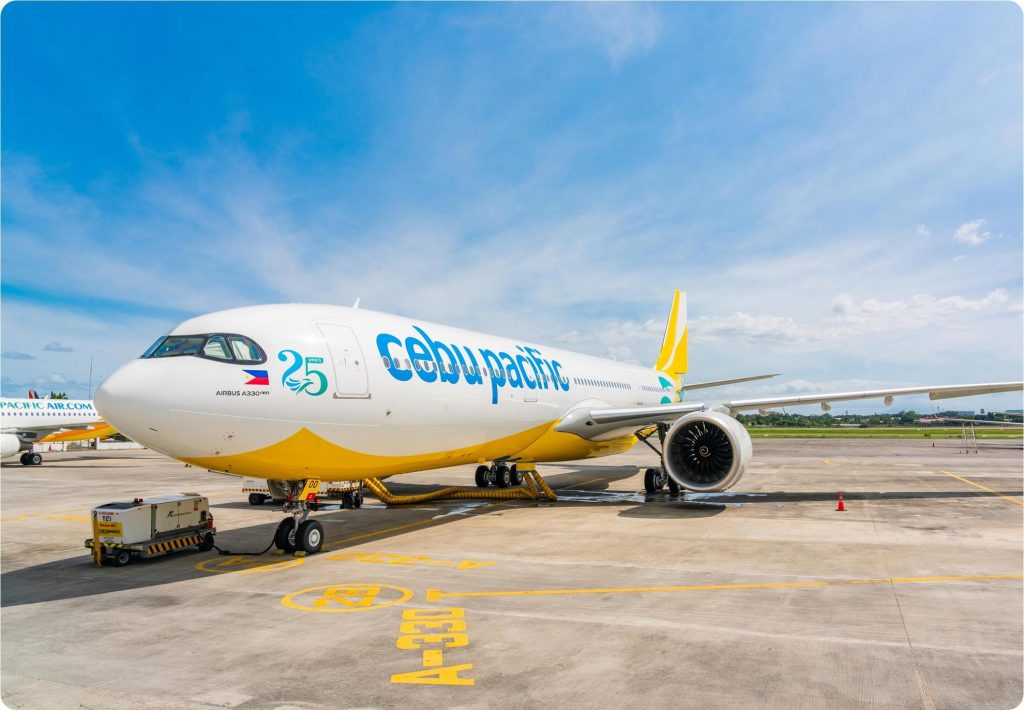
MANILA: Philippine budget airline Cebu Pacific has entered into a short-term wet lease agreement with Saudi low-cost carrier flyadeal, leasing two Airbus A320 aircraft along with pilots, cabin crew and maintenance services. The move is aimed at monetising excess capacity during the Philippines’ traditionally lean travel period in July and August. Under the agreement, Cebu Pacific will deploy the aircraft to flyadeal during the Saudi summer travel peak. The wet lease arrangement allows flyadeal to scale its operations in the high-demand period without the immediate need for additional aircraft or crew recruitment. “We have this natural symbiosis where my peak is not his and vice versa,” said Steven Greenway, CEO of flyadeal, during a joint press briefing. Michael Szucs, CEO of Cebu Pacific, noted that the deal marks a first for the airline, which has historically never leased out its aircraft. However, he signalled that more such agreements could follow as the airline continues to expand its fleet. “We’re testing the waters,” Szucs said. Cebu Pacific had last year placed an order for at least 70 Airbus A321neo aircraft to strengthen its long-term fleet requirements. The new aircraft will gradually be added to its network in the coming years, opening the door for further leasing opportunities during the airline’s off-peak seasons. The partnership also aligns with flyadeal’s broader regional ambitions. The Saudi budget carrier, a subsidiary of Saudia Group, has been ramping up its long-haul operations, recently ordering 10 Airbus A330neo wide-body jets. The airline expects three of the 10 aircraft to be in service by July 2027, with two more arriving later that year. “Southeast Asia is our key destination for these aircraft,” Greenway added in an interview, identifying the Philippines, Malaysia and Indonesia as high-potential markets. “Obviously, the Philippines is interesting because of our partnership with Cebu Pacific.” Flyadeal also views the Philippines as a key market to capture travel demand to and from the Gulf region, especially among overseas Filipino workers and Muslim pilgrims travelling to Saudi Arabia for the annual Haj pilgrimage. The agreement represents a strategic use of underutilised assets for Cebu Pacific while offering flyadeal operational flexibility in its growth trajectory. It also underscores the increasing collaboration between budget carriers as they seek to optimise fleet use and expand into new markets amid ongoing global recovery in the aviation sector.–REUTERS

News

Nissan plans US$7b funding with UK govt backing

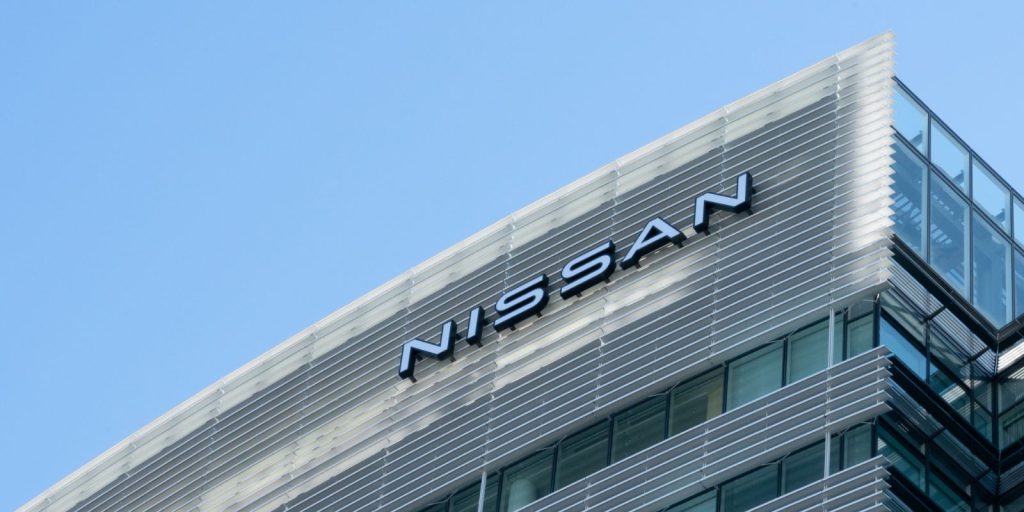
Nissan Motor Co is undertaking an ambitious capital-raising initiative valued at over ¥1 trillion (approximately US$7 billion or RM29 billion), as it confronts a looming debt maturity crisis and accelerates a sweeping restructuring programme. Internal documents reviewed by Bloomberg reveal the automaker’s strategy encompasses a hybrid approach—issuing convertible securities, initiating asset divestitures, and securing sovereign-backed syndicated financing. The Yokohama-based manufacturer plans to issue up to ¥630 billion in convertible bonds and high-yield notes denominated in US dollars and euros. A significant tranche of the financing effort includes a £1 billion (US$1.4 billion) syndicated loan facility underwritten by UK Export Finance (UKEF)—a critical endorsement signalling confidence from the British government in Nissan’s strategic footprint within the UK’s post-Brexit automotive landscape. Nissan is also eyeing the disposal of non-core assets to bolster liquidity. This includes partial divestments in long-held equity positions in French partner Renault SA and Japanese battery maker AESC Group Ltd, alongside manufacturing plants in South Africa and Mexico. In Japan and the US, key real estate—most notably its Yokohama headquarters—are being considered for sale-and-leaseback transactions. Market response has been swift, with Nissan’s shares rallying up to 4.6% in Tokyo, reflecting investor optimism despite the underlying financial distress. Financial Stress and Leadership Response These fundraising efforts come as Nissan grapples with acute financial headwinds. Internal forecasts indicate the company’s automotive division could see cash reserves dwindle to near zero by March 2026, should US tariffs persist and no additional liquidity be injected. The fiscal pressure is compounded by US$5.6 billion in debt maturing next year—Nissan’s largest obligation since at least 1996. CEO Ivan Espinosa, who assumed leadership earlier this year, has acknowledged the urgent need to re-establish fiscal sustainability. While asserting that the group maintains a liquidity buffer of approximately ¥2.2 trillion, Espinosa is pursuing aggressive restructuring to avert further deterioration. This includes a drastic reduction of 20,000 jobs and the shuttering of seven out of 17 global plants by 2028, with two major closures in Japan’s Oppama and Hiratsuka regions already in motion. Should prevailing tariffs remain, the automaker could incur an operating loss of up to ¥450 billion for FY2025—its largest operational deficit on record. Even in a best-case scenario without tariffs, the projected loss stands at ¥300 billion, underscoring systemic inefficiencies and a pressing need for transformation. UK Strategic Investments and Export Leverage Central to Nissan’s recovery blueprint is its UK manufacturing hub in Sunderland, the country’s largest automotive production facility. The carmaker has pledged £2 billion to scale electric vehicle production at the site. The UKEF-backed loan, therefore, not only provides liquidity but also safeguards British employment and supports decarbonisation objectives aligned with national policy. AESC, once a Nissan subsidiary and now under Chinese majority ownership, has committed to constructing a second battery plant in Sunderland. This move aligns with UK government priorities to secure local EV supply chains amid intensifying geopolitical tensions and trade barriers. Recent developments, including the UK-US trade agreement, could offer Nissan critical relief if exports from Sunderland are exempted from US tariffs. This is particularly salient given the Trump administration’s 25% import tax on foreign-made vehicles—effective since April—and its disproportionate impact on export-heavy manufacturers like Nissan. Credit Ratings and Liquidity Position Despite the proposed funding initiatives, Nissan’s financial credibility remains under scrutiny. Credit rating agencies have downgraded the company’s status to junk territory amid persistent negative cash flow and uncertain profit outlooks. Although the company reports ¥2.1 trillion in untapped credit facilities, its capacity to withstand prolonged macroeconomic shocks is tenuous without material operational improvement. The success of Nissan’s funding strategy, much of which is still pending board approval, will be pivotal in determining whether the automaker can navigate its current inflection point. Industry analysts will be closely monitoring the company’s execution of asset disposals, cost rationalisation measures, and progress on strategic alliances—especially following the collapse of merger talks with Honda Motor Co earlier this year. In the broader context, Nissan’s situation reflects the existential challenges facing legacy automakers amid the global shift to electrification, trade realignment, and evolving capital markets. The next 12 months will be critical—not only for Nissan’s survival but also for Japan’s automotive sector, which remains a bellwether for industrial resilience in a volatile global economy.–BLOOMBERG

News

Rafizi Ramli Resigns as Minister of Economy

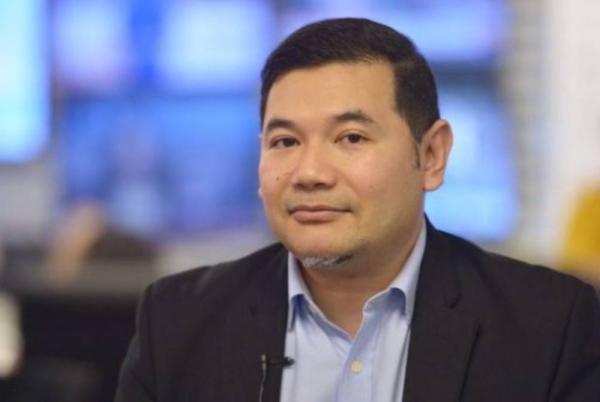
Rafizi Ramli has announced his resignation as Malaysia’s Minister of Economy, citing the loss of his mandate following a defeat in the recent Parti Keadilan Rakyat (PKR) internal elections. His resignation will take effect on 17 June 2025, with Rafizi set to go on annual leave until then. In a media statement issued Tuesday, Rafizi said his departure is in line with democratic practices, where party leaders who no longer hold internal support should make way for new leadership within the government. “I joined politics to promote a new political culture grounded in accountability and public mandate,” he said. “Losing the party’s confidence means I can no longer credibly deliver PKR’s policy agenda within the Cabinet.” Rafizi leaves office having completed his final task: the formulation of the 13th Malaysia Plan (RMK13), which he confirmed has been finalised and is ready for presentation in the upcoming parliamentary session. The plan, he said, places a strong focus on long-term structural reforms—particularly in the education sector. He urged the Cabinet to maintain the bold policy shifts outlined in RMK13, even in his absence, and commended the Ministry of Economy for its high calibre of public servants and policy execution. During his tenure, Rafizi championed structural reforms aimed at boosting national productivity, addressing income disparities, and positioning Malaysia for high-income status. His departure introduces a potential leadership gap at a critical point in the country’s economic reform trajectory. “The journey to restructure our economy for long-term strength and high-income status is far from over,” he noted. “Difficult decisions must continue to be made today for the benefit of future generations.” Rafizi also expressed his gratitude to public servants, industry stakeholders, the media, and the Malaysian public for their cooperation throughout his term in office. The Ministry of Economy’s leadership transition will be closely watched by investors and business leaders, particularly as the country prepares to implement RMK13 and navigate a complex global economic landscape.

News

Affin Hwang CEO Nurjesmi Mohd Nashir to Join RHB as Wholesale Banking Head

KUALA LUMPUR: Nurjesmi Mohd Nashir, CEO of Affin Hwang Investment Bank Bhd, is set to take the helm of RHB Bank Bhd’s wholesale banking division, according to industry sources. He is expected to be named Managing Director of Group Wholesale Banking at RHB. The move follows the departure of Datuk Fad’l Mohamed, who left RHB earlier this year to assume the role of CEO at Bursa Malaysia. Nurjesmi, who took the top role at Affin Hwang in June 2023, brings with him extensive experience in corporate and investment banking. His prior roles include Executive Director and Head of Global Corporate Banking at JP Morgan Chase Bank Bhd, and nearly 20 years at Citibank Bhd. Shares in RHB closed three sen lower at RM6.85 on Tuesday, with a market valuation of RM29.86 billion. Affin Bank’s shares ended one sen lower at RM2.70, valuing it at RM6.84 billion.–THE EDGE

Scroll to Top

Subscribe
FREE Newsletter