News

News

Kossan Holdings Becomes the Strategic Investor in CARE Latex

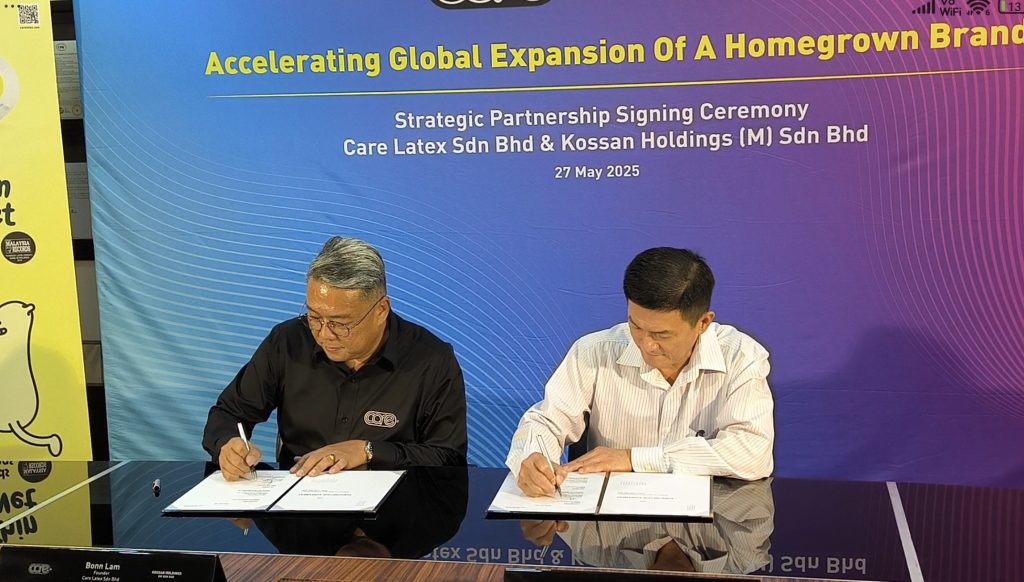
KUALA LUMPUR: CARE Latex Sdn Bhd (“CARE Latex”), Malaysia’s leading  condom brand, has announced a strategic partnership with Kossan Holdings (M) Sdn Bhd  (“Kossan Holdings”), the investment arm of one of the world’s largest manufacturers of gloves and rubber product.. This partnership positions Kossan Holdings as CARE Latex’s third-largest investor,  strengthening the brand’s strategic foundation and supporting its long-term growth ambitions in the global  sexual wellness market. CARE Latex’s impressive growth trajectory — highlighted by a 1,399% increase in revenue and a 1,615%  surge in unit sales from 2018 to 2024 — underscores strong consumer trust and positions the brand as  a regional frontrunner and emerging global player.  This strategic partnership with Kossan Holdings marks a pivotal milestone in CARE Latex’s pre-IPO  journey. It enhances CARE Latex’s ecosystem by accelerating product innovation, improving inventory  management, expanding research and development (“R&D”) capabilities, and broadening market reach  through new distribution channels.  Beyond market expansion, the collaboration also aligns with CARE Latex’s commitment to public health,  particularly in addressing the urgent issue of HIV prevention among Southeast Asian youth. According to  UNAIDS 2023, one in four new HIV cases in the region involves individuals aged 15 to 24, with 93% linked to unprotected sex. In Malaysia, the Ministry of Health’s Global AIDS Monitoring Report 2024 indicates that 32% of new HIV infections occur in this age group, and yet condom usage remains below  40%.  CARE Latex is building greater operational capacity and expanding access to trusted protection products  by harnessing advanced manufacturing and supply chain strengths — deepening its commitment to  preventing sexually transmitted diseases and promoting sex education.  “Welcoming Kossan Holdings as a strategic investor enhances our capacity to scale production, drive  innovation, and deliver our mission. Together,  we are building a globally respected Malaysian brand that stands for quality, innovation, and social  responsibility,”  said Bonn Lam Chee Fong, Founder of CARE Latex. Reflecting on CARE Latex’s origins, Bonn added, “Our journey started with a simple yet powerful insight  — if the world’s leading condom brands source their latex from Malaysia, why not build a world-class  brand here at home? With Malaysia ranking as the sixth-largest producer of natural latex, we are  leveraging local strengths to accelerate the R&D pipeline, to launch innovations like Malaysia’s first  Microbial Barrier condom, designed with antimicrobial and antioxidant properties for enhanced  protection.”  Lim Seow Chair, representative of Kossan Holdings, commented: “We are proud to support CARE Latex, a brand that shares our values of integrity, innovation, and sustainable impact. CARE Latex’s focus on sexual wellness, coupled with its inclusive, innovative and science-led approach, aligns  perfectly with our purpose-driven investment philosophy.”  CARE Latex is the only Malaysian condom brand with a retail presence in both Singapore and South  Korea, distributed through major convenience store chains such as Olive Young, and GS25, which has  over 17,300 outlets.  Future expansion markets include Singapore, Vietnam, Hong Kong, Macau, New Zealand, and the United  States. The company’s growth strategy remains anchored in broadening retail reach, advancing product  innovation, and exploring acquisitions of local brands. Multiple new product lines are in development to  support this continued growth, including clinical and personal lubricants, pregnancy and HIV test kits,  pleasure devices, and wellness supplements. 
News

Hong Leong Bank Teams Up with Lombard Odier to Elevate Private and Regional Wealth Management

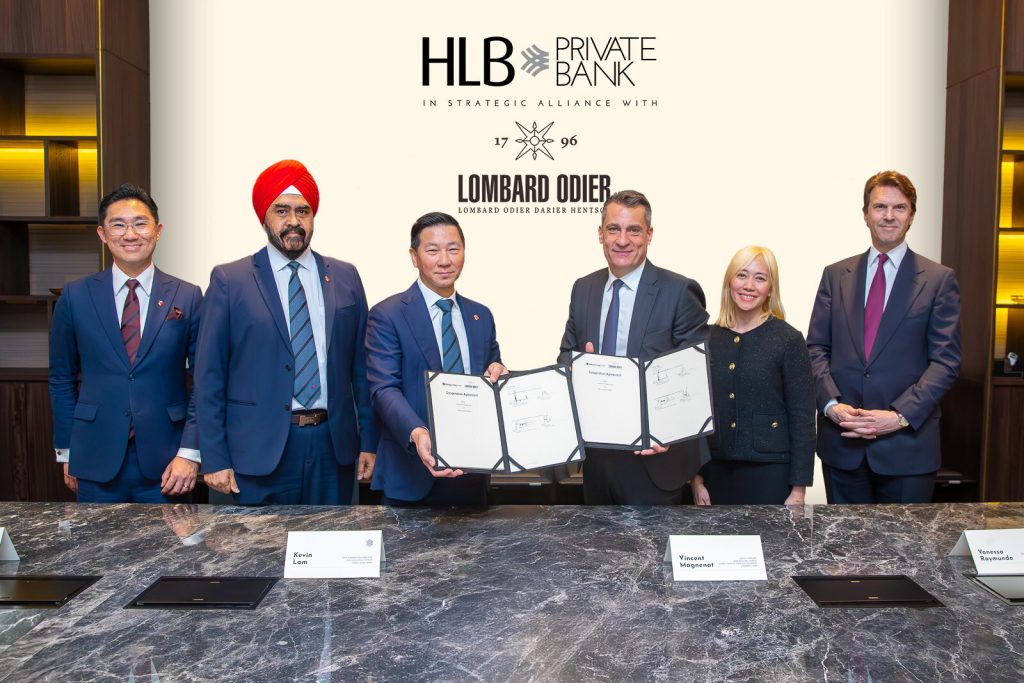
KUALA LUMPUR: Hong Leong Bank Berhad (HLB) has formed a strategic alliance with Swiss private bank Lombard Odier to enhance its HLB Private Bank and Regional Wealth Management proposition. The move marks a significant step in HLB’s transformation strategy to become Malaysia’s best-run bank, with a strong focus on innovation, sustainability, and legacy-building wealth solutions. The partnership was formalised at HLB’s headquarters in Kuala Lumpur between Kevin Lam, HLB’s Group Managing Director and CEO, and Vincent Magnenat, Asia Group Regional Head and Global Head of Strategic Alliances at Lombard Odier. It was witnessed by key senior executives from both organisations. “This is a transformative era for wealth management,” said Kevin Lam. “Our ambition to be the best-run bank is intertwined with empowering clients to build wealth that transcends generations. With Lombard Odier, we are charting a course for enduring wealth—combining world-class expertise with our commitment to responsibility and innovation.” A Synergy of Global Vision and Local Expertise The alliance brings together Lombard Odier’s global investment strategies and HLB’s deep understanding of the regional market. Clients will benefit from a sophisticated, personalised experience, including: Investment insights from Lombard Odier’s Chief Investment Office Comprehensive wealth architecture Bespoke advisory services focused on succession planning, sustainable investments, and generational wealth transfer Strengthening Capabilities from Within Alongside the alliance, HLB is also: Expanding its wealth management team with top-tier talent Launching a Wealth Academy to upskill relationship managers Integrating AI tools to enhance client engagement and insights Advancing digital capabilities and client service delivery “Asia-Pacific’s wealth is growing rapidly, especially among high-net-worth individuals (HNWIs),” said Jeffrey Yap, Managing Director & Regional Head of Wealth Management at HLB. “This alliance enables us to deliver tailored solutions that meet the evolving complexities of wealth today—and secure legacies for the future.” Extending Through Hong Leong Asset Management The partnership also enhances Hong Leong Asset Management Bhd (HLAM)’s product offerings, leveraging Lombard Odier’s role as a target fund manager to bring exclusive investment strategies to Malaysian investors. “We believe in working with the right partners who share our DNA,” said Vincent Magnenat of Lombard Odier. “In HLB, we see a shared commitment to innovation, sustainability, and legacy wealth planning. We are delighted to welcome them into our ecosystem of strategic alliances.”

News

McDonald’s to Accelerate Store Expansion in China

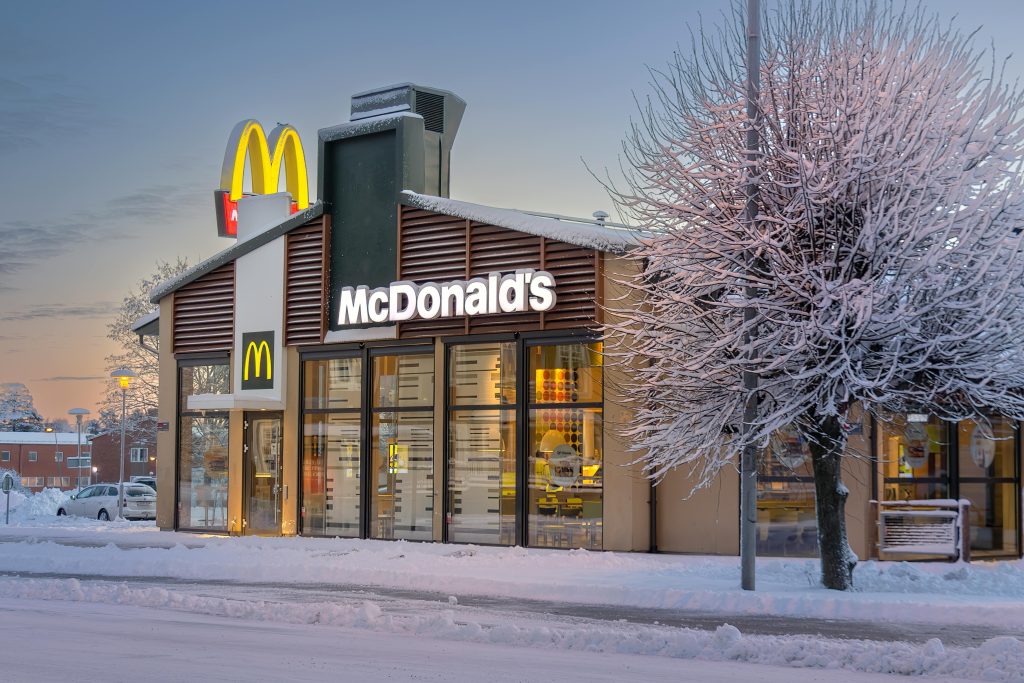
McDonald’s Corporation is doubling down on its expansion in China, reaffirming confidence in its largest international market despite global economic headwinds and a 1% decline in worldwide comparable sales for the first quarter of 2025. Speaking during the company’s earnings call, Chief Financial Officer Ian Borden highlighted China as a bright spot in an otherwise mixed global landscape. “In China, our performance remained stable, driven by an increase in delivery share, the success of Big Bites, Value meals and strong performance in chicken,” Borden said. Echoing that optimism, Chairman and CEO Chris Kempczinski noted that McDonald’s continues to demonstrate enduring brand value, particularly in times of economic uncertainty. China is set to play a central role in the company’s international growth strategy. Out of the 2,200 new stores McDonald’s plans to open globally this year, nearly 1,000 will be located in China, according to figures reported by Shanghai-based business media outlet Yicai. That expansion would represent nearly half of the company’s global franchised openings in 2025. McDonald’s currently operates more than 7,000 restaurants across China, with over half situated in third- to fifth-tier cities. Since 2017, its China operations have been managed by a consortium led by CITIC Capital. The company’s highly localised supply chain — with over 90% of ingredients such as chicken and potatoes sourced within China — has helped shield the business from external disruptions, including recent US-China trade tensions. “Our localised model has been key to navigating market challenges,” said Gu Lei, Chief Impact Officer of McDonald’s China. “More than 90 percent of our ingredients such as chicken and potatoes are produced, processed and procured within China.” In response to changing consumer behaviour, the company launched its “Value Year” campaign in 2025. The initiative features Big Mac promotions, a “Mix and Match 1+1” offer, a refreshed membership rewards programme, and an exclusive Gold Card offering, all designed to enhance value perception without compromising on quality. “Chinese consumers are not just chasing low prices, they’re looking for quality and experience at a reasonable price,” Gu said, citing a survey of over 40,000 young consumers. McDonald’s has also broadened its store formats to match local preferences, including an increase in drive-throughs, smart pickup counters, family-oriented dining spaces, and mobile McCafe carts — all aimed at boosting accessibility and engagement. “McDonald’s localisation strategy has proven highly effective,” said Zhu Danpeng, an independent food and beverage analyst. “The company has deeply tapped into Chinese dietary culture and consumer habits through a localised operating system and consistent product innovation.” “In today’s uncertain global economic climate, consumers are increasingly drawn to brands that deliver strong value for money — an area where McDonald’s continues to excel,” Zhu added. — China Daily / ANN

News

Radium Enters Healthcare Sector with First Hospital Launch

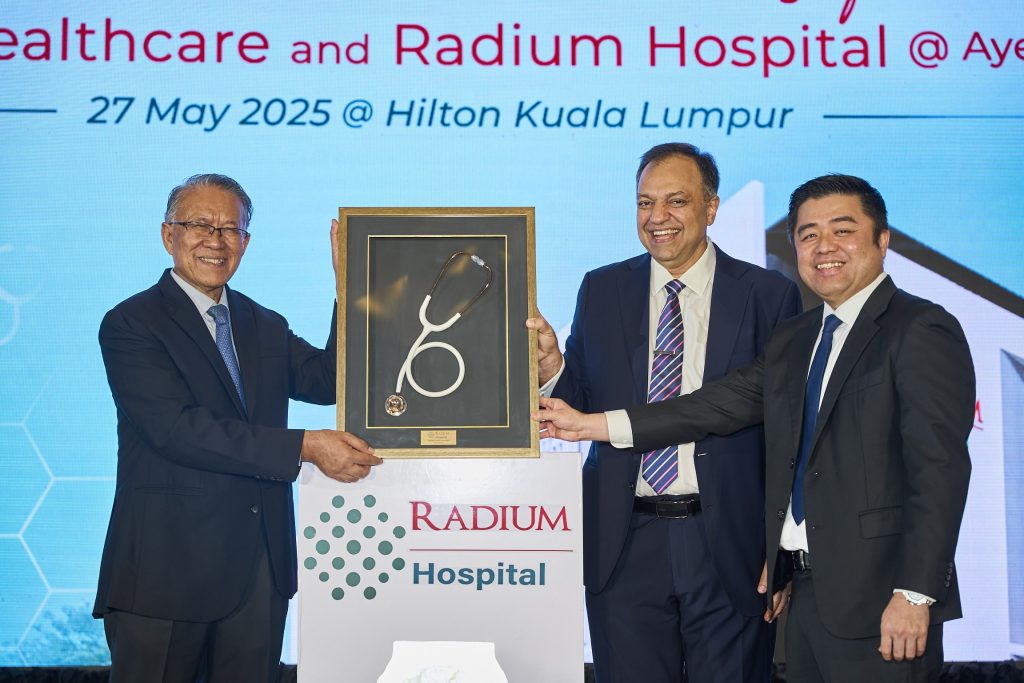
KUALA LUMPUR: Radium Development Berhad, a homegrown property developer known for its affordably priced homes across the Klang Valley, has officially ventured into the healthcare sector with the launch of its first medical facility, Radium Hospital @ Ayer Keroh. Currently known as A Famosa Specialist Hospital, the facility will be repositioned under the newly established Radium Healthcare Sdn Bhd, marking a significant milestone in the group’s diversification strategy. Strategically situated adjacent to the Melaka International Trade Centre (MITC) and within close proximity to the PLUS Highway, the tertiary-level hospital is designed to cater to the evolving healthcare needs of Tier 2 towns. It will serve a broad patient base ranging from middle- to high-income groups, insurance holders, corporate clients, and medical tourists. “As a brand built on the belief of ‘Building Good’, our venture into healthcare is a natural extension of our mission to serve Malaysians from all walks of life,” said Datuk Gary Gan, Group Managing Director of Radium. “Just as we’ve provided quality housing solutions, we’re now committed to offering the same reliability, compassion, and excellence in healthcare.” Set to commence operations in the first half of 2028, Radium Hospital @ Ayer Keroh will be the centrepiece of Radium Centricity, a proposed 7.11-acre integrated development focused on health, wellness, and well-being. The wider masterplan will eventually include residential and commercial components, supporting the hospital with lifestyle and healthcare-related services. The hospital will house Centres of Excellence in traumatised care, cardiology, infertility treatment, and neonatology—areas identified as critical to Melaka’s healthcare landscape. “Our vision is to create a healthcare system that is inclusive, ethical, and adaptable,” said Dr Arun Kumar, CEO of Radium Healthcare. “This hospital represents the first step in building a network of community-focused facilities that meet the highest clinical standards while remaining affordable to the public.” Radium Healthcare’s business model emphasises long-term sustainability through a combination of internal funding, strategic borrowings, asset-light structures, and operational efficiency. The group is also investing in technological upgrades and rigorous safety protocols, while pursuing MSQH accreditation to ensure clinical excellence. Partnerships will be a core component of Radium Healthcare’s approach. The company is working closely with local corporates and NGOs, and has formed a strategic collaboration with M Life Healthcare Sdn Bhd, helmed by Dr Arun Kumar. “With Dr Arun’s leadership and our shared vision, we’re confident that Radium Healthcare will emerge as a strong private hospital group in Malaysia,” added Gan. With more healthcare developments in the pipeline, Radium’s latest move aligns with national goals to enhance healthcare accessibility and improve the quality of life for Malaysians. For more information, visit: www.radiumhealthcare.com

News

Japan Unveils US$15.5 Bil Relief Plan for SMEs Hit by US Tariffs

TOKYO: The Japanese government has announced a sweeping ¥2.2 trillion (US$15.5 billion) economic support package to protect small and medium-sized enterprises (SMEs) from the adverse effects of US-imposed tariffs, including steep levies on cars, steel, and aluminium. The measures, revealed today by Chief Cabinet Secretary Yoshimasa Hayashi, aim to safeguard the backbone of Japan’s economy through corporate financing support and eased loan conditions via a government-backed lending institution. “We will provide full support for small and medium-sized enterprises affected by the US tariffs,” Hayashi said during a press conference. The aid comes amid heightened trade tensions with Washington, following a series of tariff hikes introduced by US President Donald Trump. Japan, a key American ally, currently faces a baseline 10% tariff on most exports to the US, as well as harsher duties of up to 25% on automotive products — a vital sector which accounts for approximately 8% of all Japanese employment. In early April, Trump announced a new 24% “reciprocal” tariff specifically targeting Japanese goods, but temporarily paused enforcement until early July. Negotiations are ongoing, with Japan’s tariffs envoy expected to return to Washington this week for a fourth round of bilateral talks. Prime Minister Shigeru Ishiba is aiming to secure a breakthrough agreement during his upcoming meeting with President Trump at the Group of Seven (G7) summit in Canada next month. Economic Headwinds and Political Stakes The relief plan arrives at a precarious time for the world’s fourth-largest economy, which contracted by 0.2% in the first quarter of 2025. The downturn, driven by export pressures and rising costs, has amplified scrutiny of Ishiba’s leadership ahead of Japan’s upper house elections scheduled for July. In a bid to shield households from surging living expenses, the government will also allocate an additional ¥288 billion to subsidise electricity and gas bills from July to September — the peak period for air conditioning usage due to Japan’s sweltering summer temperatures. According to Hayashi, this initiative is expected to reduce utility costs by approximately ¥3,000 per family over the three-month period. Targeted Grants and Energy Cost Mitigation Beyond household relief, the package includes plans to expand special grants for institutions such as hospitals and small businesses, allowing them to manage energy costs not covered by existing assistance programmes. This move complements broader efforts to offset the ripple effects of inflation and maintain economic stability in the face of mounting external pressures. With tariff talks continuing and domestic sentiment wavering, Japan’s comprehensive relief measures reflect a strategic attempt to cushion its economy while maintaining diplomatic channels with Washington. As both nations prepare for high-level discussions in Canada, all eyes are on whether Tokyo can negotiate a rollback of the tariffs — a potential lifeline for the thousands of SMEs now struggling to absorb higher operational costs.

News

Top Business and Policy Leaders to Convene at CGSI’s ASEAN Business Forum 2025

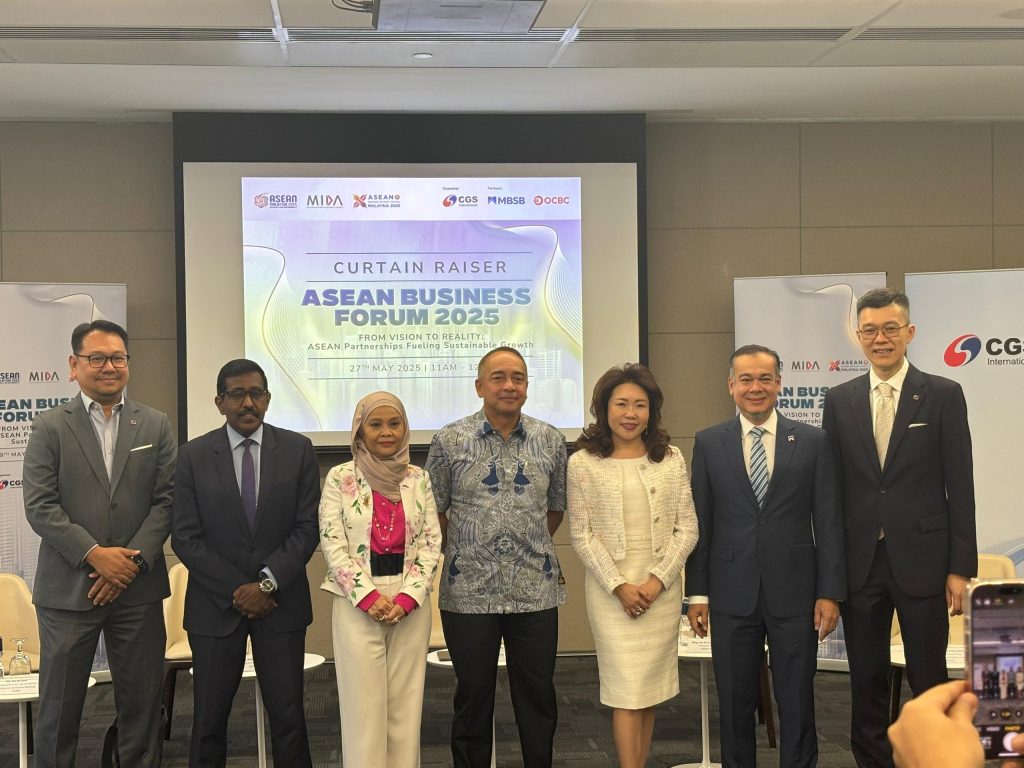
KUALA LUMPUR: CGS International Securities (“CGSI” or the “Company”) in collaboration with MBSB and OCBC, today at their curtain raiser for the inaugural ASEAN Business Forum 2025 (“ABF2025” or the “Forum”), shared key action points slated for intense discussion at the event on the 29 May 2025. ABF2025 will be held in conjunction with the 46th ASEAN Summit 2025 in Kuala Lumpur, and the ASEAN-GCC + China Summit 2025. A key highlight of the forum is the corporate engagement and business exchange session designed to drive real business collaboration between pre-screened and pre-selected matching parties from the top 25 corporations and investors across ASEAN and China. Themed “From Vision to Reality – ASEAN Partnerships Fuelling Sustainable Growth”, the forum is co-hosted with the Malaysian Investment Development Authority (MIDA) and ASEAN Business Advisory Council (ASEAN-BAC) Malaysia. It is expected to draw more than 500 attendees comprising over 200 foreign and local corporates, policymakers and corporate captains representing the region’s largest companies of over RM1 trillion in market capitalisation, council members of ASEAN BAC countries representing the company interests of their home nations, and fund managers with total funds under management of over RM 8 trillion. The gathering comes at a critical juncture, as affected countries are renegotiating trade terms with the United States, while exploring alternative strategies to sustain economic stability and growth. Present at the curtain raiser were CGSI’s strategic partners and supporters including Tan Sri Nazir Razak, Chairman of the ASEAN-BAC for Malaysia, Mr. Sivasuriyamoorthy Sundara Raja, MIDA Deputy Chief Executive Officer (Investment Promotion and Facilitation), Dato’ Azlan Shahrim, Group Chief Strategy Officer representing MBSB Berhad and Ms. Tan Ai Chin, Managing Director, Senior Banker & Head of Investment Banking of OCBC Malaysia – both trusted banking partners committed to growing ASEAN financial ecosystems and supporting sustainable investment flows. Mr. Sivasuriyamoorthy Sundara Raja, MIDA Deputy CEO (Investment Promotion and Facilitation) shared, “We commend CGS International Securities for hosting the ASEAN Business Forum 2025 — a timely effort that speaks to the region’s shared aspiration for sustainable and inclusive prosperity, amidst geopolitical and challenging global economic landscape. At MIDA, we are committed to partnerships that go beyond transactions, that shape long-term value for Malaysia and uplift business communities. This forum bodes well with the statement of intent by ASEAN — to lead with shared purpose, unity, and economic vision. As the Malaysian government’s principal promotion agency, MIDA stands ready to facilitate investments that strengthen regional supply chain integration and elevate ASEAN on the global stage.” YBhg. Tan Sri Nazir Razak, Chairman of the ASEAN-BAC for Malaysia added, “Now, more than ever, ASEAN needs to strengthen bilateral ties and stay united. We need to be deliberate and realistic, taking concerted efforts to optimise intra-ASEAN trade and investments. Amongst our 12 priorities, initiatives such as the ASEAN Business Entity (ABE) directly facilitate this by enabling operational flexibility to ASEAN-based companies to move business, capital, and talent, which will in turn allow emerging businesses and markets to flourish.” In her opening presentation, Puan Azizah Mohd Yatim, CEO of CGS Malaysia said, “This forum marks a major milestone in our ongoing efforts to attract more investment and trade to the region by leveraging the CGSI Group’s China parentage. Malaysia’s Chairmanship of ASEAN is happening at this unique time where the world economy is shifting. Together with our fellow ASEAN members, we have a golden opportunity co-ordinate and re-establish deeper, stronger intra-ASEAN, ASEAN+3 and global ties. Through CGSI’s ASEAN network and parentage, we can connect and support the capital needs of businesses in the region and help investors navigate cross-border investments confidently. To date, we have organised and facilitated B2B and B2G engagements for companies and policymakers with China and look forward to organising many more.” On behalf of MBSB group, its Chief Strategy Officer Dato’ Azlan Shahrim highlighted, “Our active participation in the ASEAN Business Forum reflects our commitment to catalysing deeper collaboration across the region. At MBSB Group, we are committed to advancing Malaysia’s regional and global ambitions through our unique combination of MBSB Bank’s banking solutions and MIDF’s development finance expertise. With focus on high-impact sectors such as renewable energy, electrical and electronics, aerospace, agri-foods, and halal, we provide bespoke services that empower businesses and SMEs to grow strategically across ASEAN and beyond. Through our investment banking services, Shariah advisory expertise, and commitment to sustainability, we are helping companies raise capital and scale, in line with the region’s evolving economic landscape.” Ms Tan Ai Chin, Managing Director, Senior Banker & Head of Investment Banking of OCBC Malaysia, concluded, ““At OCBC, we believe ASEAN’s strength lies in its connectivity — the seamless integration of markets, talent, and capital, underpinned by sustainable growth. Our participation in ABF2025 underscores our commitment to facilitate cross-border economic collaboration. Through OCBC Group’s integrated global network – spanning corporate & investment banking, private banking, asset management and insurance – we empower businesses to unlock growth opportunities that transcend borders. With our deep-rooted presence in ASEAN and Greater China, OCBC is uniquely positioned to deliver tailored sustainable and Islamic financial solutions as well as bespoke M&A advisory to facilitate trade and investment flows. Together, we are bridging economies while building a resilient, net-zero future for ASEAN.” The full-day forum will feature more than 20 speakers and panellists for discussions as well as closed- door meetings between investors and policy makers, all focused on addressing challenges and catalysing opportunities for high-value deals and strategic partnerships for regional economic growth. Several memoranda of understanding (MOUs) will be announced during the Forum on 29 May, signalling long-term collaboration in strategic growth sectors such as healthcare, investments, single family office, and trade.

News

China’s Industrial Sector Posts Steady Profit Growth in April Despite Trade Uncertainty

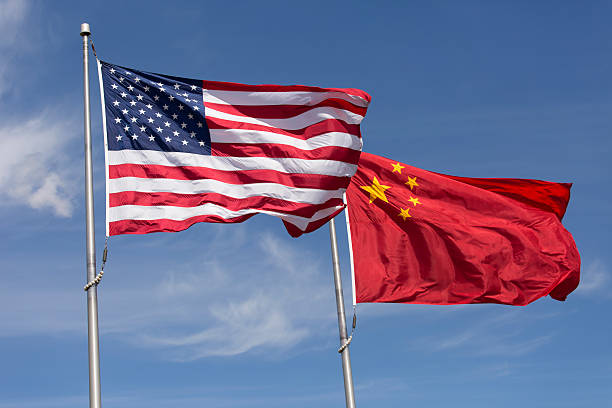
China’s industrial sector continued to demonstrate resilience in April, with profits expanding despite escalating trade tensions with the United States and persistent deflationary pressures domestically, according to official data released on Tuesday. The National Bureau of Statistics (NBS) reported that industrial profits grew by 1.4% year-on-year during the January to April period, reaching 2.1 trillion yuan (US$292.28 billion). This represents an acceleration from the 0.8% gain recorded in the first quarter, which had marked a turnaround from a 0.3% decline over the first two months of the year. On a monthly basis, April saw a 3% increase in industrial profits, up from a 2.6% rise in March, indicating a sustained recovery in the sector. These developments come against the backdrop of renewed trade friction between the world’s two largest economies. In April, US President Donald Trump announced sweeping “reciprocal tariffs,” exempting most countries but imposing levies of 145% specifically on Chinese imports. The tit-for-tat measures have reignited concerns over the future of China’s export-driven recovery, with analysts warning that a 50% drop in exports to the United States could result in up to 16 million job losses if the recent truce between Beijing and Washington fails to solidify into a more permanent arrangement. Recent economic data has presented a mixed outlook. While export figures have surpassed expectations, factory output and retail sales have exhibited signs of deceleration. Concurrently, factory-gate prices registered their steepest decline in six months during April, contracting for the 31st consecutive month. This trend has heightened fears of deflation and added further pressure on corporate profit margins. In response, Chinese authorities have reiterated their commitment to reinforcing economic stability. Earlier this month, Beijing unveiled a broad stimulus package aimed at invigorating growth, which includes interest rate reductions and substantial liquidity injections. In addition, policymakers and major e-commerce platforms have pledged increased support for exporters affected by tariffs, encouraging them to shift focus towards domestic markets. Performance among different types of enterprises varied during the first four months of the year. State-owned firms saw profits decline by 4.4%, while private-sector enterprises recorded a 4.3% increase. Foreign-invested firms posted a modest 2.5% gain, according to the NBS breakdown. The NBS data covers industrial companies with annual revenues of at least 20 million yuan from their core operations. -Reuters

News

Doosan Enerbility Signs $248 Million Supply Contracts

Doosan Enerbility has signed contracts valued at approximately 340 billion won (USD 248 million) to supply core equipment for two combined-cycle gas turbine (CCGT) power plant expansion projects in Saudi Arabia. The contracts were finalised with an engineering, procurement and construction (EPC) consortium led by Spain’s Técnicas Reunidas and Egypt’s Orascom Construction. The two facilities, each designed to generate 2,900 megawatts, will be constructed in phases through to 2028. Under the agreement, Doosan Enerbility will provide two turbines and two generators per site, including one 650-megawatt unit and one 540-megawatt unit for each plant. The equipment will be delivered to the Ghazlan 2 Expansion and Hajr Expansion power plants, both situated approximately 400 kilometres northeast of Riyadh. “We have continued to win orders based on the trust and technological prowess we have built up in the Middle East for over 40 years,” said Sohn Seung-woo, Head of the Power Service Business Group at Doosan Enerbility. “We will do our best to further increase customer trust through the timely delivery of high-quality products for this project and win follow-up orders for upcoming projects.” Doosan Enerbility has seen significant momentum in the global CCGT market, having secured orders for 7.3 gigawatts of ultra-large steam turbines over the past five years, representing 33.1 percent of the global total of 22.1 gigawatts. Since last year alone, nine turbine units have been contracted for Saudi Arabia. -Korea JoongAng Daily

Energy & Technology, News

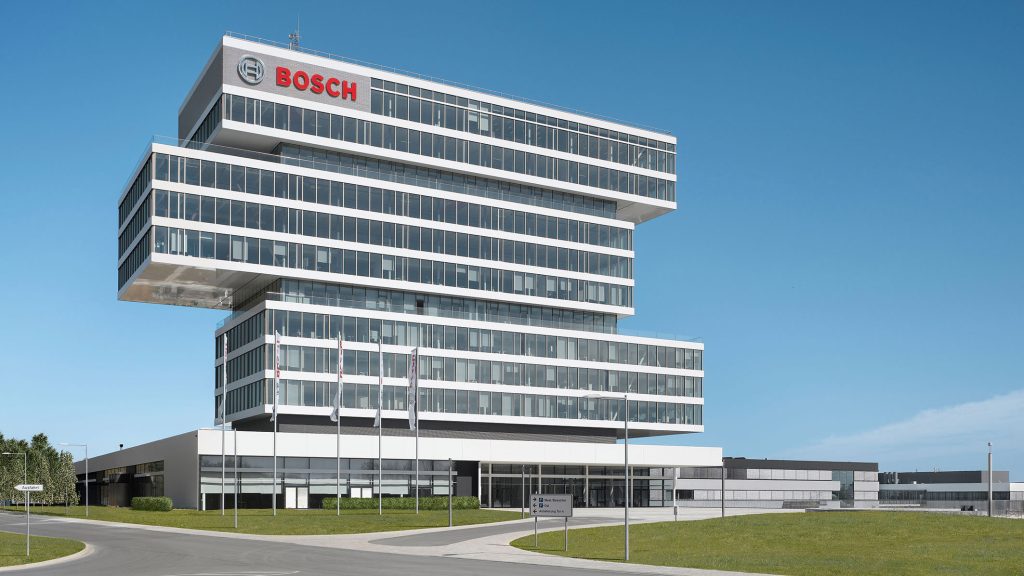
Bosch Addresses Challenges in EV Adoption as Southeast Asia Gears Up for the Future

Electric vehicles (EVs) are steadily becoming a mainstream transport option in Southeast Asia, with increasing numbers of consumers embracing cleaner alternatives. According to Mr Vijay Ratnaparkhe, President of Bosch Southeast Asia, the region has witnessed a notable rise in EV adoption, climbing from 9 per cent in 2023 to 13 per cent in 2024. In Singapore, the shift has been particularly significant, with one-third of new vehicle registrations in 2024 being electric, compared to nearly one in five the previous year, and just over one in ten in 2022. Despite this encouraging trend, progress has not been as rapid as initially anticipated. Mr Ratnaparkhe noted that key challenges persist—specifically around cost, battery performance, resale value, and the accessibility of charging infrastructure. In response, global technology supplier Bosch continues to support the region’s transition to electric mobility by addressing infrastructure gaps and working to dispel prevailing misconceptions surrounding EVs. Southeast Asia’s geographical diversity and infrastructure development present a complex combination of challenges and opportunities. While certain markets have benefited from swift EV uptake thanks to government incentives, others lag due to infrastructure constraints and consumer uncertainty. One of the most pressing barriers remains the limited availability of reliable and accessible charging networks. Without sufficient charging stations, many prospective drivers experience “range anxiety”—the concern that their vehicle might deplete its battery before locating a charging point. Mr Ratnaparkhe explained that while early EV models had limited driving ranges, the latest generation of vehicles has seen considerable improvement. “Thanks to ever-improving range prediction and navigation systems showing available charging stations, EV drivers can now clearly understand how far their battery will take them and where nearby charging stations are,” he said. “By continually assessing the driver’s surroundings, the vehicle can provide precise range calculations, minimising anxiety. With advances in battery technology and more efficient components—such as the use of silicon carbide in inverters—EVs will continue to achieve greater distances on a single charge.” Another area of concern is long-term battery health and the associated impact on resale value. Cost-conscious consumers in the region often take into account long-term maintenance expenses and future asset value when considering a switch to EVs. Many continue to favour hybrid vehicles as a more familiar and less risky investment, especially in light of concerns surrounding battery degradation. To address this, Bosch has introduced a battery certification service to help evaluate the condition and residual value of batteries in used EVs. This initiative is designed to increase consumer confidence in the second-hand EV market. Despite the growing popularity of EVs, persistent myths remain. A common misconception involves concerns over EV performance in wet weather or during floods—scenarios often encountered in the region. “EVs are designed and tested to resist water damage, just like combustion cars,” said Mr Ratnaparkhe. “The battery pack is well insulated and reinforced with shielding, while the high-voltage cables connecting the battery to the motors are also insulated. Electric and hybrid vehicles include fail-safe systems that automatically shut down electrical components in the event of a collision or short circuit. While it is never advisable to drive through floodwaters, concerns over EV safety in such situations are largely unfounded.” Cost remains another perceived barrier. Mr Ratnaparkhe noted that while tariffs continue to influence supply chain dynamics, the overall cost of EV ownership is becoming more competitive. Thanks to economies of scale and advancements in battery technology, the upfront cost of EVs is falling. In addition, tax incentives and exemptions from road taxes in certain countries are helping to close the price gap between EVs and traditional vehicles. With continued technological innovation and robust government support across the region, EV ownership is becoming an increasingly viable and environmentally responsible choice. Bosch’s internal data indicates that EVs produce between 20 and 30 per cent less carbon dioxide over their lifecycle compared to equivalent petrol or diesel vehicles—taking into account manufacturing, usage, and recycling phases. Looking ahead to 2030, the company anticipates even greater environmental advantages, with new EVs expected to emit approximately 40 per cent less carbon dioxide than their conventional counterparts. Mr Ratnaparkhe remains optimistic about the acceleration of EV adoption in Southeast Asia. A broader range of models, increased competition from new entrants, and decreasing battery costs are contributing to a more attractive EV market. In addition, younger, environmentally conscious consumers are playing a pivotal role in driving demand. Meanwhile, artificial intelligence is further enhancing the EV experience, enabling real-time analytics, predictive maintenance, and personalised driving features. “Software will play an increasingly important role in shaping the future of mobility,” said Mr Ratnaparkhe. “With new hardware and software solutions, we are helping to make mobility safer, more efficient, and more sustainable.”

News

KLK Second Half Earnings Outlook Improves as Derivatives Losses Ease Says CIMB

KUALA LUMPUR : Kuala Lumpur Kepong Bhd (KLK) is anticipated to deliver stronger net profit in the second half of the financial year ending 30 September 2025 (2HFY25), with the absence of derivatives-related losses expected to bolster earnings performance, according to CIMB Securities Research. The research house noted that although KLK has revised its full-year fresh fruit bunch (FFB) production guidance to reflect mid-single-digit growth, it maintains a positive outlook for the second half, supported by improved production levels. CIMB Securities highlighted that this implies production in 2HFY25 could contribute approximately 52 per cent of total annual output, sustaining earnings momentum. However, the impact of this uplift is likely to be partially offset by the current decline in crude palm oil (CPO) prices. KLK recorded a 2.5 per cent year-on-year decrease in ex-mill CPO production costs to RM2,100 per tonne in the first half of FY25 (1HFY25), mainly due to lower fertiliser prices. Despite this, the firm continues to face headwinds in several areas. Refining margins are expected to remain weak, its glove division remains in the red, and gas supply disruptions have adversely affected operational efficiency at its oleochemical facilities during the third quarter of FY25. KLK disclosed that the RM252 million in derivatives losses reported in 1HFY25 were largely unrealised, with approximately RM143 million related to US dollar hedging activities. CIMB Securities has maintained its ‘Hold’ rating on KLK, with an unchanged target price of RM21.50. -Business Times

Scroll to Top

Subscribe
FREE Newsletter