News

News

Titijaya Land Expands Sabah Presence with RM105 Million Strategic Acquisition in Kota Kinabalu

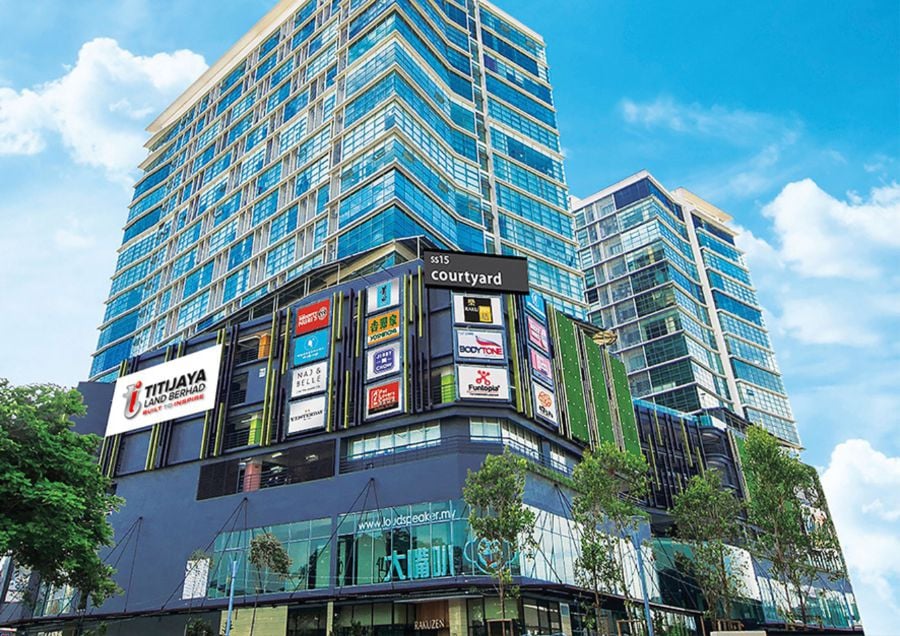
KUALA LUMPUR: Titijaya Land Berhad is further expanding its presence in East Malaysia through the proposed acquisition of two strategically located property assets in Kota Kinabalu, Sabah, with a combined value of RM105 million. The urban lifestyle property developer stated that both assets are situated adjacent to Universiti Malaysia Sabah (UMS) and the soon-to-be-completed Hospital UMS. The prime location offers excellent accessibility and is expected to experience strong demand for both student and residential accommodation. According to a corporate statement, the acquisitions are expected to be finalised within the next nine months. The larger of the two acquisitions, valued at RM99 million, comprises a land parcel with completed foundation works and two 19-storey blocks of purpose-built student accommodation. The development includes 513 apartment-style units, designed to accommodate up to 3,078 students. Titijaya plans to operate the completed buildings while continuing the remaining project works to meet the increasing demand for housing in the area. A sale and purchase agreement has been signed with Yayasan Universiti Malaysia Sabah, Bay Precinct Sdn Bhd, and one of its directors, Lok Yee Hsun. The second asset, acquired for RM6 million, includes a land parcel with an existing building structure initially intended for the Bangunan Koperasi UMS project. The original plan featured a 14-storey apartment building with 476 units, a retail section comprising 38 shop lots, and a three-storey car park podium. However, the project was never completed. Titijaya now plans to revive and redevelop the site into new residential offerings. Group Managing Director Datuk Lim Poh Yit noted that Titijaya already maintains a presence in Sabah through projects such as The Shore, a luxury mixed-use development, and the Citadines Waterfront Kota Kinabalu hotel, which is managed by Ascott. He added that the location of the newly acquired assets, offering direct connectivity to UMS and the future Hospital UMS, makes the area one of high strategic value in Kota Kinabalu. “This move supports our broader growth strategy to diversify both revenue streams and customer base while strengthening our footprint beyond the Klang Valley. We believe these assets position us to tap into growing demand for residential accommodation in the area and enhance our recurring income contribution,” Lim said. -Business Times

News

Bursa Malaysia Issues Public Reprimand Against Jerasia Over Winding-Up Breach

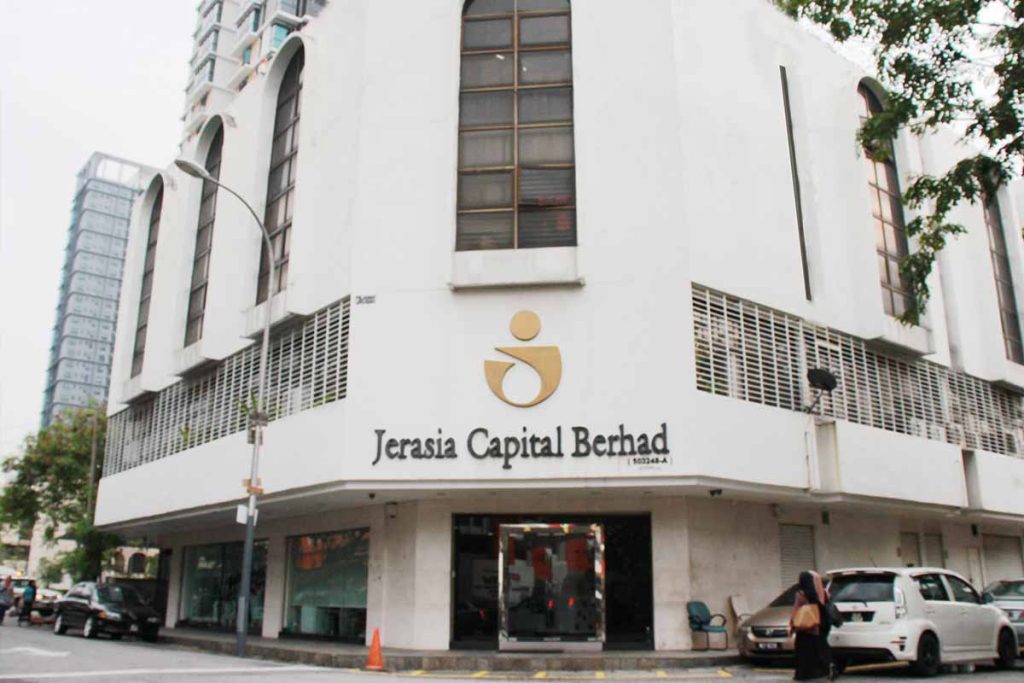
KUALA LUMPUR: Bursa Malaysia Securities Bhd has issued a public reprimand against Jerasia Capital Bhd (in liquidation) and fined three of its directors a total of RM50,000 for failing to make a timely announcement regarding a winding-up order. The exchange stated that Jerasia breached the Main Market Listing Requirements (Main LR) by not immediately disclosing the winding-up order dated 29 March 2023, which was obtained by AmBank (M) Bhd. The announcement was only made on 12 April 2023—ten market days later—with further information released on 13 April 2023, as required by Bursa Malaysia. Despite Jerasia being de-listed from the official list of Bursa Malaysia on 24 August 2023, the breach was committed while it was still listed, the exchange said. Fines were levied against the group’s managing director Pronob Kumar Sen Gupta (RM25,000), non-independent non-executive director Datuk Dr Yong Yuan Tan (RM12,500), and independent non-executive director and audit committee chairman Arnold Kwan Poon Keong (RM12,500). The exchange noted that the finding of breach and the imposition of penalties were made under paragraph 16.19 of the Main LR, following due process and after taking into account the materiality and impact of the breach, as well as the directors’ roles, responsibilities, knowledge, and conduct. Bursa Malaysia underscored the seriousness of the matter, stating that the obligation to immediately disclose a winding-up order—which could affect shareholder interests and trigger de-listing under paragraph 16.11(2)(d)(ii) of the Main LR—was critical to ensuring informed investment decisions. -Bernama

News

Japan Targets Rice Price Relief with ¥2,000 per 5kg Cap

TOKYO: Japan’s government will slash the price of stockpiled rice to ¥2,000 (approximately US$14) per 5kg, in a decisive move to ease pressure on consumers facing steep price hikes for the staple grain, the Ministry of Agriculture announced on Monday. The initiative will see 300,000 metric tonnes of government-held rice released to retailers under discretionary contracts, as part of a broader strategy to swiftly stabilise prices ahead of the upper house election in July. The scheme follows a pledge by newly appointed Agriculture Minister Shinjiro Koizumi to accelerate rice distribution. Rice prices have roughly doubled compared to last year, driven by climate-induced crop damage, extreme summer heat, and a resurgence in tourism boosting domestic demand. The spike has posed a political risk for Prime Minister Shigeru Ishiba, whose administration is contending with a record-low approval rating. To further ease supply bottlenecks and reduce consumer costs, the government will cover transportation expenses to ensure the rice reaches retail shelves by early June. The targeted price of ¥2,000 per 5kg is roughly half the current average retail price, according to market data. Japan may also consider expanding distribution beyond retailers depending on market conditions, signalling a more flexible approach to stabilisation efforts. “The price of rice has about doubled compared to last year. We felt continuing the same way as before would not meet the people’s expectations,” said Minister Koizumi during a briefing with farm ministry officials. “We will dispel the public concerns about rice prices with even greater speed and a greater sense of urgency,” he added. As part of a push for private sector involvement, Koizumi met with Rakuten Group CEO Hiroshi Mikitani on Friday, who expressed support for the initiative, indicating that online platforms could play a key role in rapid distribution. The government’s stockpiling policy typically mandates replenishment of released rice, but authorities have decided against repurchasing this batch, acknowledging that restocking could sustain inflated market prices. Earlier in March, Japan released 210,000 metric tonnes of rice through two public auctions to combat rising costs. However, distribution inefficiencies meant only 7% of that stock had reached retailers by late April, prompting criticism of the system’s sluggishness. The latest strategy aims to bypass the previous multi-layered supply chain and deliver rice more directly and efficiently to consumers in need.

News

France, Vietnam Ink Airbus and Satellite Deals as Macron Visits Hanoi

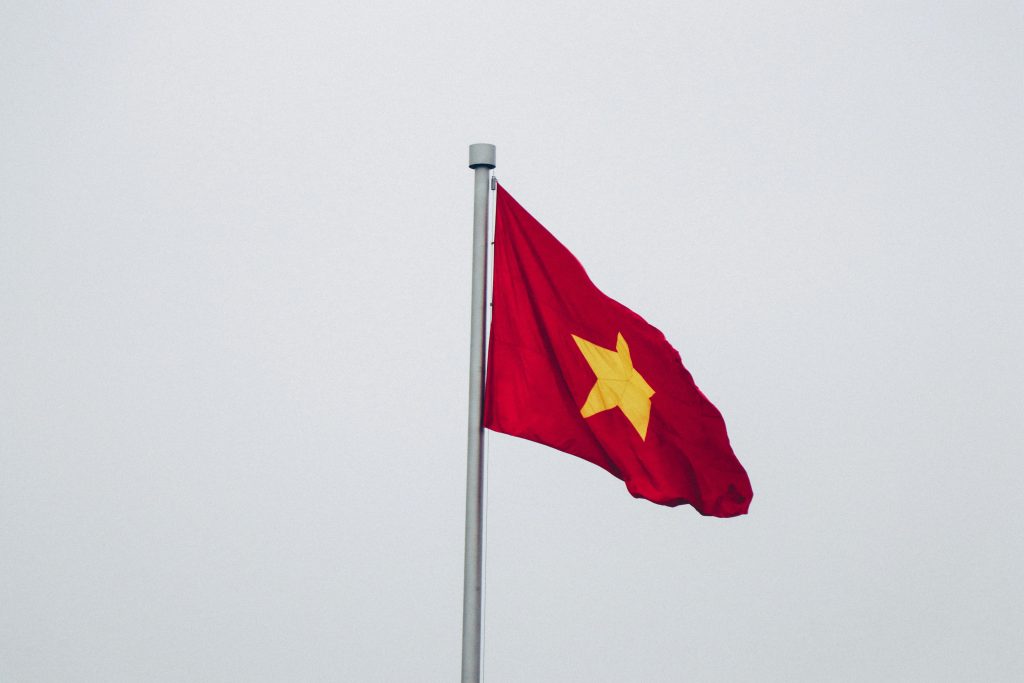
HANOI: France and Vietnam signed a series of strategic agreements on Monday, including a significant deal for 20 Airbus aircraft, as French President Emmanuel Macron embarked on his first official visit to Hanoi. The visit, aimed at deepening bilateral ties, comes amid rising global trade tensions and concerns over US tariffs. Macron’s three-day visit marks the first by a French president to Vietnam in nearly a decade. It follows heightened trade friction between the European Union and the United States, sparked by US President Donald Trump’s recent threat to impose 50% tariffs on EU goods starting in June. The deals signed during Macron’s visit include cooperation in aviation, nuclear energy, rail transport, space technology, and pharmaceuticals. These agreements were confirmed in official documents reviewed by Reuters. Among the highlights is a contract for 20 Airbus A330neo wide-body aircraft between European planemaker Airbus and Vietnamese budget airline VietJet. This builds on a previous agreement for 20 similar jets inked last year. Airbus currently supplies 86% of Vietnam’s commercial aircraft fleet, according to aviation data provider Cirium. Vietnam also signed a separate deal with Airbus Defence to advance collaboration on earth-observation satellites, reaffirming discussions that have been ongoing since Vietnam launched its current satellite in 2013, developed by Airbus’ predecessor EADS. The visit underscores France’s ambitions to maintain its presence and influence in Southeast Asia, particularly in light of Vietnam’s growing economic reliance on US trade. Vietnam is reportedly considering the purchase of at least 250 Boeing aircraft for its national carrier and VietJet to help narrow its trade surplus with the US and ease tariff pressures. European officials have cautioned Hanoi against making trade concessions to Washington that could come at the expense of its existing partnerships, particularly with the EU, which maintains a free trade agreement with Vietnam. During a joint press appearance with Vietnamese President Luong Cuong, Macron reaffirmed France’s commitment to freedom of navigation in the South China Sea, an issue critical to Vietnam amid ongoing maritime tensions with China. Macron also highlighted the strengthening of defence cooperation, including partnerships in information-sharing, cyber security, and counter-terrorism. President Cuong added that the collaboration extends to the defence industry and strategic intelligence. The agreements reflect a broader effort by both nations to elevate ties, which were officially upgraded to Vietnam’s highest diplomatic status in 2024. Following his Vietnam stop, Macron is set to continue his Southeast Asian tour with visits to Indonesia and Singapore, aiming to bolster France’s engagement in the region.

News

Felda Seeks to Acquire Remaining FGV Shares in RM1.30 Takeover Bid

FGV Holdings Bhd (FGV) has received an unconditional voluntary takeover offer from the Federal Land Development Authority (Felda), aimed at acquiring all remaining shares in the plantation and agribusiness company not already under its control. According to a notice issued by Maybank Investment Bank Bhd on behalf of Felda, the offer proposes a cash consideration of RM1.30 per share for all outstanding ordinary shares of FGV. As of 20 May 2025, FGV’s total issued share capital stood at RM7.02 billion, comprising 3.64 billion ordinary shares and one special share held by the Minister of Finance Incorporated (MOF Inc). Felda currently owns 69.50% of FGV, amounting to 2.53 billion shares. With this new offer, Felda and its parties acting in concert (PACs) would collectively control 86.93% of the company. The PACs involved include: Felda Asset Holdings Company Sdn Bhd, a wholly-owned subsidiary of Felda; The Pahang state government; Koperasi Kakitangan Felda Malaysia Bhd, whose board comprises Felda management; Sulong Jamil Shariff and Salina Samsudin. The offer will be formalised through an offer document detailing the terms, conditions, and acceptance procedures. This document will be dispatched to shareholders once the Securities Commission (SC) confirms it has no further comments on its contents. The move signals Felda’s continued strategic effort to consolidate control of FGV, following previous initiatives to strengthen its position in the company. The offer will remain open for acceptance for a minimum of 21 days from the date the document is posted. Felda reserves the right to extend the offer period, with any changes to the closing date to be announced by Maybank Investment Bank at least two days in advance. Should Felda decide to withdraw the offer, it may only do so with written consent from the SC, in which case all obligations under the offer would be nullified.–FMT

News

RHB Elevates Customer Experience Strategy with Qualtrics to Drive Growth

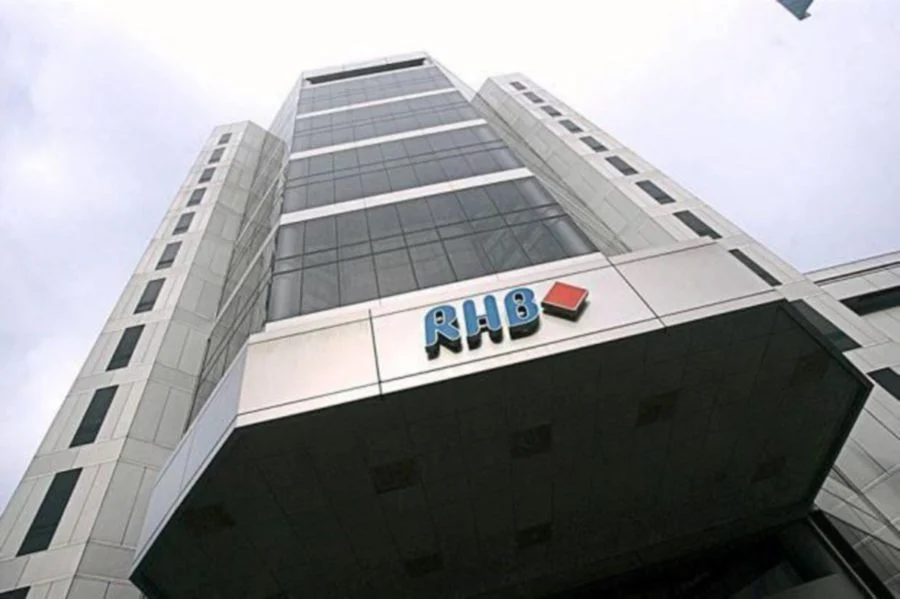
RHB Banking Group has significantly scaled its customer experience (CX) capabilities through its collaboration with Qualtrics, positioning itself as a frontrunner among Malaysia’s top banks in experience-led growth. The bank’s multi-year partnership with Qualtrics—pioneers of the experience management category—has evolved from a cross-channel listening initiative to a full-scale Voice of Customer (VoC) ecosystem, supporting RHB’s ambition to drive long-term customer value, satisfaction, and loyalty. In line with its corporate strategy and focus on quality growth, RHB has embedded CX measurement across 17 customer journeys. Since implementation, the initiative has yielded measurable impact: the bank successfully re-engaged over 4,000 previously dissatisfied customers, uncovered and acted on seven process improvement opportunities, and achieved customer satisfaction scores exceeding 85% across all touchpoints. The transformation includes real-time digital listening across all channels, enabling RHB to access actionable insights and accelerate data-led decision-making. Key tools include targeted dashboards tailored to specific internal audiences and text analytics capabilities (TextIQ) to interpret open-text feedback at scale. “We’ve made tremendous progress on our customer experience journey over the past few years,” said Norazzah Sulaiman, Group Chief Brand and Customer Experience Officer at RHB. “By scaling up our Experience Management ecosystem—supported by trusted partners like Qualtrics—we’ve seen tangible improvements in both satisfaction and service delivery. As we move into the next phase of our corporate strategy, Progress27, our focus remains on delivering exceptional service, driving sustainable growth, and strengthening our role as a responsible, purpose-driven financial institution.” Looking ahead, RHB is working toward becoming the market leader in CX, with strategic initiatives that include enabling real-time customer insight across all touchpoints, enhancing digital self-service capabilities, and implementing a structured CX proficiency framework to upskill employees across the organisation. Thomas Karthaus, Country Manager for Southeast Asia and Greater China at Qualtrics, commented: “We’re proud to work with a market leader like RHB in helping them win back over 4,000 dissatisfied customers and achieve such significantly strong customer satisfaction results. Today’s leading organisations are making customer experience a business priority—and RHB is clearly among them.”

News

Japan Offers LNG, Shipbuilding Expertise to Ease US Tariff Talks

Japan is considering a range of financial and technical offerings—from investment in an Alaskan LNG pipeline to advanced shipbuilding capabilities—as it aims to secure a tariff deal with the US ahead of the mid-June deadline. Prime Minister Shigeru Ishiba said Tokyo will highlight its strength in ice-breaker construction amid rising Arctic security concerns, while also offering support in maintaining US naval vessels operating in the Asia-Pacific. His remarks came as trade negotiator Ryosei Akazawa returned from a third round of talks with US officials in Washington. Speaking in Tokyo, Akazawa said the goal is to finalise a comprehensive agreement before the planned bilateral meeting between Ishiba and US President Donald Trump at next month’s G7 summit in Canada. “There were concrete discussions on trade expansion, non-tariff measures, and economic security cooperation,” Ishiba said on Sunday. “Progress was made. We will continue the discussions with the G7 summit in mind.” The urgency is fuelled by economic concerns at home, with US tariffs threatening to push Japan into a technical recession ahead of the July upper house election. Trump had earlier called Ishiba to express willingness to meet in Canada, underscoring the high-level focus on resolving trade tensions. Akazawa, who is expected to return to Washington later this week to meet US Treasury Secretary Scott Bessent, reiterated that Japan is pushing for a single-package deal that includes the removal of the 25% tariff on Japanese automobiles. “Negotiating piece by piece could lead to misjudgements,” he said in parliament. “We are prioritising a comprehensive agreement.” He noted that tariffs are already having a significant impact, particularly on automakers. Subaru Corp, based in Gunma prefecture, may face US$2.5 billion in tariff costs unless mitigated. Despite the mid-June target, Akazawa cautioned against rigid deadlines. “Setting fixed timelines can lead to concessions,” he said. “We will negotiate firmly, protecting national interests.” Tokyo is also showcasing its investment contributions to the US economy. Reports suggest Japan could join a US$44 billion Alaska LNG project as part of the trade package, though concerns remain about the project’s scale. Separately, SoftBank’s Masayoshi Son has proposed a US-Japan sovereign wealth fund focused on technology and infrastructure. The atmosphere around negotiations has been buoyed by Trump’s unexpected endorsement of a partnership between US Steel Corp and Japan’s Nippon Steel Corp. Analysts believe this could positively influence trade talks, though details remain unclear. “This is very positive for trust-building,” said Kurt Tong, former US diplomat in Asia and now managing partner at the Asia Group. “But ultimately, the standoff over auto tariffs remains the key hurdle.” The proposed timeline aligned with the G7 summit could give Japan leverage, particularly if it secures relief on auto tariffs—a top priority as it heads into elections. Trump’s tariff regime has imposed a 25% levy on Japanese autos, steel and aluminium, and a 10% general tariff. Without a deal, tariffs could rise further to 24% in early July. Auto exports represent about a third of Japan’s shipments to the US, and the sector employs roughly 8% of the Japanese workforce. In April, a decline in US-bound auto exports raised concerns of a recession after Q1 economic contraction.–BLOOMBERG

News

NFC Wins Appeal Over Bank Secrecy Breach

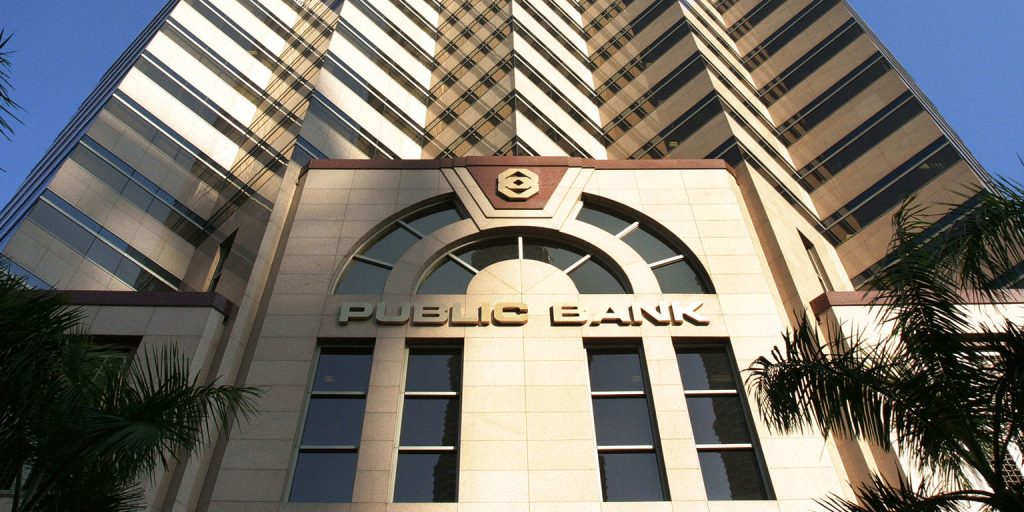
PUTRAJAYA: The Federal Court has upheld a ruling by the Court of Appeal that found Public Bank in breach of its statutory duty and confidentiality obligations, following the unauthorised disclosure of banking information belonging to the National Feedlot Corporation (NFC) and three affiliated entities. In a unanimous decision, the three-member bench led by Chief Judge of Malaya, Datuk Mohd Zabidin Mohd Diah, dismissed Public Bank’s appeal, affirming the appellate court’s earlier finding that the bank had violated banking secrecy laws. The apex court ruled that common law did not apply in this case due to the specific provisions outlined under the Civil Law Act 1956. As a result, NFC, along with its chairman Datuk Seri Dr Mohamad Salleh Ismail and subsidiaries National Meat & Livestock Corporation Sdn Bhd and Agroscience Industries Sdn Bhd, have cleared a major legal hurdle in their pursuit of compensation. While the court has yet to determine the final quantum of damages, it has allowed the plaintiffs to appeal a previous award of only RM10,000 in nominal damages. The matter will be heard on 18 June, when the Federal Court is expected to rule on the plaintiffs’ claim for RM560 million—comprising RM60 million in general damages, RM250 million in aggravated damages, and RM250 million in exemplary damages. The court also awarded RM300,000 in legal costs to NFC and the other appellants. The case dates back to 2012, when confidential banking records were allegedly leaked by Public Bank to then opposition lawmaker Rafizi Ramli, who used the information to support allegations of financial mismanagement involving a government loan tied to the purchase of high-end properties. Public Bank’s legal team maintained that only minimal damages were warranted, arguing that the financial expert supporting NFC’s claim was discredited in earlier proceedings. However, the Court of Appeal in 2023 concluded that the High Court had misinterpreted key evidence, warranting intervention on the issue of liability—though it initially limited the damages due to insufficient proof of actual financial loss. The Federal Court’s ruling marks a significant development in a high-profile corporate case with implications for banking confidentiality, corporate accountability, and data protection.–FMT

News

ASEAN-BAC Presents Strategic Economic Roadmap to Leaders Today

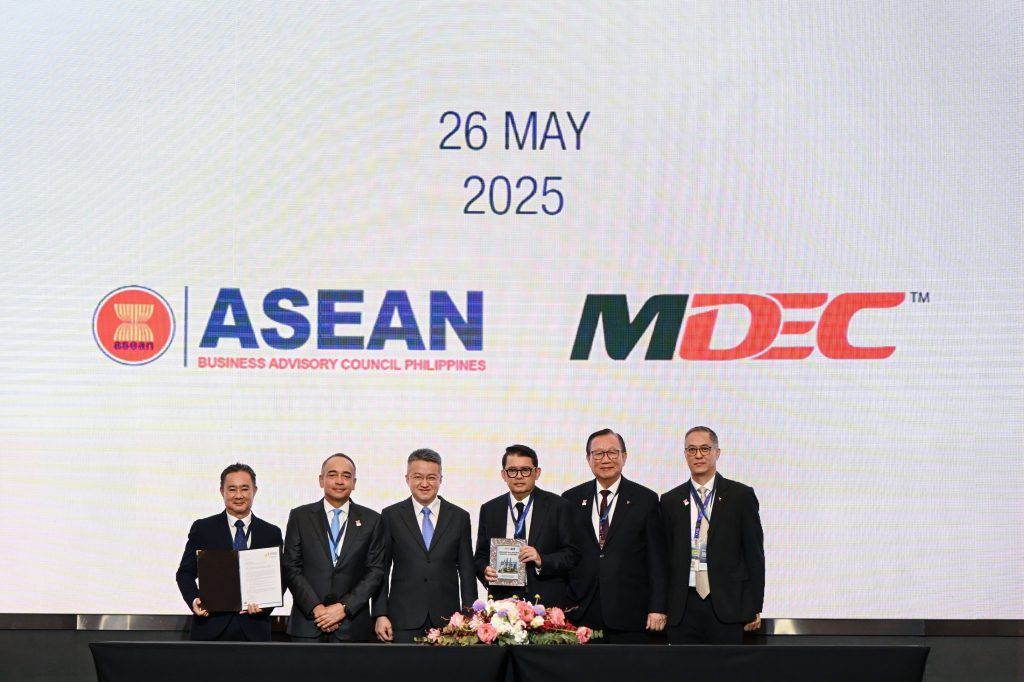
KUALA LUMPUR: The ASEAN Business Advisory Council (ASEAN-BAC) today presented its Strategic Economic Roadmap comprising 12 flagship initiatives to ASEAN leaders, marking a significant step towards deepening regional economic integration and enhancing resilience amid shifting global trade dynamics. The proposals were tabled during ASEAN-BAC’s 103rd Council Meeting, held in conjunction with the 46th ASEAN Summit under Malaysia’s chairmanship. Council members from across the region convened in Genting Highlands and Kuala Lumpur to review progress and finalise recommendations for submission to ASEAN heads of state. “Our 12 flagship initiatives have been progressing steadily through formal consultations with ASEAN bodies since their launch in January,” said Tan Sri Nazir Razak, Chairman of ASEAN-BAC.“We are now ready to present concrete proposals that will strengthen ASEAN’s economic foundations and accelerate regional integration—because time is of the essence.” Nazir added that ASEAN is poised to shape its own destiny as a unified regional bloc: “With strategic clarity, collaborative spirit and a renewed focus on execution, ASEAN is on course to become one of the most influential and prosperous regional groupings in the world.” ASEAN-GCC-China CEO Roundtable: Trilateral Trade Dialogue Launched In a major first, ASEAN-BAC hosted the inaugural ASEAN-GCC-China CEO Roundtable, bringing together top business leaders to explore cross-regional investment opportunities. The dialogue aims to build trilateral partnerships and unlock trade collaboration across high-growth sectors, positioning ASEAN as a critical gateway for two-way investment flows. Strategic Partnerships Announced A series of landmark collaborations were announced, witnessed by YB Liew Chin Tong, Deputy Minister of Investment, Trade and Industry, and ASEAN-BAC Chairman Tan Sri Nazir Razak: 1. Digital Trade Facilitation: MyEG & SGTraDex (Initiative No. 6) MyEG Services Berhad and Singapore Trade Data Exchange Services (SGTraDex) signed an MoU to enable secure, seamless cross-border trade data exchange. This digital exchange platform will advance trade connectivity along the Malaysia-Singapore corridor by transitioning from paper-based systems to verifiable digital records. The partnership also includes B2B and B2B2G flows, as well as regulatory knowledge sharing. 2. Sustainability Reporting for SMEs: ASEAN-BAC & SFIA (Initiative No. 11) To drive proportionate sustainability reporting, ASEAN-BAC teamed up with the Sustainable Finance Institute Asia (SFIA) to launch an Interoperability Sandbox under SFIA’s SAFE initiative. This pilot will support ASEAN SMEs with practical, cost-effective ESG reporting aligned with the ASEAN Simplified ESG Disclosure Guide (ASEDG), improving access to sustainable finance and supply chain transparency. 3. Digital Policy Leadership: ASEAN-BAC & Tech For Good Institute ASEAN-BAC entered a three-year partnership with Singapore-based Tech For Good Institute (TFGI) as its official knowledge partner. The collaboration will strengthen digital economic integration efforts across ASEAN and APEC through policy research, stakeholder dialogue, and governance thought leadership. 4. Gender Inclusivity in Business: ASEAN-BAC & UN Women (Initiative No. 10) A strategic two-year partnership with UN Women was formalised under the ASEAN Inclusivity Collective (AIC) to promote gender-responsive business conduct. The initiative focuses on board representation, gender reporting, and CEO dialogues to support inclusivity standards and practices across ASEAN’s business landscape. 5. Agricultural Technology Collaboration: ASEAN-BAC Philippines & MDEC (Initiative No. 7) ASEAN-BAC Philippines submitted a Letter of Intent to Malaysia Digital Economy Corporation (MDEC) to jointly promote the Digital Agriculture Technology (AgTech) ecosystem. The collaboration aims to empower farmers, facilitate innovation, and enhance food security through scalable tech solutions and best practice sharing between the two nations. The 12 strategic initiatives presented by ASEAN-BAC form a comprehensive framework to boost ASEAN’s economic resilience amid global uncertainties. The Council reaffirmed its commitment to working hand-in-hand with ASEAN Member States (AMS), regional bodies, and the private sector to turn these proposals into actionable outcomes. “ASEAN-BAC will continue to advocate for inclusive growth and deeper integration to ensure ASEAN remains globally competitive, resilient, and future-ready,” said Tan Sri Nazir. The initiatives will also take centre stage at the upcoming ASEAN Business and Investment Summit (ABIS) and ASEAN Business Awards (ABA) in October 2025, set to be hosted in Kuala Lumpur.

News

BYD’s Hong Kong Shares Hit Record Premium Over Mainland Counterparts

HONG KONG: Shares of BYD Co. surged as much as 4.4% in Hong Kong this week, pushing their premium over the company’s Shenzhen-listed stock to a record high, highlighting rising confidence among foreign investors in the Chinese electric vehicle giant. The Hong Kong-listed stock is now trading at a more than 5% premium to its mainland counterpart, after adjusting for currency conversion, according to Bloomberg data. The surge comes amid market enthusiasm following Contemporary Amperex Technology Co.‘s highly anticipated public debut. The widening gap between BYD’s dual listings is particularly notable, as mainland A-shares generally trade at a 33% premium to their Hong Kong equivalents, according to the Hang Seng Stock Connect China AH Premium Index. The trend reflects BYD’s status as a favoured stock among global investors, especially at a time when dual-listed companies typically see stronger valuations onshore. Analysts say the premium is further supported by stronger offshore liquidity and the company’s position as a “quality core holding” for international portfolios. “While the mainland’s overall premium over Hong Kong shares is likely to persist, select names like BYD and China Merchants Bank are showing inverse trends due to foreign investor interest,” noted James Wang, strategist at UBS AG. The performance underscores foreign investors’ growing conviction in BYD’s long-term prospects, positioning the automaker as a rare standout in a mixed market for Chinese equities.–BLOOMBERG

Scroll to Top

Subscribe
FREE Newsletter