News

Energy & Technology, News

Malaysia Strengthens 5G Vision, Pushes for Cybersecurity Focus in Asia-Pacific

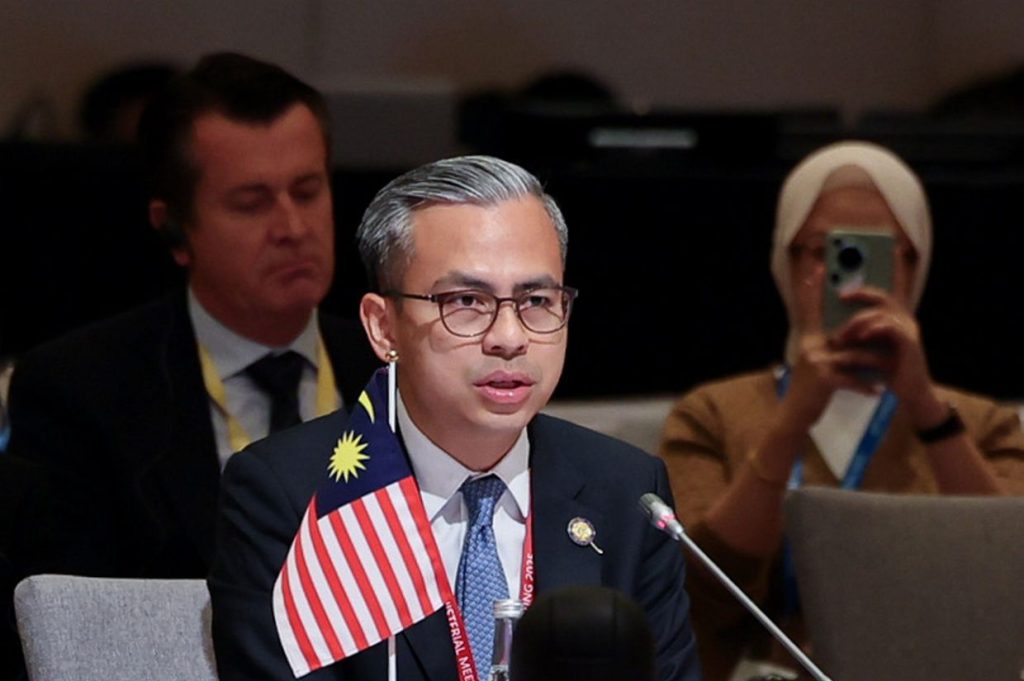
TOKYO: Malaysia has presented its strategic approach to 5G deployment and emphasised its commitment to online security at the Asia-Pacific Telecommunity Ministerial Meeting (APT-MM) 2025, held in Tokyo from 30 to 31 May. Leading the Malaysian delegation for the first time, Communications Minister YB Fahmi Fadzil shared the country’s evolving experience in 5G implementation—from an initial single network model to the current dual network framework. He also highlighted Malaysia’s broader digital transformation initiatives, including the National Digital Network (JENDELA) infrastructure programme. “This platform enables us to showcase the achievements of our digital initiatives and exchange valuable insights with regional counterparts,” said Fahmi. “Our journey in rolling out 5G and executing large-scale infrastructure projects such as JENDELA and Points of Presence (PoP) offers lessons that may benefit other nations.” In addition to infrastructure discussions, Malaysia underscored the urgent need to strengthen online security measures across the region. Fahmi called on APT member countries to increase focus on cyber regulation and monitoring, specifically in addressing online gambling and cyber fraud. “One of the proposals I raised was the need for senior officials to convene annually, potentially through dedicated workshops, to collectively address digital security challenges and explore shared solutions,” he added. During the two-day summit, Fahmi held bilateral discussions with representatives from Japan, Indonesia, Fiji, China, Iran, Australia, the International Telecommunication Union (ITU), and the GSM Association (GSMA). These engagements facilitated knowledge sharing and reinforced regional partnerships. Fahmi also pointed to Australia’s regulatory framework as a reference point, expressing Malaysia’s interest in conducting further studies—either through visits or virtual exchanges—to explore the applicability of similar legal approaches in Malaysia. He noted that agencies such as the Malaysian Communications and Multimedia Commission (MCMC) would play a key role in evaluating these frameworks. Malaysia reaffirmed its aspiration to remain on the ITU Council for the 2027–2030 term, with Fahmi leveraging bilateral meetings to seek support from partner countries. The APT-MM 2025 concluded with the launch of the ‘Tokyo Statement 2025’, which outlines six regional priorities: digital connectivity, digital innovation and entrepreneurship, trust and security, digital inclusion and capacity building, environmental sustainability, and international cooperation. Held under the theme “Harnessing Emerging Technologies for Sustainable, Inclusive and Equitable Digital Transformation in the Asia-Pacific”, the conference brought together 31 member nations and 19 affiliate entities, encompassing governments, regulators, and private sector stakeholders. -Bernama

News

KPMC Drives Digital Healthcare Shift with Strategic Technology Investments

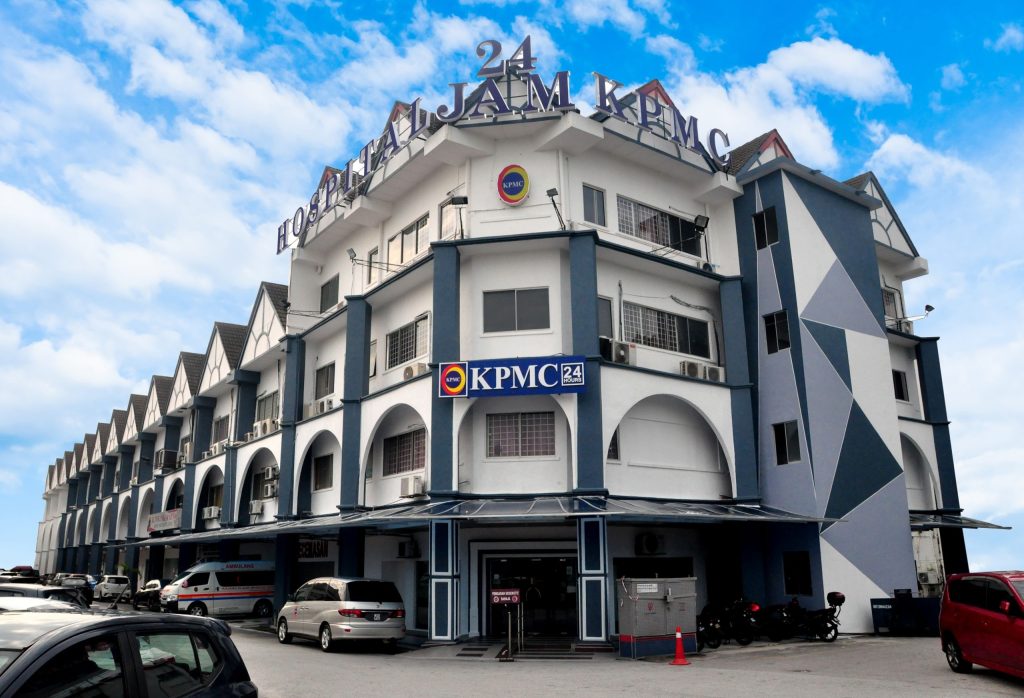
Kajang Plaza Medical Centre (KPMC), a private healthcare provider in Malaysia, is intensifying its digital transformation journey through significant investments in advanced medical technologies. This strategic initiative is aimed at positioning the facility as a digitally driven, patient-centric hospital. Chief Executive Officer Datuk Saroni Judi highlighted that the hospital has channelled resources into technologies such as Hospital Information Systems (HIS), digital kiosk infrastructure, and mobile applications. These enhancements have notably improved patient experience while reducing dependency on manual labour. “This investment can be broadly categorised into two areas – firstly, medical technologies directly related to disease treatment, such as advanced diagnostic and therapeutic equipment. Secondly, technologies that support patient engagement and service efficiency, such as self-registration systems, appointment booking tools, and queue management solutions,” said Datuk Saroni during an interview on Bernama TV’s Bual Bisnes programme, broadcast on Saturday. One such innovation includes an integrated mobile application allowing patients to book consultations directly with physicians, seamlessly connected to the hospital’s HIS. Additionally, patients may now utilise the “QueueMed Healthtech” (Qmed) digital kiosk system to check in with their MyKad, enabling structured and timely access to services. “The system expedites the care process while enhancing patient comfort,” he added. KPMC’s digital roadmap aligns with its ambition to evolve into a “boutique” hospital – a contemporary model focused on delivering holistic care and elevated comfort to both patients and their families. Commenting on global advancements in healthcare automation, Datuk Saroni shared insights from a recent visit to China, where he observed cutting-edge robotics integrated with facility automation. “The use of robots for logistics – including automated delivery of meals and medication, as well as seamless integration with infrastructure such as elevators and room access – demonstrates an impressive level of sophistication,” he said. He noted that such technology even enables doctors to perform surgeries remotely, supported by medical assistants, showcasing the transformative potential of digital healthcare. While embracing automation and innovation, Datuk Saroni reaffirmed that KPMC remains committed to empathy, community engagement, and personalised care – principles that continue to underpin its transformation into a visionary, future-oriented healthcare institution. -Bernama

Investment & Market Trends, News

Suzuki Allocates Over Rp 1 Trillion for Fronx Development in Indonesia

Jakarta: Suzuki, the Japanese automotive giant, has invested more than Rp 1 trillion (approximately $61 million) in the development of its latest vehicle, the Fronx, in Indonesia. This strategic investment signals a robust commitment to local manufacturing and hybrid technology advancement in one of Southeast Asia’s most dynamic automotive markets. The Fronx, which is offered in both petrol and hybrid variants, is being assembled domestically with a local content level of around 60 percent, according to Suzuki Indomobil Motor (SIM), the brand’s manufacturing arm in Indonesia. The new model is available in a range of trims, including the GL, priced at Rp 259 million for the manual version and Rp 271 million for the automatic; the GX at Rp 276 million (MT) and Rp 293.3 million (AT); and the premium GSX variant, offered exclusively in automatic transmission at Rp 319.9 million. SIM Executive Director Shodiq Wicaksono confirmed the significant investment during the Fronx’s official launch in Jakarta, noting that “over Rp 1 trillion has been allocated solely for component procurement,” with overall development costs exceeding that amount. The Cikarang plant in West Java has been designated as the sole global production hub for the Fronx, which is positioned as a strategic global model under Suzuki Motor Corporation. The facility currently operates on a single production shift and manufactures the Ertiga, XL7, and Fronx models, with a maximum annual capacity of 108,000 units. Minoru Amano, President Director of Suzuki Indomobil Sales, emphasised that the investment seeks to elevate the Cikarang facility into a world-class production and export base. Amano noted that by exceeding regulatory local content thresholds for low-emission vehicles, Suzuki aims to bolster its contributions to Indonesia’s national economy and industrial development. He described the Fronx as a cornerstone of Suzuki’s future strategy in Indonesia, targeting monthly sales of 2,000 units. “The Fronx is not just a new model. It represents a new pillar for our business in Indonesia,” Amano stated. Deputy Industry Minister Faisol Riza praised Suzuki’s ongoing commitment and highlighted the Fronx launch as a milestone for Indonesia’s automotive sector. He underscored its relevance in strengthening the country’s role in the global automotive supply chain and advancing sustainable vehicle adoption. “This launch marks Suzuki’s strong commitment to the Indonesian market and demonstrates international confidence in the country’s automotive potential,” Riza commented. The Fronx follows the momentum of Suzuki’s previous hybrid models, including the Ertiga Hybrid and XL7 Hybrid. Government officials expressed optimism that the new model will cater to both domestic and international markets, reinforcing Indonesia’s position as a rising automotive production hub. Last year, Suzuki Indomobil Motor manufactured 73,000 vehicles, securing its place among the top five car manufacturers in Indonesia. -Jakarta Globe

News

Nestlé Files 577 Million Baht Trademark Lawsuit Against Former Thai Partners

Nestlé has initiated legal proceedings in Thailand against former business partners Prayudh Mahagitsiri and Chalermchai Mahagitsiri, seeking damages amounting to 577 million baht over alleged infringement of the Nescafé trademark. The lawsuit, disclosed in a company statement dated 30 May, centres on financial losses incurred during an eight-day suspension of Nescafé product sales. The disruption followed an emergency injunction issued by the Minburi Civil Court on 3 April, which temporarily prohibited Nestlé from manufacturing, outsourcing, distributing, or importing Nescafé-branded instant coffee in the Thai market. Subsequently, the Central Intellectual Property and International Trade Court reaffirmed Nestlé (Thai) Ltd’s exclusive rights to use the “Nescafé” and “เนสกาแฟ” trademarks within Thailand. On 28 May, a mediation session was held at the same court involving both parties; however, no agreement was reached. The court has scheduled a trial and dispute resolution session for 9 June. The dispute stems from the dissolution of Quality Coffee Product Ltd (QCP), a joint venture equally owned by Nestlé and the Mahagitsiri family. On 14 March, Nestlé submitted a petition to the Southern Bangkok Civil Court seeking the liquidation of QCP. The move was aimed at enabling each shareholder group to retrieve its respective share and proceed independently, as continued disagreement had stalled decision-making on QCP’s future. In addition to the liquidation request, Nestlé asked the court to appoint an administrator to manage QCP’s financial responsibilities and protect company assets until a final ruling is delivered. The Southern Bangkok Civil Court completed the examination of three plaintiff witnesses on 19 May and has scheduled the hearing of defendant witnesses for 26 June. Despite the temporary halt, Nescafé distribution resumed in April. According to Ekkapong Chokchaiwitut, Chief Executive of Mother Marketing Plc, which operates Mother Supermarket and Mother Marché in southern Thailand, sales quickly returned to normal levels. Nonetheless, the broader market saw a decline, attributed to the low tourism season. Milin Veraratanaroj, Chairman of Tang Ngee Soon Superstore, one of the largest traditional wholesale chains in Udon Thani, confirmed that rapid restocking of Nescafé products helped prevent a significant shift in consumer preference towards rival brands. He speculated that Nestlé Thailand may have sourced products from countries such as Vietnam to offset production concerns amid the anticipated termination of QCP. Commenting on the ongoing litigation, Mr Milin noted that Nestlé may exercise caution in distributing or importing large volumes of product until the legal proceedings are resolved. -Bangkok Post

Energy & Technology, News

China Expands Global Space-Earth Observation Network with Thai-Based Telescope

China has inaugurated its first overseas next-generation radio telescope in Chiang Mai, northern Thailand, marking a significant milestone in international scientific cooperation and enhancing global Earth observation infrastructure. The 13-metre radio antenna, a joint development between the Shanghai Astronomical Observatory and the National Astronomical Research Institute of Thailand, was officially unveiled on 16 May. This advanced telescope is part of China’s broader initiative to expand its global scientific footprint. It will operate in tandem with a second telescope currently under construction in Songkhla, southern Thailand. Once operational, the two stations will strengthen capabilities in deep-space tracking and high-precision Earth monitoring. These developments are expected to contribute to improved GPS accuracy, enhanced climate research, and more precise earthquake forecasting. Ding Chibiao, Vice-President of the Chinese Academy of Sciences, hailed the Chiang Mai telescope as a “role model of scientific cooperation between China and Thailand”. Speaking at the inauguration ceremony, Ding emphasised the significance of the telescope’s launch, coinciding with the 50th anniversary of diplomatic relations between the two nations. Supachai Pathumnakul, Permanent Secretary of Thailand’s Ministry of Higher Education, Science, Research and Innovation, highlighted the project as a testament to the deepening scientific partnership between the two countries. He noted its potential to deliver high-quality data that will support global research initiatives. The collaborative effort began in 2017 with a memorandum of understanding, though construction and activation were delayed due to the Covid-19 pandemic. The telescope successfully captured its first signal in August 2023, and by April 2024 had completed a 24-hour observation session. The data collected met the required precision benchmarks and contributed valuable information on Earth’s rotational dynamics. Technically, the telescope is equipped with a fast slewing antenna capable of quickly shifting between observation targets. It also features dual-frequency receivers to minimise atmospheric interference, alongside high-speed data acquisition and recording systems. These capabilities enable real-time processing of large data volumes, ensuring continuous, highly accurate monitoring of both space and Earth-based phenomena. Both Thai telescopes will operate using Very Long Baseline Interferometry (VLBI), a method that links radio telescopes over vast distances to function as a single, Earth-sized antenna. By analysing the timing of radio signals arriving at each station, scientists can determine their positions with millimetre-level accuracy, supporting detailed observation of celestial movements and tectonic plate shifts. Unlike traditional VLBI systems, which were constrained by lower bandwidths and slower measurements, this new generation of stations offers rapid, uninterrupted monitoring with significantly enhanced precision. These systems are designed to meet the advanced requirements of modern geodesy and space science. The Chiang Mai facility is now integrated into China’s VLBI network, which includes the Tianma-13 and Seshan-13 stations in Shanghai and the Urumqi-13 station in Xinjiang. Each site operates a 13-metre new-generation antenna, forming a cohesive and advanced scientific network. Collectively, they participate in global initiatives under the International VLBI Service, alongside over 30 active stations across Asia, Europe, North America, and other regions. -South China Morning Post

Investment & Market Trends, News

41% of Japanese Rice Farmers Anticipate Price Decline in 2026

A recent survey conducted by the Japan Agricultural Corporations Association has revealed growing concern among large-scale rice farmers regarding the future of rice pricing. According to the results, 41.0 per cent of respondents expect the retail price of rice harvested in 2026 to be lower than that of the 2025 crop, while only 22.9 per cent anticipate higher prices. In contrast, 72.3 per cent expect prices for 2025 rice to surpass those of the 2024 harvest. The online survey was carried out between 12 and 19 May, receiving feedback from 188 members of the association. The findings come at a time when rice prices in Japan have surged to record levels, leading the government to intervene by releasing stockpiled rice to the market in an effort to stabilise consumer prices. Retailers began selling this rice to consumers on Saturday for the first time. At a press conference, Association Chairman Kazushi Saito voiced concerns over the sustainability of current price levels, warning that a potential price collapse in 2026 could significantly impact farm management. He attributed the risk to increased domestic production and the availability of cheaper imported rice. Regarding the 2024 crop, 53.7 per cent of farmers stated that current prices are excessively high. In terms of producer prices, the most frequently reported range was between ¥20,001 and ¥25,000 per 60 kilograms, as cited by 45.2 per cent of respondents. When compared to 2023 prices, the largest segment—38.3 per cent—indicated that current prices have risen by ¥5,001 to ¥10,000, while 5.0 per cent reported an increase of ¥15,001 to ¥20,000. Farmers also highlighted a number of operational challenges, including elevated costs for construction and machinery, labour shortages, and the looming threat of a price downturn driven by overproduction. -Japan Times

News

Court Rejects Hydroshoppe’s Attempt to Halt Menara KL Concession Transfer

PUTRAJAYA: The Court of Appeal has dismissed the application by Hydroshoppe Sdn Bhd and its subsidiary Menara Kuala Lumpur Sdn Bhd to obtain an ad interim injunction aimed at halting the transfer of the Menara Kuala Lumpur concession to LSH Service Master Sdn Bhd. The decision was delivered yesterday by a three-member judicial panel comprising Datuk Collin Lawrence Sequerah, Datuk Dr Choo Kah Sing, and Datuk Wan Ahmad Farid Wan Salleh. Justice Sequerah, delivering the unanimous ruling, stated that the appellants failed to meet the legal threshold required for the granting of such an injunction. “We believe there is no status quo to maintain because the fifth supplementary agreement expired on 31 March this year,” said Sequerah. As part of the ruling, Hydroshoppe and Menara Kuala Lumpur were ordered to pay RM30,000 in legal costs to the respondents, which include the Ministry of Communications, Communications Minister Datuk Fahmi Fadzil, the Government of Malaysia, LSH Service Master Sdn Bhd, LSH Best Builders Sdn Bhd, and Service Master (M) Sdn Bhd. The appeal was filed against an earlier High Court decision in April, which also rejected the application for an ad interim injunction. Hydroshoppe and Menara Kuala Lumpur have initiated a breach of contract lawsuit against the respondents. They allege that LSH Service Master and its affiliated companies provided dishonest assistance leading to a breach of a contractual agreement reached with the government during a meeting held in August 2022. The companies are seeking damages estimated at RM1 billion and are calling for the transfer of the Menara KL concession to be declared null, void, and unlawful. They also seek for the concession of the iconic Kuala Lumpur landmark to be reinstated under their management. The High Court is scheduled to hear the inter parte injunction application on 9 June, while the ex parte contempt application filed by the companies is set for hearing on 5 June. During the proceedings, Hydroshoppe and Menara Kuala Lumpur were represented by counsel Vinayak Sri Ram. Senior Federal Counsel Ahmad Hanir Hambaly @ Arwi appeared for the Ministry of Communications, Minister Fahmi Fadzil and the federal government. Datuk Malik Imtiaz Sarwar acted on behalf of LSH Service Master, LSH Best Builders, and Service Master (M). -Bernama

Energy & Technology, News

Cloud Telecom Introduces eSIMM ROAM Targeting One Billion Devices by 2025

KUCHING: Sarawak-based telecommunications provider Cloud Telecom has officially introduced its flagship mobile application, eSIMM ROAM, at the Sarawak Trade and Tourism Office Singapore (Statos), positioning the innovation as a game-changer in the international roaming landscape. Leveraging embedded SIM (eSIM) technology, the app is designed to eliminate the persistent challenges associated with global mobile connectivity. The platform offers users a seamless, transparent, and cost-effective alternative to traditional roaming, enabling instant mobile access in more than 140 countries. The company aims to expand coverage to 180 destinations in the near future. “With the app, there will be no more sky-high bills, no more physical SIM cards, and no more connectivity headaches for globetrotters,” stated Statos. The technology is expected to revolutionise how travellers and professionals stay connected globally. As the first Sarawak-based provider to launch a global app-based eSIM service, Cloud Telecom believes the shift towards eSIM will soon make traditional roaming obsolete. Users can activate international data plans with just a few taps, negating the need for local SIM cards and removing the risk of unexpected charges. “This market trend is a complete shift of paradigm, not only inevitable but irreversible,” said the company. eSIMM ROAM was developed in response to the escalating global demand for mobile solutions that are both seamless and economical. Designed for both consumers and small-to-medium enterprises (SMEs), the platform offers comprehensive features including 24/7 customer support, real-time data usage tracking, and instant top-up capabilities. All services are integrated within a single platform, delivering a scalable and future-proof solution. The application is available for download via the App Store and Google Play, including in China. Users benefit from enhanced flexibility, with the ability to browse, purchase, install, and activate data plans directly from the app without the need for physical SIM cards. According to Frank Hwong, Vice-President of Cloud Telecom, more than 40 million users worldwide switched from conventional roaming services to eSIM technology in the past year alone. “By the end of 2025, we estimate that one to two billion smartphones globally will support eSIM technology,” Hwong added, citing substantial projected growth in global adoption. Positioned as an all-in-one solution for managing overseas communication, eSIMM ROAM targets both individual travellers and business users seeking dependable and scalable global connectivity. Cloud Telecom is actively expanding its reach through the launch of its Channel Partner Programme. The initiative invites SMEs, influencers, and individual entrepreneurs to partner with the company and tap into the rapidly growing demand for eSIM services. -The Borneo Post

News

Village Grocer Extended Reach to New Suburban Area at Myra Park, Nilai

KUALA LUMPUR: Village Grocer officially open its 33rd supermarket outlet, located in new suburban area Myra Park, Nilai. This new location will provide local community with green spaces and social areas. Nilai marks another milestone for Village Grocer, as the brand continues to expand its footprint and bring its premium grocery offers to communities beyond Klang Valley. Strategically situated within modern residential area Myra Park Marketplace in Nilai, the new Village Grocer location will serve as a one-stop destination for discerning shoppers seeking the freshest produce, high-quality meats, artisanal baked goods, and a wide selection of specialty and gourmet items. “At Myra Park, we focus on elevating daily living through well-designed spaces and convenient amenities. Myra Park Marketplace will play a key role in enhancing the overall township experience for both residents and visitors,” said Mr. Kim Lin Teng , Chief Executive Officer of CHJ Property . The Food Purveyor’s Group Executive Chairman, Mr. Ong Kim Too , expressed his delight in inaugurating their newest supermarket location at Myra Park Marketplace, Nilai. He conveyed the company’s pride in being recognised and accepted by Oriental Interest Berhad. “We’ve been looking forward to our new supermarket opening in Nilai as we continue to grow beyond Klang Valley. This new establishment aims to enhance the shopping experience for the Nilai and its surrounding residences, and we are glad to be part of the community here”. The Food Purveyor’s Chief Executive Officer, Mr. Kok Kian Kee shared that Nilai marks an important milestone as Village Grocer continues to grow and expand its reach beyond Klang Valley. “We believe in bringing exceptional grocery experience closer to home, convenient and within reach. We eliminated the need to travel the distances to access to fresh and quality groceries for your family”. As a homegrown brand, Village Grocer is committed to giving back to local communities. It actively supports and source from local farmers, small businesses, and local brands. Village Grocer is also passionate about sustainability and has set a goal to be plastic-free. Its environmental, social and governance efforts have earned Village Grocer several awards. -PR Newswire

News

Capital A Returns to Profit with RM689.57 Million Net Gain in First Quarter

KUALA LUMPUR: Capital A Berhad has reported a strong financial turnaround, posting a net profit of RM689.57 million for the first quarter ended 31 March 2025. This marks a significant recovery from the net loss of RM91.55 million recorded in the same period last year. According to its filing with Bursa Malaysia, the group’s revenue from continuing operations rose to RM414.52 million, up from RM359.76 million previously. This growth was primarily driven by improved performance across its non-aviation businesses. Capital A is currently undertaking the divestment of its aviation business to AirAsia X Berhad, with the transaction expected to be completed by the third quarter of 2025. The group said the move would enable its non-aviation segments, such as Asia Digital Engineering and Teleport, to accelerate their growth plans. These efforts are supported by increasing demand and targeted capital-raising initiatives. The company had previously stated that it was on track to complete its proposed regularisation and restructuring plan by June 2025. This follows continued progress in meeting key regulatory, financial, and operational milestones. Capital A had aimed to exit its Practice Note 17 (PN17) status by May, having secured approvals from both its shareholders and the High Court for its regularisation plan. -Bernama

Scroll to Top

Subscribe
FREE Newsletter