News

News

RHB Sees Q1 Growth, Profit Hits RM750 Mil

KUALA LUMPUR: RHB Bank Berhad (“RHB” or “the Group”) posted a net profit of RM750 million for the first quarter ended 31 March 2025 (Q1 FY2025), marking a 2.7% year-on-year (Y-o-Y) increase from RM730.2 million. The performance was driven by higher net fund-based income and improved credit cost management, reflecting RHB’s disciplined risk approach and operational resilience. Total income stood at RM2 billion, reflecting a marginal 1.9% Y-o-Y decline, mainly due to softer non-fund based income from lower gains in forex, derivatives, trading and investment activities. Net fund-based income, however, rose 7.3% Y-o-Y to RM1.5 billion, supported by a 6.3% increase in gross loans and stable net interest margins (NIM). The Group reported an effective NIM of 1.91% for the quarter, compared to 1.83% a year earlier. Operating expenses grew modestly by 1.2% Y-o-Y to RM970.7 million, while the cost-to-income ratio (CIR) rose slightly to 47.4% from 45.9% in the prior year due to lower income. Expected Credit Losses (ECL) declined sharply by 50.8% to RM105.8 million, attributed to the absence of one-off ECL from international operations. “We sustained our earnings growth momentum in the first quarter, underpinned by solid fundamentals and early traction from our PROGRESS27 strategy,” said Dato’ Mohd Rashid Mohamad, Group Managing Director and CEO of RHB Banking Group. “Our cost optimisation efforts are delivering results, while we remain focused on asset quality and disciplined execution.” Robust Capital, Steady Loan Growth As of 31 March 2025, RHB’s total assets expanded to RM353 billion. Shareholders’ equity stood at RM32 billion, with a Common Equity Tier-1 (CET-1) ratio of 16.0% and Total Capital Ratio (TCR) of 18.5% at Group level. The Bank’s standalone CET-1 and TCR were 14.7% and 17.4%, respectively. Gross loans rose 2.4% on an annualised basis to RM239 billion, led by solid performances in Group Community Banking (+5.5%) and Commercial segments (+16.9%). Domestic loans grew 4.7% annually, outpacing the industry average of 4.3%. The Group’s gross impaired loans (GIL) ratio was stable at 1.50%, while domestic GIL remained below industry levels at 1.22%. Customer deposits totalled RM249 billion, with the CASA (current account savings account) ratio improving to 28.0% from 27.6% in FY2024. Liquidity Coverage Ratio (LCR) was healthy at 134.6%. Loan loss coverage including regulatory reserves strengthened to 115.7%. Segment Performance Overview Group Community Banking recorded a pre-tax profit of RM425.7 million (+14.7% Y-o-Y), supported by growth in mortgages (+7.3%), auto finance (+9.0%), and SME loans (+5.5%). Gross loans stood at RM152 billion, while deposits reached RM125 billion. Group Wholesale Banking posted RM548.2 million in pre-tax profit. Commercial segment loans rose 16.9% to RM54 billion, with deposits of RM86 billion. Group International Business saw pre-tax profit surge to RM87.3 million due to lower ECL. Deposits grew 4.6% annually to RM37 billion, with CASA rising 22.2%. Group Shariah Business reported RM242.5 million in pre-tax profit, with Islamic financing at RM93 billion (+8.7% annualised). Islamic loans made up 45.1% of total domestic financing, up from 44.6% in December 2024. Group Insurance contributed RM17.7 million in pre-tax profit for the quarter. Strategic Outlook RHB maintains a cautious outlook amid global macroeconomic uncertainties, interest rate movements, and trade tensions. The recent reduction in the Statutory Reserve Requirement (SRR) by Bank Negara Malaysia is expected to support funding flexibility in the coming quarters. “Our new three-year strategic roadmap, PROGRESS27, charts a clear path to strengthening service excellence, profitability and purpose-driven growth,” added Dato’ Rashid. “With targeted execution across customer journeys and sustainability efforts, we are well-positioned to unlock both near-term and long-term value for stakeholders.”
Energy & Technology, News

Cebu Pacific Leases Jets to Saudi’s Flyadeal During Off-Peak Season

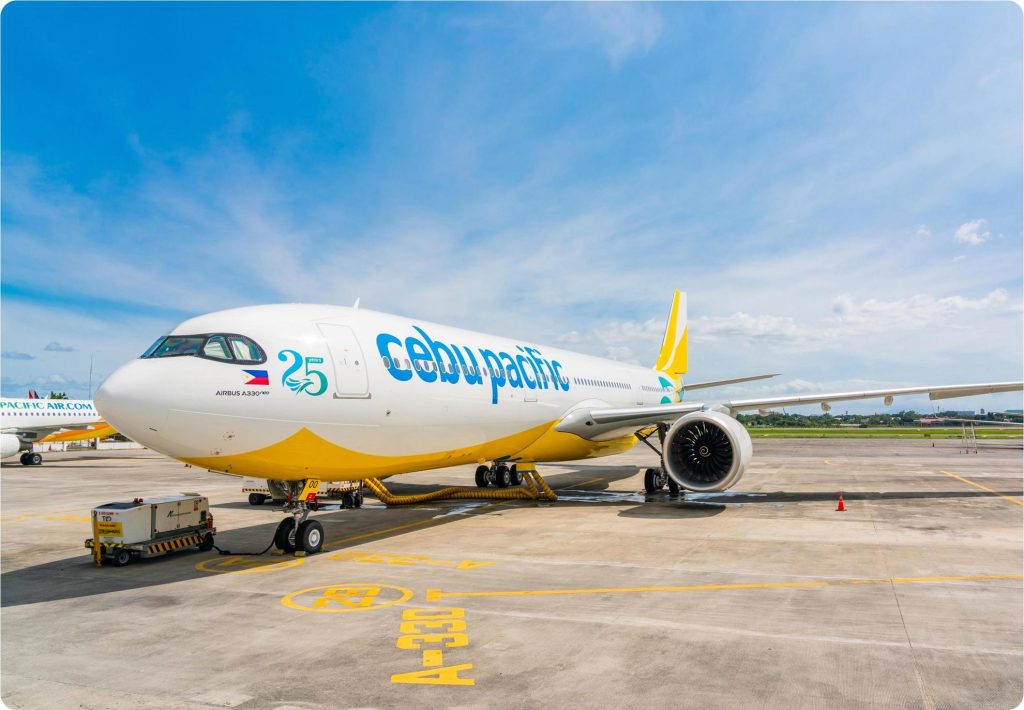
MANILA: Philippine budget airline Cebu Pacific has entered into a short-term wet lease agreement with Saudi low-cost carrier flyadeal, leasing two Airbus A320 aircraft along with pilots, cabin crew and maintenance services. The move is aimed at monetising excess capacity during the Philippines’ traditionally lean travel period in July and August. Under the agreement, Cebu Pacific will deploy the aircraft to flyadeal during the Saudi summer travel peak. The wet lease arrangement allows flyadeal to scale its operations in the high-demand period without the immediate need for additional aircraft or crew recruitment. “We have this natural symbiosis where my peak is not his and vice versa,” said Steven Greenway, CEO of flyadeal, during a joint press briefing. Michael Szucs, CEO of Cebu Pacific, noted that the deal marks a first for the airline, which has historically never leased out its aircraft. However, he signalled that more such agreements could follow as the airline continues to expand its fleet. “We’re testing the waters,” Szucs said. Cebu Pacific had last year placed an order for at least 70 Airbus A321neo aircraft to strengthen its long-term fleet requirements. The new aircraft will gradually be added to its network in the coming years, opening the door for further leasing opportunities during the airline’s off-peak seasons. The partnership also aligns with flyadeal’s broader regional ambitions. The Saudi budget carrier, a subsidiary of Saudia Group, has been ramping up its long-haul operations, recently ordering 10 Airbus A330neo wide-body jets. The airline expects three of the 10 aircraft to be in service by July 2027, with two more arriving later that year. “Southeast Asia is our key destination for these aircraft,” Greenway added in an interview, identifying the Philippines, Malaysia and Indonesia as high-potential markets. “Obviously, the Philippines is interesting because of our partnership with Cebu Pacific.” Flyadeal also views the Philippines as a key market to capture travel demand to and from the Gulf region, especially among overseas Filipino workers and Muslim pilgrims travelling to Saudi Arabia for the annual Haj pilgrimage. The agreement represents a strategic use of underutilised assets for Cebu Pacific while offering flyadeal operational flexibility in its growth trajectory. It also underscores the increasing collaboration between budget carriers as they seek to optimise fleet use and expand into new markets amid ongoing global recovery in the aviation sector.–REUTERS

News

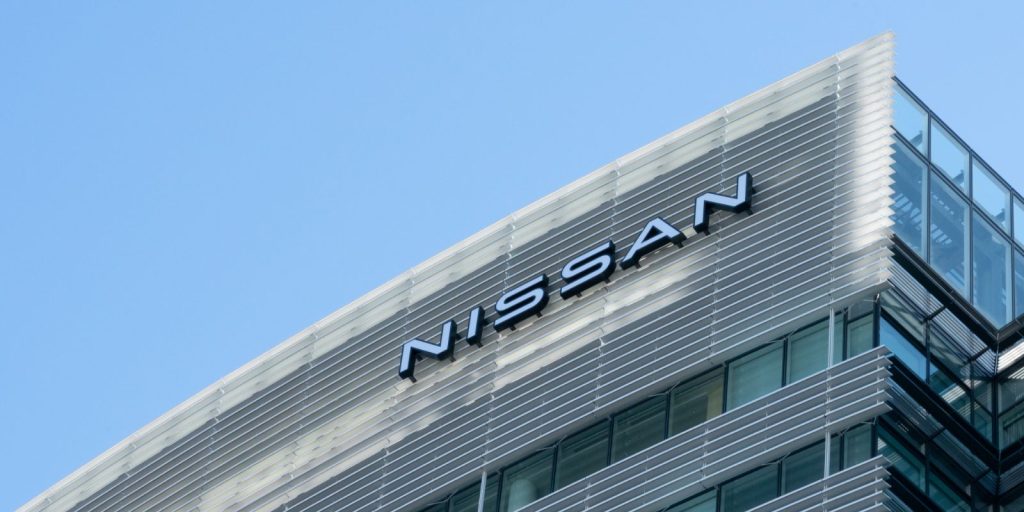
Nissan plans US$7b funding with UK govt backing

Nissan Motor Co is undertaking an ambitious capital-raising initiative valued at over ¥1 trillion (approximately US$7 billion or RM29 billion), as it confronts a looming debt maturity crisis and accelerates a sweeping restructuring programme. Internal documents reviewed by Bloomberg reveal the automaker’s strategy encompasses a hybrid approach—issuing convertible securities, initiating asset divestitures, and securing sovereign-backed syndicated financing. The Yokohama-based manufacturer plans to issue up to ¥630 billion in convertible bonds and high-yield notes denominated in US dollars and euros. A significant tranche of the financing effort includes a £1 billion (US$1.4 billion) syndicated loan facility underwritten by UK Export Finance (UKEF)—a critical endorsement signalling confidence from the British government in Nissan’s strategic footprint within the UK’s post-Brexit automotive landscape. Nissan is also eyeing the disposal of non-core assets to bolster liquidity. This includes partial divestments in long-held equity positions in French partner Renault SA and Japanese battery maker AESC Group Ltd, alongside manufacturing plants in South Africa and Mexico. In Japan and the US, key real estate—most notably its Yokohama headquarters—are being considered for sale-and-leaseback transactions. Market response has been swift, with Nissan’s shares rallying up to 4.6% in Tokyo, reflecting investor optimism despite the underlying financial distress. Financial Stress and Leadership Response These fundraising efforts come as Nissan grapples with acute financial headwinds. Internal forecasts indicate the company’s automotive division could see cash reserves dwindle to near zero by March 2026, should US tariffs persist and no additional liquidity be injected. The fiscal pressure is compounded by US$5.6 billion in debt maturing next year—Nissan’s largest obligation since at least 1996. CEO Ivan Espinosa, who assumed leadership earlier this year, has acknowledged the urgent need to re-establish fiscal sustainability. While asserting that the group maintains a liquidity buffer of approximately ¥2.2 trillion, Espinosa is pursuing aggressive restructuring to avert further deterioration. This includes a drastic reduction of 20,000 jobs and the shuttering of seven out of 17 global plants by 2028, with two major closures in Japan’s Oppama and Hiratsuka regions already in motion. Should prevailing tariffs remain, the automaker could incur an operating loss of up to ¥450 billion for FY2025—its largest operational deficit on record. Even in a best-case scenario without tariffs, the projected loss stands at ¥300 billion, underscoring systemic inefficiencies and a pressing need for transformation. UK Strategic Investments and Export Leverage Central to Nissan’s recovery blueprint is its UK manufacturing hub in Sunderland, the country’s largest automotive production facility. The carmaker has pledged £2 billion to scale electric vehicle production at the site. The UKEF-backed loan, therefore, not only provides liquidity but also safeguards British employment and supports decarbonisation objectives aligned with national policy. AESC, once a Nissan subsidiary and now under Chinese majority ownership, has committed to constructing a second battery plant in Sunderland. This move aligns with UK government priorities to secure local EV supply chains amid intensifying geopolitical tensions and trade barriers. Recent developments, including the UK-US trade agreement, could offer Nissan critical relief if exports from Sunderland are exempted from US tariffs. This is particularly salient given the Trump administration’s 25% import tax on foreign-made vehicles—effective since April—and its disproportionate impact on export-heavy manufacturers like Nissan. Credit Ratings and Liquidity Position Despite the proposed funding initiatives, Nissan’s financial credibility remains under scrutiny. Credit rating agencies have downgraded the company’s status to junk territory amid persistent negative cash flow and uncertain profit outlooks. Although the company reports ¥2.1 trillion in untapped credit facilities, its capacity to withstand prolonged macroeconomic shocks is tenuous without material operational improvement. The success of Nissan’s funding strategy, much of which is still pending board approval, will be pivotal in determining whether the automaker can navigate its current inflection point. Industry analysts will be closely monitoring the company’s execution of asset disposals, cost rationalisation measures, and progress on strategic alliances—especially following the collapse of merger talks with Honda Motor Co earlier this year. In the broader context, Nissan’s situation reflects the existential challenges facing legacy automakers amid the global shift to electrification, trade realignment, and evolving capital markets. The next 12 months will be critical—not only for Nissan’s survival but also for Japan’s automotive sector, which remains a bellwether for industrial resilience in a volatile global economy.–BLOOMBERG

News

Rafizi Ramli Resigns as Minister of Economy

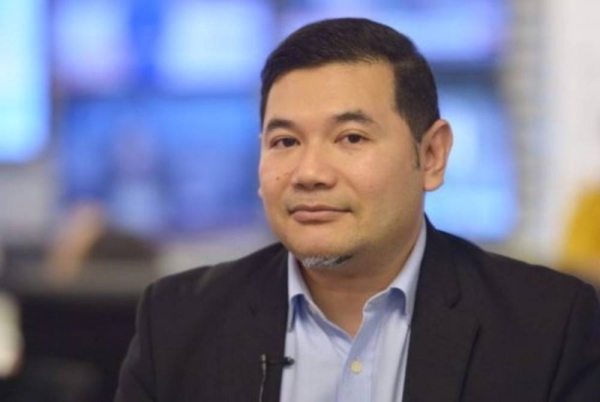
Rafizi Ramli has announced his resignation as Malaysia’s Minister of Economy, citing the loss of his mandate following a defeat in the recent Parti Keadilan Rakyat (PKR) internal elections. His resignation will take effect on 17 June 2025, with Rafizi set to go on annual leave until then. In a media statement issued Tuesday, Rafizi said his departure is in line with democratic practices, where party leaders who no longer hold internal support should make way for new leadership within the government. “I joined politics to promote a new political culture grounded in accountability and public mandate,” he said. “Losing the party’s confidence means I can no longer credibly deliver PKR’s policy agenda within the Cabinet.” Rafizi leaves office having completed his final task: the formulation of the 13th Malaysia Plan (RMK13), which he confirmed has been finalised and is ready for presentation in the upcoming parliamentary session. The plan, he said, places a strong focus on long-term structural reforms—particularly in the education sector. He urged the Cabinet to maintain the bold policy shifts outlined in RMK13, even in his absence, and commended the Ministry of Economy for its high calibre of public servants and policy execution. During his tenure, Rafizi championed structural reforms aimed at boosting national productivity, addressing income disparities, and positioning Malaysia for high-income status. His departure introduces a potential leadership gap at a critical point in the country’s economic reform trajectory. “The journey to restructure our economy for long-term strength and high-income status is far from over,” he noted. “Difficult decisions must continue to be made today for the benefit of future generations.” Rafizi also expressed his gratitude to public servants, industry stakeholders, the media, and the Malaysian public for their cooperation throughout his term in office. The Ministry of Economy’s leadership transition will be closely watched by investors and business leaders, particularly as the country prepares to implement RMK13 and navigate a complex global economic landscape.

News

Affin Hwang CEO Nurjesmi Mohd Nashir to Join RHB as Wholesale Banking Head

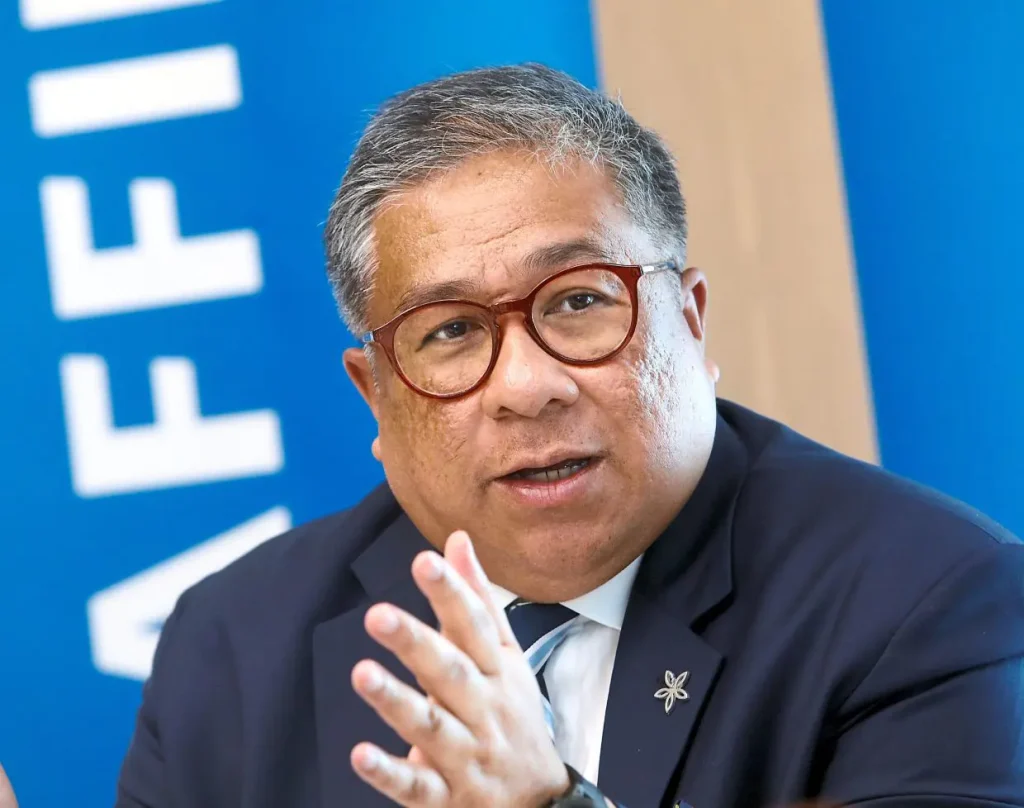
KUALA LUMPUR: Nurjesmi Mohd Nashir, CEO of Affin Hwang Investment Bank Bhd, is set to take the helm of RHB Bank Bhd’s wholesale banking division, according to industry sources. He is expected to be named Managing Director of Group Wholesale Banking at RHB. The move follows the departure of Datuk Fad’l Mohamed, who left RHB earlier this year to assume the role of CEO at Bursa Malaysia. Nurjesmi, who took the top role at Affin Hwang in June 2023, brings with him extensive experience in corporate and investment banking. His prior roles include Executive Director and Head of Global Corporate Banking at JP Morgan Chase Bank Bhd, and nearly 20 years at Citibank Bhd. Shares in RHB closed three sen lower at RM6.85 on Tuesday, with a market valuation of RM29.86 billion. Affin Bank’s shares ended one sen lower at RM2.70, valuing it at RM6.84 billion.–THE EDGE

News

Kossan Holdings Becomes the Strategic Investor in CARE Latex

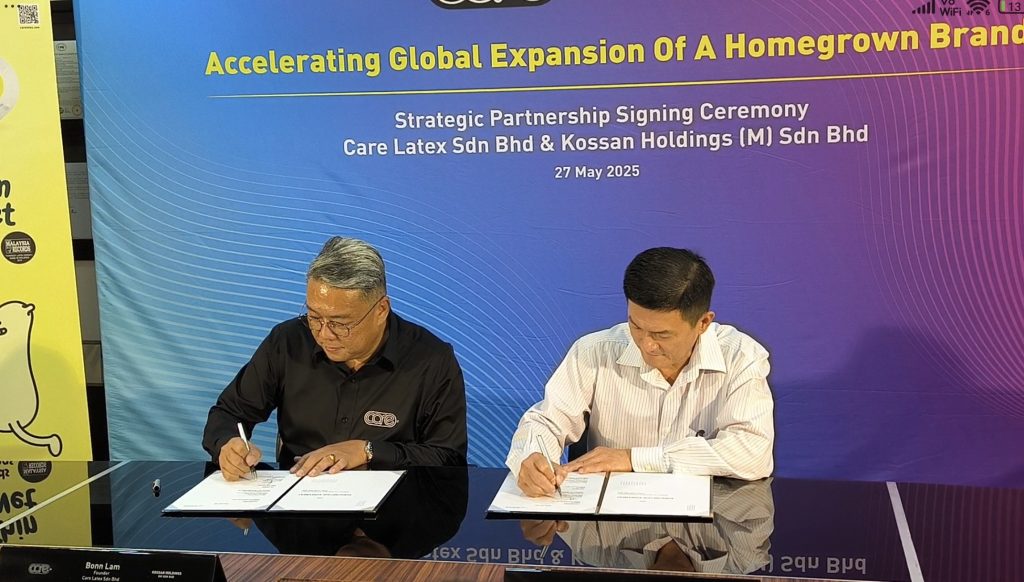
KUALA LUMPUR: CARE Latex Sdn Bhd (“CARE Latex”), Malaysia’s leading  condom brand, has announced a strategic partnership with Kossan Holdings (M) Sdn Bhd  (“Kossan Holdings”), the investment arm of one of the world’s largest manufacturers of gloves and rubber product.. This partnership positions Kossan Holdings as CARE Latex’s third-largest investor,  strengthening the brand’s strategic foundation and supporting its long-term growth ambitions in the global  sexual wellness market. CARE Latex’s impressive growth trajectory — highlighted by a 1,399% increase in revenue and a 1,615%  surge in unit sales from 2018 to 2024 — underscores strong consumer trust and positions the brand as  a regional frontrunner and emerging global player.  This strategic partnership with Kossan Holdings marks a pivotal milestone in CARE Latex’s pre-IPO  journey. It enhances CARE Latex’s ecosystem by accelerating product innovation, improving inventory  management, expanding research and development (“R&D”) capabilities, and broadening market reach  through new distribution channels.  Beyond market expansion, the collaboration also aligns with CARE Latex’s commitment to public health,  particularly in addressing the urgent issue of HIV prevention among Southeast Asian youth. According to  UNAIDS 2023, one in four new HIV cases in the region involves individuals aged 15 to 24, with 93% linked to unprotected sex. In Malaysia, the Ministry of Health’s Global AIDS Monitoring Report 2024 indicates that 32% of new HIV infections occur in this age group, and yet condom usage remains below  40%.  CARE Latex is building greater operational capacity and expanding access to trusted protection products  by harnessing advanced manufacturing and supply chain strengths — deepening its commitment to  preventing sexually transmitted diseases and promoting sex education.  “Welcoming Kossan Holdings as a strategic investor enhances our capacity to scale production, drive  innovation, and deliver our mission. Together,  we are building a globally respected Malaysian brand that stands for quality, innovation, and social  responsibility,”  said Bonn Lam Chee Fong, Founder of CARE Latex. Reflecting on CARE Latex’s origins, Bonn added, “Our journey started with a simple yet powerful insight  — if the world’s leading condom brands source their latex from Malaysia, why not build a world-class  brand here at home? With Malaysia ranking as the sixth-largest producer of natural latex, we are  leveraging local strengths to accelerate the R&D pipeline, to launch innovations like Malaysia’s first  Microbial Barrier condom, designed with antimicrobial and antioxidant properties for enhanced  protection.”  Lim Seow Chair, representative of Kossan Holdings, commented: “We are proud to support CARE Latex, a brand that shares our values of integrity, innovation, and sustainable impact. CARE Latex’s focus on sexual wellness, coupled with its inclusive, innovative and science-led approach, aligns  perfectly with our purpose-driven investment philosophy.”  CARE Latex is the only Malaysian condom brand with a retail presence in both Singapore and South  Korea, distributed through major convenience store chains such as Olive Young, and GS25, which has  over 17,300 outlets.  Future expansion markets include Singapore, Vietnam, Hong Kong, Macau, New Zealand, and the United  States. The company’s growth strategy remains anchored in broadening retail reach, advancing product  innovation, and exploring acquisitions of local brands. Multiple new product lines are in development to  support this continued growth, including clinical and personal lubricants, pregnancy and HIV test kits,  pleasure devices, and wellness supplements. 

News

Hong Leong Bank Teams Up with Lombard Odier to Elevate Private and Regional Wealth Management

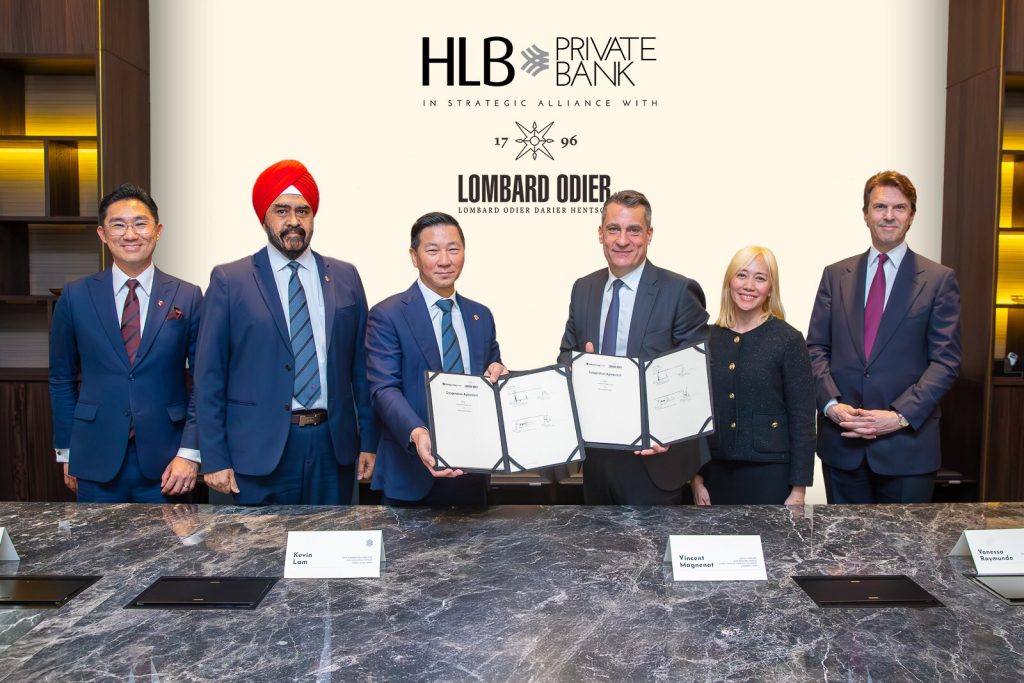
KUALA LUMPUR: Hong Leong Bank Berhad (HLB) has formed a strategic alliance with Swiss private bank Lombard Odier to enhance its HLB Private Bank and Regional Wealth Management proposition. The move marks a significant step in HLB’s transformation strategy to become Malaysia’s best-run bank, with a strong focus on innovation, sustainability, and legacy-building wealth solutions. The partnership was formalised at HLB’s headquarters in Kuala Lumpur between Kevin Lam, HLB’s Group Managing Director and CEO, and Vincent Magnenat, Asia Group Regional Head and Global Head of Strategic Alliances at Lombard Odier. It was witnessed by key senior executives from both organisations. “This is a transformative era for wealth management,” said Kevin Lam. “Our ambition to be the best-run bank is intertwined with empowering clients to build wealth that transcends generations. With Lombard Odier, we are charting a course for enduring wealth—combining world-class expertise with our commitment to responsibility and innovation.” A Synergy of Global Vision and Local Expertise The alliance brings together Lombard Odier’s global investment strategies and HLB’s deep understanding of the regional market. Clients will benefit from a sophisticated, personalised experience, including: Investment insights from Lombard Odier’s Chief Investment Office Comprehensive wealth architecture Bespoke advisory services focused on succession planning, sustainable investments, and generational wealth transfer Strengthening Capabilities from Within Alongside the alliance, HLB is also: Expanding its wealth management team with top-tier talent Launching a Wealth Academy to upskill relationship managers Integrating AI tools to enhance client engagement and insights Advancing digital capabilities and client service delivery “Asia-Pacific’s wealth is growing rapidly, especially among high-net-worth individuals (HNWIs),” said Jeffrey Yap, Managing Director & Regional Head of Wealth Management at HLB. “This alliance enables us to deliver tailored solutions that meet the evolving complexities of wealth today—and secure legacies for the future.” Extending Through Hong Leong Asset Management The partnership also enhances Hong Leong Asset Management Bhd (HLAM)’s product offerings, leveraging Lombard Odier’s role as a target fund manager to bring exclusive investment strategies to Malaysian investors. “We believe in working with the right partners who share our DNA,” said Vincent Magnenat of Lombard Odier. “In HLB, we see a shared commitment to innovation, sustainability, and legacy wealth planning. We are delighted to welcome them into our ecosystem of strategic alliances.”

News

McDonald’s to Accelerate Store Expansion in China

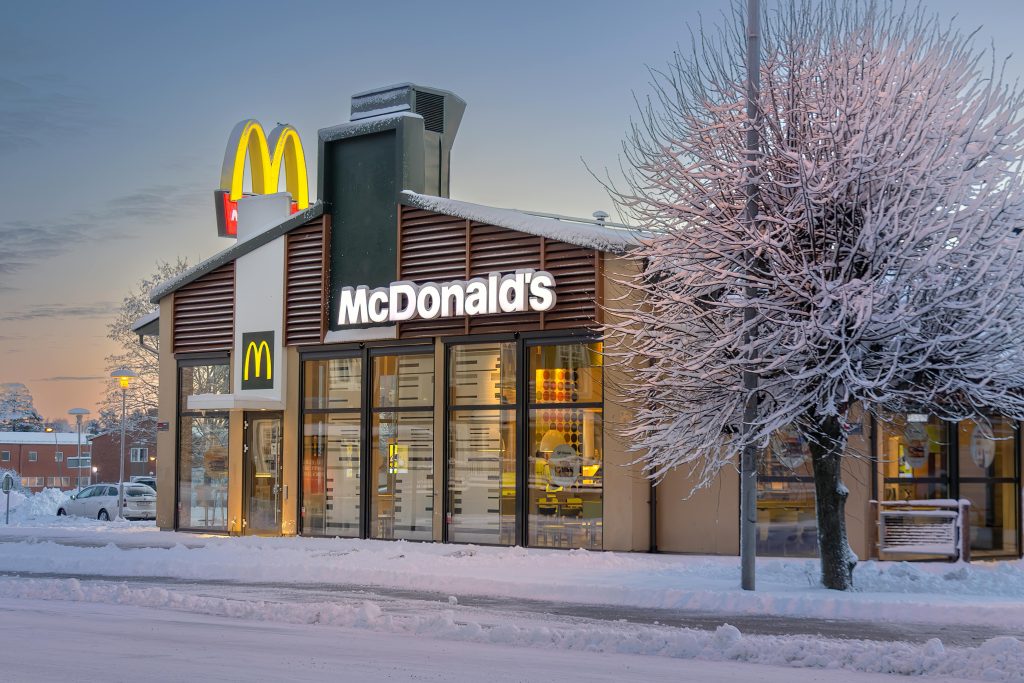
McDonald’s Corporation is doubling down on its expansion in China, reaffirming confidence in its largest international market despite global economic headwinds and a 1% decline in worldwide comparable sales for the first quarter of 2025. Speaking during the company’s earnings call, Chief Financial Officer Ian Borden highlighted China as a bright spot in an otherwise mixed global landscape. “In China, our performance remained stable, driven by an increase in delivery share, the success of Big Bites, Value meals and strong performance in chicken,” Borden said. Echoing that optimism, Chairman and CEO Chris Kempczinski noted that McDonald’s continues to demonstrate enduring brand value, particularly in times of economic uncertainty. China is set to play a central role in the company’s international growth strategy. Out of the 2,200 new stores McDonald’s plans to open globally this year, nearly 1,000 will be located in China, according to figures reported by Shanghai-based business media outlet Yicai. That expansion would represent nearly half of the company’s global franchised openings in 2025. McDonald’s currently operates more than 7,000 restaurants across China, with over half situated in third- to fifth-tier cities. Since 2017, its China operations have been managed by a consortium led by CITIC Capital. The company’s highly localised supply chain — with over 90% of ingredients such as chicken and potatoes sourced within China — has helped shield the business from external disruptions, including recent US-China trade tensions. “Our localised model has been key to navigating market challenges,” said Gu Lei, Chief Impact Officer of McDonald’s China. “More than 90 percent of our ingredients such as chicken and potatoes are produced, processed and procured within China.” In response to changing consumer behaviour, the company launched its “Value Year” campaign in 2025. The initiative features Big Mac promotions, a “Mix and Match 1+1” offer, a refreshed membership rewards programme, and an exclusive Gold Card offering, all designed to enhance value perception without compromising on quality. “Chinese consumers are not just chasing low prices, they’re looking for quality and experience at a reasonable price,” Gu said, citing a survey of over 40,000 young consumers. McDonald’s has also broadened its store formats to match local preferences, including an increase in drive-throughs, smart pickup counters, family-oriented dining spaces, and mobile McCafe carts — all aimed at boosting accessibility and engagement. “McDonald’s localisation strategy has proven highly effective,” said Zhu Danpeng, an independent food and beverage analyst. “The company has deeply tapped into Chinese dietary culture and consumer habits through a localised operating system and consistent product innovation.” “In today’s uncertain global economic climate, consumers are increasingly drawn to brands that deliver strong value for money — an area where McDonald’s continues to excel,” Zhu added. — China Daily / ANN

News

Radium Enters Healthcare Sector with First Hospital Launch

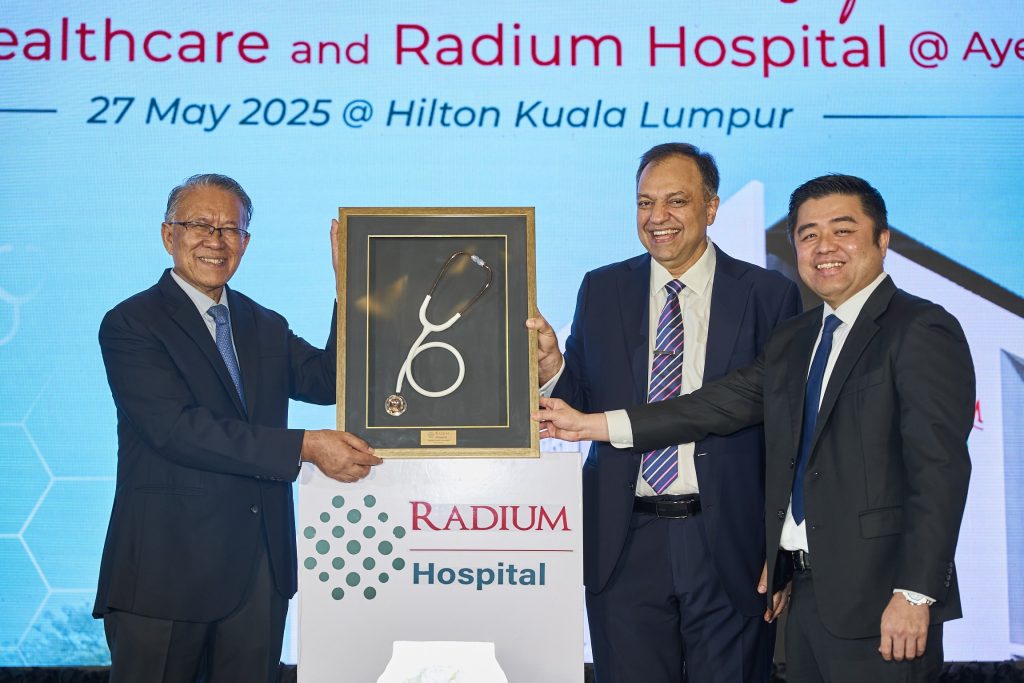
KUALA LUMPUR: Radium Development Berhad, a homegrown property developer known for its affordably priced homes across the Klang Valley, has officially ventured into the healthcare sector with the launch of its first medical facility, Radium Hospital @ Ayer Keroh. Currently known as A Famosa Specialist Hospital, the facility will be repositioned under the newly established Radium Healthcare Sdn Bhd, marking a significant milestone in the group’s diversification strategy. Strategically situated adjacent to the Melaka International Trade Centre (MITC) and within close proximity to the PLUS Highway, the tertiary-level hospital is designed to cater to the evolving healthcare needs of Tier 2 towns. It will serve a broad patient base ranging from middle- to high-income groups, insurance holders, corporate clients, and medical tourists. “As a brand built on the belief of ‘Building Good’, our venture into healthcare is a natural extension of our mission to serve Malaysians from all walks of life,” said Datuk Gary Gan, Group Managing Director of Radium. “Just as we’ve provided quality housing solutions, we’re now committed to offering the same reliability, compassion, and excellence in healthcare.” Set to commence operations in the first half of 2028, Radium Hospital @ Ayer Keroh will be the centrepiece of Radium Centricity, a proposed 7.11-acre integrated development focused on health, wellness, and well-being. The wider masterplan will eventually include residential and commercial components, supporting the hospital with lifestyle and healthcare-related services. The hospital will house Centres of Excellence in traumatised care, cardiology, infertility treatment, and neonatology—areas identified as critical to Melaka’s healthcare landscape. “Our vision is to create a healthcare system that is inclusive, ethical, and adaptable,” said Dr Arun Kumar, CEO of Radium Healthcare. “This hospital represents the first step in building a network of community-focused facilities that meet the highest clinical standards while remaining affordable to the public.” Radium Healthcare’s business model emphasises long-term sustainability through a combination of internal funding, strategic borrowings, asset-light structures, and operational efficiency. The group is also investing in technological upgrades and rigorous safety protocols, while pursuing MSQH accreditation to ensure clinical excellence. Partnerships will be a core component of Radium Healthcare’s approach. The company is working closely with local corporates and NGOs, and has formed a strategic collaboration with M Life Healthcare Sdn Bhd, helmed by Dr Arun Kumar. “With Dr Arun’s leadership and our shared vision, we’re confident that Radium Healthcare will emerge as a strong private hospital group in Malaysia,” added Gan. With more healthcare developments in the pipeline, Radium’s latest move aligns with national goals to enhance healthcare accessibility and improve the quality of life for Malaysians. For more information, visit: www.radiumhealthcare.com

News

Japan Unveils US$15.5 Bil Relief Plan for SMEs Hit by US Tariffs

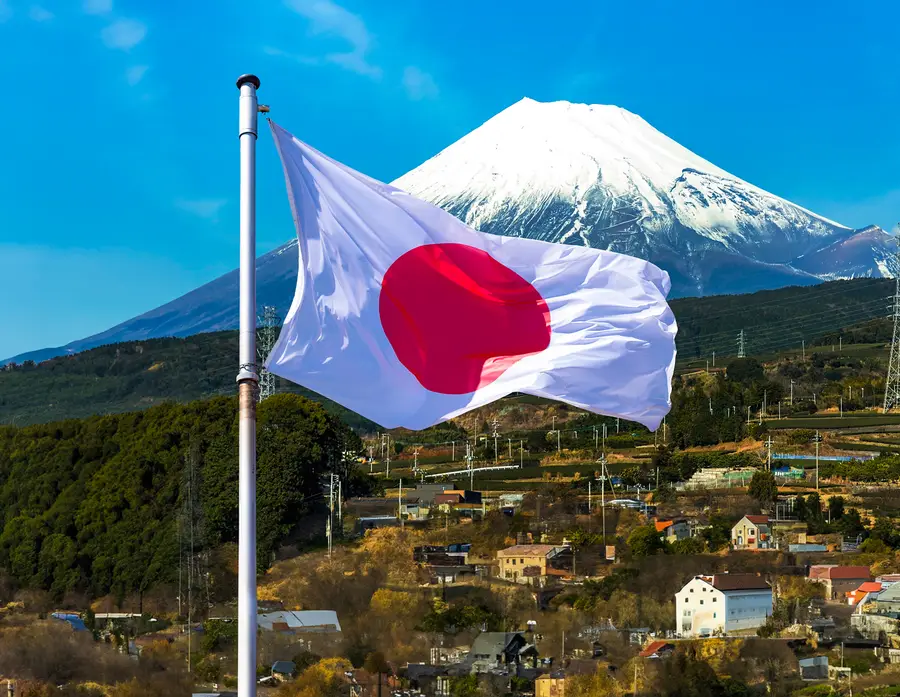
TOKYO: The Japanese government has announced a sweeping ¥2.2 trillion (US$15.5 billion) economic support package to protect small and medium-sized enterprises (SMEs) from the adverse effects of US-imposed tariffs, including steep levies on cars, steel, and aluminium. The measures, revealed today by Chief Cabinet Secretary Yoshimasa Hayashi, aim to safeguard the backbone of Japan’s economy through corporate financing support and eased loan conditions via a government-backed lending institution. “We will provide full support for small and medium-sized enterprises affected by the US tariffs,” Hayashi said during a press conference. The aid comes amid heightened trade tensions with Washington, following a series of tariff hikes introduced by US President Donald Trump. Japan, a key American ally, currently faces a baseline 10% tariff on most exports to the US, as well as harsher duties of up to 25% on automotive products — a vital sector which accounts for approximately 8% of all Japanese employment. In early April, Trump announced a new 24% “reciprocal” tariff specifically targeting Japanese goods, but temporarily paused enforcement until early July. Negotiations are ongoing, with Japan’s tariffs envoy expected to return to Washington this week for a fourth round of bilateral talks. Prime Minister Shigeru Ishiba is aiming to secure a breakthrough agreement during his upcoming meeting with President Trump at the Group of Seven (G7) summit in Canada next month. Economic Headwinds and Political Stakes The relief plan arrives at a precarious time for the world’s fourth-largest economy, which contracted by 0.2% in the first quarter of 2025. The downturn, driven by export pressures and rising costs, has amplified scrutiny of Ishiba’s leadership ahead of Japan’s upper house elections scheduled for July. In a bid to shield households from surging living expenses, the government will also allocate an additional ¥288 billion to subsidise electricity and gas bills from July to September — the peak period for air conditioning usage due to Japan’s sweltering summer temperatures. According to Hayashi, this initiative is expected to reduce utility costs by approximately ¥3,000 per family over the three-month period. Targeted Grants and Energy Cost Mitigation Beyond household relief, the package includes plans to expand special grants for institutions such as hospitals and small businesses, allowing them to manage energy costs not covered by existing assistance programmes. This move complements broader efforts to offset the ripple effects of inflation and maintain economic stability in the face of mounting external pressures. With tariff talks continuing and domestic sentiment wavering, Japan’s comprehensive relief measures reflect a strategic attempt to cushion its economy while maintaining diplomatic channels with Washington. As both nations prepare for high-level discussions in Canada, all eyes are on whether Tokyo can negotiate a rollback of the tariffs — a potential lifeline for the thousands of SMEs now struggling to absorb higher operational costs.

Scroll to Top

Subscribe
FREE Newsletter