News

News

FPT Expands Strategic Partnerships in Thailand

HANOI: Global IT firm FPT Corporation (FPT) has formed strategic partnerships with two of Thailand’s leading enterprises—Sunline and Buzzebees—underscoring the deepening technological and business collaboration between the two nations amid their shared momentum in digital economic growth. In terms of talent development, FPT also signed strategic partnership agreements with two of Thailand’s leading institutions in education and science & technology—Khon Kaen University and King Mongkut’s University of Technology. The partnership signing took place during the official visit of Thailand’s Prime Minister H.E. Paetongtarn Shinawatra – her first official visit to Vietnam since taking office in August 2004. On the sidelines of the Vietnam – Thailand Business Forum 2025, with both countries’ Prime Ministers and delegations in attendance, FPT signed a partnership agreement with Sunline – a global leading core banking solutions and services provider. FPT will support Sunline in system integration competencies across digital banking, digital lending, and core banking, drawing on more than two decades of experience delivering technology services and solutions to global banks, insurers, and financial institutions. FPT will help Sunline scale up the delivery capabilities of its Digital Core Banking Transformation Solution SunCBS to meet increasing market demands, especially as Thailand accelerates its shift toward a virtual banking future. Both sides aim to drive digital transformation for Thai financial institutions to improve customer experience, modernize legacy systems, and achieve operational resilience amid the country’s rapidly evolving banking landscape. Earlier at FPT’s headquarters in Hanoi, FPT also signed a strategic partnership agreement with Buzzebees—Thailand’s leading loyalty and digital engagement platform company. FPT and Buzzebees will deliver comprehensive, consumer-focused digital solutions to facilitate customer data exchange and cross-merchant loyalty programs for businesses, particularly in FMCG, retail, financial, and telecommunications sectors. Both sides will join forces to enhance customer engagement, modernize legacy systems, and boost operational efficiency. The partnership’s initial projects are expected to deliver tangible business results to clients within this year. In education, in the presence of the Prime Ministers of both countries, FPT University under FPT Corporation and King Mongkut’s University of Technology officially signed a memorandum of understanding to implement joint training programs and student exchange initiatives in Artificial Intelligence (AI), Robotics, and Automotive Automation. Additionally, FPT University and Khon Kaen University partner to jointly develop a semiconductor workforce training program for Thailand. This collaboration is part of the Thai Government’s Semiconductor Sandbox initiative, led by the Ministry of Higher Education, Science, Research and Innovation (MHESI). “Our future is digital, and businesses must embrace innovative solutions to stay ahead. Thailand is a dynamic market where consumers are actively experiencing new initiatives every day. “The partnership between FPT and Sunline will empower businesses with enhanced speed, quality, and scalability. Through the strategic partnerships with Sunline and Buzzebees, FPT aims to accelerate digital transformation for more enterprises across various sectors, such as banking, finance, FMCG, retail. Combining FPT’s technological expertise with our partners’ core competencies, we will empower businesses with enhanced speed, quality, and scalability. This provides a strong foundation for building future-ready, customer-centric business models”, said Levi Nguyen, Chief Executive Officer of FPT Thailand and FPT Taiwan, FPT Corporation. Thailand is among FPT’s key markets in the APAC region. The company has established its position as a trusted digital transformation partner for Thailand’s leading enterprises particularly in banking and finance, with renowned names like KBTG, SCB, KKP, TTB, Bangkok Bank, and other sectors including insurance, retail, automotive, manufacturing, healthcare, energy and utilities, consumer goods, and aviation. FPT currently boasts hundreds of local employees serving the Thai market, with a plan to double its workforce by 2027. As part of the Thai Prime Minister’s official visit to Vietnam this May, FPT Executive Vice President Pham Minh Tuan participated in a one-on-one meeting with the Prime Minister and Thai government delegation, during which the company reaffirmed its long-term commitment to forging potential tech collaboration across several industries, contributing high-quality technology talent, and providing comprehensive solutions for digital transformation. As a co-founder of the Vietnam–Thailand Chamber of Commerce (VietCham Thailand), FPT also plays an active role in strengthening bilateral cooperation. The company recently worked with the Thailand Board of Investment in Hanoi to promote trade and investment, as well as support Thailand with high-quality technology talents to meet the rising demand for digital transformation. In the first quarter of 2025, FPT reported robust results, with revenue increasing by 13.9% and profit before tax up 19.4% year-on-year. The technology sector continues to serve as a key growth driver, achieving a 15.3% year-on-year increase, underpinned by a 17% rise in revenue from global IT services.

News

Nord-Lock Group Establishes Strategic APAC Hub in Malaysia

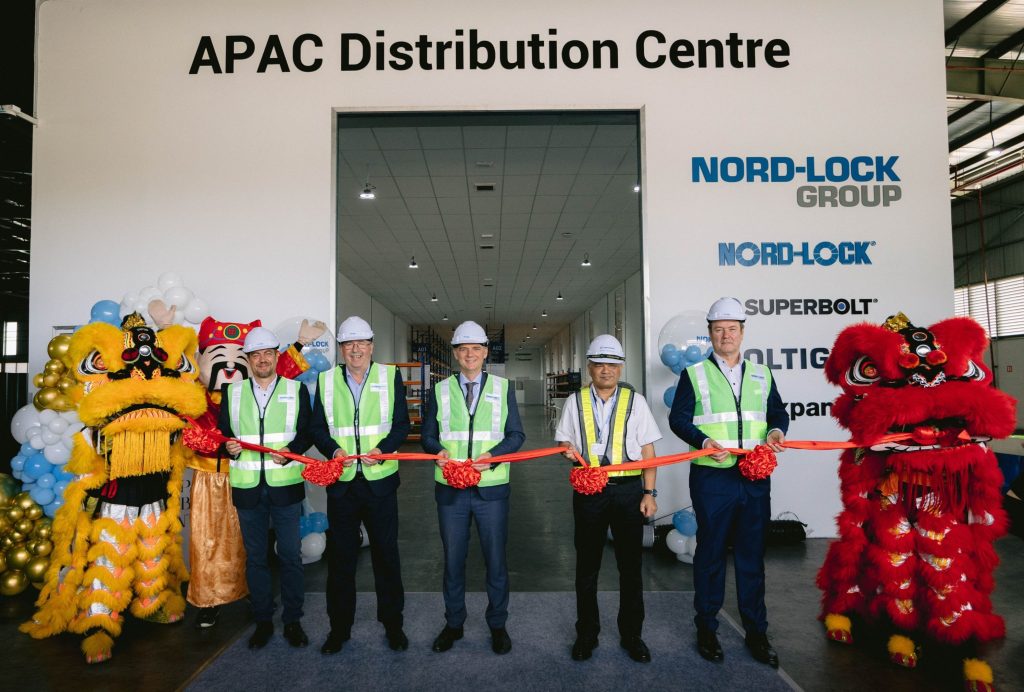
KUALA LUMPUR: Nord-Lock Group, the global leader in advanced bolting solutions for infrastructure, energy, and manufacturing sectors, today unveiled its new Regional Distribution Centre (RDC) at North Port, Selangor. The facility represents a strategic investment in Malaysia’s logistics infrastructure and is expected to reduce delivery times for essential industrial components across Asia-Pacific markets by more than 50%. The strategically positioned facility was officially opened by the Swedish Ambassador to Malaysia, H.E. Niklas Wiberg., alongside Northport CEO Fakhrul Azhar bin Tajudin and Graham Souter – Vice President, Head of BU Nord-Lock from Nord-Lock Group Headquarters in Sweden. Despite its compact 539-square-metre footprint, the high-efficiency distribution centre incorporates advanced automation systems that increase the handling capacity of conventional warehouses significantly. The facility will process shipments of precision components for various industries including renewable energy, automotive manufacturing, and critical infrastructure projects across Asia-Pacific countries. “This facility represents the future of specialised industrial logistics – where strategic location and technological sophistication matter more than sheer size,” said Graham Souter, Vice President, Head of BU Nord-Lock. “ From this hub based in Northport, we can now deliver critical components to the Asia-Pacific region with unprecedented speed—enhancing our service capabilities, significantly reducing turnaround times, and empowering our customers with the efficiency they need to excel in today’s fast-paced market.”   Sustainability and Customer Satisfaction at the Core   A key driver behind the new distribution centre is Nord-Lock Group’s comprehensive sustainability strategy. By establishing this regional hub, the company expects to reduce air freight shipments by 25 times monthly while enabling more efficient sea and ground transportation options.   “This distribution centre represents the cornerstone of our sustainability commitment across the Asia-Pacific region,” emphasised Graham. “By significantly reducing our dependence on air freight and optimising our logistics network, we’re simultaneously decreasing our carbon footprint whilst enhancing delivery reliability and offering more competitive pricing to our valued customers.”  The facility embodies Nord-Lock Group’s comprehensive approach to environmental stewardship, featuring cutting-edge sustainable operations including electric vehicle forklifts, recycled wooden pallets, and eco-friendly packing materials sourced from recycled content. These initiatives, coupled with the dramatic reduction in carbon emissions from minimised shipments from Sweden, position the distribution centre as a model of operational excellence with sustainability at its core.  The strategically located facility will substantially reduce delivery times for customers throughout the region, markedly improving service levels and customer satisfaction. Moreover, the streamlined logistics network is projected to deliver significant reductions in overall delivery costs—efficiencies that will bolster Nord-Lock’s operational performance while enabling more competitive pricing structures for clients across the Asia-Pacific market.  Strategic Investment in Malaysia’s Future   The investment comes as Malaysia’s construction, transportation and manufacturing industries expands by 20.2%, 10.7% and 4.6% year-on-year, with growth in requiring specialized and reliable components such as advanced bolting systems.   “Nord-Lock Group, with its renowned engineering expertise, as a global leader in bolting solutions with operations in over 25 countries, brings valuable innovation and efficiency into the region’s supply chain,” said Fakhrul Azhar bin Tajudin, Chief Executive Officer of Northport. “The commencement of Nord-Lock Group’s tenancy in January 2025 not only marks an exciting chapter for Nord-Lock in Asia, but also represents a significant development for Northport as we continue to grow as a leading regional logistics hub. With our strategic location, excellent connectivity, and integrated port and logistics services, we are confident that Northport Distripark will serve as a strong foundation to support Nord-Lock Group’s ambitions across Asia-Pacific region.”   “Nord-Lock Group’s decision to establish this new distribution centre in Malaysia is a testament to the country’s strategic importance in the region,” said H.E Niklas Wiberg, Ambassador of Sweden to Malaysia. “Given Malaysia’s strategic role as a regional hub in ASEAN, especially in its capacity as ASEAN Chair this year, this opening comes at a highly relevant time. The new distribution centre will create local jobs, economic opportunities, and facilitate knowledge transfer and upskilling, further enhancing Malaysia’s position in the region. It will also highlight Swedish companies, benefitting both our countries.”  “We are particularly excited about this expansion because of Nord Lock Group’s long-term dedication to sustainability and green technology. Nord-Lock Group’s initiatives, such as the Science Based Target Initiative, aims to align their greenhouse gas emissions with the levels stipulated in the UN Paris Agreement. Additionally, its involvement in innovations such as green steel production, which significantly reduces the environmental impact of steel manufacturing,” H.E Niklas Wiberg enthused.   The Nord-Lock Group facility is expected to support over 5,000 shipments/year capability through Malaysia, contributing to the country’s position as a high-value logistics hub.  

News

Nissan considering plant closures in Japan, overseas, sources say

TOKYO :Nissan is considering plans to shut two car assembly plants in Japan and overseas factories, including in Mexico, sources said on Saturday, as part of a cost-cutting plan the company flagged earlier this week. The automaker is mulling closing Japan’s Oppama plant, where Nissan started production in 1961, and the Shonan plant operated by Nissan Shatai, in which Nissan is a 50 per cent stakeholder, the sources said, which would leave it with just three vehicle assembly plants in Japan. Overseas, Nissan is considering ending production at plants in South Africa, India and Argentina, and cutting the number of factories in Mexico, one of the sources said. Japan’s third-biggest automaker unveiled sweeping new cost cuts on Tuesday, saying it would reduce its workforce by around 15 per cent and cut production plants to 10 from 17 globally as it seeks to push through a turnaround. The Yomiuri newspaper, which first reported the automakers’ possible closing of plants in Japan and overseas, said two factories in Mexico are under consideration. Nissan said in a statement on its website that reports on the potential closure of certain plants were speculative and not based on any official information of the company. “At this time, we will not be providing further comments on this matter,” Nissan said in the statement. “We are committed to maintaining transparency with our stakeholders and will communicate any relevant updates as necessary.” The more aggressive turnaround steps unveiled by new CEO Ivan Espinosa mark a sharp break with Nissan’s strategy under his predecessor Makoto Uchida, who had high hopes of expanding global production and had refused to close domestic plants. The automaker’s fiscal 2024 sales stood at 3.3 million vehicles, down 42 per cent since the 2017 business year. In its statement on Saturday, Nissan said it had previously announced it would consolidate production of Nissan Frontier and Navara pickups from Mexico and Argentina into a single production hub centralised around the Civac plant in Mexico. It also said that it had announced in March that French alliance partner Renault would buy out its stake in their joint Indian business, Renault Nissan Automotive India Private Ltd (RNAIPL). The domestic plant closures would mark Nissan’s first since closing its Murayama factory in 2001. Keeping just three home plants open – its Tochigi factory and the Nissan Motor Kyushu and Nissan Shatai Kyushu plants in southern Fukuoka prefecture – would be more than enough to service the domestic market and maintain exports from Japan, one source said. The Oppama plant has annual capacity of around 240,000 cars and employed about 3,900 workers as of end-October. In 2010, it became Nissan’s first plant to start producing the Leaf, widely considered the world’s first mass-market electric vehicle. The Shonan plant, which produces commercial vans, has an annual capacity of around 150,000 units and employs about 1,200 people.–REUTERS

News

China slaps anti-dumping duties on plastics from US, EU, Japan, Taiwan

BEIJING: China on Sunday announced anti-dumping duties as high as 74.9 per cent on imports of POM copolymers, a type of engineering plastic, from the United States, the European Union, Japan and Taiwan. The commerce ministry’s findings conclude a probe launched in May 2024, shortly after the US sharply increased tariffs on Chinese electric vehicles, computer chips and other imports. POM copolymers can partially replace metals such as copper and zinc and have various applications including in auto parts, electronics and medical equipment, the ministry has said. In January, the ministry said initial investigations had determined that dumping was taking place, and implemented preliminary anti-dumping measures in the form of a deposit starting from Jan 24. This service is not intended for persons residing in the E.U. By clicking subscribe, I agree to receive news updates and promotional material from Mediacorp and Mediacorp’s partners. According to Sunday’s announcement, the highest anti-dumping rates of 74.9 per cent were levied on imports from the United States, while European shipments will face 34.5 per cent duties. China slapped 35.5 per cent duties on Japanese imports, except for Asahi Kasei Corp, which received a company-specific rate of 24.5 per cent. General duties of 32.6 per cent were placed on imports from Taiwan, while Formosa Plastics received a 4 per cent tariff and Polyplastics Taiwan 3.8 per cent. Hopes have risen that the US-China trade war is easing after the two sides said on Monday they had agreed to slash reciprocal tariffs in a 90-day truce, a deal that state mouthpiece the Global Times said on Friday should be extended. The Asia-Pacific Economic Cooperation group of nations warned of “fundamental challenges” facing the global trading system in a communique on Friday after a meeting in South Korea.–REUTERS

News

Half of China’s heavy truck sales could be EVs by 2028, Chinese battery maker CATL says

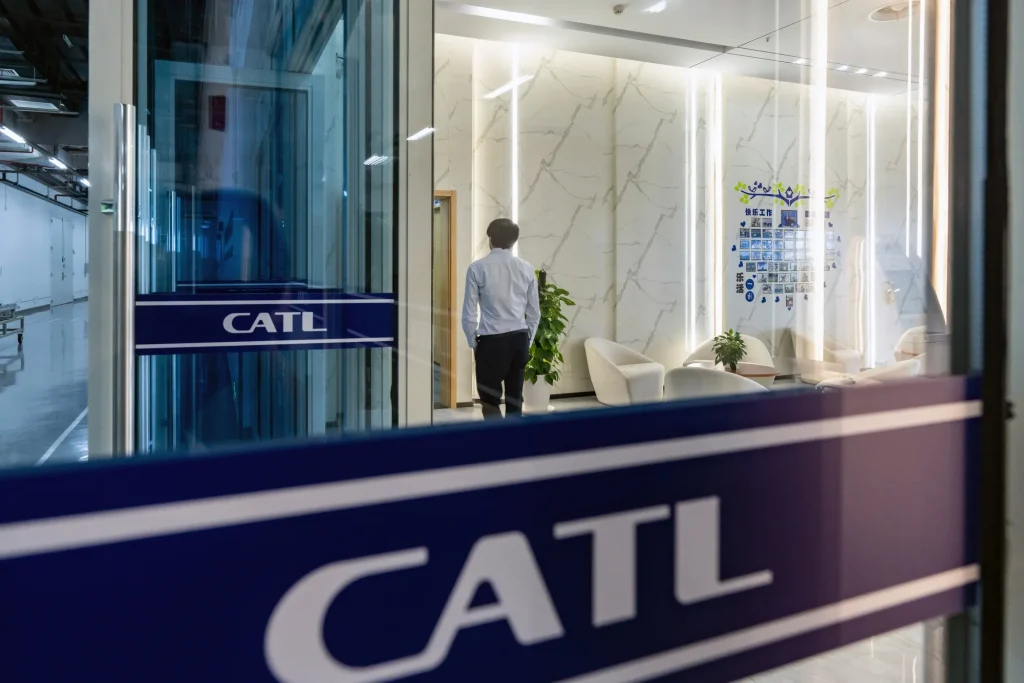
BEIJING: Half of China’s sales of heavy trucks could be electric vehicles by 2028, up from 10 per cent in 2024, the chairman of battery maker CATL said on Sunday (May 18), according to a media report. The comments by Zeng Yuqun, made at a heavy-truck battery-swapping launch and reported by the Shanghai government-affiliated news site Jiemian, suggest further headwinds for fuel demand in the trucking sector, already hit by the rise of LNG trucks in China. CATL announced on Saturday it had put a 60 gigawatt-hour energy storage and EV battery manufacturing base into production in Shandong, its first such facility in northern China. A second and third phase of the project will be added in the next two years, forming an energy industry battery cluster worth billions of yuan in the region, CATL posted on the WeChat social media app. Shandong is aiming to build a 100 billion yuan (US$14 billion) lithium battery industry by this year, encompassing electrode materials, electrolytes, battery cells and assembly, a local government notice last year showed. –REUTERS

News

Hong Kong Bank Probes Rare FPS Breach Following Client’s HK$20,000 Loss

A subsidiary of China Construction Bank in Hong Kong has launched an internal investigation into unauthorised transactions conducted via the Faster Payment System (FPS), following a complaint from a client who claims to have lost HK$20,000 despite never having used the platform. The affected client, a businesswoman identified as Ms Chen, reported that the funds were transferred on 1 April to an account under Ant Bank, registered in a mainland Chinese name. Although three subsequent transactions—totalling HK$30,000—were successfully intercepted, she expressed frustration with the bank’s initial handling of the case. According to Chen, the lender stated at first that no security irregularities had been detected. Chen was advised by the bank to file a police report. She was later informed by law enforcement that such breaches of the FPS are rare and that the bank bore responsibility for pursuing fund recovery from Ant Bank. Her case was reopened for review after she escalated the matter to the Hong Kong Monetary Authority (HKMA) on 2 May, in accordance with regulatory procedures. However, she noted that the HKMA made no assurances regarding any specific remediation steps by the bank. “There’s maybe some light in the tunnel,” Chen said. “But I’m still feeling somewhat helpless as the HKMA cannot guarantee the bank will be held accountable.” Cybersecurity experts described unauthorised FPS transactions as uncommon due to the platform’s robust encryption and authentication mechanisms. Francis Fong Po-kiu, honorary president of the Hong Kong Information Technology Federation, said successful FPS scams often involve the acquisition of one-time passwords and access to the victim’s device, potentially via malware. “Malware can hijack online banking if the user’s mobile phone or desktop is compromised,” said Fong, noting that Android devices are more vulnerable than Apple’s iOS ecosystem. Anthony Lai Cheuk-tung, director at cybersecurity firm VX Research, added that attackers could obtain banking credentials through phishing links or remote access enabled by malicious software. The FPS platform, introduced in 2018, has amassed more than 16 million registrations as of April 2025. A notable breach occurred in the launch year, prompting the HKMA to suspend the system temporarily after fraud losses exceeding HK$400,000 were reported. Responding to enquiries, a spokesperson for China Construction Bank (Asia) declined to comment on individual cases but confirmed the activation of standard fraud mitigation procedures, including instant suspension of digital banking, internal investigations, and fund recall requests. A representative from Ant Bank similarly refrained from commenting on the specifics of the case but reaffirmed the institution’s adherence to rigorous compliance and security protocols. Ant Bank is operated by Ant Group, an affiliate of Alibaba Group, which owns the South China Morning Post. Both banks stated that they are cooperating with local law enforcement, with China Construction Bank (Asia) participating in the police-operated 24/7 stop-payment mechanism and bank-to-bank information-sharing platforms, including the FPS suspicious transaction alert system. In a broader context, Hong Kong authorities are grappling with a sharp rise in digital fraud. Between January and February 2025, police handled 4,141 online scam cases, with total losses reaching HK$740 million. To strengthen preventive measures, the HKMA introduced an FPS warning mechanism in 2023, designed to alert users transferring funds to accounts linked to previous scams through the police-maintained “Scameter” database. In Q1 2025 alone, the HKMA received 203 fraud complaints, of which 165 involved unauthorised transactions. Last year, 828 complaints were filed with the authority, including 536 relating specifically to unauthorised transfers. -South China Morning Post

Energy & Technology, News

LandSpace Expands Methane Rocket Programme with Launch of Zhuque-2E Y2

BEIJING: Chinese aerospace firm LandSpace Technology has achieved a significant milestone in the commercial space race with the successful launch of its enhanced methane-powered Zhuque-2E Y2 rocket, placing six satellites into orbit on Saturday from the Jiuquan Satellite Launch Centre in northwest China. The lift-off, which occurred at 12:12 p.m. local time (04:12 GMT), marked the fifth flight for the Zhuque-2 rocket series and the latest demonstration of China’s private sector capabilities in low-cost, cleaner launch solutions. Beijing-based LandSpace, founded in 2015, was the first globally to successfully deploy a methane-liquid oxygen (methalox) rocket in July 2023—outpacing US aerospace giants such as SpaceX and Blue Origin. The Zhuque-2E series reflects the firm’s growing emphasis on reusable technologies. Unlike traditional hydrocarbon-fuelled launch vehicles, methalox propulsion offers significant environmental and safety advantages, and is increasingly viewed as essential for next-generation, reusable rocket systems. LandSpace has steadily improved the Zhuque-2’s payload capacity to meet the rising demand of China’s commercial satellite sector. Saturday’s mission carried six satellites developed predominantly by Changsha-based Spacety (Changsha Tianyi Space Science and Technology Research Institute), a key player in China’s satellite manufacturing industry. Li Xiaoming, Vice-President of Spacety, outlined during a livestream hosted by LandSpace that the payload included a radar satellite, two multispectral satellites, and three scientific experiment satellites, ranging from 20kg to 300kg in mass. The radar satellite, capable of penetrating clouds and operating under all-weather conditions day or night, offers precision imaging at millimetre-level surface shifts. Such capabilities are essential for applications in urban development, transport infrastructure, and energy sector monitoring. The scientific satellites will contribute to China’s deep-space exploration programmes, while the multispectral satellites will support environmental monitoring and mineral resource identification. This latest launch also marked LandSpace’s first implementation of a propulsion enhancement involving the cryogenic chilling of both liquid oxygen and methane below their respective boiling points, resulting in greater thrust and performance. LandSpace is currently developing reusable rocket technologies, with founder and CEO Zhang Changwu confirming plans for a test launch in the second half of 2025. The company’s innovations align with industry trends established by SpaceX, whose reusable launch systems have drastically reduced costs and accelerated mission frequencies. The commercial space sector in China has expanded rapidly since 2014, following policy reforms that welcomed private capital. LandSpace has been one of the leading and best-funded players, having raised significant investment from notable backers including HongShan (formerly Sequoia Capital China), Country Garden’s investment arm, and the China SME Development Fund. In December 2023, LandSpace secured 900 million yuan (approximately USD 120 million) from a state-owned fund focused on advanced manufacturing, following an earlier 1.2 billion yuan round in 2020, according to Chinese corporate filings. While Spacety has previously faced scrutiny—sanctioned by the US Treasury in 2023 for alleged links to Russian military operations, allegations the company has denied—it continues to play a central role in China’s commercial satellite development landscape. With technical upgrades now in place and reusable technologies on the horizon, LandSpace is poised to strengthen its position in the competitive global launch services market. -Reuters

News

Chinese Firms Turn to Singapore for Listings Amid Rising US-China Trade Tensions

SINGAPORE: At least five companies based in mainland China or Hong Kong are considering initial public offerings, dual listings, or share placements on the Singapore Exchange (SGX) over the next 12 to 18 months, according to four individuals with direct knowledge of the matter. The move reflects a growing interest among Chinese firms in expanding their presence in Southeast Asia, as escalating geopolitical tensions with the United States drive a shift in strategic priorities. Among the potential listings are a Chinese energy firm, a healthcare group, and a Shanghai-based biotechnology company. While sources declined to disclose specific names as discussions remain preliminary, the developments mark a notable shift towards Singapore as a capital-raising hub. The planned activity would serve as a welcome catalyst for SGX, which has faced challenges in attracting large-scale listings and boosting trading volumes in recent years. In 2024, SGX hosted only four IPOs, significantly trailing Hong Kong Exchanges and Clearing Ltd, which recorded 71 new listings over the same period. According to Jason Saw, head of investment banking at CGS International Securities, Chinese interest in SGX surged following recent trade actions by the United States. “Enquiries about listings on SGX shot through the roof after Trump ramped up his trade actions against China,” he said. Former US President Donald Trump imposed tariffs of 145% on Chinese imports, prompting retaliatory duties from China of up to 125% on US goods. Although both sides recently agreed to a temporary 90-day pause, long-term uncertainty continues to influence strategic corporate decisions. CGS International, a subsidiary of China Galaxy Securities, is reportedly working with at least two China-based companies to debut on SGX within the year. Some of these firms could raise approximately US$100 million (RM429.6 million) through primary listings, one source noted. While SGX has historically not been the primary destination for Chinese offshore listings—Hong Kong remaining the preferred venue due to regulatory alignment and investor familiarity—recent geopolitical shifts and Beijing’s push to deepen ties with ASEAN markets are reshaping this outlook. “Singapore is an important gateway, whether it’s trade or business activity from China to the outside world,” said Pol de Win, Senior Managing Director and Head of Global Sales and Origination at SGX. “A listing in Singapore is an important component of that.” The Singaporean government has introduced measures to bolster its equities market, including a 20% corporate tax rebate for primary listings announced in February. Further initiatives are expected in the second half of 2025. According to Ringo Choi, Asia-Pacific IPO Leader at EY, these steps, combined with Singapore’s political stability and neutrality in global affairs, make the city-state an attractive proposition for companies seeking diversification outside of China. Despite growing interest, industry insiders caution that SGX is unlikely to rival Hong Kong in the near term, citing comparatively conservative investor behaviour and stricter listing criteria. “You need to make it easier for companies, especially technology companies, to list,” said the managing director of a Singapore-based multinational software firm, who spoke on condition of anonymity. Nonetheless, with many Southeast Asian startups headquartered in Singapore, the groundwork may already be in place for the city to evolve into a more prominent capital market hub for Chinese firms navigating an increasingly complex global trade environment. -Reuters

News

Trensor Invests RM100 Million in Penang for First Overseas Manufacturing Plant

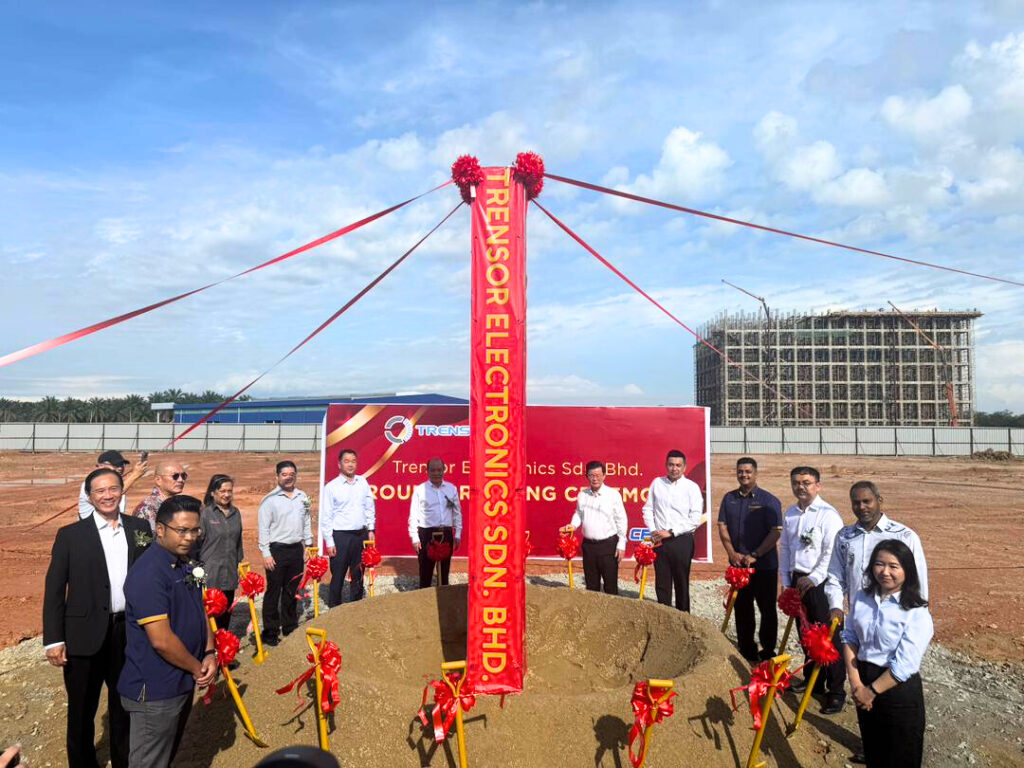
KUALA LUMPUR: Global automotive sensor manufacturer Trensor Co Ltd has announced a RM100 million investment to develop its first international manufacturing facility in Penang, Malaysia. Located at Penang Technology Park in Bertam, the state-of-the-art, four-storey facility will span 10,000 square metres and is expected to commence operations in 2026. The investment will generate 200 high-skilled jobs and is projected to deliver RM200 million in annual sales, according to a joint statement issued by the Malaysian Investment Development Authority (MIDA), InvestPenang, and Trensor. The expansion reflects Trensor’s commitment to strengthening its global supply chain and serving the fast-growing Southeast Asian automotive market. The facility also underscores Penang’s continued appeal as a strategic destination for high-value, technology-driven investments. Penang Chief Minister Chow Kon Yeow lauded Trensor’s decision, emphasising the state’s ongoing efforts to attract sustainable, long-term investments that enhance its status as a hub for advanced manufacturing. “The state commends Trensor for its dedication to supporting next-generation technologies, reinforcing Penang’s standing in the global advanced manufacturing landscape,” Chow said. MIDA Chief Executive Officer Datuk Sikh Shamsul Ibrahim Sikh Abdul Majid described the investment as a transformative step for Malaysia’s advanced manufacturing ecosystem. “Trensor’s decision powerfully validates Malaysia’s position as a preferred destination for sophisticated manufacturing operations,” he said, adding that the company’s technological expertise will enhance the nation’s automotive electronics landscape and support its skilled talent base. Zhou Wenbo, General Manager of Trensor Electronics Sdn Bhd, highlighted Penang’s strong infrastructure, business-friendly policies, and skilled workforce as key factors behind the decision. “MIDA, InvestPenang, the Seberang Perai City Council, and other local authorities have provided unwavering support in realising Trensor’s globalisation strategy,” Zhou added. Trensor, through its Malaysian arm Trensor Electronics Sdn Bhd, is a leading Chinese manufacturer specialising in automotive pressure sensors. The company supplies major global automakers such as Ford and Geely, along with Tier-1 suppliers including Cummins and Hanon Systems. In Malaysia, Trensor’s sensors are integrated into Perodua’s air conditioning systems. With 60 per cent of its revenue derived from exports to North America and Europe, Trensor’s new Penang facility is poised to play a strategic role in penetrating Southeast Asia’s burgeoning automotive markets. The company has also acquired additional land for future expansion, signalling a firm long-term commitment to Malaysia. -Business Times

News

Deputy Minister Leads Mission to Boost RM10.57 Billion Palm Oil Exports to China

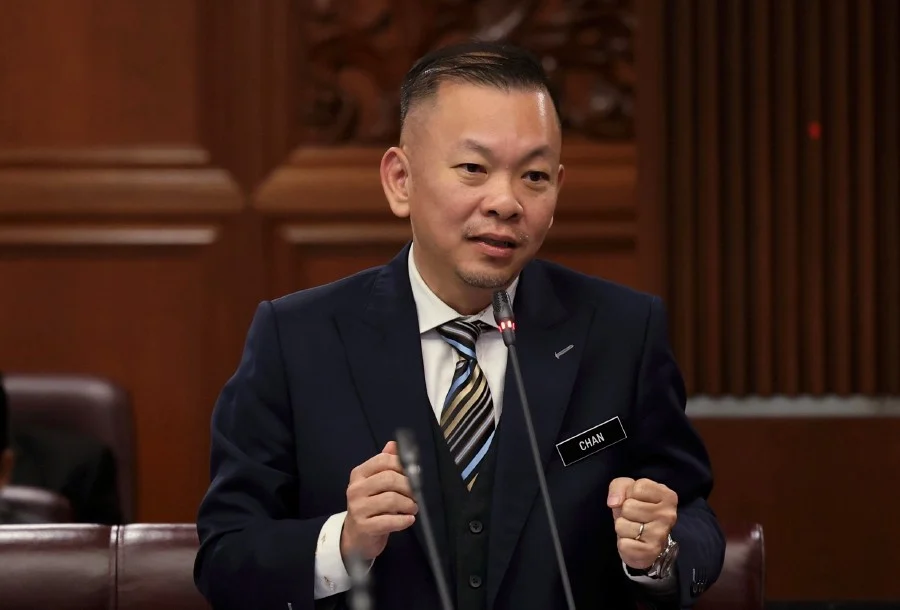
KUALA LUMPUR: Malaysia has launched a high-level diplomatic and trade mission to the People’s Republic of China, led by Deputy Minister of Plantation and Commodities, Datuk Chan Foong Hin, in a concerted effort to deepen bilateral ties and unlock new commercial avenues for the country’s palm oil industry. The week-long official visit, taking place from 19 to 24 May, is centred on reinforcing Malaysia’s strategic trade engagement with China — the nation’s third-largest importer of palm-based products. The mission also aims to explore innovation opportunities in downstream applications and expand palm oil utilisation across Chinese industries and cuisines. In a statement released on Sunday, the Ministry of Plantation and Commodities confirmed that the delegation’s itinerary begins in Shanghai, where Datuk Chan will officiate the 20th Anniversary Commemoration Ceremony of the Palm Oil Research and Technical Service Institute of MPOB (PORTSIM) — the Malaysian Palm Oil Board’s research and development hub in China. Also accompanying the mission are Ministry Secretary General Datuk Yusran Shah Mohd Yusof and MPOB Director General Datuk Dr Ahmad Parveez Ghulam Kadir. Established in 2005, PORTSIM plays a pivotal role in facilitating technology transfer, advancing product innovation, and promoting the application of Malaysian palm oil in China. Through strategic collaborations with Chinese institutions and industries, the institute supports Malaysia’s ambitions to expand its presence in key downstream segments such as food, oleochemicals, and household detergents. Following the Shanghai leg, the delegation will proceed to the western region of China, including Chengdu and Chongqing, to engage with state-owned enterprises and local industry leaders. These engagements are designed to deepen commercial cooperation and strengthen trade linkages, particularly in high-growth markets. A significant aspect of the visit will focus on promoting the incorporation of palm oil into popular Chinese culinary practices — including mala hotpot, a signature dish from Chongqing and the Sichuan province. One of the highlights of the mission is Datuk Chan’s participation in the 7th Western China International Fair for Investment and Trade (WCIFIT), to be held at the Chongqing International Expo Centre. In conjunction with this, the Deputy Minister will chair strategic roundtable meetings with Western Chinese importers. The itinerary also includes a courtesy meeting with the Chongqing Municipal People’s Government, aimed at exploring broader collaboration in trade and investment, particularly within the palm oil sector and other key Malaysian commodity exports. The Ministry underscored that Western China represents a region of dynamic growth, characterised by rising demand for sustainable raw materials and new avenues for value-added partnerships. China accounted for 10% of Malaysia’s total palm oil export value in 2024, with exports reaching RM10.57 billion, reflecting a 5.11% increase from RM10.06 billion in 2023. According to Oil World statistics, Malaysia currently commands a 26.7% share of the Chinese palm oil market. The Ministry said the official mission reaffirms Malaysia’s commitment to fostering deeper economic integration with China, expanding market access for Malaysian commodities, and promoting sustainable growth in one of Asia’s most promising regions. -Bernama

Scroll to Top

Subscribe
FREE Newsletter