News

News

Potential Easing of US Chip Export Rule Could Boost Malaysia’s Construction and Utility Sectors — Kenanga IB

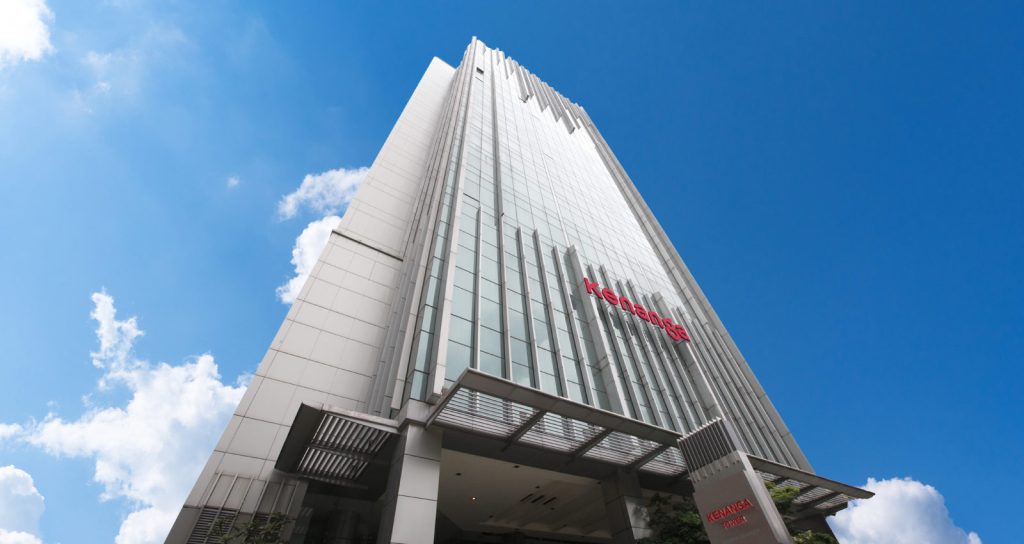
KUALA LUMPUR: Malaysia’s construction and utility sectors could see a surge in investment and growth on the back of potential changes to the United States’ AI chip export policy, according to Kenanga Investment Bank Bhd. In a market note released Saturday, Kenanga IB highlighted that the Trump administration is expected to roll back Biden-era restrictions on advanced AI chip exports under the US diffusion rule — a move that could trigger increased data centre activity globally, with Malaysia well-positioned to benefit. The research house noted that Malaysian construction counters have already experienced a significant rebound, and this latest development may further elevate valuations. A key example is Pearl Computing — affiliated with a US tech major — which has agreed to purchase 389 acres of land in Port Dickson from Gamuda Bhd (KL:GAMUDA), alongside RM1 billion allocated for enabling infrastructure works. “This is a major milestone for data centre development in the country and underscores strong investor confidence,” the report said. Meanwhile, Malaysia’s utility sector is also poised to benefit from the booming data centre trend. Tenaga Nasional Bhd (KL:TENAGA) has reported the completion of 18 data centre projects as of December 2024, totalling 1,900MW of installed capacity. An additional 20 projects are in the pipeline, expected to contribute another 4,000MW in capacity. Kenanga IB believes this rising energy demand will support Tenaga’s long-term growth, reinforcing its role as a key enabler of digital infrastructure expansion in Malaysia.–BERNAMA

News

Sarawak to Launch Sustainability Blueprint at Asia Carbon Conference 2025

KUCHING: Sarawak will unveil its long-anticipated Sustainability Blueprint during the Asia Carbon Conference (ACC 2025), to be held from 29 to 30 May at the Borneo Convention Centre Kuching (BCCK). The blueprint, which sets out Sarawak’s strategic direction for achieving a low-carbon and sustainable future, will be officiated by Sarawak Premier Tan Sri Abang Johari Tun Openg during the opening ceremony. Organised by Place Borneo Sdn Bhd, ACC 2025 is expected to convene over 400 stakeholders, including regional policymakers, business leaders, and sustainability experts. This year’s conference theme, Creating an Integrated ASEAN Marketplace for Carbon, will centre on accelerating regional collaboration in carbon trading and environmental responsibility. One of the key sessions will be a panel discussion titled “How are businesses tackling emission increases? Will there be new buyers of carbon credits in Asia?” — spotlighting the evolving regulatory landscape, procurement challenges, and pricing disparities between public and private carbon markets. Among the speakers are Norihiro Kimura, senior climate negotiator from Japan’s Ministry of Economy, Trade and Industry; Win Sim Tan, APAC representative at Verra; Jen Wee Kang, CEO of Redex; and Ariana Cohen, senior consultant at JET. Organisers described the conference as a pivotal platform for shaping Asia’s carbon market ecosystem, facilitating cross-sector dialogue, and advancing the region’s decarbonisation goals. Further details are available at www.argusmedia.com/asia-carbon-conference.

News

Agrobank Launches Paddy Takaful Scheme in Sabah to Boost Farmer Protection

KUALA LUMPUR: Agrobank has rolled out its national paddy takaful scheme (Skim Takaful Tanaman Padi – STTP) in Sabah, expanding financial safety nets for the state’s farming community. Deputy Minister of Agriculture and Food Security Datuk Arthur Joseph Kurup said that as of 30 April, 5,642 paddy farmers in Sabah had enrolled in the scheme. However, more than 19,000 remain unregistered, including 6,602 individuals without Agrobank accounts. STTP offers affordable crop insurance at RM64.80 per hectare per season, a cost currently subsidised by the federal government. Farmers are encouraged to register early to avoid missing out on protection, especially in the face of climate-related risks. Nationwide, STTP has disbursed RM16.2 million in compensation as of March 2025, aiding 6,319 farmers impacted by agricultural disasters. “The launch of STTP in Sabah reflects Agrobank’s commitment to providing inclusive and comprehensive financial solutions for Malaysia’s agri-food sector,” said Kurup. The Ministry of Agriculture and Food Security (KPKM) also lauded the Sabah government’s formation of the Sabah Paddy and Rice Board (LPBS), calling it a key move in enhancing the sector’s competitiveness, organisation, and sustainability. The initiative aligns with Malaysia’s broader strategy to secure food resilience and fortify the agro-food value chain.

News

Oryx Stainless Launches New Recycling Facility in Johor

JOHOR BAHRU: Netherlands-based Oryx Stainless Group, a global leader in recycled stainless steel raw materials, has officially opened a new processing facility in Johor, marking a strategic expansion into Southeast Asia. The launch positions Johor as a regional hub for sustainable industrial growth, said Malaysian Investment Development Authority (MIDA) CEO Datuk Sikh Shamsul Ibrahim Sikh Abdul Majid. “Oryx’s investment demonstrates how international expertise can accelerate Malaysia’s transformation into a circular economy leader,” he said, noting the facility aligns with the nation’s target of reducing carbon intensity by 45% per GDP by 2030. With an annual processing capacity of 150,000 tonnes, the Johor plant could contribute to nearly 1 million tonnes of carbon emissions reduction each year. Each tonne of recycled material is estimated to save up to 8.5 tonnes of emissions. Johor Menteri Besar Datuk Onn Hafiz Ghazi welcomed the investment, calling it a model of how industrial growth can align with climate action. “With Oryx Stainless, we’re embracing a partner in sustainable prosperity,” he said. Oryx Stainless CEO Tobias Kammer said Malaysia is central to the firm’s strategy of supplying low-carbon stainless steel raw materials closer to Asia’s manufacturing hubs. “This is more than a business move — it’s a commitment to long-term collaboration and green growth,” he added. The facility will also play a key role in talent development, with local employees trained in Thailand to operate advanced recycling equipment, including Malaysia’s first Sennebogen material handlers. Oryx co-founder Michael Pawlowski said the facility will produce precision-grade blends of recycled materials for over 150 stainless steel alloys, with recycled content reaching up to 90% in new products.

News

Malaysia Orders inDrive and Maxim to Cease Operations by July 24

KUALA LUMPUR: E-hailing platforms inDrive and Maxim have been directed to cease operations in Malaysia by 24 July 2025, following regulatory breaches identified by the Land Public Transport Agency (APAD). Transport Minister Anthony Loke confirmed that formal notices have been issued to both companies. While they are permitted to file an appeal, the final decision rests with the minister. The directive comes after APAD revoked inDrive Malaysia’s operating licence last week, citing non-compliance with regulations introduced in 2019. inDrive has since requested clarification from authorities regarding the licence termination. inDrive’s regulatory issues date back to September 2022, when the Road Transport Department raided its Malaysian office and found the company operating with an expired licence. Similarly, Maxim was subject to enforcement action in 2023 for permitting vehicles without valid permits to operate under its platform. Both companies, founded in Russia, are among several players in Malaysia’s growing e-hailing sector. Currently, 21 e-hailing service providers are officially registered with APAD.

News

InvestHK promotes Hong Kong as Asia’s business launch pad in Eastern Europe and Middle East

HONG KONG SAR – Media OutReach Newswire – 10 May 2025 – ​Invest Hong Kong (InvestHK) announced today (May 10) that the Director-General of Investment Promotion at InvestHK, Ms Alpha Lau, will embark on a series of visits to Istanbul, Türkiye; Budapest, Hungary; and Cairo, Egypt, some of the key economies along the Belt and Road, to strengthen economic ties and promote Hong Kong as the premier gateway for businesses to expand into the Mainland and the Asia-Pacific region. Ms Lau said, “Hong Kong’s unique advantages as a global financial hub and Asia’s business launch pad make it the perfect partner for enterprises from Türkiye, Hungary and Egypt in expanding into the Mainland, the Association of Southeast Asian Nations (ASEAN) markets, and further in Asia and beyond. Anchored in the Belt and Road Initiative, we look forward to fostering collaboration and showcasing how Hong Kong can drive their success across the region.” She added that Hong Kong offers unmatched access to the Mainland and the Asia-Pacific region through initiatives such as the Greater Bay Area and its Free Trade Agreement with ASEAN. The city’s business-friendly environment, free capital movement and a robust innovation and technology ecosystem hosting nearly 10 000 companies from overseas and the Mainland, and close to 4 700 start-ups, empowers businesses to innovate and grow. Ms Lau will arrive in Istanbul tomorrow (May 11, Istanbul time) to engage with Turkish companies from various sectors which are interested in using Hong Kong as a springboard to grow across the Asia-Pacific region. She will speak at different events, including an Istanbul Chamber of Commerce Business Seminar, a Foreign Economic Relations Board of Turkey Business Seminar, and meet with Turkish media to highlight Hong Kong’s business-friendly environment, which includes a low and simple tax regime, free capital flow, and a common law system under the “one country, two systems” principle. In 2024, Türkiye was Hong Kong’s 30th largest trading partner, with bilateral merchandise trade between the two places amounting to HK$16.6 billion. The Hong Kong–Türkiye comprehensive avoidance of double taxation agreement signed in 2024 enhances tax certainty, facilitating cross-border transactions. Since Türkiye’s inclusion in Hong Kong’s Dedicated Fund on Branding, Upgrading and Domestic Sales has supported Hong Kong companies expanding into the Turkish market. To further strengthen bilateral business ties, InvestHK set up a second office in Izmir in January 2025 to promote opportunities that Hong Kong offers to Turkish corporates seeking regional expansion. On May 13 (Budapest time), Ms Lau will arrive in Budapest to meet major Hungarian companies keen on using Hong Kong as a regional hub for Asia-Pacific expansion. She will meet with media to update them on Hong Kong’s latest business environment and opportunities. Ms Lau will also attend the Guangdong-Hong Kong-Macao Greater Bay Area Economic and Trade Cooperation Conference in Hungary. In 2024, Hungary was Hong Kong’s 33rd largest trading partner and around 9.4 per cent (HK$9.4 billion) of the total merchandise trade between Hungary and the Mainland routed through Hong Kong. Hong Kong serves as a gateway for Hungarian businesses targeting Asian markets, leveraging its role as “super connector” under the Belt and Road Initiative, while Hungary benefits from Hong Kong’s open investment environment. Hungarian manufacturing, technology, and healthtech companies can tap Hong Kong’s vibrant innovation and technology ecosystem, backed by global capital and world-class universities, to grow in ASEAN and China’s Greater Bay Area. On May 17 (Cairo time), Ms Lau will visit Cairo to connect with global Egyptian businesses eager to establish operations in Hong Kong to seize Asia-Pacific opportunities. She will also attend the Guangdong-Hong Kong-Macao Greater Bay Area Economic and Trade Cooperation Conference in Cairo. In 2023, InvestHK signed a Memorandum of Understanding with the General Authority for Investment and Free Zones of the Arab Republic of Egypt, pledging mutual co-operation on investment promotion exchanges and support. In 2024, bilateral merchandise trade between Hong Kong and Egypt amounted to HK$2.1 billion, up 5.4 per cent over 2023. Hashtag: #InvestHK The issuer is solely responsible for the content of this announcement.

News

Vista Launches Evergreen Fund to Expand Access for Non-US Investors

KUALA LUMPUR: Vista Equity Partners has introduced VistaOne (Lux), an open-ended investment vehicle tailored for eligible individual investors outside the United States, offering them access to Vista’s private equity platform through a single, streamlined solution. According to a statement, VistaOne Co-Chief Executive Officer and Vista President & COO David Breach said the launch represents a key milestone in Vista’s efforts to broaden access to private software investments globally. “This marks a significant step in enabling non-US investors to diversify their portfolios with direct exposure to Vista’s private equity strategies in a simplified and scalable format,” Breach said. VistaOne provides exposure to direct investments across Vista’s Flagship, Foundation, and Endeavor strategies—spanning large-, mid-, and small-cap private software firms. The fund offers quarterly liquidity (subject to conditions), a single layer of fees, and lower investment minimums than traditional private market vehicles. It is managed by a dedicated team of investment professionals with deep operational and software expertise, supported by private wealth sales and client service experts who collaborate directly with wealth managers. VistaOne is currently available to wealth managers in Vista’s network, as well as other eligible non-US investors seeking diversification through a software-focused private equity fund. Founded in 2000, Vista Equity Partners is known for its operational focus and systematic approach to value creation, having completed over 600 transactions. The firm currently manages a diverse portfolio of more than 90 companies delivering mission-critical enterprise software solutions to over 500 million users worldwide. — BERNAMA

News

Indonesia Targets End to Rice Imports as Output Surges

JAKARTA: Indonesia aims to halt rice imports this year for the first time in decades, backed by a surge in domestic production and stockpiles, according to Vice Minister of Agriculture Sudaryono. Driven by President Prabowo Subianto’s food self-sufficiency agenda, the country expects rice production to rise 11% in the first half of 2025, with national reserves more than doubling to 4 million tonnes in May. Annual output is targeted to reach 32.8 million tonnes, with a goal of 33.8 million tonnes in 2026. “Having food security is like preventing people from getting sick—it’s cheaper than curing them,” said Sudaryono. Indonesia, which imported a record 4.65 million tonnes of rice in 2023-24 due to El Niño-related crop damage, has long been dependent on imports, with records showing purchases every season since the 1960s. The recent production boost—8.61 million tonnes in Q1 alone, up 53% year-on-year—has opened up the possibility of exports. Malaysia and the Philippines have reportedly requested to buy rice, with 1,000 tonnes currently being prepared for shipment to Sabah and Sarawak. Efforts to sustain output include deploying 37,000 agriculture extension workers and assistance from the military. The government also plans to convert 500,000 hectares of swampland into farmland in 2025. — BLOOMBERG

News

Nissan Cancels ¥153 Billion EV Battery Plant in Japan as Part of Strategic Restructuring

Nissan Motor Co. has confirmed it will no longer proceed with its previously announced ¥153.3 billion (US$1.1 billion) electric vehicle (EV) battery facility in Kitakyushu, southern Japan. The decision marks a significant revision to the automaker’s domestic investment strategy as it undertakes sweeping turnaround measures under new leadership. The lithium iron phosphate (LFP) battery plant, first unveiled in January, was projected to generate approximately 500 jobs and deliver a production capacity of 5 gigawatt-hours (GWh) annually. It was originally scheduled to commence operations in or after July 2028. The project had also qualified for a potential government subsidy of up to ¥55.7 billion under Japan’s industrial policy initiatives. In a statement issued on Friday, Nissan said: “The company is taking immediate turnaround actions and exploring all options to recover its performance. After careful consideration of investment efficiency, we have decided to cancel the construction of a new LFP battery plant in Kitakyushu City, Fukuoka Prefecture.” The decision reflects a recalibration of Nissan’s domestic ambitions as it responds to ongoing financial headwinds and evolving strategic priorities. The automaker is currently undergoing a broad operational restructure under CEO Ivan Espinosa, who assumed leadership from Makoto Uchida last month. Cost-cutting measures include workforce reductions, production capacity optimisation, and site closures. Last month, the Yokohama-based company forecast a record net loss of between ¥700 billion and ¥750 billion (US$4.8 billion–US$5.1 billion) for the financial year ending March 2025, primarily driven by significant impairment charges. Nissan is expected to present its financial outlook and provide further detail on its restructuring roadmap during the release of its full-year results on Tuesday. –Reuters

News

Korea and Saudi Arabia Advance Strategic Ties Through Business Forum on Emerging Industries

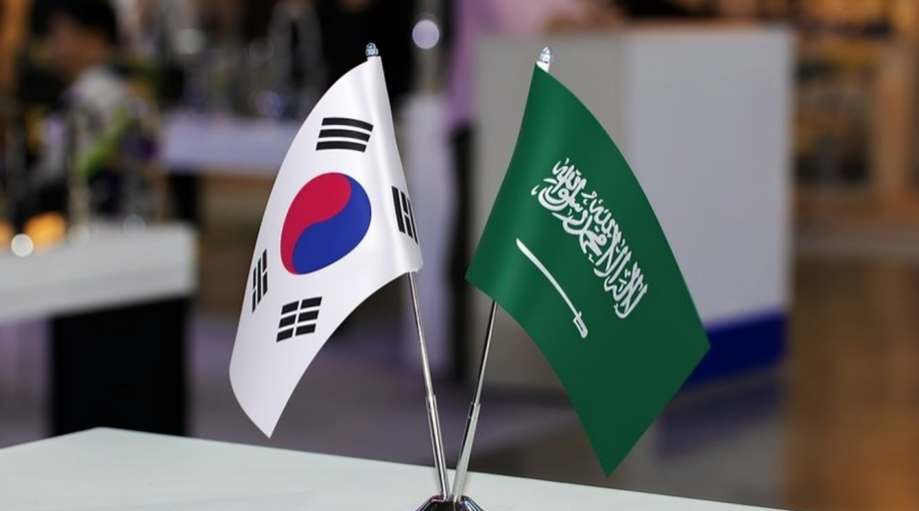
SEOUL: South Korea and Saudi Arabia convened a high-level business forum in Seoul on Friday to bolster cooperation across advanced industries, signalling a shared commitment to strategic economic collaboration amid a shifting global trade landscape. The Korea–Saudi Arabia Business Forum brought together over 120 companies, including 20 major firms from Riyadh and 100 South Korean enterprises. The event was organised under the auspices of South Korea’s Ministry of Trade, Industry and Energy. Participating Saudi organisations included telecoms leader STC Group, state defence conglomerate Saudi Arabian Military Industries (SAMI), and Ceer, the Kingdom’s first electric vehicle (EV) manufacturer. From Korea, a broad spectrum of firms across sectors such as information technology, defence, digital infrastructure, EVs, and renewable energy took part in bilateral discussions. Vice Minister for Trade Park Jong-won, delivering a congratulatory message, emphasised the importance of aligning with emerging Global South economies. “To navigate the rapidly evolving global trade environment, it is essential to deepen cooperation with dynamic economies such as Saudi Arabia,” he said. He also underscored Korea’s intent to leverage existing bilateral frameworks, including the Korea-Gulf Cooperation Council (GCC) Free Trade Agreement, to further facilitate business synergies. “We will actively utilise government-level cooperation channels and expedite the implementation of the Korea-GCC FTA to support enhanced private-sector collaboration,” Park added. Signed in 2023, the Korea-GCC FTA is designed to remove trade barriers and expand economic integration with the six GCC member states: Saudi Arabia, the United Arab Emirates, Bahrain, Oman, Qatar, and Kuwait. The forum marks another step forward in the growing economic partnership between Korea and Saudi Arabia, particularly as both countries pursue innovation-led industrial strategies. –Yonhap

Scroll to Top

Subscribe
FREE Newsletter