News

News

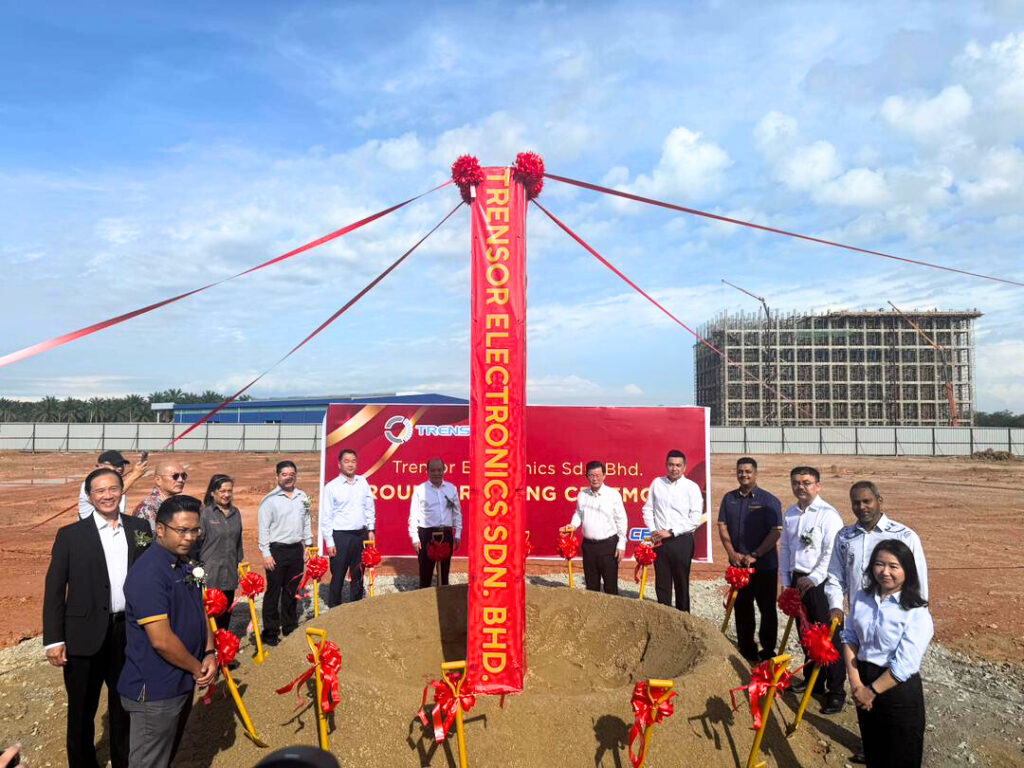
Trensor Invests RM100 Million in Penang for First Overseas Manufacturing Plant

KUALA LUMPUR: Global automotive sensor manufacturer Trensor Co Ltd has announced a RM100 million investment to develop its first international manufacturing facility in Penang, Malaysia. Located at Penang Technology Park in Bertam, the state-of-the-art, four-storey facility will span 10,000 square metres and is expected to commence operations in 2026. The investment will generate 200 high-skilled jobs and is projected to deliver RM200 million in annual sales, according to a joint statement issued by the Malaysian Investment Development Authority (MIDA), InvestPenang, and Trensor. The expansion reflects Trensor’s commitment to strengthening its global supply chain and serving the fast-growing Southeast Asian automotive market. The facility also underscores Penang’s continued appeal as a strategic destination for high-value, technology-driven investments. Penang Chief Minister Chow Kon Yeow lauded Trensor’s decision, emphasising the state’s ongoing efforts to attract sustainable, long-term investments that enhance its status as a hub for advanced manufacturing. “The state commends Trensor for its dedication to supporting next-generation technologies, reinforcing Penang’s standing in the global advanced manufacturing landscape,” Chow said. MIDA Chief Executive Officer Datuk Sikh Shamsul Ibrahim Sikh Abdul Majid described the investment as a transformative step for Malaysia’s advanced manufacturing ecosystem. “Trensor’s decision powerfully validates Malaysia’s position as a preferred destination for sophisticated manufacturing operations,” he said, adding that the company’s technological expertise will enhance the nation’s automotive electronics landscape and support its skilled talent base. Zhou Wenbo, General Manager of Trensor Electronics Sdn Bhd, highlighted Penang’s strong infrastructure, business-friendly policies, and skilled workforce as key factors behind the decision. “MIDA, InvestPenang, the Seberang Perai City Council, and other local authorities have provided unwavering support in realising Trensor’s globalisation strategy,” Zhou added. Trensor, through its Malaysian arm Trensor Electronics Sdn Bhd, is a leading Chinese manufacturer specialising in automotive pressure sensors. The company supplies major global automakers such as Ford and Geely, along with Tier-1 suppliers including Cummins and Hanon Systems. In Malaysia, Trensor’s sensors are integrated into Perodua’s air conditioning systems. With 60 per cent of its revenue derived from exports to North America and Europe, Trensor’s new Penang facility is poised to play a strategic role in penetrating Southeast Asia’s burgeoning automotive markets. The company has also acquired additional land for future expansion, signalling a firm long-term commitment to Malaysia. -Business Times
News

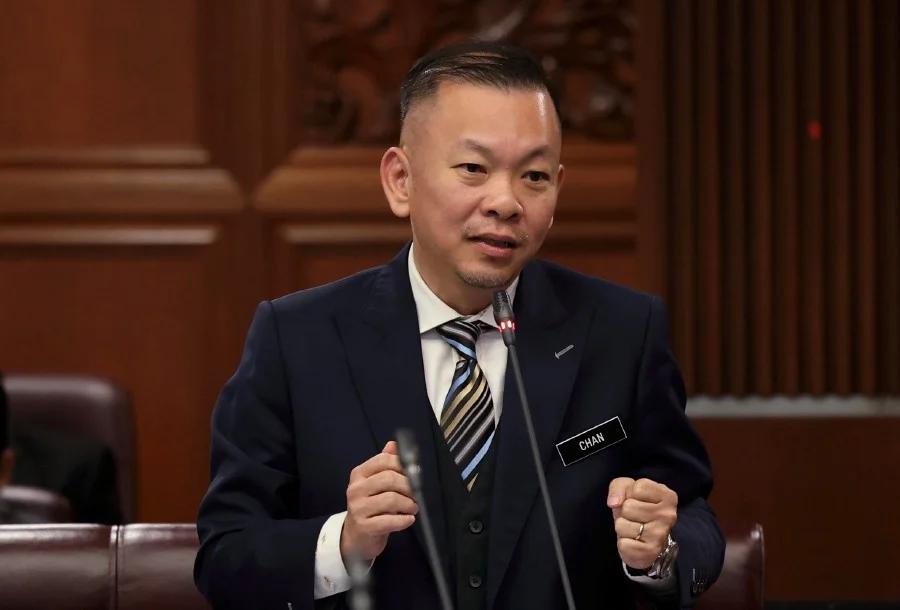
Deputy Minister Leads Mission to Boost RM10.57 Billion Palm Oil Exports to China

KUALA LUMPUR: Malaysia has launched a high-level diplomatic and trade mission to the People’s Republic of China, led by Deputy Minister of Plantation and Commodities, Datuk Chan Foong Hin, in a concerted effort to deepen bilateral ties and unlock new commercial avenues for the country’s palm oil industry. The week-long official visit, taking place from 19 to 24 May, is centred on reinforcing Malaysia’s strategic trade engagement with China — the nation’s third-largest importer of palm-based products. The mission also aims to explore innovation opportunities in downstream applications and expand palm oil utilisation across Chinese industries and cuisines. In a statement released on Sunday, the Ministry of Plantation and Commodities confirmed that the delegation’s itinerary begins in Shanghai, where Datuk Chan will officiate the 20th Anniversary Commemoration Ceremony of the Palm Oil Research and Technical Service Institute of MPOB (PORTSIM) — the Malaysian Palm Oil Board’s research and development hub in China. Also accompanying the mission are Ministry Secretary General Datuk Yusran Shah Mohd Yusof and MPOB Director General Datuk Dr Ahmad Parveez Ghulam Kadir. Established in 2005, PORTSIM plays a pivotal role in facilitating technology transfer, advancing product innovation, and promoting the application of Malaysian palm oil in China. Through strategic collaborations with Chinese institutions and industries, the institute supports Malaysia’s ambitions to expand its presence in key downstream segments such as food, oleochemicals, and household detergents. Following the Shanghai leg, the delegation will proceed to the western region of China, including Chengdu and Chongqing, to engage with state-owned enterprises and local industry leaders. These engagements are designed to deepen commercial cooperation and strengthen trade linkages, particularly in high-growth markets. A significant aspect of the visit will focus on promoting the incorporation of palm oil into popular Chinese culinary practices — including mala hotpot, a signature dish from Chongqing and the Sichuan province. One of the highlights of the mission is Datuk Chan’s participation in the 7th Western China International Fair for Investment and Trade (WCIFIT), to be held at the Chongqing International Expo Centre. In conjunction with this, the Deputy Minister will chair strategic roundtable meetings with Western Chinese importers. The itinerary also includes a courtesy meeting with the Chongqing Municipal People’s Government, aimed at exploring broader collaboration in trade and investment, particularly within the palm oil sector and other key Malaysian commodity exports. The Ministry underscored that Western China represents a region of dynamic growth, characterised by rising demand for sustainable raw materials and new avenues for value-added partnerships. China accounted for 10% of Malaysia’s total palm oil export value in 2024, with exports reaching RM10.57 billion, reflecting a 5.11% increase from RM10.06 billion in 2023. According to Oil World statistics, Malaysia currently commands a 26.7% share of the Chinese palm oil market. The Ministry said the official mission reaffirms Malaysia’s commitment to fostering deeper economic integration with China, expanding market access for Malaysian commodities, and promoting sustainable growth in one of Asia’s most promising regions. -Bernama

News

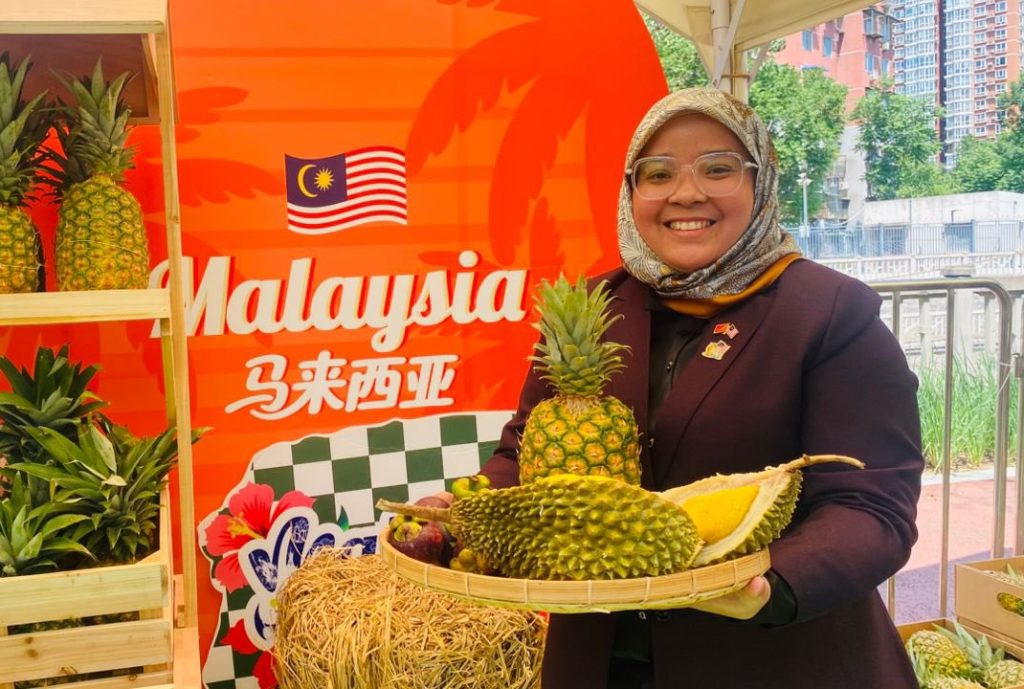
Malaysia Targets RM3 Million in Sales at Beijing’s Rasa Malaysia Festival

BEIJING: Malaysia is poised to record up to RM3 million in revenue from the ongoing Rasa Malaysia Festival in Beijing, as over 50 Malaysian businesses showcase culinary delicacies, tropical fruits, and artisanal crafts during the three-day event. The annual festival, held from 16 to 18 May in Majiapu Subdistrict, Fengtai District, is co-hosted by the Malaysian Chamber of Commerce and Industry in China (MAYCHAM), in collaboration with the Malaysian Embassy in China. Now in its third consecutive year, the event serves as a strategic platform for promoting Malaysian culture and products to Chinese consumers and business stakeholders. MAYCHAM Chairman Loh Wee Keng estimates that each exhibitor could generate between 20,000 and 30,000 yuan in daily revenue, with total projected sales ranging from three to five million yuan (approximately RM3 million) over the course of the festival. “This year’s turnout is highly promising, especially over the weekend. With strong footfall and over 50 booths, we are optimistic about surpassing the sales target,” Loh said at the festival grounds. Among the key attractions this year are Malaysia’s iconic durians, particularly the premium Musang King and Black Thorn varieties. These are complemented by a spread of local favourites including nasi lemak, roti canai, curry puffs, and teh tarik, as well as a variety of traditional desserts and lifestyle products such as batik footwear and durian-based snacks. Visitors are also treated to cultural performances, including the tarian joget and traditional Chinese lion dance, enhancing the festival’s role as a vibrant cultural exchange. Malaysian Ambassador to China, Datuk Norman Muhamad, who officiated the opening ceremony, emphasised the festival’s significance in deepening bilateral engagement. “In 2024 alone, Malaysia’s durian exports to China totalled 40.17 million yuan. Events such as these reflect our strengthening people-to-people ties and expanding trade cooperation,” he said. He further noted that China has remained Malaysia’s largest trading partner for 16 consecutive years and became the nation’s second-largest agri-commodity market in 2023, with exports reaching 38.06 billion yuan. Highlighting Malaysia’s fruit showcase, Embassy of Malaysia First Secretary (Agriculture) Siti Zurianah Ismail, revealed that the delegation brought over 150kg of tropical fruits – including 60kg of Black Thorn durians, 120kg of pineapples, and 80kg of mangosteens – not for commercial sale but for educational promotion. “Our goal is to inform and raise awareness among Chinese consumers about the unique attributes of Malaysian tropical fruits, especially in comparison to those from Thailand and Vietnam,” she explained. Embassy Counsellor Nurul Huda Ab Rahim added that the Malaysian Ladies Association has once again supported the initiative, engaging with visitors through live cooking demonstrations. “This year, curry puffs have been a standout favourite. We also introduced paru goreng, a rarity in China, alongside nasi lemak. The response has been overwhelmingly positive,” she said. The event is jointly organised by MAYCHAM, the Fengtai District Government, and the Majiapu Subdistrict Office, and is expected to draw over 10,000 visitors throughout the weekend. -Bernama

News, Property

Gamuda Land Invests RM248.7 Million in Strategic Selangor Expansion

KUALA LUMPUR: Gamuda Bhd, through its wholly-owned subsidiary Gamuda Land (T12) Sdn Bhd, has announced the acquisition of a 148.11-hectare parcel of land in Kuala Langat, Selangor, for RM248.7 million. According to a filing with Bursa Malaysia, the strategic land parcel lies directly south of the existing Gamuda Cove development and will be integrated as an extension of the flagship township. The newly acquired site carries an estimated gross development value (GDV) of RM2.2 billion. The group stated that the expansion aims to strengthen its township offering by delivering differentiated, branded homes tailored to market demands in the surrounding areas, particularly Dengkil and Rimbayu. “This land addition will further enhance connectivity to and from Gamuda Cove, catering to the growing population in adjacent townships,” the company said. Completion of the acquisition is targeted for the second quarter of 2026, subject to customary conditions and approvals. In a separate statement, Gamuda Land reaffirmed its continued commitment to sustainable development, stating that upcoming projects on the new site will incorporate biophilic design elements and sustainable construction techniques to reduce carbon impact and elevate community liveability. Gamuda Land, which has delivered over 60,000 homes to date, continues to build on its robust track record in township development. The company has outlined an ambitious five-year investment plan of RM10.5 billion (US$2.4 billion), encompassing a total GDV of RM26 billion (US$6 billion) across key growth markets in Malaysia, Vietnam, and the United Kingdom. -Bernama

News

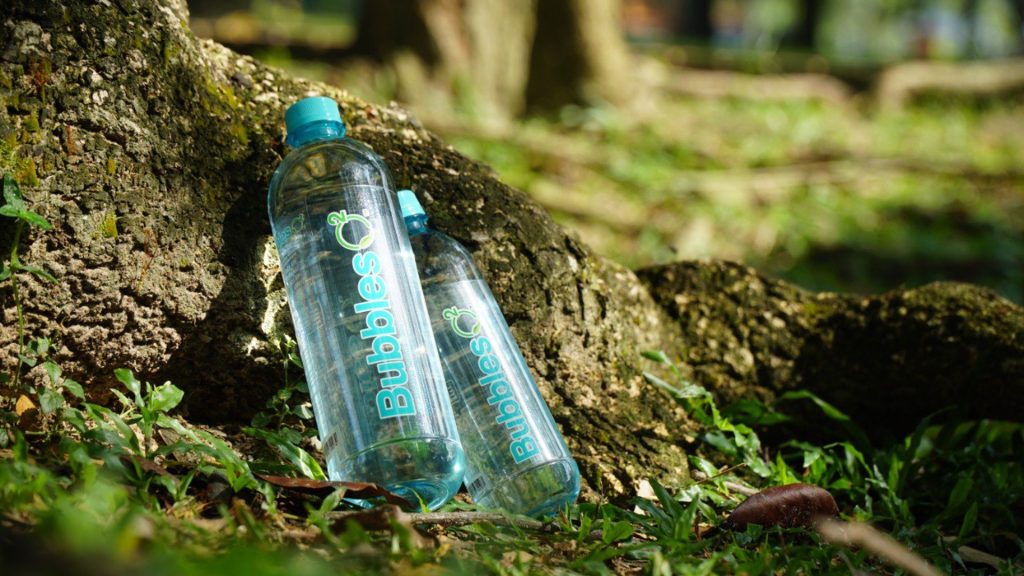
Bubbles O2 Eyes Global Growth with Halal-Certified Product Expansion

KUALA LUMPUR: Bubbles O2 Sdn Bhd, a Malaysian-based oxygenated mineral water company, has unveiled plans to expand into the Middle East and North Africa (MENA) as well as the ASEAN markets, targeting a growing demand for halal-certified lifestyle beverages. Managing Director Ain Azizah Arin announced the company’s regional and global expansion strategy during an interview on Bernama TV’s Bual Bisnes, highlighting untapped opportunities in markets increasingly open to halal imports. “We see immense potential in the MENA region, which is beginning to liberalise its halal import policies. This presents significant openings for Malaysian exporters like us,” she said. The company’s ASEAN focus will concentrate on neighbouring countries, where consumer demand for health-conscious products—such as oxygenated water—is steadily rising, driven by increased health awareness. Since 2024, Bubbles O2 has successfully entered the Brunei and Dubai markets, receiving strong consumer response. The company is optimistic that further regional expansion will reinforce its brand presence and contribute to positioning Malaysia as a key player in the global halal mineral beverage sector. To support its export ambitions, Bubbles O2 is bolstering both its production capacity and workforce. With backing from several investors, the company has ramped up operational efficiency—optimising production to 70% as of last year. “We previously operated a single production line at our plant in Rantau. Now, we have expanded to two lines, catering to 425ml and 800ml formats. This has significantly enhanced our operational capability,” Ain Azizah explained. Beyond operations, the company is also prioritising employment growth, particularly in the local communities of Rantau and Pedas in Negeri Sembilan, aiming to generate more job opportunities for youth and residents. In line with its commitment to product excellence and safety, Bubbles O2 adheres to rigorous quality certifications, including Hazard Analysis and Critical Control Points (HACCP), Good Manufacturing Practice (GMP), and the Food Safety Certification Scheme (MeSTI), ensuring compliance with both local and international standards. -Bernama

News

Datuk Muzaffar Hisham Appointed CEO of Bank Pembangunan Malaysia

KUALA LUMPUR: Bank Pembangunan Malaysia Berhad (BPMB) has announced the appointment of Datuk Muzaffar Hisham as its new Group Chief Executive Officer, effective immediately.   Datuk Muzaffar, a seasoned banker with over two decades of experience in the regional financial services sector, was previously Group CEO of Maybank Islamic Banking. His extensive career spans wholesale and retail banking, investment banking, treasury, asset management, and client coverage, where he has led transformative growth and regional expansion initiatives. Chairman of BPMB, Datuk Sulaiman Mohd Tahir, expressed confidence in Muzaffar’s leadership, stating: “We are pleased to welcome Datuk Muzaffar to BPMB. His proven leadership credentials and deep industry insight will be instrumental in advancing the bank’s strategic priorities. We are confident that under his stewardship, BPMB will continue to play a pivotal role in driving Malaysia’s national development agenda while delivering long-term value to our stakeholders.” In response to his appointment, Datuk Muzaffar commented: “It is an honour to join BPMB at such a critical time. I look forward to working closely with the board, management team, and stakeholders to strengthen the bank’s position as a leading development financial institution, supporting Malaysia’s socio-economic progress and sustainability ambitions. I am committed to leading our efforts in delivering impact capital for national development.” -Bernama

News

TEKUN Nasional Channels RM516 Million to 27,289 Entrepreneurs Under SPUMI Scheme

SHAH ALAM : Since the inception of the Indian Community Entrepreneur Financing Scheme (SPUMI) in 2008, TEKUN Nasional has disbursed RM516 million in financing to support 27,289 entrepreneurs across Malaysia, according to Deputy Minister of Entrepreneur and Cooperative Development, Datuk Seri R Ramanan. In the first four months of 2025 alone, RM16.4 million was channelled to 648 entrepreneurs through SPUMI, reflecting the government’s continued commitment to fostering entrepreneurship among the Indian community. “In January, I announced an additional allocation of RM100 million for the SPUMI and SPUMI Goes Big programmes – the highest allocation ever since SPUMI’s establishment,” said Datuk Seri Ramanan, highlighting the scheme’s growing impact. He further noted that, from its establishment in 1998 until April 2025, TEKUN Nasional has approved a total of RM10.3 billion in financing, benefiting over 600,000 entrepreneurs nationwide. As part of broader efforts to strengthen entrepreneurial capabilities, the Deputy Minister also introduced a new initiative – Empowering Indian Entrepreneurs (EIP). The programme is tailored specifically for TEKUN’s Indian entrepreneurs, offering foundational business management training and access to TEKUN’s various financing products. “The EIP aims to provide early exposure and basic entrepreneurial training while introducing participants to the full suite of TEKUN Nasional’s financing offerings,” he added, emphasising its relevance to small and micro entrepreneurs within the Indian community. -Berita Harian

News

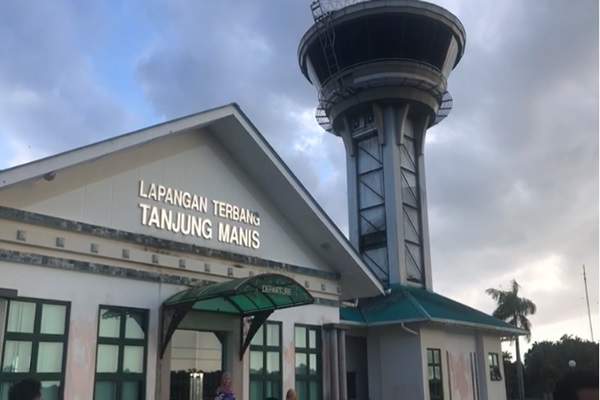
Tanjung Manis Airport Set for RM400 Million Upgrade to Support Regional Growth

SARIKEI: The Sarawak government has announced a substantial RM400 million investment to upgrade Tanjung Manis Airport, signalling a major infrastructure push to support economic expansion in the state’s central region. Premier Tan Sri Abang Johari Tun Openg, who launched the project in Tanjung Manis, confirmed that the first phase will see the construction of a new terminal building, a longer runway, upgraded air traffic control tower, and enhanced immigration, customs, and security facilities. “The objective is to enable larger aircraft to land, as the airport currently only supports Twin Otter light aircraft,” he said. The initial development phase, which is estimated at RM400 million, will extend the existing 1,200-metre runway to between 1,500 and 1,790 metres, making it suitable for ATR72 aircraft. This phase is projected to be completed within five years. A RM5 million feasibility study, spearheaded by the Sarawak Timber Development Corporation (STIDC), is currently underway to finalise the actual cost and design framework. Phase two will further extend the runway to 2,500 metres, accommodating narrow-body jets such as the Airbus A320, thereby positioning the airport as a key aviation hub for the central region. “This development aligns with Sarawak’s long-term strategy to enhance connectivity and stimulate economic activities, particularly in the Kapit, Sibu, Sarikei, and Mukah Divisions,” Abang Johari added. The Premier said the upgraded airport would serve as a catalyst for regional growth, unlocking new opportunities in eco-tourism, agriculture, logistics, and investment. It is also expected to generate employment and improve mobility for local communities. “The Sarawak government is committed to ensuring this development progresses in a balanced, sustainable manner, while respecting environmental considerations and community interests,” he said. The Tanjung Manis Airport upgrade is one of several key infrastructure initiatives being undertaken through the Rajang Delta Development Authority (Radda). These initiatives are aligned with the state’s Post-Covid-19 Development Strategy 2030 (PCDS 2030) and the broader Sarawak Prosperity Vision. Other completed infrastructure works include the newly inaugurated Batang Rajang Bridge and Pasi Road, which has significantly shortened the journey between Tanjung Manis and Sarikei from 122 kilometres to just 53 kilometres. In parallel, the government is progressing with the Tanjung Manis Village Expansion Scheme (SPK), a 6.92-hectare housing development comprising 69 semi-detached units, aimed at raising rural living standards through access to essential facilities. Originally opened in 2001 to support the Tanjung Manis Economic Growth Area (T-Mega), formerly known as the Tanjung Manis Halal Hub, the airport is currently operated by STIDC. The upcoming upgrade is set to transform it into a modern gateway, supporting a new era of economic vibrancy in Sarawak’s central corridor. -New Strait Times

ESG, News

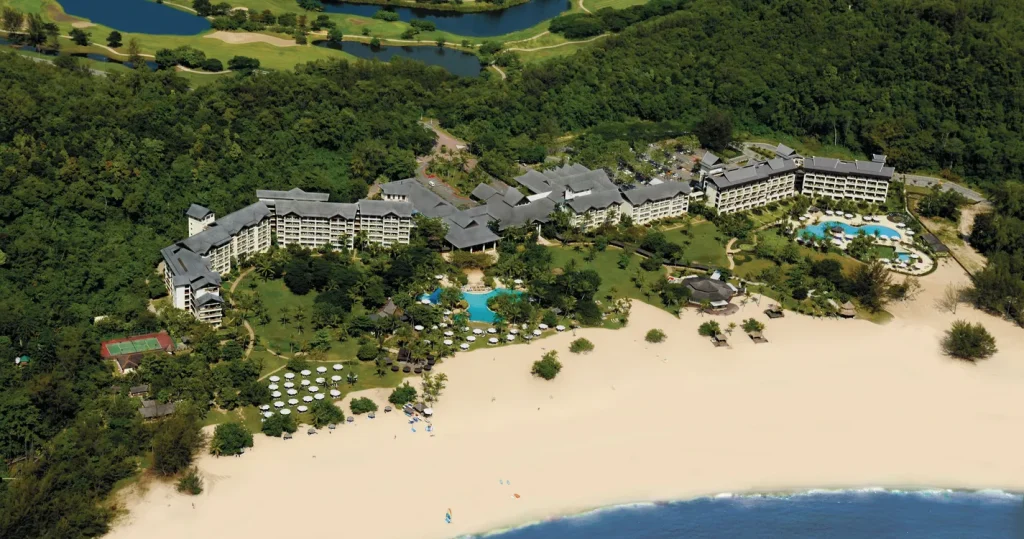
Shangri-La Rasa Ria Becomes First Malaysian Hotel to Attain ISO 20121 Sustainable Event Certification

KOTA KINABALU: Shangri-La Rasa Ria, Kota Kinabalu has made a significant leap in Malaysia’s hospitality industry by becoming the first hotel in the country to achieve ISO 20121 certification for sustainable event management. This prestigious recognition also marks a first within the Shangri-La Group globally. Speaking on the milestone, General Manager Fiona Hagan highlighted the resort’s unwavering commitment to delivering event experiences that are not only world-class but also environmentally and socially responsible. “Operating within a 460-acre site that includes 64 acres of protected forest reserve and an 18-hole golf course, our commitment goes far beyond surface-level adjustments. We are reimagining how we operate in every aspect,” she stated. ISO 20121 certification, a globally recognised standard for sustainable event management, addresses critical elements of environmental, social, and governance (ESG) principles. It extends beyond waste and carbon footprint reduction to embed sustainability across operational and community engagement strategies. Key initiatives underpinning this achievement include a longstanding collaboration with PACOS Trust, a local community-based organisation supporting indigenous communities across Sabah. The resort has also actively integrated local suppliers and artisans into its supply chain, strengthening regional economic ecosystems. Shangri-La Rasa Ria’s journey towards sustainability is not a recent undertaking. Since 2012, the resort has implemented comprehensive environmental measures, such as reducing glass bottle usage and eliminating single-use plastics. These efforts have previously earned it ISO 14001:2015 for environmental management and ISO 22000:2018 for food safety. In addition to ISO certifications, the resort has garnered industry accolades including the Green Hotel Certificate by Malaysia’s Ministry of Tourism, Arts and Culture (2023), the Gold Award for Best Sustainability Initiative (International Category) at the M&C Asia Stella Awards (2020), and the ASEAN Green Hotel Standard for the 2024–2026 cycle. The ISO 20121 certification process involved rigorous self-assessment, setting of measurable performance indicators, ongoing compliance with legal obligations, and transparent reporting procedures. As Malaysia prepares to welcome the world for Visit Malaysia Year 2026, Shangri-La Rasa Ria continues to position itself as a leader in sustainable hospitality, setting a new benchmark for eco-conscious event management in the region. -Awani

Energy & Technology, News

Nvidia to Establish R&D Centre in Shanghai Amid Export Challenges

US semiconductor giant Nvidia Corporation is reportedly moving ahead with plans to establish a research and development (R&D) centre in Shanghai, according to the Financial Times, as the company adapts to increasingly restrictive export controls imposed by Washington. The proposed R&D hub aims to support Nvidia’s efforts in navigating the growing complexities of the Chinese market, particularly in light of escalating US regulations that prevent the company from selling some of its most advanced artificial intelligence (AI) chips to China. These restrictions have opened the door for domestic competitors, most notably Huawei Technologies Co, to capture greater market share. Nvidia CEO Jensen Huang is said to have discussed the initiative with Shanghai’s mayor during a visit to the city last month, sources familiar with the matter told the Financial Times. The Shanghai-based facility would focus on “researching the specific demands of Chinese customers and the complex technical requirements needed to satisfy Washington’s curbs.” Core chip design and production activities would remain outside China to comply with US regulations concerning intellectual property and technology transfers. Nvidia and Shanghai authorities have not issued official comments in response to media queries. Huang also visited Beijing last month, where he met Chinese Vice Premier He Lifeng. According to state-run news agency Xinhua, Huang expressed optimism about China’s economic prospects and signalled Nvidia’s intent to deepen its engagement with the Chinese market. He reaffirmed the company’s willingness to play a constructive role in facilitating trade ties between the United States and China. This strategic move comes at a time of broader economic uncertainty in China. Domestic consumer confidence remains fragile, and a protracted crisis in the property sector continues to weigh heavily on overall economic growth. In response, Chinese President Xi Jinping has reiterated calls for technological self-reliance, emphasising the need to strengthen basic research and accelerate breakthroughs in critical technologies, including semiconductors and AI. The Biden administration has in recent years tightened export controls on high-end chip technologies to China, citing concerns that they could be used to bolster Beijing’s military capabilities and undermine the US’s leadership in AI. As geopolitical tensions persist and market conditions evolve, Nvidia’s decision to enhance its R&D footprint in Shanghai reflects a pragmatic approach to maintaining relevance and competitiveness in a market that remains central to the global tech landscape. -Taipei Times

Scroll to Top

Subscribe
FREE Newsletter