News

Investment & Market Trends, News

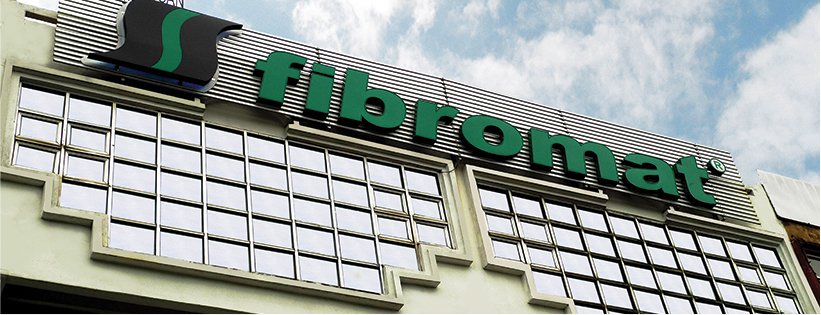
Fibromat Drops 16% on ACE Market Debut Despite RM31.4m IPO Raise

KUALA LUMPUR: Shares of Fibromat (M) Bhd (KL:FIBRO) slipped 16% in early trading on its first day on Bursa Malaysia’s ACE Market, following its transfer from the LEAP Market, as broader market weakness and cautious investor sentiment continued to weigh on debut listings. The geotechnical services specialist saw its shares open at 46 sen, below the initial public offering (IPO) price of 55 sen per share. The stock touched an intraday low of 41 sen before stabilising, trading at 46.5 sen as at 9.15am, with over 11 million shares changing hands. At the prevailing price, Fibromat’s market capitalisation stood at approximately RM115 million. Fibromat becomes the latest in a string of subdued ACE Market debuts. Since March, all eight new listings on the exchange have closed below their respective IPO prices on their first trading day, reflecting investor caution amid challenging market conditions. Investor appetite for Fibromat’s IPO appeared restrained, with applications only marginally covering the shares on offer. Despite the lacklustre demand, the exercise raised RM31.4 million in total proceeds. Of this, RM17.8 million was channelled to the company, while RM13.6 million was raised via a secondary offering by Managing Director Ng Kian Boon, who pared down his personal stake. Fibromat remains a family-run enterprise, with Ng’s sons, Ng Chun Hou and Ng Chun Yew, holding key positions as Executive Director and Senior Operations Manager, respectively. The company previously raised funds through its LEAP Market listing in May 2019, which have since been fully utilised. Proceeds from the current IPO are earmarked for the acquisition of new machinery — including stitching machines and dust collectors — the establishment of an in-house prefabricated vertical drain installation team, and the purchase of five hydraulic excavators. Additional funds will be allocated for working capital requirements and listing-related expenses. M&A Securities Sdn Bhd acted as the principal adviser, sponsor, underwriter, and placement agent for the IPO. –The Edge Malaysia

News

Melexis to Expand Kuching Facility and Hire Local Talents Over Next Growth Phase

Belgian semiconductor company Melexis (Malaysia) Sdn Bhd is set to expand its operations in Kuching, with plans to hire more local talent over the next three to five years. The company, which specialises in integrated circuit (IC) design and testing, aims to recruit young Sarawakians with expertise in electronics and software engineering. In an interview with The Borneo Post, Marc Biron, CEO of Melexis, stated that the company’s growth strategy includes building strong connections with local universities and institutions. The goal is to create a long-term talent pipeline while fostering partnerships that benefit both the company and the community. “We are not just looking to hire people but to establish relationships with universities, students, and academicians. Kuching presents a promising talent pool,” Biron remarked. To support this initiative, Melexis collaborates with Swinburne University of Technology Sarawak, Universiti Malaysia Sarawak (Unimas), and strategic partners such as SMD Semiconductor and Centre for Technology Excellence Sarawak (Centexs). These partnerships aim to bridge the skills gap by involving Melexis experts in supplementary lessons for students, equipping graduates with the competencies required for the semiconductor industry. Melexis, which previously operated from a small area within the XFAB facility, has relocated to a four-storey building in the Samajaya Free Industrial Zone. Currently utilising three-quarters of the space, the company plans to expand its operations further, with the potential to build a second facility after 2026. The company currently employs over 70 staff members at its Kuching site, focusing on wafer testing and innovation in R&D. As Melexis develops new automotive-grade IC products, it anticipates hiring 50 additional employees, including engineers, technicians, and operators, in the next growth phase. Founded 35 years ago by Roland Duchatelet, Françoise Chombar, and Rudi De Winter, Melexis has grown into a key player in the automotive electronics sector. The company’s chips are now integrated into major car brands worldwide. Reflecting on the journey, Biron said, “Thirty-five years ago, cars had no electronics. Today, our innovations reach nearly every continent. This progress is something Sarawakians can take pride in.” Strategic Positioning in a Changing World Biron also highlighted Malaysia’s geopolitical stability as an advantage for the company’s operations. He noted that the country’s neutral stance amid global uncertainties makes it an ideal location for business growth. “I believe Malaysia’s constructive relationships with major global powers provide an advantageous position for business operations,” Biron stated. As Melexis continues to expand, its commitment to fostering local talent and advancing automotive technology in Kuching remains at the core of its strategy. –The Borneo Post

News

LG Electronics invests US$600 million in new home appliance factory in India

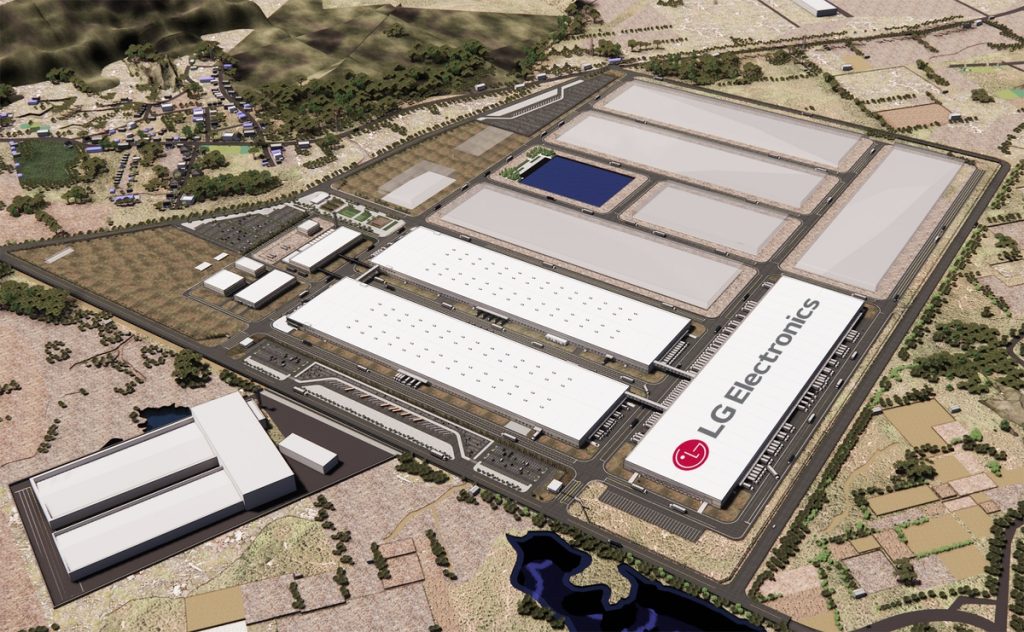
SEOUL: LG Electronics has announced plans to build a new home appliance factory in India, marking a significant investment in the fast-growing South Asian market. The company will break ground on the facility in Sri City, Andhra Pradesh, with local officials and company executives in attendance. Scheduled to commence production by the end of 2026, the new plant will be built at a cost of US$600 million. Once completed, it will have the capacity to produce 800,000 refrigerators, 850,000 washing machines, 1.5 million air conditioners, and 2 million air conditioner compressors annually. This will be LG Electronics’ third manufacturing facility in India, following its existing plants in Noida, Uttar Pradesh, and Pune, Maharashtra. The new plant in Sri City is poised to become a regional manufacturing hub, serving India and neighbouring markets such as the Middle East and Bangladesh. The expansion is part of LG’s strategy to strengthen its local supply chain and bolster its leadership in India’s growing consumer durables market. Lyu Jae-cheol, President of LG Electronics’ Home Appliance Division, emphasised the significance of the project, stating, “The construction of the Sri City plant is a milestone that signifies LG Electronics’ commitment to becoming a true national brand in India. With innovative products produced through a stronger local supply chain, we will further solidify our position as India’s top home appliance brand.” The new facility reflects LG Electronics’ ongoing commitment to India, as it continues to invest in local manufacturing to meet rising consumer demand and strengthen its market presence. –Yonhap

News

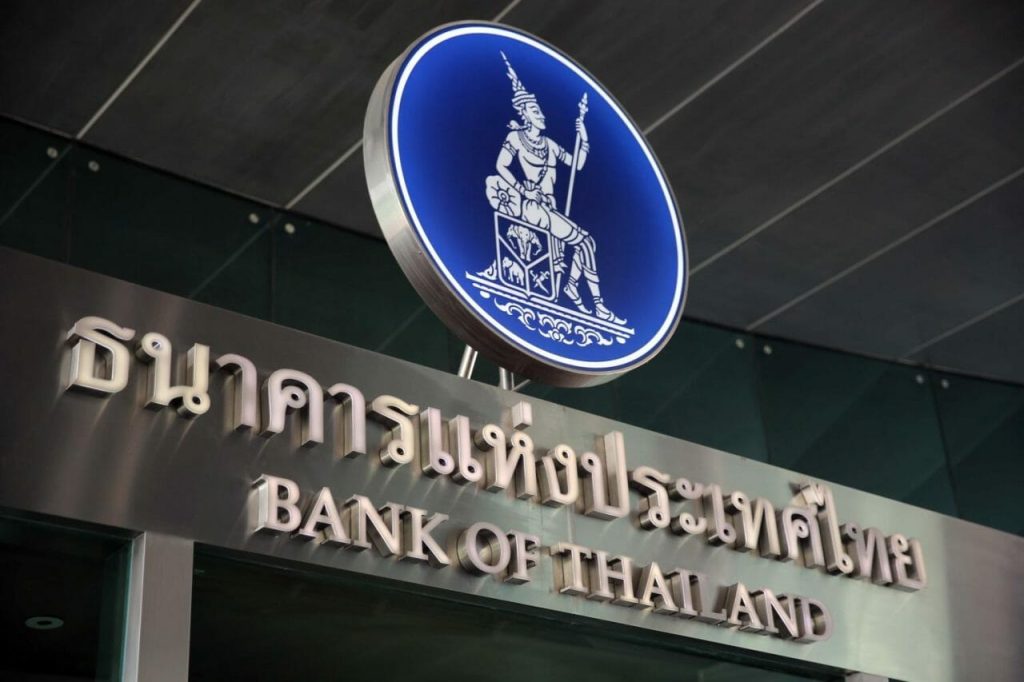
Bank of Thailand Expected to Cut Interest Rates Twice More This Year

The Bank of Thailand is expected to cut interest rates at least twice more this year, supported by low inflation and the need to address the economic fallout from the global trade war, according to market analysts. The next rate reduction is anticipated in the third quarter. The latest data from the Commerce Ministry showed that Thailand’s consumer price index (CPI) fell by 0.22% in April, marking the first contraction in 13 months. Analysts from KGI Securities (Thailand) had projected a smaller decline of 0.1%. Burin Adulwattana, Managing Director and Chief Economist at Kasikorn Research Center (K-Research), forecasted that the central bank will cut the interest rate “at least one more time” this year, following a recent 25 basis point (bps) reduction. Last month, the Bank of Thailand lowered its key interest rate by 25 bps for the second consecutive meeting, bringing it to 1.75%—the lowest level in two years. Economic pressures, including the impact of US tariffs on Thai exports and a slowdown in tourism, are driving the central bank’s stance on monetary easing. “The US tariffs would significantly impact Thai exports as tourism has begun to slow down,” said Mr Burin. K-Research predicts that despite a temporary 90-day halt on tariffs announced by US President Donald Trump, Thai exports are set to decline in the second half of the year. The research unit also highlighted a possible contraction in outbound shipments due to potential US tariff hikes. Krungsri Securities (KSS) has projected at least two more rate cuts this year, citing low inflation and economic risks from trade tariffs. The brokerage emphasised that the current conditions do not indicate deflation, but lower inflation is expected as imported goods from the US could enter the Thai market, driven by reciprocal tariffs. Maybank, based in Kuala Lumpur, has revised its inflation outlook for Thailand in 2025 to 0.5% for headline inflation and 0.8% for core inflation, down from previous estimates of 1%. The bank also adjusted forecasts for 2026 to 0.8% and 1%, respectively, due to external shocks and subdued domestic demand. “First-quarter GDP growth is expected to reach 2.7%, with the central bank likely to pause rate changes in June while assessing the economic effects of US tariffs. A further rate cut of 25 bps is expected in the third quarter,” noted Maybank. As Thailand navigates external pressures and domestic economic challenges, analysts widely anticipate the Bank of Thailand to continue prioritising rate cuts to support growth and stabilise inflation. –Bangkok Post

Energy & Technology, News

Foxtron and Mitsubishi Motors to Develop Electric Vehicle for Oceania Market

Foxtron, an automaker partially owned by Taiwan’s Hon Hai Technology Group (Foxconn), has announced a strategic collaboration with Mitsubishi Motors to develop an electric vehicle (EV) for the Australian and New Zealand markets. The partnership was confirmed on Wednesday, marking a significant step in Foxconn’s ambitions to enter the EV sector. Hon Hai, best known as the manufacturer of Apple’s iPhone, is among several technology firms diversifying into the electric vehicle industry by leveraging their expertise in electronics and automotive supply chains. Foxtron, a joint venture between Hon Hai and Taiwan’s Yulon Motor Co., aims to produce the new EV at Yulon’s facilities. The vehicle is expected to debut in Oceania in the second half of 2026. The companies did not disclose financial details, noting that the memorandum of understanding will be followed by further discussions. Foxtron’s involvement in EV production aligns with Mitsubishi’s strategic goal to transition its entire lineup to EVs or hybrids by 2035, as Japanese automakers respond to competition from Chinese rivals. Earlier speculation suggested that Hon Hai might pursue a partnership with Nissan following unsuccessful merger talks between Nissan and Honda. However, the latest agreement focuses on the collaboration with Mitsubishi, reinforcing both companies’ commitment to expanding their EV portfolios. At the Consumer Electronics Show in Las Vegas earlier this year, Foxtron showcased its Model B EV hatchback, alongside its range of automotive electronics. The company’s current lineup features 11 vehicle models, including the Model T bus, Model V pickup truck, Model N van, and the Model E luxury sedan. As Foxtron and Mitsubishi continue to develop their partnership, the planned EV for Oceania reflects both firms’ ambitions to capitalise on the growing demand for sustainable transport solutions. –Japan Today

News

Grab Plans USD 7 Billion Acquisition of GoTo as Strategic Move in Southeast Asia

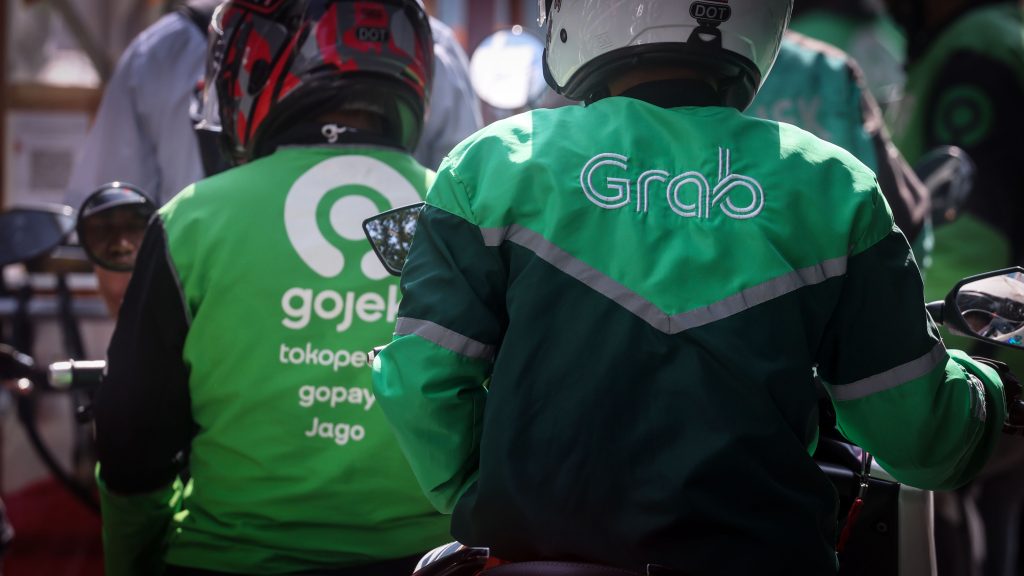
U.S.-listed ride-hailing and food delivery giant Grab is reportedly working towards acquiring Indonesian rival GoTo, with the deal expected to materialise in the second quarter, according to sources familiar with the matter. Singapore-based Grab has engaged advisors to facilitate the proposed acquisition, which remains contingent on financing arrangements currently being discussed with banks. Although neither Grab nor GoTo has officially commented on the potential merger, sources estimate the transaction could value GoTo’s businesses at around USD 7 billion. GoTo’s shares, listed on the Jakarta Stock Exchange, have risen by 20% year-to-date, bringing its market value to approximately USD 5.8 billion, according to LSEG data. In contrast, Grab’s shares on Nasdaq have gained 2.4% this year, pushing its market capitalisation to nearly USD 20 billion. As part of the proposed deal, GoTo would divest its international unit in Singapore to Grab, while its Indonesian operations—excluding its finance arm—would also be transferred. Industry analysts suggest that Indonesian regulators may take a pragmatic stance on the merger, given the potential long-term economic benefits of consolidating existing players. However, the acquisition may face heightened antitrust scrutiny, particularly against the backdrop of increasing global economic challenges and protectionist measures, such as U.S. tariffs. Recent developments, including Uber’s failed USD 950 million bid for Delivery Hero’s Foodpanda in Taiwan due to anti-competitive concerns, illustrate the regulatory hurdles Grab might encounter. Niko Margaronis, an analyst at Indonesian brokerage BRI Danareksa Sekuritas, noted that regulators would likely weigh the potential for strengthened market players against competition concerns. As the region navigates economic uncertainty, the strategic acquisition could position Grab to further solidify its presence in Southeast Asia’s ride-hailing and food delivery markets. –Reuters

News, Property

Pavilion REIT Unitholders Approve RM480 Million Hospitality Acquisition

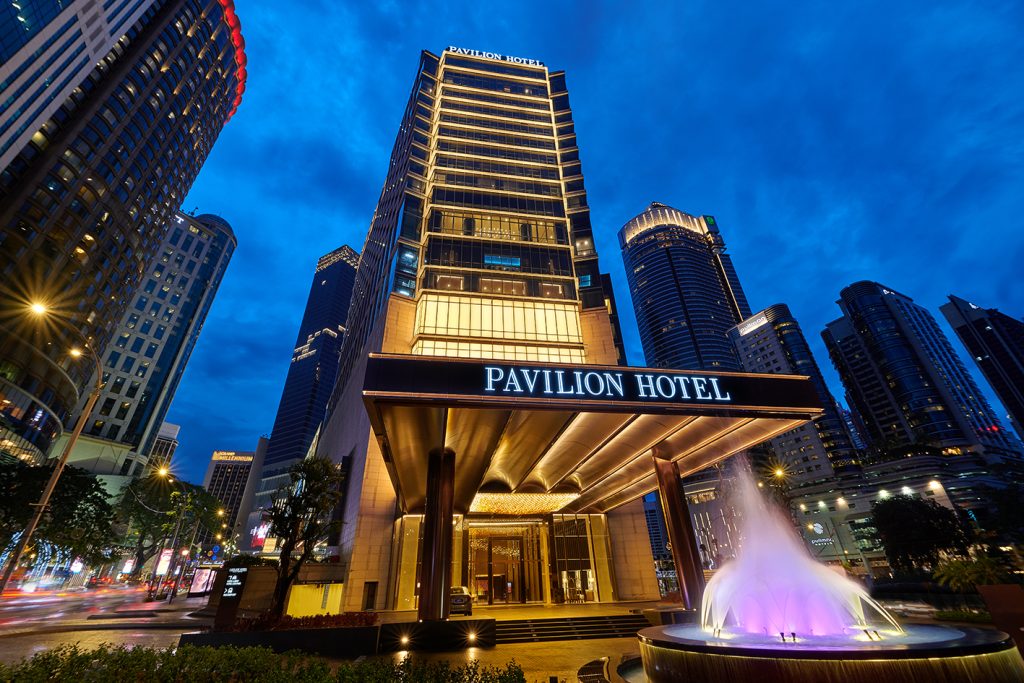
Kuala Lumpur : Pavilion Real Estate Investment Trust (Pavilion REIT) has received unitholder approval to acquire two landmark hospitality assets, Banyan Tree Kuala Lumpur (BTKL) and Pavilion Hotel Kuala Lumpur (PHKL), in a RM480 million yield accretive transaction that strengthens the REIT’s long-term performance and reinforces its presence within Bukit Bintang. The resolutions, passed earlier today at a unitholders’ meeting, enable MTrustee Berhad, acting on behalf of Pavilion REIT, to proceed with the acquisitions from Lumayan Indah Sdn Bhd and Harmoni Perkasa Sdn Bhd. Dato’ Philip Ho, Chief Executive Officer of Pavilion REIT Management Sdn Bhd, said, “We are pleased with the strong support from our unitholders. These hotels are highly synergistic with Pavilion Kuala Lumpur Mall and Elite Pavilion Mall, allowing for an elevated visitor and hotel guest experience.” Ho added that Pavilion REIT remains focused on owning and managing high-performing retail-led assets, especially super-regional and integrated developments, and this acquisition presents a value-aligned opportunity within the REIT’s existing footprint in Bukit Bintang, contributing to the overall vibrancy of the area while enhancing the REIT’s income resilience and growth prospects. The two properties are 5-star hotels operated and managed by Banyan Tree Hotels & Resorts Pte Ltd, and have consistently achieved average occupancy rates of 82.1% (BTKL) and 81.5% (PHKL) for the financial year ended 31 December 2024. BTKL, housed within a 59-storey integrated building, offers 55 well-appointed rooms, the award-winning Banyan Tree Spa and a rooftop bar. PHKL, which sits atop Pavilion Kuala Lumpur Mall, comprises 325 well-appointed rooms with comprehensive meeting and event facilities. The acquisition will be funded through a combination of debt and or equity, including the issuance of up to 172.4 million new units to the vendors and or their nominees and a private placement of up to 386.0 million new units to raise between RM264 million and RM552 million. Under the transaction structure, the hotels will be lease to Harmoni Perkasa Sdn Bhd, for an initial 10-year term with renewal options of up to 20 years. The lease guarantees a fixed annual rental of RM33.5 million for the first five years, reflecting a gross yield of approximately 7.0%. Rental escalations and variable components linked to the hotels’ performance offer further upside potential. This structure offers both predictability and upside, with a variable component linked to the hotels’ performance over time. Post-acquisition, the hotels will comprise approximately 5.5% of Pavilion REIT’s enlarged total asset under management, while Pavilion Kuala Lumpur Mall’s share of the portfolio will decrease from 61.8% to 58.5%. Ho noted that Malaysia’s economy is well-positioned to navigate ongoing global trade concerns, supported by its growing role in regional supply chain diversification, a robust recovery in tourism and resilient domestic consumption. Malaysia’s tourism sector is currently on a strong trajectory, with 2024 already surpassing pre-covid figures. Recent forecasts indicate international tourist arrivals are expected to reach 34.1 million in 2025 and 35.6 million in 2026, driven by the Visit Malaysia 2026 campaign, enhanced visa-free access from China and India and increasing air connectivity from key source markets. While the acquisition enhances Pavilion REIT’s presence in Bukit Bintang, the REIT continues to benefit from the performance of its existing assets across the Klang Valley, notably Pavilion Bukit Jalil. “Pavilion Bukit Jalil continues to be a key growth driver for the REIT. Its performance has been supported by rising occupancy levels, positive rental reversions and a vibrant, expanding tenant mix. We are also encouraged by the rapid growth of Bukit Jalil’s catchment area, which is attracting a rising residential and working population, further reinforcing the mall’s long-term upside potential,” he said.

Energy & Technology, News

Hyundai Motor Group Delivers Enhanced In-Car Experience Through Equinix Data Centers Globally

HONG KONG : Hyundai Motor Group (the Group) is deploying its dedicated private cloud platform, HCloud, within Equinix data centers globally to enhance customer experience and improve service quality for its more than 10 million connected car service subscribers. HCloud is the Group’s proprietary cloud platform that was developed in response to the growing demand for real-time data processing, seamless connectivity and scalable infrastructure, driven by rapid advancements in connected and autonomous vehicles. The Group is leveraging Equinix International Business Exchange™ (IBX®) data centers across Asia, the United States and Europe, as well as Equinix Fabric®, to interconnect HCloud to multiple public cloud providers, including Amazon Web Services (AWS). This hybrid multicloud architecture accelerates the global rollout of connected car services while ensuring reliable connectivity, consistent service coverage and reduced latency. Hyundai Motor Group is a global enterprise that comprises the mobility brands—Hyundai Motor, Kia and Genesis. The Group’s CCS provides in-car infotainment and mobile applications via wireless networks. Since its launch in 2003, the Group has acquired over 10 million global CCS subscribers as of 2023 and is aiming to reach 20 million by 2026. To continue the growth, it is making significant investments in the development and expansion of HCloud to deliver enhanced in-car services, including a personalized driving experience. As 95% of new vehicles are expected to be connected by 2030, 1 the Group recognized the need for distributed data processing and proximity to cloud and network ecosystems to ensure an excellent user experience. This led to the deployment of the HCloud in Equinix IBX data centers in Seoul, Los Angeles and Frankfurt, strategically selected for their global reach, carrier density and high operational standards backed by service-level agreements (SLAs). Equinix’s proximity to major cloud and network providers will enable the Group to connect with key partners, while supporting robust performance and scalability. Through its deployment at Equinix, the Group has enhanced app responsiveness and improved the quality of its remote services. The collaboration supports the company’s transition to software-defined vehicles (SDVs) and lays the foundation for smarter, safer and more connected mobility solutions. “By leveraging Equinix’s global data centers, we are providing high-quality connected car service and improving user experience through reduced latency, stable global connectivity and enhanced scalability of our HCloud platform. The partnership with Equinix is taking us a step closer to becoming the global leader in connected car services. We look forward to continuing this journey with Equinix to sustain the momentum of our growing connected car ecosystem worldwide.” – Youngjoo Han, Vice President and Head of IT Infra Center, Hyundai Motor Group “The future of the automotive industry lies in connected cars. Through a hybrid multicloud infrastructure, auto manufacturers can take advantage of cloud services while maintaining the flexibility to choose between secure, dedicated colocation infrastructure and highly scalable cloud services for each workload they support. Equinix with its global footprint, offers not only the necessary infrastructure but also an interconnected digital ecosystem and network-dense infrastructure. This can enable Korean companies, including Hyundai Motor, to accelerate their digital transformation and optimize the customer experience.” – Chris Jang, Managing Director, Equinix Korea

News

MICCI Backs MITI’s Appointment As Sole Issuer Of NPCO For US-bound Exports

KUALA LUMPUR: The Malaysian International Chamber of Commerce and Industry (MICCI) has expressed its full support for the government’s decision to appoint the Ministry of Investment, Trade and Industry (MITI) as the sole issuer of non-preferential certificates of origin (NPCO) for exports to the United States, effective 6 May 2025. Previously, NPCOs for the US were issued by business councils, chambers, or associations appointed by MITI. MICCI Supports National Economic Priorities MICCI President Christina Tee said the chamber is willing to forgo part of its revenue from issuing NPCOs to support the country’s broader economic goals. “As MICCI, we are willing to let go of that revenue and support MITI in issuing the NPCOs so that the nation can come out strong during this time,” she said during a media luncheon celebrating MICCI’s 188-year legacy. The luncheon also saw the attendance of: Renuka Indrarajah, MICCI Vice-President Lee Ting Kiat, Southern Region Chairman Datuk Brian Tan, Northern Branch Chairman Tee noted that while NPCOs represent a source of income for MICCI, only about 15% of the chamber’s certifications are for US-bound exports. “We cannot have it both ways. If we want the nation to succeed, we must make sacrifices,” she added. Tee highlighted MICCI’s stringent issuance policy, explaining that certificates are only issued to members subject to annual reviews. “If the members are not genuinely manufacturing here, we will not issue the certificate. MICCI has always maintained transparency and strict adherence to guidelines,” she said. Tee expressed confidence in MITI’s ability to manage the transition, noting the ministry’s past experience in issuing certificates for countries like India and Türkiye, which imposed import tax constraints. “Now, with the US imposing import taxes, MITI has once again been called to the task. The concern now is whether the system can handle the significantly high workload,” she said. She explained that for sea shipments, there’s typically a two-week buffer between loading and arrival, allowing time for the certificate to be issued and emailed, helping to avoid delays. “MITI deserves our full support and the necessary time to manage this transition,” she emphasised. On May 5, MITI released a statement announcing its new role as the sole issuer of NPCOs for US-bound exports, effective May 6, 2025. The ministry also warned that any attempt to circumvent tariffs—including submitting false or misleading declarations of value or origin—will be treated as a serious offence. MICCI traces its roots back to 1837 with the formation of the Penang Chamber of Commerce and Agriculture. It later merged with other chambers such as the Perak Chamber of Commerce and the Selangor Chamber of Commerce, officially becoming MICCI in 1974.

News

Zakat Micro Financing Boosts Asnaf Income by 36%

The Alliance Islamic Bank Zakat Microfinancing Programme (AZAM) continues to drive meaningful impact by empowering asnaf micro-entrepreneurs through inclusive financial solutions aimed at fostering long-term economic independence. Early outcomes of the programme indicate steady progress, with participants reporting an average 36% increase in business revenue within just one year of joining AZAM—underscoring the programme’s effectiveness in helping underserved communities build stronger financial foundations.  These outcomes are captured in the ‘AZAM Programme Evaluation’, an independent study by Satu Creative, an entrepreneur support organisation committed to empowering early-stage tech startups and impact-driven businesses. The report evaluated the first cohort of 36 asnaf entrepreneurs and highlights AZAM’s growing role in advancing financial resilience and promoting sustainable livelihoods among Malaysia’s underserved communities. Among the key insights from the study: Over 90% reported a positive shift in their lives since joining the programme, citing improvements in healthcare, education and quality time with family Participants successfully increased their total business revenue, from an average of RM2,151 to RM2,924 AZAM stands as Malaysia’s first Islamic social finance initiative that redefines zakat as a strategic tool for economic upliftment. By adopting a sustainable revolving fund model and offering interest-free microfinancing under the Qard concept, AZAM empowers asnaf entrepreneurs to build and grow their businesses. Repayments made by participants are reinvested into the fund, enabling continuous support for new recipients and expanding the programme’s impact across more communities.  This innovative model not only preserves the value of zakat, but also cultivates the culture of shared responsibility, dignity and resilience among recipients. Rooted in the principles of Value-Based Intermediation (VBI) and Maqasid Shariah, AZAM is designed to promote socio-economic development. This programme empowers underserved communities to grow sustainably and with purpose. To ensure effectiveness, AIS works in partnership with Lembaga Zakat Selangor (LZS) to identify and verify eligible asnaf recipients. Amanah Ikhtiar Malaysia (AIM) plays a critical role in the disbursement and collection of funds, while also delivering training and guidance to equip entrepreneurs with the tools to succeed.  Rizal IL-Ehzan Fadil Azim, Chief Executive Officer of Alliance Islamic Bank Berhad, said, “The success of AZAM lies not just in the numbers, but in the real-life impact on families and communities. It’s about enabling livelihoods, restoring dignity, and laying the foundation for a more inclusive economy.” AIS is committed to expanding the AZAM Programme nationwide, with ongoing discussions involving various State Religious Councils and Zakat Authorities following the initiative’s success in Selangor. In parallel,  AIS aims to deepen community engagement by incorporating wakalah-based zakat contributions into the programme. Individuals and institutional contributors who channel their zakat through Lembaga Zakat Selangor (LZS) may opt for zakat wakalah, with funds directly allocated to support AZAM’s revolving financial fund. This initiative will expand access to financing for asnaf entrepreneurs, enabling greater financial inclusion and economic participation. AIS also welcomes collaboration with private sector partners,  government- bodies, and NGOs to support initiatives that drive economic empowerment and deliver positive social, environmental, and economic outcomes- aligned with our mission of “Building Alliances to Improve Lives.” To those interested to know more about AZAM, please visit: www.alliancebank.com.my/Islamic/Business/Financing/zakat-microfinancing  

Scroll to Top

Subscribe
FREE Newsletter