News

News

China, Japan, South Korea Meet in Kuala Lumpur. Likely to discuss US Tariffs, Countermeasures

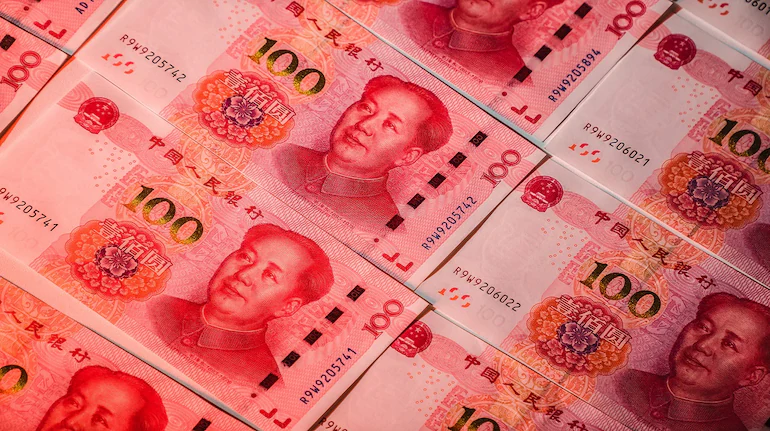
KUALA LUMPUR: China, Japan and South Korea, which have signalled alliances since the announcement of sweeping US tariffs, held their second trilateral meeting in just eight days after their first engagement this year, reflecting the urgency as Washington’s move has caused ripple effects globally. The meeting between the three economic powerhouses on March 30 came under the spotlight after the US President announced a baseline tariff of 10 per cent on all countries, with higher duties for some, including China, which now faces a 34 per cent tariff on imports, and Japan, hit with a 24 per cent duty. As for South Korea, it is bidding to lower the 25 per cent tariff rate. It is understood the meeting raised concerns over global and their respective economic outlooks, as tariff policies such as this hurt trade, business and consumer confidence, and ultimately strain diplomatic ties. Global markets took a route on Monday, reportedly wiping out more than US$10 Trillion from major markets. The Malaysian bourse reportedly lost RM93.15 Billion in market capitalisation. The trilateral meeting, held on the sidelines of the 12th ASEAN Finance Ministers’ and Central Bank Governors’ Meeting (AFMGM), saw the attendance of China Vice Minister of Finance, Liao Min; Japan’s Vice Minister of Finance, Atsushi Mimura; and South Korea’s Deputy Minister for International Affairs, Ministry of Economy and Finance, Choi Jiyoung. The three leaders are also likely to attend two  sessions of the ASEAN +3 Finance and Central Bank Deputies Meeting (AFCDM+3) today. This latest US move is expected to raise the total duties on Chinese goods to %$ per cent this year, while for South Korea, the Trump administration’s global reciprocal tariffs chart shows a 25 per cent rate. In response, China has fired back with retaliatory tariffs of 34 per cent on all US imports, effective April 10, according to international media reports. The +3 economies had previously convened in late March and hinted at a joint response to the escalating tariff tensions. The meeting marked the first economic dialogue in five years among the three Asian export powerhouses, who are seeking to bolster regional trade amid mounting US protectionism. At the March 30 meeting in Seoul, China, Japan and South Korea reaffirmed their commitment to trilateral economic and trade cooperation to tackle “emerging challenges”— a partnership now seen as increasingly vital in light of the US measures that have sparked fears of a global trade war. The three nations also agreed to accelerate negotiations on a trilateral free trade agreement, though concrete progress remains elusive. — BERNAMA

News

Trump Threatens Additional 50% Tariffs on China

WASHINGTON: US President Donald Trump has issued a fresh warning to Beijing, threatening to impose an additional 50% tariff on Chinese imports unless China retracts its planned retaliatory measures. This move, announced via his Truth Social account on Monday, comes on top of a 34% tariff already set to take effect on April 9, potentially pushing total additional tariffs on Chinese goods this year to a staggering 104%, according to the White House. “If China does not withdraw its 34% increase above their already long-term trading abuses by tomorrow, April 8, the US will impose ADDITIONAL Tariffs on China of 50%, effective April 9,” Trump stated. The tariff escalation is part of Trump’s broader agenda to impose “reciprocal” tariffs on countries with significant trade surpluses with the US. The 34% hike announced last week already triggered a matching countermeasure from Beijing, set to take effect on April 10, along with additional export controls on rare earth elements. Since returning to office, Trump has also levied 20% duties on Chinese imports in response to China’s alleged involvement in the fentanyl supply chain. The White House confirmed that these new tariffs would compound earlier duties imposed during Trump’s first term, most of which were maintained by President Joe Biden, with additions in specific sectors. In his post, Trump accused China of “non-monetary tariffs” and “illegal subsidisation” of its companies. He further announced that all discussions with China would be suspended, although the US would proceed with negotiations with other nations that have requested trade talks.–AFP

News

HHRG Suspends CEO Pending Outcome of Internal Investigation

PETALING JAYA: HHRG Bhd has announced the immediate suspension of its Chief Executive Officer, Fong Chee Khuen, for a two-week period starting 7 April, pending the outcome of an internal investigation. In a filing with Bursa Malaysia today, the company stated that the suspension is a precautionary measure to enable an independent and thorough review into allegations of misconduct, which are believed to be in breach of the company’s internal policies and/or the implied terms of Fong’s employment contract. HHRG clarified that the suspension will not affect the group’s financial standing or daily operations. “During the period of Fong’s suspension, Executive Deputy Chairman Ammar Shaikh Mahmood Naim will assume full authority over the company’s operational and managerial matters,” the statement read. The company added that it will provide further updates on the matter as and when necessary.

News

US Tariffs Likely to Weaken Palm Oil Demand and Prices

KUALA LUMPUR: The newly implemented reciprocal tariffs by the United States and retaliatory measures from China are expected to dampen global commodity demand, including palm oil, according to CIMB Securities. The research firm noted that if the recent decline in crude oil prices continues, it could further pressure crude palm oil (CPO) prices. The narrowing price gap between palm oil and fossil fuels may reduce the economic viability of biodiesel, potentially weakening demand for palm-based biofuels. CIMB maintained its average CPO price forecast at RM4,200 per tonne for 2025. However, it warned that every RM100 drop in CPO price assumptions could reduce the earnings forecasts for plantation companies under its coverage by approximately 3% to 7%. The US recently imposed a 10% import tariff on palm oil, effective immediately, with rates set to rise on April 9 to 24% for Malaysian palm oil and 32% for Indonesian palm oil. These increases will raise costs for US buyers and may drive them to seek cheaper alternatives, such as domestically produced soybean oil. “These tariffs are likely to prompt food manufacturers and consumers in the US to shift away from palm oil, which could benefit local soybean farmers,” said CIMB. “For those unable to substitute palm oil easily, higher input costs may result in either consumer price increases or margin compression.” In 2024, Malaysia exported 191,000 tonnes of palm oil to the US — accounting for around 10% of the US’s total palm oil imports and just 1.1% of Malaysia’s total exports. CIMB also highlighted a potential upside scenario: China could reduce soybean imports from the US due to the newly imposed 34% tariff and instead increase palm oil imports to offset the decline in soybean oil availability. However, the firm cautioned that this substitution would be limited, given broader economic headwinds and trade-related uncertainties. “China is expected to shift its soybean sourcing to countries like Brazil and Argentina, given the prohibitively high tariffs on US imports,” the note said. Despite these developments, CIMB maintained an ‘overweight’ stance on the agriculture and forestry sector, citing minimal direct exposure of Malaysian palm oil to the US market.–BUSINESS TIMES

News

MRCB Launches Perlis Facility for Fortune 500 Firm Jabil

PETALING JAYA: Malaysian Resources Corporation Bhd (MRCB) has officially launched a state-of-the-art production facility in Perlis for Fortune 500 company Jabil Circuit Sdn Bhd, marking the company’s first venture into the industrial property segment. Located in the Chuping Valley Industrial Area, the 101,059 sq ft plant was developed and is owned by MRCB. Jabil will lease the facility for an initial 10-year term, with an option to extend the lease by five years. This project represents MRCB’s maiden investment in the industrial property market, part of its broader strategy to diversify its portfolio beyond construction and property development. The launch was officiated by the Raja of Perlis, Tuanku Syed Sirajuddin Jamalullail, who highlighted the facility’s potential to accelerate economic and industrial growth in the state. “This is more than just a building — it is a symbol of growth, opportunity, and progress. It represents thoughtful planning, a clear vision, and a shared commitment to building a sustainable and thriving economy for Perlis,” he said. Tuanku Syed Sirajuddin noted that US-based Jabil is the first foreign investor in the Chuping Valley Industrial Area, demonstrating the state’s growing appeal as an investment destination. He commended the timely completion of the project in 2024, following its commencement in 2022, and attributed its success to the strong collaboration between the state government, the Northern Corridor Implementation Authority (NCIA), MRCB, and Jabil. In a separate development, MRCB has acquired approximately four hectares of land in Perlis for the construction of a custom-built industrial facility, aimed at further spurring economic development in the region.

News

iPhone Buyers Flock to Apple Stores Ahead of Looming Tariffs

NEW YORK: Fears over steep upcoming tariffs on Chinese-made goods have triggered a wave of panic buying at Apple Inc.’s US retail stores, with weekend sales surging past last year’s figures. While Apple’s share price has tumbled in response to the Trump administration’s proposed levies, the looming threat has spurred short-term gains — as consumers rush to buy iPhones before potential price hikes take effect. Employees across multiple Apple locations reported unusually high foot traffic over the weekend, with many customers expressing concern that iPhone prices could soar due to the new tariffs. “Almost every customer asked if prices were going up soon,” said one employee, who requested anonymity as they were not authorised to speak publicly. Although stores didn’t see launch-day-style queues, staff described an atmosphere reminiscent of the holiday rush. “People are just rushing in, worried and full of questions,” one employee said, adding that Apple has yet to issue official guidance on handling these queries. Apple’s iPhone — its flagship and highest-selling product — is predominantly manufactured in China, which is now facing a proposed 54% tariff. The company has been working to mitigate the fallout, including ramping up inventory and shifting some production to India and Vietnam, both of which are currently subject to lower tariffs. According to a source familiar with the matter, sales at several major Apple stores exceeded typical levels for this time of year. Apple declined to comment. The company’s fiscal second-quarter results are due on May 1, offering CEO Tim Cook and CFO Kevan Parekh an opportunity to address the anticipated impact of the tariffs. During the last earnings call, Cook acknowledged the company was evaluating the situation but declined to elaborate. Apple’s stock has taken a significant hit — shedding over half a trillion dollars in market value across the final two trading days of last week. It marked the worst three-day decline for the company since the post-dot-com crash in 2001. In addition to India, Apple has expanded production in Vietnam — now manufacturing Apple Watches, Macs, AirPods, and iPads there. Other assembly sites include Ireland, Thailand, and Malaysia. At Apple’s flagship Fifth Avenue store in Manhattan, activity was brisk on Monday afternoon. Among the shoppers was Ambar De Elia, a tourist from Buenos Aires, who had planned to buy an iPhone 15 for her sister. But after seeing the market news that morning, she decided to act fast. “If we have the chance to buy something before the price goes up, of course we’re going to,” she said. Speculation has been swirling around just how much the 54% tariff could push up iPhone prices, with some analysts suggesting devices might eventually cost thousands of dollars. However, Bloomberg reports that Apple is expected to counterbalance the impact by pressuring suppliers and accepting lower profit margins — aiming to keep retail prices stable. The iPhone’s base price has held steady at US$999 since 2017. Retail employees believe the rush is far from over. “I wouldn’t be surprised if it continues over the next few days,” said one worker, noting that this period is typically considered off-season, with new models launching in September. Many customers, however, are choosing to upgrade now to avoid potential cost increases. The surge could provide a boost to Apple’s third-quarter results, which end in June. Since the company is currently selling stockpiled inventory, the real financial impact of the tariffs may not be felt until the following quarter.

News

Honda Malaysia Appoints Narushi Yazaki as New Managing Director and CEO

KUALA LUMPUR: Honda Malaysia has named Narushi Yazaki as its new managing director and chief executive officer, effective April 1, 2025. He succeeds Hironobu Yoshimura, who helmed the company for the past three years. In a statement, Honda Malaysia said Yazaki brings more than 25 years of experience within the Honda global network, having held senior leadership positions in Japan, Thailand, and the United States. Prior to his appointment in Malaysia, Yazaki was with Honda Motor Co Ltd’s corporate administration operations in Tokyo. “I am honoured to take on this responsibility in a market that plays a significant role in Honda’s growth in the Asia and Oceania region. I look forward to building on the strong foundation laid by my predecessors to further grow Honda Malaysia,” Yazaki said. The company also announced that Yoshimura has taken on a new role at Honda’s Tokyo headquarters as of April 1. During his tenure, Yoshimura steered Honda Malaysia through post-pandemic challenges and helped maintain its position as the top non-national passenger vehicle brand for 11 consecutive years. “Honda Malaysia extends its heartfelt appreciation to Mr. Yoshimura for his leadership and dedication, which have been instrumental to the company’s success,” the statement read. — BERNAMA

Investment & Market Trends, News

Foreign Investors Pull RM31.68b from Asian Markets Amid US Tariff

KUALA LUMPUR: Foreign investors turned net sellers across eight Asian markets last week, recording a significant outflow of US$7.12 billion (RM31.68 billion), reversing the prior week’s inflow streak, according to MIDF Amanah Investment Bank Bhd. South Korea saw the heaviest withdrawals, with a net outflow of US$4.44 billion — nearly 20 times the previous week — driven by political instability following President Yoon Suk Yeol’s impeachment and newly announced US tariffs of up to 26%. India followed with US$1.21 billion in outflows, after US President Donald Trump’s announcement on April 2 of a 10% baseline tariff and a 27% tariff specifically targeting Indian goods, effective April 9. Taiwan experienced its sixth straight week of outflows at US$814.6 million, amid concerns over a 32% reciprocal tariff on Taiwanese imports to the US. Other notable outflows included: Vietnam: US$345 million (9th consecutive week), impacted by a 46% tariff Thailand: US$202.4 million (6th week), impacted by a 36% tariff Philippines: US$14.9 million (2nd week) Indonesia: No fund flows recorded due to Hari Raya market closures On Bursa Malaysia, foreign investors marked their 24th straight week of net selling with an outflow of RM426.6 million, although this was lower than the previous week’s RM1.15 billion due to two days of market closure for Hari Raya. Local institutions continued to absorb the outflows with RM369.1 million in net buying, while retail investors returned as net buyers with RM57.5 million in inflows. Participation levels declined across the board, with foreign and institutional trading volumes down 11.7% and 28.8%, respectively. Local retail activity saw a marginal increase of 2.2%. — BERNAMA

News

Malaysia Must Strengthen Economic Defences — PM Anwar

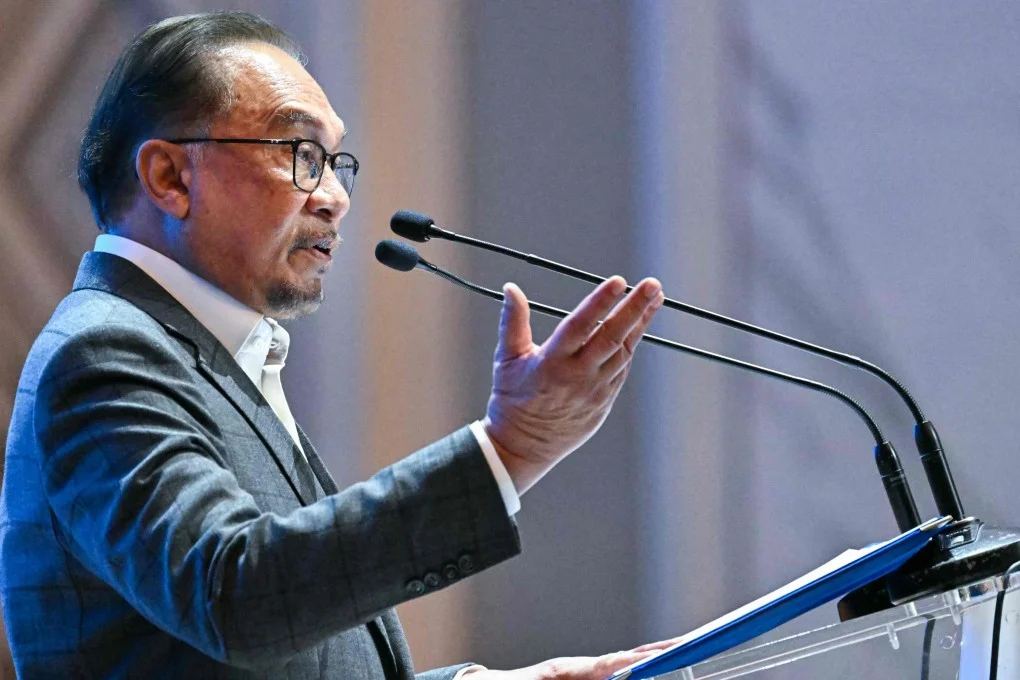
PUTRAJAYA: Malaysia must improve its preparedness in facing global economic uncertainties, including the fallout from a US market crash that has resulted in trillions of dollars in losses, Prime Minister Datuk Seri Anwar Ibrahim said today. While the country’s economic fundamentals remain strong, Anwar noted that several unexpected developments — particularly new tariffs and shifting trade dynamics with the United States — require immediate attention. “Our export value to the US is significant. Semiconductor exports alone could reach USD100 billion, accounting for 65% of the country’s total semiconductor production,” he said at a staff meeting with the Prime Minister’s Department. “Therefore, we must consider all possibilities. We do not want any economic policies that could harm the people, affect jobs, or jeopardise livelihoods.” Deputy Prime Ministers Datuk Seri Ahmad Zahid Hamidi and Datuk Seri Fadillah Yusof were also present at the meeting. Anwar added that a meeting is scheduled for Thursday, to be chaired by Investment, Trade and Industry Minister Tengku Datuk Seri Zafrul Abdul Aziz. The meeting will involve ASEAN counterparts to coordinate a joint response to the US tariffs. On April 2, 2025, former US president Donald Trump announced a sweeping set of tariffs on ASEAN countries. These include a 24% base tariff on Malaysia, along with a reciprocal tariff set to take effect on April 9. Cambodia faces the highest combined rate at 49%, followed by Laos (48%), Vietnam (46%), and Myanmar (44%). Anwar warned that the decline in the US stock market, commodities, and trade is among the most severe in recent history, with estimated losses of up to USD4 trillion. “This will certainly influence their policy decisions. We hope it can be resolved through negotiation,” he said. He also called on the government machinery to increase efficiency, strengthen work ethics, and exercise fiscal discipline during these challenging times. “Reports of negligence, corruption, and abuse of power still exist. Department and ministry leaders must stay vigilant. Our objective is to fortify the nation and elevate Malaysia’s global standing,” he stressed. Also present were Ministers in the Prime Minister’s Department Datuk Seri Azalina Othman Said (Law and Institutional Reform) and Datuk Mohd Naim Mokhtar (Religious Affairs), along with Chief Secretary to the Government Tan Sri Shamsul Azri Abu Bakar and Public Service Department Director-General Tan Sri Wan Ahmad Dahlan Abdul Aziz. — BERNAMA

News

Reforms Needed to Climb Value Chain — Nik Nazmi

Natural resources and environmental sustainability minister Nik Nazmi Nik Ahmad said Malaysia must move away from its reliance on low-cost utilities and labour to remain competitive and environmentally sustainable. Speaking at the National Climate Governance Summit at Sasana Kijang today, he defended recent tariff hikes and subsidy reforms as necessary steps in repositioning the economy toward higher-value activities. “The increase in electricity and water tariffs, and the upcoming rationalisation of RON95 petrol subsidies, are not easy moves—but they are essential,” he said. “We’ve long depended on emission-heavy industries and cheap resources for growth. That model is no longer viable.” Nik Nazmi acknowledged that some businesses have pushed back against the changes. “I’ve had billion-ringgit companies tell me these hikes are disastrous. But the truth is, they’ve benefited from unrealistically low rates for too long. This adjustment is overdue.” He said Malaysia’s historical focus on infrastructure like highways and a national car brand came at the cost of under-investment in public transport systems like rail and buses—sectors that now hold the key to value-added, climate-aligned development. Citing examples like Japan, South Korea, China, and Singapore, he noted that these economies began as low-cost producers but moved up the value chain through innovation and services. “Malaysia must follow suit. Our addiction to cheap utilities and low-wage labour must end.” The government has announced key reforms to improve fiscal sustainability. Among them is a plan to implement targeted RON95 subsidies by mid-2025. Tenaga Nasional Bhd will also raise base electricity tariffs in Peninsular Malaysia by 14.2% in July to meet rising energy demand, especially from the growing data centre sector. “These are not just economic adjustments—they are environmental imperatives. It’s time we bite the bullet,” Nik Nazmi said.–FMT

Scroll to Top

Subscribe
FREE Newsletter