News

News

Bank Negara to Look Beyond Interest Rates Amid Tariffs

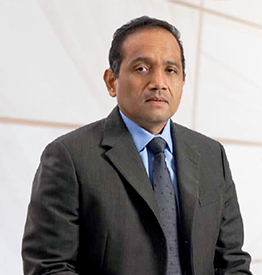
Bank Negara Malaysia (BNM) is shifting its policy lens beyond traditional monetary tools as the country braces for economic headwinds stemming from sweeping new U.S. tariffs. Speaking in an interview with Bloomberg TV, central bank governor Abdul Rasheed Ghaffour said Malaysia is entering the trade dispute from a position of relative strength, supported by robust investment activity, resilient domestic demand, and a diversified network of trading partners. “Monetary policy cannot resolve trade wars. It’s not the best tool to do it,” Rasheed said, noting that while interest rates remain an important lever, broader structural measures will be more effective in shielding the economy from external shocks. The central bank has held its benchmark interest rate at 3% since May 2023, following a year-long tightening cycle. However, with the U.S. imposing a 24% levy on Malaysian goods, traders are now pricing in a potential 25-basis point rate cut within the next six months, according to Bloomberg’s swaps data. Rasheed emphasised that BNM’s primary focus remains on maintaining price stability and fostering sustainable growth. “What’s important for us is the mandate that we want — price stability that supports long-term economic growth,” he said. The ringgit, Asia’s top-performing emerging-market currency in 2024, has come under renewed pressure in April, tracking broader volatility among developing-market peers. Rasheed noted that the central bank is prepared to intervene when necessary to prevent excessive currency fluctuations, but any action will be “judicious” to preserve orderly market conditions. BNM is currently reviewing Malaysia’s 2025 GDP growth forecast of 4.5% to 5.5% in light of the new tariffs, though Rasheed cautioned against hasty revisions. “We’re not in a rush to change it now because things are still very much fluid,” he said, adding that January’s industrial production data, which came in below expectations, is being closely analysed. Rasheed also underscored the need for deeper structural reforms. “It’s more important now that the government doubles down on structural changes to strengthen the economy and support the ringgit in a more sustainable way,” he said. Among the government’s ongoing measures is the planned reduction of fuel subsidies for the top 15% of income earners, with changes to RON95 petrol prices expected later this year. While this move may affect inflation, BNM maintains its consumer price forecast of 2% to 3.5% for 2025 remains intact. Efforts are also underway to encourage government-linked companies and investment funds to repatriate foreign investment income and convert proceeds into ringgit — a move expected to bolster currency strength. In parallel, BNM continues to engage with exporters and importers to encourage prudent foreign exchange management, including timely conversion of export earnings. Despite the uncertainty posed by trade tensions, Rasheed’s remarks reflect cautious optimism anchored in Malaysia’s economic fundamentals — and a belief that the path through global volatility lies not in reactionary rate cuts, but in long-term resilience.

Investment & Market Trends, News

Oil Suffers Worst Five-Day Drop Since 2022

SINGAPORE: Oil prices slumped to their lowest level in over four years today, marking their steepest five-day decline since March 2022, as fears of a global recession deepened amid escalating trade tensions between the United States and China. The sell-off also rippled across commodity markets, dragging down base metals and agricultural goods. The drop follows U.S. President Donald Trump’s announcement on April 2 of sharply higher tariffs on key trading partners, which has wiped nearly 20% off oil prices since. The latest round of tariffs, including a staggering 104% duty on Chinese imports, has rattled financial markets and clouded the global economic outlook. “Crude oil extended losses amid signs of escalation in the trade war,” analysts at ANZ said in a note, highlighting that copper prices have also plunged nearly 10% since the announcement of the new tariffs. The U.S. confirmed that the increased tariffs on Chinese goods will come into effect shortly after midnight, while also initiating talks with other affected trading partners. Market sentiment soured further as China announced retaliatory tariffs of 34% on all U.S. goods, effective April 10. The move severely dims hopes for a quick resolution between the world’s two largest economies. “The aggressive retaliation by China lowers the chances of a swift trade deal and raises the risk of a global economic slowdown,” said Ye Lin, Vice-President of Oil Commodity Markets at Rystad Energy. She warned that China’s projected oil demand growth of up to 100,000 barrels per day could be undermined if the trade war drags on. However, she noted that Beijing’s potential stimulus measures to boost domestic consumption may offset some of the downside. Commodities Under Pressure In China, base metal prices extended losses. Copper futures on the Shanghai Futures Exchange slid to an eight-month low, while iron ore on the Dalian Commodity Exchange dropped 3%. Benchmark copper on the London Metal Exchange declined 1%, recording its largest five-day loss since March 2020. Gold prices also edged lower as U.S. Treasury yields climbed, while nervous investors weighed the intensifying trade conflict. In the agricultural sector, Malaysian palm oil futures fell over 1%, and rubber prices sank to their lowest level in more than a year. Meanwhile, Chicago soybean futures rose for a third consecutive session, rebounding from four-month lows earlier this week, supported by rising prices in Brazil and a softer U.S. dollar.–REUTERS

News

South Korea Launches Emergency Measures to Counter US Auto Tariffs

SEOUL: South Korea has announced emergency support measures for its auto industry in response to the United States’ imposition of a 25% tariff on imported cars and light trucks, set to begin Thursday under President Donald Trump’s directive. Key measures include: Increased policy financing: Raised to 15 trillion won (US$10.18 billion) for 2025, up from 13 trillion won. Tax cuts: Auto purchase tax reduced from 5% to 3.5% until June 2025. Expanded EV subsidies: Boosted to cover 30%-80% of price discounts (up from 20%-40%), extended through year-end. Export diversification: Efforts to support market expansion in the “Global South.” Negotiation with the US: Aimed at avoiding disadvantageous treatment compared to other allies. South Korea’s auto exports to the US totalled US$34.7 billion in 2024, nearly half its global auto export volume. Automakers like Hyundai are trying to buffer the impact—pledging to maintain current US vehicle prices for at least two months, following a US$21 billion investment announcement last month. Industry leaders welcomed the support but expressed concerns that more domestic stimulus may be needed. Analysts caution that while tariffs may be a negotiation tactic, they could raise costs—particularly in the EV segment, which relies heavily on Chinese parts.

Investment & Market Trends, News

Malaysian Glove Makers to Benefit from Potential US Tariff Hike on China

KUALA LUMPUR: Malaysian glove makers are poised to gain if US President Donald Trump follows through on his threat to impose an additional 50% tariff on Chinese goods. CIMB Securities Sdn Bhd stated that the potential tariff hike could enhance Malaysia’s competitive edge in the global glove market, especially in relation to Chinese producers. According to CIMB Securities, Malaysia accounted for 45% of the global glove market in 2024, while China held 28%. The firm highlighted three possible scenarios—bullish, base, and conservative—under the assumption that the Trump administration imposes the tariff. In any of these scenarios, Malaysian glove makers would benefit, as the tariff would make their products more attractive to US buyers compared to those from China. Malaysia currently enjoys the lowest US reciprocal tariff rate of 24% among major glove-producing countries, compared to China’s 34%, Vietnam’s 46%, Thailand’s 36%, Indonesia’s 32%, and Cambodia’s 49%, CIMB said. However, the firm also warned that while higher tariffs on Chinese gloves could drive US demand toward Malaysian products, this advantage may be offset by Chinese manufacturers shifting their focus to non-US markets, increasing competition in those regions. Furthermore, the uncertainty around policies and cost volatility could lead US buyers to adopt a more cautious approach, resulting in softer demand and reduced purchase volumes. CIMB Securities has maintained a “neutral” rating on the rubber glove sector due to the weak near-term outlook and the ongoing uncertainties in the operating environment. The firm’s top picks for the sector are Kossan Rubber Industries Bhd and Supermax Corporation Bhd, both rated “buy.”

News

China advises Shein against shifting supply chain

Fast-fashion retailer Shein is facing opposition from the Chinese government regarding its plans to shift some production outside of China, Bloomberg News reported on Tuesday, citing sources familiar with the matter. China’s Ministry of Commerce has reached out to Shein and other companies, advising them against diversifying their supply chains by sourcing from other countries. The exact identity of the other companies contacted was not immediately clear. The ministry’s requests came in the context of US President Donald Trump’s announcement on reciprocal tariffs, which has led many firms to seek alternative strategies to avoid additional import levies. Shein did not immediately respond to a Reuters request for comment regarding the report. Trump’s unexpectedly harsh tariffs have caused significant disruptions in global markets, wiping out trillions of dollars in asset value and prompting China to retaliate with a 34% tariff on all US goods.

News

CGS Malaysia Introduces Fractional Share Trading on Bursa Malaysia

KUALA LUMPUR:  In a landmark move to democratise investing in Malaysia, CGS International Securities Malaysia Sdn. Bhd. (CGS MY) has officially launched fractional share trading on Bursa Malaysia via its new digital platform, UP—marking the first time such a feature is available on the local bourse. Officiated by Malaysia’s Minister of Finance II, Datuk Seri Amir Hamzah Azizan, the launch underscores a key aspiration of the Malaysia MADANI Economy Framework to widen capital market access to the masses. “By removing critical barriers like high cost and minimum board lot requirements, this initiative allows anyone with a digital device and internet connection to own a stake in Malaysia’s top companies,” said Datuk Seri Amir Hamzah. “This market-first innovation is a testament to what’s possible through strong collaboration between regulators and market players.” Also present at the launch were top representatives from the Securities Commission Malaysia, Bursa Malaysia, and CGS International, including Carol Fong, GCEO of CGS International, and Azizah Mohd Yatim, CEO of CGS MY. Investing Made Simple with UP UP is CGS MY’s next-generation trading platform, designed with an intuitive user interface and equipped with award-winning insights, competitive fees, and a suite of educational resources. Aimed at young and first-time investors, UP enables users to build diversified portfolios with as little as $1. “Fractional trading is a game-changer,” said Carol Fong. “ASEAN’s young, enterprising population is eager to grow their income through smart investments. UP is here to support that journey—not just in Malaysia, but across the region.” The platform includes SaveUP, a regular savings plan that allows users to automate investments at their preferred frequency, reinforcing long-term wealth-building habits. Users can set personalised goals and start with a low monthly investment, making the stock market more accessible than ever. Empowering with Education To guide users through their investing journey, UP offers curated financial education through its ‘Discover’ and ‘Education’ sections. These feature simplified investing fundamentals and insights from CGS International’s research team, supporting informed decision-making. Boosting Financial Literacy with the ASEAN Investment Challenge The launch also coincided with the ASEAN Investment Challenge (AIC) 2025, a regional competition designed to promote investment literacy among students. Now entering its third edition, the challenge has expanded to the Philippines, making it the only student investment challenge in the region backed by all local exchanges in participating countries. “We hope to empower more young Malaysians and first-time investors through tools that make investing less daunting,” said Azizah Mohd Yatim. “Coupled with our educational efforts like AIC, we’re working to equip the next generation with the confidence and knowledge to secure their financial future.” UP is now available for download on the App Store and Google Play.For more information, visit: https://cgsi.com.my/up

News

ASEAN SMEs Risk Losing US$237.5 Billion Without Sustainability Push

KUALA LUMPUR: ASEAN’s small and medium-sized enterprises (SMEs), which form 99% of the region’s business landscape, risk losing US$237.5 billion in potential revenue if they fail to embrace greener, more sustainable practices. This stark warning came from Bank Negara Malaysia (BNM) assistant governor Madelena Mohamed during her keynote address at the High-Level Dialogue on Supply Chain Resilience titled “Insights into Greening Value Chains for ASEAN.” “Transitioning SMEs is more than just about cutting carbon emissions or using cleaner technologies,” she said. “It is about future-proofing economies by improving resource efficiency, reducing costs, and building resilience against climate and other disruptions.” Citing the mounting pressure of net-zero targets across ASEAN member states, Madelena stressed that decarbonising regional value chains—particularly those involving SMEs—is not optional but essential for sustaining competitiveness, growth and long-term resilience. Tackling Structural Barriers Despite the urgency, Madelena acknowledged the structural limitations faced by SMEs, including financial constraints, lack of technical knowledge, and limited access to specialised support. To address these challenges, Malaysia launched the Greening Value Chain (GVC) programme in 2023, a pilot initiative under the Joint Committee on Climate Change (JC3). The programme blends financing with practical training and tools to help SMEs decarbonise their operations. “More than 330 SMEs have undergone technical training since the start of the programme, and nearly half have started to measure and report their greenhouse gas emissions,” she noted. The Role of Anchor Companies A core component of the GVC is the role of anchor companies—typically large corporations that integrate SMEs into their supply chains and support them with infrastructure, knowledge-sharing and financial aid. “Under the GVC, we’ve seen large corporates acting as sponsors, allowing SMEs to leverage their resources. This kind of collaboration makes the green transition feasible,” Madelena said. She outlined three pillars driving the programme’s success: collaboration, innovation and continuous improvement. “Alone, we can do so little; together, we can do so much,” she said, quoting Helen Keller to highlight the power of collective action. A Whole-of-Ecosystem Approach Madelena stressed that meaningful progress requires a whole-of-ecosystem approach where governments, corporates, financial institutions and SMEs work hand in hand. “A common platform enables each party to build on others’ expertise and experience. This is how we drive comprehensive and scalable solutions,” she said. Sustaining Long-Term Change Finally, she emphasised the importance of agility and adaptability in policy and practice. Sustainable transformation, she said, demands frameworks that evolve with SMEs’ needs and continuous commitment from all stakeholders. “Smart partnerships address resource constraints and foster a culture of innovation. But sustaining the change is imperative—we must stay agile, responsive, and committed.” As ASEAN eyes deeper regional integration and global supply chain prominence, the message from policymakers is clear: sustainability is no longer a ‘nice to have’, but a non-negotiable pillar of economic resilience.

Investment & Market Trends, News

BYD Forecasts Record Q1 Net Profit

BEIJING: Chinese electric vehicle (EV) giant BYD is forecasting record net profit for the first quarter of 2025, driven by robust sales growth that saw the company ship more than one million vehicles between January and March. According to preliminary results released today, the Shenzhen-based automaker expects net profit to come in between ¥8.5 billion (US$1.2 billion) and ¥10 billion – nearly doubling from ¥4.6 billion in the same period last year. This marks a year-on-year growth of between 86% and 119%. “The company achieved record new energy vehicle (NEV) sales for Q1,” BYD stated in a filing to the Hong Kong Stock Exchange. In the first quarter alone, sales of pure electric passenger vehicles surged by 39% to 416,388 units. BYD had earlier announced that its total vehicle sales during this period had surpassed the one million mark for the first time. The company, whose slogan is “Build Your Dreams”, has experienced a strong sales trajectory in recent months. Its annual revenue in 2024 climbed to ¥777.1 billion, surpassing that of US rival Tesla. In addition to domestic success, BYD noted “substantial growth” in international NEV sales. However, geopolitical headwinds could challenge the company’s global ambitions. The escalating China-US trade tensions and broader friction between Beijing and Western capitals pose significant risks. Former US President Donald Trump has imposed 25% tariffs on all imported vehicles, alongside sweeping levies on Chinese goods. These come on top of earlier measures by predecessor Joe Biden, which restrict the use of Chinese technology in smart vehicles. In Europe, BYD faces scrutiny as well. The European Union is reportedly investigating whether the Chinese government provided unfair subsidies for BYD’s upcoming factory in Hungary, which is set to begin electric car production later this year.-AFP

News

Malaysia to Send Officials to Washington to Discuss Tariffs by End-April

KUALA LUMPUR: Malaysia will send officials to Washington by the end of April to begin dialogue with the United States over the recently imposed 24 per cent reciprocal tariffs, Prime Minister Datuk Seri Anwar Ibrahim announced today. Minister of Finance II, Datuk Seri Amir Hamzah Azizan, later confirmed that the Malaysian delegation would depart for the US by month-end. “This is part of our soft diplomacy of quiet engagement. We will be dispatching our officials to Washington to begin the process of dialogue. There may be limited room to revisit the underlying intent, but there is still scope for adjusting the policy’s implementation,” said Anwar during his keynote address at the ASEAN Investment Conference 2025 titled “ASEAN 2025: Forging a Resilient and Inclusive Future.” “In the meantime, Malaysia will adapt, as we always have. Winds may shift, but we do not drift. Our trade diversification strategy is already gathering pace.” While affirming Malaysia’s commitment to remaining a steadfast trade partner to the US, Anwar stressed that the government will also take all necessary steps to safeguard the nation’s economic interests. “This includes engaging proactively with the US to achieve a mutually beneficial outcome, while at the same time diversifying and strengthening ties with other major trade markets across the European Union (EU), Asia, the Middle East, and Africa.” Anwar, who also serves as Finance Minister, said that trade between Malaysia and the US has long been a model of mutual benefit. “Our exports support not only growth here but also high-quality jobs across the United States. This commercial relationship has served both countries well, but these new measures may end up harming both sides.” Echoing the Prime Minister’s sentiments, Amir Hamzah emphasised the need for a civil and constructive discussion with the US to better understand the rationale behind the tariffs. When asked if Malaysia was panicking in response to the situation, he replied: “No. We are chill.” He added that while the US’ move was unexpected, Malaysia is taking a measured and prudent approach rather than reacting hastily. “Therefore, we will go to the US for an amicable discussion, to gain a deeper understanding of this issue, and to explore ways to reach a better outcome than the current situation. “For now, we should not panic or act in haste. We will do things the right way,” he said after the ministerial dialogue session on “ASEAN Macro Structural Policies: Reform Versus Expansionary Measures.” — BERNAMA

News

Growth Strategies Take Centre Stage at ASEAN Investment Conference 2025

The ASEAN Investment Conference (AIC) 2025 kicked off today in Kuala Lumpur, bringing together regional policymakers, investors, and capital market leaders to chart a collective path towards resilient growth and inclusive development across ASEAN. Held over two days under the theme “Connecting Capital, Unlocking Opportunities and Driving Sustainability,” the conference convenes more than 700 influential participants including thought leaders, bankers, and fund managers to explore strategies that will deepen regional integration, mobilise capital, and unlock new growth avenues for the region’s 600+ million people. Hosted by the Securities Commission Malaysia (SC) in collaboration with AFFIN Group, CGS International Securities Malaysia, and RHB Banking Group, the conference comes at a pivotal moment as global markets face shifting dynamics and economic uncertainties. Delivering the keynote address, Malaysian Prime Minister Dato’ Seri Anwar Ibrahim emphasised the importance of regional collaboration and sustainable capital flows. Earlier in the day, he held a closed-door breakfast session with global fund managers overseeing a combined USD8 trillion in assets under management (AUM). Malaysia, as the ASEAN Chair in 2025, is positioning itself to lead regional initiatives focused on mitigating the effects of global trade shifts—including US tariffs—while promoting intra-ASEAN trade, and advancing growth in emerging sectors such as artificial intelligence and green energy. Key discussion areas included: Strengthening regional financial integration through fintech and digital banking. Enhancing cooperation with major economic partners such as China, Japan, and South Korea. Supporting sustainable development and economic resilience amid global headwinds. SC Chairman Dato’ Mohammad Faiz Azmi remarked, “ASEAN’s strength lies in its unity and shared purpose. In a time of global uncertainty, collaboration and mutual investment are key to unlocking the region’s full potential.”He added, “By deepening cooperation, we can harness ASEAN’s diversity and move collectively towards a more inclusive and resilient future.” A major milestone at the event was the launch of the ASEAN Simplified ESG Disclosure Guide for SMEs in Supply Chains (ASEAN SEDG) – Version 1.Developed under the SC’s Chairmanship of the ASEAN Capital Markets Forum (ACMF), the guide offers practical, step-by-step ESG reporting support for SMEs, helping them align with evolving sustainability standards while building resilience and competitiveness. It reflects the aspirations of ASEAN Vision 2040, which aims to transform all ten member states into sustainable, future-ready economies. Prominent speakers at AIC 2025 included: Senator Datuk Seri Amir Hamzah Azizan, Minister of Finance II, Malaysia H.E. Chee Hong Tat, Minister for Transport and Second Minister for Finance, Singapore Senator Tengku Datuk Seri Utama Zafrul Tengku Abdul Aziz, Minister of Investment, Trade and Industry, Malaysia H.E. Thomas Djiwandono, Vice Minister, Ministry of Finance, Indonesia H.E. Dr. Kao Kim Hourn, Secretary-General of ASEAN The event also featured insights from senior representatives of multilateral agencies including the World Bank, Asian Development Bank (ADB), and Asian Infrastructure Investment Bank (AIIB).

Scroll to Top

Subscribe
FREE Newsletter