News

News

Webull Malaysia Teams Up With AHAM Capital To Launch Moneybull

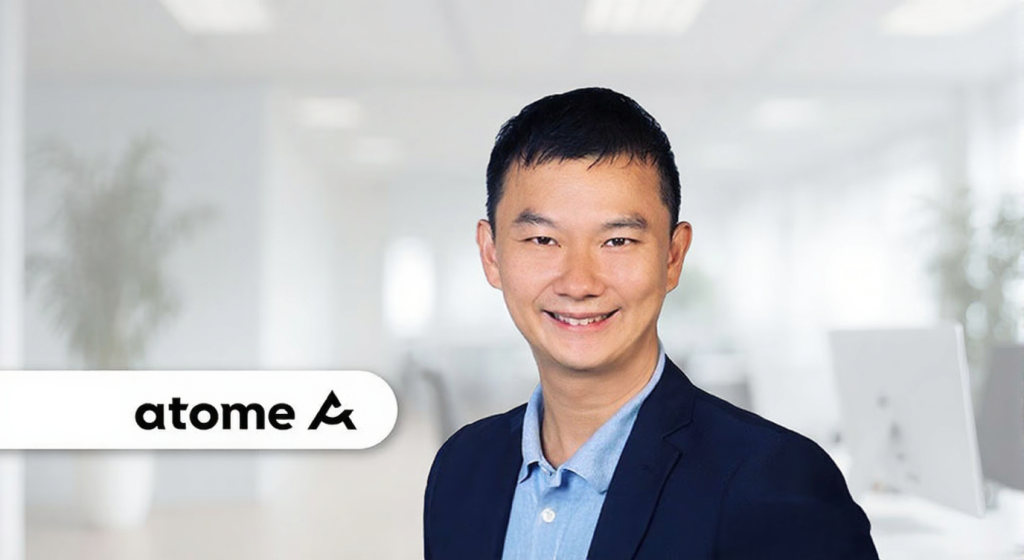
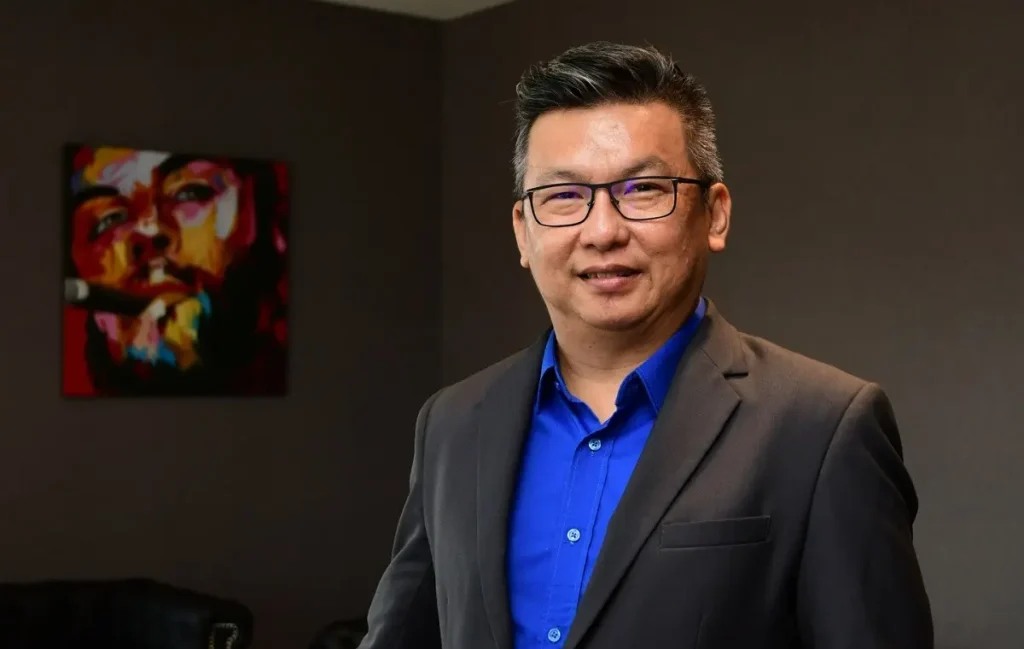
Webull Malaysia, a subsidiary of Webull Corporation, has partnered with AHAM Asset Management Bhd (AHAM Capital) to introduce Moneybull, a cash management platform that helps investors earn returns on idle or uninvested cash while maintaining full liquidity. The collaboration combines Webull’s technology-driven investing platform with AHAM Capital’s fund management expertise to make it easier for Malaysians to optimise idle cash and earn daily returns. Webull Malaysia CEO Kenneth Chan said the partnership bridges fund management and digital innovation, providing a simple, low-risk, and accessible way for Malaysians to grow their wealth while promoting sound financial habits. AHAM Capital Managing Director Datuk Teng Chee Wai highlighted that Moneybull addresses a common investing challenge: how to make idle cash work. “Moneybull invests unutilised cash into a low-risk, Shariah-compliant money market fund, offering stable returns while keeping funds fully flexible for market opportunities,” he said. Moneybull invests in the AHAM Aiiman Enhanced i-Profit Fund-Class B, a Shariah-compliant money market fund managed by AHAM Capital. The fund offers returns of up to 3.4% per annum with no lock-in period, giving investors both stability and accessibility. To celebrate the launch, Webull Malaysia is running a promotional campaign for new and existing users. Eligible users activating Moneybull during the campaign can earn bonus returns of up to 6% per annum for 90 days on cash balances up to RM200,000 per user. Additionally, new users opening and activating a Webull account during the campaign can earn Welcome Rewards, including RM500 worth of Nvidia shares for deposits of RM5,000 maintained for 60 days. The promotion runs from Nov 14 to Dec 31, 2025. This partnership reflects a growing trend of digital-first financial solutions in Malaysia, enabling everyday investors to access professional fund management with convenience, flexibility, and low risk.

News

Steel Hawk CEO Afizul Yusoff Quits; Haffiz Hussin Takes Over

Steel Hawk Bhd has announced the resignation of its CEO, Afizul Md Yusoff, after nine months in the role. Afizul, 47, who was appointed in February during the company’s senior management restructuring, is stepping down to take a career break and focus on personal interests, the company said in a Bursa Malaysia filing on Tuesday. Haffiz Hussin, 40, a former Petroliam Nasional Bhd (PETRONAS) engineer with 16 years of experience, has been named the new group CEO effective immediately. Haffiz previously led construction-based engineering at PETRONAS, overseeing digital solutions, technical performance, and value realisation from September 2024 to November 2025. Neither Afizul nor Haffiz holds any direct or indirect stake in Steel Hawk or its subsidiaries. Steel Hawk had previously undergone leadership changes in September 2024 when it moved from Bursa Malaysia’s LEAP Market to the ACE Market. Salimi Khairuddin, 39, briefly served as CEO before being redesignated executive director upon Afizul’s appointment. The company’s restructuring followed Steel Hawk Engineering Sdn Bhd being appointed as a panel contractor for construction and modification projects for PETRONAS and 27 of its downstream plants. Salimi continues to oversee the group’s onshore engineering division, which handles engineering design, fabrication of oilfield equipment, and project management for clients including PETRONAS Gas Bhd and PRPC Utilities & Facilities Sdn Bhd. Shares of Steel Hawk closed unchanged at 28 sen, valuing the company at RM137.2 million. Despite a 40% year-to-date decline, investors who purchased shares at the 15-sen IPO price have seen an 86% gain.

News

Works Minister: At Least RM449m Needed To Finish MEX II

The long-delayed Maju Expressway extension (MEX II) will require around RM449 million to complete, according to Works Minister Datuk Seri Alexander Nanta Linggi. The estimated amount was submitted by the receivers and managers (R&M) of project concessionaire MEX II Sdn Bhd in November 2024, following their review of the remaining works needed. The concessionaire has been under receivership since May 2022 after defaulting on payments for its sukuk facility. Alexander noted that the final figure may exceed RM449 million due to increased construction costs, repair works and other expenses arising from the prolonged stoppage. “The cost may rise further, taking into account current price conditions and rectification works required due to the long delay,” he said in a written reply to Parliament on Tuesday. He was responding to questions from Yeo Bee Yin (PH–Puchong) on the project’s outstanding cost, expected completion timeline and whether toll hikes would be necessary due to mismanagement. Alexander said both the completion schedule and the future toll structure for MEX II have yet to be finalised. He added that the R&M team is preparing a full proposal that includes cash flow forecasts, financing requirements, traffic modelling, concession period adjustments and toll-rate considerations, aimed at ensuring the extension remains financially sustainable. MEX II — a 16.8km, three-lane dual carriageway — is designed to extend the current MEX highway from the Putrajaya Interchange and connect it directly to the KLIA highway. Construction first began in 2016, with completion originally slated for December 2019. However, the project stalled after concessionaire MEX II Sdn Bhd ran into severe financial issues. The company had raised funds through a sukuk, but fell into default in 2021 on both principal and profit payments, leading to receivership the following year. MEX II Sdn Bhd is owned by Maju Holdings Sdn Bhd, which also controls Maju Expressway Sdn Bhd, operator of the existing 26km Maju Expressway linking Kuala Lumpur to Putrajaya and Cyberjaya. Maju Holdings has come under increased scrutiny recently after its owner Tan Sri Abu Sahid Mohamed and former director Datuk Yap Wee Leong were separately charged with criminal breach of trust and money laundering offences related to the MEX II project.

News

SD Guthrie Increases Its JV Stake To 45%, Becoming Equal Partner With EcoWorld.

SD Guthrie Bhd, the world’s largest palm oil plantation group by land size, is strengthening its position in a major upcoming industrial development in Johor, becoming an equal partner to Eco World Development Group Bhd following a revised equity arrangement. The company announced that under an amended shareholders’ agreement inked on Tuesday, its wholly owned subsidiary SD Guthrie Land Ventures Sdn Bhd (SDGLV) will raise its stake in Eco Business Park 8 Sdn Bhd (EBP8) to 45%, up from 25% previously. EcoWorld, which originally held 65%, will pare down its stake to 45%, while Permodalan Darul Ta’zim Sdn Bhd (PDT) will maintain its existing 10% share in the joint venture. With the updated structure, the EBP8 board will expand to accommodate up to seven directors — three each representing SDGLV and EcoWorld, and one representing PDT — ensuring balanced representation among key partners. In a statement, SD Guthrie group managing director Datuk Mohamad Helmy Othman Basha said the move reflects the group’s ambition to build a stronger foothold in industrial development, which has emerged as a core focus of its long-term strategy. “By increasing our stake to 45%, SD Guthrie will assume a more strategic role within the joint venture. We are delighted to deepen our collaboration with PDT and EcoWorld. This step positions us to unlock greater value from our extensive land bank and deliver sustainable returns to shareholders,” he said. He added that the partnership is timely as demand for high-quality industrial assets in Johor continues to rise, driven by cross-border economic activity and the upcoming Johor–Singapore Special Economic Zone. The EBP8 integrated industrial park, with an estimated gross development value of RM3.75 billion, will be developed to attract high-value and innovation-driven industries. The project will offer a mix of industrial plots, ready-built facilities and supporting commercial components, catering to sectors such as advanced electronics, AI-driven supply chains, medical technology, biotechnology, food technology and modern logistics. Industry observers have noted Johor’s growing investment appeal. As at the third quarter of 2025, the state recorded RM91.1 billion in approved investments — the highest in Malaysia — surpassing the RM48.5 billion secured in 2024. The momentum is expected to continue as the region benefits from government-backed initiatives and increasing interest from global manufacturers seeking expansion in Southeast Asia. On Tuesday, shares of SD Guthrie closed eight sen higher at RM5.32, valuing the company at RM36.79 billion.

News

KWAP Names Abdul Hakim Amir Zainol As New CFO

Pension fund Kumpulan Wang Persaraan (Diperbadankan), or KWAP, has appointed Abdul Hakim Amir Zainol as its new chief financial officer (CFO), effective Nov 12. Abdul Hakim brings more than 20 years of experience in financial leadership and strategic management across multiple international markets. Prior to joining KWAP, he served in various senior roles within the Cagamas Bhd group, including CFO and chief business officer. In its statement, KWAP noted that Abdul Hakim’s global career exposure — covering financial control, treasury operations, strategic planning and regulatory oversight — provides him with a comprehensive understanding of financial governance and institutional transformation. His career also includes leadership positions in the United Kingdom, with stints at C Hoare & Co, the country’s oldest private bank, as well as Aldermore Bank. He began his professional journey with KPMG and Ernst & Young, focusing on audit and assurance services. KWAP chief executive officer Datuk Nik Amlizan Mohamed said Abdul Hakim’s appointment strengthens the organisation’s leadership bench. “His strong background in strategic finance, combined with his proven ability to drive performance and uphold governance standards, will be instrumental as KWAP continues to enhance its financial management and pursue its investment and sustainability priorities,” she said. Abdul Hakim is a fellow of both the Association of Chartered Certified Accountants (ACCA) and the Association of Corporate Treasurers (FCT). He is also a member of the Malaysian Institute of Accountants (MIA). He holds a degree in Accounting and Finance from the London School of Economics and a Sloan Master’s in Leadership and Strategy from London Business School. In his new role, Abdul Hakim will lead KWAP’s financial strategy and stewardship, with a focus on strengthening fiscal resilience, enhancing transparency and supporting the fund’s long-term goal of securing a sustainable retirement future for Malaysia’s public sector workforce.

News

KPS Subsidiary Secures RM78.1 Million Contracts For Chemical Supply

Kumpulan Perangsang Selangor Bhd (KPS) has announced that its 51%-owned subsidiary, Aqua-Flo Sdn Bhd, has secured two significant framework agreements with Pengurusan Air Selangor Sdn Bhd for the supply and delivery of chemicals to water treatment plants. The combined value of the contracts stands at RM78.10 million. According to a Bursa Malaysia filing today, both contracts are scheduled to commence on Jan 1, 2026, and will run until Dec 31, 2028, covering a three-year period. KPS highlighted that the contracts are expected to make a positive contribution to the group’s earnings and net assets throughout the contract duration. The agreements are part of the shareholders’ mandate approved during KPS’s extraordinary general meeting on July 28, 2025, ensuring that the subsidiary can undertake such projects in line with the company’s strategic objectives. Aqua-Flo, as a key player in water treatment chemical supply, will provide essential products and services to support Selangor’s water treatment infrastructure, reinforcing KPS Group’s presence in the utilities and environmental solutions sector. The contracts are also expected to strengthen the long-term collaboration between KPS and Pengurusan Air Selangor, while enhancing operational efficiency and service reliability for water treatment operations across the state. This milestone reflects KPS Group’s continued focus on securing stable, recurring revenue streams from strategic partnerships and infrastructure-related contracts, which are expected to underpin sustainable growth in the coming years.

News

Malaysia Targets Bigger Slice Of South Korea’s Halal Food Market

Malaysia is positioning its halal products to capture a larger share of South Korea’s rapidly expanding convenience and premium food sector, as Korean consumers increasingly demand halal, organic, and sustainably sourced goods. Leveraging globally recognised halal certification from the Department of Islamic Development Malaysia (Jakim) and Malaysia’s decade-long leadership in the Global Islamic Economy Indicator, local brands are promoting themselves as premium, trustworthy, and convenient options for Korean buyers. Malaysian Ambassador to South Korea Datuk Mohd Zamruni Khalid highlighted Malaysia’s strong halal ecosystem and export capabilities as key factors in cementing its reputation as a reliable trading partner. “Korean consumers are embracing halal-certified products alongside ethical and sustainable consumption trends,” he said. South Korea’s convenience food market is valued at US$7.27 billion (US$1 = RM4.15) and is expected to grow at an annual rate of 11.43% between 2025 and 2030, according to Statista. Zamruni noted that Malaysian brands are well placed to capitalise on this growth, particularly in the premium segment. Several Malaysian names, including Amazin’ Graze, OldTown White Coffee, PopsMalaya, and Spritzer, have already made inroads, spanning snacks, beverages, confectionery, and mineral water. Moving forward, products such as halal-certified ready meals, frozen tropical fruits like durian, specialty ingredients, and sustainably sourced items are expected to see strong demand. Zamruni identified three key areas for growth: halal certification, supply chain transparency, and product-market fit. Korean buyers increasingly prioritise ethical production, including sustainable palm oil, organic farming, and low-carbon processes. Meanwhile, tailoring products to local habits—such as single-serve portions, clean-label ingredients, and premium packaging—will strengthen Malaysian brands’ competitiveness. The ambassador also noted that halal certification is increasingly recognised in South Korea as a marker of safe, hygienic, and high-quality production, prompting even non-food companies to launch halal-certified lines. While South Korea’s halal market remains relatively small, its growth potential is significant. Reflecting this trend, South Korean firms are also investing in the segment. Paris Baguette, part of the SPC Group, opened its first halal food hub in Johor earlier this year, using Malaysia as an export base to serve Indonesia and the Middle East. Events like the ASEAN Trade Fair 2025 at the Korea International Exhibition Centre (KINTEX) in Ilsan play a vital role in connecting Malaysian halal SMEs and food producers with Korean importers, retailers, and foodservice operators. The fair facilitates product sampling, business-matching, and direct meetings, helping brands build visibility and commercial relationships. Bilateral trade data highlights the growing demand: from January to September 2025, Malaysia’s exports to South Korea rose 2.2% year-on-year to US$8.9 billion. Processed food exports alone reached around US$154.8 million in 2024, up 6.1% from the previous year, reflecting increasing interest in Malaysian halal products. This momentum signals a promising opportunity for Malaysia to expand its footprint in South Korea’s premium halal food market while reinforcing its position as a global leader in ethical and sustainable halal production.

News

GoTo Appoints New CEO As Grab Deal Moves Forward

GoTo Group has appointed a new chief executive officer, a leadership shake-up widely seen as clearing the path for a potential takeover of Indonesia’s largest digital services company by Grab Holdings Ltd. The company announced that chief operating officer Hans Patuwo will succeed Patrick Walujo as CEO, pending shareholder approval. The leadership shift follows pressure from GoTo co-founders and major investors — including SoftBank Group Corp — who grew dissatisfied with Walujo amid the firm’s prolonged share-price slump. The move marks a reversal from GoTo’s statement earlier this year that Walujo would remain in charge for the long term. During his two-and-a-half years as CEO, Walujo helped the company achieve its first profit, but GoTo’s market value still dropped more than 40%. He had also resisted a takeover by Grab. GoTo shares rose as much as 4.7% in early Monday trading in Jakarta, giving the firm a valuation of around US$5 billion (RM20.71 billion). Grab, listed in New York, is valued at about US$20 billion. According to Citigroup Inc analysts Ferry Wong and Ryan Davis, the leadership transition could “signal a shift toward operational consolidation” and reinvigorate the long-discussed Grab–GoTo merger. Patuwo, 49, now faces the task of steering the company through a challenging period marked by rapid advances in artificial intelligence and renewed merger discussions. The likelihood of a deal has increased after the Indonesian government confirmed ongoing talks with both companies. Indonesia’s sovereign wealth fund, Danantara, is expected to participate in the potential merger structure. The fund has been exploring a minority stake in the combined entity since early this year, sources told Bloomberg in June. Its involvement is expected to address concerns over competition in the ride-hailing market. Analysts noted that Danantara’s participation would “serve as both symbolic and structural protection of national interests,” helping alleviate monopoly worries. Patuwo joined GoTo over seven years ago after working at an Indonesian conglomerate. He began as part of Gojek’s leadership, strengthening ties with drivers and merchants while expanding the company’s national footprint. He later led GoTo’s payments and financial services division. GoTo also announced additional leadership updates, including the appointment of co-founder Andre Soelistyo to the board of commissioners — a body overseeing governance and strategic direction. Soelistyo, who previously led GoTo and orchestrated the landmark Gojek–Tokopedia merger, had served as an executive director at Northstar Group, Walujo’s former private equity firm. GoTo shareholders will vote on the leadership changes and other corporate matters at an extraordinary general meeting scheduled for Dec 17.

News

BIG Pharmacy Continues To Expand

Malaysia’s two biggest retail pharmacy chains — BIG Pharmacy Healthcare Sdn Bhd and Caring Pharmacy Group Bhd — are merging in an RM850 million deal that will form a combined group with over 400 outlets and annual revenue of RM2.3 billion. The merger gives the new entity a strong lead over competitors such as Alpro Pharmacy and Health Lane Family Pharmacy. Industry sources say the group may retain multiple brands, including BIG Pharmacy, Caring, Wellings and Georgetown. With an estimated 11% share of Malaysia’s 3,500-pharmacy market, the group is set to accelerate its expansion in a sector growing 8% to 9% annually, still dominated by small, family-owned outlets. The deal was confirmed last Friday after 7-Eleven Malaysia Holdings Bhd accepted BIG Pharmacy’s offer to acquire its 75% stake in Caring for RM637.5 million. BIG Pharmacy is also buying the remaining 25% from Motivasi Optima Sdn Bhd, which includes Caring founder and managing director Chong Yeow Siang. BIG Pharmacy’s proposal values Caring at RM850 million, based on a price-earnings multiple of 19.6 times Caring’s FY2022 net profit of RM43.4 million (excluding Indonesia). The chain is backed by private equity firm Creador. Creador eyes listing within three years Creador founder and CEO Brahmal Vasudevan said the combined pharmacy business is expected to be listed within three years, following the fund’s successful IPO track record with Mr DIY Group (M) Bhd and CTOS Digital Bhd. Caring was previously listed in 2014 before being taken private by 7-Eleven Malaysia in 2020 at RM2.60 per share, valuing it at RM566 million. Under the new agreement, BIG Pharmacy will acquire Caring’s Malaysian retail operations and intellectual property, including the CARiNG, Georgetown and Wellings brands. However, the Indonesian operations under PT Era Caring Indonesia will be excluded. 7-Eleven Malaysia said the sale will unlock value and allow it to refocus on its convenience store business. Further details will be revealed once the definitive agreements are signed. The disposal will require shareholder approval. BIG Pharmacy aims to elevate services nationwide BIG Pharmacy CEO Lee Meng Chuan said the acquisition aligns with the company’s goal to improve healthcare access, affordability and service standards for Malaysians. “By combining our expertise and resources, we aim to deliver an unparalleled healthcare experience and strengthen our community-focused mission,” he said. Founded in 2006 by Lee and his wife Lim Sin Yin, BIG Pharmacy has expanded from its first outlet in Damansara Uptown to more than 270 branches nationwide. The group’s net profit more than doubled to RM31 million in FY2022. Caring, founded in 1994 by five Universiti Sains Malaysia pharmacy graduates including Chong, opened its first store in Taman Muda, Cheras, before growing into one of the country’s top pharmacy brands.

News

TDA Hands Over 64 ICP Projects Under Prasarana’s RM11.37 Bil LRT3 Procurement

Technology Depository Agency Berhad (TDA) has officially handed over 64 completed Light Rail Transit Line 3 (LRT3) Industrial Collaboration Programme (ICP) projects worth RM11.37 billion to Prasarana Malaysia Berhad. TDA, an agency under the Ministry of Finance, oversees and manages the implementation of ICP in government procurement. The LRT3 project, awarded to Setia Utama LRT3 Sdn Bhd, a wholly owned subsidiary of Malaysian Resources Corporation Berhad, required the company to implement 64 key ICP initiatives alongside the railway construction from 2019 to November 2025. The projects were delivered across five key sectors in line with Malaysia’s economic priorities; services, manufacturing, construction, agriculture, and green mobility. Covering Chief Executive Officer of TDA Mohammad Rafidi Mat Dahan said this marks the successful completion of one of Malaysia’s largest ICP initiatives. “It demonstrates how strategic government-linked projects can drive technology transfer, enhance local capabilities, and support sustainable economic growth. This achievement has enhanced skills, strengthened industries, and created long-term national value.” “It sets a new benchmark for future government-linked projects,” he added. The handover ceremony at Transport Expo Asia (TXA) 2025, held during the three-day event from 11–13 Nov 2025, was officiated by YBhg Datuk Hajah Norison Ramli, Under Secretary, Government Procurement Division. Of these, 47 projects enhanced Prasarana’s operational efficiency, digital systems, and workforce capabilities, while 17 community and industry focused initiatives empowered SMEs, universities, and local vendors through technology adoption and sustainability programmes. Building on these achievements, TDA has played a pivotal role in linking government, industry, and academia to ensure each ICP project delivers tangible outcomes in technology localisation, skills development, and market access, Mohammad Rafidi said. The LRT3 ICP Programme reinforces Malaysia’s position as a leader in strategic industrial collaboration, providing a sustainable model for innovation, localisation, and national economic growth.

Scroll to Top

Subscribe
FREE Newsletter